
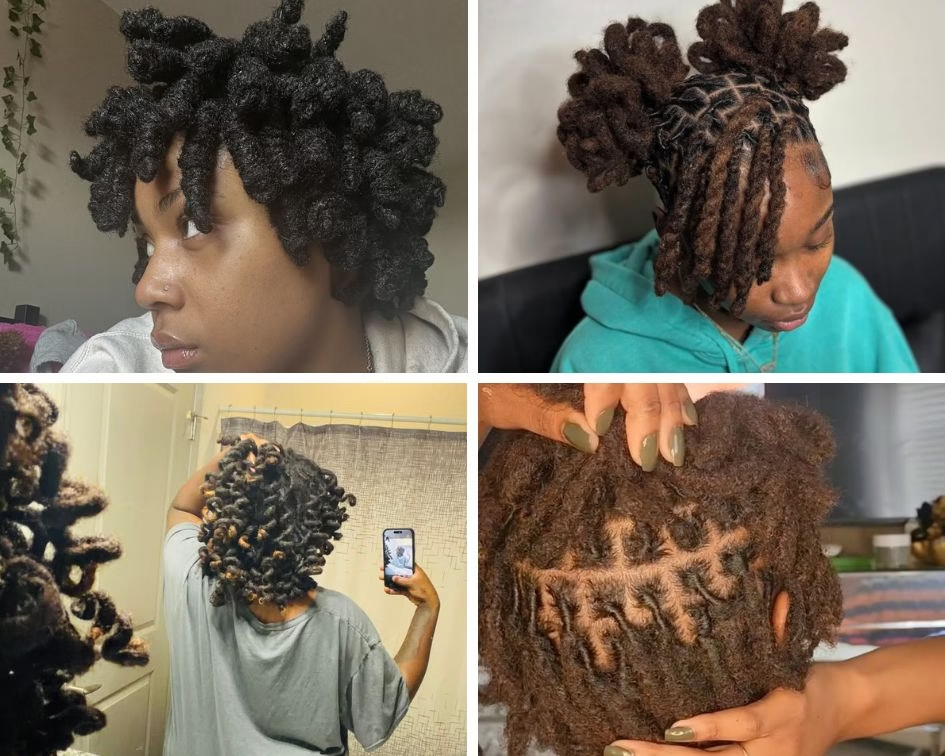
Why do some short locs look thick and bouncy while others look flat and thin? The answer is rarely luck, and it is almost never about having naturally better hair.
Fullness comes from healthy roots, smart moisture, gentle shaping, and the right styling habits every week. I see this with clients all the time, and small changes often make a big difference.
Short locs have a special charm, and for fresh ideas, browse 25 cute short locs hairstyles before you begin. Still, short locs can look thin when they are dry, frizzy, or pressed flat by daily habits.
The good news is that you can change that without any harsh methods or heavy products. This guide covers cleansing, moisture, shaping, tools, styles, and the mistakes that quietly flatten locs.
Everything here is safe for your locs, and nothing needs heat, glue, or harsh chemicals. I will also be honest about limits, because fullness has a natural ceiling for every head.
Your loc size, your hair density, and your length all play a real and lasting part. So let us begin with what makes short locs look thin in the first place.
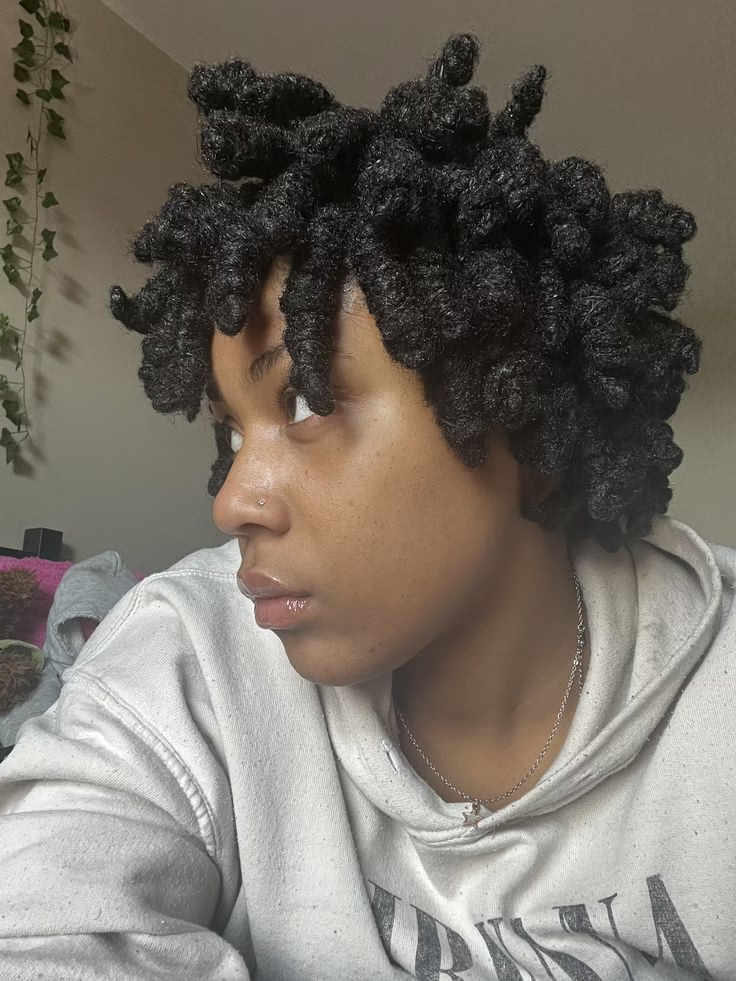
How to Add Volume to Short Locs and Make Them Look Fuller
What Makes Short Locs Look Thin or Flat
Brianna sat in my chair last month and said her locs looked thin, flat, and tired. Her locs were healthy, but they were dry, and the roots were pressed flat from daily wear.
That mix is very common, and it makes short locs look much thinner than they are. Dryness is the first cause, because dry locs shrink, lose their bounce, and hang limp.
Short locs show every flaw, because there is no length to hide dryness or thin spots. Buildup is the second cause, since residue weighs locs down and makes them look dull.
Tight retwisting is another cause, because it pulls the roots flat against the scalp each time. Thin locs can also come from age, and 15 mature locs styles for women over 40 shows lovely options.
Natural density matters too, because some heads have fewer hairs per square inch than others. Loc size also changes the look, since smaller locs create a lighter and softer shape.
None of this means your locs are bad, because every head has its own natural limit. Real fullness is about getting the best possible version of what you already have, not a fake one.
Next, let us check where your locs stand right now, so we know what to change.
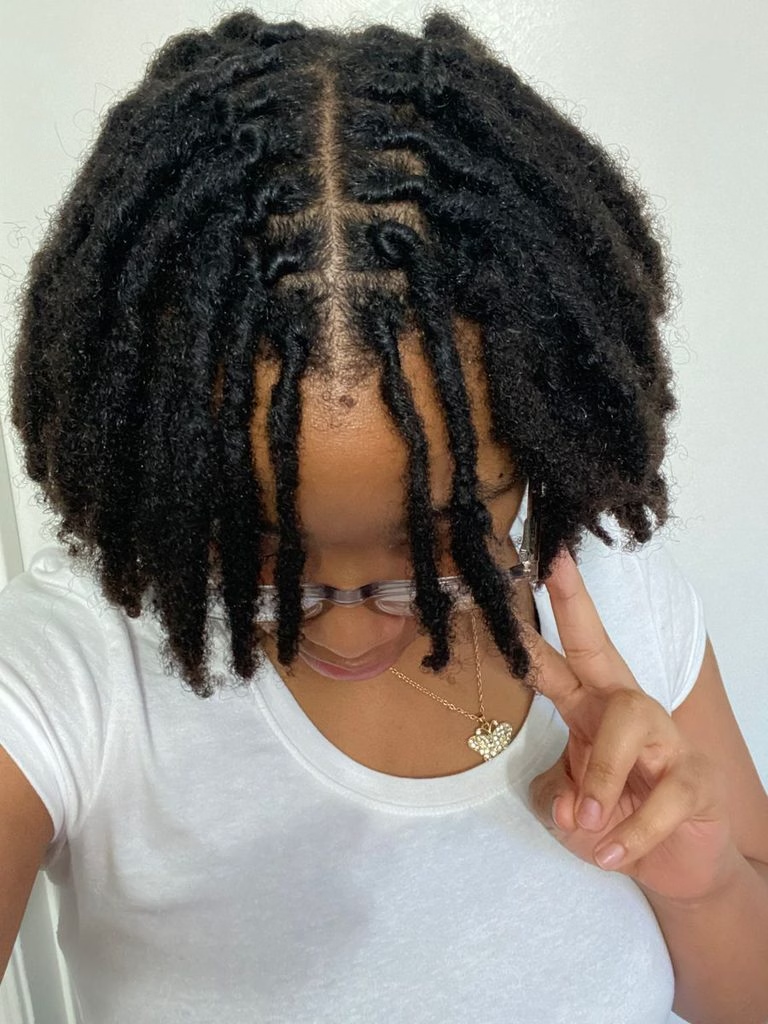
Know Your Starting Point: Loc Size, Density, and Length
Before you try any trick, take a close look at your locs in good daylight. Notice how thick each loc is, how much scalp shows, and how evenly the locs sit.
Measure the length of a few locs, so you know exactly where you are starting from. If a lot of scalp shows, the locs may be thin or spaced far apart.
In that case, styling and shaping will help more than any product on the shelf. If your locs are young, they will look thinner, so patience is part of the answer.
Browse 37 beautiful starter loc styles to see how young locs can still look pretty and full. Short length also hides fullness, because there is less hair to hang and create weight.
Take a photo of the front, the sides, the crown, and the back for comparison. Check each area for dry spots, thin patches, frizzy roots, and loose or weak locs.
Write down what you see, so you can track real changes over the next few months. If you see true thinning or bald spots, see a doctor before trying any new routine.
Healthy scalp comes first, and fullness only follows when the roots are strong and calm.
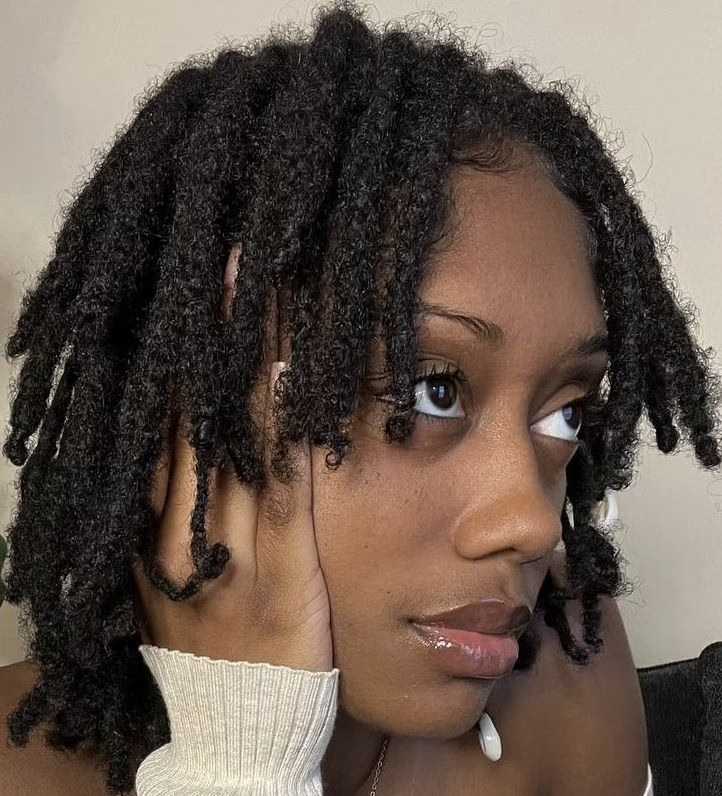
Start With a Clean Scalp and Clean Locs
How can locs look full when they are carrying a week of dust, oil, and product? They cannot, because buildup makes locs heavy, dull, and a little stuck to each other.
A clean start is the base of every fuller look, so do not skip this step. Wash your locs every one to three weeks with a gentle shampoo that leaves no residue.
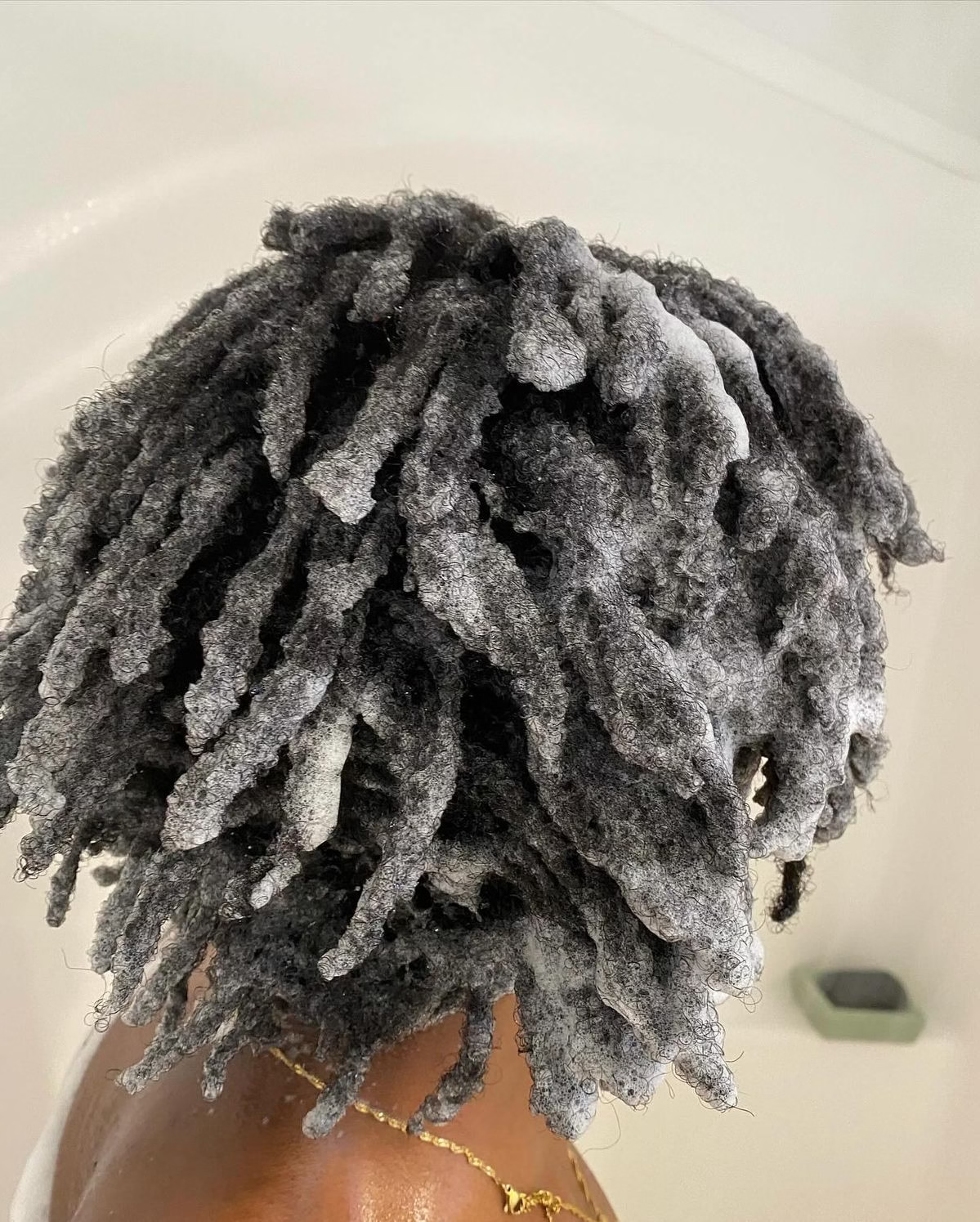
Focus the shampoo on your scalp, and let the suds run down through the locs. Use your fingertips, not your nails, so the scalp stays calm and free of scratches.
Squeeze the suds through the locs gently, and never rub or scrub them in a rough way. Rinse for much longer than you think you need to, because leftover soap flattens locs.
Once a month, use a clarifying rinse to lift deep buildup that normal washes miss. A diluted apple cider vinegar rinse works for many people, but test it on your scalp first.
Squeeze out the water, and dry your locs fully, since damp locs lose bounce and smell sour. Air drying is best, and a microfiber towel helps cut drying time without causing frizz.
Clean, dry locs are light, springy, and finally ready to show off their natural fullness.
Gentle Root Lifting That Adds Height
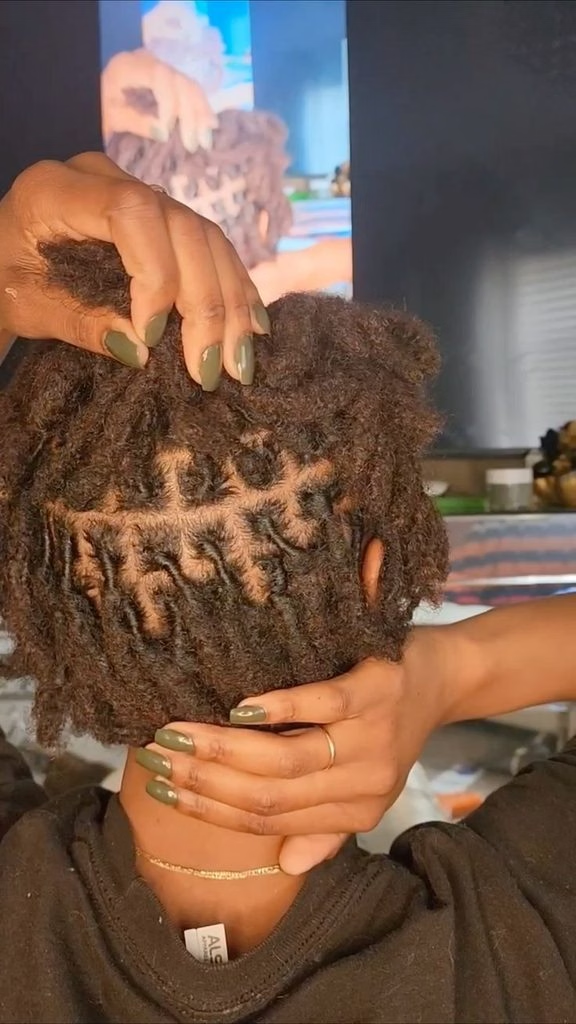
Flat roots are the biggest reason short locs look thin from the front and top. Lifting the roots gently gives you instant height, and it changes the whole outline of your style.
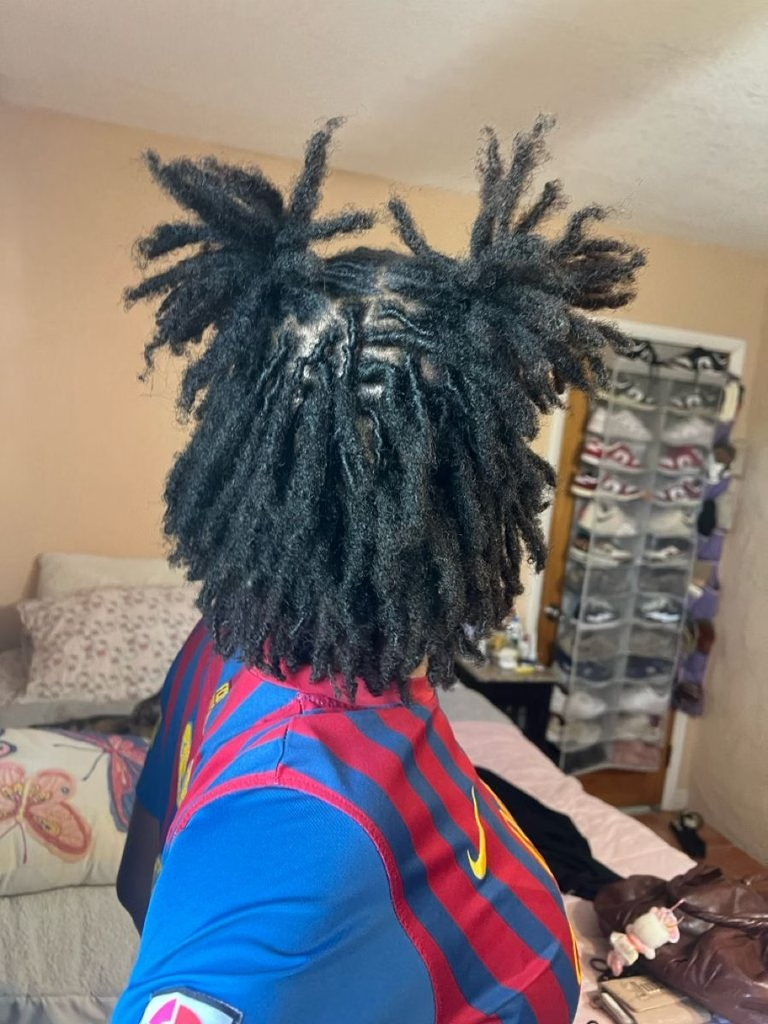
Use your fingertips to gently lift the locs at the base, and never use a sharp pick. Slide your fingers under each loc, and lift it up and away from the scalp.
Hold each loc in place for a few seconds, so the roots learn the new angle. Do not lift every loc at once on your first try, because roots need time.
Do this on slightly damp locs, because dry locs can snap and wet locs stay limp. Let the locs dry in that lifted position, and avoid pressing them down with a hat.
For more styling ideas, browse 18 cute locs styles and notice which ones use lifted roots. Never lift the locs too hard, since forceful pulling can cause pain and weak spots.
The lift should feel light and easy, like a gentle stretch with no discomfort at all. Repeat the lift each morning, and it will soon become a quick and relaxing habit.
Over time, your roots will rise more easily, and your locs will look fuller and fresher.
Shape and Round Your Locs the Right Way
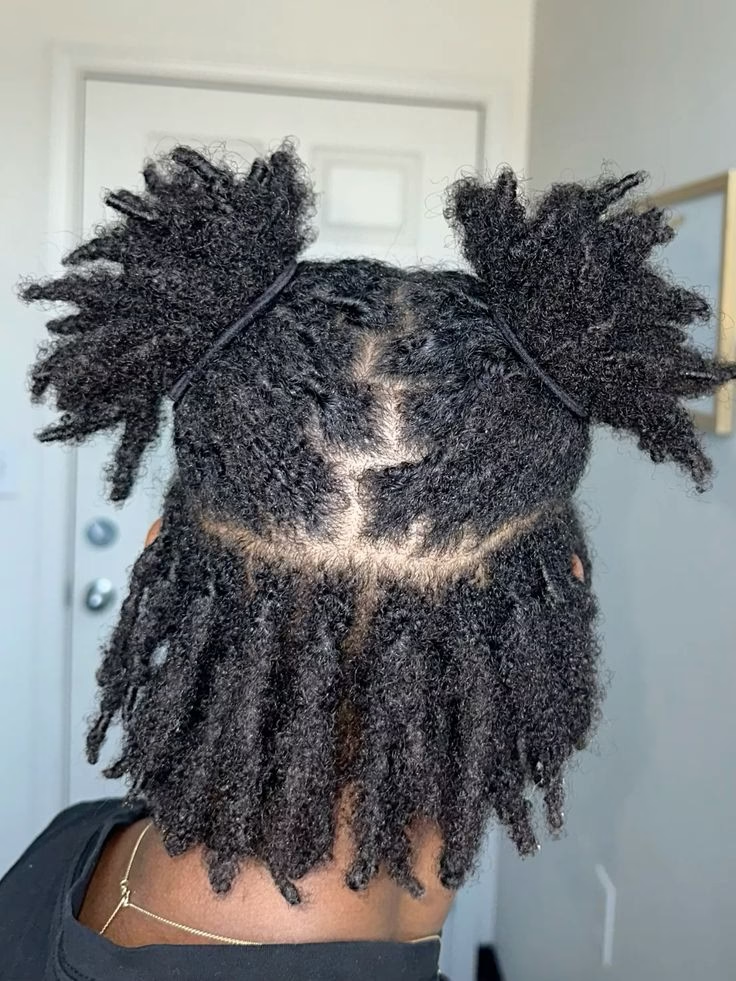
Did you know that a rounder loc looks thicker than a flat or twisted one? Palm rolling shapes each loc into a smooth round form, and that adds a fuller look.
Place the damp loc between your palms, and roll it slowly in one direction only. Use a tiny amount of light gel or water, and avoid heavy wax at all costs.
Always roll in the direction your locs already twist, so you never loosen the pattern. Support the root with your other hand, so the roll never tugs on the scalp.
Roll a few times only, because too much rolling can tighten and shrink your locs. Smooth locs also reflect light better, which makes the whole head look richer and healthier.
For a neat shape, check bob locs for women in their 30s and see how clean outlines look. A clean outline makes short locs look thick, because the edges look sharp and even.
Do not over roll the same locs every day, because the friction can cause thinning. Space your rolling out to once a week, and do it only when locs need it.
Smooth, round locs look fuller, and they also feel stronger and more polished in the hand.
A Smart Moisture Routine for Bouncy Locs
Moisture is the secret behind bouncy locs, because well fed hair looks plump and alive. Dry locs look thin, brittle, and dull, and they also break far more easily over time.
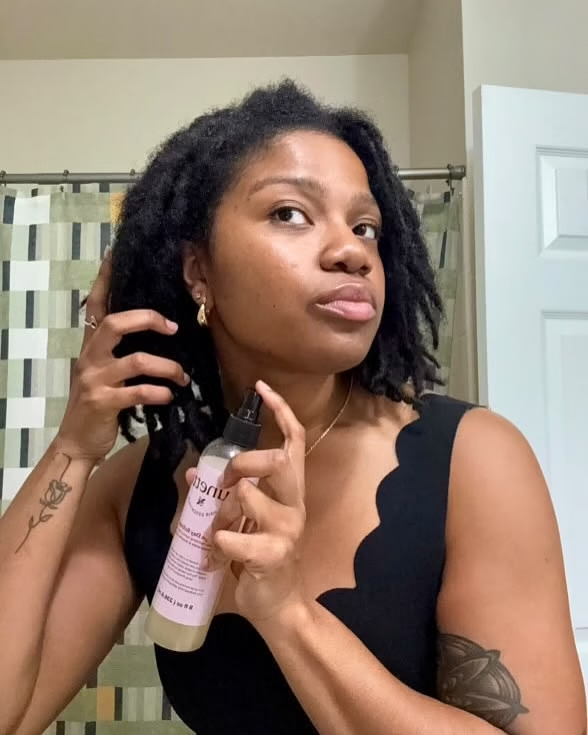
Use a water based spray daily, and mist the locs until they feel slightly damp. Seal that water in with a light oil, like jojoba oil or sweet almond oil.
Test your routine for a month, and adjust the amount of water and oil as needed. Heavy butters and thick creams can weigh short locs down and flatten the roots too.
Apply oil to the scalp lightly, and keep it away from the lengths of your locs. In cooler months, dry air pulls moisture from locs, so add an extra mist each day.
Save this for later: 14 cozy and chic looks for the season offers ideas for dry weather. Drink plenty of water, because dry hair often starts from the inside of the body.
Moisturize in the morning and at night, but never soak the locs every single time. Too much water makes locs swell and stay damp, which invites odor and even more buildup.
Balanced moisture gives you soft, springy locs that look thicker without any extra effort at all.
Light Products That Add Body Without Buildup
The right product adds soft body, but the wrong product adds weight that flattens everything. Look for light sprays, thin gels, and water based mousses that rinse out clean and easy.
Check the label, and avoid products that list waxes, petroleum, or heavy silicones near the top. These ingredients coat locs and trap dirt, which makes them look flat, dull, and greasy.
A little foam or mousse on damp locs gives light hold and a soft lift. Use only a small amount, because two pumps is plenty for a full head of short locs.
Work it in with your hands, and then leave your locs alone until they dry. Save this for later: 12 professional styles to try shows how neat and full locs can look at work.
A light spray of rosewater, mixed with a little water, can freshen locs between washes. Skip products that make your locs stiff, crunchy, or sticky, because those feel awful and trap lint.
Test every new product on one section first, and wait a week before using it everywhere. Rinse your locs well whenever you change products, so old and new formulas never mix.
Simple and light always beats heavy and complicated when you want fuller looking short locs.
Retwist Habits That Help Fullness
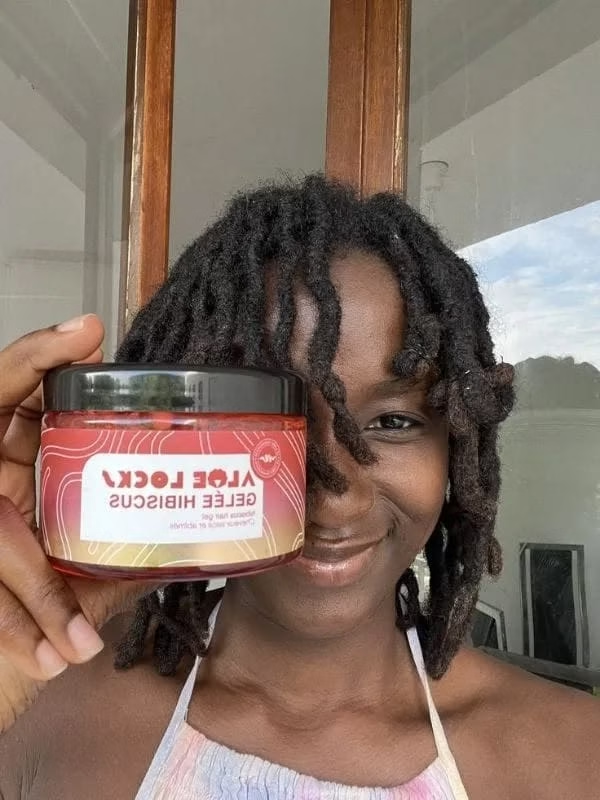
Could the way you retwist be the real reason your locs look thin and flat? It often is, because tight and frequent retwists pull the roots flat and cause thinning.
Retwist every four to eight weeks, and wait even longer if your roots still look healthy. A little new growth gives your locs natural lift, and it adds to the full look.
Retwist with a very light hand, and support the base so nothing pulls the scalp. Ask your technician to check your roots, and follow the schedule that fits your growth.
Twist in the same direction as your locs, so you tighten them without any unraveling. Keep your parts the same, because changing them can cause thinning and make locs look uneven.
Wide, clean parts can look thin, so ask your technician about the best spacing for you. Save this for later: 20 stunning ideas for your wedding day helps when you plan around a big event.
Time your retwist a week before big events, so the roots look neat but not too tight. A fresh retwist looks flat for a few days, and then it relaxes into a softer shape.
Patience with your timing gives you healthier roots, and healthy roots always look much fuller.
Flexi Rods for Soft Volume
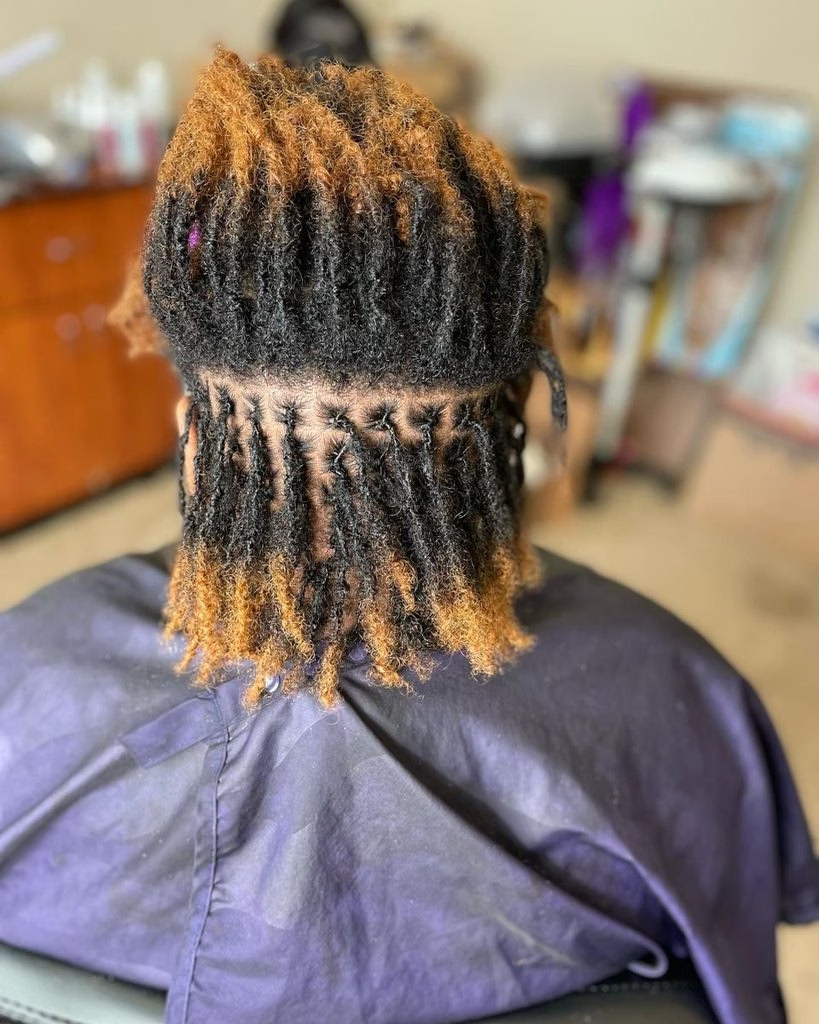
My client Tiffany wanted a soft, bouncy look for her big family photo day last spring. We used flexi rods on her damp short locs, and the result looked full and playful.
Flexi rods are soft foam rods that bend, and they create curl without any heat. They work best on short locs that are at least two to three inches long.
Pick small rods, and wrap each loc gently around a rod without any hard stretching or pulling. Bend the rod to close it, and keep the roots loose so nothing digs in.
Keep rods away from the scalp itself, so the roots stay free of pressure and pain. Leave the rods in until the locs are completely dry, which can take several hours.
Use a light mist beforehand, since soaking wet locs take far too long to dry. Remove each rod slowly, and let the curls fall naturally without brushing or fluffing hard.
Pair your curls with a half up look, like those in 45 half up half down locs styles. Curls last a few days, and a satin scarf at night helps protect the shape.
If your locs feel tight or sore after rods, remove them and try looser wraps.
Styles That Add Instant Fullness
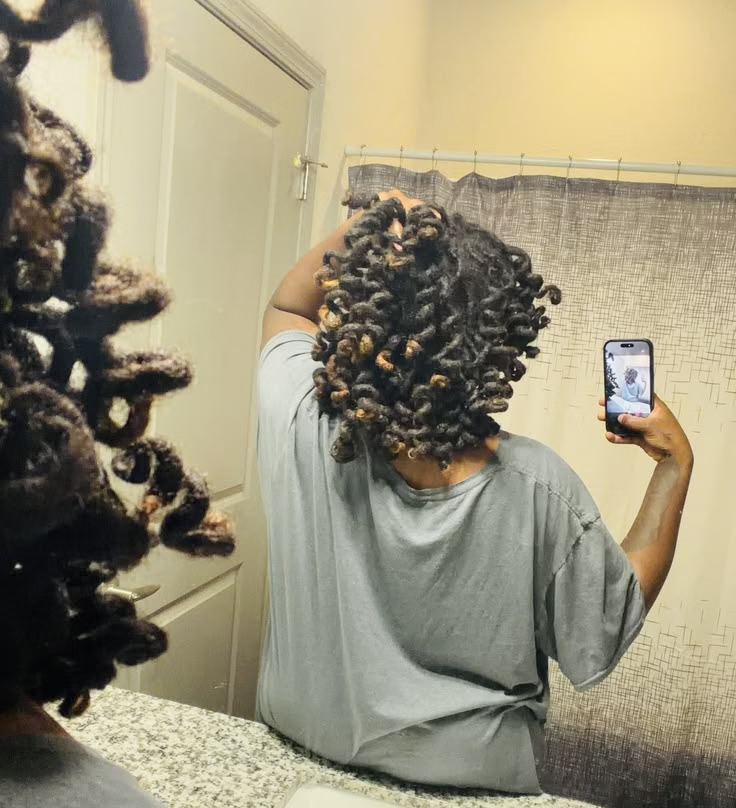
Some styles create fullness right away, and they need no products, tools, or special skills. A top puff pulls the front and crown locs up, and it adds height instantly.
Secure it with a soft band, and let a few locs fall around your face. A side part swept across the head makes locs look thicker on the fuller side.
A deep side part also hides thin spots, and it frames the face in a lovely way. Layered looks, with locs pinned at different heights, create the look of extra volume and depth.
For bold shapes, browse 15 chic looks for women who love bold hair and pick your favorite. A front pomp, with the front locs lifted and pinned back, adds a lovely rounded shape.
Loose spiral curls, made with rods, often look the fullest of all on short locs. Try each style on a calm day, so you can adjust anything that feels tight.
Take a quick photo of every new style, so you can learn which ones suit you. Never use tight bands, since pulling short locs too hard can cause thinning at the edges.
Switch styles often, so no single spot carries the stress of each look for long.
Shaping and Trimming for a Fuller Outline
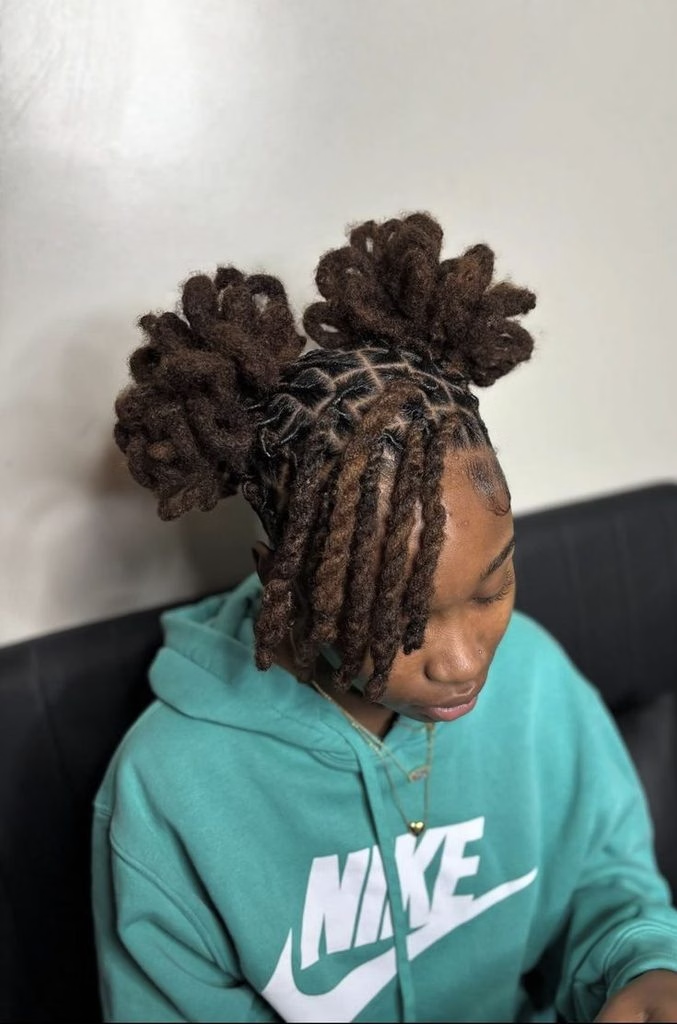
A neat outline makes short locs look thicker, because uneven ends make the head look thin. Ask your loc technician to shape the ends so they sit evenly around the head.
Bring photos of looks you love, so your technician clearly understands the shape you want. A rounded or tapered shape can hide thin patches, and it adds a polished finish.
For neat inspiration, browse 22 styles that look polished and intentional and bring photos to your appointment. Trim only the thin, weak, or frayed tips, and always leave the strong locs untouched.
Never cut your own locs in a hurry, because a bad cut cannot be undone. A professional can also blend uneven lengths, so the shape looks full from every angle.
Keep the nape and the sides tidy, since neat edges frame the whole style nicely. Do not over trim, because shorter locs hold less weight and can look even thinner.
Ask about shaping every three to four months, which keeps your look fresh and balanced. Leave a few stray locs alone if they are part of your natural look and charm.
Good shaping is quiet work, but it changes how full your locs appear from far away.
Accessories and Wraps for Extra Body
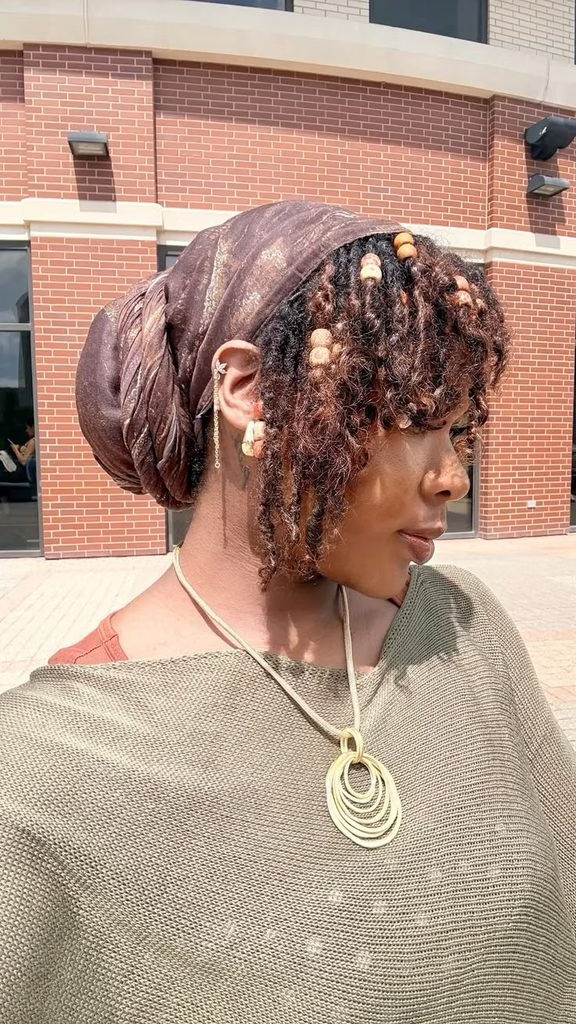
Accessories add shape, color, and body, and they take almost no time to put on. A wide stretchy headband lifts the front locs and creates a soft, rounded halo shape.
Silk scarves tied at the crown add height, color, and a lovely touch of glamour. Choose soft fabric, and tie it loosely, because tight scarves can press the roots flat.
Gold cuffs, beads, and wraps add weight and sparkle, which makes short locs look richer. Keep accessories light, because heavy beads can pull on thin locs and cause real breakage.
For special events, look at wedding loc updo styles for graceful ideas that suit your length. Pins with pearls or crystals can also dress up a simple style in just seconds.
Pick colors that match your skin tone and your outfit, so the look feels intentional. Try a few options in the mirror, and keep the ones that make you smile.
Remove every accessory at night, because sleeping in them can snag and break your locs. Store pins and wraps in a small box, so they stay clean and easy to find.
Small touches like these make your locs look styled, and styled locs always look fuller.
Nighttime Habits That Protect Volume
My client Jordan used to wake up every morning with flat, crushed locs on one side. He switched to a roomy satin bonnet and a satin pillowcase, and the problem faded fast.
Night habits matter a lot because you spend about a third of your life asleep. Cotton pillowcases soak up moisture and rub against locs, which causes frizz and flat spots.
Satin or silk lets locs slide, so the shape stays lifted and the moisture stays in. Choose a bonnet that feels roomy, because a tight band can press locs and edges.
Keep a spare satin scarf in your bag, in case you nap away from home. Before bed, mist your locs very lightly, and let them settle into their lifted shape.
In winter, keep your head covered, and see 12 cozy protective looks for cold weather for ideas. Never go to bed with wet locs, because damp locs stay flat and can smell sour.
If your locs are still damp, dry them well or use a cool hair dryer setting. Wash your pillowcase and bonnet often, since oils and product can build up on fabric.
A calm night routine takes only two minutes, and it protects your hard earned fullness.

Healthy Growth: Diet, Scalp Care, and Patience
Real fullness grows from the scalp, so your overall health plays a bigger role than you think. Eat balanced meals with protein, healthy fats, fruits, and vegetables, because hair needs steady nutrients.
Drink water through the day, and get enough sleep so your body can repair itself. Stress can affect your hair too, so find calming habits that fit into your daily life.
Massage your scalp for a few minutes each week, using your fingertips and a light oil. Gentle massage feels very relaxing, and it may help keep the scalp comfortable and supple.
Be careful with supplements, and always talk to a doctor before you add anything new. Healthy locs grow about half an inch each month, and that adds up over time.
In a year, you could gain around six inches, and that changes the whole look. See how patience pays off in 20 looks that celebrate every year, where locs look beautiful at every stage.
Stay consistent, because small habits repeated for many months beat big efforts done only once. Fullness is a slow reward, and every healthy habit brings you a little bit closer.

Mistakes That Make Locs Look Thinner
A few common mistakes can undo all your hard work, so let us look at them. The first mistake is using heavy wax or thick butters that coat and flatten your locs.
The second mistake is retwisting too tightly, which pulls roots flat and strains the scalp. The third mistake is skipping washes, since buildup makes locs look dull, flat, and thin.
Over washing is also a problem, because it can strip away moisture and cause frizz. Picking or pulling locs apart to look fluffier can break them and cause real thinning.
Tight styles, rubber bands, and heavy accessories also wear down edges and weaken short locs. Save this for later: 6 mistakes parents make when starting their child’s locs helps the young locs in your life.
Comparing your locs to someone else’s can push you to use harsh methods too soon. Every head has its own density, texture, and growth speed, and that is perfectly fine.
Avoid chasing quick fixes, because quick fixes often cost you your length and your strength. Keep a simple routine, and change only one thing at a time so you see results.
Avoiding these mistakes is half the work, and the other half is plain old patience.
Final Thoughts: Fullness Comes From Healthy Locs
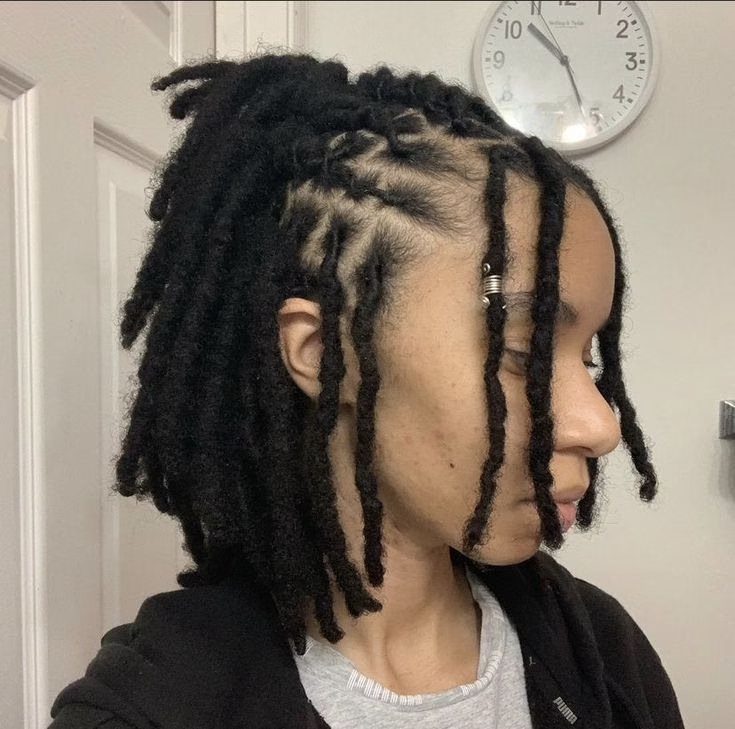
Fuller looking short locs come from healthy roots, light moisture, gentle shaping, and smart styling. Start with clean locs, lift the roots softly, and round each loc with a gentle palm roll.
Choose light products, space out your retwists, and protect your locs carefully every single night. Use styles, rods, and accessories to add height, and shape the ends for a neat finish.
Brianna, Tiffany, and Jordan all saw real change once they stopped rushing and started caring. Remember that your natural density sets a limit, and that limit is not a flaw.
Your goal is the fullest and healthiest version of your own locs, not someone else’s. Stay patient, stay gentle, and watch your short locs slowly grow fuller, softer, and stronger.
Pick two tips from this guide, try them this week, and see how your locs respond. Your short locs already have so much beauty, and now you have the tools to show it.