
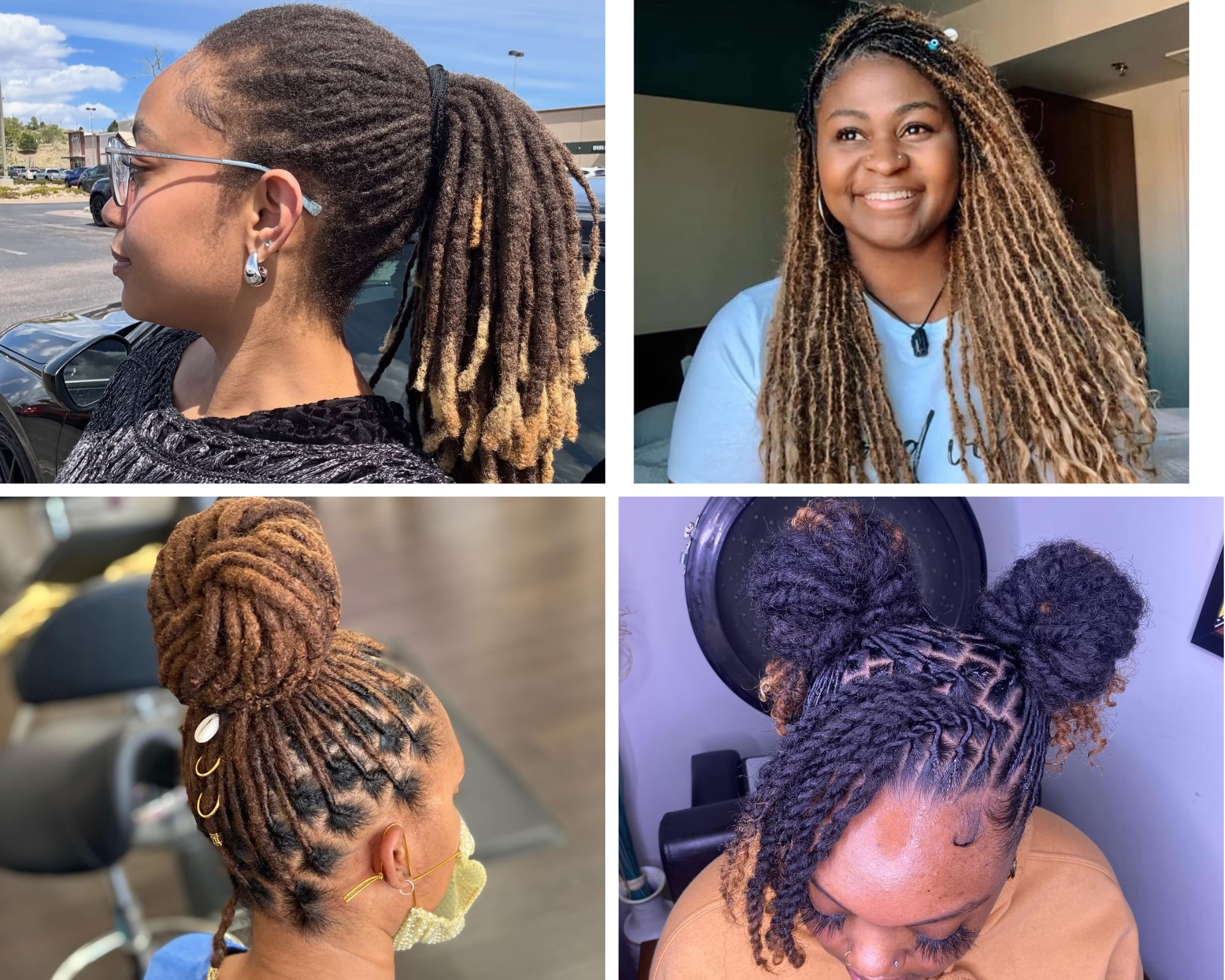
Long locs are stunning in every season. But winter has a way of making even the most beautiful locs look sad, dry, and lint-covered before January even arrives.
You worked hard to grow your locs to this length. Now the cold is here and suddenly you are dealing with dry, brittle ends. You are finding lint from your cozy sweaters woven into your locs.
Your cotton-lined beanie is quietly stealing all your moisture every single day. And you cannot find one style that actually works with long, mature locs in cold weather.
Most of what you find online is designed for shorter or looser textures. None of it addresses what happens when your locs are long enough to get caught in your coat collar.
This guide fixes that. You will get 12 specific, cozy, protective long loc styles designed for fall and winter 2026. Each one comes with exactly how to do it and why it works in the cold.
You will also get a winter care routine and a product section at the end that covers everything you need to keep your locs healthy through the season.

You may enjoy reading Locs Styles for Black Women This Fall: 14 Cozy and Chic Looks for the Season
Why Your Long Locs Suffer More in Winter Than Short Ones Do
Here is what is actually happening to your locs when the cold hits.
Cold air dries your locs out. So does indoor heating. Both are working against you at the same time. Even if you stay inside all day, the dry air from your heating system is pulling moisture out of your locs and contributing to dryness, frizz, breakage, and an itchy scalp.
When you step outside, it gets worse. Dry air and cold winds make your locs more prone to frizz. The lack of moisture leads to breakage. In the early stages, you might notice split ends at the tips of your locs before anything else.
Now add the lint problem. Winter is cozy sweater season, but all that coziness means your locs are rubbing against fuzzy fabric every day. Lint builds up fast on long locs because the length means more contact surface with your clothes. Every time your coat collar rubs against your locs, something is being stripped away.
Long locs face a specific challenge that short locs do not. Length adds weight. That weight puts extra tension on your roots. Your roots are already under stress from dry weather, so the combination of length, tension, and moisture loss is what causes the real damage you see by mid-January.
The good news is that protective styling is not just about looking cute. For long locs in winter, it is genuinely protective. Research indicates that using silk or satin-lined materials reduces hair breakage by approximately 50 percent.
A hydrating mask applied once a month can increase moisture retention by about 40 percent. These are not small numbers. They are the difference between locs that thrive through winter and locs that you spend spring trying to repair.
Keep those numbers in mind as you go through the styles below. Every one of them was chosen because it protects your locs from the specific threats of cold weather, not just because it looks good in photos.
Save for later How to Start Locs for Beginners Step by Step: A Simple Guide for Your First 90 Days
The 12 Best Long Locs Styles for Fall and Winter
Not all of these 12 styles are updos. Not all of them are elaborate. What every one of them has in common is this: they work with long locs in cold weather, not against them.
Style 1: The High Crown Bun

This elegant updo gathers your locs into a voluminous, crown-like bun at the very top of your head. The base is clean and twisted. The top is full and rich.
The warm brown tones of your locs add depth and warmth to the whole look, and it pairs beautifully with heavy winter coats and scarves.
Why it works in winter: The crown position keeps your entire length away from your coat collar, your sweater neck, and your scarf. Those three items are your locs’ biggest lint sources in winter. Tucking everything up and away means zero friction along the length of your locs.
How to do it: Gather all your locs upward toward the crown. Twist or fold the length around the base and secure with a large, loc-friendly scrunchie or a hair tie. Add two or three gold cuffs at the base for seasonal elegance.
For extra cozy flair, wrap a deep burgundy or forest green silk scarf loosely over the bun and tie it at the front.
Style 2: The Braided Half-Up
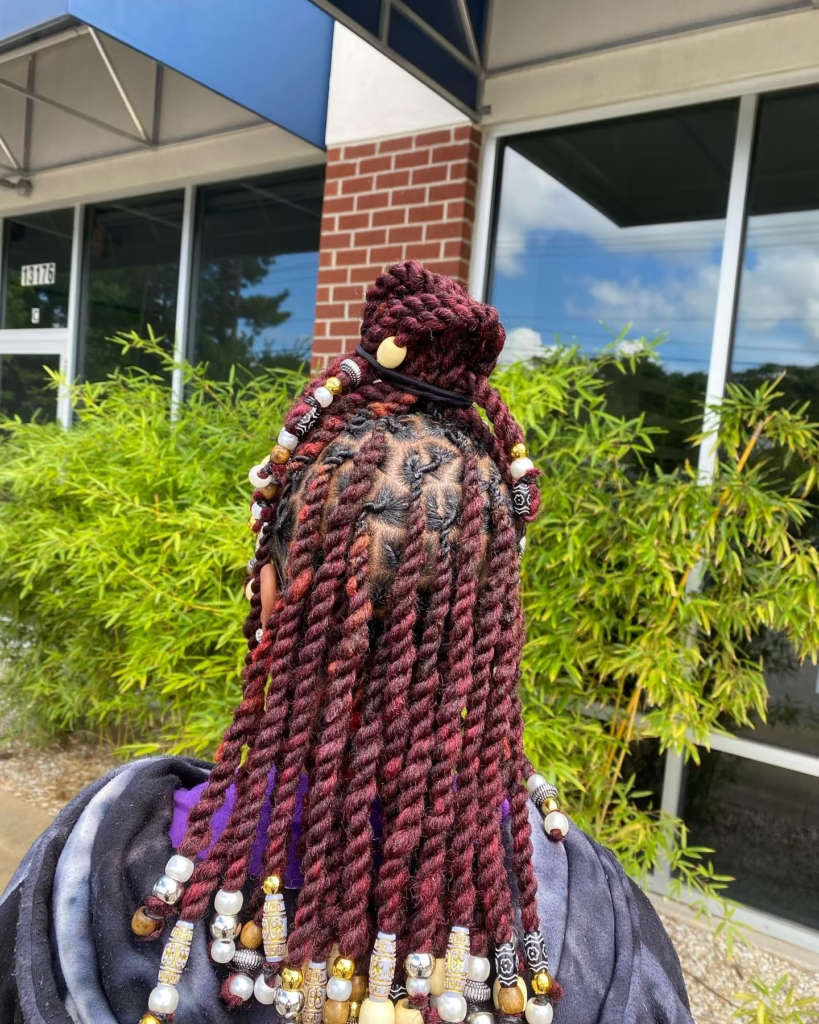
This half-up style combines a braided or flat-twisted crown with your locs flowing freely below. It is feminine and bold at the same time. You can pair it with anything from a winter dress to workout clothes and it works.
Why it works in winter: Your crown and temples are the most vulnerable spots when it comes to hat friction. The braided top section acts as a protective shield for those areas.
If you are wearing a satin-lined beanie, the braid provides a smooth base underneath without disturbing the rest of your locs.
Bookmark for later Pinned-Up Locs Styles: 16 Ways to Pin Your Locs for a Polished Look
How to do it: Part your hair from temple to temple. Take the front two sections and braid or flat-twist them back toward the crown. Join them together and pin securely.
Leave all the remaining locs down. The bottom half gets to flow freely while the most fragile section stays protected.
Style 3: The Wrapped Bun with a Silk Scarf
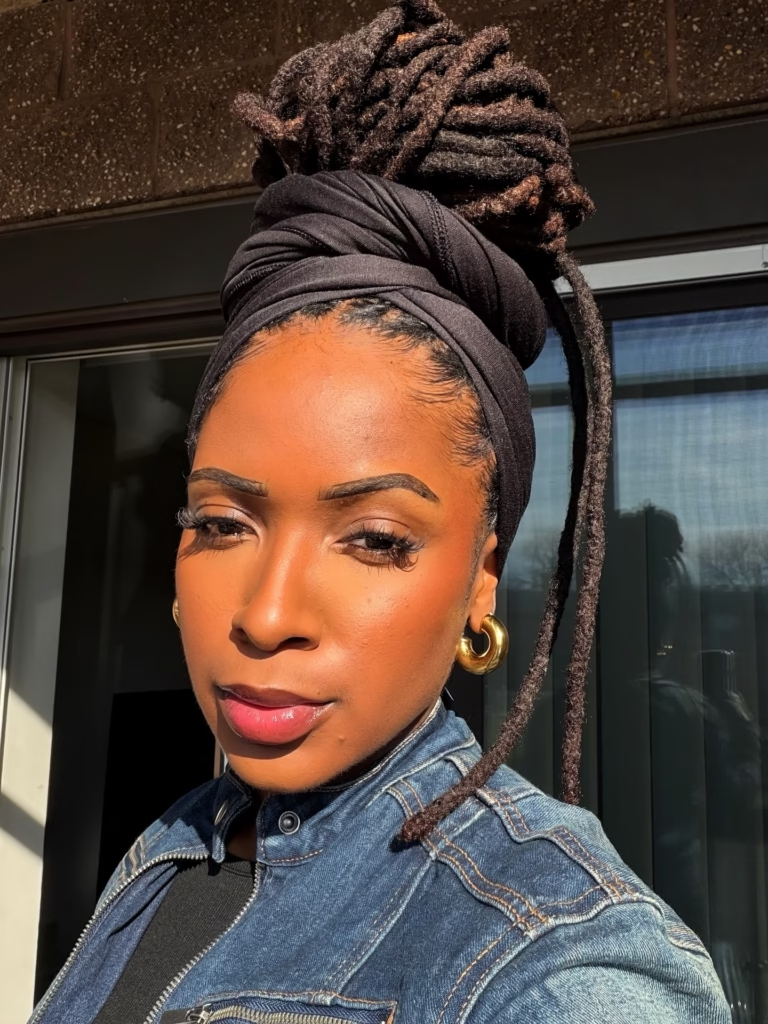
This is one of the most photogenic fall and winter looks you can do with long locs. Gather your locs into a loose, low bun at the nape or the middle of your head. Then wrap a silk or satin scarf around the bun twice and tie it at the front or side.
Why it works in winter: Covering up with the right material is one of the best things you can do for your locs in cold weather. Protecting your locs and covering up will help them sustain that fresh-retwist look for much longer, and will help your hair retain the moisture it needs.
The key word is the right material. Silk and satin hold in moisture. Cotton and wool pull it out.
How to do it: Gather your locs into a low or mid-height bun. Wrap a large silk scarf around the bun twice, then tie it at the front, back, or side. Choose colors that match the season.
Burnt orange, deep burgundy, emerald green, and mustard yellow all look stunning against dark locs in fall light. This style photographs beautifully and works for holiday gatherings where a hat would be out of place.
Style 4: The Sleek High Ponytail
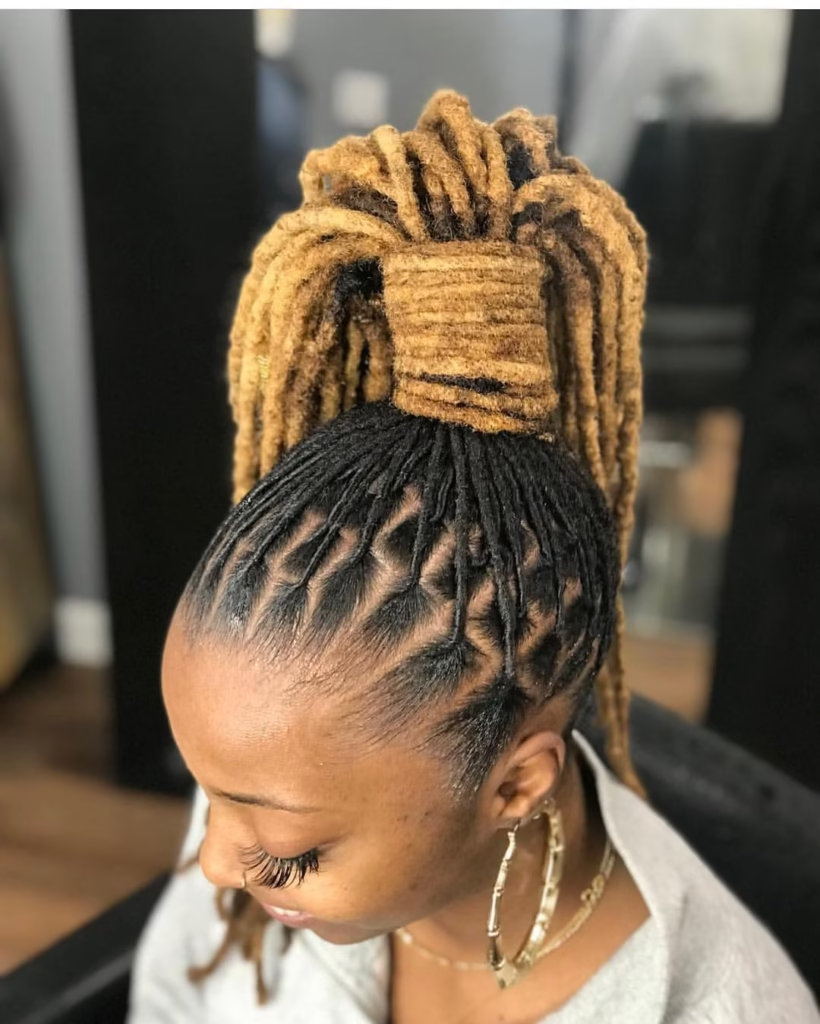
A high ponytail never goes out of style. It is one of the best alternatives when you are tired of buns but still need your locs out of the way.
Why it works in winter: A high ponytail pulls the entire length of your locs up and behind your body. This keeps them away from your coat collar and sweater neck, which means less friction and less lint building up along the length.
Check out Bob Locs for Women in Their 30s: Polished Styles That Feel Grown, Soft, and Intentional
For special occasions in winter, wrap the base with a gold tie and your ponytail becomes a whole look.
How to do it: Gather all your locs at the crown and secure with a loc-friendly hair tie. Take one thin loc and wrap it around the base to hide the tie, then secure it with a pin.
Apply a small amount of Taliah Waajid Lock It Up, which is a creamy, alcohol-free styling cream made with rosemary, yarrow root, nettle, and Indian hemp, to smooth the crown without buildup.
This product is designed to retain length and shine, which matters most in the dry winter months.
Style 5: The Messy Upswept Bun
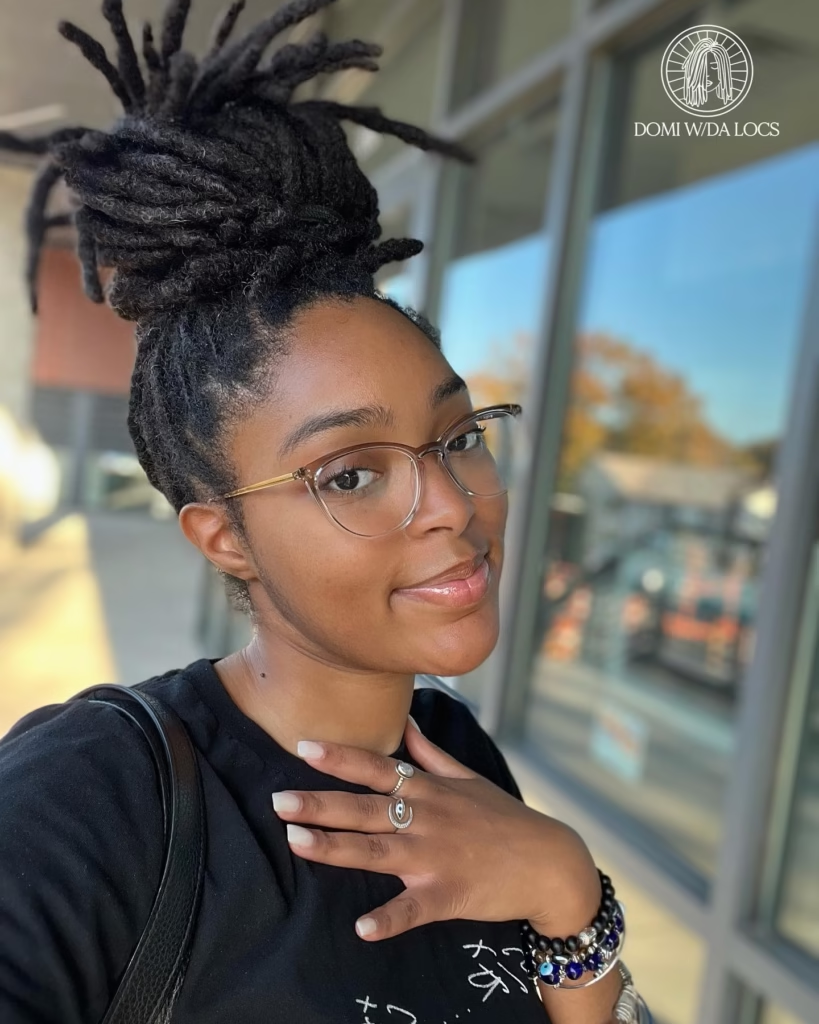
This is the most effortless look on the list. The messy upswept bun is locs gathered loosely at the top of the head and looped into a voluminous bun without any smoothing.
You leave a few face-framing locs out to soften the whole look. The disheveled parts are the point.
Why it works in winter: Low manipulation is one of the best things you can do for your locs in winter. Your roots are already under extra stress from dry air. Styles that require minimal tension give your roots a chance to breathe and rest.
This style also pairs effortlessly with oversized sweaters and earthy fall tones, which is exactly the aesthetic the season calls for.
How to do it: Gather all your locs loosely without smoothing them. Fold and loop them into a voluminous pile at the top of your head. Secure with several large pins placed at different angles to hold everything in place.
Pull out two or three locs to frame your face on each side. Done. No tension, no products required, five minutes maximum.
Style 6: Goddess Locs Side Sweep

One of the most romantic looks you can wear in fall and winter requires zero manipulation. All you do is sweep all your locs to one shoulder and let them fall. A romantic way to wear your locs down is to simply sweep them over one shoulder.
That sentence sounds too simple to be a style tip, but the effect is genuinely dramatic.
Why it works in winter: This is the style for days when you want your length visible but you do not want your locs rubbing against your coat or catching on a scarf. Keeping everything to one side gives you a clear, friction-free path for the opposite shoulder.
How to do it: Gather all your locs and drape them over one shoulder. You can use a loose hair tie at the nape to hold the sweep in place, or let everything fall naturally.
See also How to Create a Locs Bun That Stays Up All Day Without Falling Out
Add two or three warm-toned cuffs or rings along the length for seasonal interest. If the goddess locs look is your style, this same sweep works beautifully on goddess faux locs, which are one of the most popular protective styles for 2026.
Style 7: The Waterfall Braided Bun
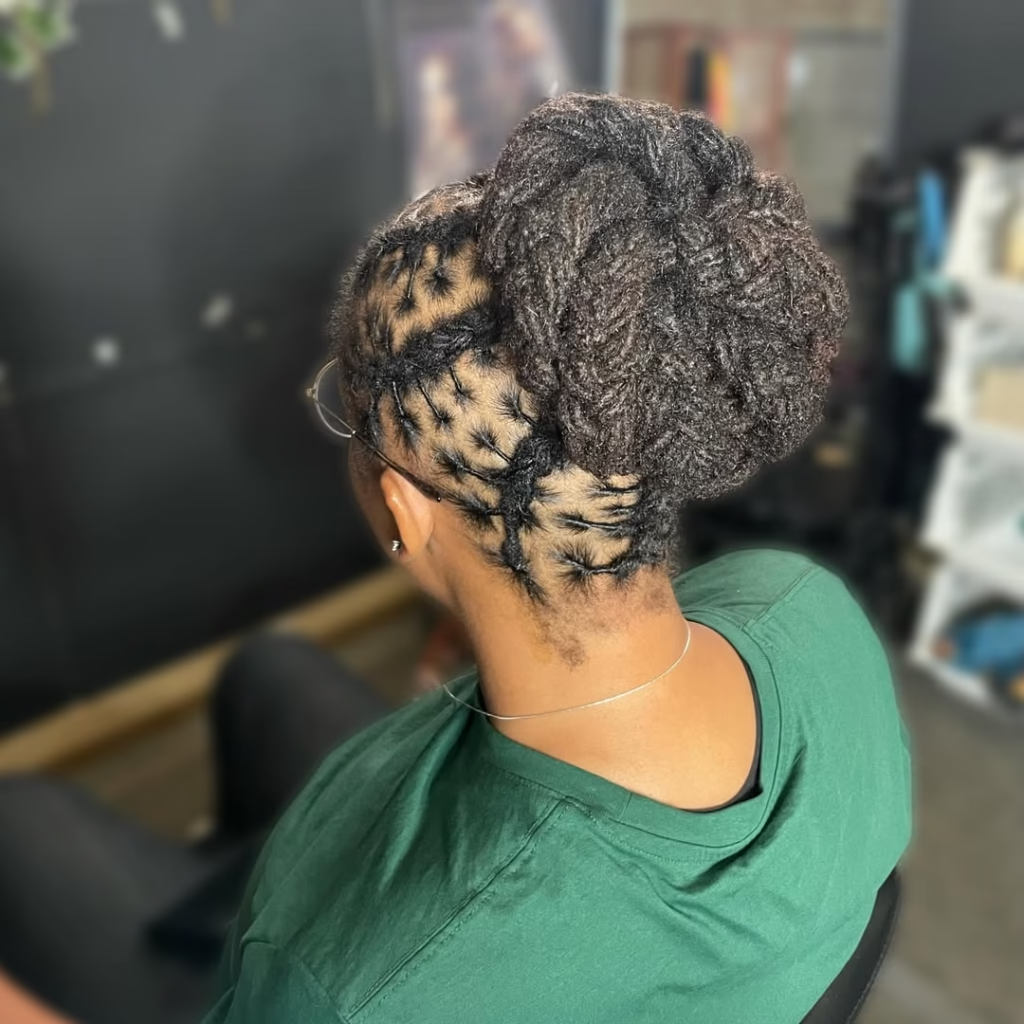
This style is for when you want something elegant enough for a holiday event but still practical enough to get you through a cold commute. A waterfall braid runs across your crown, then everything gathers into a low bun at the back.
Why it works in winter: It keeps your entire length secure and away from coat collars, scarves, and sweater necks. The waterfall braid across the crown is also beautiful under a satin-lined beanie because the braiding creates structure that a regular gathered bun does not have.
How to do it: Start a loose waterfall braid at one temple and work it across your crown toward the other side. Let individual locs fall out of the braid as you go, which creates the waterfall effect. When you reach the other side, gather all remaining locs at the nape into a low bun and secure.
The finished result is dramatic at the crown and elegant at the nape. It is the right level of fancy for a winter holiday dinner or a festive weekend gathering.
Continue reading 18 Cute Locs Styles for Women Who Love Effortless Everyday Looks
Style 8: The Low Bun with Statement Earrings

This style works a simple trick. You take a clean, smooth low bun at the nape and use earrings to do all the talking. Statement hoops, long drops, or layered chains become the focal point. The bun is just the frame.
Why it works in winter: Low buns are more comfortable than high buns when you are wearing heavy coats. The nape position does not create bulk under your collar or behind your head. Your locs stay fully protected, and your earrings get all the attention instead.
How to do it: Part your locs cleanly and gather them smoothly into a low bun at the nape. Secure tightly. Use a light styling cream to smooth the surface if you want the sleek version. Put on your most dramatic earrings.
That is the whole look. Updo styles for locs are not only practical, they are also low-maintenance, making them perfect for anyone who wants a polished appearance without spending an hour in front of the mirror.
Style 9: Twisted Front, Locs Down
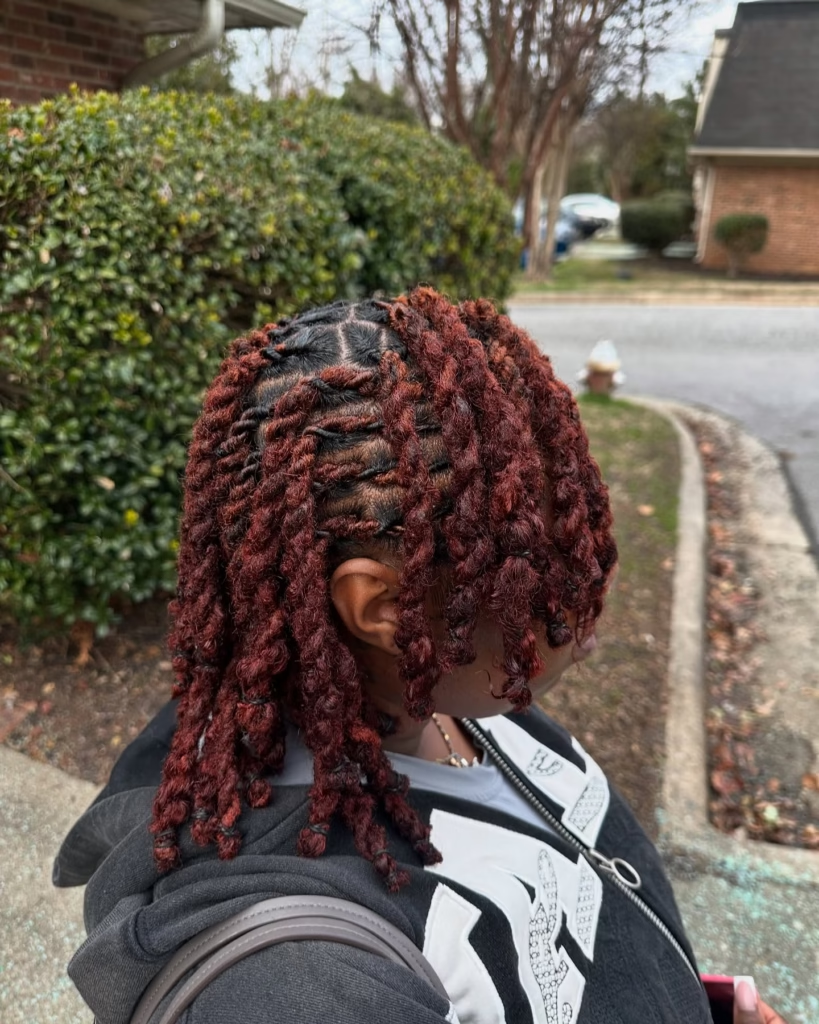
This style is for the days when you want your full length on display but still want your edges and crown protected. Flat-twist the front two sections from your temples back toward the crown, pin them, and let the rest of your locs fall down freely.
Why it works in winter: Your edges and temples are the most fragile parts of your hair, and they take the most damage from hat friction and dry air. The twisted front sections shield exactly those areas.
You can still show off the length of your locs, but the parts that need protection are covered.
How to do it: Take the front section from temple to temple and divide it into two parts. Flat-twist each part from the front back toward the crown and pin where they meet. Leave all remaining locs to cascade freely.
This style pairs perfectly with an oversized turtleneck or a chunky knit sweater, which are exactly the outfits you want to wear in this season anyway.
Pin this post Wedding Loc Updo Styles for Black Brides That Look Elegant, Secure, and Beautiful
Style 10: The Double Twisted Buns

This style is exactly what it sounds like. Divide your locs down the middle, twist each side into a bun, and pin. It is daring and youthful and protective. You can make it as casual or as intentional as the day calls for.
Why it works in winter: For a fully protective version, twist the two buns tightly and tuck all your remaining length inside them. For a half-and-half look that shows off some length, leave the lower sections to cascade down.
Either way, the crown and top sections of your locs are secured and off your coat collar.
How to do it: Part your locs down the middle from forehead to nape. Gather each side separately and twist into a bun, then pin.
The version where remaining length falls below the buns works best for casual fall outings. The farmers market, a weekend coffee run, or a walk in the park in a good coat all call for exactly this energy.
Style 11: The Beaded Low Ponytail
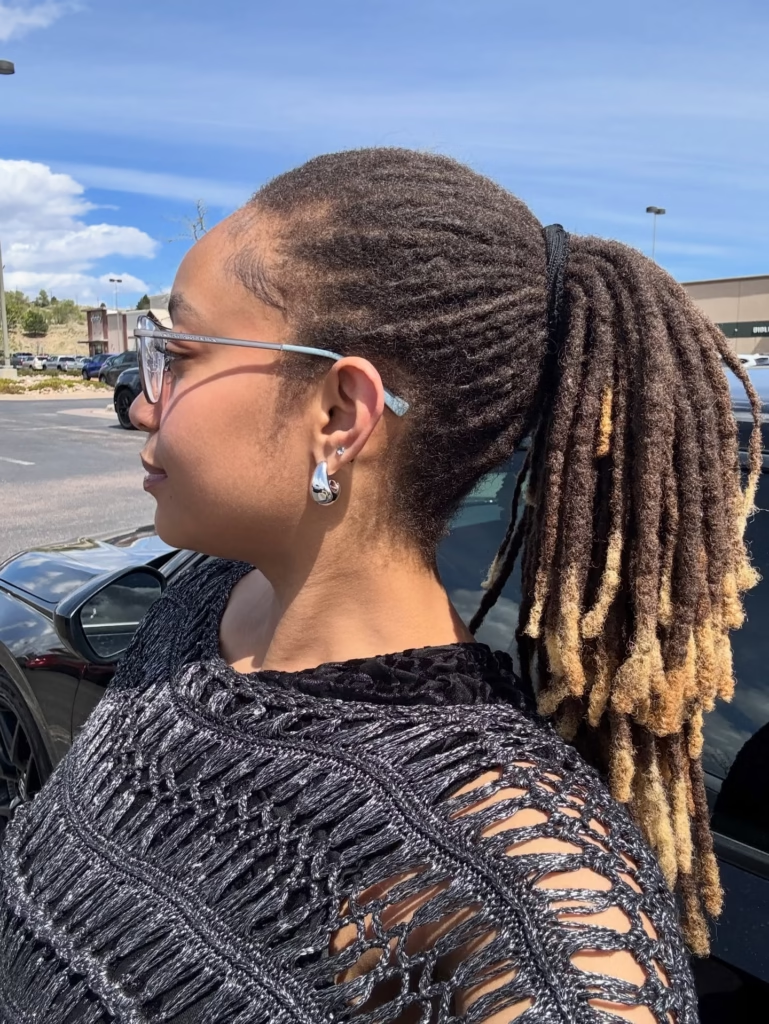
Gather all your locs into a low ponytail at the nape. Then add warm-toned beads, gold cuffs, or cowrie shells along the length of the ponytail. The accessories replace the visual interest that your concealed length would normally provide.
Why it works in winter: A low ponytail sits at the nape rather than the crown, which makes it the most coat-friendly ponytail option for cold weather. Your locs fall behind your back instead of over your coat collar.
You get the length visible without the friction. The beads give your look dimension even when most of your outfit is a heavy coat that covers everything else.
How to do it: Pull all your locs together at the nape and secure with a hair tie. Thread three to five gold cuffs or beads along the ponytail, spacing them out along the length.
For fall, warm tones like amber, bronze, and deep gold read beautifully. For winter, silver and matte black cuffs transition the look into the holiday season.
See now Sisterlocks for Black Women Over 40: 20 Looks That Celebrate Every Year
Style 12: The Pineapple

The pineapple is the most versatile style on this list. It works at home, it works on quick cold-weather errands, and it doubles as your nighttime protective routine.
Why it works in winter: The pineapple gathers all your locs loosely at the very top of your head, which keeps them completely off your neck and collar. The loose hold means there is no tension on your roots.
If you are running quick errands in a satin-lined beanie, the beanie sits directly over the pineapple without disturbing your locs underneath.
How to do it: Gather all your locs loosely at the very top of your head and secure with a wide satin scrunchie. The key word is loosely. You want a relaxed gather, not a tight pull. This simple change keeps your locs looking fresh in the morning when it doubles as a nighttime style.
Add a satin bonnet over the pineapple before bed and you are combining two forms of protection in a single routine.
Now that you have 12 ways to style your long locs this season, let us talk about what keeps them healthy enough to wear all of them.
The Winter Loc Care Rules That Actually Protect Your Hair
Styling is only half the work. If your locs are dry and brittle, no style is going to look the way you want it to.
Moisture goes first. Oil goes second. Every time.
This is the rule that most people get wrong. Oil is a sealant, not a moisturizer. You need to moisturize first, then seal the moisture in with oil for best results. If you put oil on dry locs, you are sealing in dryness. That is the opposite of what you want.
Read on 18 Cute Locs Styles for Women Who Love Effortless Everyday Looks
Once or twice a week, dampen your locs with distilled water. Then give yourself a gentle scalp massage using the carrier oil of your choice. The oil seals the water into your locs and into your scalp.
Coconut oil, jojoba oil, and castor oil all work well. Pick one and use it consistently through the season.
Wash less than you think you should.
In summer you might wash every two weeks. In winter, stretch that to every three weeks. Too much washing strips your locs of the natural oils your scalp works hard to produce.
In winter, those oils are already fighting the dry air. Do not wash them away faster than your scalp can replace them.
Use steam at least once a month.
Steam is one of the most effective tools for winter loc care. When you apply a leave-in conditioner and then steam your locs for 20 to 30 minutes, the heat encourages your hair cuticles to open and absorb all those nutrients deeply.
Rinse with cool water afterward to seal everything back in. Dr. Locs recommends using their Amla Extract Conditioner for steam treatments, but any product formulated for natural hair and locs will work.
Deep condition once a month without skipping.
A hydrating mask applied monthly can increase moisture retention by about 40 percent. That is a significant difference in how your locs feel and look.
Apply the mask to your locs, cover with a shower cap, and let it sit for 20 to 30 minutes under a hooded dryer for best results. Then rinse completely.
Use the LOG method after every wash.
LOG stands for Liquid, Oil, Gel. You apply them in that order. Liquid first to hydrate, oil second to seal, gel third to hold and protect. Using this method after every wash creates a noticeable difference in moisture retention through the colder months.
This routine takes less time than you expect. And the difference in how your locs feel and look by February will tell the whole story.
Continue reading 25 Cute Short Locs Hairstyles That Prove Short Is Always Stunning
Your Hat Is Probably Hurting Your Locs Right Now
Your hat is your locs’ biggest enemy right now. And you probably do not even realize it.
Cotton beanies and wool hats do two things to your locs. First, they create constant friction against your locs every time you put the hat on, take it off, or move your head. Second, they pull moisture out of your hair every hour you wear them.
Over weeks and months, that friction and moisture loss causes real breakage. It also causes lint to get woven into your locs in a way that is genuinely difficult to remove.
The same problem applies to scarves. Most scarves are made of wool, cotton, or acrylic. All three materials snag on your locs and steal moisture.
Here is the fix. It is simpler than you expect.
Materials to avoid: Cotton, wool, fleece, acrylic
Materials to use: Silk, satin, or satin-lined versions of your regular winter accessories
If you love your wool beanies, wear a satin scarf underneath the hat before you put it on. The satin acts as a barrier between your locs and the wool. Locsanity makes a satin-lined beanie that does the same job in one product, and it is available in enough colors to match your winter wardrobe.
Sweaters are another hidden problem. Every time you pull a chunky knit sweater on or off, your locs catch on the fibers. The best habit is to wrap your locs loosely before pulling sweaters over your head.
It only takes a few extra seconds and it prevents the kind of friction that causes thin spots at the crown over a whole winter season.
Finally: get a humidifier if you do not already have one. Indoor heating pulls moisture out of the air in your home. A humidifier restores that moisture and keeps your scalp and locs from drying out between wash days.
It is one of the most underrated loc care investments you can make before winter gets serious.
The Products Your Long Locs Need This Season
You do not need a long list of products. You need the right ones.
Water-based hydration mist: This goes on first, always. Make your own at home with equal parts distilled water and aloe vera juice plus a few drops of grapeseed oil. Spritz your locs lightly throughout the day.
This is your first line of defense against dry winter air, and it prevents static, which is a common problem in dry winter conditions.
Natural oil for sealing: Olive oil, coconut oil, and jojoba oil all work well for sealing in moisture after your hydration mist. Warm the oil slightly, then massage it into your scalp and along the length of your locs. These oils also help prevent the dandruff that often flares up during winter.
Moisturizing shampoo: Choose a shampoo and conditioner designed for natural hair. Look for products that contain natural oils like coconut oil, argan oil, or shea butter. These ingredients lock in moisture so your locs do not become brittle between washes.
Scalp mist: A dedicated scalp mist keeps your scalp environment healthy and hydrated between wash days. A rosewater spray works as a lightweight option that adds moisture without leaving any product buildup behind.
Dr. Locs Ocean Breeze Moisture Mix: This is a solid winter-specific recommendation for loc wearers who want a product that goes beyond basic hydration. It smells like the ocean and contains ingredients designed to keep locs hydrated in harsh, cold conditions.
Jrue Locs Mango and Black Castor Oil Shampoo: Designed for wash days, this shampoo cleanses without stripping moisture. Follow it with the Jrue Locs Mango and Detoxifying Charcoal Conditioner to give your locs a strong foundation heading into each winter wash cycle.
Satin pillowcase or bonnet: Silk and satin pillowcases reduce friction and moisture loss while you sleep. This small change helps maintain your locs’ softness and shine through the night without requiring any extra effort from you.
DIY winter spray recipe: Mix equal parts distilled water and aloe vera juice in a small spray bottle. Add five to eight drops of grapeseed oil and shake before each use.
Keep it on your nightstand and spritz your locs lightly each morning before you get dressed. This is your free, one-ingredient fix for dry locs that you can make today.
Your Locs Deserve This Season
Long locs in fall and winter do not have to mean dry, brittle, lint-covered hair and the same default bun every single day.
The right styles protect your locs from the real threats of the season: wool, cotton, cold air, indoor heat, and friction. From a silk-wrapped crown bun to a beaded low ponytail, every style on this list was chosen because it is genuinely protective, not just pretty.
And the care routine behind them is what makes the difference between locs that survive winter and locs that thrive through it.
Save your two or three favorite styles from this list and try one each week as the weather gets colder. Come back to the care section and the product list whenever your locs start telling you they need more attention.
Your locs did the work all year to reach this length. Give them a season of real protection.
These long locs styles for fall and winter prove that protective and beautiful are not opposites. Cold weather is just another season for your locs to shine.