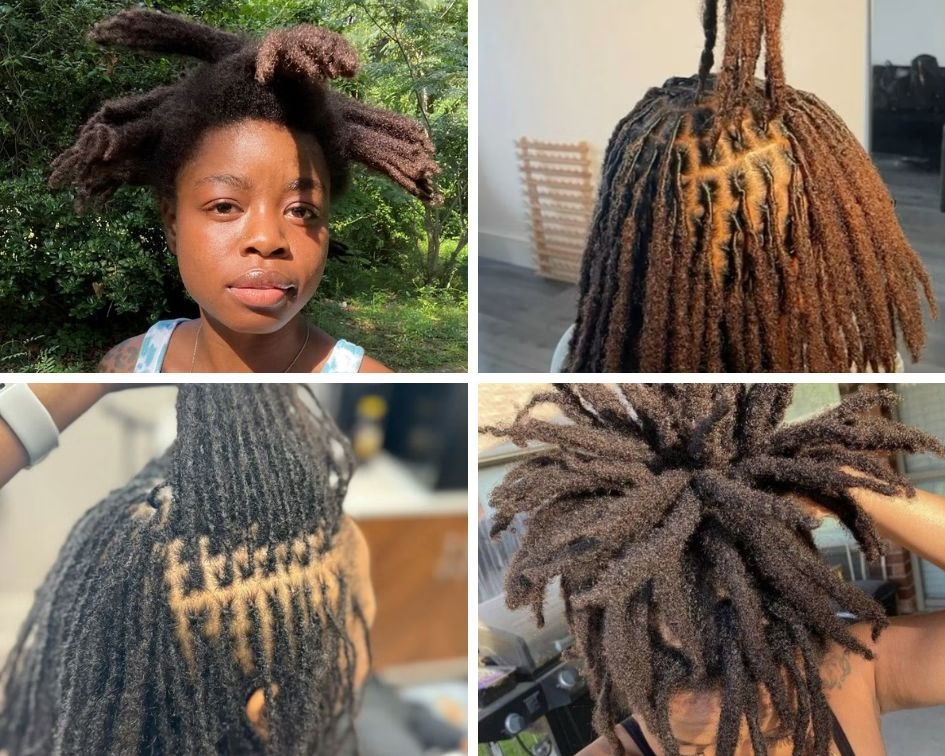
Are you confused about which style will fit you best between retwisted locs and freeform locs? You are not alone, since this remains one of the most common questions new loc wearers ask. Both paths lead to healthy, beautiful locs, but they take very different routes to get there.
One relies on regular, scheduled maintenance, while the other grows mostly on its own, with far less structure.
This post breaks down the real differences so you can choose with confidence instead of guesswork. If you are early in this journey, 37 beautiful starter loc styles can help you picture where either path leads.
Neither style is better overall, since the right choice depends entirely on your lifestyle and personal taste. Read through each section below before deciding which direction genuinely feels right for your own hair.
Take your time with this decision, since it affects your routine for months and even years ahead. There is no deadline here, so let your decision come from genuine clarity rather than outside pressure.

Retwisted Locs vs. Freeform Locs: Which Style Is Right for You?
Shop This Comparison
Everything used in this guide, gathered in one place.
What Are Retwisted Locs
Retwisted locs are maintained through regular retwisting sessions, usually scheduled every four to eight weeks. A stylist or the wearer twists new growth at the root to keep each loc neat and uniform.
This creates a polished, consistent look that many people associate with professional, well kept locs overall. The retwisting process also helps control the exact size and shape of every single loc.
Over time, this consistent maintenance builds locs that look deliberate, tidy, and clearly well cared for by someone.
The same structured approach shows up in office-ready locs hairstyles for women, which often rely on this neat, retwisted foundation.
Retwisted locs suit people who enjoy a scheduled routine and do not mind regular salon or home appointments. This style also photographs consistently well, since the shape stays predictable between each retwisting session.
Many long term loc wearers eventually settle into retwisting once they decide on their preferred look. A skilled hand matters here, since uneven retwisting can leave some locs noticeably thicker than others.
Many salons offer package pricing for repeat clients, which can make this routine more affordable over time. Ask to watch a session closely at first so you understand exactly what the process involves.
What Are Freeform Locs
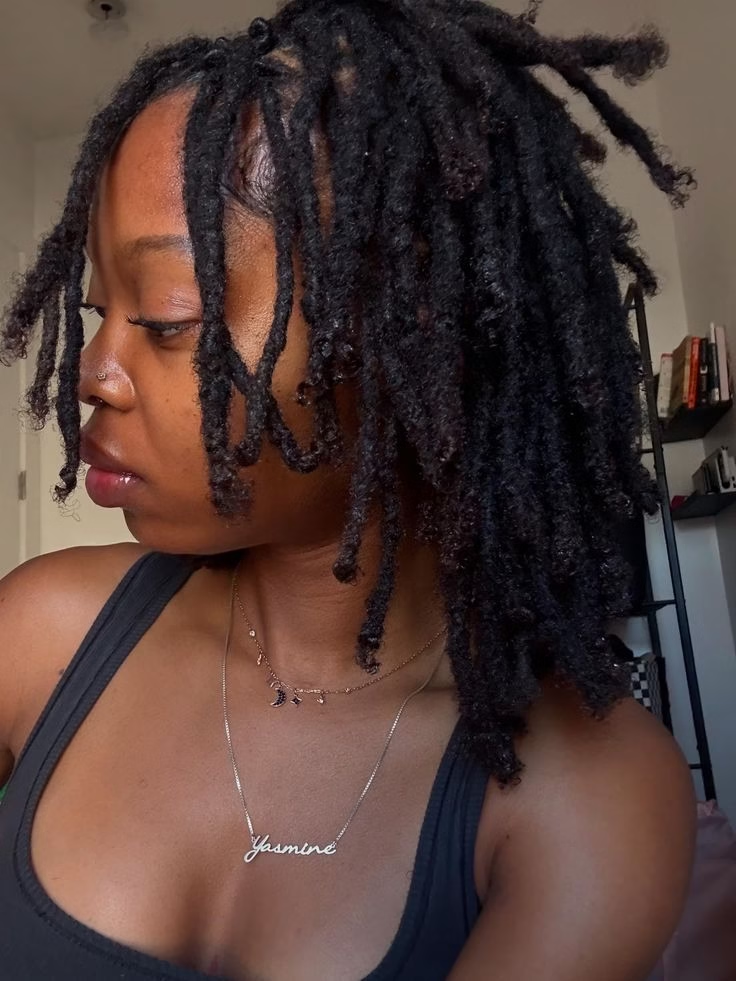
Freeform locs grow with little to no manual manipulation, letting the hair lock naturally over time instead. There is no retwisting schedule here, since the hair simply matts and locks on its own pace.
This creates a more organic, textured, and varied finished look across the entire head of hair.
Each loc forms its own unique shape, size, and personality without any outside styling interference at all.
Many wearers describe this process as surrendering control and trusting the hair’s own natural journey instead.
For inspiration here, 18 cute locs styles for women who love effortless everyday looks is worth a look.
Freeform locs suit people who prefer a hands off routine without regular appointments or scheduled maintenance sessions.
This style also tends to feel lighter on the scalp, since there is less repeated pulling and twisting involved.
Many wearers find real freedom in letting their hair simply do its own natural thing. Patience during the early months matters most, since results only become visible after several seasons of growth.
Washing still matters here, so do not mistake a hands off styling approach for skipping hygiene entirely. Keep your scalp clean and dry between washes to avoid any unwanted odor or buildup issues.

The Maintenance Difference
Retwisted locs require consistent upkeep, which means budgeting time and sometimes money for regular appointments. Skipping sessions for too long can lead to noticeable new growth and a less uniform overall appearance.
Freeform locs require far less active maintenance, though occasional separating helps prevent unwanted clumping between individual locs.
Parents navigating a child’s first locs often learn maintenance lessons the hard way without proper early guidance.
Reading about 6 mistakes parents make when starting their child’s locs highlights how maintenance habits affect results long term.
Retwisted locs demand discipline, while freeform locs demand patience with a far less structured process overall. Neither approach is maintenance free, since both still require regular washing and basic scalp care throughout.
The real difference lies in how much hands on styling time each approach genuinely requires from you. Choose based on how much routine upkeep actually fits comfortably into your current lifestyle and budget.
Set a realistic schedule from the very start, since consistency matters more than any single retwisting session alone. A missed appointment here and there will not ruin your locs, so avoid unnecessary stress over small delays.
Set calendar reminders well ahead of each appointment so retwisting never feels like a last minute scramble.
The Time Commitment Difference
Retwisting sessions can take anywhere from one to several hours, depending on hair length and overall thickness.
This time commitment repeats every few weeks, adding up significantly across months and years of consistent wear.
Freeform locs skip this recurring time investment almost entirely, since there is no scheduled retwisting involved at all.
Women further along, as shown through 15 mature locs styles for women over 40, weigh this trade off carefully.
Years of retwisting appointments add up, which is worth considering honestly before committing to either path.
Freeform locs do still require time for occasional separating and careful, consistent washing throughout the week.
This time investment tends to be smaller and far less predictable than a scheduled retwisting appointment routine.
Consider your actual weekly and monthly schedule honestly before choosing between these two very different time commitments.
Busy schedules sometimes favor freeform locs simply because they demand less predictable, recurring time investment overall.
Think about your calendar honestly, since recurring appointments can quietly crowd out other personal and family commitments.
Some wearers batch retwisting with other errands, turning a long session into a more productive afternoon overall.
Weekend appointments tend to book up quickly, so plan ahead if your schedule only allows weekend visits.

The Look and Texture Difference
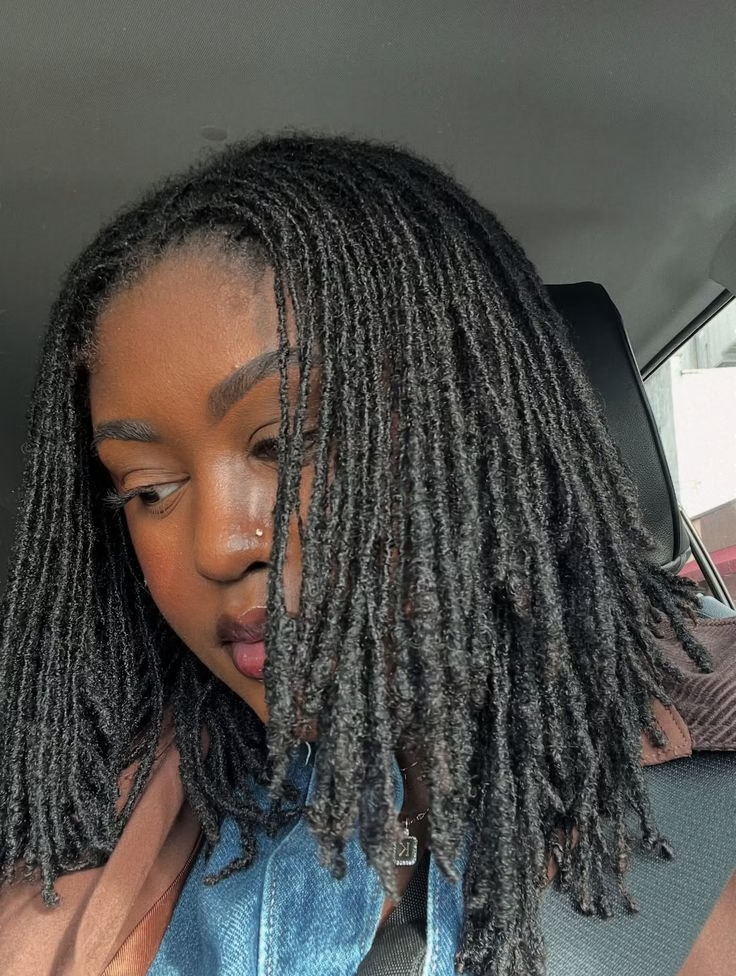
Retwisted locs tend to look more uniform, with consistent size and shape across the entire head overall. Freeform locs look more varied, with each individual loc developing its own unique shape and texture naturally.
Neither look is right or wrong, since both represent valid, beautiful expressions of natural hair. Seasonal looks featured in locs styles for black women this fall often lean toward the neater, retwisted aesthetic.
Freeform locs instead celebrate texture variation as a genuine feature rather than something to actively correct.
Think about which visual style genuinely appeals to you before committing to either long term path. Some people love the organic unpredictability of freeform locs far more than any uniform precision overall.
Others prefer the reliable, consistent structure that comes from regular retwisting sessions scheduled throughout the year.
Your personal aesthetic preference matters just as much as any practical maintenance consideration here does. Look at real photos of both styles over several years, not just the first few months of growth.
Lighting can change how either style photographs, so view examples in both natural and indoor lighting conditions. Ask to see a stylist’s actual portfolio, not just filtered photos, before committing to any one style.
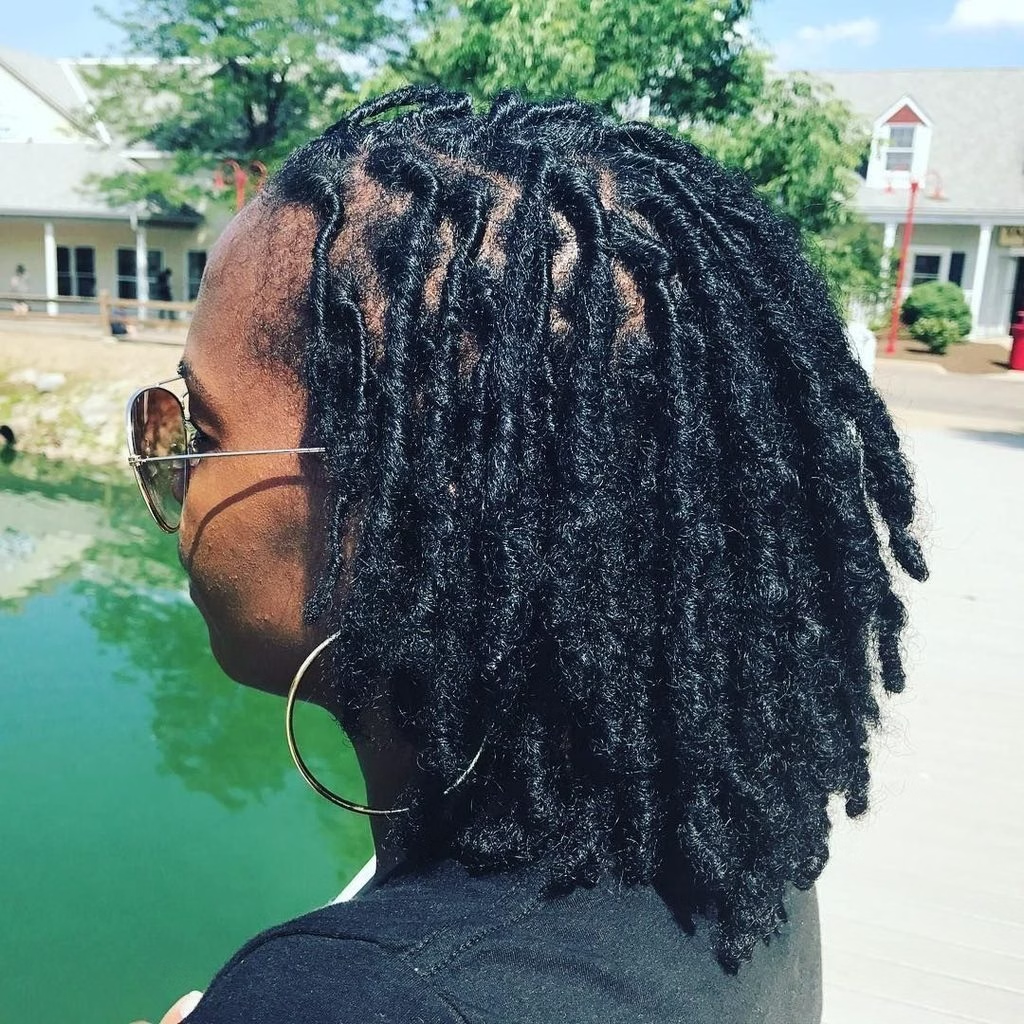
Styling Options for Retwisted Locs
Retwisted locs offer excellent styling versatility, since their uniform shape works well in structured, detailed updos. Styles like 45 half up half down locs styles rely on that predictable uniformity for a clean, polished finish.
Retwisted locs also hold curls, waves, and accessories more predictably than looser, freeform textured locs.
This versatility makes retwisted locs a popular choice for weddings, interviews, and other formal occasions overall. The consistent shape means styling results stay more predictable from one attempt to the next.
Retwisted locs also take color and highlights more evenly, since each loc has a similar, consistent texture. This predictability extends to accessories like cuffs, beads, and wraps, which sit more securely on uniform locs.
Many stylists find retwisted locs easier to work with for detailed, intricate styling requests overall. This styling flexibility is one reason many people eventually choose the retwisted maintenance path long term.
This makes retwisted locs a practical choice for anyone who frequently changes their styling for different occasions. Ask your stylist which accessories work best with your specific loc thickness before buying anything new.
Keep a small folder of saved styles so you always have fresh ideas ready for your next appointment.
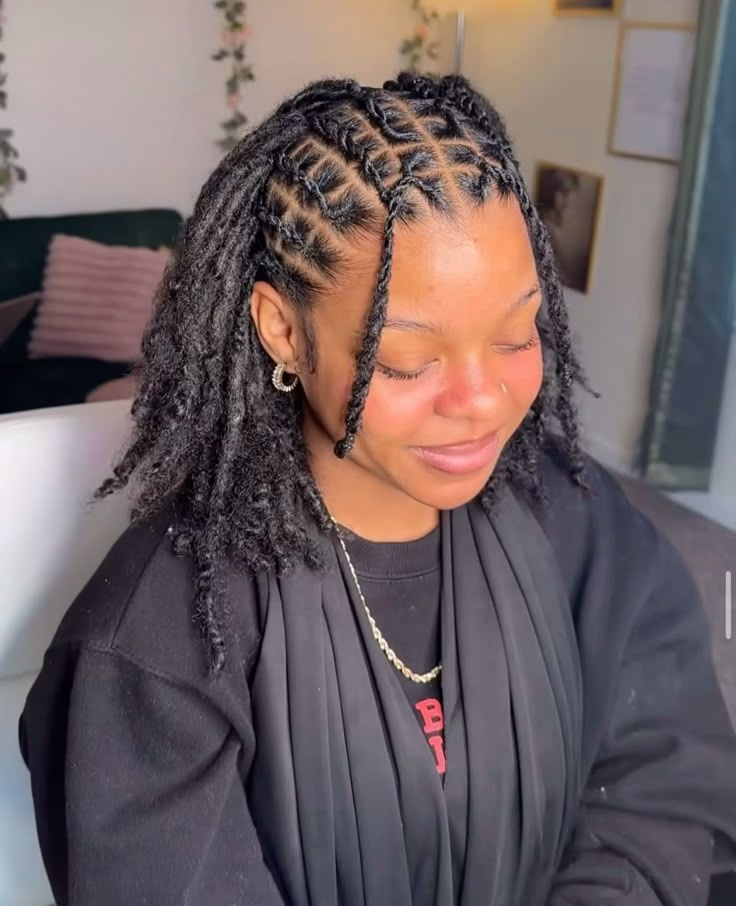
Styling Options for Freeform Locs
Freeform locs offer their own unique styling charm, especially for longer, more natural looking finished styles.
Looks featured in long locs styles for fall and winter often showcase this flowing, organic freeform texture beautifully.
Freeform locs work especially well in loose, draped styles that embrace rather than hide their natural variation. Accessories still work on freeform locs, though placement may need slight adjustment for uneven loc sizes.
This style suits people who want their hair to feel genuinely wild, free, and completely unforced overall.
Freeform locs also tend to develop beautiful texture over time as the individual locs mature and settle. Many wearers find that freeform styling becomes easier once the locs fully mature past their earlier, messier stages.
Patience matters here, since freeform locs often look their most unpredictable during the earlier growth stages. The payoff for that early patience is a genuinely unique, one of a kind finished texture.
Embrace the slower reveal here, since freeform styling often looks its best only after a full year or two. Keep a small set of go to looks ready for days when styling time feels limited.
Loose, draped buns and simple wraps often look best, since they work with the hair’s natural shape.

Cost Differences Over Time
Retwisted locs often involve ongoing salon costs if you choose professional maintenance over a longer period. These costs add up significantly across years, especially with more frequent retwisting schedules every four weeks.
Freeform locs typically cost less over time, since there are no recurring retwisting appointments to budget around.
Alternative low maintenance options, like those shown in sisterlocks for black women over 40, offer a useful cost comparison.
Sisterlocks require their own specific maintenance schedule, which differs from both retwisted and freeform approaches entirely.
Consider your long term budget honestly when choosing between these two fundamentally different maintenance philosophies overall.
DIY retwisting at home can reduce costs significantly compared to regular professional salon appointments scheduled monthly.
Freeform locs remain the most budget friendly option simply because they skip recurring maintenance costs almost entirely.
Weigh this financial consideration alongside your personal styling preferences before making any final decision here.
Factor in product costs too, since both styles still rely on quality shampoo, oil, and scalp treatments regularly.
Compare several stylists in your area, since pricing for retwisting sessions can vary quite a bit locally. Ask about loyalty programs or seasonal discounts, since many salons quietly offer these to returning clients.
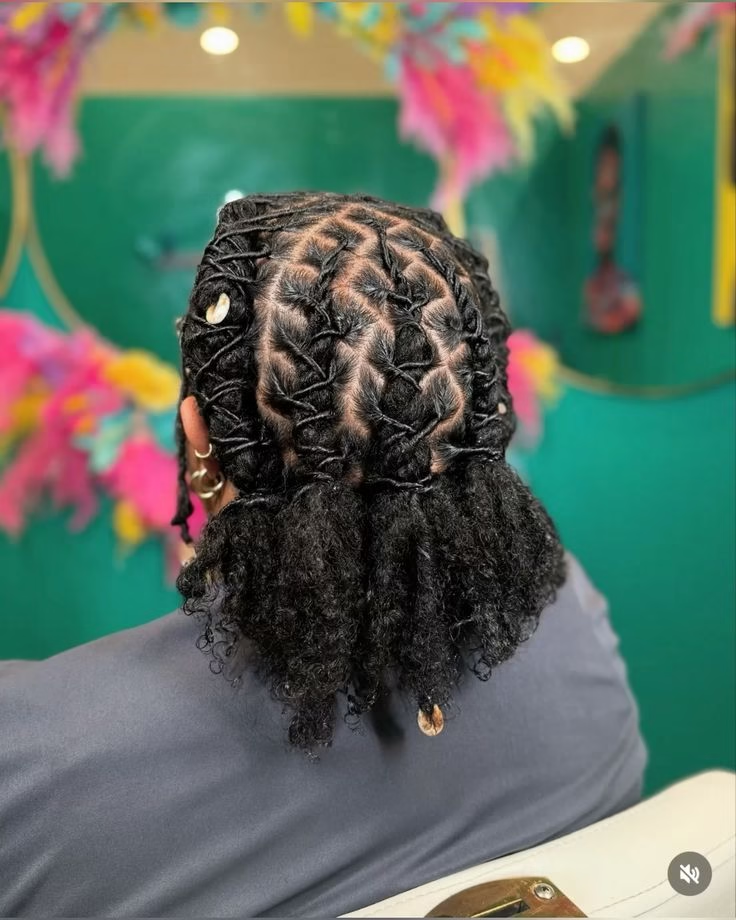
Who Retwisted Locs Suit Best
Retwisted locs suit people who enjoy routine, structure, and a consistently polished overall appearance throughout the week.
This style suits professionals well, as reflected in the polished, grown looks within bob locs for women in their 30s. People who enjoy regular salon visits as a form of self care often gravitate toward this maintenance style.
This approach also suits anyone who prefers predictable, uniform results over organic, more unpredictable texture variation.
If you thrive on structure and enjoy the ritual of regular upkeep, retwisted locs may fit you best. This style also works well for people who frequently attend formal events requiring polished, reliable styling results.
Consider your personality honestly, since maintenance style often reflects broader lifestyle preferences beyond hair alone.
Retwisted locs reward consistency, so this path suits people who genuinely enjoy sticking to a routine. People who already keep a detailed calendar for other parts of life often adjust to this schedule easily.
This path also suits people who enjoy documenting steady, visible progress through regular before and after photos. This group often includes people in client facing roles who value a consistently neat appearance.
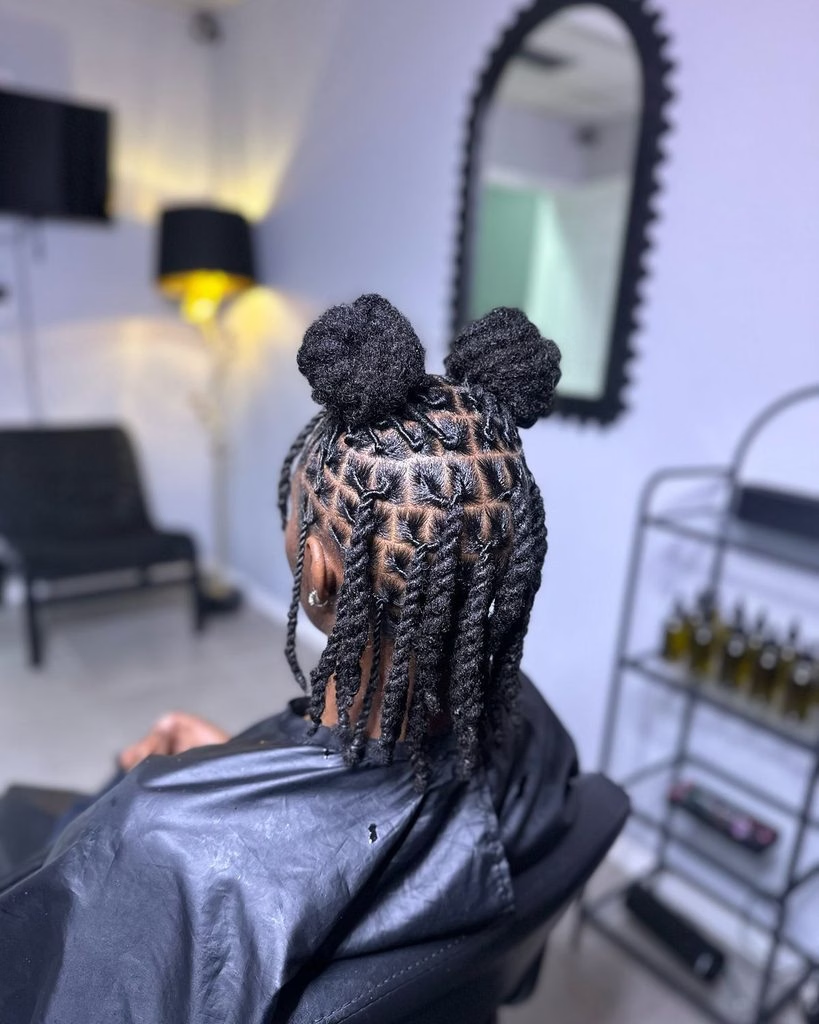
Who Freeform Locs Suit Best
Freeform locs suit people who prefer a low maintenance, hands off approach to their overall hair care routine. This style appeals to those drawn toward the polished shorter looks shown within short locs for women in their 30s.
People with busy, unpredictable schedules often appreciate skipping recurring retwisting appointments altogether throughout the year.
This approach also suits anyone who feels drawn toward a more natural, unstructured growth journey overall.
If you value simplicity and want to minimize time spent on scheduled hair maintenance, freeform locs may suit you.
This style also works well for people who feel most comfortable embracing natural unpredictability rather than fighting it. Consider how much control you genuinely want over your hair’s final shape and overall appearance.
Freeform locs reward patience and a willingness to let go of strict, predictable styling control. People who feel anxious about rigid schedules elsewhere in life often feel most at home with this approach.
This path also suits people who travel often and cannot commit to a fixed appointment schedule. This group often includes people who already favor minimal routines in other parts of their daily life.

The Professional vs DIY Question
Retwisted locs can be maintained professionally at a salon or independently at home with proper practice and patience.
Professional retwisting often delivers more consistent results, especially for the detailed styles that bridal loc hairstyles for black women feature.
DIY retwisting saves money but requires learning proper technique to avoid thinning or damaging the hair over time.
Freeform locs require far less technical skill, since the process largely happens naturally without regular manual intervention.
Consider your own comfort level with hands on hair care before deciding which maintenance approach suits you.
Professional help offers expertise and consistency, while DIY approaches offer savings and complete creative control over your own hair.
Freeform locs remove much of this decision entirely, since there is little technique required beyond basic care. Weigh your comfort level, budget, and desired results honestly before settling on either maintenance approach.
A single bad DIY session rarely causes lasting harm, but repeated mistakes can add up over time. Watching tutorials beforehand can help, but nothing fully replaces hands on practice with your own actual hair.
Start small if trying DIY, practicing on a few sections before attempting your entire head at once.
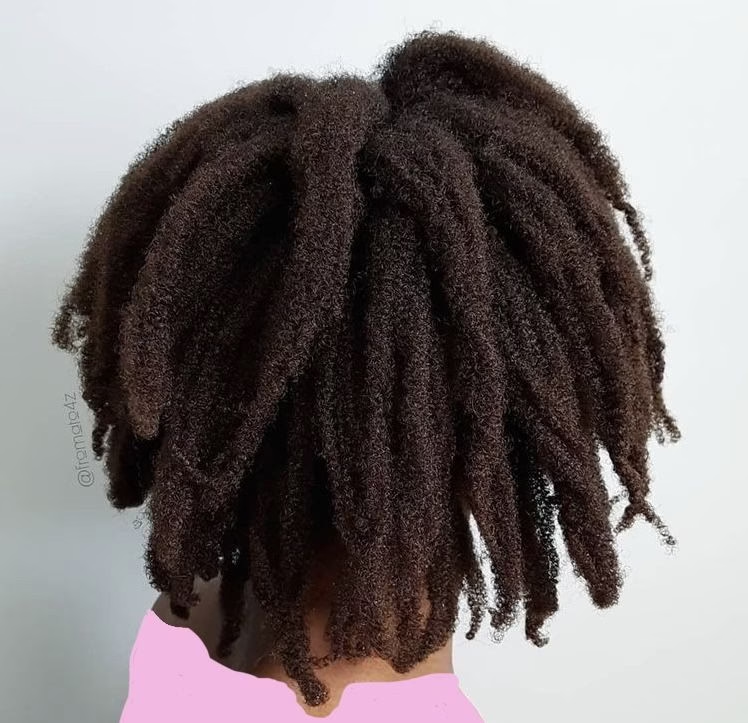
How Each Style Affects Length Retention
Retwisted locs generally retain length well, since regular maintenance helps prevent tangling and unwanted breakage over time.
However, overly tight retwisting can sometimes stress the roots, which may slow growth if done too aggressively.
Shorter, structured looks in short bob locs styles show how retwisted locs still look intentional at any given length. Freeform locs also retain length well, since there is less repeated manipulation pulling on the scalp and roots.
Both styles can support healthy length retention when handled with care and patience over the entire journey. The real difference lies in how each style manages tension, not in any inherent length retention advantage overall.
Consider your hair’s specific tolerance for manipulation when weighing this particular factor in your decision. Either path can lead to strong, healthy length retention with proper, consistent care throughout the journey.
Gentle detangling and regular moisture remain important for length retention no matter which path you eventually choose. Protective sleeping habits, like a satin scarf or bonnet, support length retention regardless of which path you choose.
Regular trims, though small, still matter for keeping ends healthy under either maintenance approach you choose.
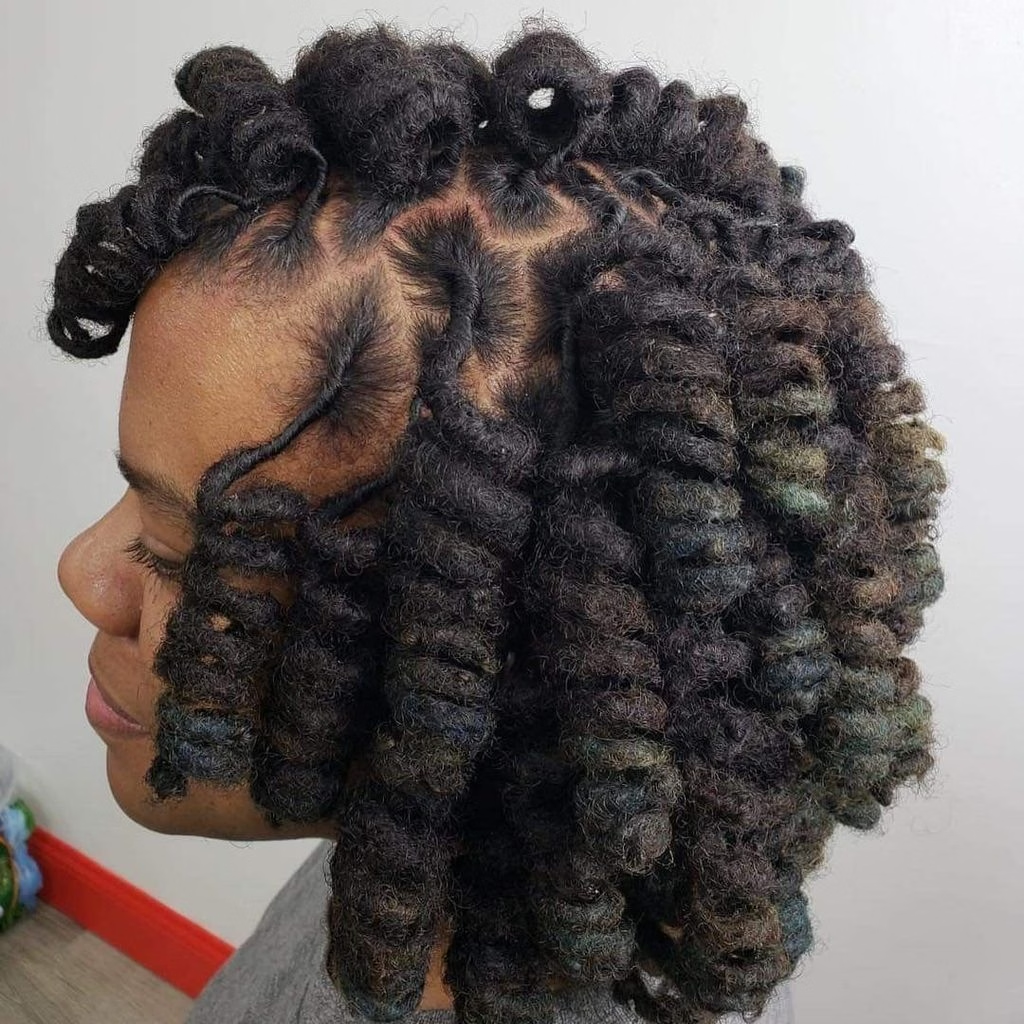
How Each Style Handles New Growth
Retwisted locs address new growth directly during each scheduled maintenance session, keeping the look consistently neat overall. This regular attention prevents new growth from becoming loose or visually separate from the rest of the loc.
Freeform locs allow new growth to simply lock in naturally over time without any scheduled intervention. This creates a more gradual, organic blending process that some wearers genuinely prefer over scheduled maintenance.
Brides planning their big day, as shown in wedding loc updo styles for black brides, often schedule retwisting around it. This planning ensures new growth looks neat and intentional for important, photographed occasions and events.
Freeform wearers generally do not need this kind of precise timeline planning around new growth at all. Consider upcoming events honestly when deciding how each style’s approach to new growth might affect you.
Some wearers compromise by retwisting only the front sections while leaving the rest to lock naturally instead. Take photos every few months so you can track exactly how new growth blends in over time.
Be patient during the blending stage, since new growth rarely matches the rest immediately after forming.
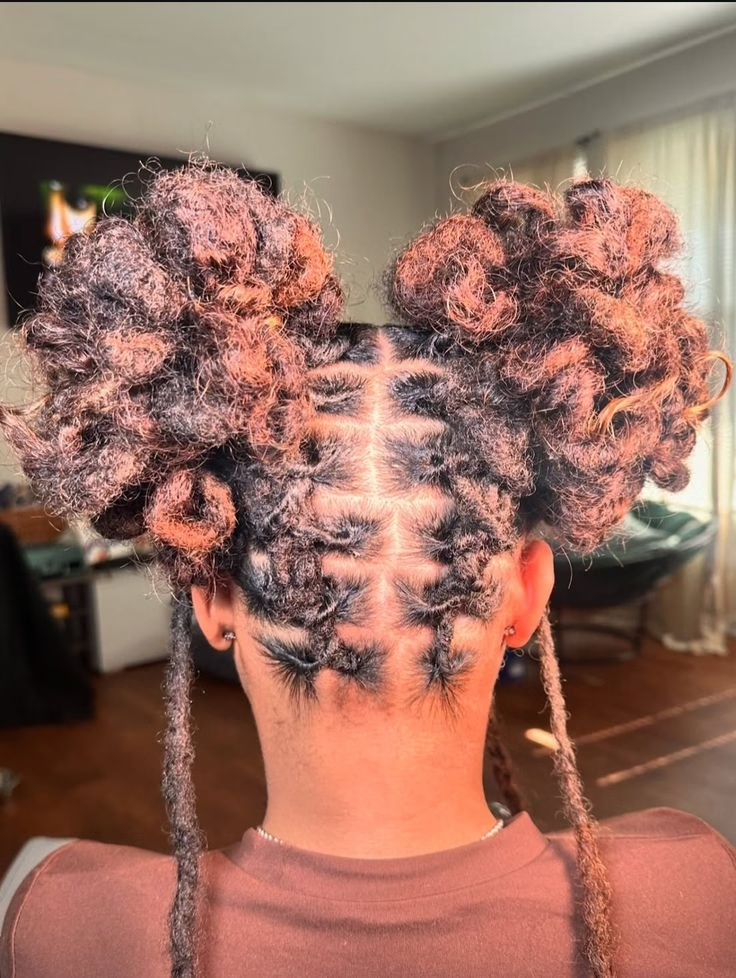
The Commitment Level Each Style Requires
Retwisted locs represent an ongoing commitment to regular maintenance that continues for as long as you keep this style.
This commitment extends beyond time and money, since it also requires sustained patience and consistent follow through. Freeform locs represent a different kind of commitment entirely, rooted in patience and genuine trust in the process.
Shorter styling inspiration, like 25 cute short locs hairstyles, shows commitment can still look intentional at shorter lengths too.
Both paths require commitment, just expressed in very different ways across the entire hair journey overall. Retwisted locs ask for consistent action, while freeform locs ask for consistent patience and genuine restraint instead.
Consider which type of commitment feels more natural and sustainable for your own personality and lifestyle. Neither commitment is inherently easier, so choose based on your own honest self reflection here.
Write down your honest expectations before you start, then revisit them again after the first few months. Talk to your family or partner about the routine you are choosing, since it affects shared schedules too.
Give yourself at least six months before judging whether your chosen commitment truly feels sustainable long term.
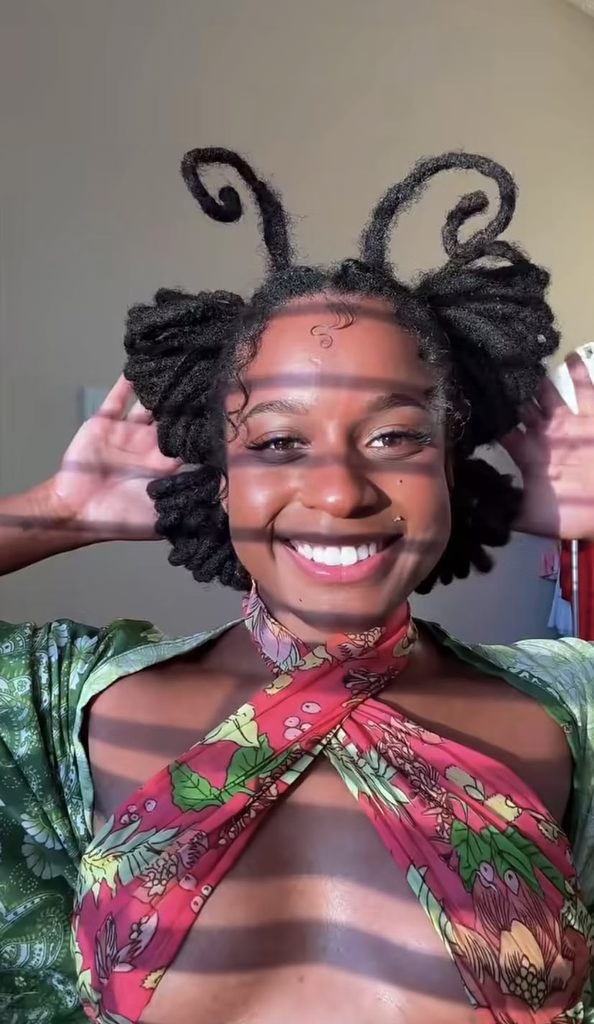
Can You Switch Between the Two Styles
Many loc wearers start with one approach and switch to the other later in their overall journey. Moving from freeform to retwisted usually just requires beginning a regular retwisting schedule going forward from that point.
Moving from retwisted to freeform requires simply pausing retwisting and allowing new growth to lock naturally instead. This flexibility means your initial choice does not have to be permanent or final in any way.
Give yourself permission to change your approach if your lifestyle or preferences genuinely shift over time. Many long term loc wearers experiment with both styles across different stages of their overall hair journey.
This flexibility is one of the most reassuring aspects of committing to locs as a hairstyle at all. Your locs can adapt and evolve alongside you as your needs and preferences naturally change.
Talk with a stylist before switching, since transition timing can affect how evenly your locs eventually blend. There is no shame in changing course partway through, since your hair journey belongs entirely to you.
Document the transition with photos so you can look back and see how the change unfolded.
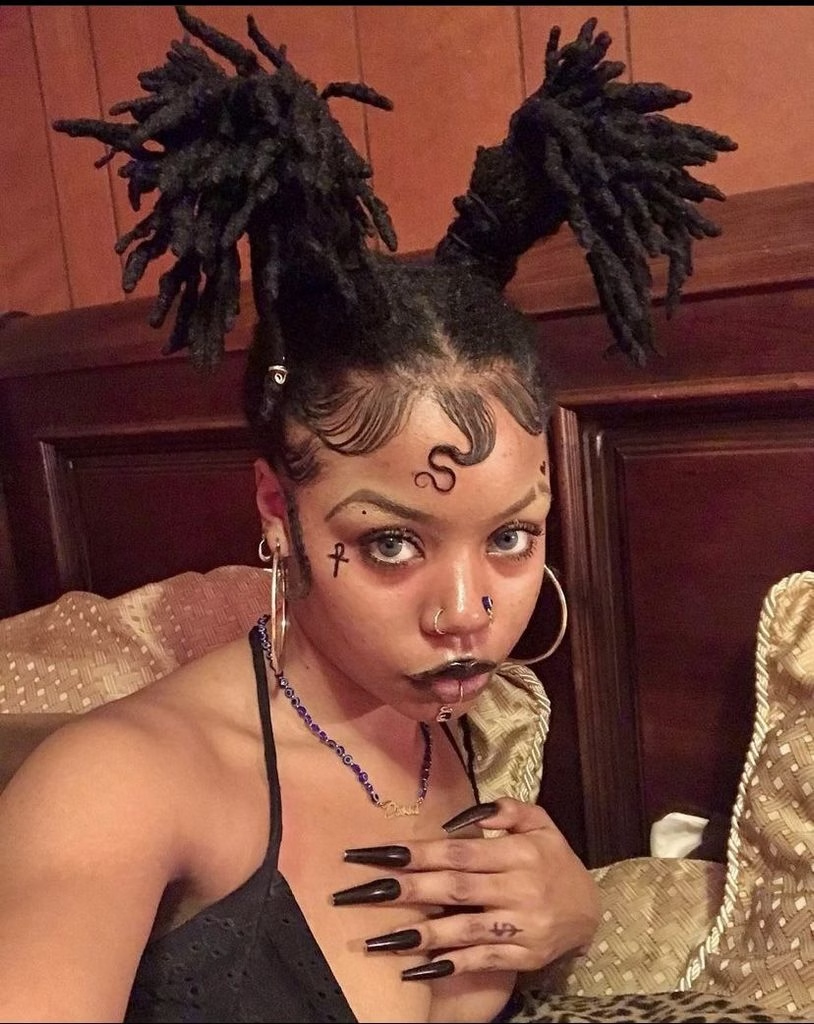
Making Your Final Decision
Choosing between retwisted and freeform locs ultimately comes down to your lifestyle, budget, and personal aesthetic preference. Consider how much time, money, and routine structure you genuinely want built into your regular hair care.
Think honestly about whether you prefer uniform polish or embrace organic, unpredictable natural texture instead. There is no universally correct answer here, only the answer that genuinely fits your own life best.
Try sitting with both options for a week before committing, imagining your actual daily and weekly routine honestly. Talk to wearers of both styles if possible, since firsthand experience often reveals details that research alone cannot.
Trust your own instincts here, since you know your lifestyle and preferences better than any outside source. Whichever path you choose, healthy, well cared for locs will always look beautiful in the end.
Both journeys reward patience, so give yourself grace as your hair settles into its own natural rhythm. Whatever you decide, give the style real time before judging it, since both paths improve significantly with patience.
Revisit this decision yearly if needed, since your lifestyle and preferences will likely keep shifting over time. Write down your top three priorities first, then let those priorities guide your final choice here.