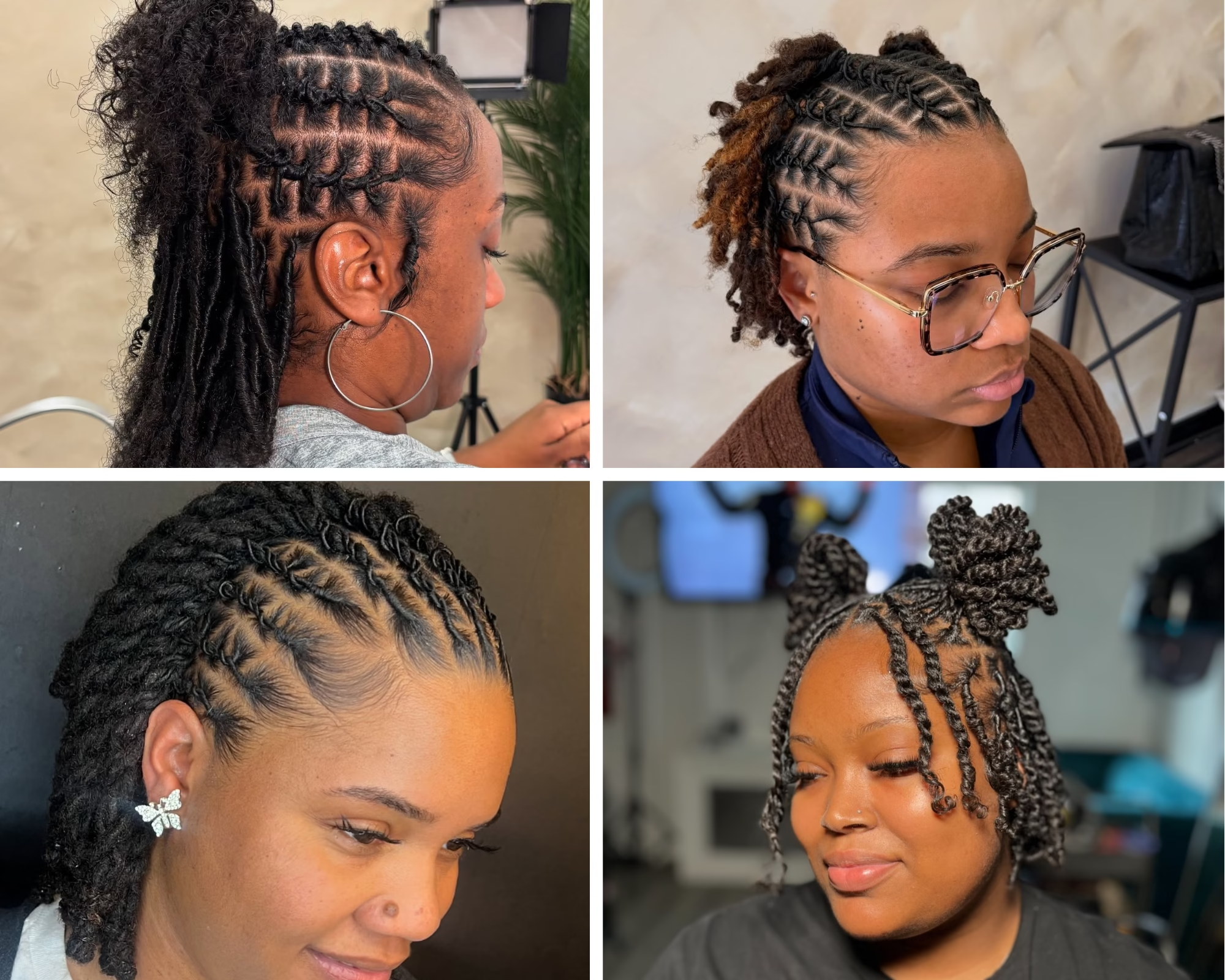
Starter locs get the least styling attention of any stage in the loc journey, and that’s a shame because this is actually when creativity matters most. Nobody tells you that upfront.
Short length forces you to think differently, work with what you have, and figure out what your hair actually does instead of what you wish it did. That honesty early on builds the foundation for everything that comes later.
Some women spend months hiding their starter locs under wigs or headwraps waiting for length that isn’t coming fast enough. Waiting is optional. Real style at the starter stage exists, it just looks different from the long-loc looks flooding your Pinterest board, and different is not the same as less.
Your locs are doing exactly what they’re supposed to do right now. These ten styles meet them exactly where they are.
Short Starter Loc Styles : 10 Cute Ways To Rock Your Locs Early On
Flat Twist Crown with High Curly Loc Ponytail

All that volume sitting high at the back is what makes this one stop the scroll. Thin, early-stage locs are flat-twisted in neat horizontal rows across the entire right side of the head, then gathered upward into a high ponytail where the loc ends explode into a full, curly, voluminous cloud of texture.
Jet black throughout with a natural sheen and visible coil pattern in the loose ponytail section. Large silver hoop earrings keep the whole look effortless rather than overdone.
Starter locs at this stage work especially well here because the tighter, freshly installed texture creates that full curly effect at the ponytail naturally without extra product.
Pull the ponytail high and slightly forward so the volume fans out rather than drooping backward. Use small hair-safe elastics at the base and avoid wrapping them too tight this early on.
Save for later These 15 Vacation Locs Styles for Black Women Are Too Pretty to Ignore
Loc Bob with Twisted Crown and Free-Hanging Coily Ends
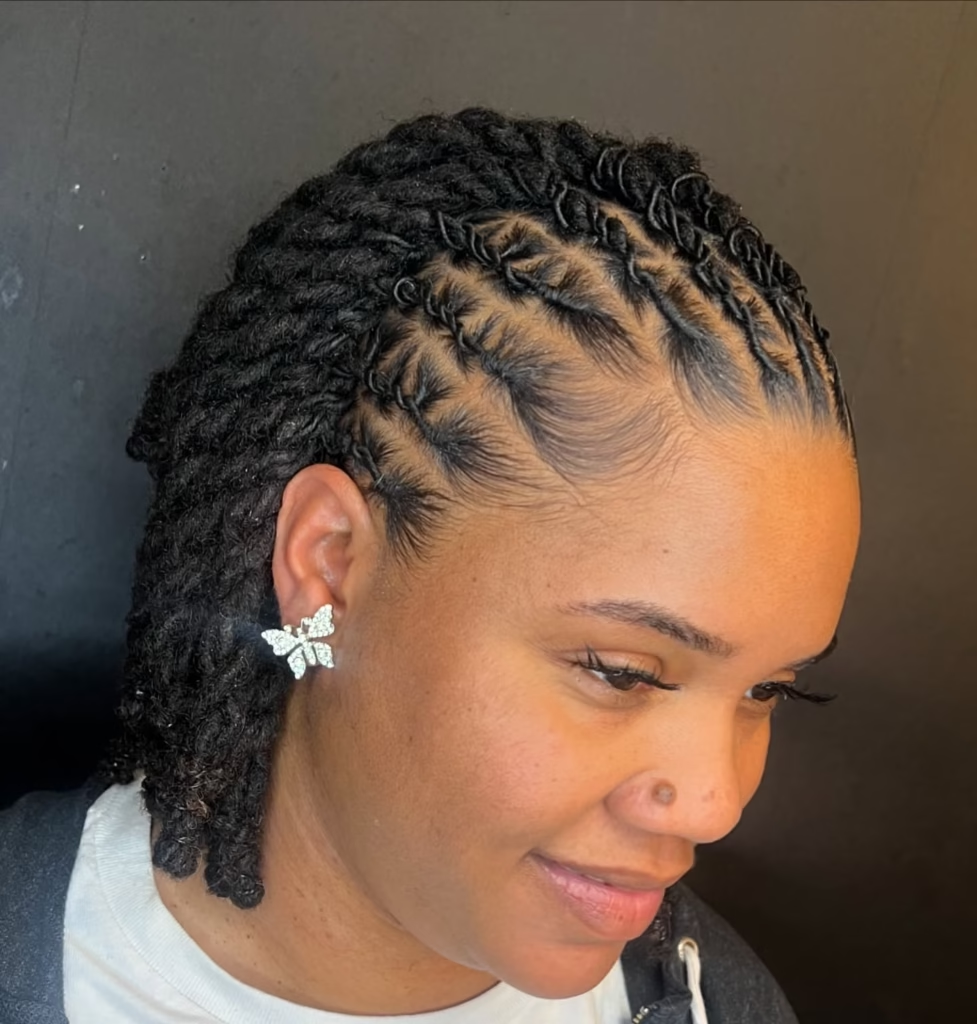
Worn fully down with a structured crown is one of the cleanest looks you can achieve at the starter stage. Medium-thickness, two-strand twist locs are twisted flat across the top of the head in sweeping diagonal rows, then released into free-hanging locs that fall to chin level in a full, even bob shape.
Jet black throughout with visible coil definition in every single loc from root to end. Springy, curling tips finish each loc naturally without any curling tool needed.
Crystal butterfly earrings add a playful detail that keeps the whole look feeling young and fresh rather than stiff. Clean edges and a smooth hairline make the twisted crown section look sharp from the front.
Starter locs sitting at this length are perfectly positioned for this style and will not need much manipulation to land right. Retwist your roots the night before wearing this so the diagonal crown pattern sits flat and fresh by morning.
Pin this post Office-Ready Locs Hairstyles for Women: 12 Professional Styles to Try
Double Bun with Loose Twisting Loc Tendrils

Two chunky loc buns sit high on the head while the remaining starter locs hang loose around the face in springy, coily tendrils that curl sweetly at the tips. Dark brown, nearly black, with visible twist definition throughout every loc.
Short enough that the hanging tendrils just brush chin level, which is exactly the right length for this style to land right. Thick and full in density, with that fresh-install tightness that starter locs carry best.
Grab the front and side sections and let them fall forward intentionally rather than pinning everything up. Those loose pieces framing the face do the most work here.
Younger locs actually hold this style better than longer ones because the weight stays light and the buns sit perky all day. Gather each bun loosely so you’re not creating tension at the roots this early in your journey.
Recommended read 14 Loc Styles That Look Incredible With Glasses (Frames Actually Make These Better)
Claw Clip Half-Up with Cornrowed Crown and Hanging Coily Locs
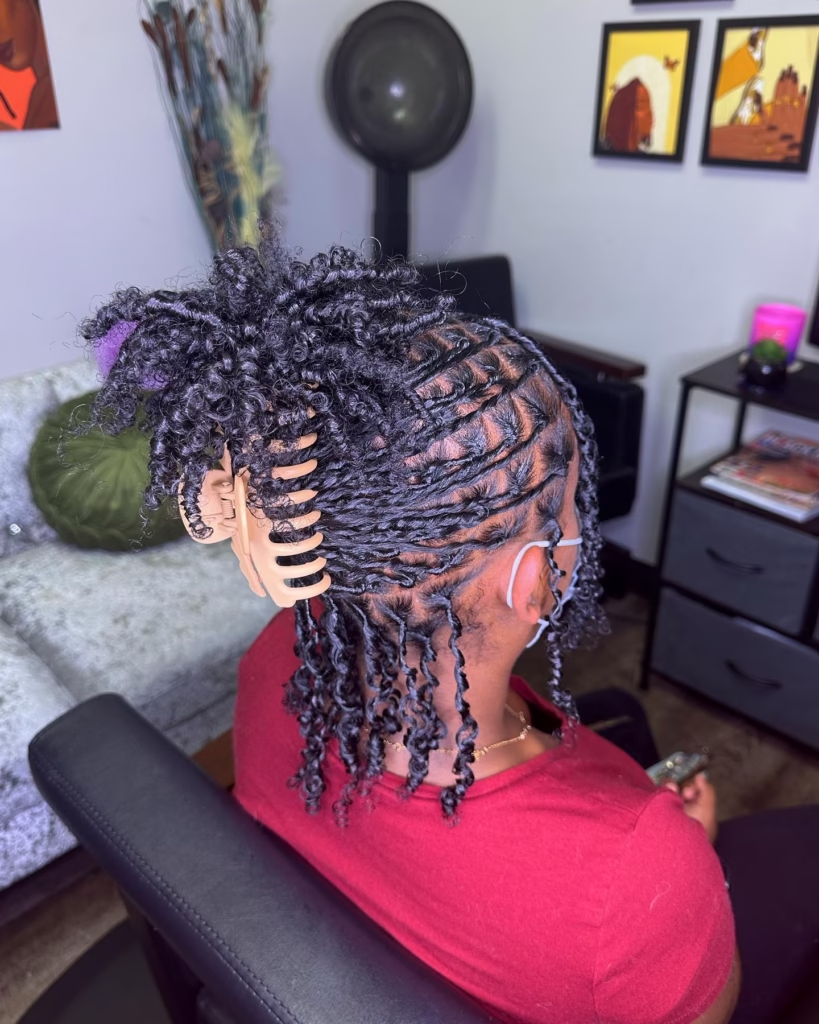
One claw clip is doing serious work here. Thin, tightly coiled starter locs are cornrowed flat in diagonal rows across the entire crown, then the top section is clipped up with a large tan claw clip, letting coily, curly ends burst freely over the top.
Remaining locs hang loose at the back and sides, each one ending in a tight springy curl that shows real definition. Deep black throughout with a blue-tinted sheen visible in the light. Purple hair tie peeks out near the clip adding a small pop of color.
Claw clips are genuinely underused on starter locs and they should not be. Getting the cornrow foundation right is what makes the clipped section sit flat and full rather than lumpy.
Position the clip slightly back from the crown so the curly burst at the top has room to fan forward naturally.
See more 7 Must-Have Hair Tools for Women with Short Locs
Side-Pinned Loc Updo with Diamond Crown and Auburn-Tipped Coily Ends
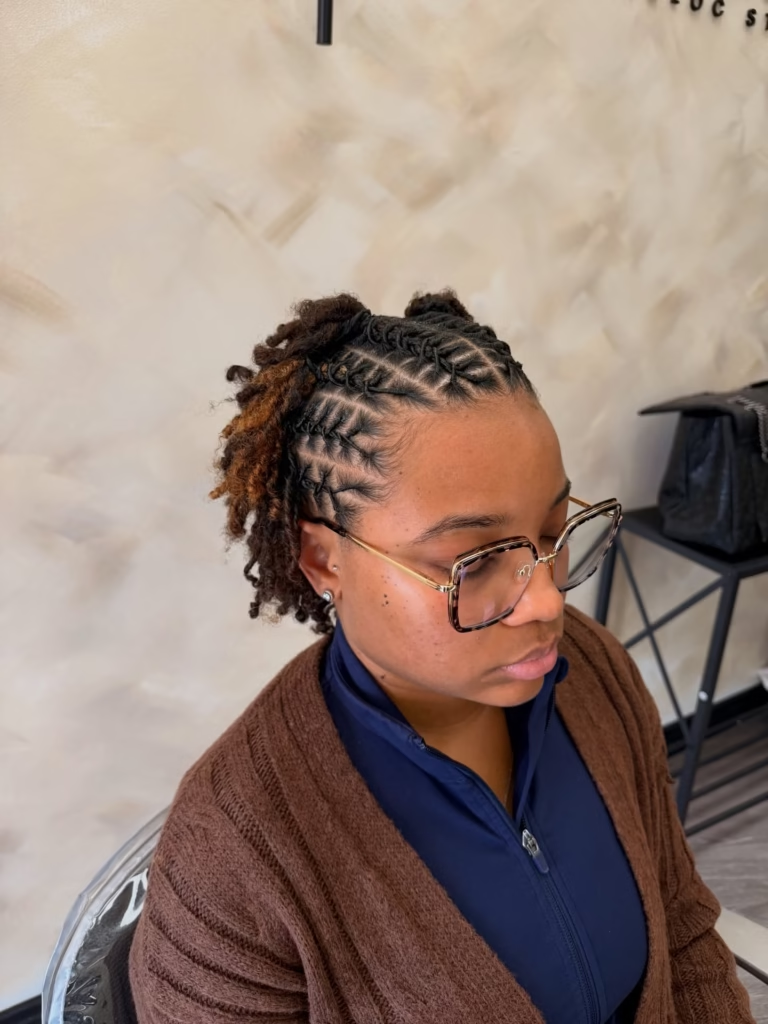
Pinning everything to one side creates a completely different silhouette on short locs and this one proves it.
Thin starter locs are sectioned in a clean diamond parting grid across the crown, then gathered and pinned to the left side where the ends burst out in a full cluster of coily, springy curls tipped in warm auburn.
Dark brown to black at the roots with that rich reddish color only visible at the ends where the locs are lightest. Gold-framed tortoiseshell glasses and small diamond studs complement the warm tones in the hair without any extra effort.
Gathered to the side like this, the entire right side of the face stays open and the clean hairline becomes part of the style.
Short starter locs that feel awkward worn down almost always look intentional when pinned sideways instead. Mist your ends lightly with water before pinning so the coily tips spring up rather than lying flat in the cluster.
Side-Swept Starter Locs with Twisted Crown and Coily Ends
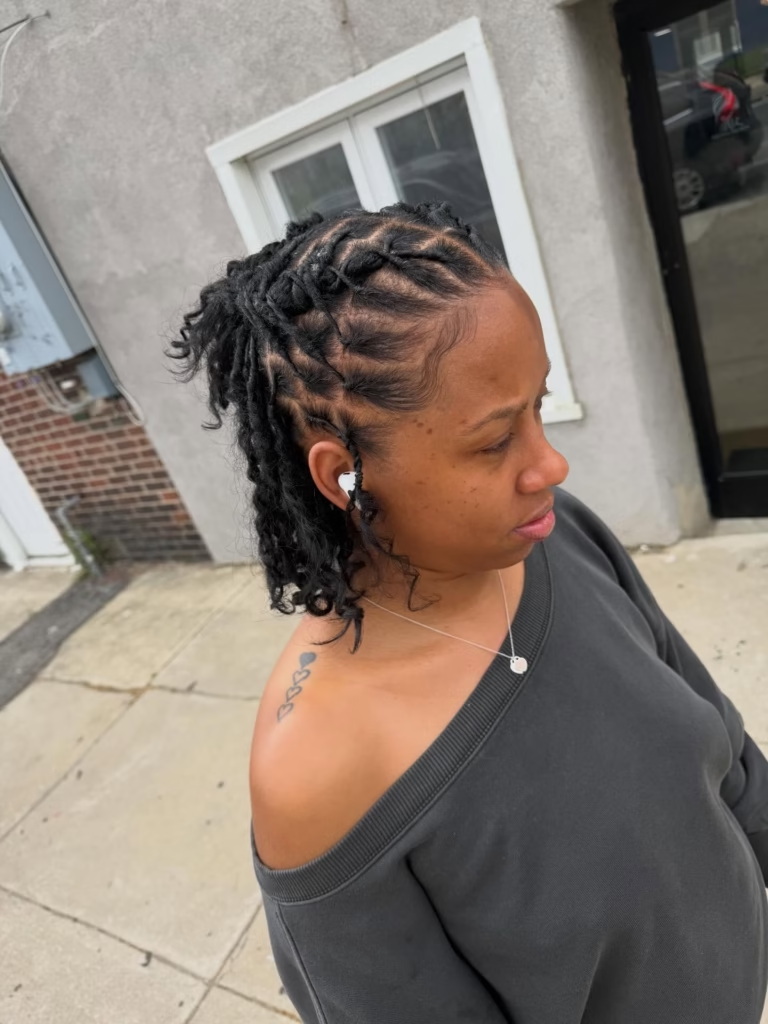
Sweeping everything to one side at the starter stage creates way more shape than most people expect. Thin, two-strand twist locs are knotted and twisted flat across the crown in a loose organic pattern, then swept fully to the left where the coily, springy ends hang just past the shoulder in a full cluster.
Jet black throughout with visible new growth at the roots that actually adds texture rather than taking anything away. Wispy, loose hairs along the hairline soften the whole look naturally without any extra effort.
Simple wireless earbuds and a delicate silver necklace show exactly how effortlessly this style fits into everyday life. Starter locs that feel too short to style down work perfectly here because the side sweep adds perceived length immediately.
Let the natural weight of your locs guide the sweep direction rather than forcing them against their growth pattern. Finger-detangle gently before sweeping so the ends hang loose and separated rather than clumping together.
You may enjoy reading Waist Length Locs Styles: 18 Stunning Ways to Style Really Long Locs
Pinned Loc Updo with Diamond Part Crown and Loose Tendril

Short starter locs have no business looking this polished and yet here we are. Thin, freshly installed locs are pinned back and upward across the entire head in a neat updo, with a clean diamond parting grid visible across the crown that gives the whole style its structure.
Jet black throughout, uniform in thickness, with that tight coily texture that only shows up in the early weeks of a loc journey. Two loose locs fall forward near the temple on one side as intentional face-framers. Small diamond stud earrings keep the accessories minimal so the precision of the style reads clearly.
Women who think their starter locs are too short to do anything with need to see this one specifically. Pinning works at almost any starter length as long as the locs have enough root to grip.
Secure each pinned section with small bobby pins that match your hair color so the pins disappear completely.
Double Loc Buns with Diamond Part Crown and Dangling Tendril Locs
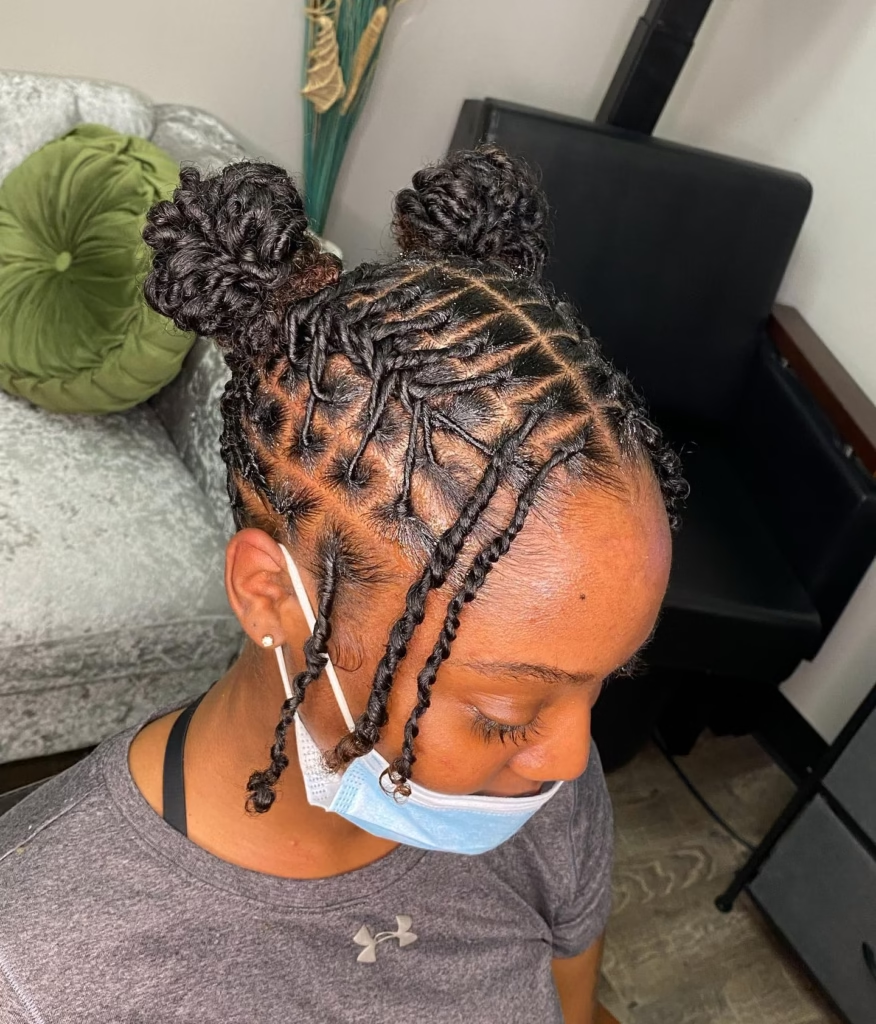
Two buns and four hanging tendrils is a combination that hits every time at the starter stage. Thin, tightly coiled two-strand twist locs are sectioned in a sharp diamond grid across the entire crown, gathered into two full buns sitting high and even on each side, while four loose locs dangle deliberately at the front hairline with tight spiral ends that curl at the tips.
Jet black throughout, dense and uniform, with that fresh-install definition that makes every part line look intentional. Pearl stud earrings sit quietly and let the style carry the look completely.
Those four front tendrils are the detail that separates this from a basic double bun and they need to be placed deliberately rather than just left out randomly.
Section them evenly on both sides of the center part before putting the buns up. Keep the bun bases loose enough that your scalp isn’t pulling, especially this early in your journey.
Read also 10 Loc Styles That Stay in Place Through Your Entire Workout (No Bobby Pins Required)
Two-Tone Starter Locs with Sweeping Honey Blonde Crown
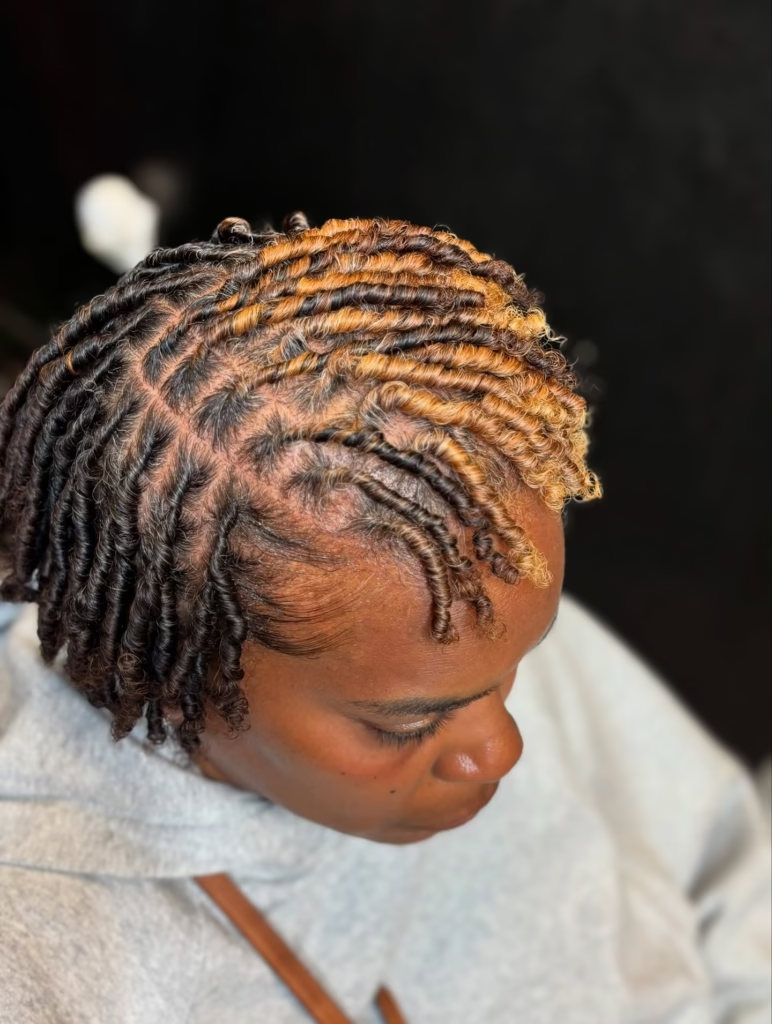
Color placement this intentional at the starter stage is rare and it pays off immediately.
Thin, freshly installed two-strand twist locs sit in a short bob that falls just below the ear, with dark brown locs framing the sides and back while a full sweep of warm honey blonde locs fans across the entire crown in curved, diagonal rows. Each loc ends in a tight springy coil that shows clean definition throughout.
Rich contrast between the dark perimeter and the bright golden crown gives the whole style dimension without needing any accessories at all. Worn loose and down like this, the color does all the styling work.
Women considering color early in their loc journey should know the crown placement shown here is the most flattering option because it catches light naturally from every angle. Keep both shades equally moisturized since colored locs dry out faster than natural ones.
Loc Mohawk with Square Part Crown and Free-Hanging Coily Ends

Swept up the center with everything else hanging free is one of the most underrated moves at the starter stage.
Medium-thickness locs are sectioned in a clean square grid pattern across the crown and gathered upward into a loose mohawk shape at the top, while the remaining locs fall freely around the sides and back with tight coily ends that curl at the tips.
Deep black throughout with a slight warm brown undertone visible in natural light. Two small face-framing locs with curled ends sit deliberately at the temples. Pearl stud earrings keep the look soft rather than edgy.
Starter locs suit this style particularly well because the shorter length keeps the mohawk compact and intentional rather than droopy.
Gather the center section with a light hand so the locs fan upward naturally without looking forced or stiff. Avoid heavy products on the crown or the grid partings will disappear by midday.
Read also 15 Mature Locs Styles for Women Over 40 That Exude Confidence
Why Short Starter Loc Styles Are So Popular
That early stage gives you the chance to protect your hair while trying simple styles that support the locking process. Short starter loc styles keep daily handling low, help new locs stay organized, and make it easier to build healthy habits from the beginning.
Unlike mature locs, starter locs are still forming their shape. Gentle hairstyles reduce constant touching, which helps the strands stay together instead of coming apart every time you comb or restyle your hair.
Many people also love short starter locs because they are easy to manage. Styling takes less time, washing feels simpler, and drying is usually faster than it is with longer locs. That makes the early months less overwhelming for beginners.
Another reason is flexibility. Even with limited length, you can wear side parts, mini buns, half-up styles, headbands, scarves, and other beginner-friendly looks that keep your hair neat without placing too much stress on new roots.
Growth becomes easier to appreciate as well. Watching your locs change from short coils into fuller, longer locs gives many people confidence to stay committed through each phase of the journey. Every month brings noticeable progress.
Protection matters too. Keeping starter locs in simple styles reduces rubbing against clothing, lowers the chance of excessive frizz, and helps prevent unnecessary manipulation that can slow healthy locking.
Some people believe starter locs should never be styled until they become mature. That advice falls short because light, low-tension styles are usually safe once your loctician says your locs are ready.
The problem is not styling itself. The problem is pulling too tightly or changing styles too often. If your locs were installed recently and are still loose, wait until they have had time to settle before trying more complex hairstyles.
Comfort also plays a big role. Short locs feel lighter on the scalp, making them easier to wear during work, exercise, travel, and everyday activities. You spend less time adjusting your hair and more time enjoying it.
Confidence grows naturally. A neat starter loc style can help you feel polished while your hair develops, especially if you are worried about the awkward stages that many people talk about. Simple styles often make those transition months feel much shorter.
Most importantly, short starter loc styles teach healthy habits early. Learning how to style your locs gently, protect them at night, and avoid unnecessary tension creates a stronger foundation that benefits your hair long after the starter phase is over.
Continue reading 18 Cute Locs Styles for Women Who Love Effortless Everyday Looks
Cute Starter Loc Styles With Bangs
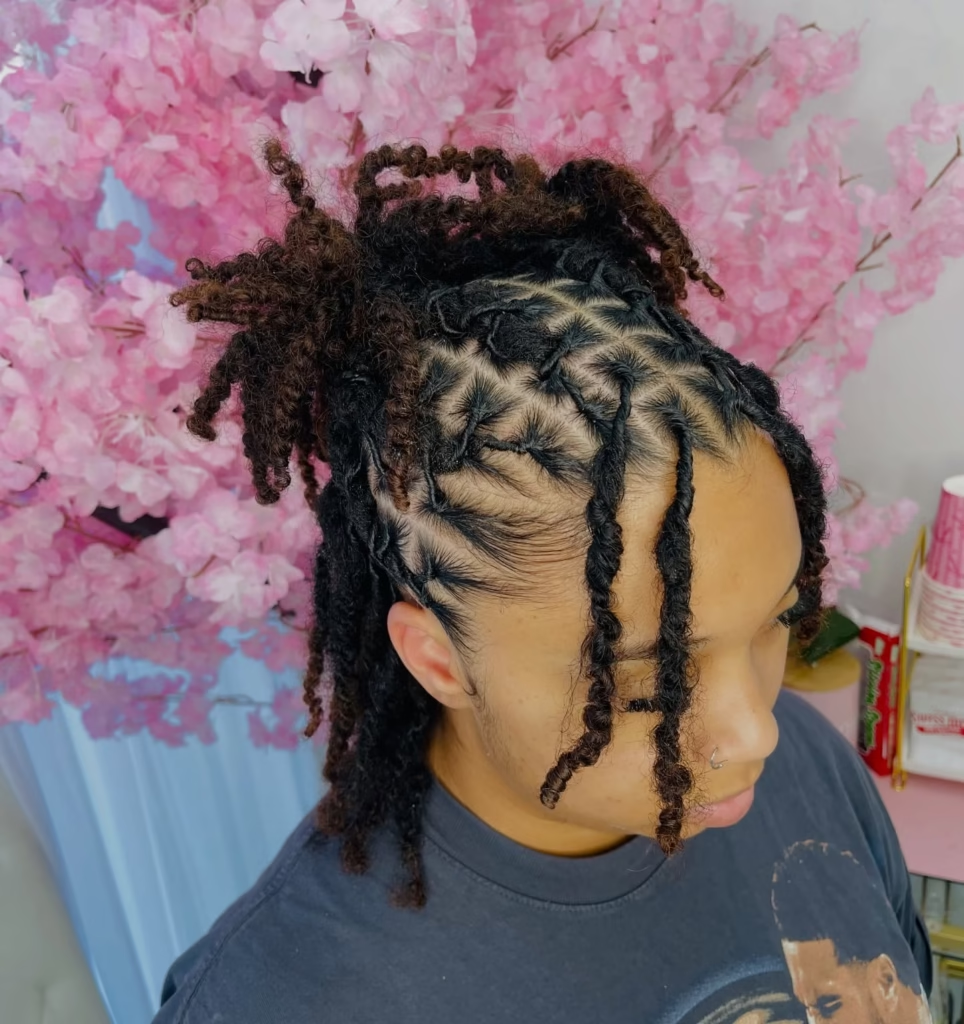
Leaving a few locs at the front can soften your hairstyle without slowing the locking process when done gently. Bangs also add shape to your face, making even simple starter loc styles look more polished and personal.
Side Bangs
Sweeping a few front locs to one side creates a relaxed look that works for everyday wear, work, or casual outings. This style frames the face naturally while keeping most of your locs secured behind the shoulders or in a light updo.
Curly Bangs
Adding curls to the front locs creates extra texture and movement. Pipe cleaners, flexi rods, or rollers can curl mature enough starter locs without changing the rest of the hairstyle. Wait until your locs are stable enough for curling if they were installed recently.
Wispy Bangs
Not every bang needs to be full. Leaving only a few thin locs across the forehead creates a lighter appearance while reducing the weight around your face. This style works especially well with shorter starter locs that cannot yet be gathered into larger updos.
Center-Part Bangs
A middle part with two face-framing sections creates balance and highlights your facial features. The style also pairs well with half-up hairstyles, ponytails, or loose starter locs because it adds detail without requiring complicated styling.
Pinned Bangs
Some days call for a different look. Pinning your bangs to one side with a decorative clip or small hairpin keeps them away from your face while giving your hairstyle a clean finish. This is useful during work, exercise, or warm weather.
Bangs with a Half-Up Style
Combining bangs with a half-up hairstyle gives you the best of both worlds. The front locs remain loose to frame your face while the upper section is gathered back, helping keep the style comfortable throughout the day.
Face shape matters too. Longer bangs often complement round faces by creating the appearance of more length, while side bangs can soften stronger jawlines. The goal is balance rather than following strict styling rules.
Some people believe bangs prevent starter locs from locking properly. That advice falls short because the position of your locs does not stop the locking process.
Excessive pulling, constant restyling, and heavy manipulation are the real concerns. As long as your bangs are handled gently and your locs are not under tension, they can develop just as well as the rest of your hair.
You may enjoy reading How to Create a Locs Bun That Stays Up All Day Without Falling Out
Half-Up Half-Down Starter Loc Styles
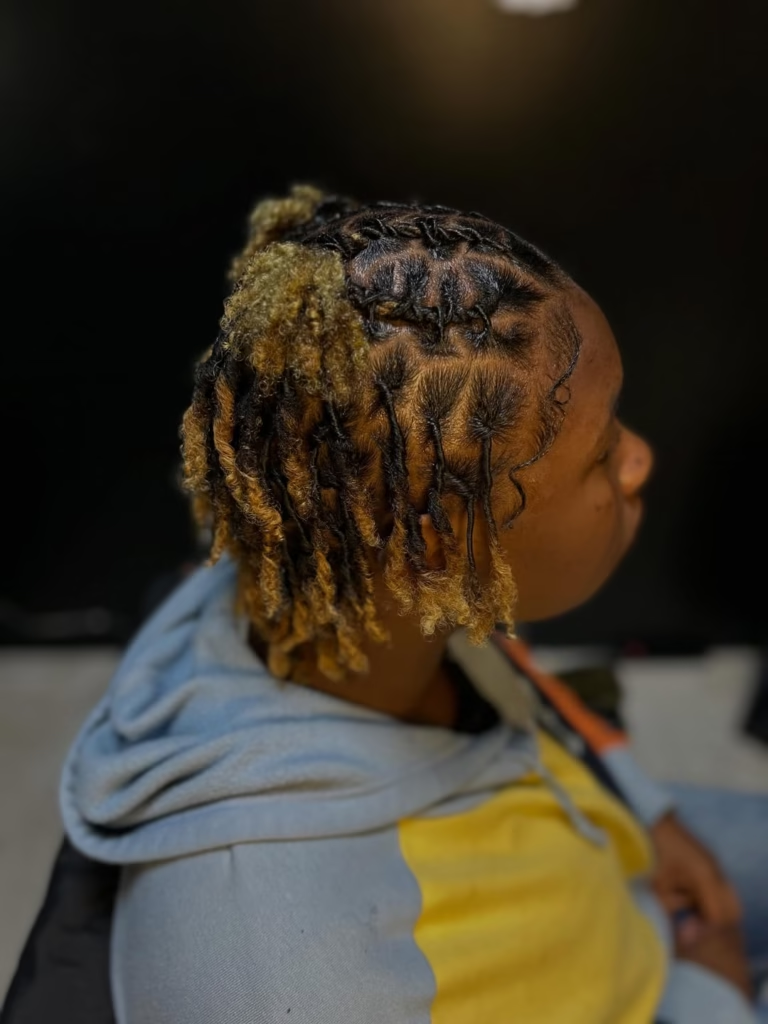
Keeping part of your locs loose while securing the rest gives you one of the safest and most versatile hairstyles during the starter phase.
Half-up styles reduce tension because only part of your hair is gathered, making them a smart choice while your locs continue to mature.
1. Classic Half-Up Style
Simple works. Gather the top section of your starter locs and secure it with a soft hair tie while leaving the remaining locs loose. This style keeps hair away from your face without placing weight on every root.
2. Half-Up Mini Bun
Wrapping the top section into a small bun creates extra shape while keeping the lower locs free. The bun adds volume at the crown, and the loose locs help distribute weight more evenly across your scalp.
3. Half-Up Ponytail
Lifting only the upper section into a ponytail creates a relaxed everyday look that works for school, work, or casual outings. Since fewer locs are pulled back, the hairstyle feels lighter than a full ponytail.
4. Side-Part Half-Up Style
Changing the part changes the style. A deep side part paired with a half-up section frames the face naturally and gives short starter locs a fuller appearance without requiring extra styling.
5. Curly Half-Up Style
Adding curls to the loose locs creates movement and texture while the upper section stays secured. Pipe cleaners or flexi rods can create soft curls once your locs are mature enough to handle curling without unraveling.
6. Half-Up Style with Bangs
Leaving a few front locs loose softens the hairstyle and draws attention to your facial features. The secured top section keeps the rest of your hair under control, making this a comfortable option for everyday wear.
7. Half-Up Style with a Scarf
A satin or silk scarf wrapped around the tied section adds color while helping keep the hairstyle secure. The smooth fabric also reduces friction, making it a better option than rough materials that can attract lint.
8. Half-Up Style with Hair Cuffs
Adding a few gold cuffs or decorative rings to the loose locs gives the hairstyle extra personality without increasing tension. Placing accessories across different sections keeps the look balanced instead of drawing all the attention to one area.
Hair growth expands your options. As your starter locs become longer, you can gather more hair into the upper section while still keeping the style comfortable and secure.
Many people believe half-up hairstyles are only suitable for long locs. That advice falls short because this style can be adapted to almost every stage of the starter loc journey.
The only exception is for freshly installed locs that are still unraveling easily. In that case, waiting until they become more stable will help the style last longer and protect the locking process.
See this post Short Bob Locs Styles: 15 Chic Looks for Women Who Love Bold Hair
Starter Loc Ponytail Ideas

Once your starter locs are long enough, ponytails become one of the easiest ways to keep your hair neat without overstyling it. The key is choosing loose, low-tension styles that protect your roots while allowing your locs to continue locking naturally.
High Ponytail
A high ponytail keeps your locs away from your neck and face, making it a practical choice for warm weather, busy days, or light exercise. Use a soft hair tie that holds the style without squeezing the roots too tightly.
Low Ponytail
Comfort comes first. A low ponytail places less weight on the hairline because it sits closer to the base of your neck. It also works well for work, school, and formal occasions where a simple hairstyle looks polished.
Half-Up Ponytail
Gathering only the top section of your locs creates a balanced style that keeps hair out of your face while leaving the rest loose. This reduces tension because not every loc is pulled into the ponytail, making it a good option during the early stages.
Pineapple Ponytail

A loose pineapple style lifts your locs toward the top of your head without wrapping them tightly. This works best once your locs have enough length to reach comfortably. It also helps preserve curls if you have styled the ends with rollers or pipe cleaners.
Side Ponytail
Changing the position changes the look. A side ponytail adds variety while keeping the hairstyle simple. It frames the face differently than a traditional ponytail and works well for casual outings or relaxed weekends.
Mini Ponytail
Short starter locs often cannot reach into a full ponytail, but a small ponytail at the crown can still create a fresh look. Working with the length you have protects your roots better than forcing every loc into place.
Hair ties matter too. Soft fabric-covered elastics reduce friction and help prevent snagging, especially while your locs are still developing. Thin rubber bands can grip too tightly and make removing the ponytail uncomfortable.
Some people believe starter locs should never be worn in ponytails. That advice falls short because a loose ponytail with enough length is usually safe for many people once the locs have become stable. The problem is not the ponytail itself.
The problem is pulling it too tight or creating the style before your locs are ready. If your starter locs are still unraveling easily, give them more time before trying ponytail styles.
Pin this post too High Bun Locs Hairstyles: 14 Show-Stopping High Bun Styles for Loc Wearers
Starter Loc Updo Styles
Once your starter locs have enough length, simple updos can keep your hair protected while giving you a fresh look for different occasions.
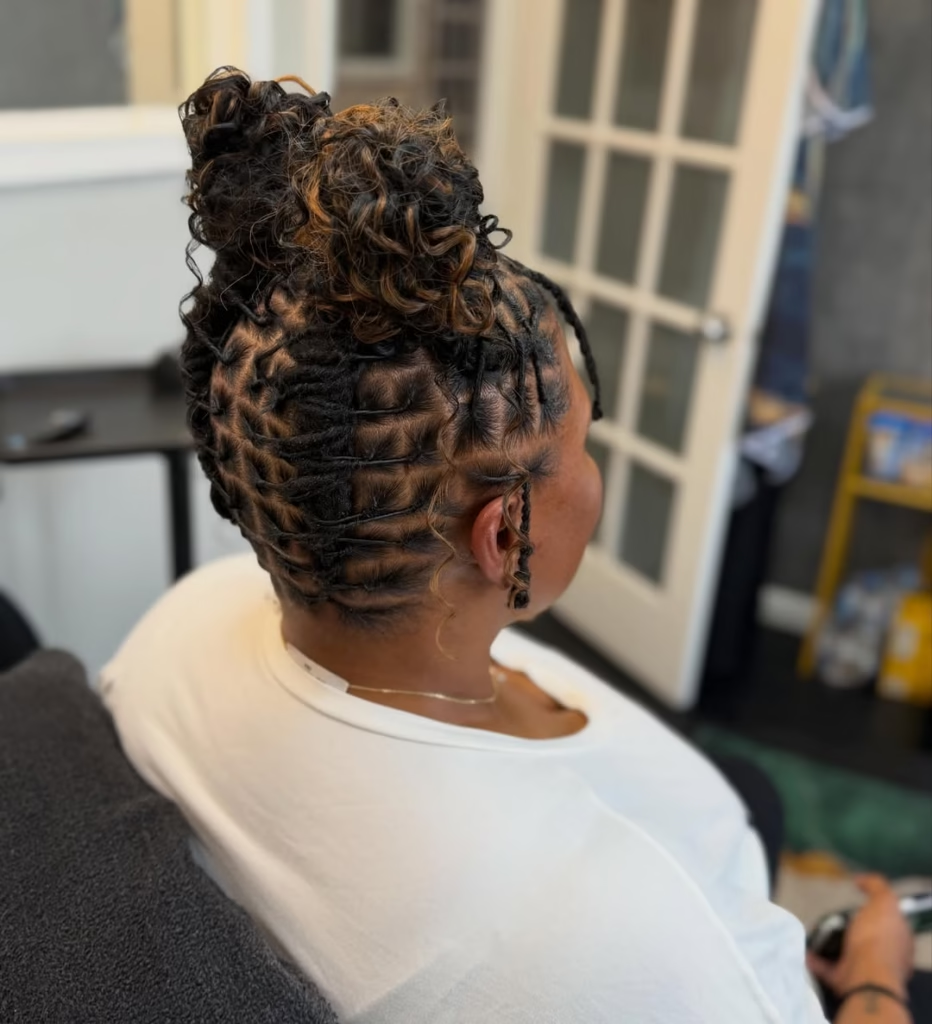
The best updos hold your locs securely without pulling tightly on the roots, allowing the locking process to continue with minimal disruption.
1. Mini Bun
Small but stylish. A mini bun gathers only the locs that comfortably reach together, making it a great choice for shorter starter locs. This style keeps hair off your neck while avoiding unnecessary tension on newer growth.
2. Crown Updo
Wrapping or pinning the front sections toward the crown creates a graceful style that works well for weddings, church, or formal events. The lifted shape highlights your face while leaving the rest of your locs undisturbed.
3. Pinned-Back Style
Sometimes less is more. Pinning the front or side sections away from your face creates a clean appearance without requiring a full updo. Because only part of the hair is secured, the style places less stress on developing locs.
4. Rolled Updo
Rolling sections of your locs toward the back creates a neat finish that works best once your hair reaches neck length or longer. The rolled shape spreads the weight across several pins instead of concentrating it in one spot.
5. Half-Up Bun
Gathering only the top half of your starter locs into a small bun keeps loose locs around your shoulders while adding height and shape. This style balances protection with comfort because not every loc is pulled upward.
6. Side Pinned Updo
Moving the updo slightly to one side changes the entire look. This style creates soft face framing and works well for birthdays, date nights, or photo sessions without requiring complicated styling techniques.
7. Twisted Front Updo
Twisting the front sections gently before pinning them back adds texture while helping shorter locs stay in place. The twists also reduce loose strands around the face without placing constant pressure on the hairline.
8. Scarf Wrapped Updo
A lightweight satin or silk scarf can turn a simple updo into a stylish statement. Wrapping the scarf around the base helps secure the hairstyle while reducing friction against your locs during the day.
Hair length makes a difference. Some updos simply are not possible until your starter locs grow longer, and that is perfectly normal. Working with your current length produces a stronger, more comfortable style than trying to copy looks designed for mature locs.
Many people believe starter locs should never be pinned into an updo. That advice falls short because gentle, low-tension updos are often suitable once your locs are stable enough to hold their shape.
The real concern is forcing short or freshly installed locs into styles they cannot comfortably support. If your locs still unravel easily, wait a little longer before trying more structured updos.
See more Bridal Loc Hairstyles for Black Women: 20 Stunning Ideas for Your Wedding Day
Curly Starter Loc Styles
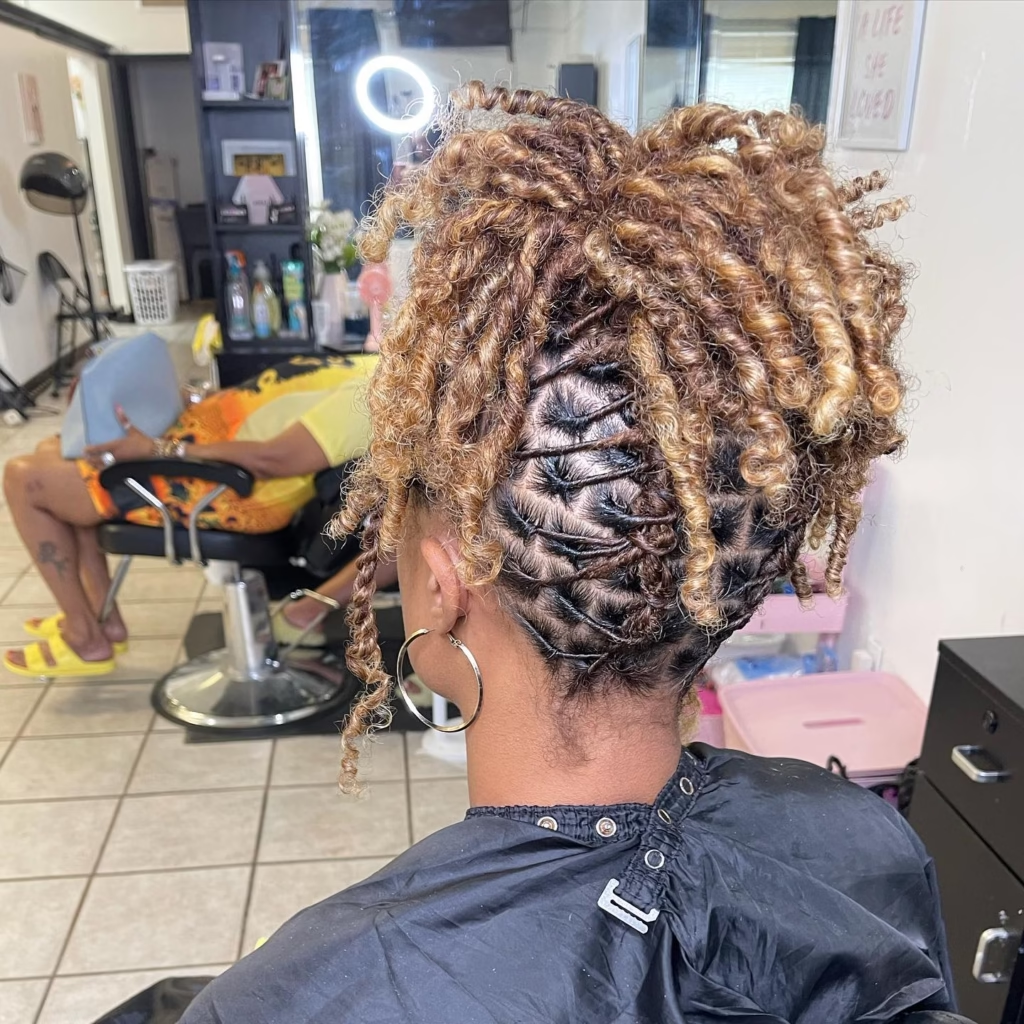
Adding curls is one of the easiest ways to change the look of starter locs without changing the locs themselves. The right curling method adds texture, volume, and movement while keeping your loc journey on track with gentle handling.
1. Pipe Cleaner Curls
Many people choose pipe cleaners because they create defined, springy curls that last for days. The flexible shape wraps around each loc without using heat, making this a popular option once your starter locs are stable enough to hold the curl.
2. Flexi Rod Curls
Flexi rods create soft, rounded curls that give starter locs a fuller appearance. Their smooth surface reduces friction while allowing you to control the size of each curl by choosing different rod widths.
3. Braid-Out Curls
Braiding several locs together overnight creates gentle waves instead of tight curls. This method works well for people who prefer a relaxed, natural finish and want extra texture without using curling tools.
4. Curled Ends
Sometimes small changes create the biggest impact. Curling only the ends of your starter locs adds movement while leaving the rest of the loc straight. This style frames the face nicely and keeps the overall look light.
5. Loose Spiral Curls
Larger curls create more volume without making the hairstyle feel heavy. Wrapping the locs loosely around rollers or pipe cleaners produces soft spirals that suit both casual and formal occasions.
6. Half-Up Curly Style
Securing the top section while leaving curled locs loose combines two styles in one. The upper section keeps hair away from your face, while the curls create texture and movement throughout the lower half.
7. Curly Locs with Bangs
Curled front locs soften your features and add extra shape around the face. Pairing curly bangs with loose starter locs creates a playful style that works well for birthdays, date nights, or photo sessions.
8. Side-Part Curly Starter Locs
A deep side part adds balance, while curled locs create fullness that makes shorter starter locs appear thicker. This combination works especially well if you want a fresh look without changing your parting pattern completely.
Timing matters. Freshly installed starter locs often need time to settle before adding curls because repeated wrapping and unwrapping can loosen new locs. Waiting until your loctician recommends styling helps protect the locking process.
Many people believe curling starter locs will stop them from locking. That advice falls short because temporary curls do not prevent healthy loc development when the hair is handled gently.
See now Sisterlocks for Black Women Over 40: 20 Looks That Celebrate Every Year
The greater risk comes from styling too often or removing curling tools roughly. If your starter locs still unravel easily after washing, postpone curling until they become more secure.
Starter Loc Styles With Color
Adding color can give your starter locs a fresh, eye-catching look, but healthy locs should always come before bold shades. Choosing the right color and timing helps you express your style while protecting hair that is still locking.
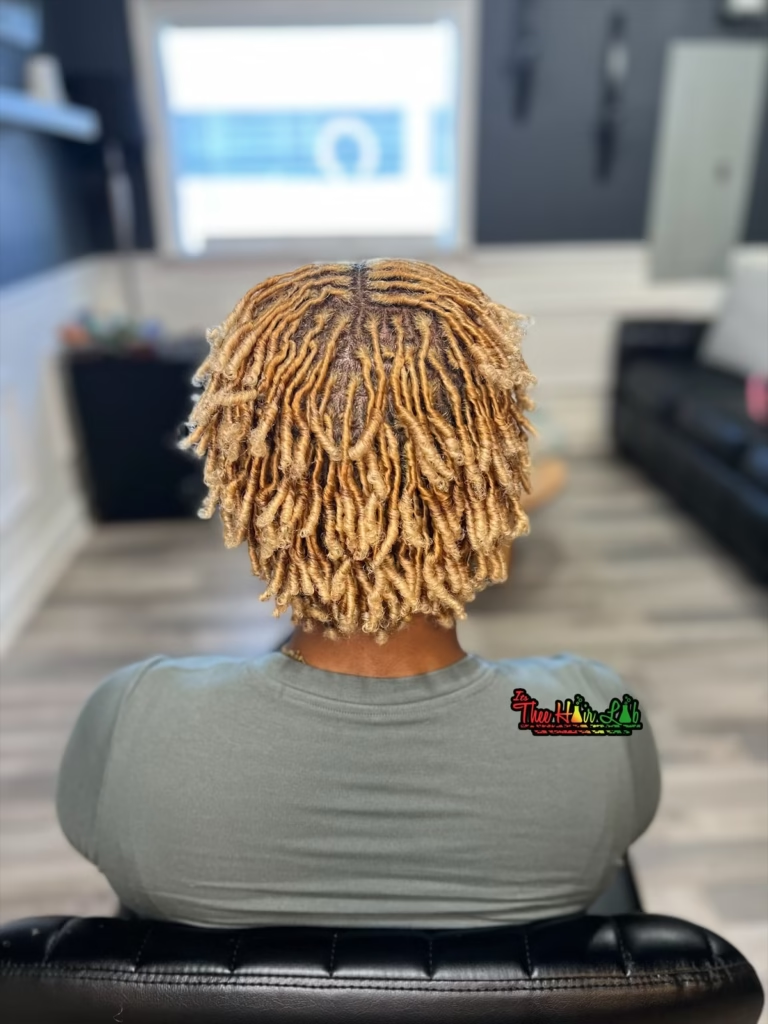
Blonde Starter Locs
Blonde remains one of the most requested loc colors because it creates strong contrast and highlights the shape of each loc. Honey blonde offers a softer finish, while platinum blonde makes a bolder statement.
Lightening hair usually requires bleach, so extra moisture and regular conditioning become more important afterward.
Honey Blonde Starter Locs
Warm honey tones brighten the face without looking harsh. This shade blends well with many natural hair colors and often requires less dramatic lightening than lighter blondes, helping reduce stress on the hair.
Copper Starter Locs
Copper adds warmth and richness while keeping a natural appearance. The shade catches sunlight beautifully and works well if you want noticeable color without choosing bright fashion tones.
Auburn Starter Locs
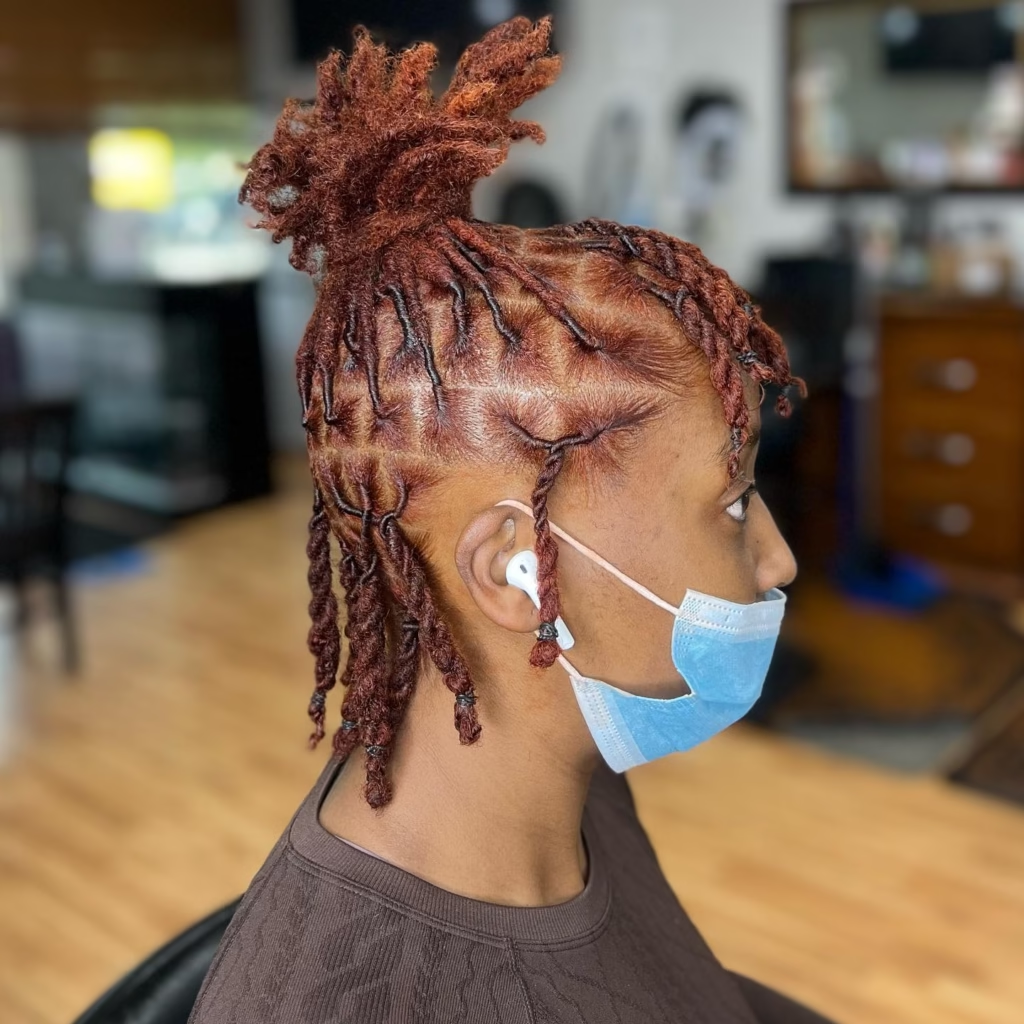
Auburn combines brown and red tones for a classic finish. It complements many skin tones and adds depth that becomes more noticeable as your locs grow longer.
Burgundy Starter Locs
Deep burgundy creates bold color without becoming overwhelming. It pairs well with protective styles and stands out in both straight and curled starter loc styles.
Ombre Starter Locs
Color does not have to cover every loc. Ombre keeps the roots darker while gradually blending into a lighter shade toward the ends. This technique reduces the need for frequent root touch-ups as your locs continue to grow.
Highlighted Starter Locs
Small highlights add dimension without changing your entire hairstyle. Coloring only selected locs creates contrast while leaving most of your natural hair untouched, which can be a gentler option than full-head coloring.
Temporary Color Options
Not every change needs to be permanent. Colored loc wraps, hair wax made for temporary use, and removable extensions allow you to experiment with different shades without committing to permanent dye. These options are useful if your starter locs are still in the early locking stages.
Timing is important. Hair that has been freshly installed often benefits from settling before undergoing chemical coloring. Waiting until your locs are more established can help reduce unnecessary stress, especially if bleaching is involved.
Many people believe you should color starter locs as soon as they are installed. That advice falls short because chemical processing can weaken hair that is still forming new locs.
If you want permanent color, speak with an experienced loctician who can assess the condition of your hair first.
When your locs are still delicate, temporary color products or accessories are often the safer choice.
Check out Office-Ready Locs Hairstyles for Women: 12 Professional Styles to Try
Professional Starter Loc Styles
Looking polished at work does not mean hiding your starter locs or waiting until they mature. Clean, low-maintenance styles help you look professional while protecting new locs from the constant handling that can slow healthy development.
1. Classic Middle Part
Simple works in almost every workplace. A straight middle part creates balance and keeps the hairstyle neat without adding tension. This style also requires little maintenance during busy workdays.
2. Deep Side Part
Changing the part can completely refresh your look. A deep side part frames the face, adds volume, and gives short starter locs a more structured appearance without requiring extra styling.
3. Neatly Pinned Front
Keeping the front locs pinned away from your face creates a clean finish that works well for meetings, presentations, and customer-facing roles. Since only a small section is secured, the style places less stress on the roots.
4. Half-Up Style
Gathering only the upper section keeps your hair tidy while leaving the remaining locs loose. The balanced design reduces tension because not every loc is pulled into the same direction.
5. Low Ponytail
Once your locs are long enough, a loose low ponytail becomes a reliable choice for the office. The lower placement spreads the weight comfortably and pairs well with business attire.
6. Mini Bun
A small bun creates a polished appearance without requiring long locs. Wrapping only the hair that comfortably reaches together helps protect developing roots while keeping your hair off your neck.
7. Headband Style
A simple fabric headband keeps shorter locs away from your face while adding a refined touch. Soft materials reduce friction better than hard plastic bands, making them more comfortable for all-day wear.
8. Scarf Accent
A neatly folded satin or silk scarf adds personality while maintaining a professional appearance. Choosing neutral colors or subtle patterns allows the accessory to complement your outfit instead of distracting from it.
9. Light Hair Accessories
Small gold cuffs or simple hair rings can add detail without overwhelming the hairstyle. Placing only a few accessories across your locs creates a balanced look that remains suitable for professional settings.
10. Fresh Retwist Style
Nothing looks cleaner than healthy, well-maintained starter locs. Following the retwist schedule recommended by your loctician helps your parts stay defined while avoiding excessive manipulation.
If you wear freeform starter locs, focus on keeping your hair clean and moisturized instead of aiming for perfectly defined parts.
Confidence matters as much as the hairstyle. Clean locs, healthy edges, and well-chosen clothing often create a stronger professional impression than complicated styling.
Many people believe starter locs are not appropriate for corporate workplaces until they mature. That advice falls short because professionalism comes from good grooming, not hair length.
A neat, well-maintained starter loc style often looks more polished than an elaborate hairstyle that is poorly cared for.
Here’s Back to School Locs Hairstyles for Kids: 15 Easy Styles to Start the Year
Easy No-Retwist Starter Loc Styles
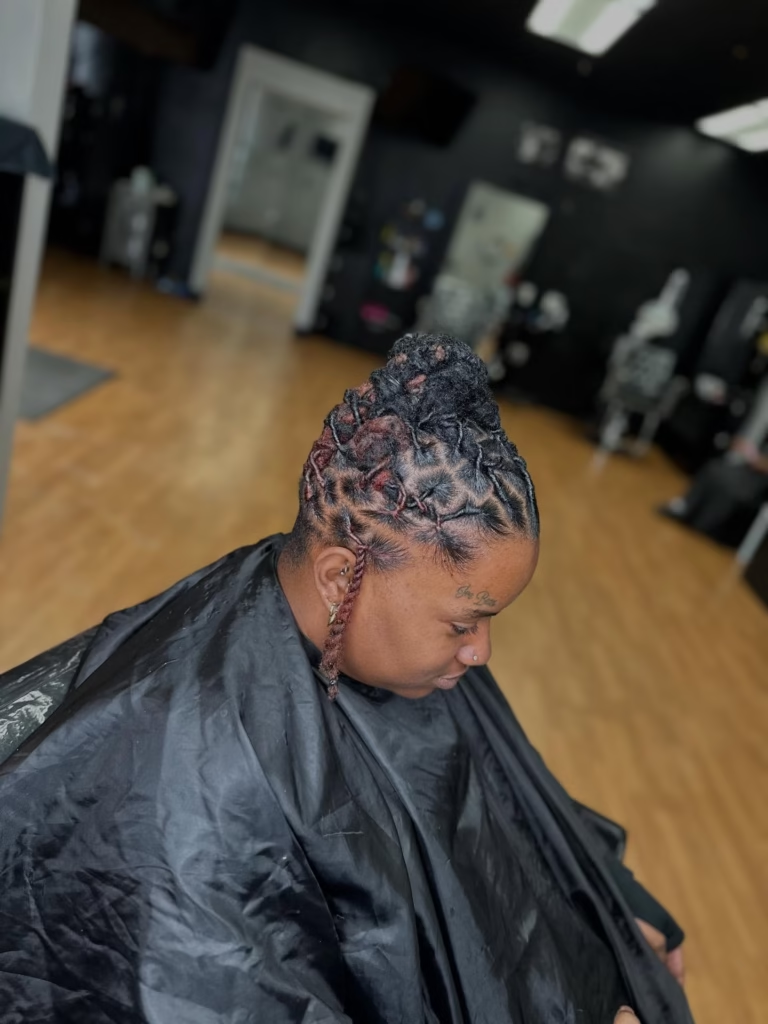
Giving your roots a break between retwists can help reduce unnecessary manipulation while keeping your starter locs looking neat. The best no-retwist styles work with your natural growth instead of trying to hide every bit of new hair.
1. Loose Side Part
A clean side part changes your look without touching the roots. This simple adjustment gives your starter locs a fresh appearance while allowing new growth to remain undisturbed.
2. Middle Part Style
Changing from a side part to a middle part is one of the quickest ways to refresh your hairstyle. Since no twisting or retightening is involved, your roots stay relaxed while the style still looks intentional.
3. Headband Style
Soft fabric headbands keep shorter locs away from your face and draw attention away from new growth. Satin or stretchy fabric bands are more comfortable because they create less friction than hard plastic options.
4. Scarf Wrap Style
Wrapping a satin or silk scarf around your hairline adds color while helping keep loose roots under control. The smooth fabric also reduces rubbing against your locs throughout the day.
5. Half-Up Style
Gathering only the upper section creates shape without pulling every loc into place. Because fewer roots are under tension, this style remains comfortable even as new growth appears.
6. Pinned Front Style
Pinning a few front locs away from your face gives your hairstyle a cleaner finish without requiring a fresh retwist. Decorative clips can also add personality while keeping manipulation to a minimum.
7. Curled Ends
Adding curls to the ends changes the overall look while leaving the roots untouched. Pipe cleaners or flexi rods create movement that draws attention to the style instead of the new growth.
8. Hair Cuff Style
Small gold cuffs or decorative rings can make a simple hairstyle feel new again. Spacing them across different locs creates balance without adding weight or tension to the roots.
9. Loose Pineapple Style
If your starter locs have enough length, a loose pineapple gathers them gently toward the top of your head without stretching the hairline. Keeping the style relaxed helps protect developing locs.
10. Accessory-Focused Style
Sometimes the easiest update is not a new hairstyle at all. Earrings, scarves, hats, or lightweight accessories can transform your appearance while allowing your starter locs to rest between maintenance appointments.
Patience pays off. Allowing your roots to grow naturally between retwists gives your scalp time to recover and reduces repeated stress on the same areas.
Many people believe frequent retwists make locs grow faster or look healthier. That advice falls short because hair grows from the scalp, not from twisting the roots more often. Retwisting too frequently can weaken the hairline and increase breakage over time.
Unless your loctician recommends otherwise for your hair type or installation method, following a sensible maintenance schedule is usually healthier than chasing a freshly retwisted look every week.
Bookmark for later Locs Hairstyles for School: 12 Easy Looks That Keep Kids Neat All Day
Best Accessories for Short Starter Locs
The right accessories can transform short starter locs without changing the hairstyle or putting extra stress on new growth.
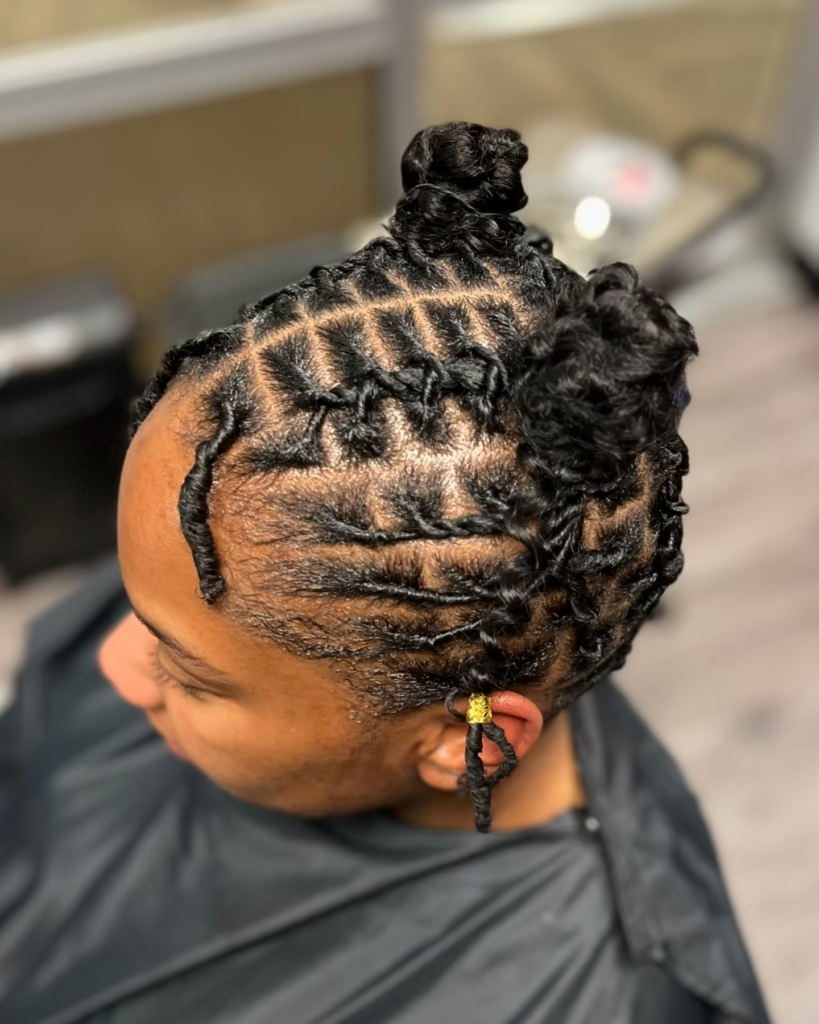
Lightweight pieces work best because they add personality while allowing your locs to continue locking with minimal manipulation.
1. Gold Hair Cuffs
Gold cuffs remain a favorite for a reason. They slide onto individual locs instead of pulling on the roots, adding shine without changing the hairstyle itself. Spacing a few cuffs across your locs creates a balanced look that feels polished instead of crowded.
2. Hair Rings
Small hair rings add texture and detail with little effort. They work especially well on shorter locs because they decorate the hair without adding noticeable weight. Choosing smooth rings also helps prevent snagging when you remove them.
3. Satin Scarves
A satin scarf does more than look stylish. Wrapping one around your hairline or tying it into a bow helps reduce friction, protects your locs from lint, and keeps shorter strands neatly in place throughout the day.
4. Fabric Headbands
Headbands are one of the easiest ways to refresh your look. Soft, stretchy fabric holds your locs away from your face while avoiding the pressure that hard plastic bands can place on your scalp.
5. Decorative Hair Clips
Small clips can secure loose front sections while adding a little sparkle or color. Placing them near the temple or side part helps frame your face without pulling on your starter locs.
6. Wooden Beads
Wooden beads create a natural finish that pairs well with starter locs. Since they are often lighter than metal beads, they place less weight on individual locs. Make sure the bead opening fits comfortably so you do not force it onto the hair.
7. Lightweight Floral Accessories
Fresh or artificial flowers can dress up your hairstyle for weddings, birthdays, or photo shoots. Attaching one or two flowers near the side of your head creates a soft look without covering your locs.
8. Silk Hair Wraps
Silk wraps offer both style and protection. They help control flyaways while reducing rubbing against your hair, making them useful for travel, windy weather, or busy days when you want your hairstyle to stay neat.
9. Decorative Elastic Bands
Covered elastic bands add a subtle touch of color when your starter locs are long enough for a small ponytail or half-up style. Fabric-covered bands grip more gently than thin rubber bands, helping reduce breakage around the roots.
10. Wide-Brim Hats
A stylish hat protects your scalp from direct sunlight while giving your hairstyle a finished look. Choose hats with enough room inside so your locs are not pressed flat for long periods.
Less often creates more impact. One carefully chosen accessory usually highlights your hairstyle better than several competing pieces.
Overloading short starter locs with heavy beads, large clips, and multiple wraps can hide the beauty of the locs themselves and place unnecessary weight on hair that is still developing.
Many people believe accessories slow down the locking process. That advice falls short because lightweight accessories do not stop locs from forming when they are used correctly.
The real problem comes from wearing heavy decorations for long periods or attaching them so tightly that they pull on the roots.
If your starter locs are freshly installed and still unravel easily, wait until they become more stable before adding anything beyond a soft scarf or headband.
Read now 7 Must-Have Hair Tools for Women with Short Locs
How to Style Short Starter Locs Without Causing Unraveling
Keeping starter locs intact comes down to gentle styling, not avoiding hairstyles altogether. The right habits reduce unraveling, protect new growth, and help your locs mature without making you feel limited to wearing the same look every day.
1. Wait Before Styling Fresh Locs
Freshly installed locs need time to settle. Give your starter locs the amount of time recommended by your loctician before trying ponytails, buns, or updos. This allows the hair to begin locking before it is pulled into different directions.
2. Choose Low-Tension Hairstyles
Gentle styles protect new locs. Half-up styles, loose side parts, pinned fronts, and soft headbands create variety without placing constant pressure on the roots. If a style makes your scalp hurt, it is too tight.
3. Use Soft Hair Ties
Fabric-covered elastics are a better choice than thin rubber bands because they hold your hair without catching or pulling individual locs. They also reduce friction when you remove the hairstyle.
4. Keep Your Hands Out of Your Hair
Touching your locs too often loosens them over time. Every time you twist, pull, or rearrange your starter locs, you increase the chance of disturbing the locking process. Style your hair, then leave it alone.
5. Sleep With Satin Protection
Nighttime friction can undo a good hairstyle. A satin bonnet, satin scarf, or satin pillowcase helps reduce rubbing while keeping your locs neat and lowering the risk of unraveling around the edges.
6. Avoid Heavy Accessories
Short starter locs are still developing. Large beads, oversized clips, and heavy decorations place extra weight on delicate locs and can pull them loose before they have fully formed. Lightweight accessories are the safer option.
7. Moisturize Without Overwetting
Dry hair becomes brittle, but soaking your locs every day is not the answer. Use a light, water-based moisturizer to keep your locs hydrated while avoiding excess moisture that may soften fresh coils too much.
8. Wash Your Hair Carefully
Clean hair supports healthy locs. Follow the washing routine recommended by your loctician, and use gentle motions instead of rough scrubbing. A stocking cap or loc cap may also help reduce movement during washes if your locs are still in the earliest stage.
9. Rotate Your Hairstyles
Wearing the same style every day places repeated stress on the same roots. Switching between loose styles, half-up looks, side parts, and headbands spreads the tension more evenly across your scalp.
10. Follow Your Maintenance Schedule
Regular maintenance keeps your locs healthy without overworking them. Retwist or maintain your roots according to the schedule recommended for your hair type and installation method instead of rushing to make your locs look freshly done every week.
Patience makes a difference. Starter locs naturally become more secure as they mature, so some unraveling during the early weeks can be part of the process depending on your hair texture and installation method.
Many people believe the best way to stop unraveling is to keep retwisting the hair. That advice falls short because excessive retwisting increases manipulation and can weaken the roots over time.
Healthy locs develop through consistent care, gentle styling, and giving your hair enough time to lock at its own pace.
You may enjoy reading 14 Loc Styles That Look Incredible With Glasses (Frames Actually Make These Better)
Common Mistakes to Avoid
Common Mistakes to Avoid
Starter locs thrive with gentle handling, low tension, light products, and patience. Avoiding these habits helps your styles last longer.
Styling Too Tightly
Tight styles place constant pressure on roots, causing soreness, thinning edges, and stress on forming locs.
Retwisting Too Often
Fresh roots need rest. Too much retwisting increases manipulation and may weaken the base of your locs.
Using Heavy Products
Thick waxes and greasy creams can cause buildup inside developing locs, making them harder to clean.
Changing Styles Daily
Constant switching pulls hair in different directions and raises the risk of unraveling.
Ignoring Night Protection
Cotton pillowcases create friction. Satin helps reduce frizz, lint, and overnight rubbing.
Pulling on Loose Locs
Twisting loose sections with your fingers often makes unraveling worse. Leave fixes to scheduled maintenance.
Heavy Accessories
Large beads and oversized clips add weight to developing locs. Choose lightweight pieces instead.
Comparing Your Journey
Hair texture, install method, and care routine affect growth. Comparison creates unrealistic expectations.
Avoiding a few common mistakes will keep your starter locs healthier and make every hairstyle last longer.
Most problems during the early stages come from too much manipulation, excessive tension, or using products and accessories that work against the locking process.
1. Styling Your Locs Too Tightly
Tight hairstyles place constant pressure on the roots. Over time, this can cause scalp soreness, thinning edges, and unnecessary stress on locs that are still forming. Your hairstyle should feel secure, not painful.
2. Retwisting Too Often
Fresh roots do not need constant attention. Retwisting too frequently increases manipulation and may weaken the base of your locs. Follow the maintenance schedule recommended by your loctician instead of chasing a freshly retwisted look every week.
3. Using Heavy Products
Thick waxes, heavy creams, and greasy oils can collect inside developing locs. That buildup becomes difficult to remove and may slow healthy locking. Lightweight, water-based products are usually a better choice.
4. Changing Hairstyles Every Day
Starter locs need consistency. Constantly switching styles pulls the hair in different directions and increases the chance of unraveling. Give each hairstyle time to settle before trying something new.
5. Ignoring Night Protection
Sleep matters. Cotton pillowcases create friction that causes frizz and lint buildup. A satin bonnet, satin scarf, or satin pillowcase helps your hairstyle stay neat while protecting your locs overnight.
6. Pulling on Loose Locs
Loose locs are not an invitation to fix them yourself. Twisting or pulling at unraveling sections with your fingers often makes the problem worse. Leave maintenance to your scheduled appointments unless your loctician has shown you what to do.
7. Wearing Heavy Accessories
Large beads and oversized clips may look attractive, but they also add weight to developing locs. Lightweight accessories provide style without placing unnecessary pressure on the roots.
8. Comparing Your Loc Journey to Others
Every head of hair is different. Hair texture, installation method, and daily care all affect how quickly locs mature. Measuring your progress against someone else’s often creates unrealistic expectations instead of healthier habits.
Many people believe starter locs should always look perfectly neat. That advice falls short because frizz and loose hairs are a normal part of the locking process. Trying to eliminate every strand often leads to over-manipulation, which causes more harm than good.
Here’s a detailed post on 10 Loc Styles That Stay in Place Through Your Entire Workout (No Bobby Pins Required)
How to Make Starter Loc Styles Last Longer
Style Saver Score
Build a simple daily routine and see how likely your starter loc style is to stay fresh without extra tension or constant restyling.
Choose your habits
Select one option in each category to protect the style, reduce frizz, and avoid unnecessary tension.
1. Styling moisture level
2. Hairstyle pressure
3. Night protection
4. Hands during the day
5. Exercise protection
6. Bag essentials
7. Fixing loose areas
8. Scalp comfort
Result
Your result will appear here.
Making a hairstyle last starts with protecting your locs before, during, and after styling. A few simple habits can keep your starter locs looking fresh while reducing the need for constant restyling.
1. Style Dry Locs
Dry locs hold their shape better than damp ones. Moist hair can loosen as it dries, making hairstyles shift before the day is over.
2. Choose Gentle Hairstyles
Simple styles often last longer because they place less stress on developing locs. Half-up styles, side parts, and loose ponytails stay comfortable while protecting the roots.
3. Sleep With Satin
A satin bonnet or scarf reduces friction throughout the night. Less rubbing means less frizz, fewer loose hairs, and a hairstyle that still looks good the next morning.
4. Avoid Constant Touching
Hands loosen hairstyles faster than most people realize. Touching, twisting, or rearranging your locs throughout the day weakens the style and increases the chance of unraveling.
5. Protect Your Hair During Exercise
Sweat and movement can affect your hairstyle. Wearing a soft sweatband or lightweight scarf helps control moisture while keeping your locs from moving excessively during workouts.
6. Carry a Few Essentials
Preparation helps. Keeping a soft hair tie, a couple of hairpins, or a satin scarf in your bag allows you to make small adjustments instead of completely restyling your hair.
7. Refresh Instead of Restyling
Small touch-ups often work better than starting over. Reposition a loose loc or replace one hair tie rather than taking the entire style down.
8. Keep Your Scalp Healthy
Healthy roots support longer-lasting hairstyles. A clean scalp reduces itching and the urge to scratch or disturb your locs throughout the day.
Some people believe adding more pins or tightening the hairstyle will make it last longer. That advice falls short because extra tension usually creates discomfort before it improves durability.
A balanced hairstyle with even weight almost always outperforms one that relies on force to stay in place.
Daily Maintenance Tips
Daily Maintenance Tips
Healthy starter locs grow from small, steady habits: moisture, protection, clean scalp care, and gentle handling.
Moisturize Your Locs
Use a light, water-based moisturizer to keep starter locs flexible without leaving heavy residue behind.
Protect Hair at Night
Cover your locs with satin to reduce friction, keep lint away, and preserve your style while you sleep.
Keep Your Scalp Clean
A clean scalp supports healthy locs. Use a residue-free shampoo on the schedule your loctician recommends.
Drink Enough Water
Healthy hair starts inside. Staying hydrated supports your scalp, skin, and natural moisture balance.
Limit Product Buildup
Less works better. Apply only what your hair needs so product does not collect inside developing locs.
Check Your Hair Daily
A quick look helps you catch loose accessories, tangled locs, or small issues before they become bigger problems.
Protect From Weather
Sun, rain, and wind can affect starter locs. Use hats, scarves, or wraps when conditions are harsh.
Follow Your Loctician
Your loctician understands your hair texture, install method, and progress better than general social media advice.
Healthy starter locs grow from consistent daily care rather than complicated routines. Small habits repeated every day protect your locs, improve comfort, and make future styling much easier.
Read more Messy Locs Updos: 15 Effortlessly Chic Upstyles That Look Like You Tried
1. Moisturize Your Locs
Dry hair becomes fragile over time. A light, water-based moisturizer helps keep your locs flexible without leaving heavy residue behind.
2. Protect Your Hair at Night
Night care is essential. Covering your locs with satin reduces friction, keeps lint away, and helps preserve your hairstyle while you sleep.
3. Keep Your Scalp Clean
A healthy scalp supports healthy locs. Washing with a residue-free shampoo on the schedule recommended by your loctician helps remove sweat, dirt, and product buildup.
4. Drink Enough Water
Healthy hair begins inside the body. Staying hydrated supports your scalp and helps reduce dryness that can affect both your hair and skin.
5. Limit Product Buildup
Less often works better. Applying only the amount of product your locs need helps prevent residue from collecting inside developing locs.
6. Check Your Hair Daily
A quick inspection helps you catch loose accessories, tangled locs, or small problems before they become bigger ones. A minute or two each day can save you time later.
7. Protect Your Hair From the Weather
Strong sun, heavy rain, and cold winds can affect your locs. Hats, scarves, or protective coverings help reduce unnecessary exposure when conditions become harsh.
8. Follow Your Loctician’s Advice
No guide replaces professional knowledge about your own hair. Your loctician understands your hair texture, installation method, and progress, making their recommendations more valuable than general advice from social media.
Many people believe starter loc maintenance requires expensive products and complicated routines. That advice falls short because healthy locs depend more on consistency than cost.
Gentle handling, regular moisture, a clean scalp, and patience remain the foundation of a successful loc journey.
Short Starter Loc Styles by Occasion
Choosing a style that matches the occasion helps your starter locs stay neat while reducing unnecessary restyling throughout the week.
The best styles protect new locs, feel comfortable, and suit where you’re going without putting extra tension on your roots.
Everyday Starter Loc Styles
Simple wins. A clean middle part, side part, or loose comb coil style works well for daily wear because it requires little adjustment and lets your starter locs settle naturally. Less manipulation helps reduce unraveling, especially during the first few months.
Work and Office Starter Loc Styles
Professional hairstyles do not have to be complicated. A neat side part, pinned-back front, or small half-up style keeps your hair away from your face while creating a polished appearance.
These styles also hold up well during long workdays without constant touch-ups.
School Starter Loc Styles

Busy mornings call for practical choices. A headband style or a simple half-up ponytail keeps shorter locs under control while allowing you to move comfortably through classes, sports, or after-school activities.
Church Starter Loc Styles
Elegant styles often work best for worship services. A softly pinned front or a small crown twist keeps your starter locs tidy without excessive styling. If your locs are too short for twists, a clean part with a decorative headband creates a similar polished look.
Wedding Starter Loc Styles
Special events deserve extra attention. Decorative hair cuffs, pearl pins, or a floral accessory can transform a simple starter loc style into a wedding-ready look without requiring complicated updos that may pull on fresh locs.
Graduation Starter Loc Styles
Graduation caps change your options. Flat styles such as a side part or neatly pinned front fit comfortably under the cap and remain neat after you remove it for photos. Bulky styles can shift the cap and become uncomfortable during the ceremony.
Birthday Starter Loc Styles
Celebrate with personality. Curled ends, colorful scarves, or a playful half-up style add character while keeping your starter locs protected. Small accessories often create more impact than changing the entire hairstyle.
Vacation Starter Loc Styles
Travel should be easy. Lightweight styles that keep your locs away from your face reduce distractions during sightseeing, beach trips, or long walks. Wrapping your hair with a satin scarf at night also helps maintain the style while you’re away from home.
Gym Starter Loc Styles
Movement changes everything. A soft headband or a small pineapple style keeps short locs from falling into your eyes while limiting friction during workouts. If your locs are too short to gather comfortably, leave them loose rather than forcing a tight ponytail.
Date Night Starter Loc Styles
Confidence often comes from simple details. A side part with curled ends or neatly defined coils frames the face naturally and gives your starter locs a fresh appearance without risking unnecessary tension.
Some people believe every special occasion requires an elaborate hairstyle, but that advice falls short because starter locs are still developing.
Gentle styles usually look better, feel more comfortable, and protect your hair as it continues to lock.
Starter Loc Styles by Hair Length
Matching your hairstyle to the length of your starter locs makes styling easier and helps protect new growth from unnecessary pulling. A style that suits your current length will hold better, feel more comfortable, and support the locking process instead of working against it.
Extra Short Starter Locs
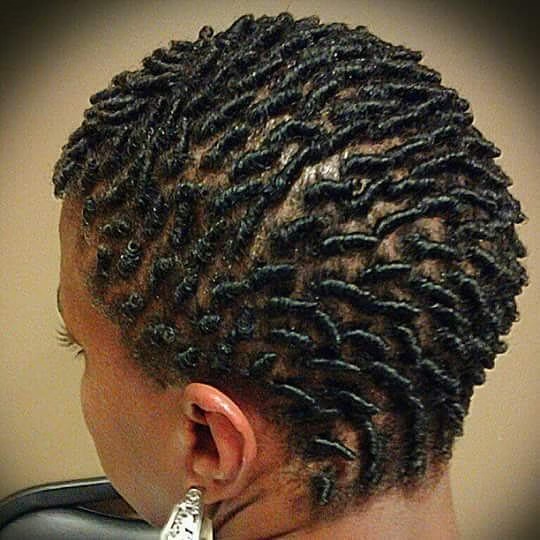
Fresh locs need patience. At this stage, simple comb coils, finger coils, or a clean side part are often the best choices because they require little manipulation.
Constantly trying to force short locs into buns or ponytails can cause unraveling before the locs have a chance to settle.
Ear-Length Starter Locs
A little more length opens new possibilities. Small headbands, decorative scarves, and lightly pinned front sections keep your locs neat without placing tension on the roots.
This length also works well for soft curls using flexi rods or pipe cleaners once your loctician says your locs are ready.
Chin-Length Starter Locs
More length means more versatility. Half-up styles, mini ponytails, and small buns become easier because enough locs can reach together without forcing the style. These options also help keep hair away from your face while maintaining a balanced look.
Neck-Length Starter Locs
This stage offers the widest range of beginner-friendly styles. Low ponytails, pineapple styles, half-up buns, and simple updos become easier to create while still feeling lightweight.
The added length also allows you to experiment with accessories such as hair cuffs and scarves without making the hairstyle feel crowded.
Growth changes your options naturally. As your starter locs become longer, hairstyles that once felt impossible often become simple to create without adding extra tension. There is no need to rush the process.
Some people believe longer starter locs are always easier to style. That advice falls short because longer locs also carry more weight, which can increase pressure on the roots if styles are too tight.
Shorter locs may have fewer styling options, but they are lighter, easier to manage, and often recover more quickly from daily wear.
The best hairstyle is not the one that follows someone else’s loc journey, it is the one that matches the length your locs have today.
Starter Loc Styles by Installation Method
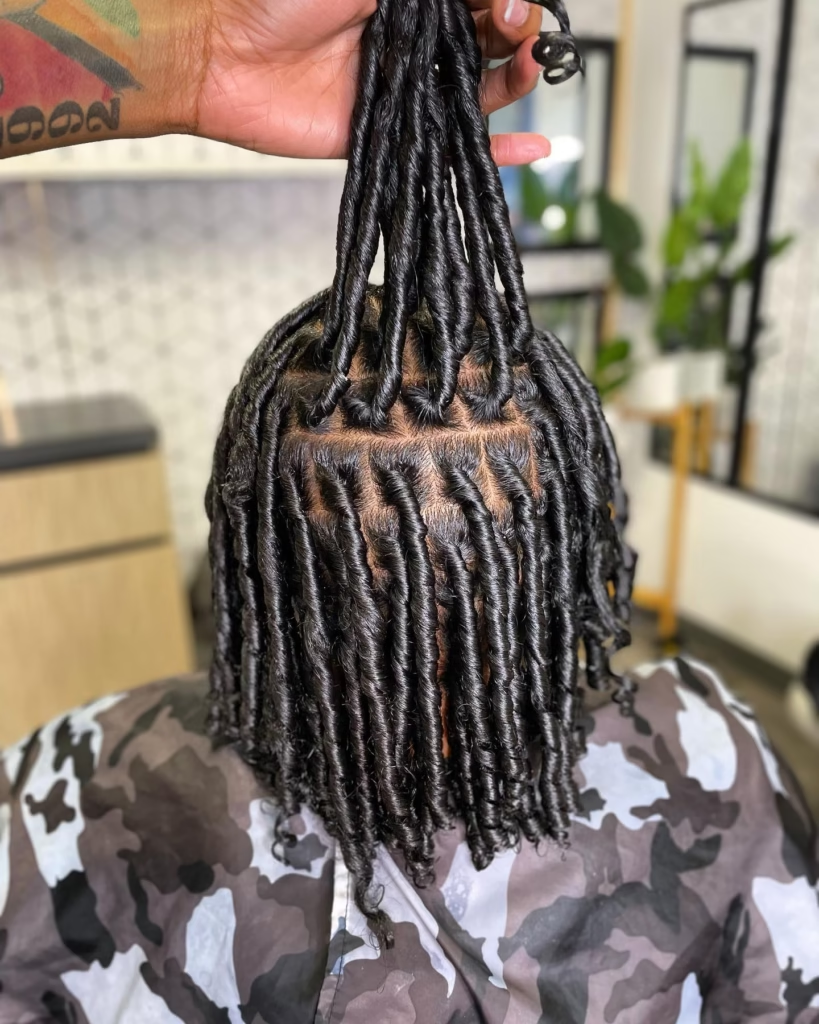
The way your starter locs were installed affects which hairstyles will work best during the early months. Choosing styles that match your installation method helps your locs stay intact, reduces unraveling, and supports healthy locking as your hair matures.
Comb Coil Starter Locs
Comb coils are one of the most common ways to begin locs. They look neat from the start but can unravel more easily when handled too often, especially after washing.
Simple styles such as side parts, headbands, or lightly pinned fronts work well because they place little stress on the coils.
Two-Strand Twist Starter Locs

Twists give you more stability during the beginning stages. Since each loc starts with two strands wrapped together, they often hold their shape better than comb coils during everyday activities.
Half-up styles, mini ponytails, and gentle buns become possible sooner as the twists gain strength.
Finger Coil Starter Locs
Finger coils create defined, uniform locs with a soft finish. Keeping hairstyles simple allows the coils to maintain their shape while they begin to lock. Decorative scarves or hair cuffs add variety without disturbing the pattern.
Braid Starter Locs
Braided starter locs stay secure from the beginning because the hair is woven tightly together. They are a practical option for active lifestyles and can usually handle light styling with less risk of unraveling. The braided pattern may remain visible for several months before the locs fully mature.
Interlocked Starter Locs
Interlocking creates a firm foundation by pulling the ends of the hair through the root. This method often resists unraveling better than comb coils, making it suitable for people who swim often, exercise regularly, or wash their hair more frequently.
Simple updos and ponytails usually hold well once the locs have enough length.
Instant Starter Locs
Instant locs are created by encouraging the hair to form a loc immediately using specialized techniques. Because the structure is already established, they can often support more styling options earlier than traditional starter locs.
Even so, avoiding excessive tension remains important while the roots continue to grow and strengthen.
Many people believe every installation method should be styled the same way. That advice falls short because each technique creates a different foundation.
Comb coils often need gentler handling than interlocked locs, while braided starters can usually tolerate a little more movement.
Understanding how your locs were started helps you choose hairstyles that protect your hair instead of slowing your progress.
Starter Loc Styles by Hair Type
Your hair type influences how your starter locs hold styles, lock together, and respond to daily care.
Choosing hairstyles that work with your natural texture instead of against it helps reduce unraveling and makes the early stages of your loc journey much easier.
Starter Loc Styles for 4A Hair
Defined curls give 4A hair a soft, springy texture. Comb coils, finger coils, and two-strand twists usually create neat starter locs because the curls naturally wrap around themselves.
Gentle half-up styles and side parts help preserve that definition while your locs begin to mature.
Starter Loc Styles for 4B Hair
Sharp bends and tight angles make 4B hair well suited for starter locs. This texture often locks steadily while still allowing flexibility for styles such as mini buns, pinned fronts, and small ponytails once there is enough length.
Moisture is important because dry hair can become harder to manage during styling.
Starter Loc Styles for 4C Hair
Dense coils help 4C hair lock efficiently, making it one of the most common hair types for traditional locs.
Simple protective styles work best because they reduce daily handling and allow the natural texture to do much of the work. Scarves and headbands also add variety without disturbing the new locs.
Starter Loc Styles for Type 3 Curly Hair
Looser curls can take longer to lock than tighter textures, so gentle styling becomes even more important. Comb coils and interlocking are popular starting methods because they help create a stable foundation while the hair begins to mature.
Avoid changing hairstyles too often since repeated manipulation can slow the locking process.
Texture changes styling choices. Hair that locks quickly may tolerate light styling sooner, while looser curl patterns often benefit from extra patience before trying more advanced looks. Following your loctician’s guidance can help you choose the right timing for different hairstyles.
Some people believe one starter loc routine works for every hair type. That advice falls short because each texture responds differently to washing, moisture, and styling.
A method that performs well on tightly coiled 4C hair may not produce the same results on looser curls.
Understanding your own hair type allows you to choose styles and care habits that support healthy loc development from the beginning.
Frequently Asked Questions on Short Starter Loc Styles
Before you try a new starter loc style, it helps to understand what is safe during the early stages of your loc journey.
These are the questions people ask most often about styling, maintenance, and protecting starter locs while they mature.
1. Can You Style Starter Locs Right Away?
Fresh starter locs usually need time to settle before they are styled frequently. Following the timeline recommended by your loctician helps reduce unraveling because new locs have a chance to begin locking before they are pulled into different hairstyles.
2. How Long Should a Starter Loc Style Last?
Most simple styles can last several days when they are comfortable and well maintained. The exact length depends on your hair texture, activity level, and installation method.
If a style becomes loose or uncomfortable, refresh it instead of forcing it to last longer.
3. Will Styling Slow Down the Locking Process?
Gentle styling does not usually stop locs from locking. Excessive manipulation, tight hairstyles, and constant restyling are the habits that interfere with healthy loc development. Low-tension styles allow your locs to mature while still giving you styling options.
4. Can You Curl Starter Locs?
Yes, once your starter locs are stable enough. Pipe cleaners, flexi rods, and braid-outs can add curls without changing the structure of your locs. If your locs still unravel easily, wait until they become more secure before trying curling methods.
5. How Often Should Starter Locs Be Retwisted?
Retwist schedules vary depending on your hair type and installation method. Most people benefit from following the maintenance plan provided by their loctician instead of retwisting whenever new growth appears. Too much retwisting increases manipulation and can weaken the roots.
6. What Products Should You Avoid?
Heavy waxes, thick creams, and greasy products often leave residue inside developing locs. Lightweight, water-based moisturizers and products made for loc care are usually easier to remove and help keep buildup under control.
7. Can Starter Locs Be Worn in a Ponytail?
They can if they are long enough and stable enough. A loose ponytail with a soft fabric hair tie is often a safer choice than pulling every loc tightly toward the scalp. Short or freshly installed locs should not be forced into styles they cannot comfortably support.
8. How Do You Stop Starter Locs From Unraveling?
Reducing manipulation makes the biggest difference. Gentle styling, satin protection while sleeping, proper washing techniques, and following your maintenance schedule all help your locs stay together as they mature.
9. When Do Starter Locs Become Mature Locs?
The timeline is different for everyone. Hair texture, maintenance routine, installation method, and daily habits all influence how quickly locs mature.
Some people notice significant changes within several months, while others need much longer for fully mature locs to develop.
10. Are Starter Locs a Protective Hairstyle?
Yes, when they are cared for properly. Starter locs reduce daily combing and brushing, helping protect your natural hair from frequent manipulation. They still require regular moisture, scalp care, and gentle styling to remain healthy.
Many people believe there is one perfect routine that works for every starter loc journey. That advice falls short because every head of hair responds differently.
Your texture, lifestyle, and installation method all influence the best way to care for your locs. Learning how your own hair behaves will always produce better results than copying someone else’s routine.
Wrapping Up
Choosing the right starter loc style is less about following trends and more about protecting your hair while it grows into healthy, mature locs. The best hairstyle is one that matches your current length, feels comfortable, and supports the locking process instead of slowing it down.
Every stage has something to offer. Short starter locs may not create every style you see online, but they open the door to clean parts, simple updos, playful accessories, soft curls, and protective looks that become the foundation for future styling options.
Patience makes a difference. Your locs will change in shape, length, and texture over time, so there is no need to rush into styles your hair is not ready for. Working with your current length often produces better results than forcing a hairstyle that depends on more mature locs.
Healthy habits matter most. Gentle styling, regular moisture, satin protection at night, and following your maintenance schedule will do more for your loc journey than buying expensive products or changing your hairstyle every few days.
Some people believe the starter phase is the hardest part of having locs. That advice falls short because this stage is also where you build the habits that determine how your locs will look for years to come.
Learning to care for your hair now creates stronger, healthier locs as they continue to grow.
Now it’s your turn. Try a few of these short starter loc styles, experiment with different parts and lightweight accessories, and discover what works best for your hair type and lifestyle.
As your locs become longer, you’ll gain even more styling options, but the confidence and healthy routine you build today will remain the strongest foundation for every stage of your loc journey.