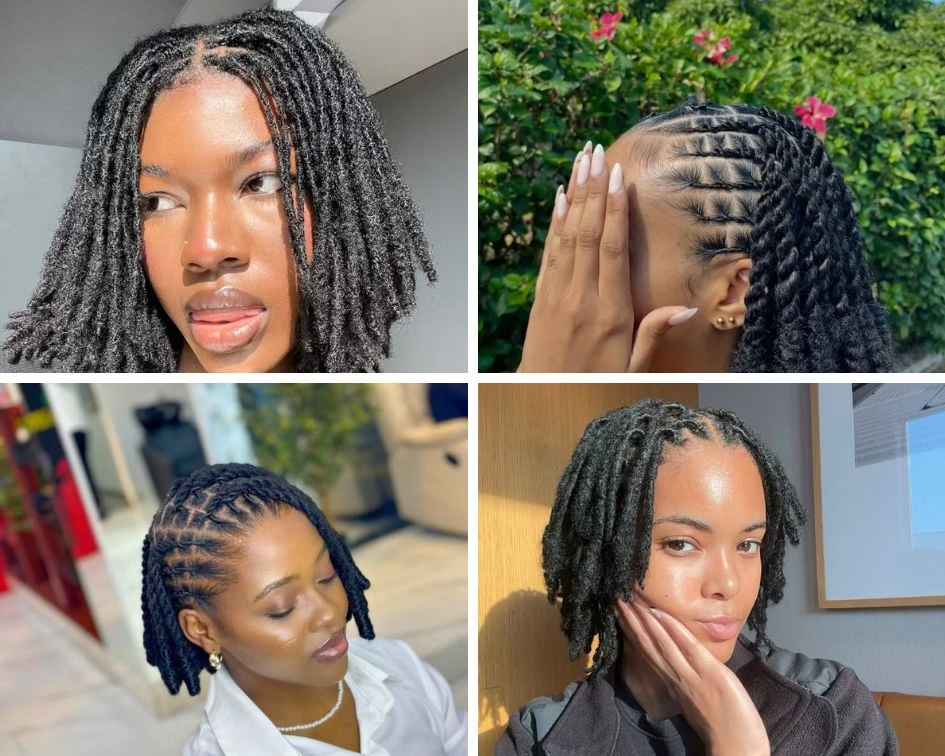
Locs are not a hairstyle you try for a weekend, and that is exactly what makes them so powerful. They grow with you through busy seasons, big changes, and quiet days, and they never stop telling your story.
Before you commit, it helps to know what the journey really looks like, month after month and year after year.
This guide covers hair readiness, starting methods, costs, care, and honest answers to the questions women ask most. When you are ready to picture the finished look, 37 beautiful starter loc styles will spark plenty of ideas.
Take your time with this guide, since a good start protects your hair for many years to come. There is no pressure to decide today, because understanding the process is already a smart first step.
Locs for Black Women: Everything You Need to Know Before You Start
What Locs Really Are
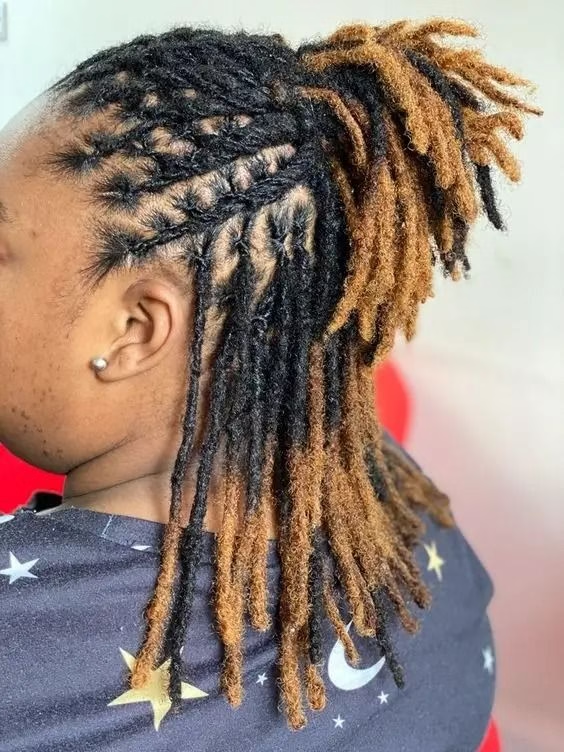
Locs are strands of hair that have knotted and matted together into rope like sections over time. Some people start them with twists, coils, or braids, while others let the hair form locs on its own.
Once the hair locks, it stays locked, so locs are a long term choice and not a quick style. Every head of locs is different, with its own thickness, texture, and pace of growth.
For everyday inspiration, 18 cute locs styles for women who love effortless everyday looks shows how flexible locs can be. Many women love locs because they save time, protect the hair, and welcome natural texture.
Locs still need care, so they are low styling, but they are never no maintenance. Knowing this early prevents surprises and helps you build habits that keep your scalp healthy and clean.
Think of locs as a living relationship with your hair, one that grows deeper every single year. That mindset makes the slow early months feel meaningful instead of frustrating or even discouraging.
Learning the basics first helps you set honest expectations and avoid the common early disappointments. Your locs will tell a new chapter of your story every month as they grow.
A Short History Behind the Style
People across many cultures and centuries have worn locs for spiritual, social, and personal reasons. For many Black women today, locs also carry pride, resistance, and a deep connection to heritage.
Knowing this history can make your own journey feel more grounded and far less trendy. You do not need a spiritual reason to wear locs, since beauty and comfort are reasons enough.
Decades long wearers, like those in 15 mature locs styles for women over 40, prove how timeless locs are. Locs have also moved into offices, weddings, runways, and classrooms without ever losing their deeper meaning.
Respect for this background adds weight to the choice, and it often deepens your sense of confidence. Take a moment to talk with family members, since many have personal stories about locs.
Those conversations can turn a simple hair decision into a truly meaningful moment of connection. Your own reasons matter most, so let them guide the way you wear your locs.
Many Black women describe locs as a quiet way of honoring the women who came before them. Whatever your reasons, wearing locs with knowledge and respect makes the journey feel even more special.
Is Your Hair Ready for Locs
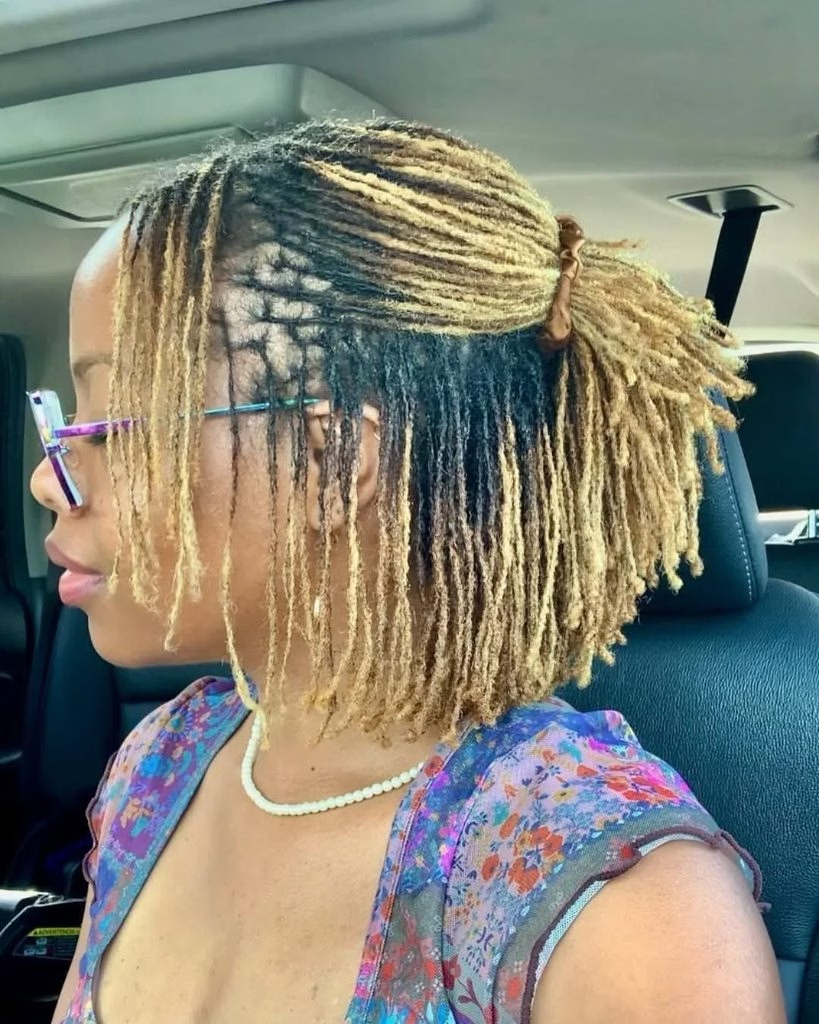
Healthy hair locks best, so check that your scalp is calm and your strands are strong. Heavy breakage, severe dryness, or scalp conditions should be treated before you begin your journey.
Most hair types can loc, but they need enough length to twist or coil comfortably. A length of about two to three inches is a common starting point for many stylists.
Shorter starts, like those in short locs for women in their 30s, are very possible with the right method. If your hair is relaxed or color treated, speak with a loc stylist before making any decisions.
Those treatments can make the hair weaker, so a patient and gentle approach protects it. A short consultation can also show you how your own hair will behave during early stages.
Be honest about your habits, including heat styling, tight styles, and how often you wash. Honest answers help your stylist choose a method that fits your real life and hair.
Readiness is not only about hair, since your mindset and patience matter just as much. Visit a loc specialist for a scalp check if you notice any redness, bumps, or lasting flaking.
Healing the scalp first is a small delay that protects years of future growth and comfort.
Understanding Your Hair Type and Texture
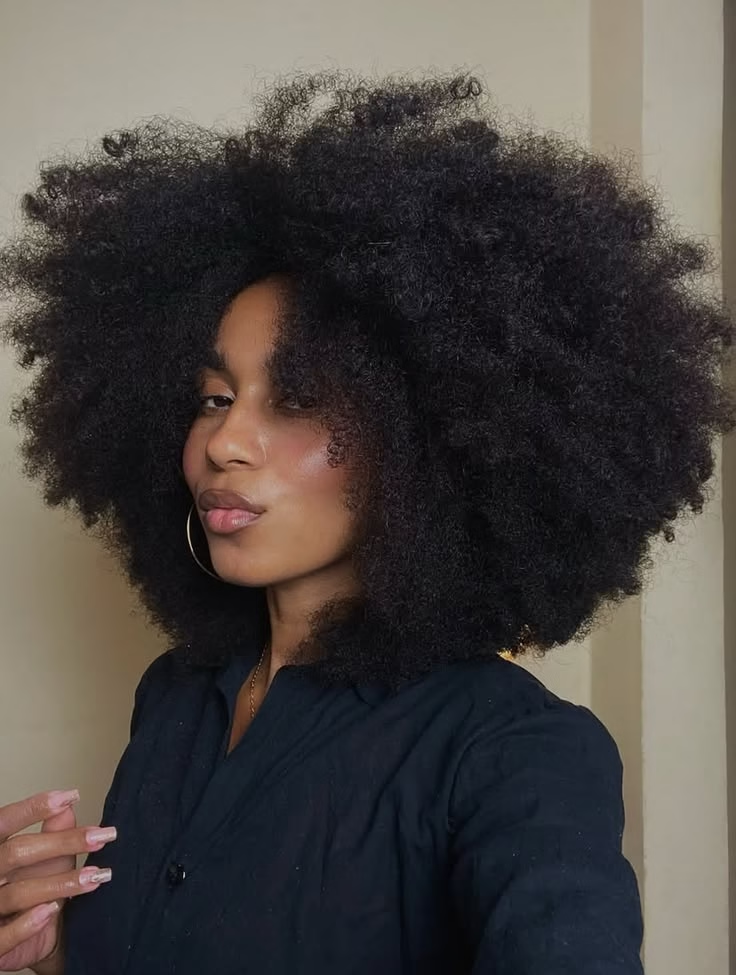
Type 4 hair is naturally dense and coily, which helps locs form strongly and hold their shape. Looser textures can loc too, though they may need more time and extra help to lock.
Your texture affects how quickly your locs mature and how thick they will eventually become. Density matters too, because thick hair makes larger locs and thin hair often needs smaller ones.
Short and playful looks, like 25 cute short locs hairstyles, work well on many different textures. Knowing your porosity helps you choose products, since some hair drinks water and other hair resists it.
A simple test is to place a clean strand in water and see whether it sinks. Your stylist can also read your hair in person, which is faster and far more accurate.
Do not compare your texture to anyone else’s, since every head of locs forms differently. Embrace your own pattern, because it will become the unique and personal signature of your locs.
Take clear photos of your natural texture before you begin, so you can compare it later. Knowing your starting point makes later progress feel real instead of something you only imagine.
Choosing Your Starting Method
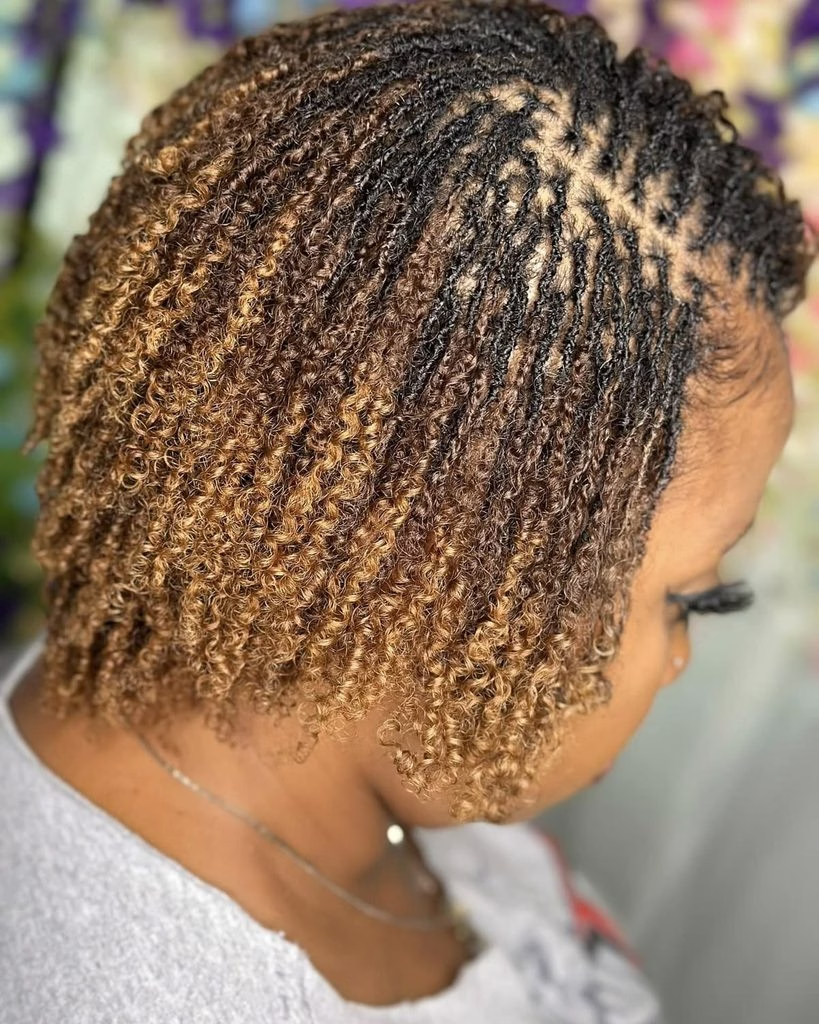
Common starting methods include comb coils, two strand twists, braids, interlocking, and natural freeform growth. Comb coils work well for short hair and create small, neat locs from the very beginning.
Two strand twists suit medium length hair and give you more styling options in the early months. Braids start quickly and hold well, though they can look larger and heavier at first.
Structured cuts, like short bob locs styles, often begin with neat coils or small twists. Interlocking creates a very secure start, but it takes skill and should be done by a trained stylist.
Freeform locs need almost no styling, though they can look messy for a long time. There is no best method, only the one that suits your length, lifestyle, and patience.
Ask your stylist to explain the pros and cons of each method before you decide. A good stylist will welcome your questions and never rush you into a final choice.
Your starting method shapes the first year, so choose it with careful thought and calm. Whichever method you pick, plan to protect the new locs with a cap while you sleep.
Do not worry about choosing perfectly, since a caring routine matters more than the method itself.
Salon or Home Start
Starting locs at a salon gives you professional parting, even sizing, and expert advice from day one. This route costs more up front, but it can prevent mistakes that are hard to fix later.
Starting at home saves money, though it takes patience, steady hands, and a lot of practice. Many women choose a middle path, with a salon start and simple home maintenance afterward.
A polished start also supports professional looks, like those in office-ready locs hairstyles for women. Look for a stylist who specializes in locs, since general stylists may not know the process well.
Ask to see photos of their past work, especially locs at the same stage as yours. Read reviews, ask friends for names, and trust your instincts during your first consultation visit.
A calm, clean salon and a respectful stylist are good signs that you are in safe hands. If you start at home, watch many tutorials and practice on small sections before you commit.
Wherever you start, remember that patience will matter far more than any tool or product. Ask about aftercare before you leave the salon, so you know exactly how to protect your start.
A trusted stylist often becomes a long term partner who watches your locs grow and change.
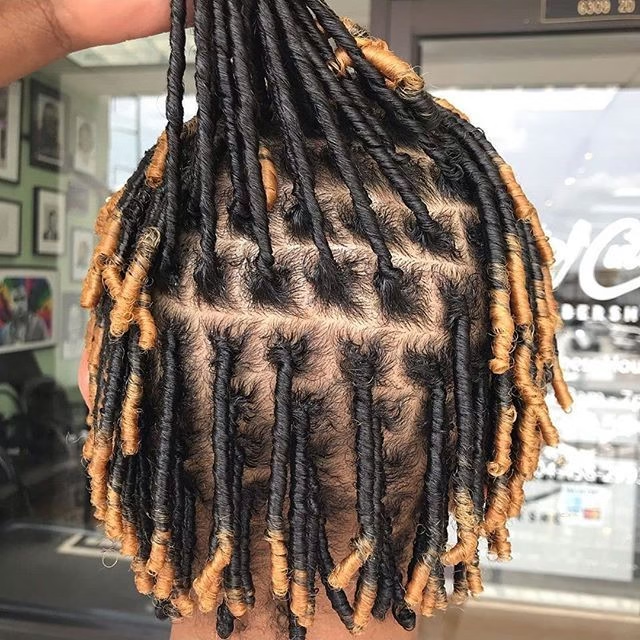
Sizes, Parting, and Pattern Choices
Loc size is one of your biggest early choices, and it shapes how your hair looks and feels. Small locs offer more styling variety, while larger locs feel bolder and need less upkeep.
Very small locs, like sisterlocks, take longer to install and need specialist care over time. Medium locs give a balanced option that works well for most heads and most lifestyles.
Fine, delicate styles, like sisterlocks for black women over 40, show how small parts can look refined. Parting patterns matter too, with brick, diamond, and square layouts each giving a different look.
Brick patterns are popular because they help locs lie flat and blend into styles smoothly. Square parts often look neater at the scalp and make updos much easier to arrange.
Think about the styles you want to wear, since parting affects how your locs sit. Sizing is hard to change later, so take your time and ask for a sample section.
A clear plan now prevents regrets later and keeps your locs looking even and balanced. Hold a few strands together between your fingers to picture how thick your locs might look.
Your hair will thicken as it locks, so allow some room for natural change over time.
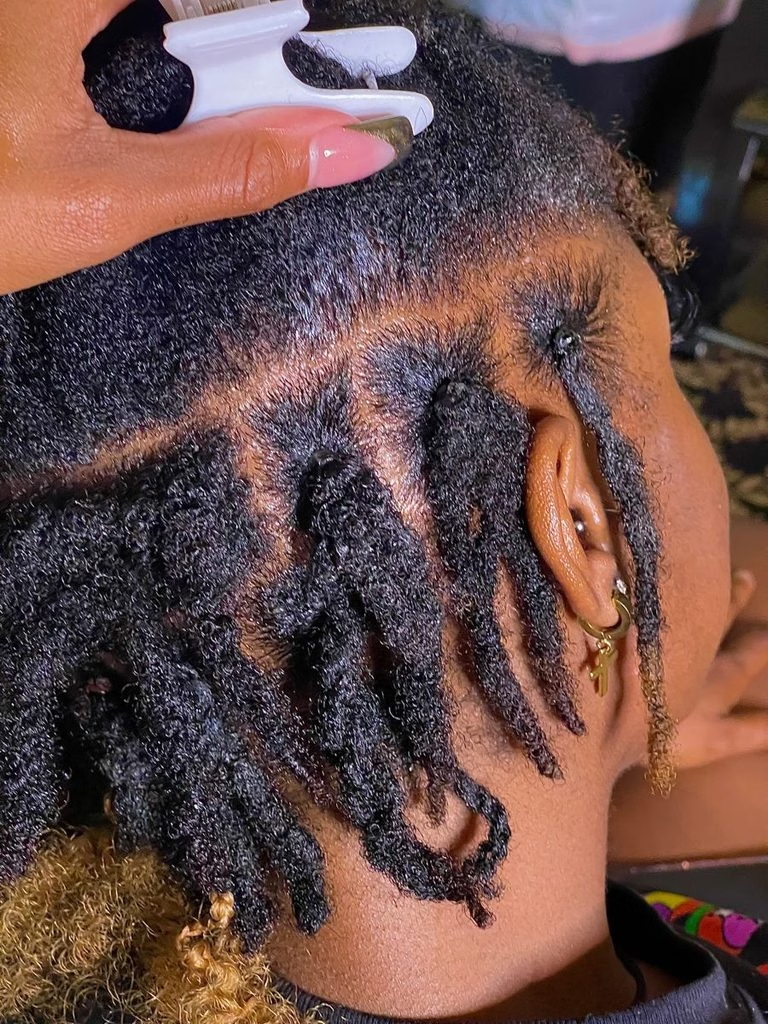
What the First Months Will Feel Like
The first months can feel awkward, since young locs are thin, loose, and sometimes quite frizzy. Many women feel excited on day one, nervous by month two, and hopeful again by month six.
This is normal, and it simply means your hair is moving through its early stages. Try not to judge your locs too early, since real shape and thickness arrive with time.
Polished shapes, like bob locs for women in their 30s, come later, once the locs have matured. Expect some shrinkage, loose ends, and puffy roots, all of which are part of healthy locking.
Headwraps, simple buns, and clean parts can help you feel put together during this stage. Keep your hands away from your locs as much as possible while they slowly settle.
Constant pulling and twisting can thin the roots and slow down the entire locking process. Take monthly photos so you can see progress that is hard to notice day to day.
Patience during these months is the single best gift you can possibly give your locs. Share your journey with a friend or family member who can cheer you on during slow weeks.
Remember that frizz is simply a sign that your hair is busy turning into locs.
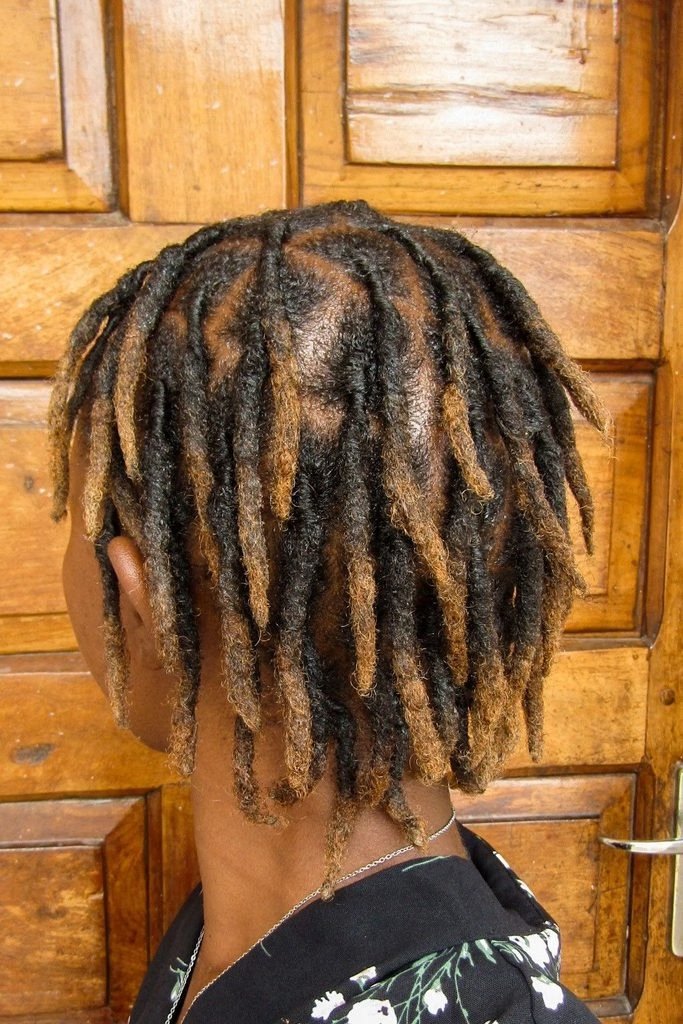
Washing and Scalp Care
Many people fear washing young locs, but regular washing keeps the scalp healthy and the hair fresh. Use a residue free shampoo and wash every one to two weeks, depending on your lifestyle.
In the early months, wear a stocking cap or mesh cap to keep young locs from unraveling. Focus the shampoo on your scalp, and let the suds rinse gently down the length.
Cozy seasonal looks, like locs styles for black women this fall, always start with a clean scalp. Rinse thoroughly, because leftover shampoo can cause buildup and a musty smell inside the locs.
Dry your locs well after every wash, since trapped moisture can lead to mildew over time. Moisturize your scalp lightly with a thin oil, and avoid heavy creams that can clog pores.
Pay attention to itching, flaking, or soreness, and speak with a professional if it continues. A healthy scalp is the foundation of every beautiful head of locs, so protect it well.
Good washing habits also keep your locs smelling fresh and looking neat between your appointments. Wash your locs gently and avoid scrubbing hard, since rough handling can loosen young locs quickly.
Plan wash day for a time when you can let your locs dry completely without any rush.

Retwisting and Maintenance Basics
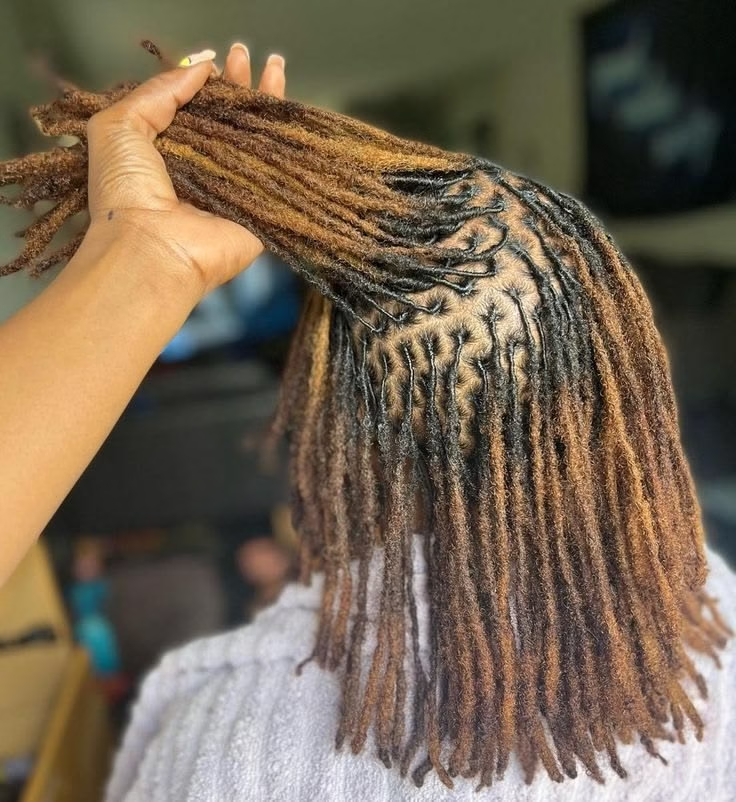
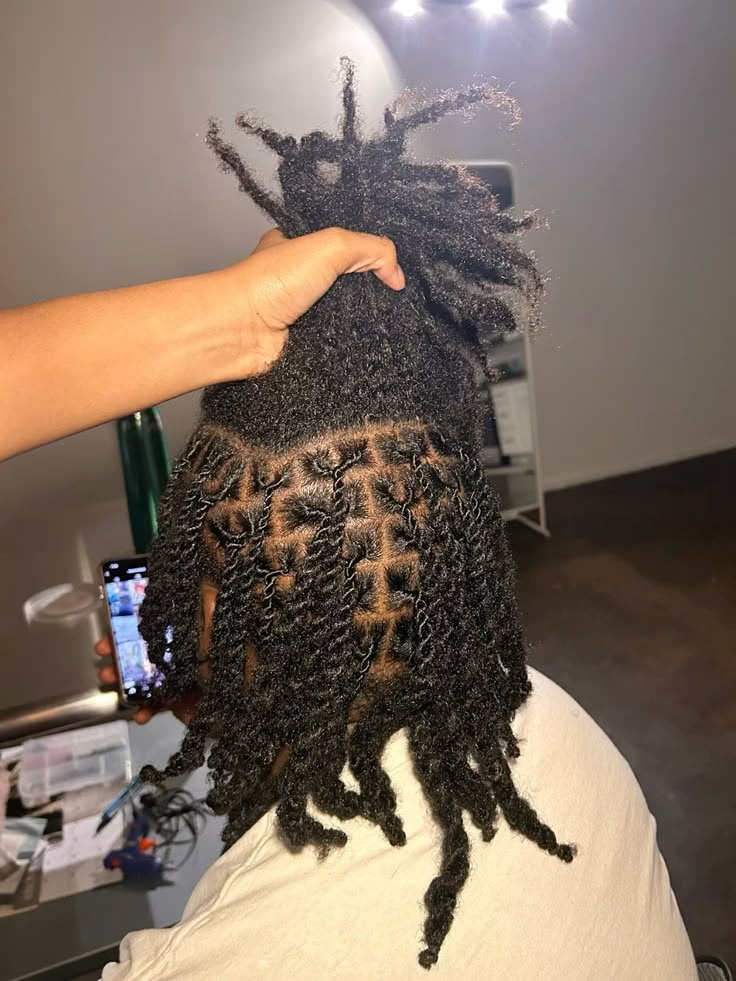
Retwisting means twisting the new growth at the roots so it matches the rest of each loc. Most people retwist every four to eight weeks, either at a salon or carefully at home.
Twisting too tightly can strain the scalp, so comfort should always come well before neatness. Gentle, steady care keeps the roots strong and helps the locs mature evenly over the years.
Parents helping a child can avoid problems by reading 6 mistakes parents make when starting their child’s locs. Between retwists, avoid picking at your locs, since constant handling causes frizz and gradual thinning.
Sleep in a satin bonnet or on a satin pillowcase to protect your locs overnight. Trim loose ends only when needed, and ask your stylist to show you the safe way.
Keep a simple schedule on your phone so washing and retwisting never slip by unnoticed. Small, regular habits protect your locs far better than rare and heavy treatments ever could.
Over time, maintenance becomes a calm routine that you barely have to think about anymore. Take photos of your parts and sections, so you can keep each retwist even and consistent.
If you ever feel unsure, a quick visit to a loc stylist can fix small issues early.
Products to Use and Avoid
Choose lightweight, water based products that rinse out cleanly and leave no sticky layer behind. Heavy waxes, thick butters, and petroleum based products can build up inside locs and stay there.
Residue free shampoo is one of the most useful products you can add to your routine. Light oils like jojoba or grapeseed can add shine without weighing the locs down too much.
Rosewater or a light water mist can refresh your locs nicely between your wash days. Avoid conditioners that coat the hair, since locs are porous and soak up product easily.
Read ingredient labels, and skip anything that lists heavy waxes near the top of the list. Buy small sizes when testing a new product, so you do not waste money on mistakes.
Your loc stylist can recommend trusted brands that match your hair type and your budget. Simple routines often work best, because fewer products mean less buildup and much less confusion.
Remember that locs only need what your scalp and hair truly need, and nothing more. Clarify your locs with a gentle shampoo when you notice dull, heavy, or sticky patches.
Always rinse new products out completely, since leftover residue is the main cause of problems.
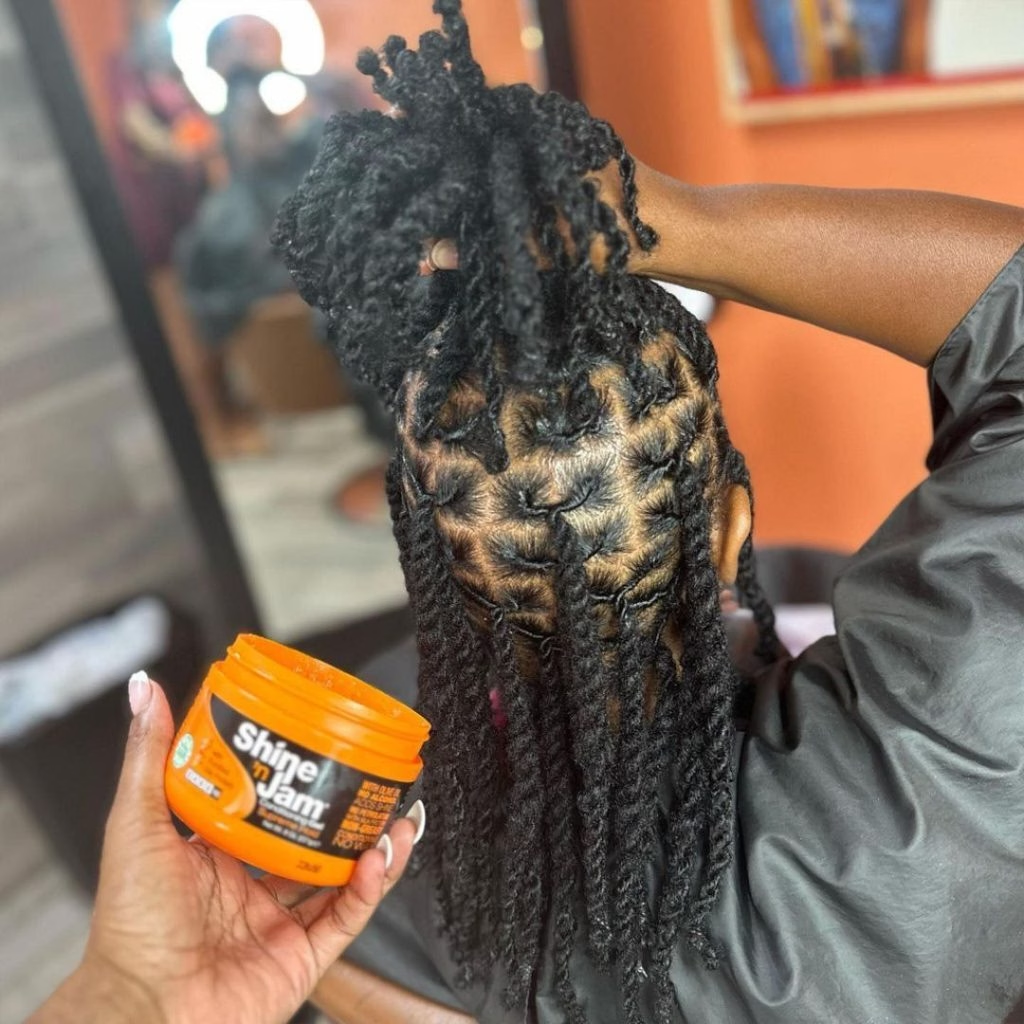
Styling Your Locs Through the Years
One joy of locs is how their styling options grow as the locs lengthen and mature. Early on, simple buns, headwraps, and twists keep things neat and protect the young locs.
Later, you can try pinned styles, braided designs, curls, and elegant updos for special events. Every stage offers its own charm, so enjoy what your locs can do right now.
Balanced, flowing styles, like 45 half up half down locs styles, work well once locs reach shoulder length. Avoid heavy accessories and tight styles that pull on the roots, especially in the early years.
Rotate your styles so the same sections do not carry all the tension every week. Color, beads, and cuffs can add personality, but use them gently and remove them before bed.
If you color your locs, choose a skilled colorist who has real experience with locs. Save photos of looks you love, and bring them to your stylist for honest feedback.
Styling should feel fun and easy, and never painful, heavy, or stressful for your scalp.
Special occasions give you a wonderful reason to try an elegant updo with your favorite accessories. Practice new styles at home first, so you feel relaxed and ready on the actual day.
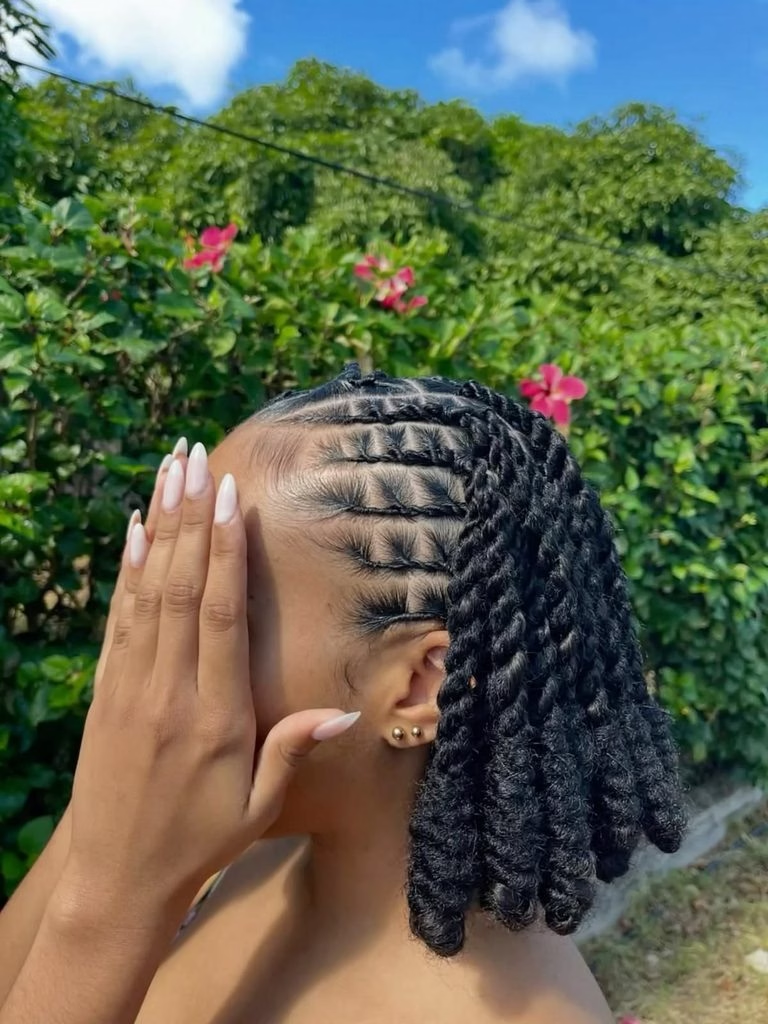
Locs at Work and in Everyday Life
Locs fit comfortably into school, work, sports, and travel, with very little daily effort needed. You can swim, exercise, and sweat in your locs, as long as you rinse and dry them well.
Workplaces are more welcoming than they used to be, though attitudes still vary by industry. A neat, well kept head of locs always reads as polished, confident, and truly professional.
Special occasions, like those in wedding loc updo styles for black brides, are easy to dress up. Travel is simple too, since locs need fewer products and little daily styling on the road.
Pack a satin bonnet, a small oil, and a spray bottle, and you are ready for anything. Rain, humidity, and wind will not ruin your locs the way they ruin some other styles.
Sports caps, swim caps, and helmets work fine, as long as you keep your scalp clean. Locs bring a sense of freedom, since you spend less time fighting your hair each morning.
Many women say that freedom is the best part of living with locs every day. Keep your scalp fresh and your parts tidy, since small details make a big visible difference.
Confidence is the best accessory, and well cared for locs make that confidence easy to carry.
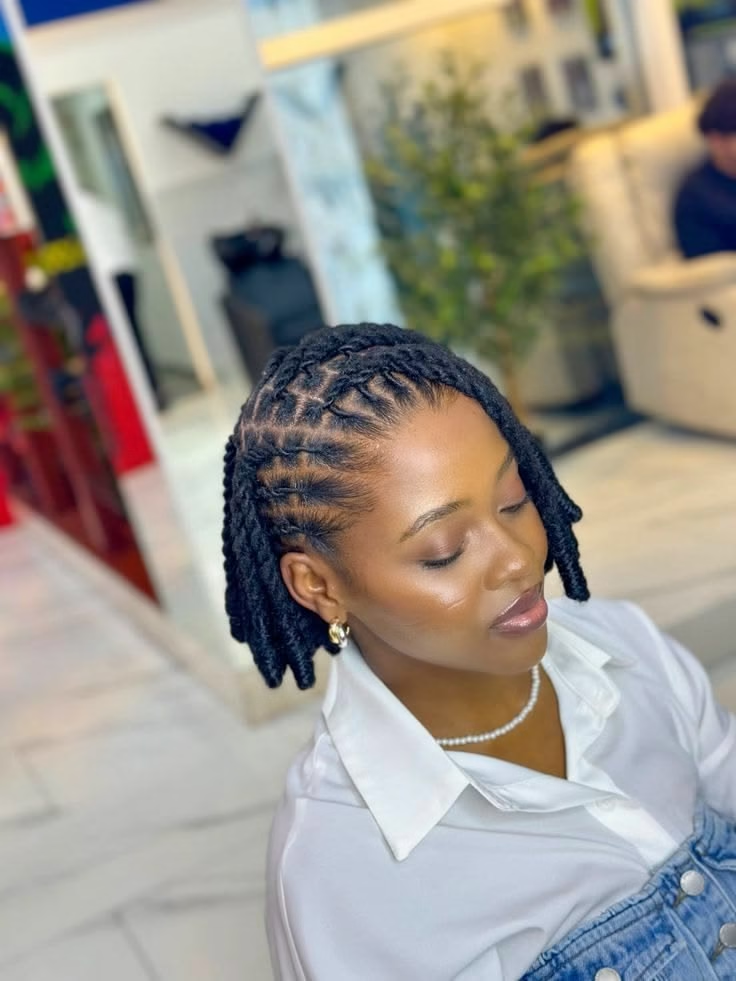
Common Fears and Honest Answers
Many women worry that locs are permanent, and that is partly true, since the hair is locked. You can cut locs off and start fresh, or you can sometimes comb them out with great effort.
Another fear is that locs look messy, but healthy locs look neat when they are cared for. Some women also fear judgment, and those fears are real, though they often shrink over time.
Brides, like those in bridal loc hairstyles for black women, prove that locs look stunning at weddings. People sometimes ask whether locs are dirty, and the answer is no, as long as you wash them.
Locs also do not stop your hair from growing, since growth happens at the scalp. Another common question is whether locs hurt, and the answer is that they should not.
Mild tenderness after a retwist is normal, but sharp or lasting pain is never normal. Talk through your fears with a trusted stylist, since honest answers can calm many worries.
Fear is a natural part of any big decision, and it does not mean you should stop. Write your worries down, then answer each one with facts from a trusted stylist or friend.
Many women say their only real regret is that they did not start their locs sooner.
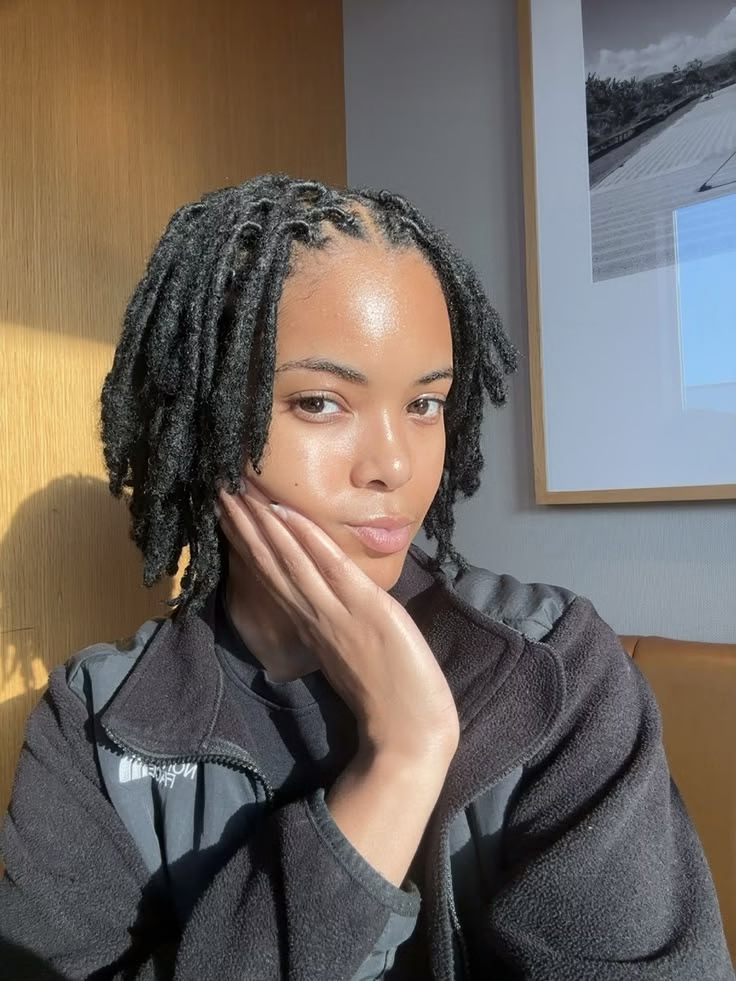
What Locs Cost in Time and Money
Costs vary widely, depending on your city, your stylist, your hair length, and your loc size. A professional start can take many hours, and some methods need more than one visit.
Maintenance costs include shampoo, retwisting sessions, and the occasional loc stylist check in for advice. Compared to many other styles, locs often cost less over time because daily styling is minimal.
Long term growth, as seen in long locs styles for fall and winter, rewards years of steady care. Time is the biggest investment, since locs usually take one to two years to mature.
During that period, you will spend time on washing, retwisting, and a lot of quiet patience. Set a realistic budget before you start, and include a small cushion for any surprises.
Learning to retwist at home can cut your costs a great deal over the years. Think of locs as an investment in your time, comfort, and long term hair health.
Many women find the savings and the freedom make the whole investment worth every penny. Track your spending for the first year, so you understand your true yearly cost of care.
Ask stylists about package prices, since some offer discounts for several visits that are booked together.
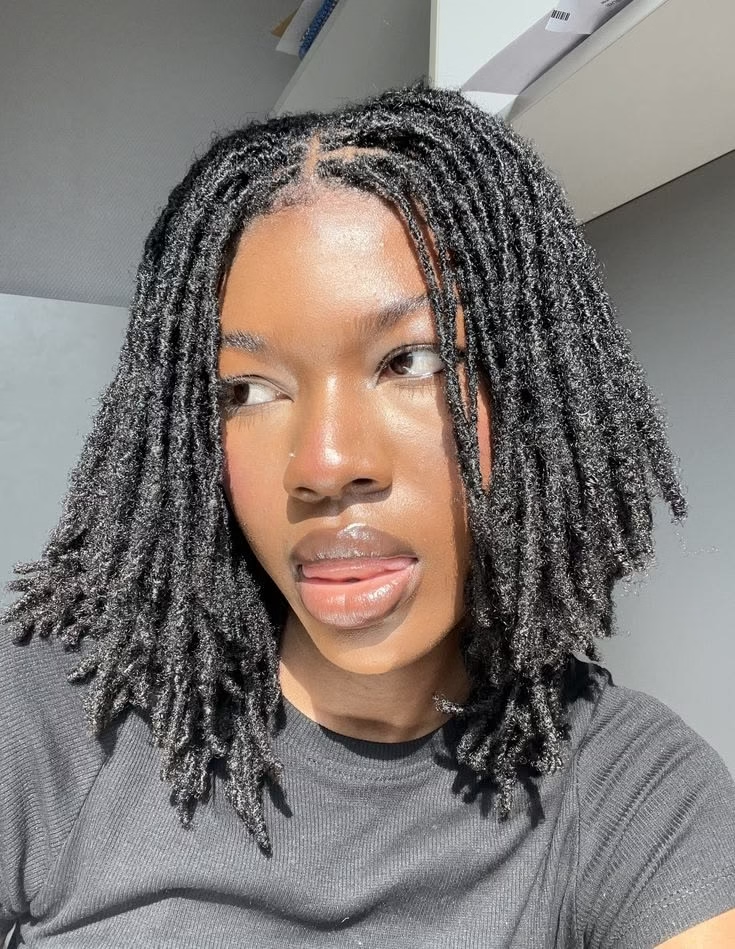
Making Your Final Decision
Deciding to start locs is personal, and no one else can make the choice for you. Ask yourself whether you are ready for a long journey that rewards patience and consistency.
If the answer is yes, book a consultation and let a loc specialist look at your hair. If the answer is not yet, that is fine, and you can revisit this guide anytime.
Write down your reasons for wanting locs, and read them whenever the early months feel hard. Gather your tools, your stylist, and your support system before the very first twist begins.
Remember that every woman with beautiful, mature locs once stood exactly where you stand now. Trust your instincts, respect the process, and give your hair the time and care it deserves.
Your locs journey can begin whenever you feel ready, and it will unfold at its own pace. Welcome to a hairstyle that grows, changes, and celebrates you for many beautiful years ahead.
Share this guide with a friend who is also thinking about starting her own locs journey. Come back to it whenever you have a new question, and take each step at your pace.
Your journey starts with one confident decision, and everything else follows with time and care.