
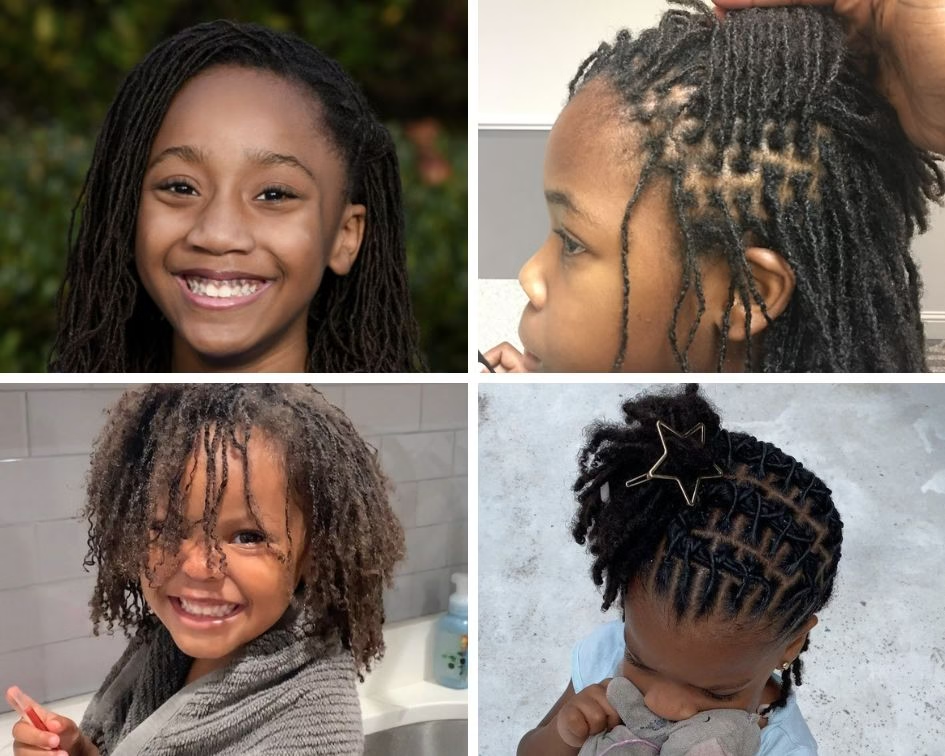
Maintaining locs is not expensive or hard, you can do that at the comfort of your home with the right products and a simple routine.
You do not need to visit a loctician every week to keep your child’s locs clean, moisturized, and looking neat.
As a parent, the most important thing is understanding what your child’s locs need at every stage.
You need to know how to wash the hair, keep the scalp comfortable, prevent unnecessary breakage, and choose products that will not leave too much buildup.
Children’s locs need gentle care because their hair and scalps can be sensitive.
Using too much product, retwisting too frequently, or pulling the hair tightly can cause problems that are difficult to correct later. A simple routine helps you care for their locs without making wash days stressful.
You also need to understand that every child’s locs are different. Some children have starter locs that still need time to settle, while others have mature locs that require a different approach.
The products and techniques you use should match your child’s loc stage, hair condition, and scalp needs.
If your child is still getting used to having locs, understanding 6 Mistakes Parents Make When Starting Their Child’s Locs (And How to Avoid Them) can help you avoid common problems while building a good care routine.
In this guide, you will learn how to maintain your child’s locs at home, from washing and moisturizing to sleeping habits and weekly scalp checks.
You will also discover simple ways to protect the locs, recognize common mistakes, and keep the routine manageable without spending money on unnecessary products.

How to Maintain Kids Locs at Home: A Simple Weekly Care Routine
Understand Your Child’s Locs Before Starting a Routine
Before creating a weekly care routine, you need to understand the condition of your child’s locs. This helps you choose suitable products, washing methods, and hairstyles without causing unnecessary damage.
Starter locs need careful handling because they are still forming and may unravel easily. Mature locs are more established, but they still require regular cleansing, appropriate moisture, and protection against breakage.
Your child’s hair texture also affects how you maintain the locs. Some children have tightly coiled hair that becomes dry quickly, while others may retain moisture for longer periods. Pay attention to how the hair feels after washing and between moisturizing sessions.
Check the scalp regularly for dryness, flakes, irritation, or unusual tenderness. These signs can help you recognize problems early and adjust your routine before discomfort becomes worse.
Avoid assuming that every product marketed for locs will work well for your child. Heavy creams, waxes, and thick oils can leave residue inside the locs, especially when you apply them repeatedly without proper cleansing.
If your child has starter locs, 37 Beautiful Starter Loc Styles That Will Make You Love Your Hair at Every Stage can provide inspiration for different stages of the loc journey.
However, choose hairstyles that suit your child’s loc development instead of forcing the hair into complicated styles.
Your main goal should be keeping the scalp comfortable and the locs healthy. Once you understand your child’s hair, creating a suitable weekly routine becomes much easier.
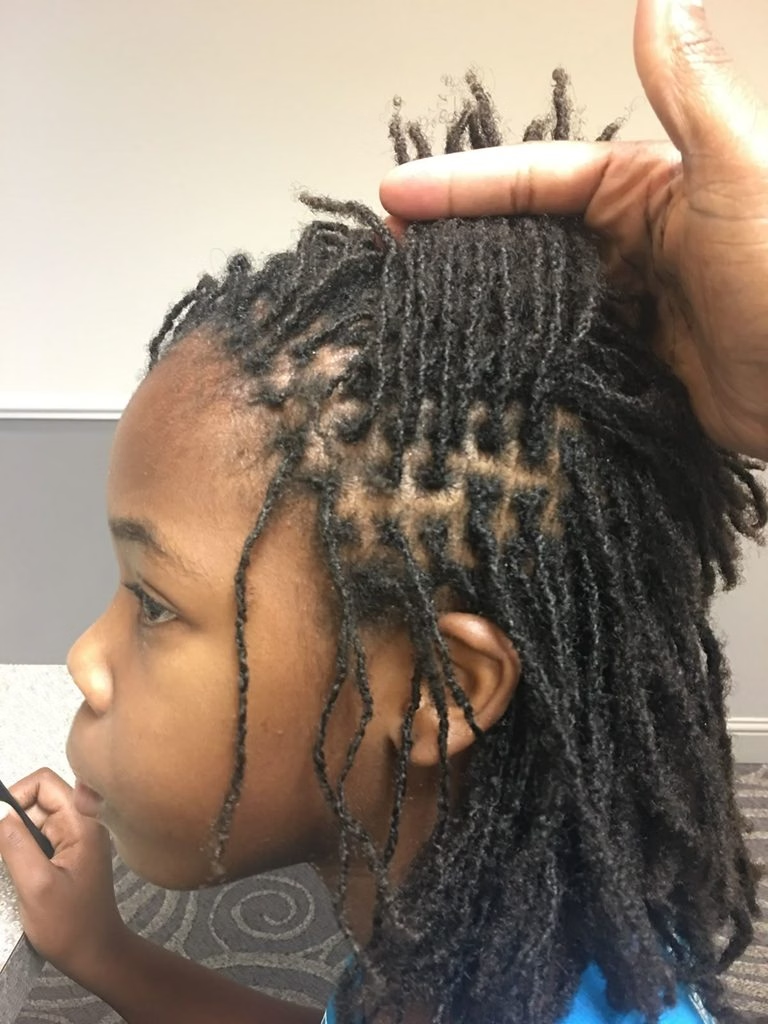
Create a Simple Weekly Loc Care Schedule
A weekly schedule helps you maintain your child’s locs without spending too much time on unnecessary activities. You do not need to perform every hair care task daily, and excessive handling can sometimes cause problems.
Choose one day each week to inspect the scalp, examine the locs, and decide what maintenance is necessary. During this check, look for lint, loose sections, product buildup, and signs of dryness.
Your child’s washing schedule should depend on scalp condition, activity levels, and how quickly the hair becomes dirty.
Children who participate in sports or spend considerable time playing outside may need more frequent washing than children with less active routines.
Moisturizing should also depend on the condition of the hair rather than a strict daily rule. If the locs feel dry, apply a small amount of suitable moisture and allow the hair to dry properly afterward.
You can create a simple checklist covering scalp inspection, washing when needed, moisturizing, and checking the locs before styling. This helps you remember important tasks without turning hair care into a complicated process.
Avoid retwisting the roots every week simply because you have scheduled weekly maintenance. Frequent retwisting can place unnecessary tension on the roots and contribute to thinning, particularly around the hairline.
Keep your routine flexible enough to accommodate school activities, sports, and family responsibilities. A practical schedule is easier to maintain than one requiring daily attention and numerous products.
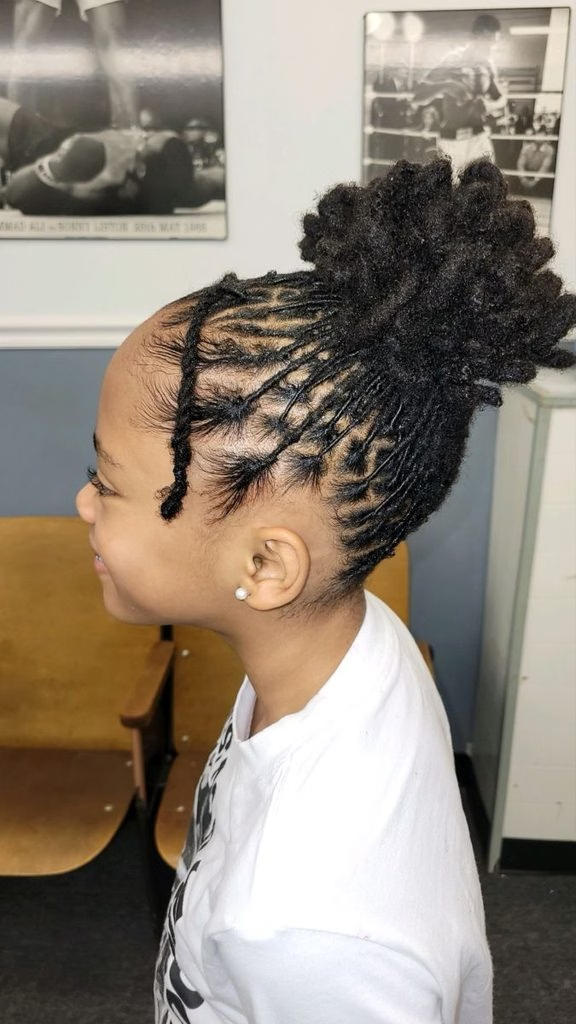
Wash Your Child’s Locs Without Causing Damage
Washing is essential because children’s scalps collect sweat, dirt, natural oils, and residue from hair products. Leaving these substances on the scalp for too long can contribute to itching, unpleasant smells, and buildup.
Choose a shampoo that cleans effectively without leaving heavy residue. A suitable, lightweight shampoo is generally preferable to thick products that are difficult to rinse from the locs.
Before washing, gently separate locs that have become tangled together near the roots. Avoid pulling them apart forcefully because this can cause discomfort and unnecessary breakage.
Wet the hair thoroughly before applying shampoo. Massage the scalp gently with your fingertips, concentrating on areas where sweat and dirt tend to accumulate.
Allow the shampoo to pass through the locs as you rinse. Pay attention to the roots, behind the ears, and the back of the neck because these areas can collect residue.
Rinse thoroughly until the water runs clear and no obvious shampoo residue remains. Product left inside the locs can contribute to buildup, so rinsing deserves as much attention as cleansing.
After washing, gently squeeze excess water from the locs using a clean towel. Avoid aggressive rubbing because repeated friction can damage the hair and create unnecessary frizz.
If your child has starter locs, follow washing guidance appropriate for the installation method and stage. Some starter methods need additional care to reduce unraveling, but delaying necessary cleansing indefinitely is not advisable.
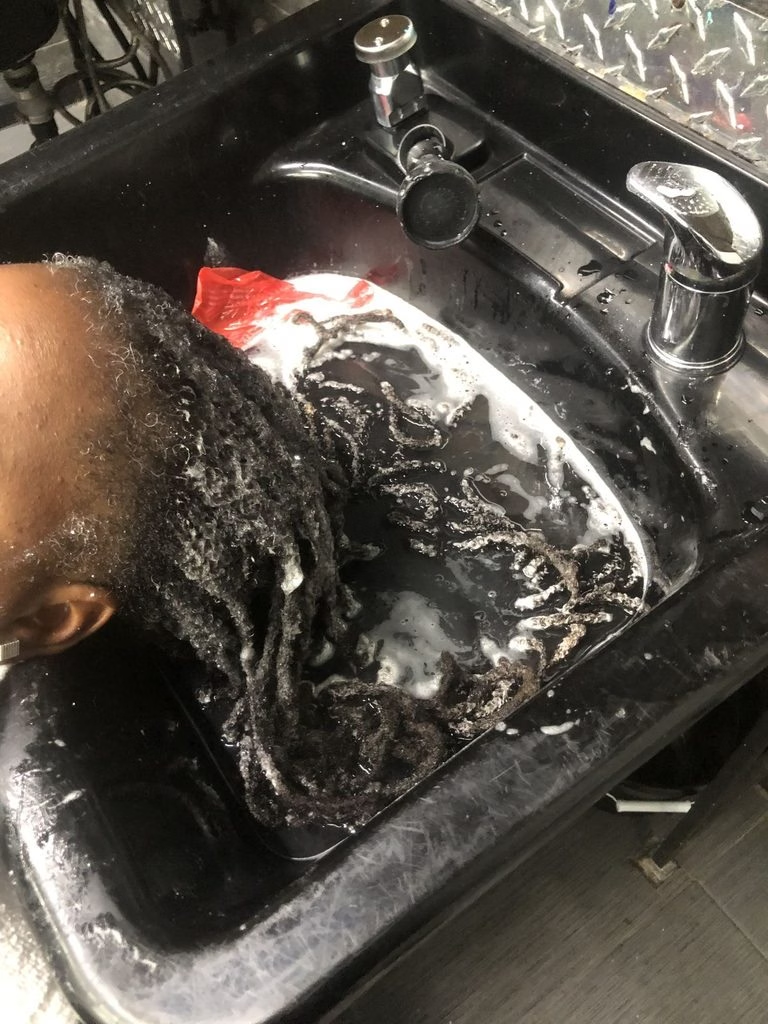
Dry the Locs Properly After Washing
Drying deserves as much attention as washing because locs can retain water inside their structure.
When locs remain damp for extended periods, they may develop unpleasant smells and conditions that encourage microbial growth.
Start by gently squeezing excess water from the hair with a clean microfiber towel or soft cotton T-shirt. Do not twist the locs tightly or rub them aggressively to make them dry faster.
Separate the locs gently so air can reach the roots and the areas underneath. If your child’s locs are thick, pay particular attention to sections near the back of the head.
You can allow the hair to air-dry in a well-ventilated area when conditions permit. However, the surface feeling dry does not necessarily mean the inside of every loc has dried completely.
A clean blow dryer on a low or moderate setting can help when the hair takes too long to dry naturally. Keep the dryer moving and avoid exposing your child’s scalp to excessive heat.
Never tie damp locs tightly into a style that prevents airflow. If your child needs a particular hairstyle, make sure the hair is sufficiently dry before securing it.
Check the roots and thicker sections before bedtime. If the locs remain damp, allow more drying time instead of covering them immediately with a tight bonnet.
Keep Your Child’s Scalp Clean and Comfortable
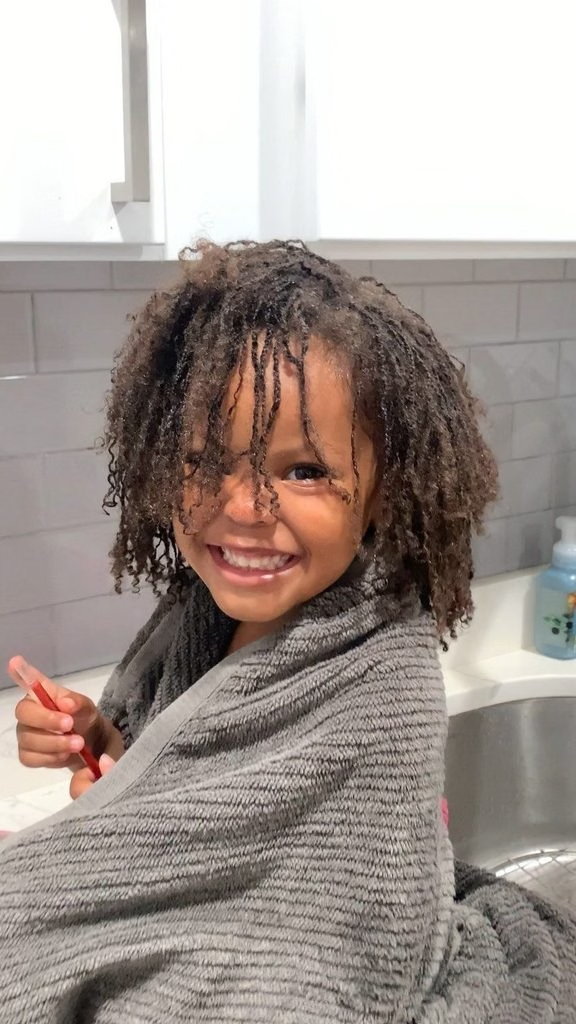
A healthy scalp is an important part of maintaining your child’s locs. Even when the locs look neat, the scalp still needs attention because sweat, dirt, and irritation can develop between wash days.
Check the scalp under good lighting at least once a week. Look for unusual redness, persistent flakes, sores, swelling, or areas where your child complains of tenderness.
Some dryness can occur naturally, but persistent itching should not automatically be treated with more oil. Heavy oils may worsen buildup, and they will not address every possible cause of scalp irritation.
If you notice flakes, consider whether the scalp needs cleansing or whether a hair product may be irritating it. Avoid introducing several new products simultaneously because identifying the cause becomes more difficult.
Do not scratch the scalp aggressively with your fingernails. If your child complains about itching, examine the scalp gently and determine whether washing or professional advice may be needed.
Persistent dandruff, painful sores, significant redness, or unexplained hair loss should be assessed by a qualified healthcare professional. Avoid using medicated scalp treatments on children without appropriate guidance.
You should also inspect the hairline and areas around the ears. Tight hairstyles can cause discomfort in these areas even when the rest of the scalp looks healthy.
Moisturize the Locs Without Creating Buildup
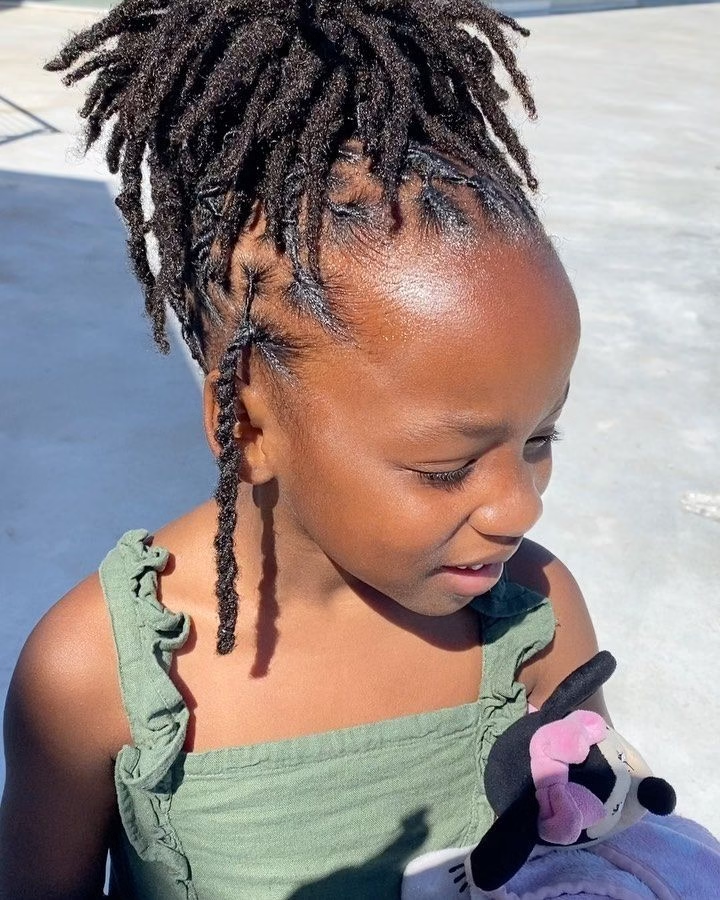
Moisture helps keep your child’s hair comfortable and flexible, but using more products does not automatically produce healthier locs. Your goal is to provide suitable moisture without leaving heavy residue inside the hair.
A lightweight, water-based moisturizer can help when the locs feel dry. You may also use a suitable leave-in product if it works well with your child’s hair and does not create buildup.
Start with a light application and distribute it evenly across the locs. Avoid repeatedly soaking the same areas throughout the day when the hair does not need additional moisture.
Water can help hydrate the hair, but it does not replace proper cleansing or careful drying. Make sure the locs dry thoroughly after applying moisture to prevent prolonged dampness.
Be cautious with thick creams, butters, waxes, and heavy oils. These products can accumulate inside locs and become difficult to remove, particularly when applied frequently.
You do not need several moisturizers to maintain your child’s hair. One suitable product, used correctly, can be more useful than a collection of products that leave residue.
Pay attention to how the locs feel after moisturizing. If they become coated, greasy, sticky, or unusually heavy, reduce product use and review your routine.
Retwist the Roots Gently and Only When Necessary
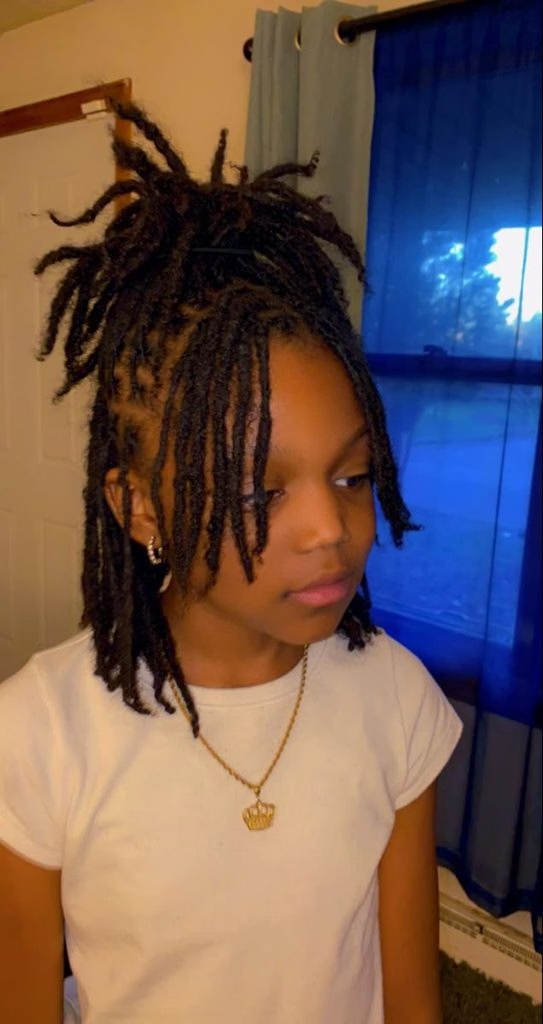
Retwisting helps maintain the appearance of the roots, but it should not become a weekly requirement. Children’s hairlines and roots can be vulnerable to tension, particularly when the hair is repeatedly pulled into tight styles.
The appropriate retwisting frequency depends on the loc stage, hair growth, styling preferences, and scalp condition. Some children need only occasional maintenance, while others may benefit from more regular attention.
Before retwisting, check whether the roots actually need attention. If the locs are healthy and your child is comfortable, there may be no reason to retwist immediately.
Use gentle handling and avoid pulling the hair tightly against the scalp. Retwisting should not cause pain, headaches, visible tension, or persistent discomfort.
Heavy products are unnecessary for every retwist. Use a suitable, lightweight product sparingly when needed, and avoid substances that leave a thick coating on the hair.
Do not repeatedly twist the same roots simply because you want the locs to look perfectly neat. Excessive manipulation can weaken the roots and contribute to thinning over time.
If you are unsure how to maintain the roots safely, consult an experienced loctician who understands children’s hair.
You can also explore Bob Locs for Women in Their 30s: Polished Styles That Feel Grown, Soft, and Intentional for styling inspiration, while adapting suitable ideas to your child’s age and loc length.
Choose Hairstyles That Do Not Pull the Hairline
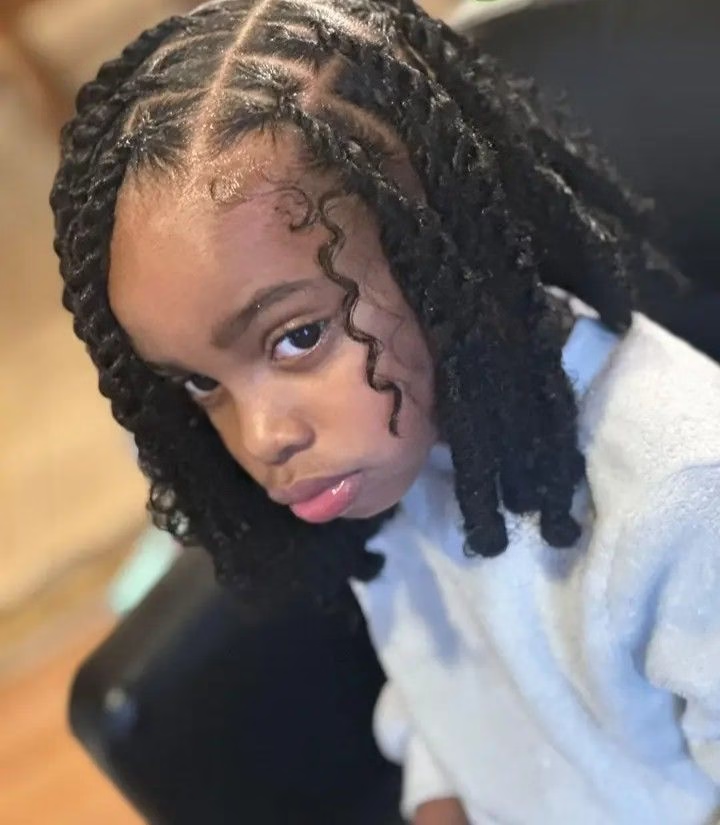
The hairstyles you choose can affect how comfortably your child wears their locs throughout the week. A style may look neat, but it should never cause pain or place unnecessary tension on the roots.
Loose ponytails, gentle side parts, and simple styles that allow the locs to hang naturally can be practical options. Avoid repeatedly pulling the locs backward into tight ponytails or buns.
Pay particular attention to the temples and front hairline. These areas can become vulnerable when hairstyles place constant tension on the same roots.
Use soft hair ties that do not snag the locs or require force to remove. Avoid accessories with sharp edges or small parts that could hurt your child during dressing and play.
Consider your child’s daily activities when choosing a hairstyle. A loose style may work well at home, while sports or school activities may require a more secure but comfortable arrangement.
If your child has longer locs, 45 Half Up Half Down Locs Styles for Black Women That Give You the Best of Both Worlds offers ideas for combining loose hair with simple styling.
Adapt the ideas to your child’s comfort and avoid styles that pull the roots tightly.
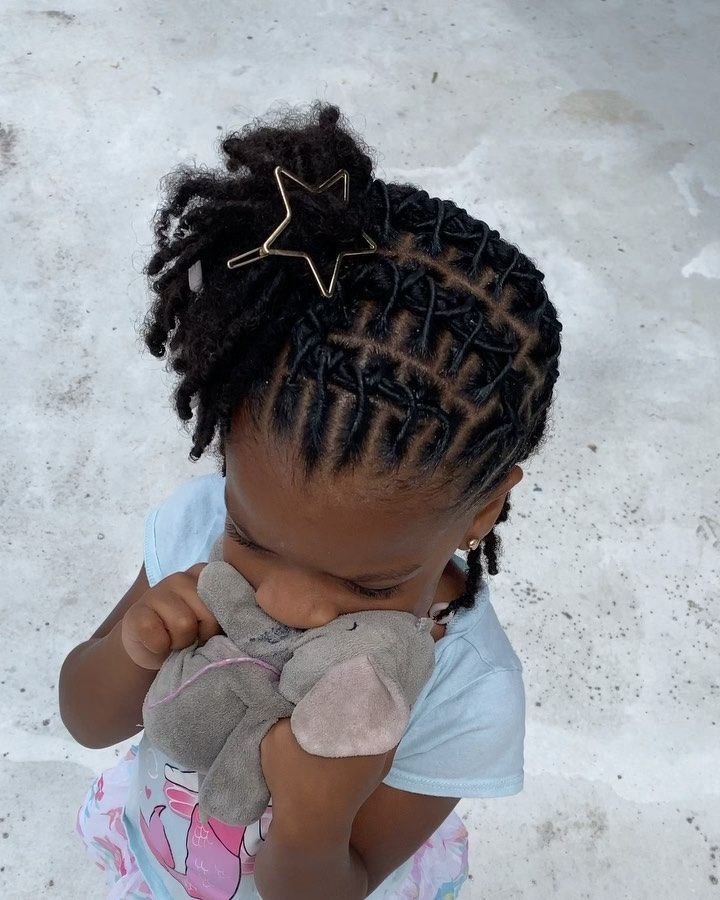
Protect the Locs During Sleep
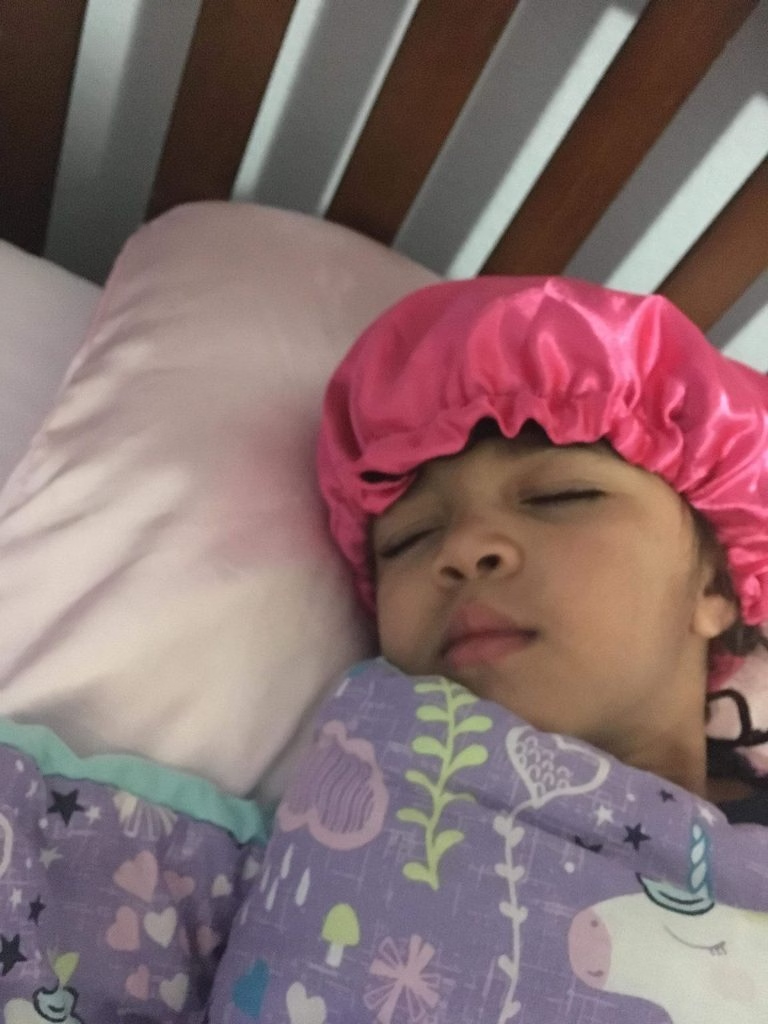
Nighttime care can help reduce friction, tangling, and unnecessary disturbance to your child’s locs. However, the routine should remain comfortable enough for your child to follow consistently.
A satin or silk bonnet can reduce friction between the hair and pillowcase. Choose a comfortable size that stays in place without squeezing the head or leaving marks around the hairline.
If your child dislikes wearing a bonnet, consider a satin pillowcase instead. This provides another option without turning bedtime into a struggle.
Make sure the locs are completely dry before covering them for the night. Covering damp locs can slow drying and contribute to unpleasant smells.
Avoid tying the locs tightly before bed. A loose arrangement is usually more comfortable and reduces unnecessary pulling around the roots.
Wash bonnets and pillowcases regularly because they collect sweat, oils, and product residue. Clean sleep accessories help prevent dirt from transferring back onto freshly washed hair.
If your child removes the bonnet during sleep, do not make bedtime stressful. Try adjusting the fit or using a pillowcase that provides protection without requiring extra effort.
For children with longer locs, Long Locs Styles for Fall and Winter: 12 Cozy, Protective Looks for Cold Weather can provide ideas for managing length during colder months.
Choose nighttime arrangements that remain loose and comfortable rather than pulling the locs tightly.
Remove Lint and Prevent Product Buildup
Lint and product buildup can become noticeable as your child’s locs mature. Lint often comes from towels, clothing, bedding, and other fabrics that repeatedly touch the hair.
Choose smooth, low-lint fabrics when drying the locs. A clean microfiber towel or suitable cotton T-shirt can help reduce loose material that catches in the hair.
Avoid applying thick products simply to make the locs appear shinier. Heavy creams, waxes, and butters can collect residue and become difficult to remove from tightly formed locs.
Inspect the locs during weekly maintenance, especially near the ends and around areas that rub against clothing. If you notice lint, remove only what can be lifted gently without damaging the hair.
Do not use sharp tools or pull locs apart to remove trapped material. If lint is deeply embedded, an experienced loctician can assess the safest approach.
Buildup can also come from shampoo, conditioner, and styling products that are not rinsed properly. Use suitable products in modest amounts and rinse thoroughly after washing.
If the locs feel unusually heavy, sticky, or coated, review your routine instead of adding another product. Reducing unnecessary products often makes maintenance easier.
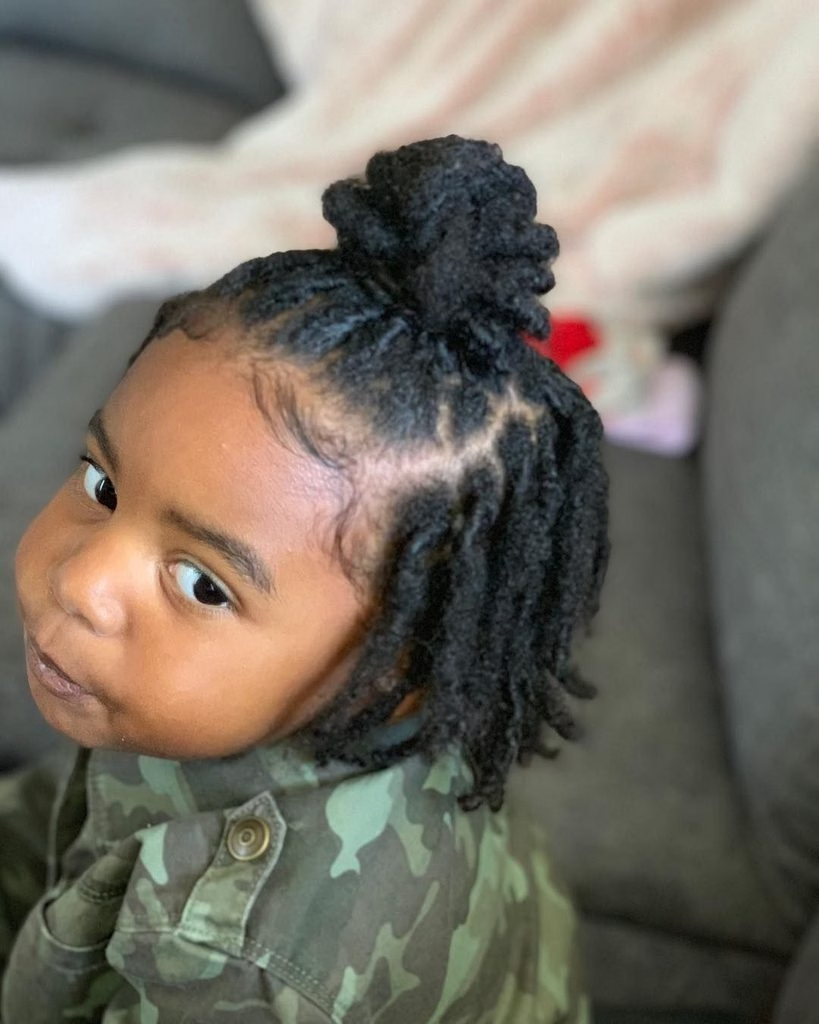
Maintain the Locs During School and Play
Children spend much of their time moving between school, play, sports, and other activities. Their loc care routine should fit those activities instead of restricting normal childhood movement.
After sports or heavy sweating, check whether the scalp needs cleansing. Sweat does not mean you must wash the hair immediately every time, but persistent dirt and discomfort should not be ignored.
Encourage your child to avoid pulling, twisting, or playing roughly with their locs. Younger children may touch their hair frequently without realizing that repeated manipulation can cause damage.
If your child wears a school uniform or participates in activities requiring specific hairstyles, choose comfortable options that keep the locs manageable. Avoid tight styles that pull the roots throughout the school day.
Teach your child not to share personal hair accessories, combs, or scalp tools without proper cleaning. This helps maintain hygiene and reduces the spread of certain scalp conditions.
You can also keep suitable accessories at home for busy mornings. Soft hair ties and a clean scarf may be enough for most simple styling needs.
For children whose locs are still short, Short Locs for Women in Their 30s: 22 Styles That Look Polished and Intentional offers ideas for keeping shorter locs manageable. Adapt the styles to your child’s age and avoid unnecessary tension.
The goal is to make loc care practical for everyday life. Your child should be able to learn, play, and enjoy activities without their hair becoming a constant source of discomfort.
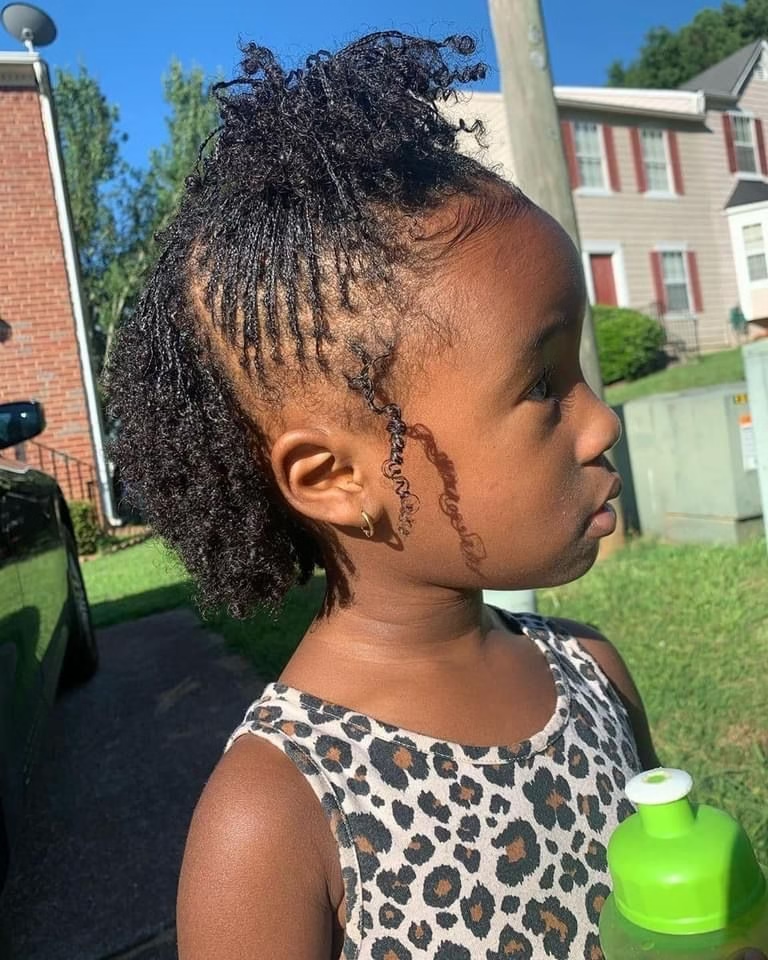
Recognize Signs of Breakage and Thinning Early
Regular checks help you notice changes before they become more serious. During weekly maintenance, look for thinning roots, broken hairs, weak sections, and areas where the locs seem to be getting smaller.
Pay particular attention to the front hairline and temples. These areas may become thinner when hairstyles repeatedly pull the hair backward or retwisting creates too much tension.
If your child complains of pain during styling, stop and loosen the hairstyle immediately. Pain is not a normal requirement for keeping locs neat.
You should also reconsider the routine if you notice repeated breakage around the same area. Tight hairstyles, rough handling, frequent retwisting, and unsuitable products may contribute to the problem.
Avoid trying to solve thinning by twisting the roots more tightly. That approach can increase tension and worsen the damage.
Give the affected area a break from tight styling and handle it gently. If thinning continues, the scalp becomes painful, or hair loss appears suddenly, seek advice from a qualified healthcare professional.
An experienced loctician can also assess styling practices that may be contributing to tension. However, persistent hair loss needs proper assessment rather than relying on styling changes alone.
Adjust the Routine as Your Child’s Locs Mature
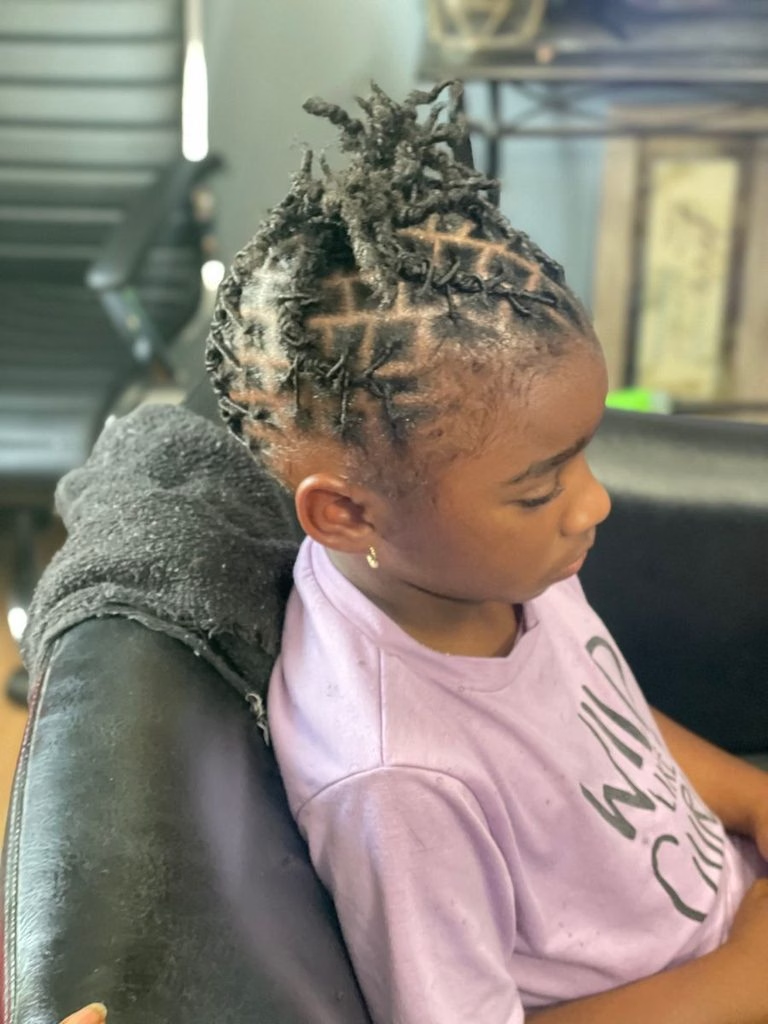
Your child’s loc care needs will change as the hair develops. A routine that works for new starter locs may need adjustments once the locs become more established.
Starter locs can be delicate and may unravel when handled roughly. Follow appropriate washing and maintenance guidance for the method used to create them.
As the locs mature, you may find that washing, drying, and styling become easier. However, mature locs can still collect lint, develop buildup, or become weak when the roots experience excessive tension.
Do not assume that longer locs automatically need more products. The condition of the scalp and hair should guide your choices.
You should also adjust hairstyles as your child grows. A style that worked well when the locs were short may become uncomfortable once the locs gain length and weight.
For styling inspiration, 15 Mature Locs Styles for Women Over 40 That Exude Confidence shows how mature locs can be styled in different ways. You can adapt simple ideas for your child without copying adult styles that require tight pulling or complicated maintenance.
Keep observing the hair rather than following a routine simply because it worked in the past. Small adjustments can help you maintain healthy locs as your child grows.
Common Mistakes to Avoid When Maintaining Kids Locs
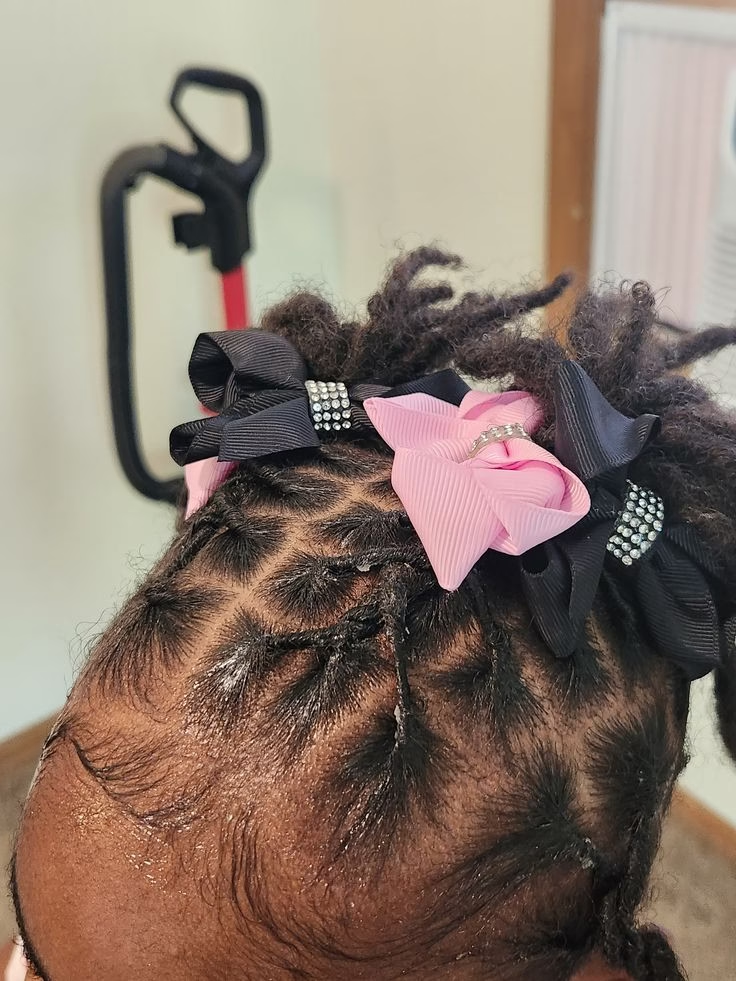
One common mistake is using too many products in an attempt to keep the locs soft and shiny. Heavy products can accumulate inside locs, making proper cleansing more difficult.
Another mistake is retwisting too frequently to maintain a perfectly neat appearance. Locs do not need freshly twisted roots every week, and excessive tension can weaken the hairline.
Some parents also overlook drying after washing. Locs that remain damp for extended periods may develop unpleasant smells, so allow enough time for thorough drying.
Rough towel drying is another habit worth avoiding. Rubbing the hair aggressively can create friction and damage delicate sections.
You should also avoid tight hairstyles that cause discomfort. If your child complains about pulling, headaches, or scalp tenderness, loosen the style instead of expecting them to tolerate it.
Do not ignore persistent itching or flakes by continually adding oil. The scalp may need cleansing, a change in products, or assessment by a healthcare professional.
Another mistake is assuming that every child needs the same hairstyle or maintenance schedule. Hair texture, loc maturity, scalp condition, and daily activities can differ considerably.
If your child has started locs recently, 15 Mature Locs Styles for Women Over 40 That Exude Confidence can inspire you to think about long-term styling possibilities.
However, focus on your child’s current hair needs rather than choosing styles based on how you expect the locs to look later.
Keep Your Child’s Locs Comfortable During Different Seasons
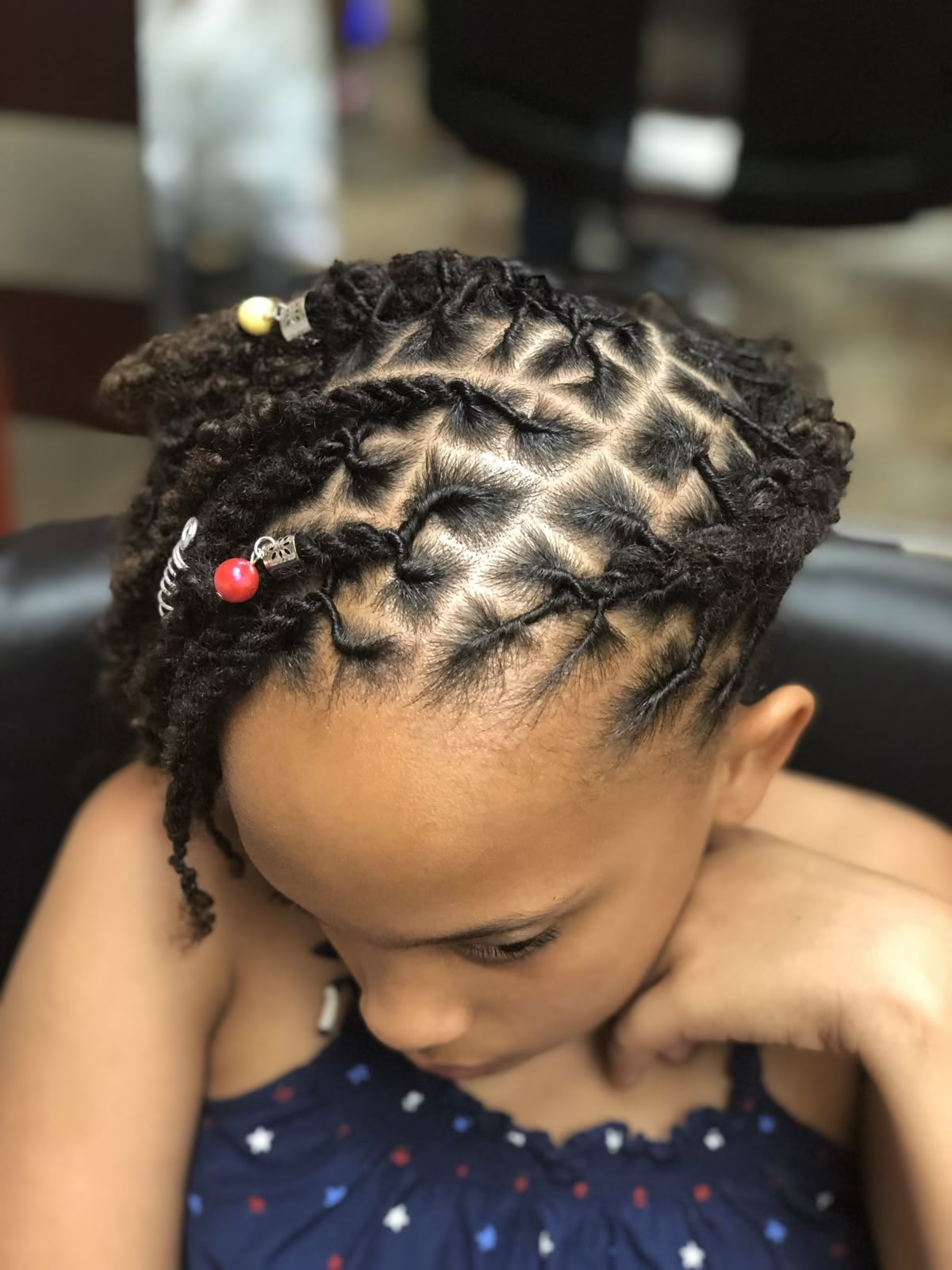
Weather can affect how your child’s locs feel and how you manage them. Hot weather, sweating, cold winds, and dry indoor air may require small adjustments to your routine.
During hot weather, check the scalp after outdoor activities and wash when necessary. Avoid applying extra oils simply because your child has been sweating, as this can create more residue.
During colder months, protect the locs from excessive friction caused by hats, scarves, and thick clothing. Choose fabrics that do not catch easily on the hair and check the roots for tangling.
You can also adjust hairstyles to keep longer locs manageable under winter clothing. Avoid tight arrangements that pull the roots when your child wears a coat or scarf.
For seasonal styling inspiration, Locs Styles for Black Women This Fall: 14 Cozy and Chic Looks for the Season can help you explore ideas for cooler weather. Adapt the options to your child’s loc length and daily comfort.
Remember that seasonal changes do not automatically require a new collection of hair products. Continue observing the scalp and locs, and make only the adjustments that genuinely help.
Choose Products That Suit Your Child’s Locs
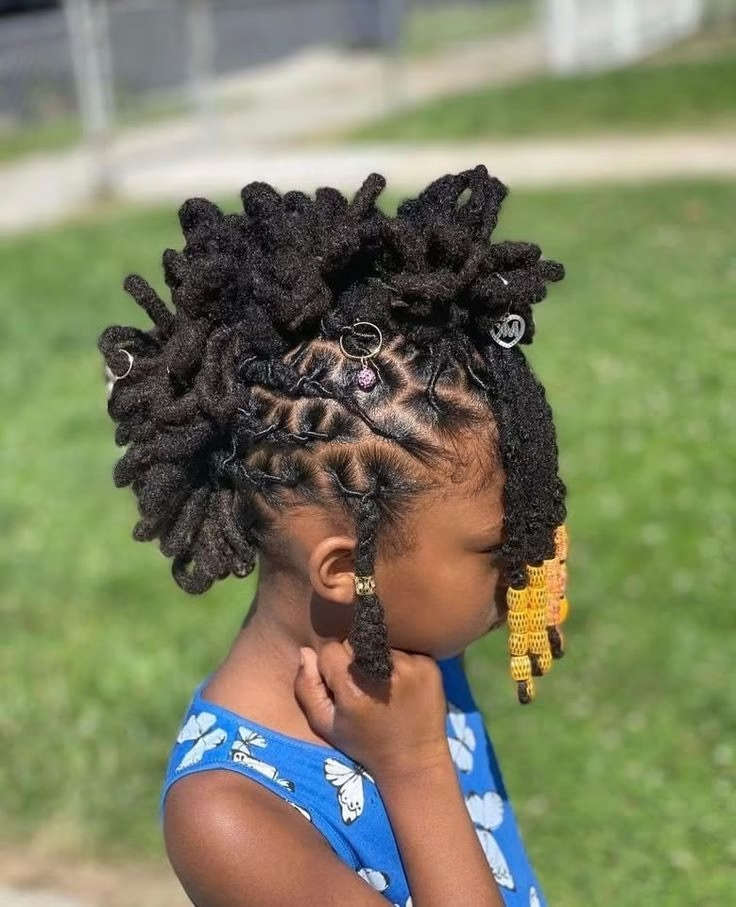
You do not need a cabinet full of products to maintain healthy kids locs. A suitable shampoo, a lightweight moisturizer when needed, and a few gentle accessories can cover many everyday requirements.
Choose products based on their purpose rather than attractive packaging or promises of instant growth. No product can guarantee faster hair growth, and healthy hair care depends on several factors.
Avoid using heavy waxes and thick styling products routinely because they can leave residue inside the locs. If you use a leave-in product, choose one that suits your child’s hair and can be managed within your washing routine.
Pay attention to ingredients that seem to cause irritation. Stop using a product if your child develops a reaction, and seek medical advice if symptoms persist or become severe.
You should also avoid buying several new products simultaneously. Introducing one product at a time makes it easier to identify which products work well and which cause problems.
If you want to explore different loc styling options, Bridal Loc Hairstyles for Black Women: 20 Stunning Ideas for Your Wedding Day offers inspiration for formal looks.
For everyday care, however, prioritize lightweight products and gentle techniques over products designed mainly for elaborate styling.
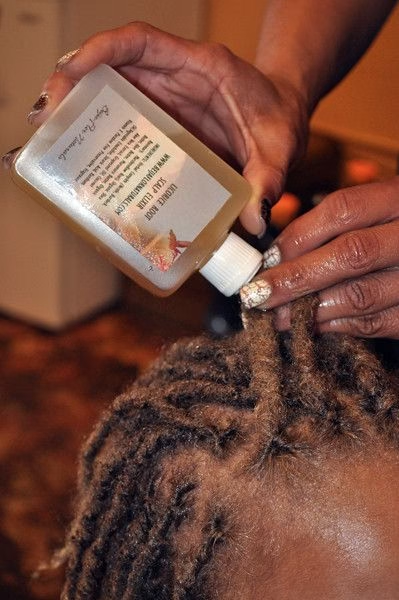
Make Loc Care Easier as Your Child Grows
Children can gradually learn to participate in their own hair care routines. Teaching them simple habits early can make maintenance easier as they become more independent.
Start by explaining why you wash the scalp, dry the locs properly, and avoid pulling the roots. Keep your explanations simple enough for your child’s age.
Younger children can help choose accessories or remind you when their hair needs attention. Older children can learn to recognize dryness, use suitable products carefully, and protect their hair during sleep.
Do not expect children to manage every step independently before they are ready. Continue supervising washing, drying, and styling until they can handle those tasks safely.
You can also make hair care more comfortable by keeping the routine predictable. Choose a convenient day for washing and avoid rushing through detangling, styling, or drying.
If your child has longer locs, Sisterlocks for Black Women Over 40: 20 Looks That Celebrate Every Year offers additional inspiration for appreciating locs at different stages of life.
The most important lesson is helping your child develop healthy habits rather than chasing a particular appearance.
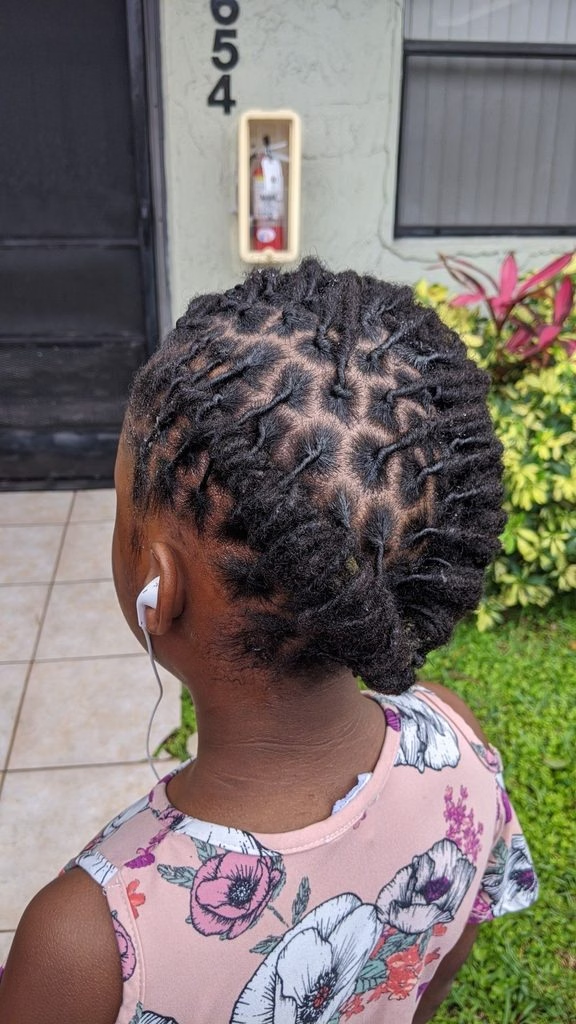
Final Thoughts on Maintaining Kids Locs at Home
Maintaining kids locs at home becomes easier when you follow a simple routine and pay attention to your child’s needs.
You do not need expensive products or complicated styling techniques to keep the hair clean and comfortable.
Focus on regular scalp checks, appropriate washing, thorough drying, and gentle moisturizing when needed. Protect the hair during sleep, avoid excessive retwisting, and choose hairstyles that do not pull the roots.
Remember that your child’s locs will change as they mature, so your routine may need occasional adjustments. What matters is responding to the condition of the hair instead of following unnecessary rules.
If you notice persistent irritation, painful areas, or unexplained thinning, seek professional advice rather than trying several products at once. Early attention can help you identify problems and protect your child’s scalp.
Most importantly, make hair care comfortable and manageable for your child. A consistent routine can help you maintain their locs while teaching them healthy habits they can continue as they grow.