
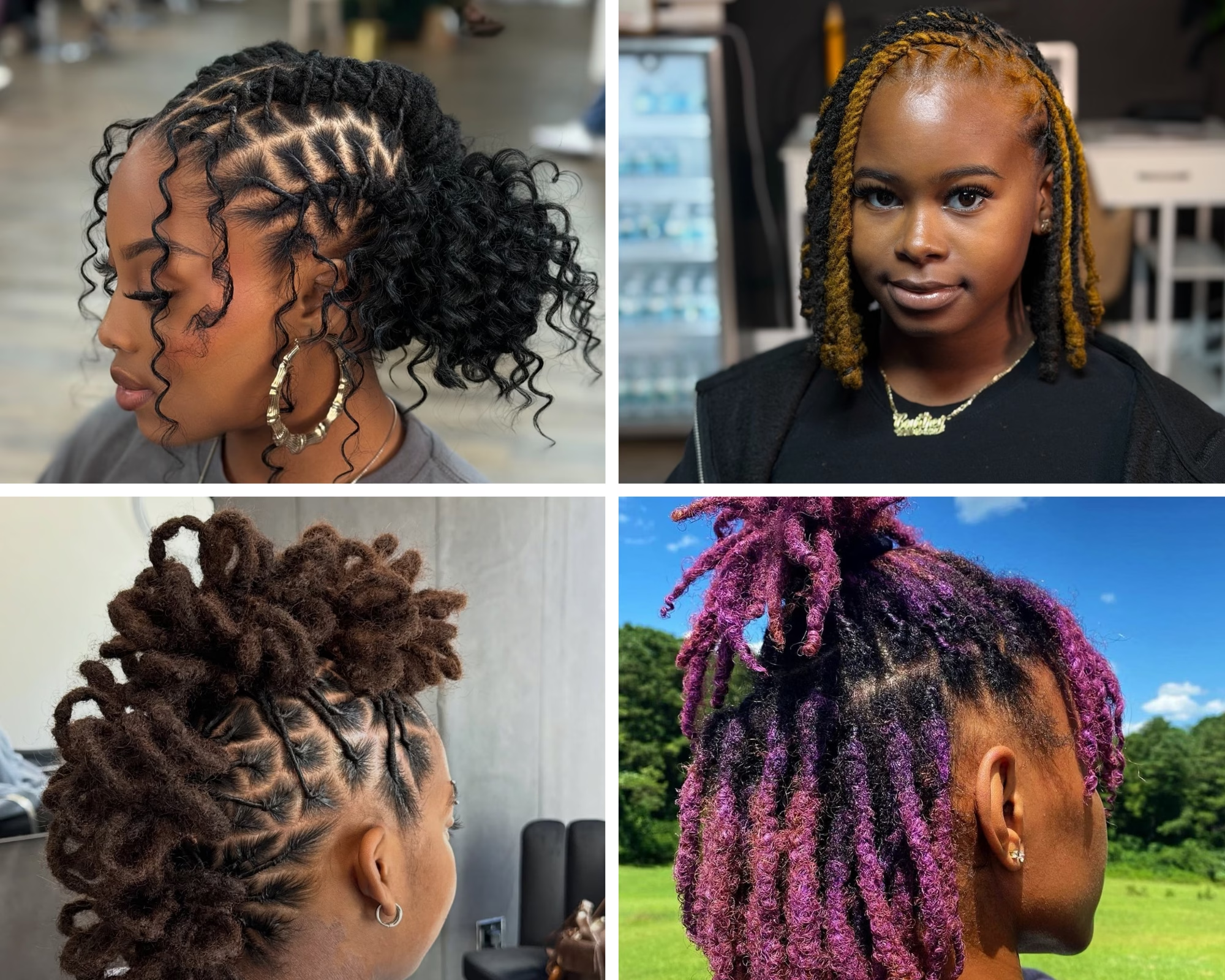
You want locs. But you have questions. What type should you get? How do you take care of them? Which styles are actually popular right now and which ones are already outdated?
Those are fair questions. And you are not alone. More people are choosing locs in 2026 than ever before. The natural hair care market was valued at USD 10.97 billion in 2024 and is expected to reach USD 19.33 billion by 2033. That is not a trend. That is a movement.
This guide will show you the 8 main types of locs, the styles trending in 2026, how to start your locs the right way, and what to do (and avoid) to keep them healthy.
No fluff. No guesswork. Just the things that actually help.
What Are Locs? And Why Are So Many People Getting Them in 2026?
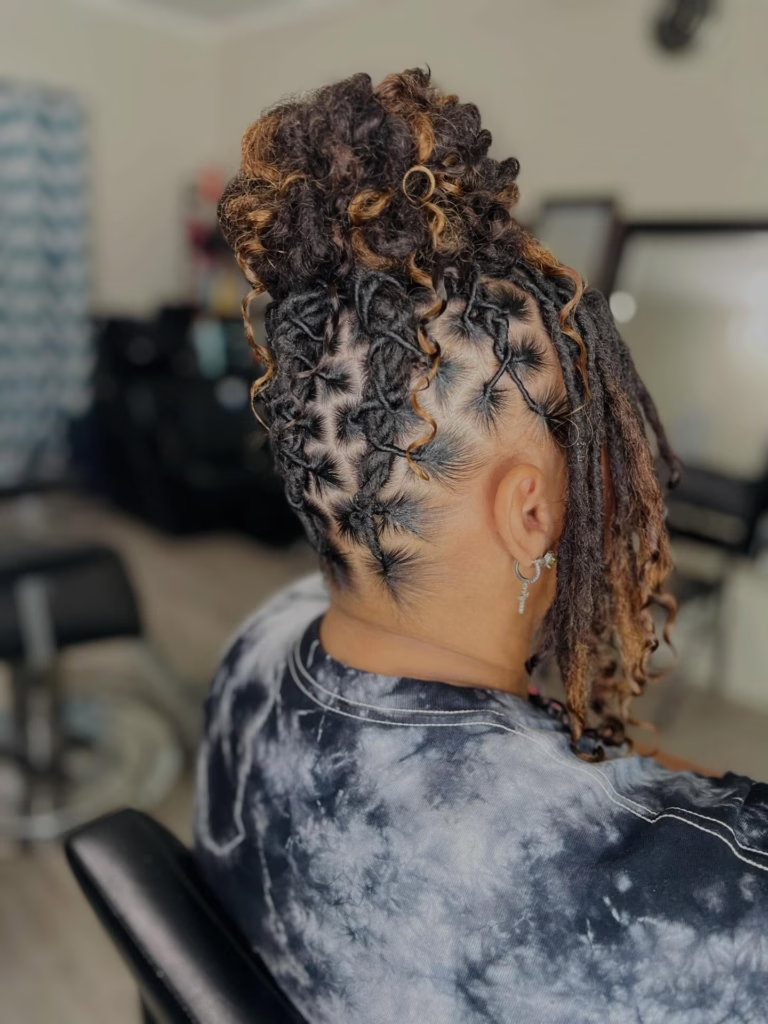
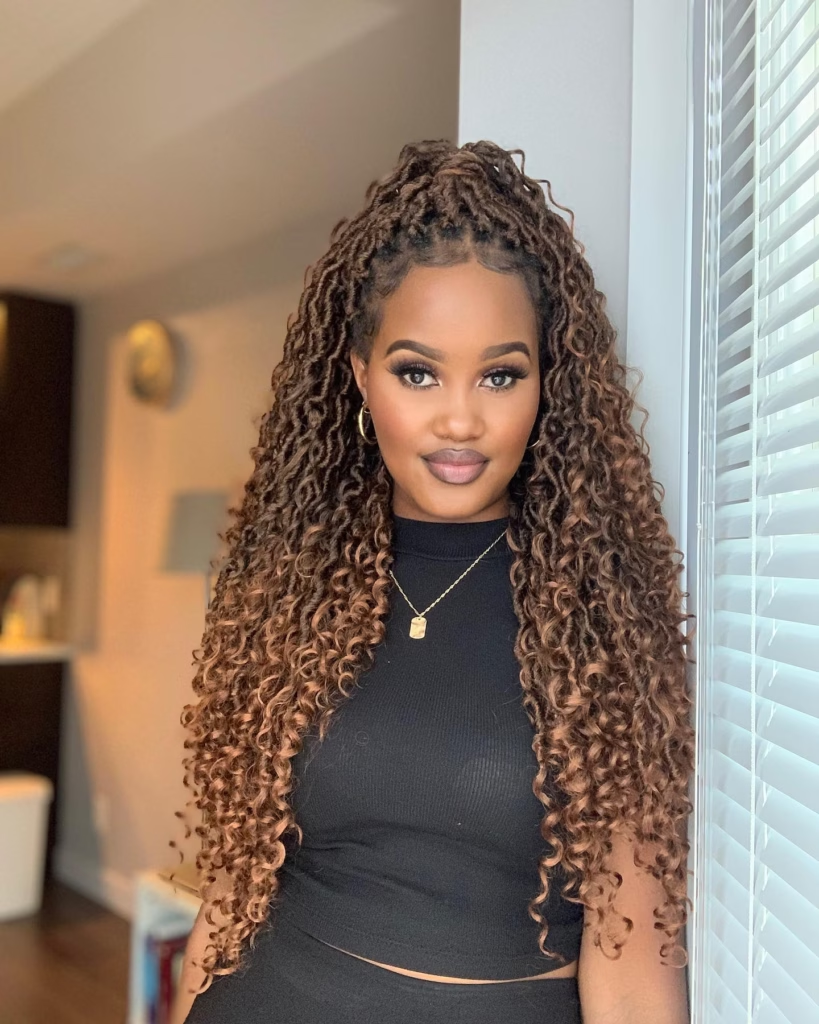
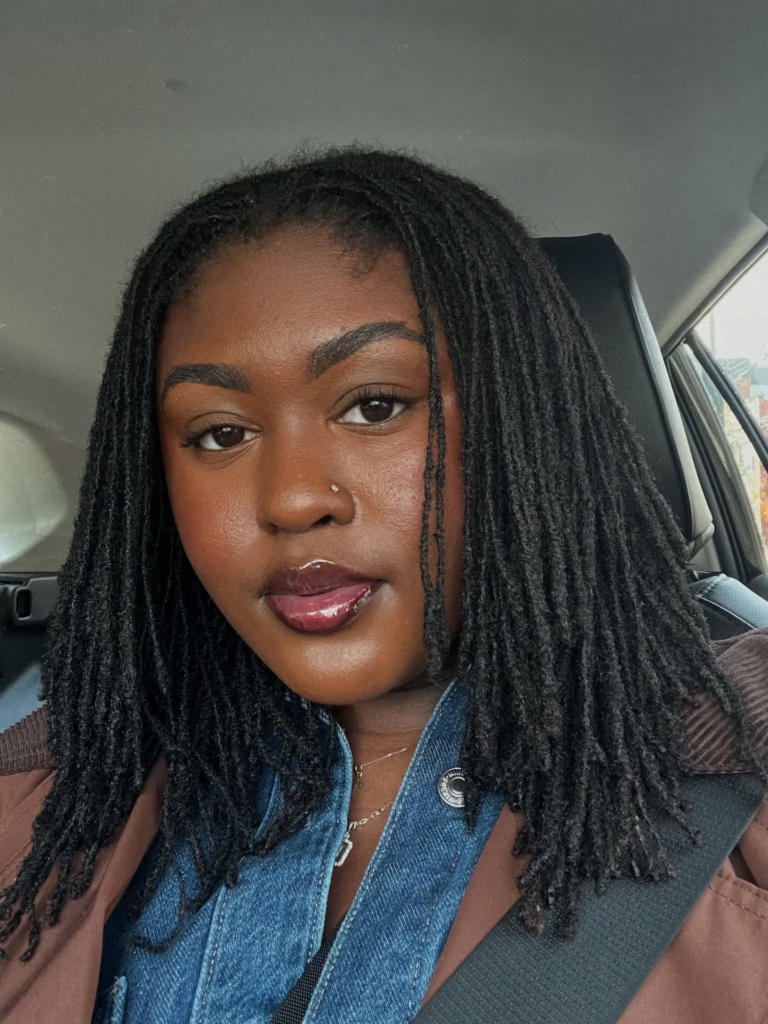
Locs are sections of hair that have been twisted, coiled, or braided and then left to naturally mat and interlock over time, forming rope-like strands.
They are not just a hairstyle. For many people, locs carry deep cultural meaning, tied to African heritage, Rastafarian identity, and the natural hair movement. But today, more and more people choose locs simply because they love how they look, how they feel, and how little work they need once they are fully grown in.
In 2026, locs are no longer a single-style category. Clients choose them for cultural reasons, yes, but also for convenience, versatility, and self-expression. That shift is huge. It means locs now fit more lifestyles than ever before.
Save this for later Locs Updos for Beginners: 6 Easy Styles to Try First
Here is something most people do not know: locs actually get stronger over time.
When hair grows, the strands that would normally shed stay trapped inside the loc. So older locs get thicker, denser, and more durable, not weaker.
| Locs vs. Dreadlocks: What Is the Difference? Both words describe the same hairstyle. “Locs” is the term most people in the natural hair community prefer today. “Dreadlocks” or “dreads” is still commonly used and is not offensive when used respectfully. In this article, we use “locs” throughout. |
Locs work on almost every hair type. Tightly coiled hair (Type 4) locks the fastest. Looser curl patterns (Type 3) can loc too, but they may take longer and require a stronger starting method.
Even straight hair can loc with the right technique, though it takes the most patience.
No matter your texture or your reason for starting, there is a loc style that fits you.
You may enjoy reading 25 Gorgeous Locs Hairstyles for Women That Are Trending Right Now
8 Types of Locs Hairstyles to Know in 2026
Not all locs are the same. And that is exactly the point.
The type you choose affects how your locs look, how fast they grow in, and how much maintenance they need. Here are the 8 main types, starting with the most beginner-friendly.
1. Two-Strand Twist Locs
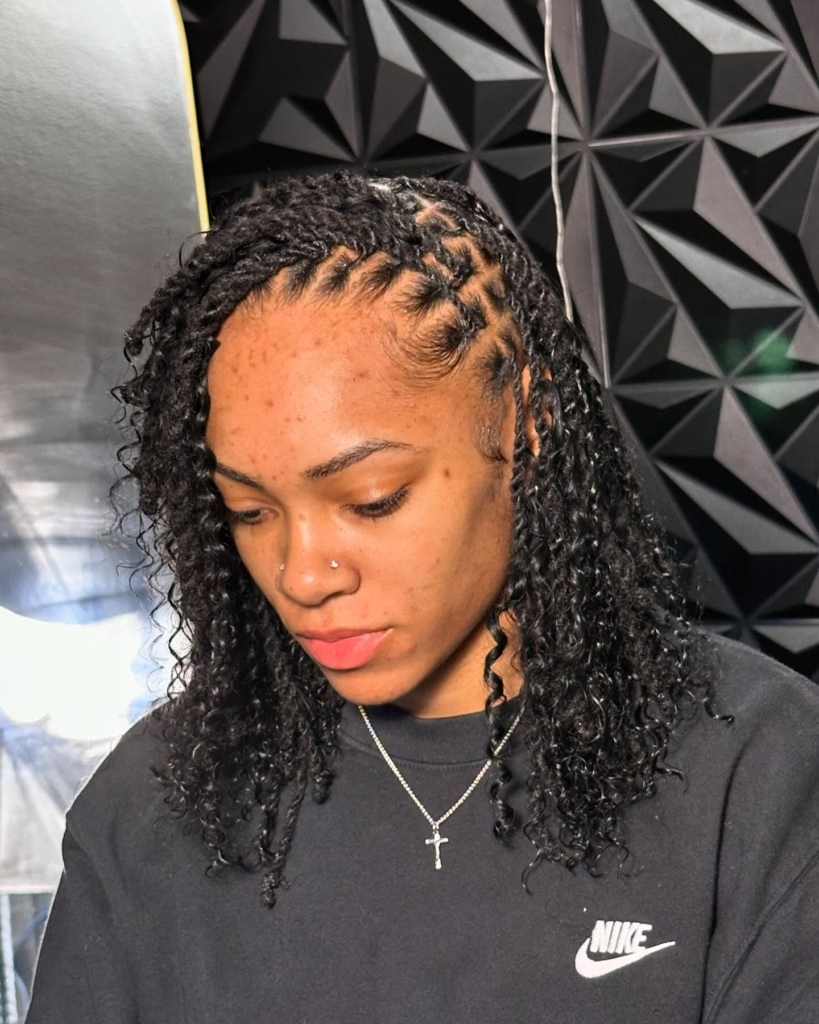
Source @locsbyalisha
Two sections of hair are twisted around each other from root to tip. This is one of the most popular starting methods, especially for Type 3 and Type 4 hair.
They look neat from day one, and they loc quickly on tightly coiled hair. The main downside is that they can unravel if you do not protect them at night.
2. Soft Locs
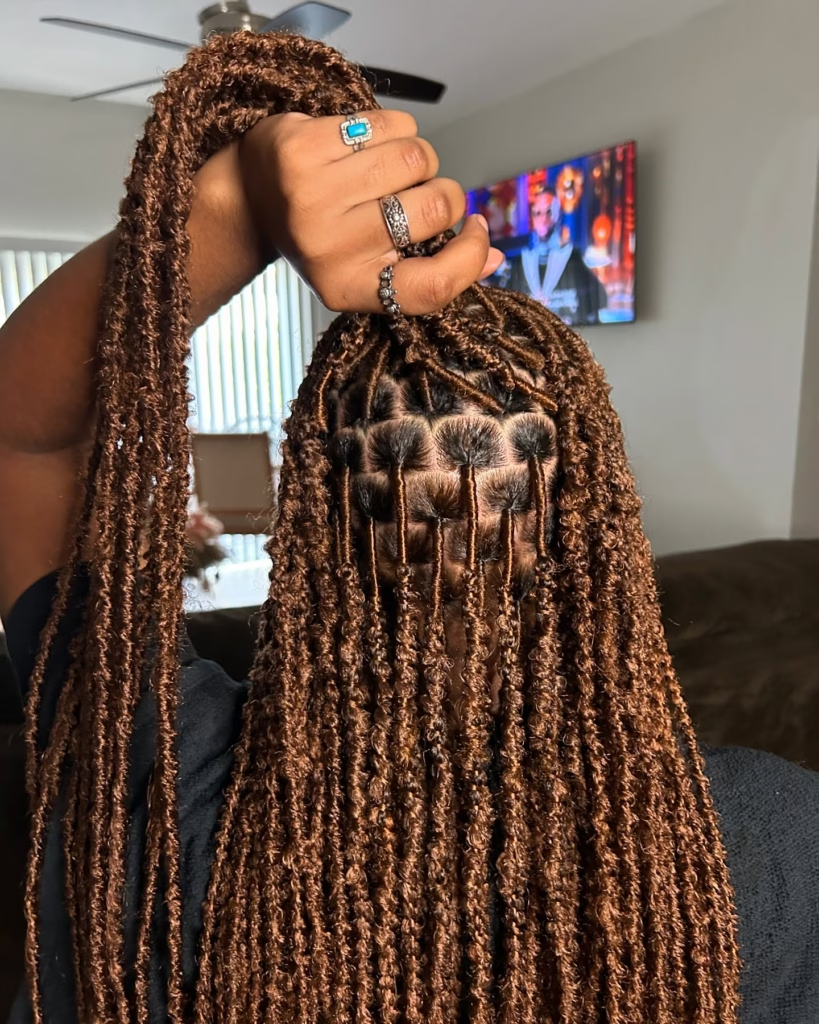
Source @letstalklocs
Soft locs are a type of faux loc made with softer, more flexible extensions. They are lightweight, easy to install, and work for almost any occasion.
They blend protective styling with modern style, offering a romantic, textured look that works for weddings, office days, and casual outings equally well.
3. Micro Locs
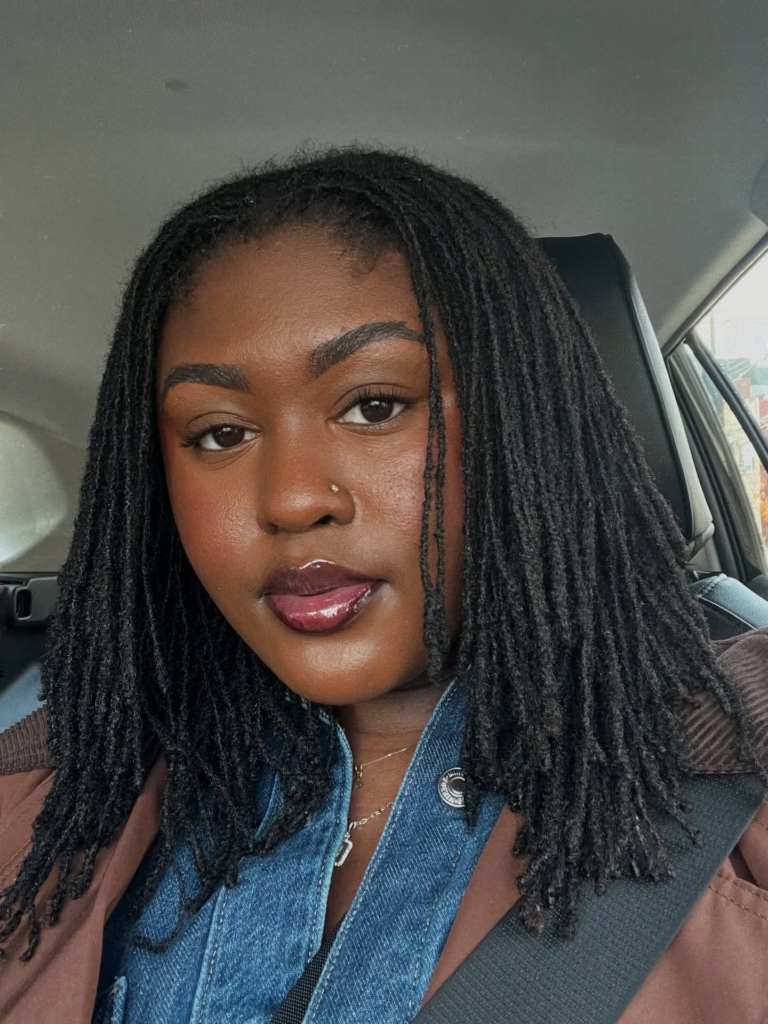
Source @kaahtea.locs
These are tiny, thin locs installed in very small sections. Micro locs are one of the most popular styles in 2026 because precision is trending right now.
They are versatile, they look polished, and you can wear them down, in a bun, or in a ponytail with ease. They take longer to install than larger locs, but many people find the result worth it.
4. Goddess Locs
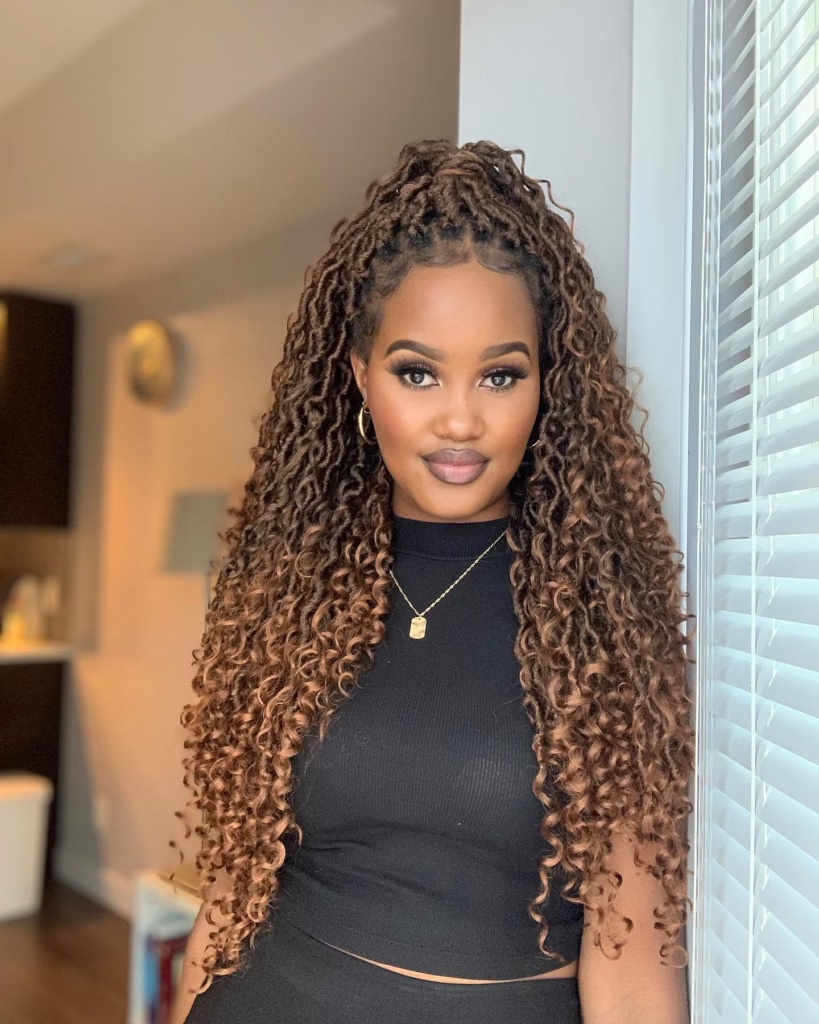
Source @mandy_jacobz
Goddess locs are usually made with faux locs wrapped around braids for added length. The ends are left loose, curly, or wavy, which creates a soft, flowing look.
You can also do them on your natural hair. They are one of the most searched styles on Pinterest and Instagram because they photograph beautifully.
5. Faux Locs
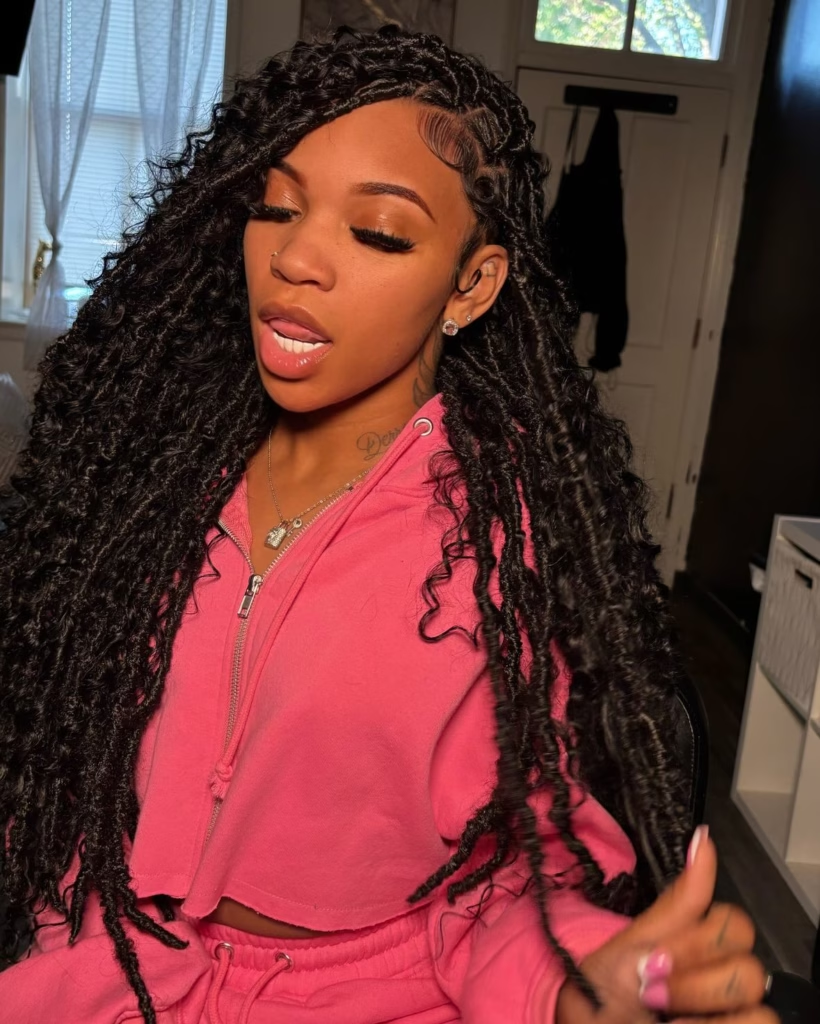
Source @xperiencebydez
This is a great option if you want to try the loc look before committing. Search interest for faux locs spikes every July and August, which suggests people love them for summer.
6. Freeform Locs
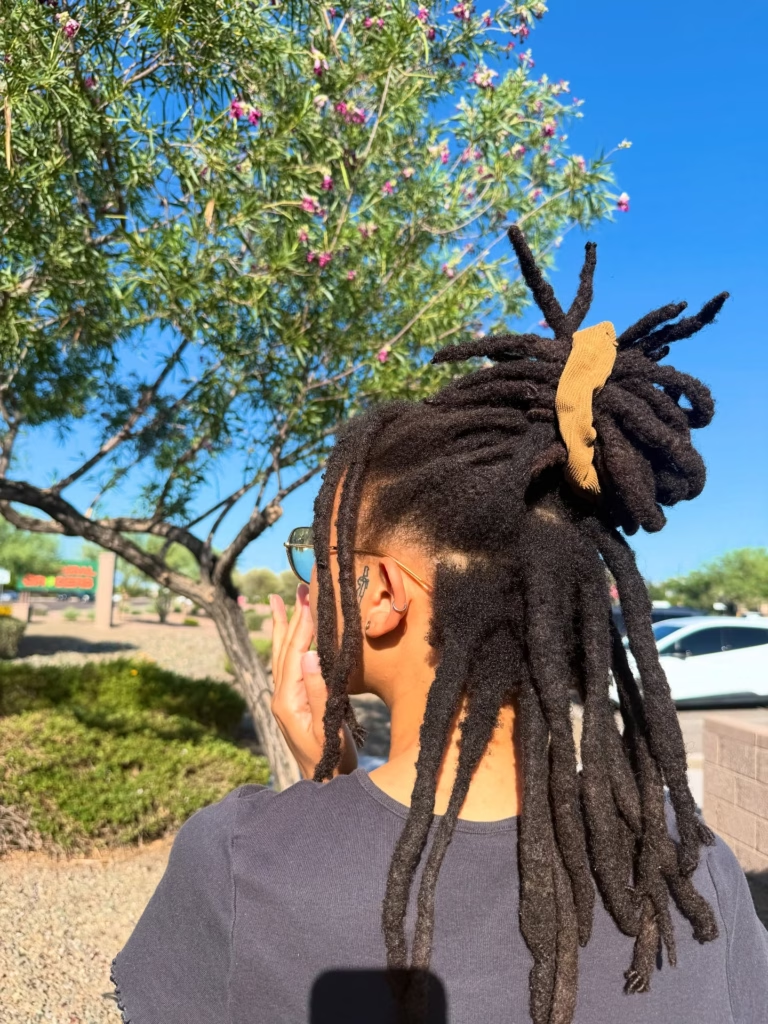
Source @electraroots
Freeform locs grow naturally without retwisting or manipulation. You wash them, moisturize them, and let them do their thing. They tend to be thicker and more organic in shape.
This style takes the most patience but the least hands-on work. Each freeform loc is unique.
You may want to read Loc Hairstyles for Black Women in 2026: 30 Styles, Tips, and Everything You Need to Know
7. Sisterlocs
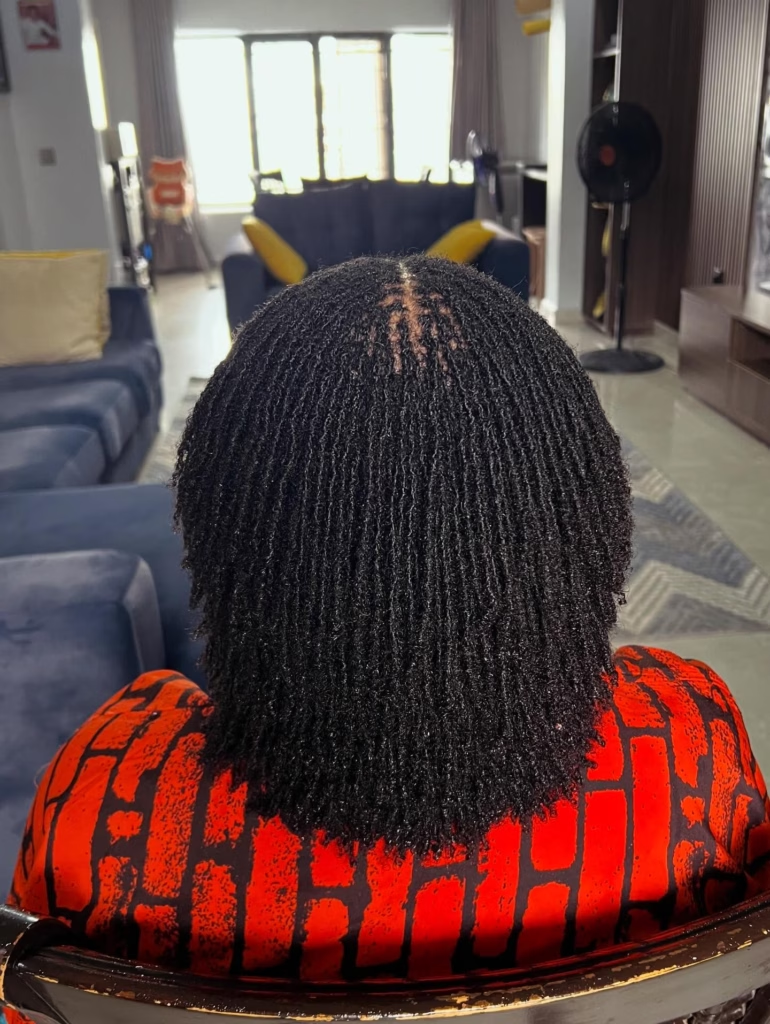
Source @locdbymona
Sisterlocs are a trademarked system of very small, uniform locs installed using a specific interlocking technique. They require a certified Sisterloc consultant to install correctly.
They are lightweight, versatile, and look extremely neat. Installation is a significant investment of time and money, but many clients say they are worth it.
8. Butterfly Locs / Barrel Locs
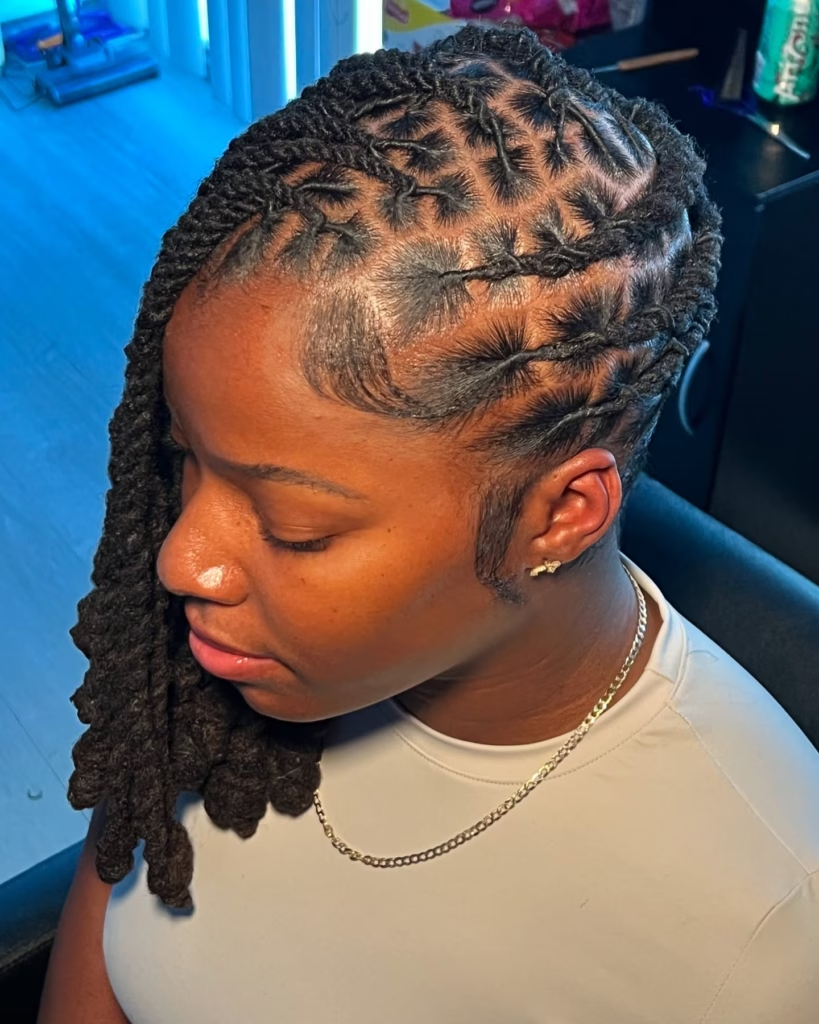
Source @locdbytysade
Butterfly locs are a newer protective style where extensions are looped and wrapped in a specific way to create a distressed, textured look.
They are trending heavily on TikTok and Pinterest in 2026. They are temporary, like faux locs, but have a more boho, undone feel.
| Pro Tip: Choose Based on Your Lifestyle Busy schedule? Go for micro locs or interlocking, which need less frequent retwisting. Want something temporary? Faux locs or butterfly locs let you try the look without committing. Want low maintenance long-term? Freeform locs are your best option once they mature. |
Top Locs Hairstyle Trends Taking Over 2026
2026 is the year locs got a serious style upgrade.
Styles that used to feel niche are now showing up at the office, on red carpets, and in everyday life. Here are the six trends getting the most attention right now.
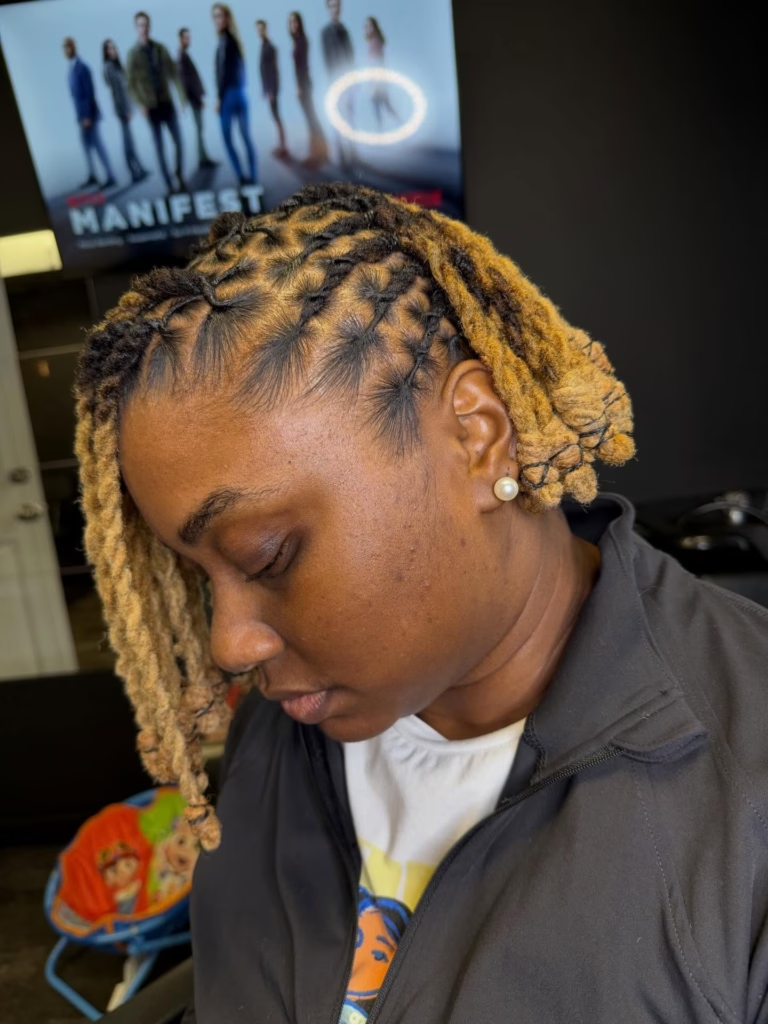
1. The Tapered Loc Bob
Source @locxpress.ions2
This is the style of the year for professionals. Slender, well-maintained locs are cut into a precise bob that frames the face. The nape is tapered for a clean, sharp finish. It works in a boardroom. It also works at a dinner party.
Natural black locs dominate this trend, though honey-blonde highlights are popular for adding dimension.
This style solves a problem many professionals face: they want to wear their natural hair but worry about how it will be received at work. The tapered loc bob eliminates that concern.
2. Goddess Locs With Open, Curly Ends
The classic goddess loc gets a 2026 update. Sleek, uniform locs transition into loose waves or tight coils at the ends. Rich brunette and auburn shades are the most popular color choices.
This look photographs beautifully and suits festivals, events, and everyday wear.
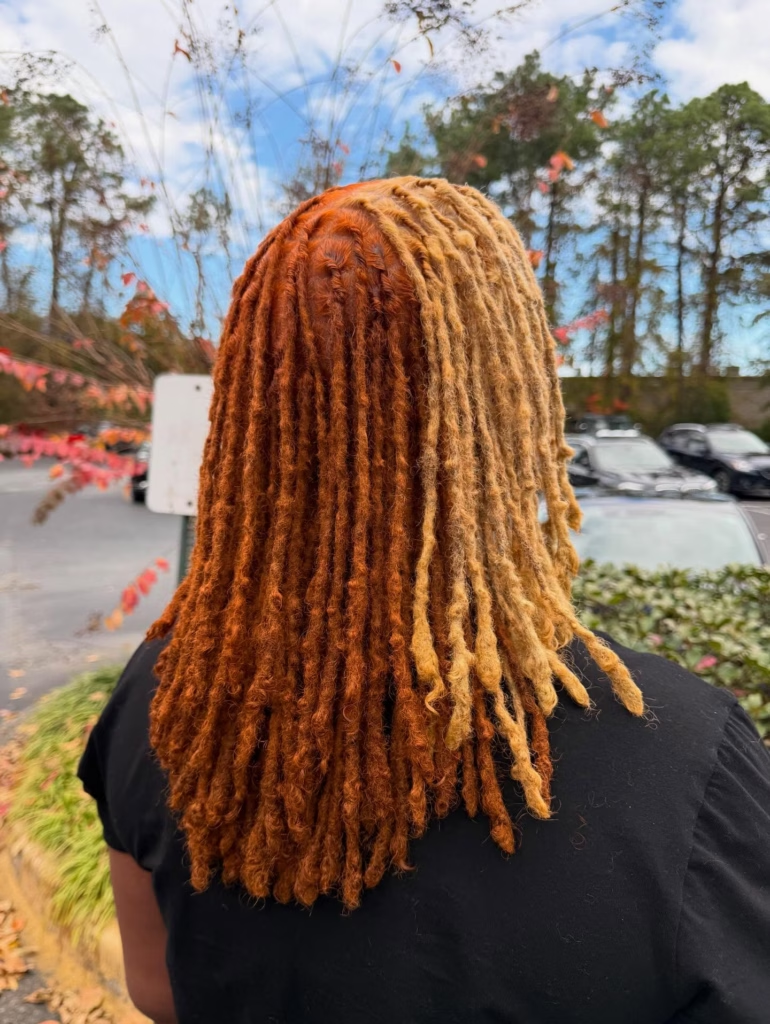
3. Colored Accent Locs
Source @locs_n_whatnot
Instead of coloring all locs, more people are placing one or two brightly colored strands among their natural locs. Honey blonde, burgundy, and copper are the most requested colors at salons.
Some people go bolder with neon or two-tone looks. Even a single highlighted strand creates a striking effect without the damage of a full color treatment.
4. Layered Loc Cuts With Curled Ends
Gone are the days of one blunt length. In 2026, loc cuts have layers. Stylists are adding volume and shape by cutting locs at different lengths and using perm rods or flexi rods to create curled tips.
This adds movement to locs that might otherwise feel stiff or heavy.
5. Hybrid Braid-Loc Styles
This trend merges two techniques. Braids are added on top of or alongside locs to create hybrid styles that feel both structured and creative.
It expands what a loc style can look like and gives people who are bored with their usual look a way to refresh without starting over.
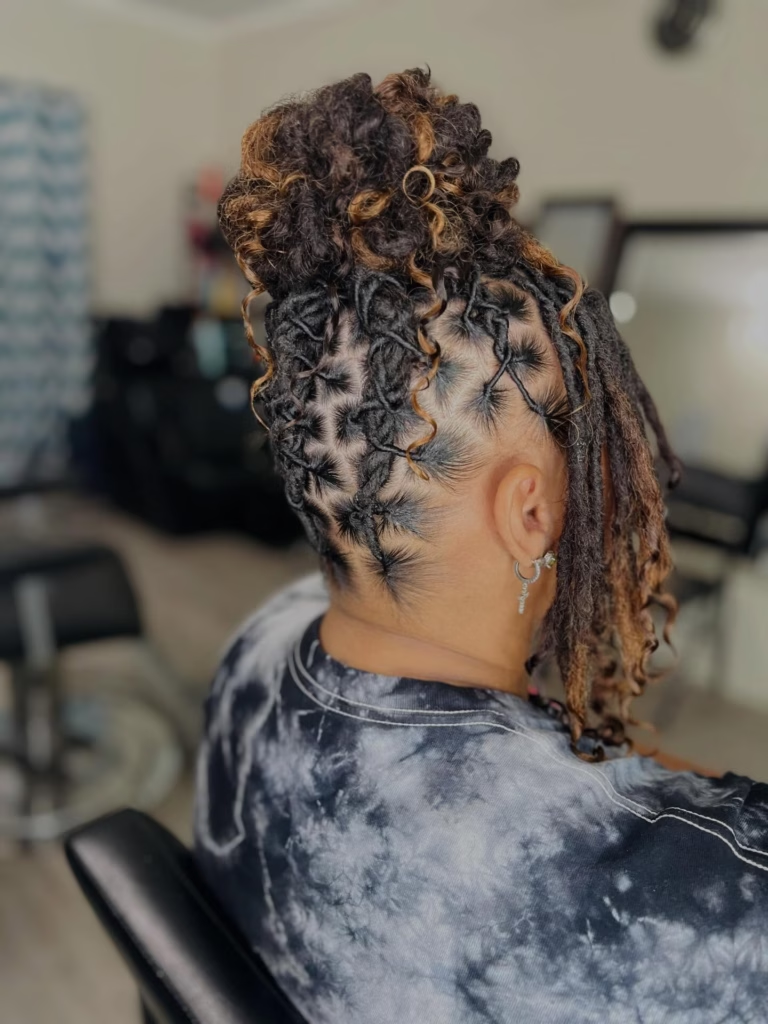
6. Updo Locs (High Buns, Ponytails, Half-Up Styles)
Source @thekey2locs
Updos have always been popular for locs, but in 2026, they are more polished and intentional. High buns with clean parts, long ponytails with intricate base braiding, and half-up styles are all trending.
These styles are especially popular for people who want their locs to work harder for them without a full restyling appointment.
| Worth knowing: When celebrities debut bold loc looks, salon bookings for those styles spike almost immediately. Instagram, TikTok, and Pinterest drive this faster than any advertising campaign. |
Save the styles that speak to you on Pinterest before your next salon visit. It helps your stylist understand exactly what you want.
How to Start Locs: A Step-by-Step Beginner Guide
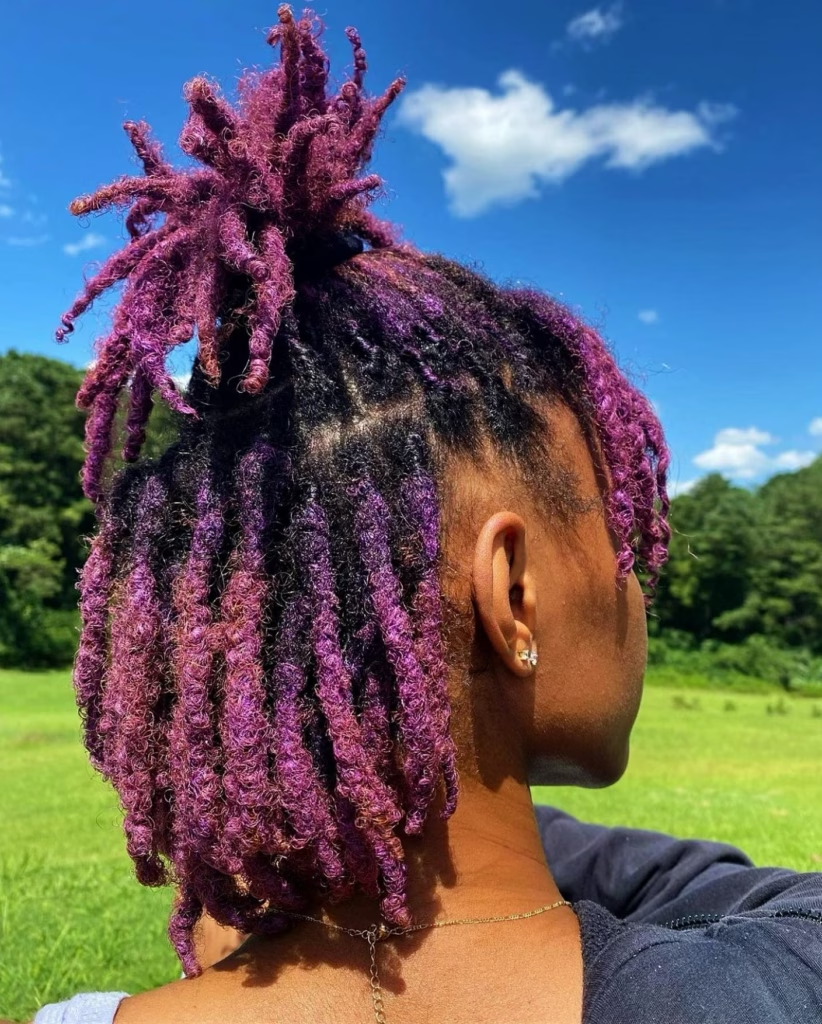
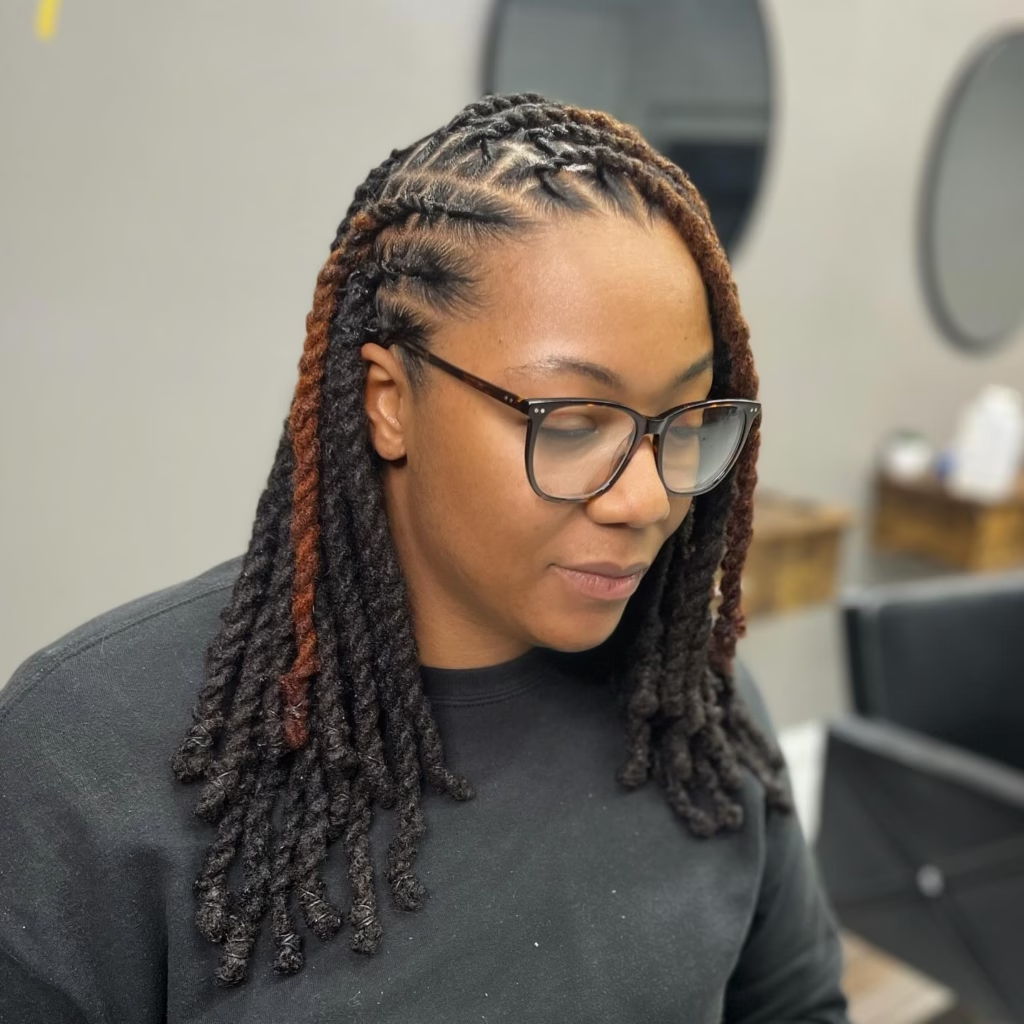
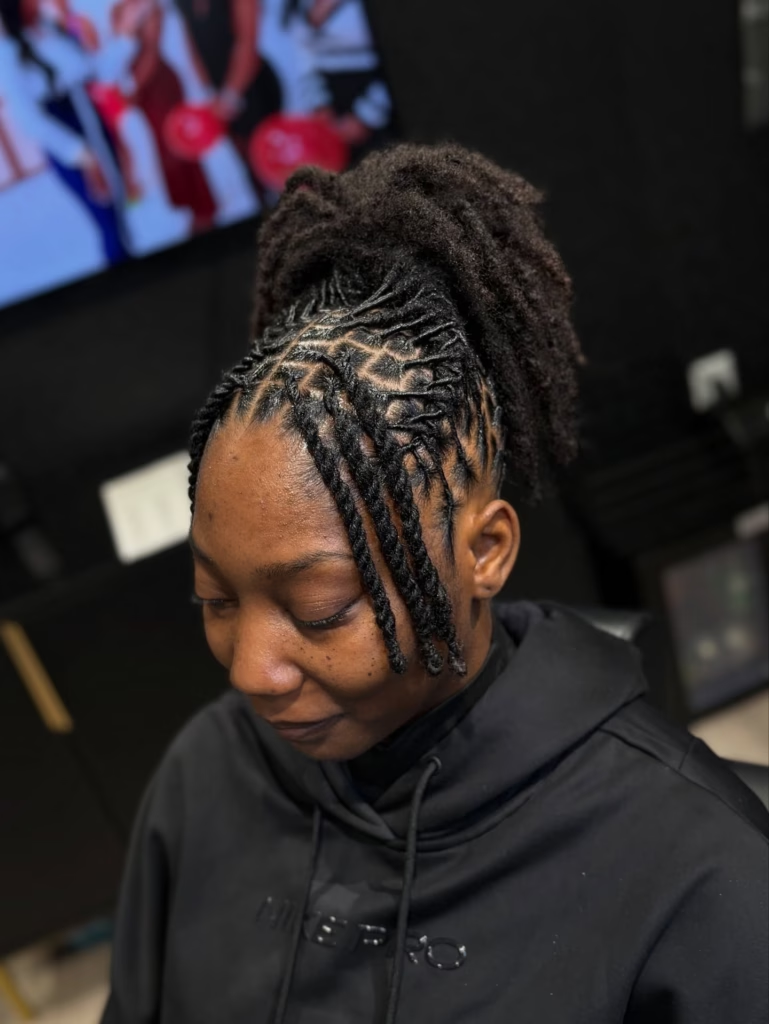
Starting locs is one of the most personal hair decisions you will ever make. Here is how to get it right from the beginning.
Step 1: Prepare Your Hair
Your locs are only as healthy as the hair you start with. Before your first appointment or DIY install:
- Clarify your scalp with a deep-cleaning shampoo to remove buildup
- Trim split ends so they do not work against the locking process
- Detangle gently from tips to roots
- Let your hair dry completely before starting
Clean hair gives your locs the best foundation. Dirty or product-heavy hair leads to buildup that can weigh locs down for months.
Step 2: Choose Your Starting Method
This is the biggest decision you will make. Each method affects how your locs look, how fast they mature, and how much maintenance they need.
- Two-strand twists: Best for Type 3 and 4 hair. Neat from day one. Most popular method. Risk of unraveling if not protected at night.
- Interlocking (latching): A tool is used to pull roots through previous sections. Very secure. Needs less frequent maintenance than twisting.
- Comb coils: Look extremely neat from the start. Lock well on tight coils. May unravel faster after washing.
- Braids: Take longer to loc, but often hold well after washing. Good for beginners who want a low-risk start.
Talk to a loctician before deciding. Your hair type and lifestyle should guide the choice.
Step 3: Choose Your Loc Size
Loc size affects everything: how long installation takes, how your locs will look, and how much they weigh.
- Micro locs: Very thin, very precise, longer installation time
- Medium locs: Most beginner-friendly, easiest to maintain
- Large locs: Faster to install, heavier over time
For most first-timers, medium-sized locs are easier to manage. Neat parts also make your locs look more polished in the early stages.
Step 4: Know What to Expect in the First 6 to 12 Months
Starter locs take time. This is not a style that looks perfect in week one. Here is what is normal:
- Frizz: Completely normal. It does not mean your locs are failing.
- Some unraveling: Especially around the edges. Happens to almost everyone.
- Budding: Small bumps that form as hair begins to tangle and lock. This is a good sign.
Starter locs can take 6 to 12 months to fully loc. Full maturity, where locs feel solid all the way through, typically takes 18 to 24 months. Type 4 hair generally locs fastest.
| When to DIY vs. When to See a Loctician Two-strand twists and comb coils can be done at home with practice. Interlocking requires technique to do correctly. Sisterlocs require a certified consultant. If you are unsure, at least start with one professional appointment. Initial installation costs between $100 and $400+ depending on your location, hair length, and method. |
Every loc you admire looked exactly like yours once. Trust the process.
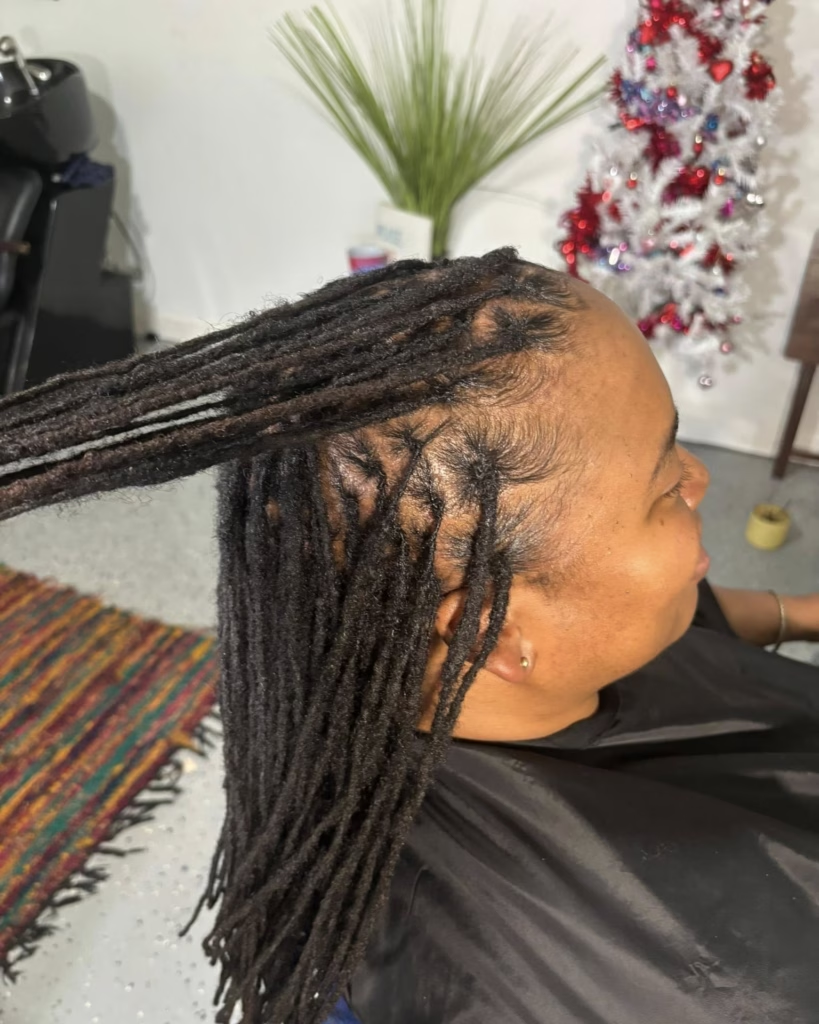
Loc Maintenance Tips That Actually Work in 2026
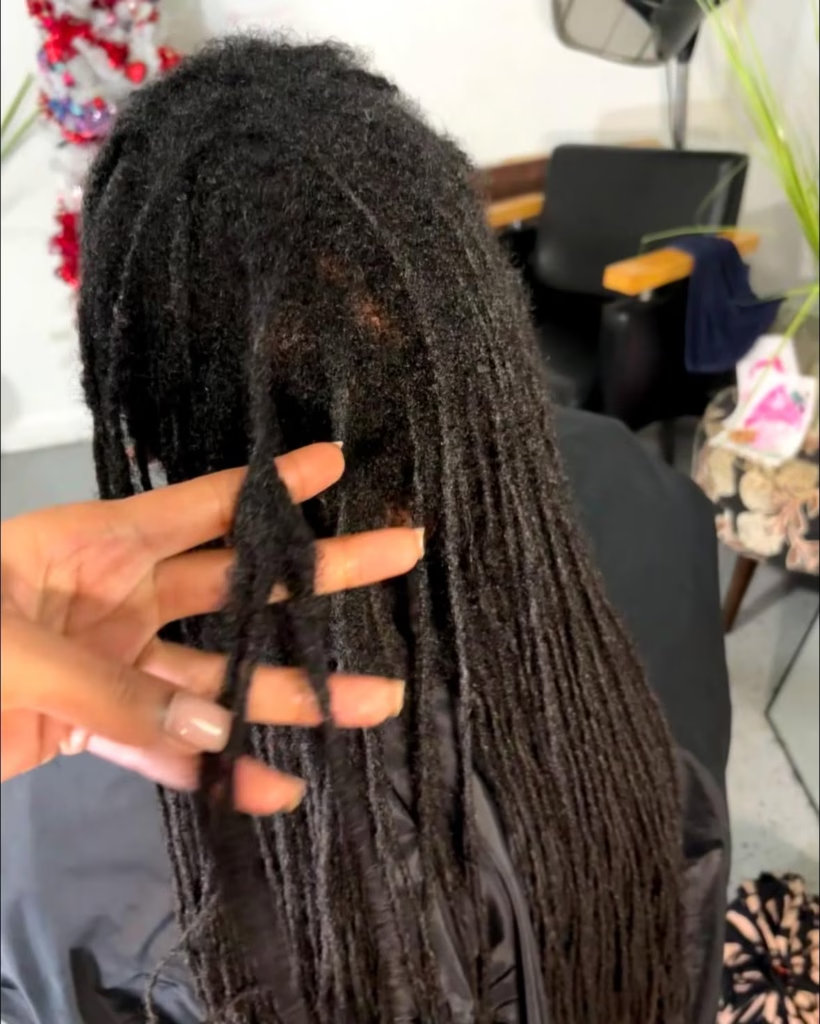
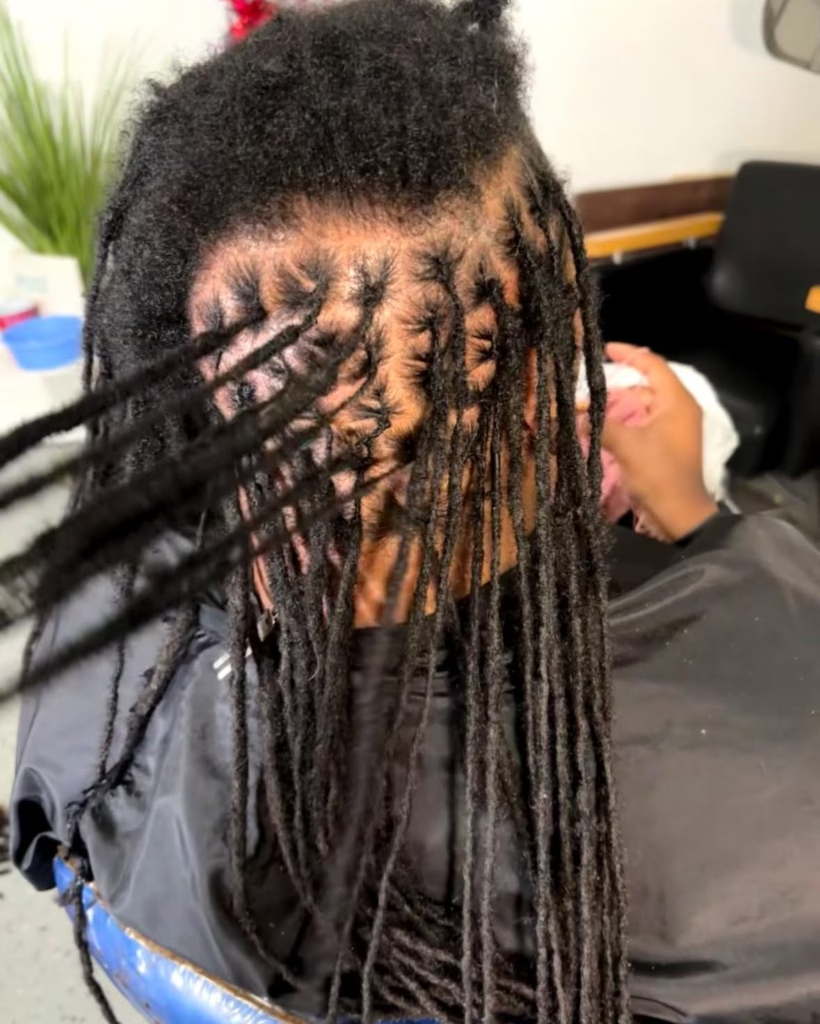
Source @_taysoexquisite
Here is the biggest myth about locs: you do not need to wash them.
That is false. A clean scalp is essential for healthy loc growth. Dirty locs develop buildup that blocks moisture, slows growth, and can lead to breakage. You need to wash your locs. The only question is how often.
Washing Schedule
Every two to three weeks is the right starting point for most people. Washing too often in the early stages can cause starter locs to unravel.
Once your locs are mature (around 15 to 18 months), you can wash them more frequently.
Always use a sulfate-free shampoo. Sulfates strip the moisture your locs need. Focus the shampoo on your scalp, not the locs themselves, and let it rinse through naturally.
After washing, dry your locs fully. Damp locs that stay wet can develop mildew. Use a microfiber towel (not cotton) to squeeze out water gently, then let them air dry or use a hooded dryer.
Moisture Is Not Optional
Dry locs break. It is that simple.
Water is the best moisturizer. Mist your locs with water or rose water between washes. Lightweight oils like coconut oil and Jamaican black castor oil help seal in that moisture and prevent split ends. Jamaican black castor oil also improves blood flow to the scalp, which supports growth.
Avoid heavy creams, clay, pomade, or waxy products. They leave residue inside your locs that is hard to remove and makes your hair look dull.
Retwisting Schedule
Retwist your roots every four to six weeks. Use a light gel or a water-based locking product. Never use beeswax.
Beeswax is one of the most common mistakes beginners make. It sits inside the loc, attracts lint, and is nearly impossible to wash out.
Over-twisting is also a problem. Too many retwists without enough time between them causes thinning at the roots and breakage. Let your locs breathe.
Nighttime Protection
Sleeping without protection causes friction. Friction causes breakage and frizz. A silk or satin bonnet is the simplest fix.
If you prefer, sleep on a silk or satin pillowcase instead. Either option makes a real difference, especially in the first year of your loc journey.
| MYTH BUSTED: Common Loc Misconceptions MYTH: Locs do not need washing. FACT: A dirty scalp blocks growth and causes buildup. MYTH: You need a lot of products. FACT: Less is more. Heavy products do damage. MYTH: Locs are permanent. FACT: Some types can be removed. But it takes patience. MYTH: Only one hair type can get locs. FACT: Most hair types can loc with the right method. |
Quick weekly checklist:
- Mist locs with water or rose water to maintain moisture
- Check scalp for dryness or flaking
- Wear your bonnet or sleep on your satin pillowcase
Best Products and Tools for Locs in 2026
You do not need 10 products. You need the right ones.
Too many products cause buildup. Buildup makes locs look dull and feel heavy. Start simple and add only what your hair actually responds to.
For Cleansing
- Sulfate-free clarifying shampoo (look for: tea tree oil, peppermint, or apple cider vinegar as key ingredients)
- Avoid: shampoos with heavy conditioning agents or silicones, which leave residue
For Moisture
- Water or rose water in a spray bottle (cheapest and most effective daily moisturizer)
- Coconut oil: prevents breakage and split ends
- Jamaican black castor oil: boosts scalp circulation and supports growth
- Aloe vera gel: lightweight, water-based, great for sealing moisture
For Retwisting
- Aloe vera-based locking gel or light twisting butter
- Avoid: anything with beeswax, petroleum, or mineral oil
Tools Worth Having
- Microfiber towel: gentler than cotton, absorbs more water, less friction
- Silk or satin bonnet: protects locs at night from friction and lint
- Rat-tail comb: for parting sections during maintenance
- Hooded dryer or bonnet dryer: ensures locs dry fully after washing
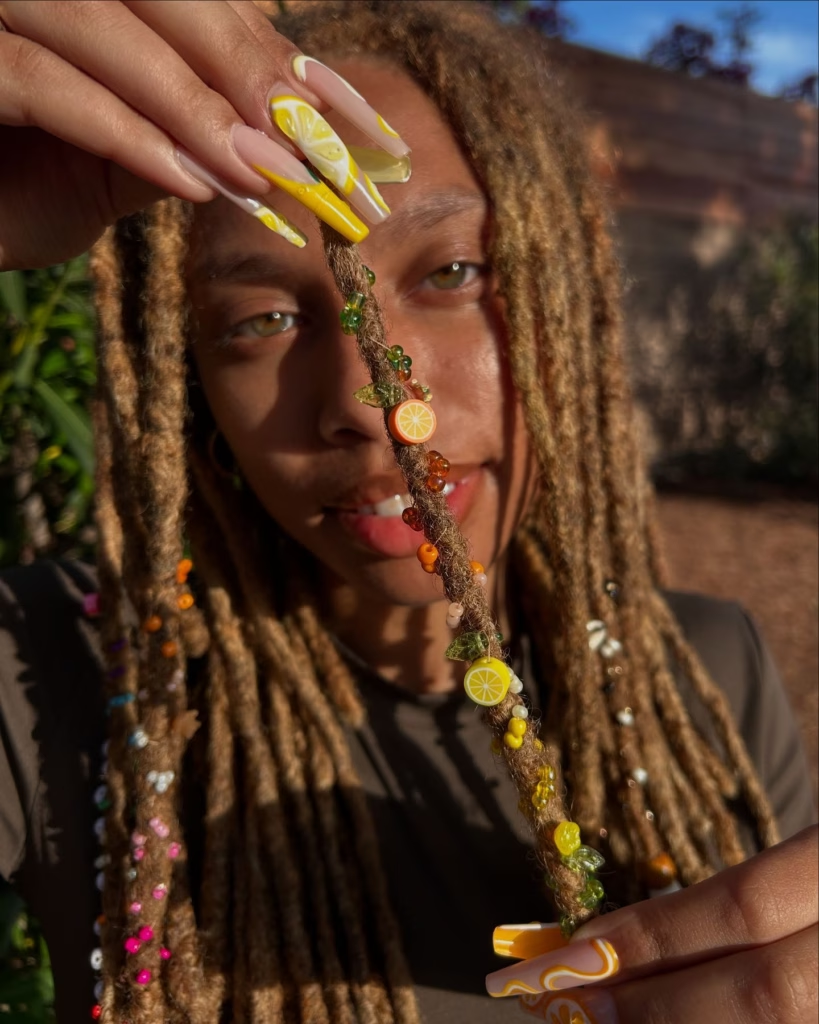
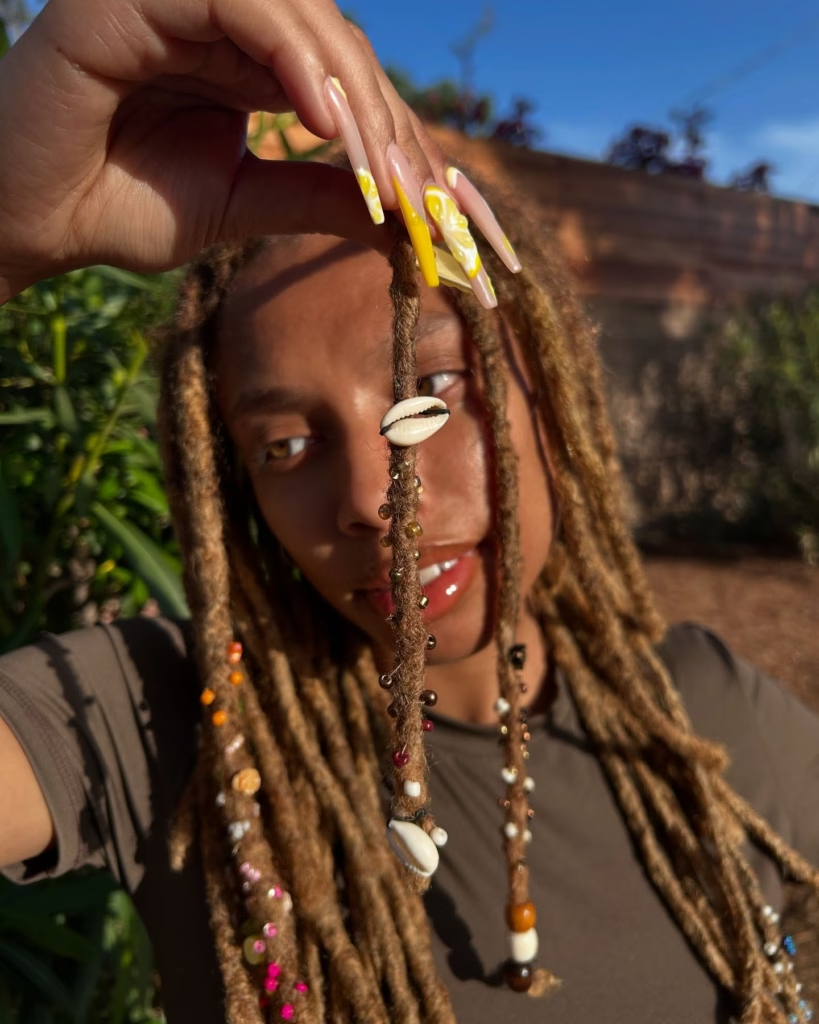
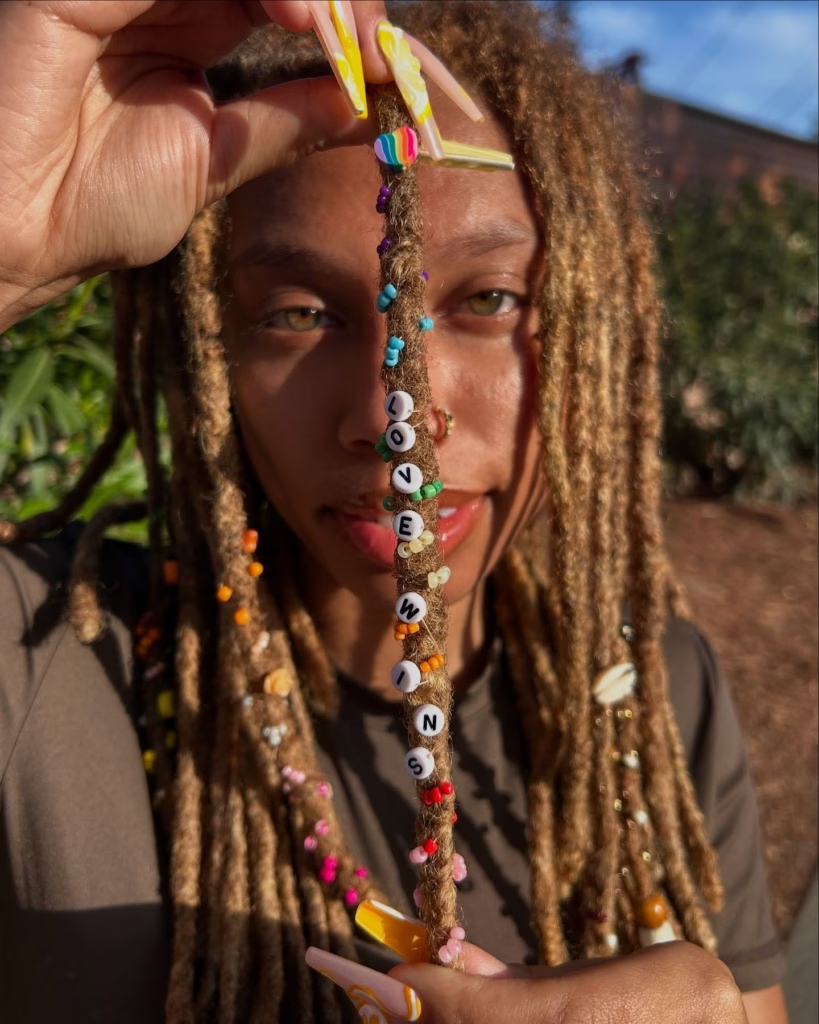
2026 Trending Accessories
Source @sprinklemylocs and locswithnae
Loc jewelry and loc sprinkle kits are blowing up on Pinterest and TikTok right now. Cuffs, beads, coils, and decorative wraps let you personalize your locs without any commitment. They are easy to add and easy to remove.
| Brands worth looking into: NVLX Labs (luxury loc care), Sofn’Free Naturals (moisture-focused formulas), Hairobics All Natural (thick and healthy locs focus). Always patch test new products before applying to your full head. |
Less product equals better locs in most cases. Give every product at least four weeks before deciding if it works.
Final Thoughts
Locs in 2026 are defined by personalization, healthy installation, and expressive styling.
Whether you prefer micro locs or goddess locs, a tapered bob or a high bun, the most important thing is choosing a style that fits your hair type, your lifestyle, and your patience level. There is no single right way to loc. There is only the way that works for you.
Start with a clean foundation. Choose your method carefully. Protect your locs at night. Wash them regularly. Keep products simple.
And most importantly: give it time. Patience is the most important product in any loc care routine.
Ready to start? Book a consultation with a certified loctician, save your favorite styles, and come back to this guide whenever you need a reset. Your locs are worth the work.
Frequently Asked Questions About Locs Hairstyles
How long do locs take to grow?
Hair grows roughly half an inch per month. Full loc maturity, where locs feel solid all the way through, usually takes 18 to 24 months. Type 4 hair tends to loc faster than looser curl patterns.
Can I wash my starter locs?
Yes. You need to wash them. Wait about three to four weeks after installation before your first wash. Be gentle, focus on your scalp, and dry them fully afterward. Dirty locs cannot grow properly.
What is the best type of loc for beginners?
Two-strand twists or comb coils are the most beginner-friendly starting methods. Medium-sized locs are easier to maintain than micro locs for a first-timer. Ask a loctician for advice based on your specific hair texture.
How much do locs cost to start?
Initial installation costs between $100 and $400 or more, depending on your location, your hair length, and which method you choose. Factor in ongoing maintenance, which usually happens every four to six weeks, when budgeting.
Do locs damage your hair?
Healthy locs do not damage hair. Damage comes from over-twisting, too much tension, heavy products, and skipping moisture. Locs that are started and maintained correctly can actually protect hair from daily breakage.