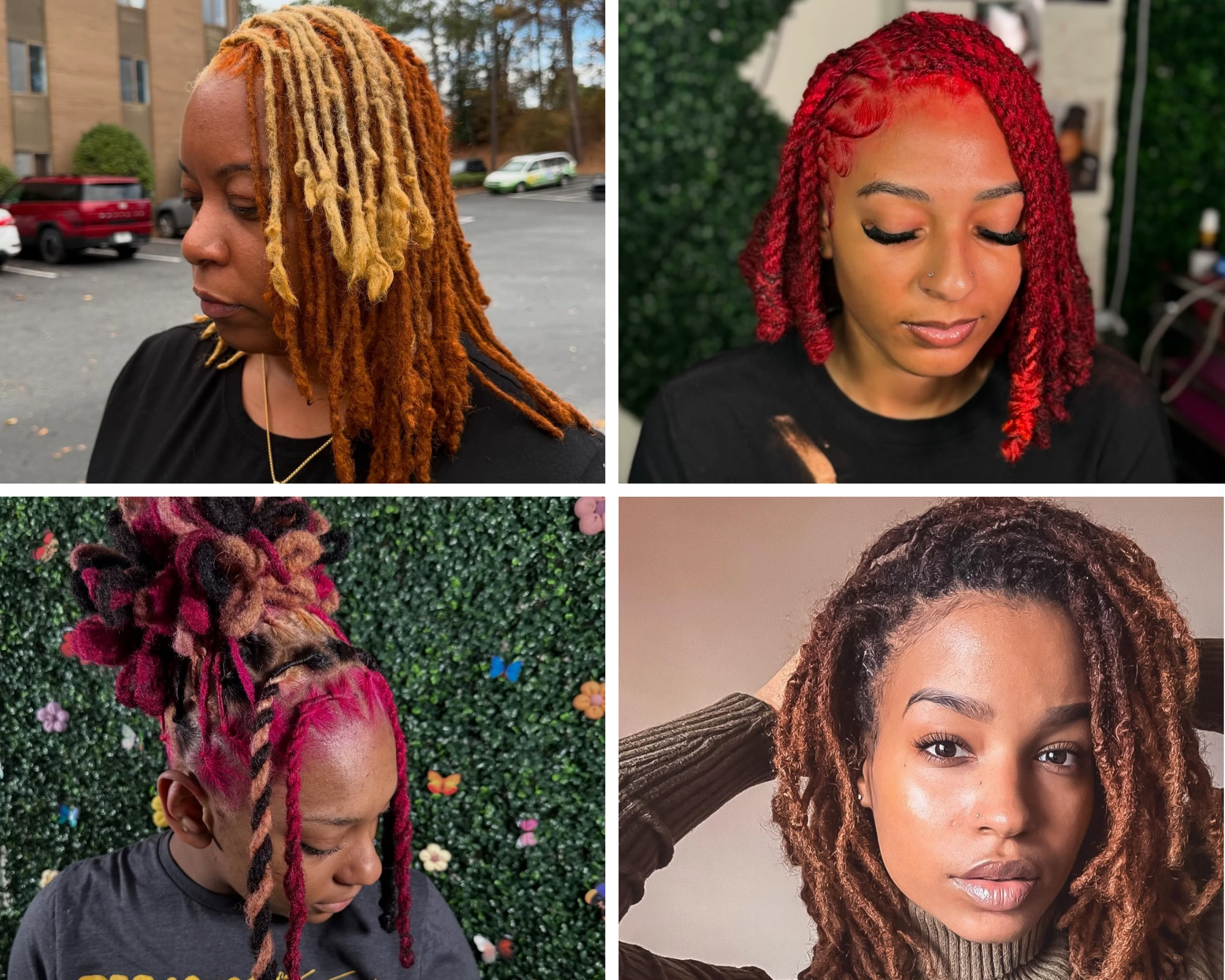
Standing in the mirror, you’ve probably stared at your locs and wondered if they could look like something else.
Maybe you scrolled past someone with honey blonde locs and felt a spark of “why not me?” Then reality set in: bleach damage, dryness, breakage near your roots. Color feels risky when your hair took years to grow.
Locs aren’t like loose hair, so the usual dye advice doesn’t always apply. Getting it right means understanding your hair’s health, your maintenance routine, and which shades actually complement your skin.
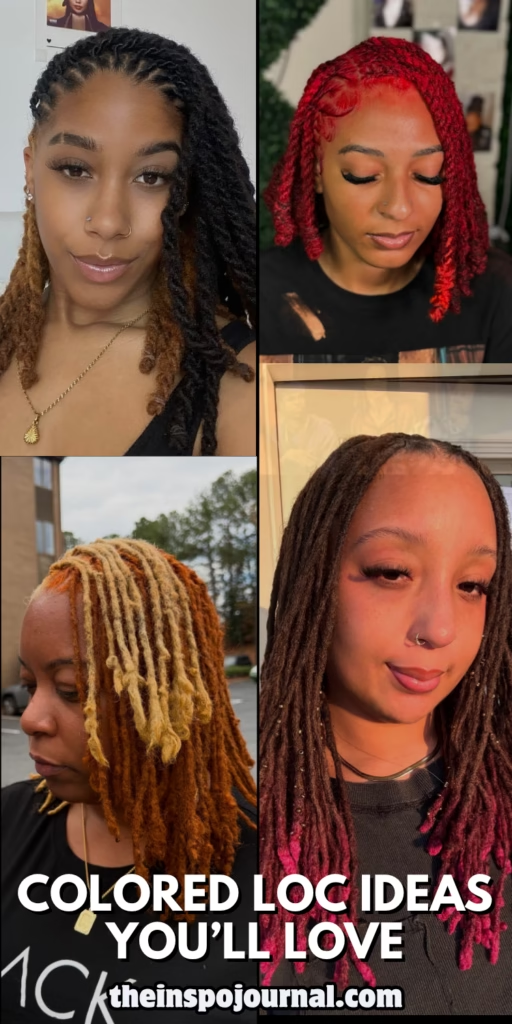
Thirty-nine women have already found colors that work, from soft honey blonde to deep auburn. Their results, their tips, and their mistakes are below.
Copper Auburn Locs with Fresh Root Retwist
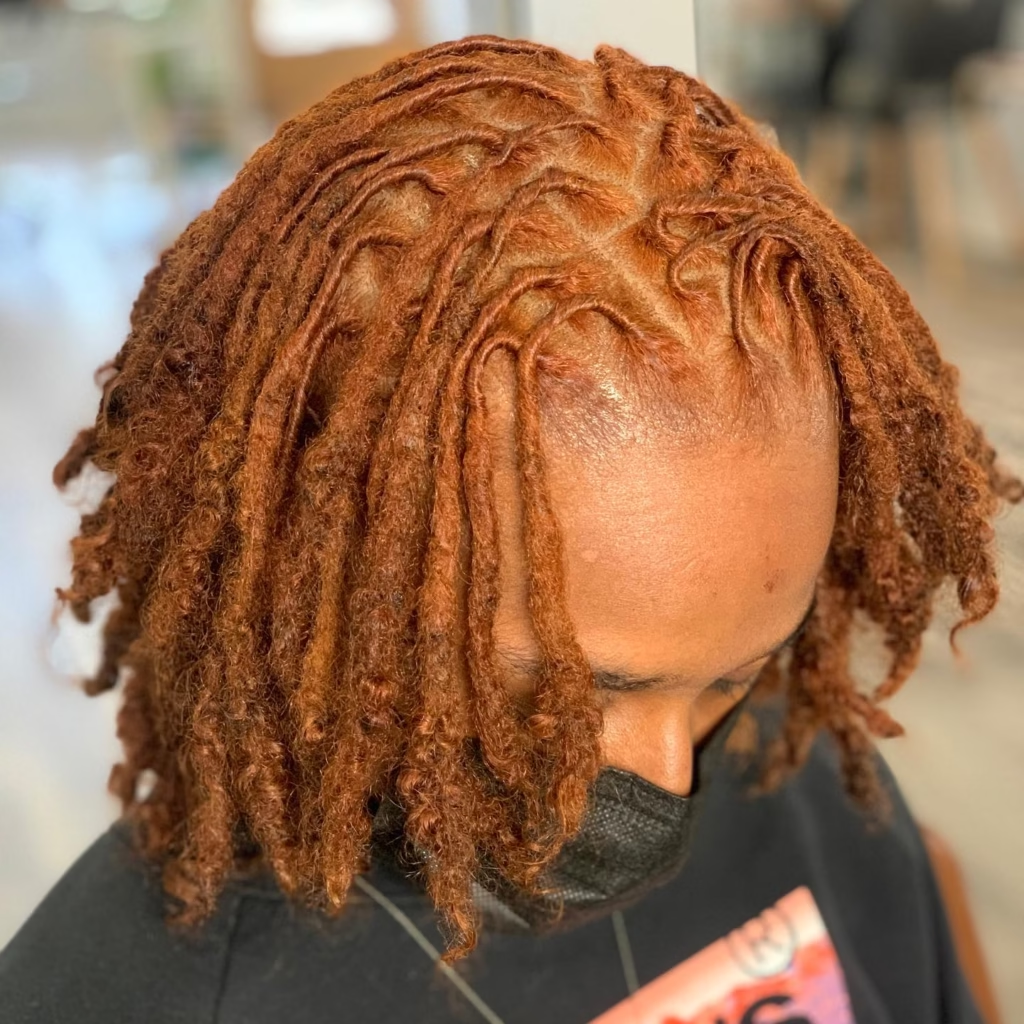
This copper-auburn shade sits somewhere between red and brown, warm enough to catch light without looking unnatural. Fresh retwists near the scalp keep each loc neat and separated, which matters more as locs mature and roots get fuzzy.
Ends stay full and curly instead of tapered, giving movement at the shoulders. Rich color like this hides new growth longer between touch-ups, saving time and money on maintenance.
Save for later How to Start Locs for Beginners Step by Step: A Simple Guide for Your First 90 Days
Chestnut Brown Locs with Dark Root Melt

Chestnut brown covers most of this shoulder-length style, warming into a copper glow toward the tips under studio lighting. Roots stay a deeper shade, blending so smoothly into the lighter brown that there’s no visible line where color starts.
Even sections part cleanly down the middle, framing the face symmetrically. Medium-thickness locs fall smoothly with minimal frizz.
Root melt techniques like this one make regrowth nearly invisible, stretching time between salon visits without sacrificing that dimensional, sun-kissed look.
Golden Blonde Roots Fading into Copper Ends
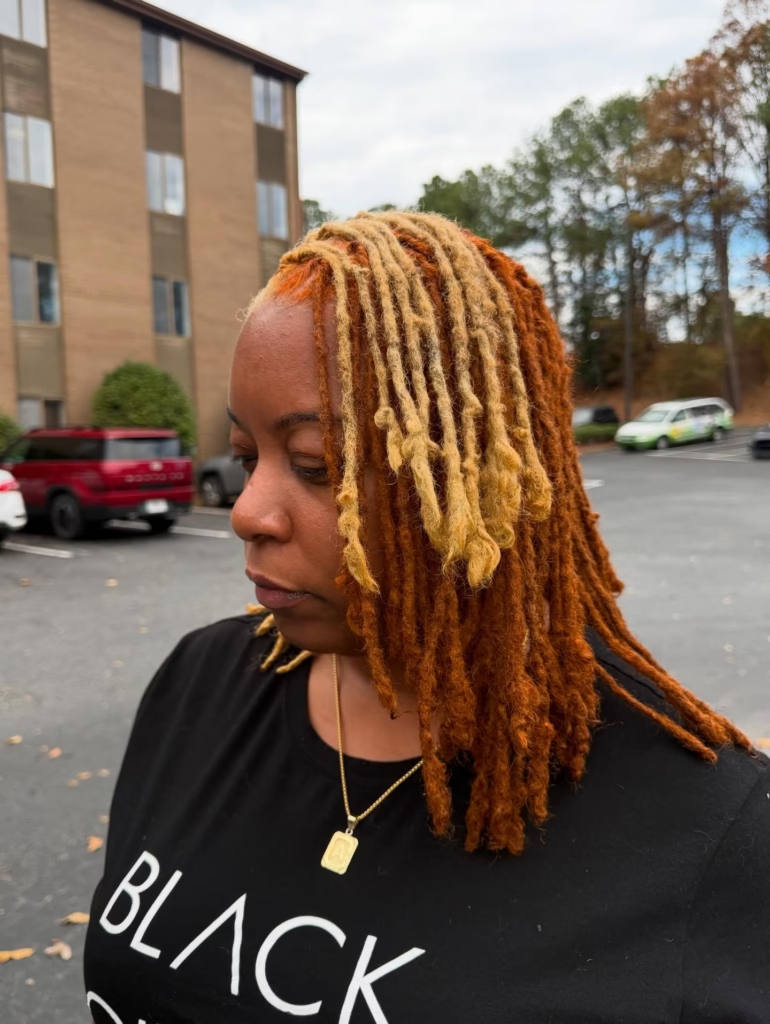
Golden blonde takes over the top section of hair while a warm copper orange moves in near the ends, flipping the usual dark-to-light pattern most people expect.
Medium-thickness locs frame the face nicely, resting right at cheek level on the shorter side. Fullness carries all the way down without thinning out toward the tips.
Outdoor natural light shows off both tones clearly, since they sit far enough apart to read as two distinct colors. This reverse gradient draws attention upward toward the face instead of down toward the ends.
Pin this post High Bun Locs Hairstyles: 14 Show-Stopping High Bun Styles for Loc Wearers
Split Wine and Sunset Ombré Curly Locs

One side stays deep wine red while the other transitions from dark roots into golden orange and yellow, splitting the whole head into two distinct color stories.
Crimped, wavy texture runs through both sides, giving these curly locs serious volume and softness. Front pieces curve close to the face, framing it from multiple angles at once.
Warm tones on the sunset side move gradually rather than blocking off sharply. Split coloring like this lets someone commit to bold color on one side while keeping things more grounded on the other.
Brown Locs with Bold Hot Pink Dipped Ends
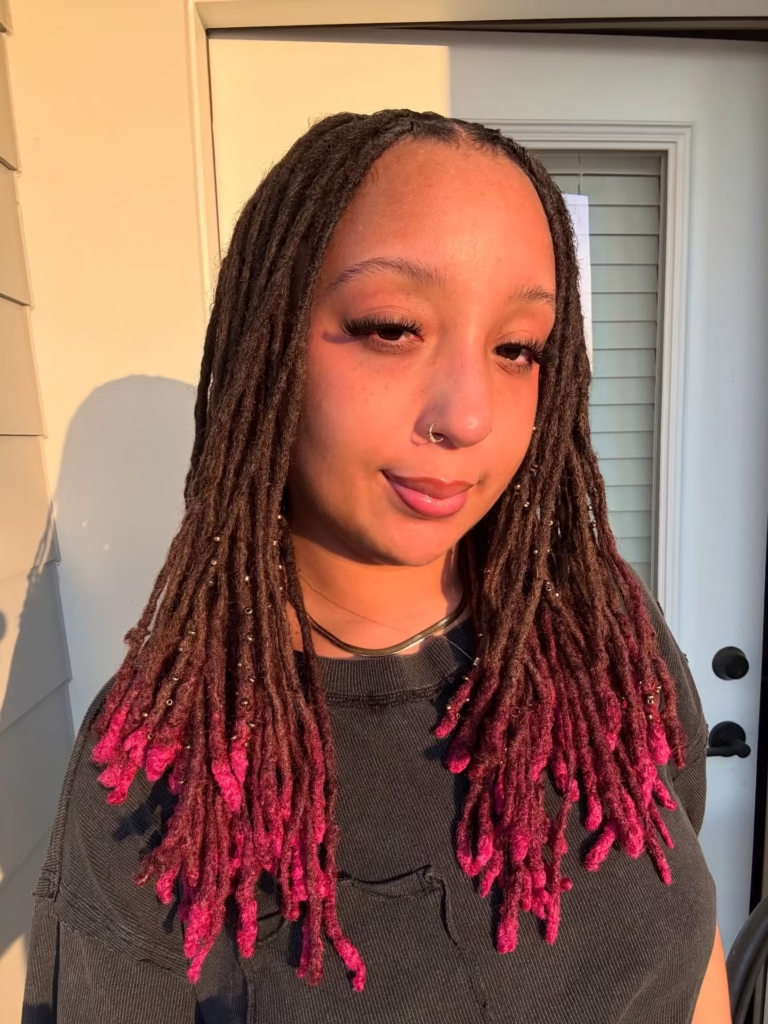
Natural brown covers the top and midsection of these locs, keeping most of the length low-key. Bright hot pink takes over the last few inches, creating a sharp pop of color that’s impossible to miss.
Gold beads scattered throughout catch sunlight and add subtle sparkle against the darker brown. Center-parted locs frame the face evenly on both sides.
Dipping just the ends means the bold color can be changed or removed later without touching the healthy, undyed hair closer to the root.
You may enjoy reading How to Maintain Locs at Home Between Salon Visits Without Dryness, Buildup, or Thinning
Wine and Orange Locs Gathered into a Low Ponytail
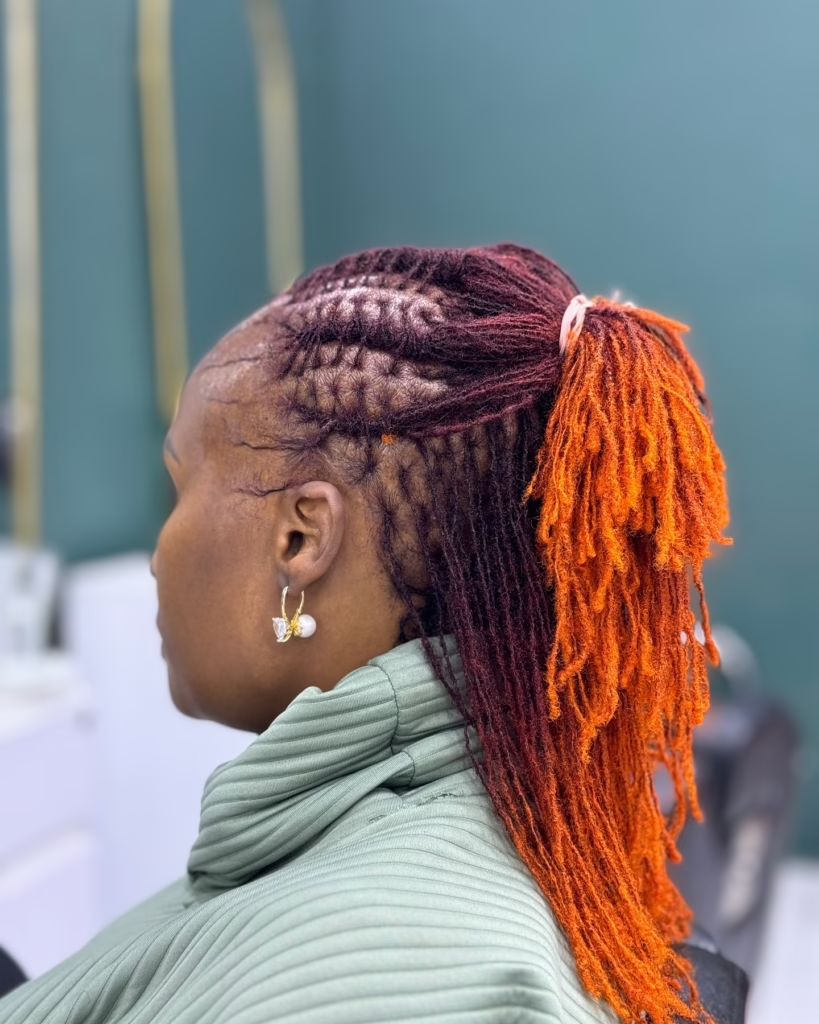
Deep wine covers the sleek, flat-twisted roots while bright orange takes over once locs reach the ponytail. Small elastic band gathers everything into one low, secure tail at the nape.
Root twists lay close and even, giving a clean base before the color shift happens. Fullness in the tail lets the orange shade really stand out against her green top.
Splitting color between roots and ends this way makes touch-ups easier, since only the twisted section near the scalp needs regular attention.
Cherry Red Wavy Faux Locs with Middle Part
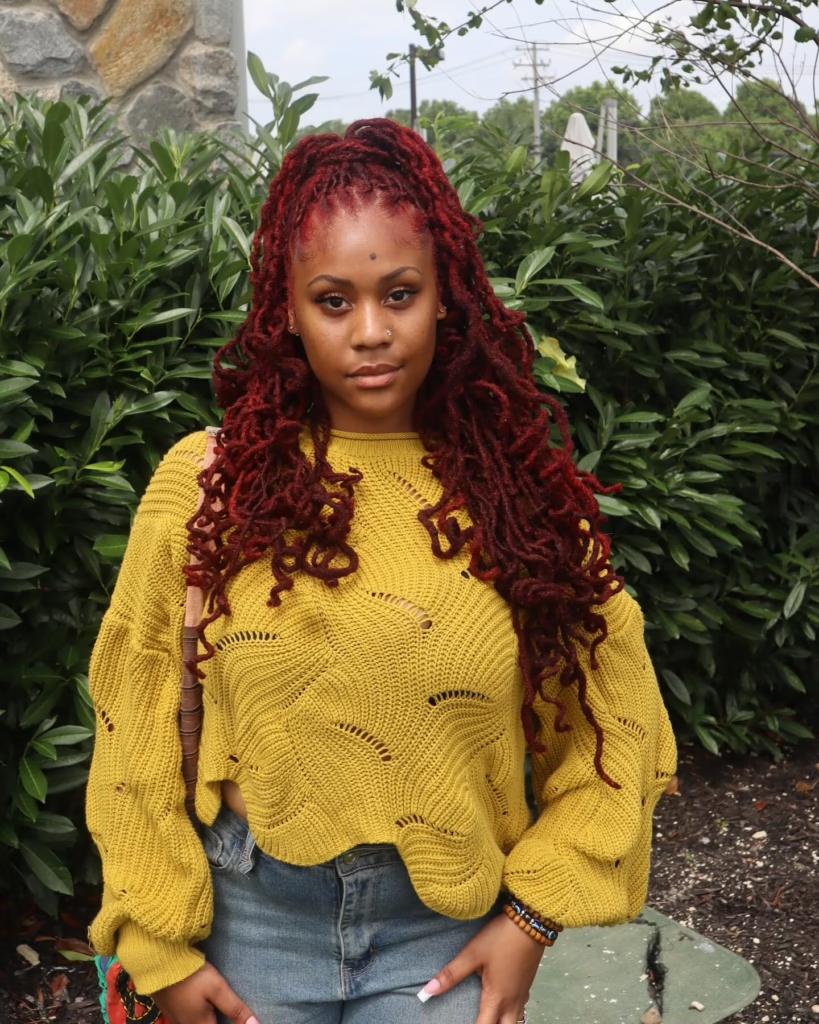
Cherry red covers this entire style, deep and glossy enough to shine even under cloudy skies. A center part frames the face evenly, letting soft face-framing pieces fall past the collarbone on both sides.
Loose waves and curls run down the whole length, giving these faux locs a bouncy, textured finish rather than a tightly locked one. Length past the chest adds serious volume.
Bold red against warm skin tones creates natural contrast, making the color read as vibrant rather than washed out in photos.
Check out Short Locs Styles for the Holidays: 10 Festive Looks for the Season
Half Black, Half Golden Blonde Split Locs

One side of this head stays natural black while the other transitions into a warm golden blonde, creating a sharp color block instead of an even blend. Thick, healthy locs hold their shape well against the wind outdoors.
Curled tips add texture at the ends without looking overdone. Bright sunlight makes the color divide read clearly from any distance.
Splitting color by section like this offers a dramatic effect while limiting the bleached portion to roughly half the head, cutting overall damage in half too.
Wine Burgundy Locs with a Silver Cuff Accent

Wine burgundy saturates this full head, deep enough to catch dramatic light shifts between garnet and near-black. Sleek roots lie flat against the scalp before falling into full, rounded locs down the back.
One small silver cuff sits partway down a single strand, a subtle detail against all that color. Even thickness runs throughout, keeping the style looking polished rather than uneven.
Sunlight really brings out the red undertones in this shade, making outdoor photos the best way to show off the true depth of the color.
Continue reading 37 Beautiful Starter Loc Styles That Will Make You Love Your Hair at Every Stage
Bright Red Bob Locs with Zig-Zag Middle Part

Bright, saturated red covers this entire bob-length style, bold enough to dye the surrounding skin slightly at the part. A sharp zigzag part divides the crown into two clean sections, adding a decorative touch beyond a standard straight line.
Coily texture stays consistent from root to tip, keeping the whole shape rounded and full. Length grazes the shoulders evenly on both sides.
Full saturation like this means the color shows even when strands overlap, since there’s no lighter base peeking through underneath.
Black Roots, Burnt Orange Ends: The Dip-Dye Loc Look

Roots stay natural black here, untouched by dye, while color shifts into a bold burnt orange a few inches down.
This dip-dye method skips bleaching the scalp area, protecting the most fragile part of each loc. Thin, well-defined locs make that color transition look sharp instead of blurry.
Curled, coiled tips add texture and keep the ends from falling flat. Skipping root color means fewer touch-ups and way less damage where hair grows fastest and breaks easiest.
See also How to Do a Locs Updo at Home: Step-by-Step Guide for Beginners
Purple Locs Styled into a Half-Up Faux Hawk
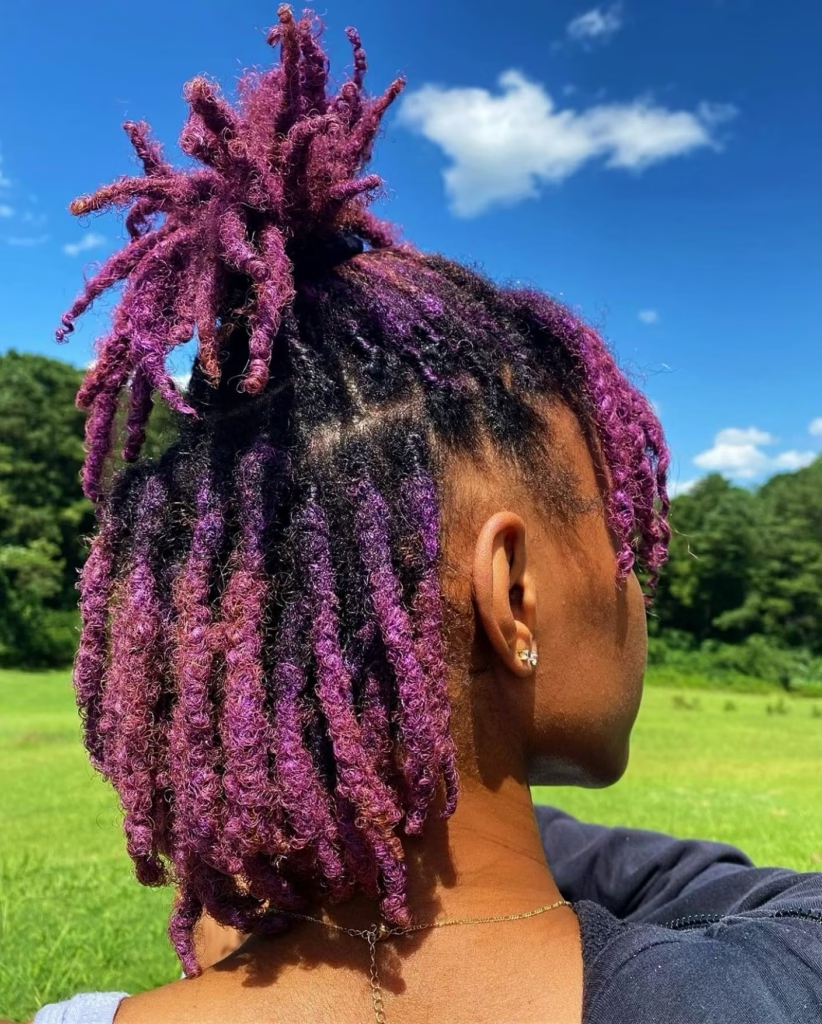
Purple saturates most of these locs, shifting between deep violet and lighter lavender depending on how the sunlight hits each strand. Black roots peek through near the scalp, showing the natural base underneath the dye.
Top sections gather into a high half-up style, letting curled tips fan out freely at the crown.
Remaining locs hang loose down the back, full and springy. This half-up setup lets bold color show from every angle while still keeping hair off the neck on warm days.
Auburn Mohawk Locs with Diamond Parted Sides
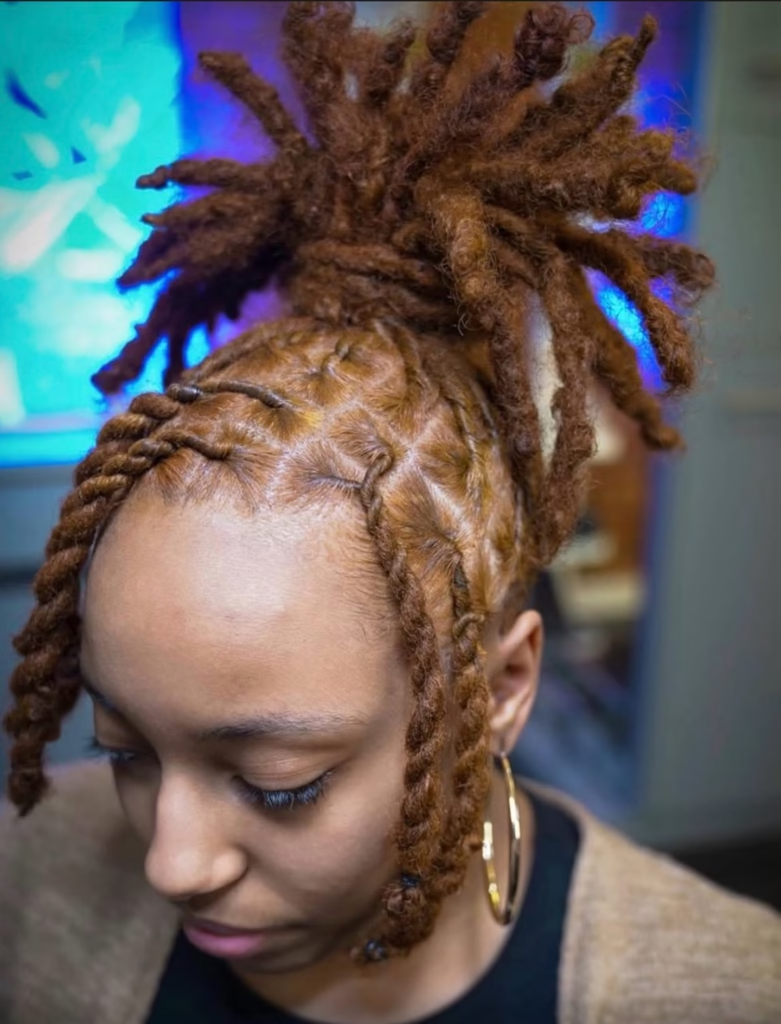
Locs stand upright at the crown in a spiky mohawk shape while the sides lay flat, twisted close to the scalp in a diamond parting pattern.
Warm auburn color covers every strand evenly, giving the style a cohesive glow from root to curled tip. Flat sides keep hair off the face and neck.
Height on top adds drama without needing extra product. This shape works well for anyone wanting an edgy look that still keeps length manageable underneath.
Check out 45 Half Up Half Down Locs Styles for Black Women That Give You the Best of Both Worlds
Golden Blonde Locs with Micro Retwist Roots
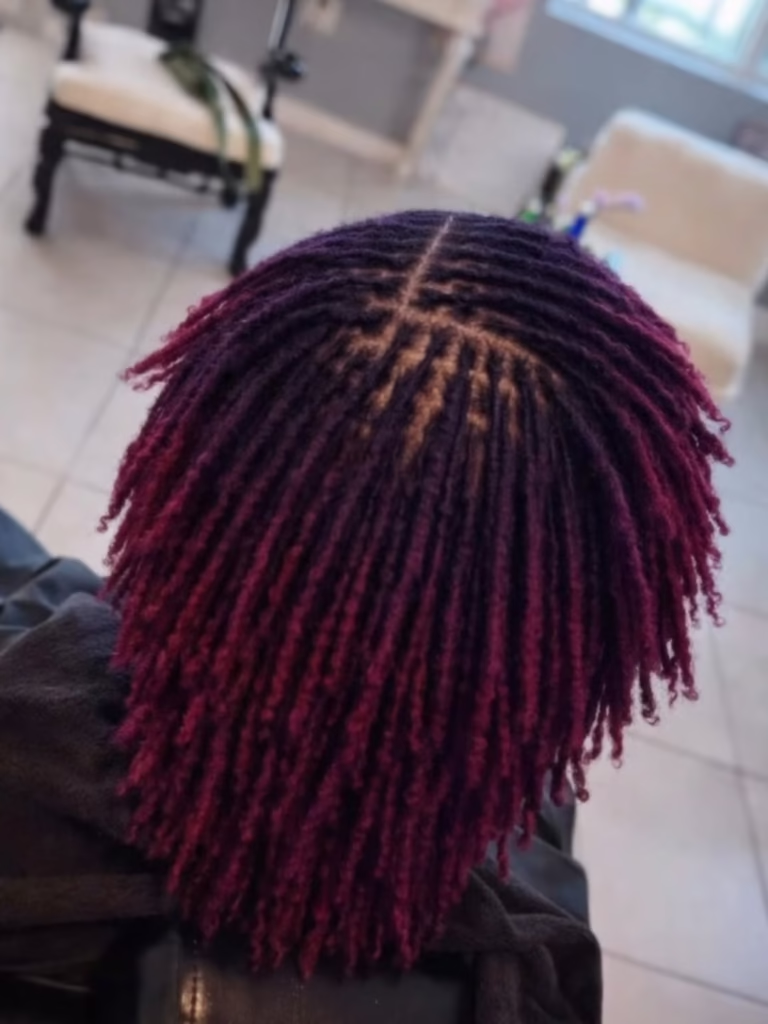
Golden blonde covers this full head of locs, bright enough to stand out but still warm rather than icy. Tiny, tight retwists at the roots keep new growth controlled and blend smoothly into the color.
Medium thickness runs consistently down each strand, giving a clean, uniform look overall. Length falls past the chest, adding serious flow and movement.
Blonde this light needs regular deep conditioning to fight dryness, since lifted hair loses moisture faster than darker shades.
Curly Auburn Faux Locs with Slick Cornrow Roots

Warm auburn covers this style top to bottom, sitting closer to orange-red under indoor lighting. Cornrows braided flat against the scalp near the crown transition into loose, curly locs partway down, a common technique for faux or crochet locs.
Curl definition stays strong throughout the length, giving movement most traditional locs don’t have until much later in the journey.
Face-framing pieces fall naturally near the cheeks. Curly faux locs like these let someone test a color and texture combo without committing to permanent chemical treatment.
Read more Loc Styles for the Budding Stage: 12 Looks That Celebrate Your Loc Journey
Deep Burgundy Bob Locs with Clear Beads

Deep burgundy covers this bob-length style, dark enough to hint at brown but rich enough to still read as bold color. Clear glass beads slide onto a few select strands, catching light without competing with the hair color.
Curly, springy ends bunch at the crown while the rest falls into a smooth, chin-length shape. Fullness stays consistent all the way around, giving the bob real body.
Shorter locs like these make color changes less of a commitment, since there’s simply less hair to grow out or maintain.
Black Locs with Golden Brown Peekaboo Ends
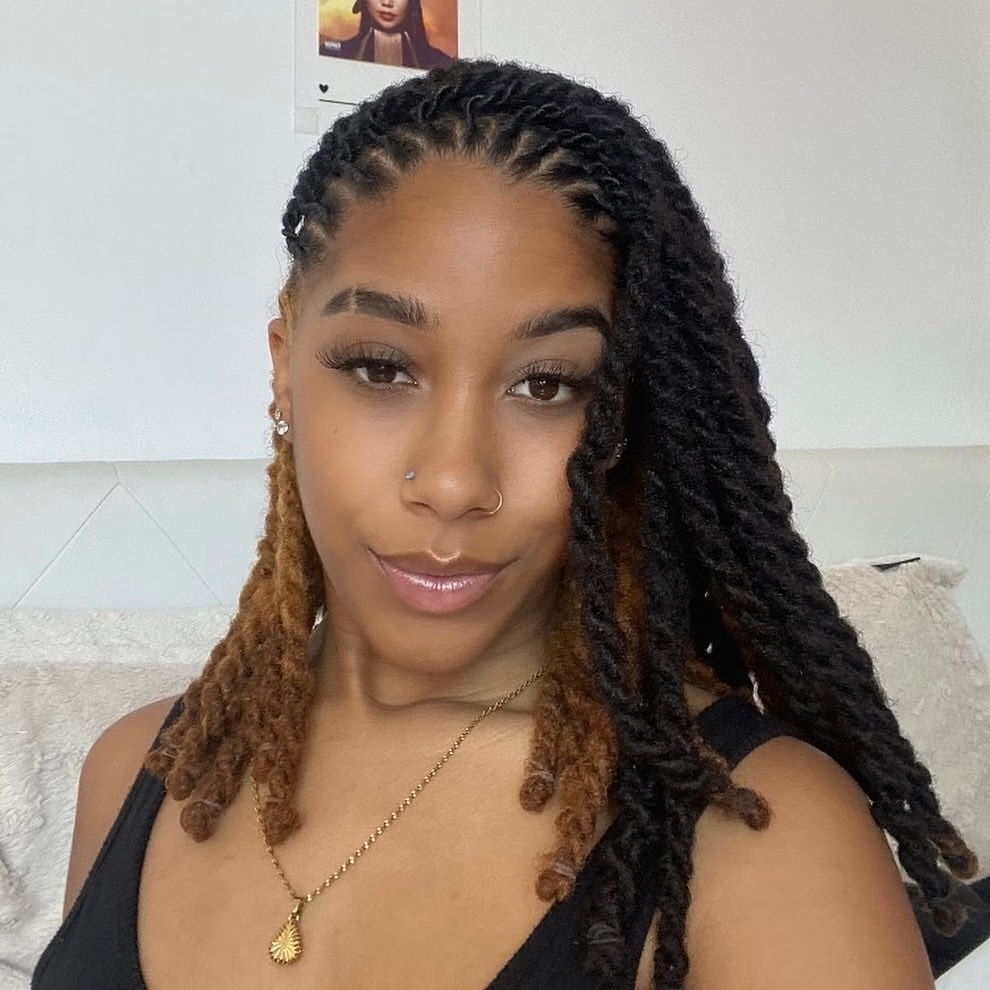
Solid black covers most of these locs, letting a warm golden brown take over only at the very ends. Cornrowed sections near the crown transition smoothly into loose, twisted locs below.
Fullness stays consistent past the shoulders, giving real weight and swing. Contrast between the black base and lighter tips shows clearly on both the front pieces and the ones falling behind.
Coloring just the ends keeps the look versatile, since gathering hair up hides the color while wearing it down reveals it.
Bookmark for later 6 Mistakes Parents Make When Starting Their Child’s Locs (And How to Avoid Them)
Rust Red Curly Faux Locs with Curtain Bangs

Rust red covers this shoulder-length style, warm enough to shift toward brown in shadow and glow copper under direct light. Curly, textured strands frame the face on both sides like soft curtain bangs, softening the whole look.
Tight coils run from root to tip, giving these faux locs real bounce and movement. Center part keeps the style symmetrical.
Curtain-style framing like this flatters most face shapes, since the curved pieces draw attention naturally toward the eyes and cheekbones.
Pink, Peach, and Black Locs in a Sculptural Flower Bun

Hot pink, soft peach, and jet black locs twist together at the crown, coiled and looped into a shape that mimics flower petals. Front-facing locs hang loose in twisted strands, framing the face while the top stays sculptural and structured.
Bright pink dye even bleeds slightly onto the scalp near the part, a common effect with vivid semi-permanent color. Contrast between the loose front pieces and the piled-up crown gives real dimension.
Playful color combos like this turn an updo into a real art piece instead of a simple hairstyle.
See now Bob Locs for Women in Their 30s: Polished Styles That Feel Grown, Soft, and Intentional
Deep Wine Red Locs with Grid-Pattern Retwist

Deep wine red saturates every strand here, dark enough to read almost black indoors but glowing burgundy under direct light. A neat grid of small square sections keeps the retwist pattern crisp and organized across the whole scalp.
Fresh root work shows barely any exposed regrowth. Thick, healthy locs fall with real weight down the back.
Wine tones like this photograph beautifully in changing light, shifting between deep red and near-black depending on the angle and time of day.
Copper Locs with Black Root Shadow

Copper orange runs down most of each loc while black roots stay untouched, forming a shadowed base that blends into the color naturally. Thick, springy locs hold shape well and add real fullness throughout.
Coily texture stays consistent from root to end, giving movement instead of stiffness. Sunlight through the car window shows off warm undertones hiding in the copper.
Skipping color at the root means way less upkeep, since regrowth simply matches the natural black already there.
Read also 25 Cute Short Locs Hairstyles That Prove Short Is Always Stunning
Rainbow Ombré Curly Locs from Blue to Gold
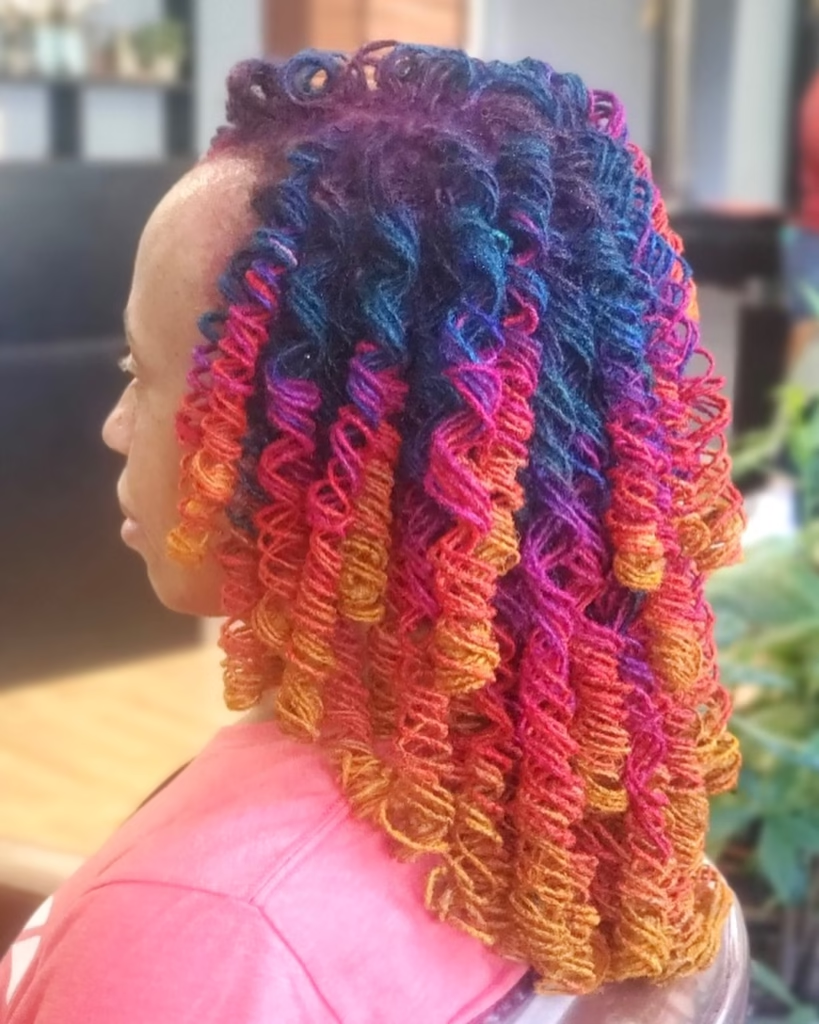
Blue and purple start at the roots, shifting through pink and coral before landing on warm gold near the ends, one continuous rainbow gradient rather than separate blocks.
Zigzag crimping runs through every strand, giving these curly locs a springy, accordion-like texture. Fullness builds dramatically toward the bottom where the lighter shades cluster.
Slicked roots keep the base neat before the color explosion begins. Multicolor gradients like this show every shade clearly since the crimped pattern catches light from countless angles at once.
Caramel Two-Strand Twist Locs with Dark Root Shadow
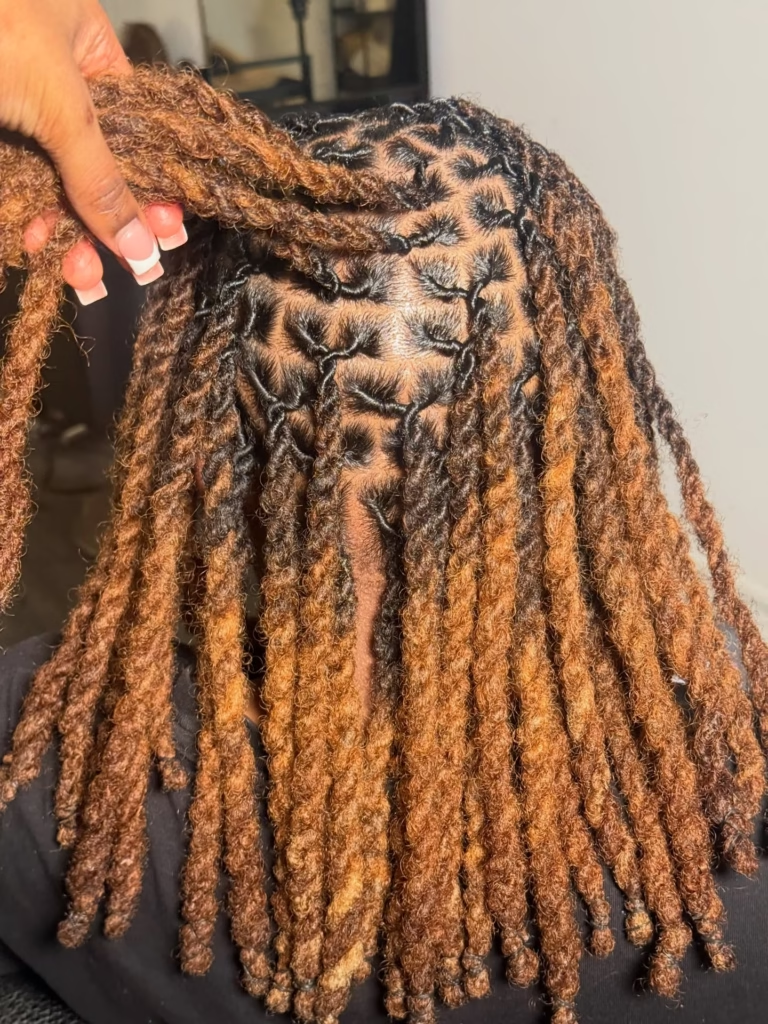
Caramel brown covers most of each loc while the roots stay a shade darker, creating soft dimension instead of one flat color. Two-strand twisting gives these locs a tight, rope-like pattern that looks polished right after installation.
Uniform thickness throughout makes the whole head look consistent, section to section. Ends curl gently rather than staying blunt.
Darker roots buy extra time before a touch-up is needed, which saves both money and hours in the chair.
See now Locs Styles for Black Women This Fall: 14 Cozy and Chic Looks for the Season
Burgundy Bob Locs with Slicked Side Part
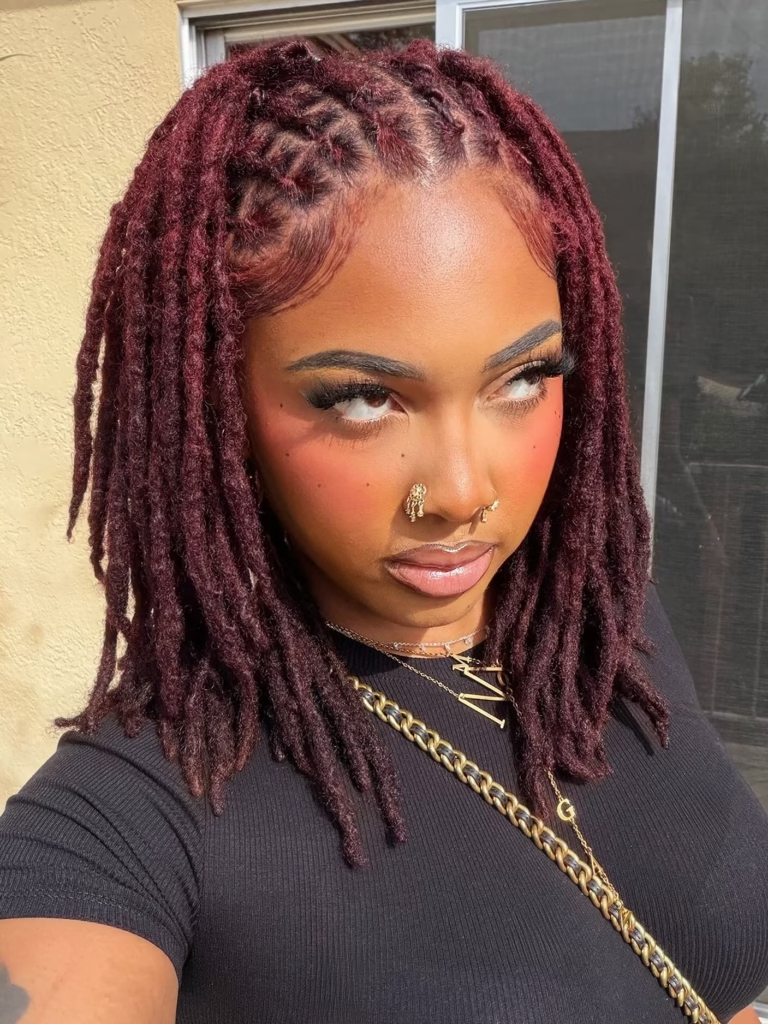
Burgundy takes over this shoulder-length bob, dark and rich enough to look almost black in shadow, then wine-red under direct sun.
A deep side part sits slicked flat near the crown, keeping baby hairs smooth before the fuller locs take over. Even thickness runs down each strand for a clean, uniform finish. Length hits right around the collarbone.
Bob-length locs like these hit a practical sweet spot, offering enough hair for bold color to show while keeping daily styling simple.
Bubblegum Pink Locs Wrapped into a High Puff
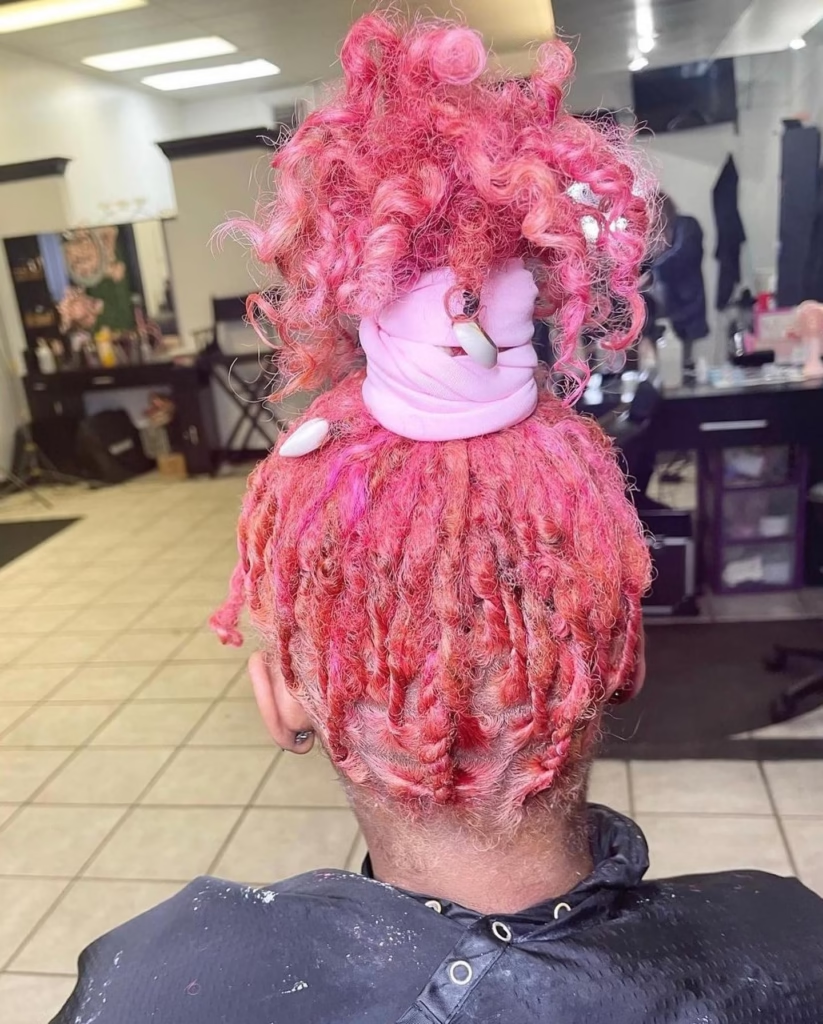
Bubblegum pink saturates this entire style, bright and playful enough to look almost cartoonish under salon lighting.
A fabric wrap secures the base of a high, curly puff, keeping loose curls contained while still showing off major volume up top. Locs coil freely at the crown while the lower section hangs full and coily near the neck.
Fresh scalp visible near the nape shows how new this color and set both are. Wrapped bases like this protect edges while styling, letting curly ends stay the star of the look.
Black Locs with Peekaboo Red Underneath

Solid black covers most of this head, letting bright red show through only in random glimpses along random locs. Peekaboo color like this hides itself when hair sits flat, then reveals red with every turn of the head or gust of wind.
Full, thick locs give plenty of surface for the hidden color to peek through. Shoulder-length ends stay full instead of tapering off.
Placing color randomly instead of in a pattern keeps this look feeling playful rather than perfectly planned, which also means fewer touch-ups since only certain locs need attention.
Check out High Bun Locs Hairstyles: 14 Show-Stopping High Bun Styles for Loc Wearers
Bold Cherry Red Locs with Fresh Instant Loc Sections
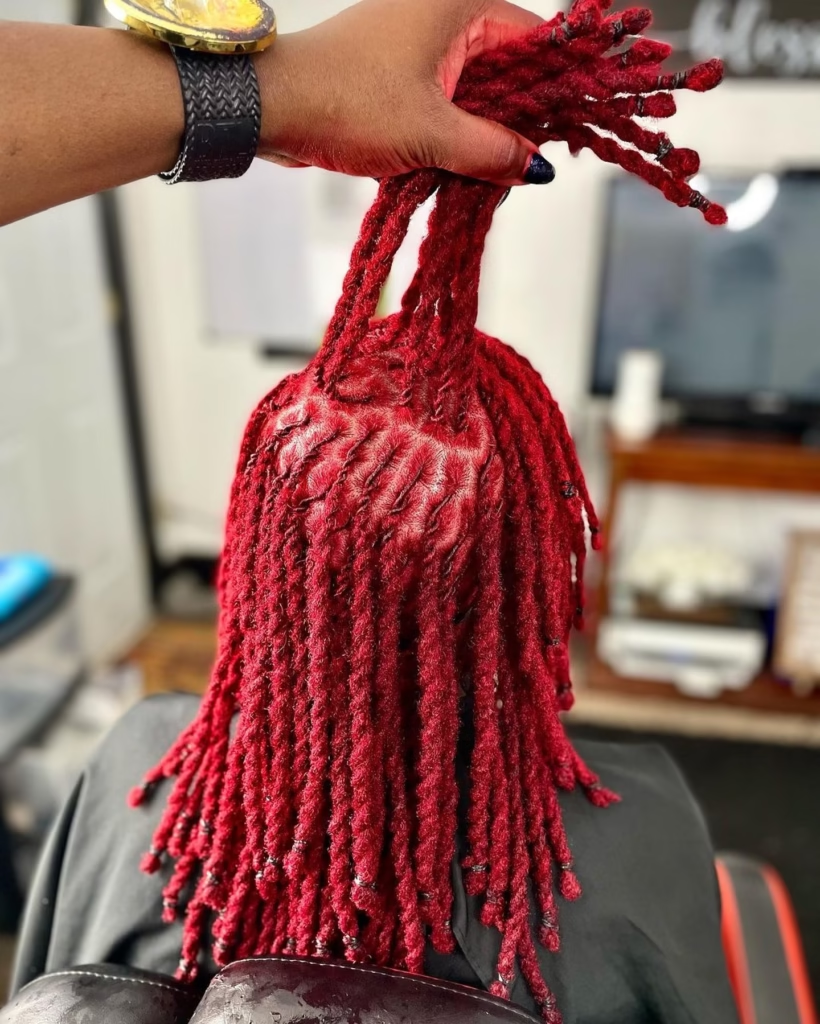
Vivid cherry red covers this full head of thin, uniform locs, saturated enough to look almost velvet under salon lighting.
Small rubber bands secure each tip, a common technique for instant or interlocked locs still settling into their pattern. Sections stay tight and consistent from root to end, showing careful parting work.
Fullness at the crown gives real volume once it falls into place. Bold red like this makes a statement, but it fades faster than natural shades, so regular color refreshing keeps it vibrant.
Golden Amber Locs with Curled, Full Ends
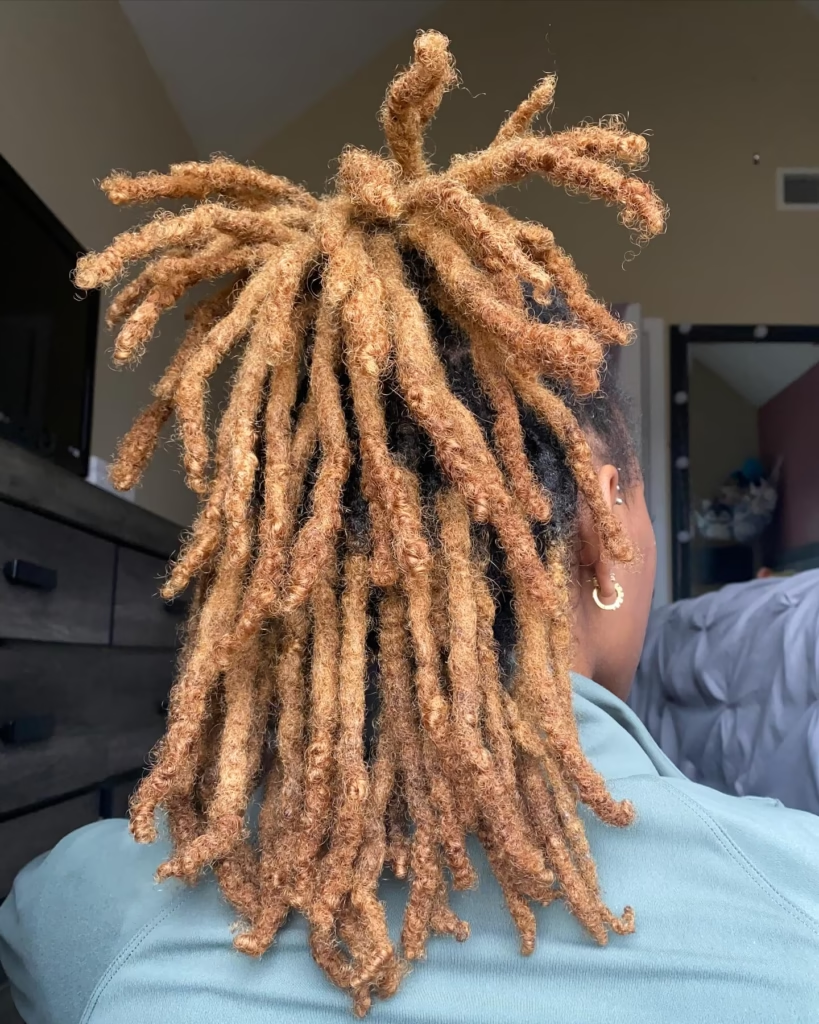
Golden amber saturates most of the length here, warm and honey-toned under indoor lighting. Roots stay their natural dark shade, giving a subtle contrast where the color transition begins.
Full, fluffy locs curl outward at the tips instead of hanging straight, creating volume near the top. Shoulder-grazing length keeps the style manageable while still showing off plenty of color.
Curled ends like these catch more light than straight ones, making the amber shade look brighter and more dimensional overall.
Black Curly Locs with Bold Pink and Orange Yarn-Wrapped Bangs

Black springy curls make up most of this style, coiling tight from root to end for a bouncy, voluminous shape.
Thick yarn-like wraps in hot pink, magenta, and orange form a fringe of face-framing pieces across the forehead, standing out sharply against the black. Wrapped sections stay rigid and sculptural compared to the looser curls elsewhere.
Fullness surrounds the whole head like a mane. Wrapping just the front pieces in color lets someone experiment boldly without dyeing the entire head.
Deep Purple Locs Styled into Double Buns
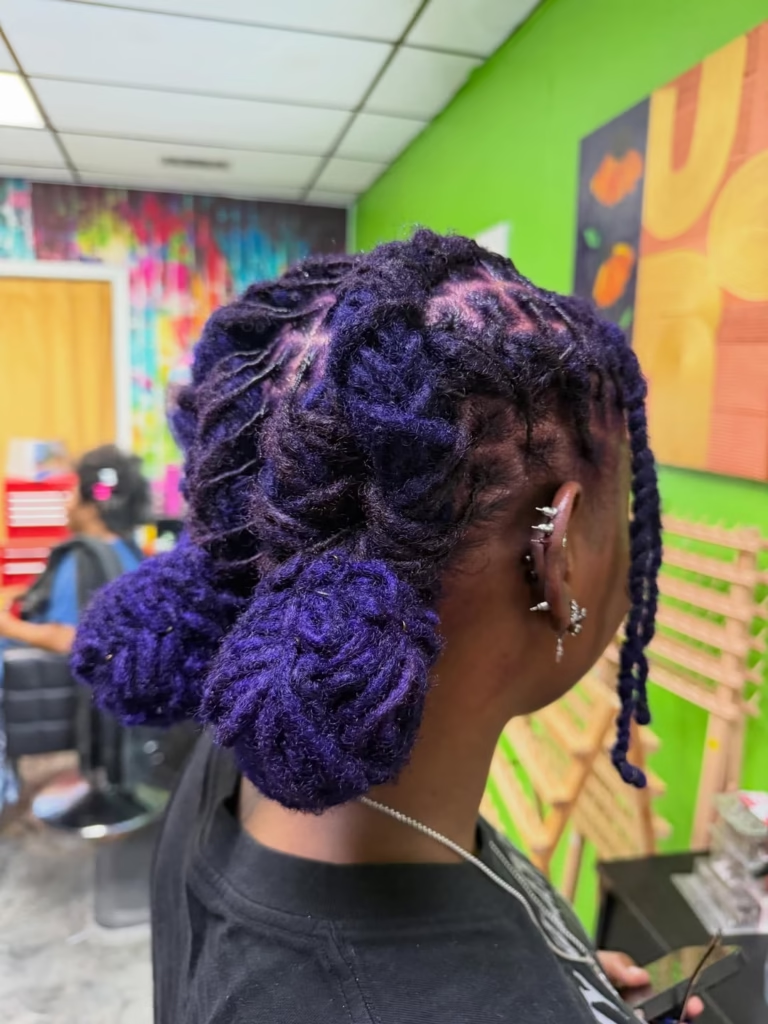
Rich indigo purple saturates every strand, dark enough to shift toward black in shadow but bright violet under direct light. Two round buns sit low near the nape, each one coiled tight and neat.
Braided sections lead into the buns, keeping the top smooth and controlled. One loose loc hangs free near the ear, adding a little movement to an otherwise structured style.
Dark, saturated purple like this holds its vibrancy longer than lighter shades since there’s more pigment locked into each strand.
Blunt Cut Sisterlocks in Warm Copper

Copper red covers this head evenly, deep and rich without any orange undertones taking over. Micro-sized sisterlocks fall in a straight, uniform curtain from a clean center part.
Blunt ends give the whole style a crisp, precise finish rather than a wispy one. Tiny metal beads catch light throughout the length, adding quiet detail without overwhelming the color.
Blunt cutting like this shows off saturated color especially well, since every strand ends at the same clean line and reflects light evenly across the whole head.
Deep Plum Locs with a Sharp Middle Part
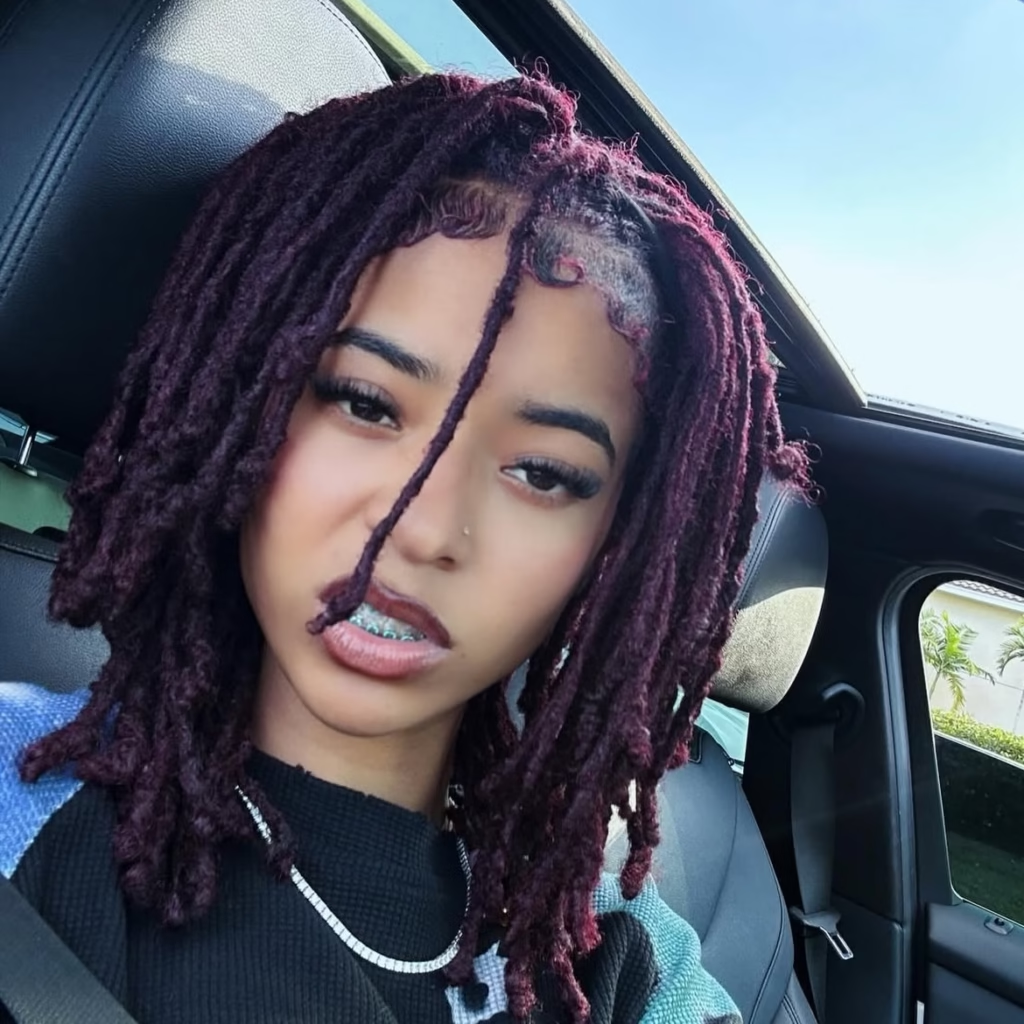
Deep plum, almost wine-toned, saturates every visible strand from root to end. A crisp middle part splits the style evenly, with one loc falling right along the center of the forehead for a bold, symmetrical frame.
Curl definition softens near the roots where new growth hasn’t fully locked yet. Shoulder-length locs curve naturally around the face on both sides.
Color this dark reads almost black in low light, then flashes purple-red the moment sun hits it directly.
Long Sleek Locs in Rich Auburn
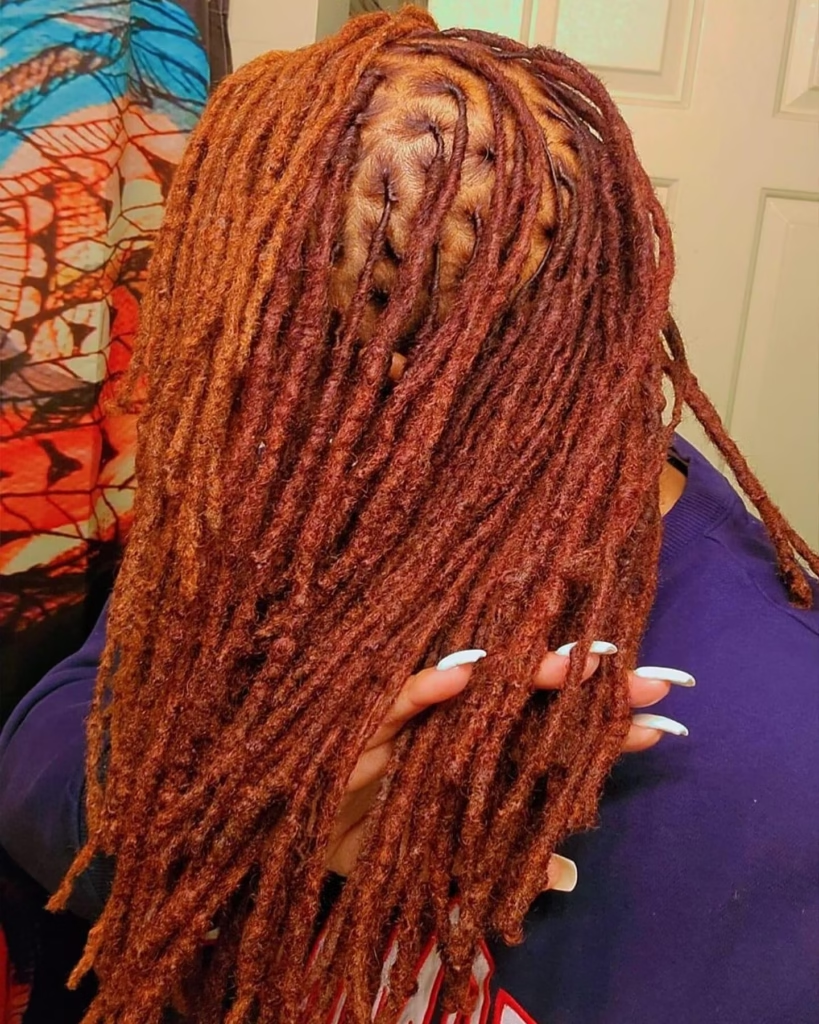
Deep auburn runs from root to tip on these long, sleek locs, giving off a warm reddish-brown that reads almost like a natural redhead’s shade. Thin, uniform sections keep every loc smooth and consistent down the length.
Neat parts near the crown show off freshly maintained roots without any bulk or frizz. Length past the shoulders adds serious weight and swing when she moves.
Auburn like this works especially well against darker skin tones, pulling warmth to the surface without looking harsh.
Magenta Locs Piled High in a Voluminous Top Knot

Magenta and purple tones blend together across this entire style, saturated enough to catch light from every angle. Most locs gather into a large, textured bun at the crown, letting curled ends splay outward for extra volume.
A few thin locs hang loose near the ear and neck, softening the overall shape. Fullness at the top makes this style feel bold without needing much length.
Piling color this vivid into a high bun turns hair into the main accessory, no extra jewelry needed.
Black and Caramel Chunky Highlight Locs

Chunky caramel-brown locs run through a base of jet black, spaced out like highlights instead of blended all over. Full, thick sections give each strand real weight and volume.
Sitting shoulder-length, this cut keeps things manageable while still showing off color. Placement matters here, streaks fall throughout the head rather than clustering in one spot, so the contrast reads from every angle.
Partial color like this cuts down on maintenance since only certain locs need touch-ups, not the whole head.
Purple-to-Pink Ombré Goddess Locs
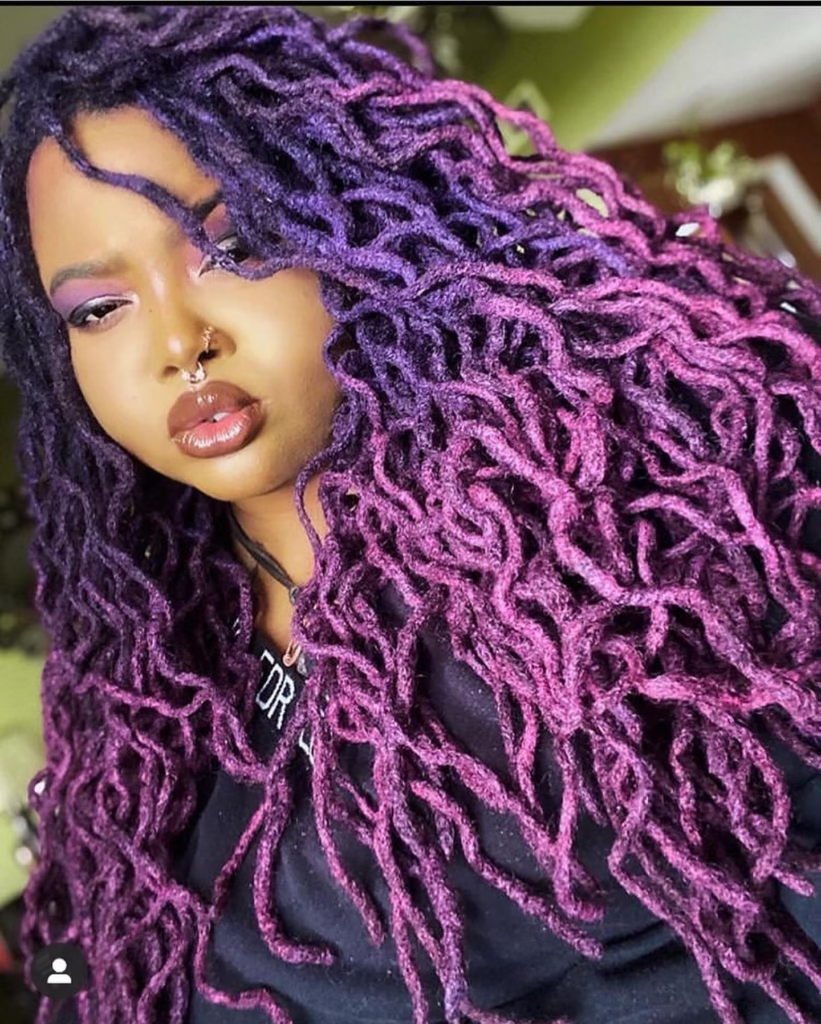
Deep purple begins near the roots and shifts into vivid magenta by the ends, creating a smooth two-tone gradient across the whole head. Crimped, wavy texture runs through every strand, giving these goddess locs a soft, romantic movement instead of a straight or coily finish.
Volume builds dramatically toward the bottom, where the pink tones concentrate most. One face-framing piece falls loosely near the eye, adding a bit of edge.
Wavy texture like this makes color transitions look extra smooth, since the crimped pattern blends shades together naturally as light moves across each curve.
Ombré Sisterlocks in Honey Blonde and Copper

Dark roots melt into honey blonde and copper tones by the midshaft, creating a natural ombré that grows out gracefully.
Thin, micro-sized sisterlocks give this style incredible movement and a soft, flowing texture. Tiny metal cuffs scattered throughout catch the light and add subtle detail.
Ends taper thin and wispy rather than blunt. Gradual color placement like this means less frequent salon visits, since new growth blends right into the darker base instead of showing a sharp line.
Multicolor Locs in Black, Teal, Burgundy, and Tan
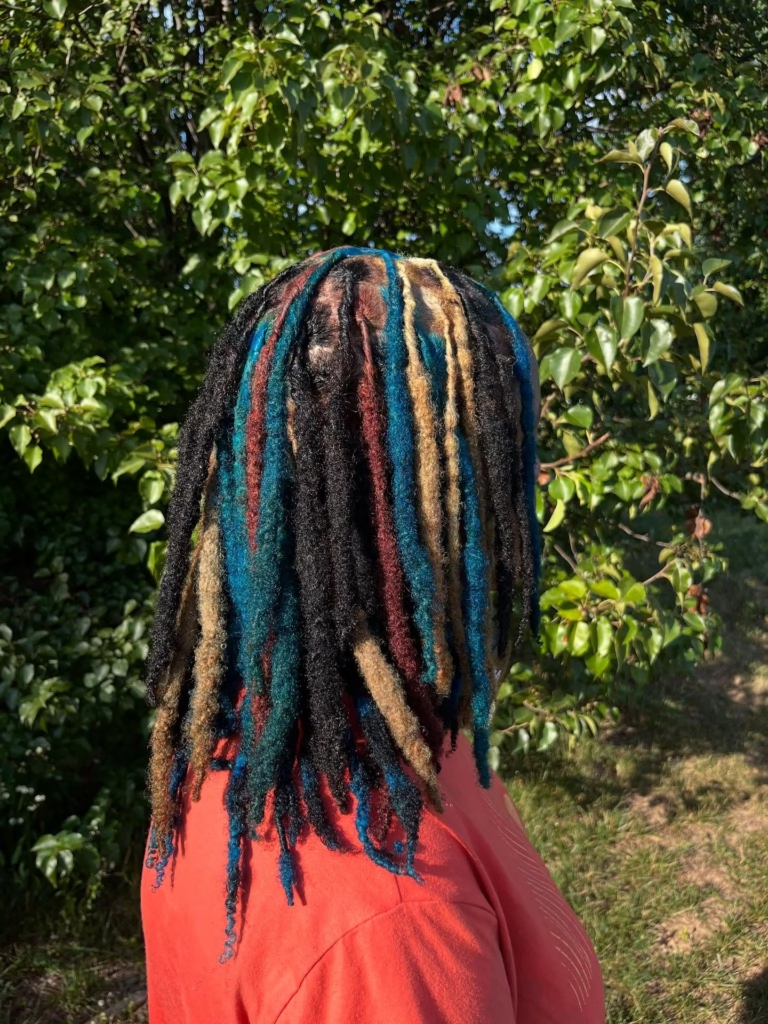
Four distinct colors run through this head of locs, alternating in a striped pattern rather than blending together.
Jet black sections anchor the style while teal, burgundy, and warm tan strands break up the darkness with pops of color. Even spacing between each shade keeps the pattern looking intentional instead of random.
Full, thick locs give every color plenty of surface area to show. Multicolor placement like this works best with careful sectioning beforehand, since each color needs its own dedicated group of locs to stay crisp.
Bright Red Locs with a High Bun and Face-Framing Pieces
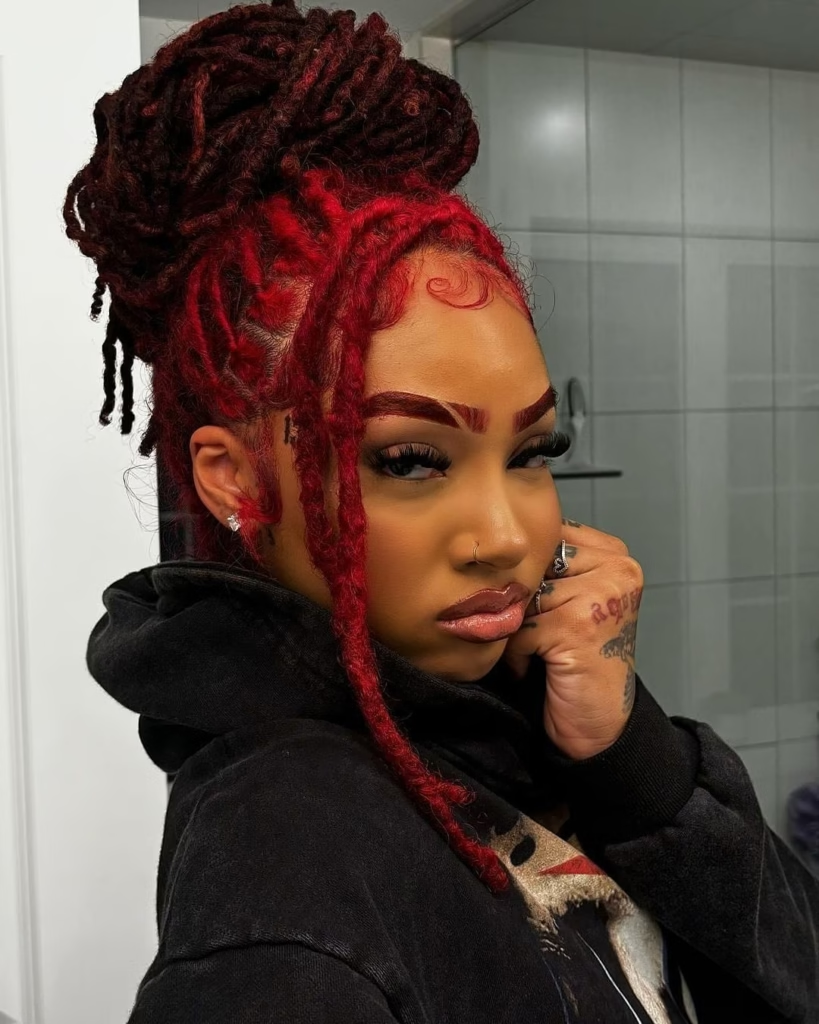
Vivid red covers this style completely, bold enough that even her eyebrows match the shade for a fully coordinated look. Most locs twist up into a rounded high bun, giving height and structure.
Several thin pieces stay loose in front, curving along the cheek and jaw for a soft, romantic frame. Fine baby hairs get swirled flat near the temple for extra polish.
Matching brow color like this takes commitment, but it makes bold red feel intentional rather than just a hair choice.
Rust Red Curly Faux Locs with Grid Sections
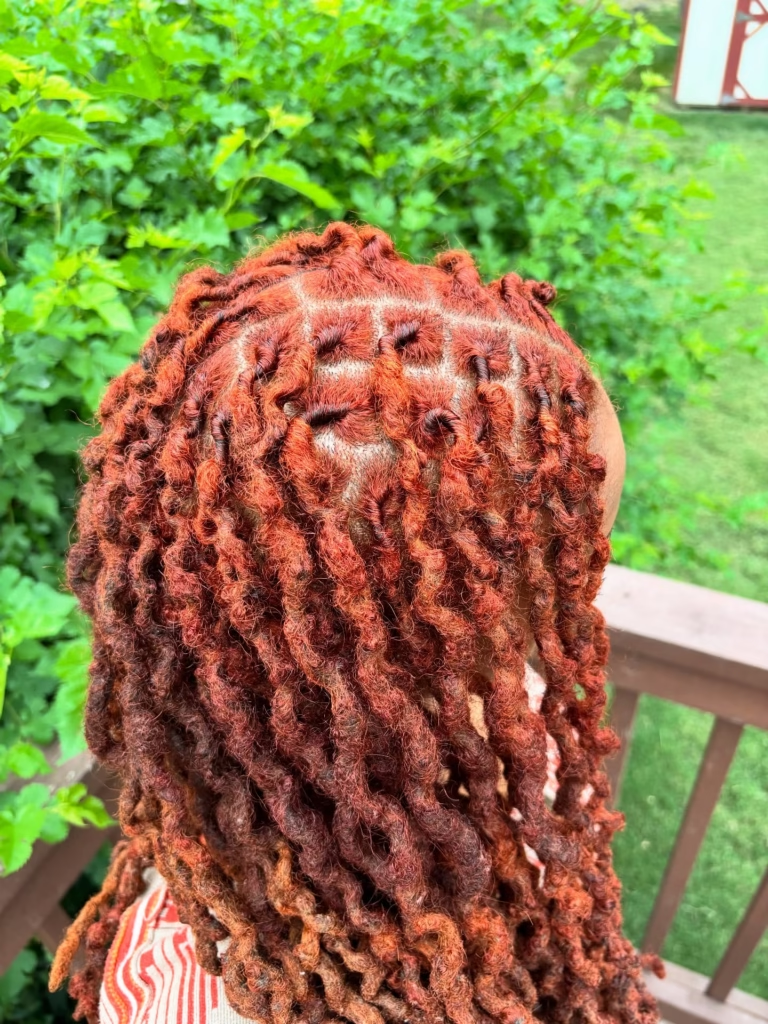
Rust red covers this full head, warm and earthy rather than bright or fire-engine bold. Clean square parts organize the scalp into a neat grid, keeping every loc evenly spaced from base to tip.
Springy curls run down the entire length instead of straightening out, giving major volume and bounce. Roots stay tightly coiled while ends loosen slightly into looser waves.
Curly texture like this holds shape well outdoors, resisting frizz better than straight styles when humidity picks up.
Why Your Loc’s Maturity Stage Decides What Color It Can Actually Handle
Because color does not treat baby locs and mature locs the same way.
Baby locs need gentler color because they are still forming, shedding loose hair, and learning how to hold together. Heavy bleach can loosen the pattern, dry the strands, and make the loc slip before it has fully bonded.
Permanent dark dye can also be too much if your locs are still soft and unstable. The common advice says, “Just pick any color you like,” but that skips the stage your hair is in right now.
Mature locs can handle more because the hair has already tightened into a stronger shape. Color spreads more evenly, the loc holds together better, and bold shades like honey blonde, copper, auburn, or ginger have a cleaner finish.
Starter locs need patience.
Stronger color can wait.
Ask your loctician what stage your locs are in before booking a color service, because the wrong timing can turn a pretty color idea into unraveling, dryness, or weak roots.
The Moisture Trade-Off Nobody Mentions Before You Bleach
That blonde shade will cost moisture before it gives you brightness.
Bleach lifts color by opening the hair and breaking down pigment, but locs hold product and chemicals longer because the hair is packed together. That means the same lightening process can leave locked hair drier than loose hair.
The common advice says, “Deep condition after bleaching,” but locs need more careful moisture because heavy conditioners can sit inside the loc and cause buildup.
Use light, water-based moisture first.
Choose sprays and treatments that rinse clean, then seal lightly with oil only when the hair needs it. Thick creams may feel soft at first, but they can coat the outside while the inside stays dry.
Roots need special care.
Bleached locs can become brittle where the new growth meets the colored hair, so avoid tight retwists, heavy buns, and rough towel drying after coloring.
Moisture should become part of the color plan, not something you remember after the hair feels hard.
Why Fashion Colors Fade in Patches on Locs, Not Evenly
Red, pink, purple, and blue do not fade on locs like they fade on loose hair.
The outer layer of a loc touches water, sun, shampoo, scarves, pillows, and hands first, so it loses color faster. The inner part can hold pigment longer, which creates a faded, patchy look instead of one smooth shade.
Many color guides say, “Refresh the whole head,” but that can overload your locs with more dye than they need.
Touch up the dull areas first.
Focus on the locs that frame your face, the top layer, and the ends if they faded faster than the rest. This keeps the color looking fresh without forcing every loc through another full dye process.
Bright colors also need cleaner products.
Heavy oils, butters, and strong shampoos can make fashion color look muddy faster. A gentle wash routine helps the shade last longer and keeps buildup from changing how the color reflects light.
Patchy fading is normal with locs, but poor touch-ups make it worse.
How to Time Color Around Your Retwist Schedule
Color and retwists should not fight for the same week.
Dye needs time to settle, and your scalp needs time to calm down after color. Retwisting too soon can pull at the roots, disturb the fresh color line, and make the style feel tighter than it should.
The common advice says, “Color and retwist together for a fresh look,” but that can be too much stress at once for locs.
Plan a gap.
Color first, then give your scalp and locs time before the next retwist. This helps the shade settle and lets you see if your hair feels dry, tender, or rough after the color service.
Waiting also helps your stylist see the true condition of your roots before adding tension.
Fresh color already makes locs look sharp, so you do not need a tight retwist the same day to prove the style is done.
Choose healthy timing over instant polish, especially with bleach, ginger, copper, honey blonde, or auburn shades.
Why a Single-Loc Strand Test Matters More Than a Skin Patch Test
A skin patch test checks your skin, but one test loc checks the hair you actually plan to color.
Locs can hold old gel, oil, lint, sweat, and buildup inside the strand. That hidden residue can change how dye takes, which is why one loc may turn bright while another looks dull or muddy.
The common advice says, “Do a patch test,” but that only tells you if your skin reacts to the product. It does not show how the color will behave inside locked hair.
Test one hidden loc first.
Choose a loc near the back or underneath, apply the color, rinse it well, dry it fully, and check the shade in natural light. This shows how long the color takes, how evenly it lands, and whether your loc feels too dry afterward.
Skipping this step can lead to uneven color that is harder to fix because locs cannot be brushed through like loose hair.
One test loc saves the whole head.