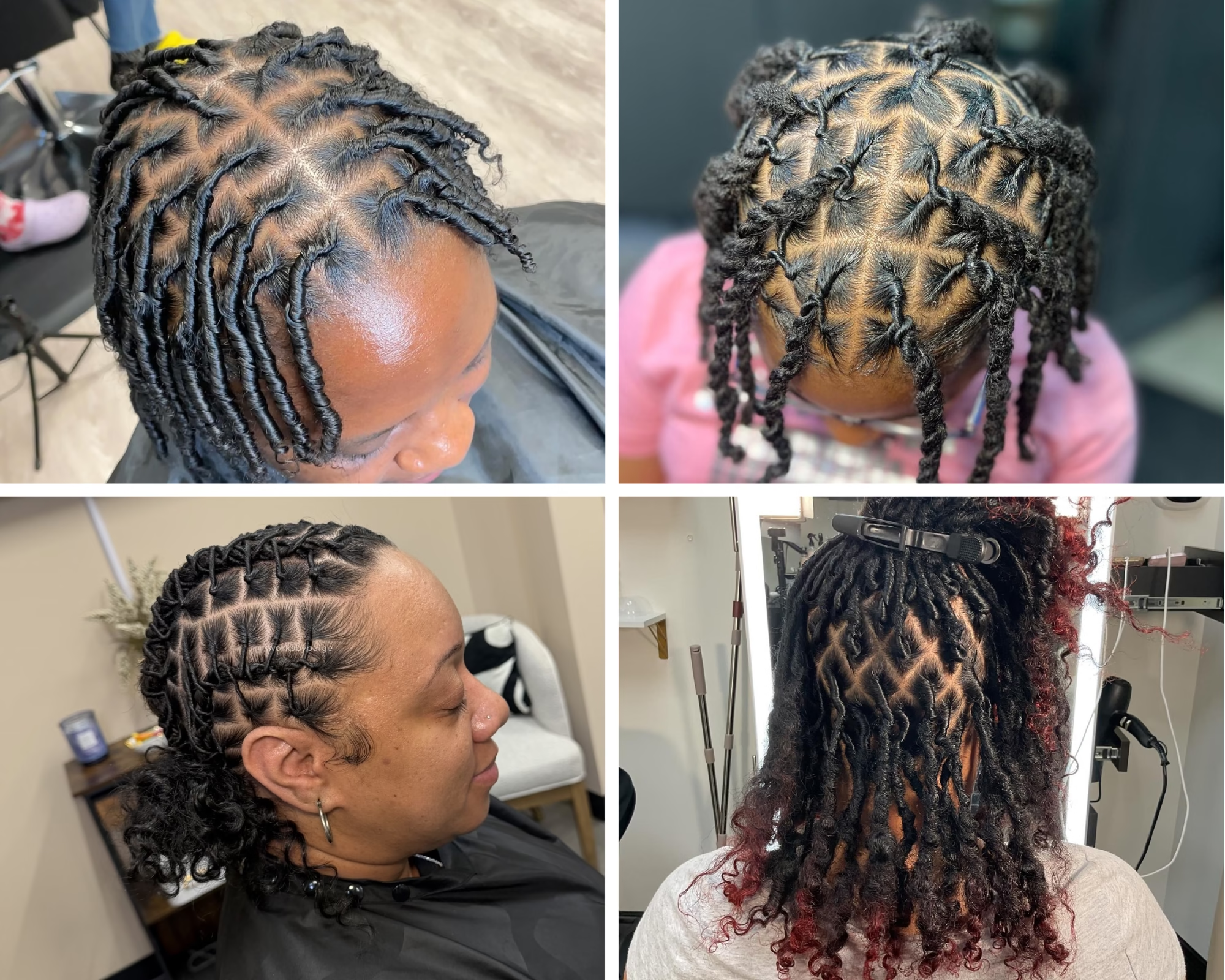
The best starter loc method is not the one that looks neatest on day one. Photos can help you dream, but your hair texture, shrinkage, length, density, and daily routine should make the final decision.
Your locs have to survive wash days, sleep, sweat, frizz, and the awkward stage before they fully mature.
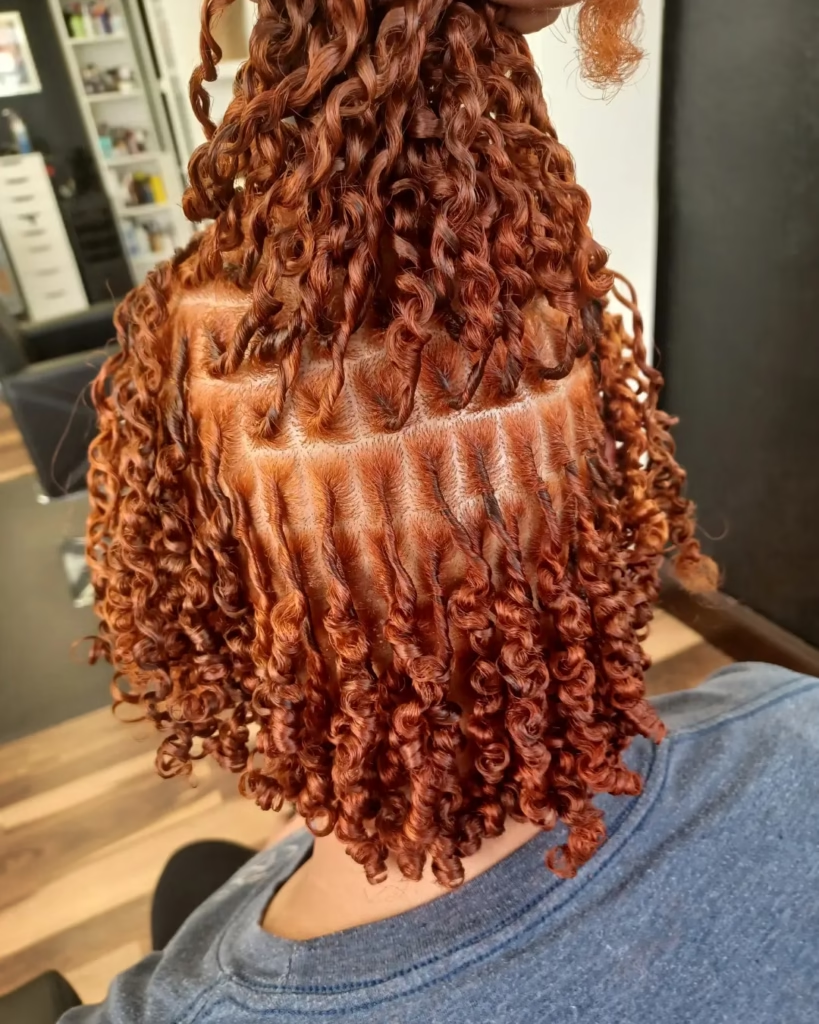
Comb coils can give a cleaner rounded start, especially on tighter curls, but they may shrink or unravel faster on softer hair.
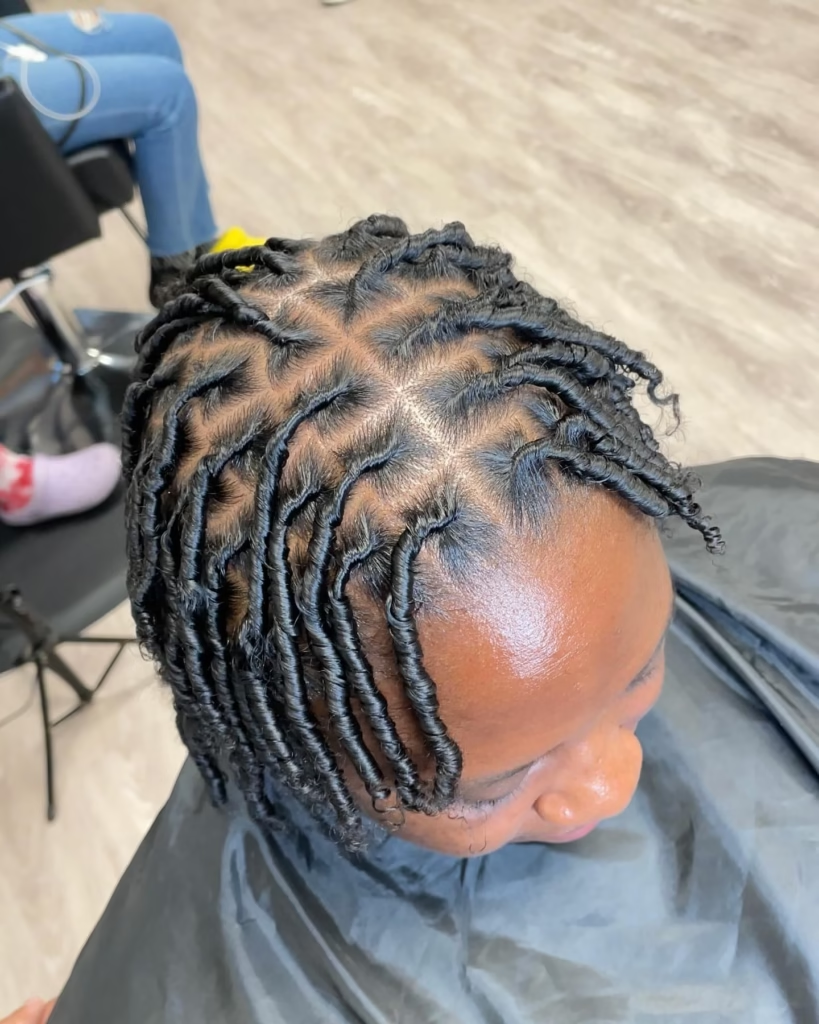
Two-strand twists can feel more secure and fuller early on, but the twist pattern may stay visible for months. Choosing well saves stress later. A good method should match your real hair, not someone else’s finished locs online.
When you understand how both options behave, you can start your loc journey with more confidence and fewer regrets.
Choose Based on Your Hair’s Behavior, Not the Style You Saved First
You have probably been told to choose the starter loc method that looks prettiest in the picture.
That advice sounds harmless, but it can lead you into months of frustration if your hair does not behave like the person in the photo.
Pictures show the finish.
Your real choice should come from how your hair coils, shrinks, holds shape, reacts to water, and handles daily movement.
A style can look beautiful on someone else and still be wrong for your texture, length, or routine.
Your curl pattern affects how well comb coils hold
Comb coils usually hold better when your curls are tight enough to spring around themselves.
Looser curls may open up faster after washing, sleeping, or sweating because the coil pattern does not grip as strongly.
Most people ask, “Which one is cuter?” when they should ask, “Which one will stay together after my first few wash days?”
Tighter hair often gives comb coils a cleaner start because the hair naturally wants to wrap into a rounded shape.
Softer curls may need more support from two-strand twists, braids, or another starter method your loctician recommends.
Your hair density affects how full starter locs look
Density means how much hair grows from your scalp.
Thicker density can make starter locs look full from the beginning, even when the parts are small.
Fine or lower-density hair may look scalpy at first, especially with very small parts or tight comb coils.

Many women panic when they see space between the parts, but fresh starter locs are not the final result.
Fullness changes as the hair swells, frizzes, and begins to lock.
Save this post for later How to Keep Starter Locs from Unraveling: 7 Tips That Actually Help
Shrinkage can change the final look more than you expect
Shrinkage can make your starter locs look much shorter than your stretched hair length.
Comb coils can shrink quickly because the hair is wrapped into a tight spiral from root to end.
Two-strand twists can also shrink, but they may keep more visible length in the early stage.
Someone with shoulder-length loose hair may leave the chair with starter locs that sit near the neck.
Expecting shrinkage saves you from thinking your stylist “cut” your hair when your curls are only drawing up.
Soft or loose textures may need more holding support
Soft hair can still loc.
Different care is needed.
Loose or silky textures often need a method that gives more structure at the start, because the hair may slip out of comb coils before it begins to bind.
Two-strand twists can help because the two sections wrap around each other and hold the shape longer.
Patience still matters, but the right method can reduce constant unraveling.
Thick hair may make twists look fuller from day one
Thick hair often looks strong in two-strand twists because each twist has enough hair to show shape and volume early.
Comb coils on thick hair can still work, but the final look depends heavily on part size and how cleanly each section is made.
Bigger parts may create thicker locs later, while smaller parts can create more locs with more maintenance.
Saved photos help your stylist understand your taste, but your scalp, texture, and shrinkage decide what is realistic.
Bring inspiration pictures, then let your hair tell the truth.
Stop Choosing Based on Which Method Looks Better on Day One
You may think the better starter loc method is the one that looks neatest when you leave the chair.
That is the trap.
Photos only show the first version of the style, not how it behaves after washing, sleeping, sweating, and living with it for weeks.
Comb coils and two-strand twists both change fast, so your real question should be, “Which method can I handle after it stops looking fresh?”
Still, day-one beauty matters less than month-three patience.
Comb coils can look cleaner at the start but may shrink faster
Coils often give a neat, rounded look right away, especially when the parts are clean and the hair coils tightly.
Shrinkage can show up quickly because each section is wrapped into a small spiral from root to end.
Once water, sweat, and sleep enter the picture, those coils may draw up and look much shorter than you expected.
Ask your loctician how much shrinkage your texture usually has before choosing coils based on a long, stretched photo.
If your hair is soft or loose, coils may also unravel faster after early wash days.
You may enjoy 37 Beautiful Starter Loc Styles That Will Make You Love Your Hair at Every Stage
Two-strand twists can look fuller but may show the twist pattern longer
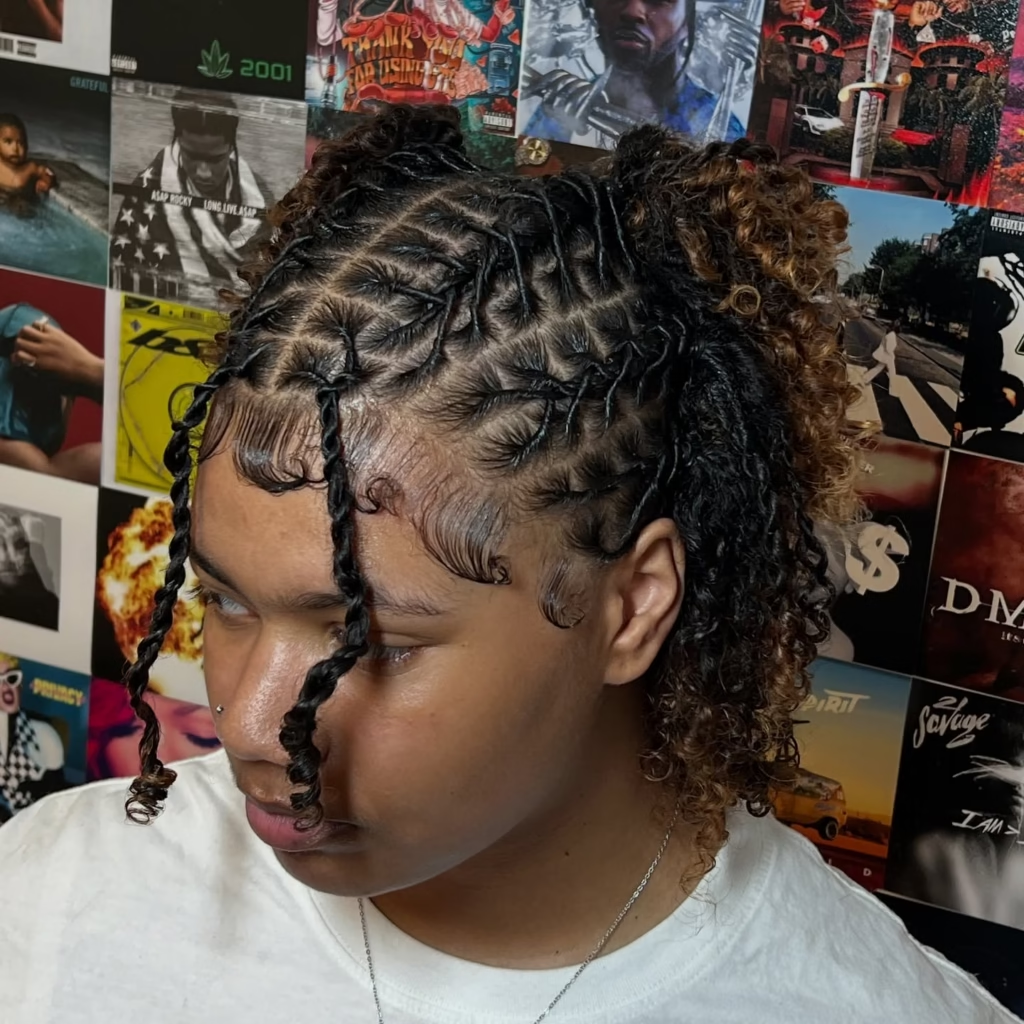
Twists can give you more fullness on day one because each loc starts with two sections wrapped together.
Because the pattern is stronger, twists may hold better when your hair is longer, softer, or more likely to open up.
Expect the rope-like twist pattern to stay visible for months, especially if your hair takes longer to loc.
Choosing twists means you must be okay with that pattern while your locs mature.
Use reference photos of starter twists, not only mature locs, so your expectations stay realistic.
Fresh starter locs are not the final look
Fresh starter locs are only the beginning.
Day one shows your parts and method.
Month three may show swelling, fuzz, shrinkage, and roots that no longer look sharp.
Judge the method by how well it supports your hair over time, not by how perfect it looks before your first wash.
Give your starter locs time to settle before deciding you made the wrong choice.
Early frizz does not mean the method failed
Frizz is part of the locking process.
Water, movement, and loose hairs all help your locs begin to form.
Most people panic and start twisting every fuzzy strand, but that can place stress on the roots and disturb the starter pattern.
Protect the shape instead by covering your hair at night, washing gently, and keeping your hands out of it during the day.
Leave some frizz alone unless a whole section is actually unraveling.
The best choice is the one you can maintain through the ugly stage
Ugly stage is the season when your locs may look puffy, uneven, fuzzy, or less styled than you hoped.
Patience matters here.
Comb coils may test you with shrinkage and unraveling, while two-strand twists may test you with a visible twist pattern that takes time to fade.
Pick the method that fits your real tolerance, not your fantasy version of locs.
Better choices come from knowing what you can live with between salon visits.
Know How Comb Coils Actually Behave During the First Few Months
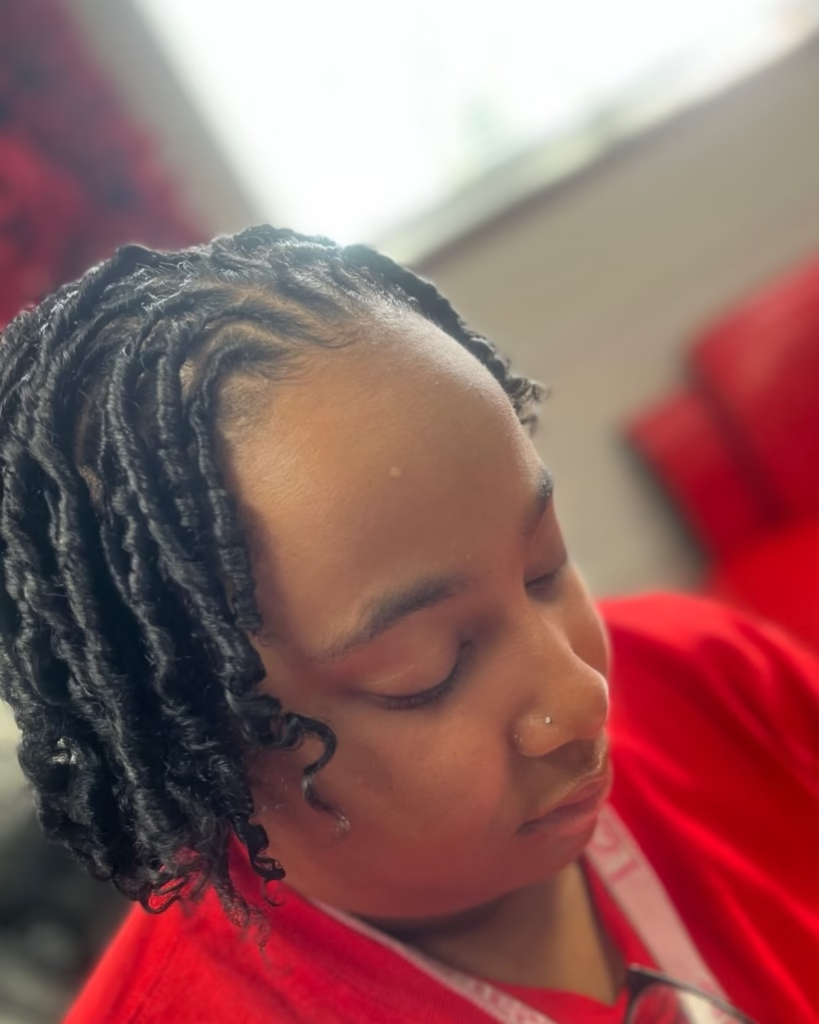
You may have heard that comb coils are the “cleanest” way to start locs.
That can be true on day one, but the first few months will not stay that polished.
Comb coils change fast because the hair is still loose inside the coil, even when the outside looks shaped. Water, sleep, sweat, and finger touching can make them puff, shrink, frizz, or open before they begin to lock.
Bookmark for later How to Start Locs for Beginners Step by Step: A Simple Guide for Your First 90 Days
Comb coils are created by coiling small sections of hair from root to end
A loctician creates comb coils by taking small parted sections and turning the hair into a spiral shape.
Each coil starts as loose hair wrapped in one direction, not fully locked hair.
Because of that, you need gentle handling during the early stage.
Rough washing, tight styling, or constant pulling can disturb the coil before the hair has time to bind together.
Coils often work well on tighter curl patterns
Tighter curls usually hold comb coils better because the hair already bends and springs around itself.
This natural grip helps each coil stay in place longer after washing or sleeping.
Hair with a tight curl pattern can also move toward a rounded loc shape more smoothly because the starter coil matches how the hair already behaves.
Still, good parting matters.
Clean sections help the locs grow in a more even pattern instead of joining together at the roots.
Soft hair may unravel more easily after washing
Soft or loose-textured hair can still start with comb coils, but it often needs more patience.
The issue is not that your hair “cannot loc.”
Rather, the coil may not hold tightly enough at first, especially after shampoo, heavy sweat, or sleeping without proper covering.
Many people blame the stylist when coils unravel, but the real cause can be texture, product weight, or too much movement too soon.
Gentle wash days help.
Use your fingertips on the scalp, let water run through the coils, and avoid rubbing the length of each coil like loose hair.
Coils can shrink and look shorter as they settle
Shrinkage surprises many women.
Your hair may look longer when stretched, then appear much shorter after comb coils are installed.
Since each section is wrapped into a spiral, the hair draws up as it settles.
After the first few washes, coils can look even shorter because water brings your curl pattern back to its natural shape.
Expect this before your appointment so you do not panic when the length changes.
See more Colored Locs for Black Girls: 39 Gorgeous Ideas That Won’t Ruin Your Locs
The round shape can mature into neat, traditional-looking locs
Comb coils are loved because they can mature into rounded locs with a smooth shape.
Over time, the coil pattern fills in, frizz wraps into the loc, and the hair begins to firm up from the inside.
Patience is the trade-off.
Early coils may look small, fuzzy, or uneven before they become the neat locs you imagined.
Let the process happen instead of retwisting every time the roots look puffy.
Best candidate for comb coils
Choose comb coils if your hair has a tighter curl pattern, your strands hold shape well, and you want a rounded starter look.
This method also works well if you can handle shrinkage and follow a gentle routine between salon visits.
Women who do not mind the early frizz often enjoy comb coils more because they understand that the clean day-one look is not meant to last forever.
Who may struggle with comb coils
Avoid choosing comb coils only because they looked cute on someone else.
Soft textures, loose curls, very active lifestyles, frequent swimming, or heavy sweating can make coils harder to maintain in the beginning.
Longer hair may also coil unevenly if the ends keep opening or bending in different directions.
Ask your loctician to check your texture, density, and routine before deciding, because a beautiful starter method should fit your real hair life.
Understand How Two-Strand Twists Mature Before You Pick Them
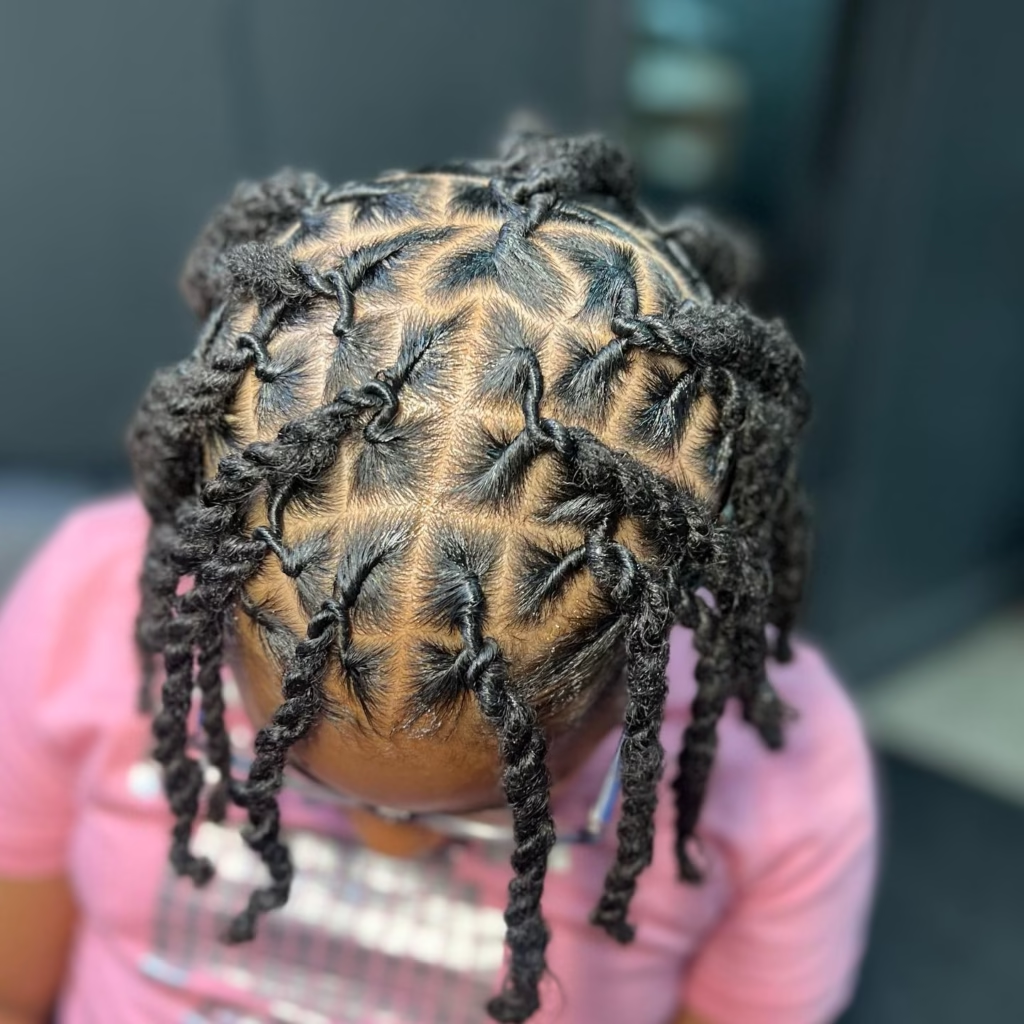
You may have heard that two-strand twists are only a temporary style, not a serious way to start locs.
That is not true.
Twists can start strong locs, but you need to understand how they change before you choose them. Most people love the fullness at first, then get impatient when the twist pattern does not disappear quickly.
Instead, expect the pattern to soften slowly as the hair frizzes, swells, and begins to bind inside the twist.
1. Two-strand twists start by wrapping two sections around each other
A two-strand twist starts with one parted section split into two smaller pieces.
Each piece wraps around the other from root to end, which gives the hair more structure than a loose coil.
Because the hair is already held in a wrapped pattern, twists can stay together better during sleep, light washing, and daily movement.
Good parting still matters.
Clean sections help your future locs grow from the right base instead of joining together at the roots.
Here’s a guide on How to Maintain Locs at Home Between Salon Visits Without Dryness, Buildup, or Thinning
2. Twists often hold better for longer or softer natural hair
Longer hair can do well with twists because the ends have more length to wrap and stay in place.
Softer textures may also benefit because twists give the hair a stronger shape while it begins to loc.
When loose curls slip out of comb coils, twists can reduce that constant unraveling stress.
This does not mean twists never frizz or loosen.
Hair still needs time to lock, but the starting shape often feels more secure for women who wash often, sweat often, or do not want to panic after every loose strand.
3. The twist pattern may stay visible for months
Here is the part many people skip.
The twist pattern can stay visible for a long time.
Some women expect their twists to look like mature round locs within a few weeks, then feel disappointed when the rope-like lines are still there.
Over time, the pattern softens as loose hairs wrap into the loc and the inside begins to tighten.
Patience matters.
Avoid separating, combing, or redoing the twists just because the pattern is still showing.
4. Twists can look fuller in the beginning than coils
Fullness is one reason many women choose two-strand twists.
Since each starter loc is made from two wrapped pieces, the hair can look thicker and more visible from day one.
Comb coils may look cleaner, but they can also shrink tighter and make the hair appear smaller at first.
Twists often give a softer, fuller starter look, especially on medium-length or thick natural hair.
Part size still controls the final fullness.
Bigger parts can create thicker locs, while smaller parts can create more locs with more maintenance.
5. Mature twist-started locs can still look round over time
A common fear is that twist-started locs will always look like twists.
They will not.
Mature locs can become rounder as the twist pattern fades, the hair swells, and the strands lock together.
Your loctician’s parting, your hair texture, your maintenance routine, and your patience all affect the final look.
Do not judge twist-started locs too early.
Judge them after they have had time to settle, frizz, tighten, and mature.
Best candidate for two-strand twists
Choose two-strand twists if your hair is longer, softer, fuller, or more likely to unravel in coils.
This method also works well if you want a starter style that looks fuller early and gives you more peace between salon visits.
Women who work out, sweat, or need a little more hold may feel better starting with twists.
Who may struggle with two-strand twists
Avoid twists if you know the visible twist pattern will bother you every day.
Short hair may also be harder to twist neatly, depending on length and texture.
Loose ends can still open if they are not finished well, so ask your loctician how the ends will be handled.
Bring photos of starter twists and mature twist-started locs, not only finished locs, so your expectations match the real journey.
Check out 45 Half Up Half Down Locs Styles for Black Women That Give You the Best of Both Worlds
Match the Method to Your Hair Texture and Curl Pattern
You may have been told that comb coils are for “real locs” and two-strand twists are only a backup plan.
That advice is too shallow.
Texture decides how the starter pattern holds, how fast it frizzes, how much it shrinks, and how much unraveling you may deal with after wash day.
Looking at your own hair before choosing the method saves you from blaming the style when the real issue is a mismatch.
1. Tighter coils usually hold comb coils with less unraveling
Tighter curls often grip comb coils better because the hair already bends into small curves on its own.
Coils work with that natural pattern by wrapping the hair into a round shape from root to end.
Because the hair has more curl memory, it is less likely to open fully after gentle washing or sleeping.
Ask your loctician to test one or two coils before doing your whole head if you are unsure how your hair will respond.
Water will still cause shrinkage, but the coil shape usually has a better chance of staying together.
2. Looser curls may need twists, braids, or interlocking support
Looser curls can still loc, but they often need more structure at the beginning.
Two-strand twists give the hair a stronger hold because two pieces wrap around each other instead of relying only on a coil shape.
Braids may work better for hair that slips out of both coils and twists, while interlocking can help when washing, sweating, or soft texture makes unraveling harder to control.
Most people only compare coils and twists, but the better move is asking which method can hold your texture through real life.
Choose support over pride.
3. Fine hair can look thinner with small parts
Fine hair means each strand is smaller in width, even if you have a lot of strands on your head.
Small parts can make fine starter locs look extra thin at the beginning because each section has less hair to swell into shape.
Tiny locs may look cute in photos, but they can also mean more maintenance and more scalp showing early on.
Better parting can help.
A loctician may suggest medium parts so each starter loc has enough hair to grow stronger over time.
4. Thick hair may need clean sectioning to avoid bulky roots
Thick hair can make starter locs look full fast, but it can also create heavy roots if the parts are too large.
Big sections may seem easier at first because they create fewer locs, but they can mature into locs that feel heavy during buns, ponytails, or updos.
Clean sectioning helps each loc grow from its own base without crowding the next loc.
Crowded roots can marry together, which means two or more locs begin joining at the scalp.
Neat parting is not only about looks; it helps control weight, movement, and future maintenance.
5. Mixed textures on one head may need a custom plan
Many heads have more than one texture.
Your edges may be softer, your crown may be tighter, and your nape may shrink more than the rest.
Forcing one method across every section can create uneven hold, with some starter locs staying firm while others keep opening.
A custom plan may use the same method with different part sizes, or it may need extra support in the softer areas.
Trust what your hair shows, not what a chart says.
What to ask your loctician if your front and back textures differ
Bring this up before the first part is made.
Say, “My front is softer than my back. Will comb coils still hold there, or should we adjust the method?”
Also ask how the loctician plans to handle unraveling, shrinkage, and part size in each section.
Clear questions help you avoid a one-size-fits-all install that looks good for one week but gives you stress for the next three months.
See now How to Do a Locs Updo at Home: Step-by-Step Guide for Beginners
Compare How Each Method Handles Washing, Sweat, and Daily Life
You may have been told to choose the method that looks best in pictures, but your real test starts after your first wash day.
Water tells the truth.
Sleep, sweat, hats, workouts, and daily styling will show you whether comb coils or two-strand twists fit your life.
A starter method should not only look good in the salon chair; it should also hold up when your scalp gets sweaty, your roots puff, and your hair starts changing shape. That is why it is necessary to comapre Comb Coils vs Two-Strand Twists.
1. Comb coils may loosen more during early wash days
Comb coils can open faster because each section is shaped into a coil but not locked yet.
Shampooing too roughly can disturb the spiral before the hair begins to bind together.
Instead of rubbing the full length of each coil, focus your fingertips on the scalp and let the water run down through the hair.
Gentle pressure works better than scrubbing.
After washing, squeeze with a lint-free towel and let the coils dry fully before tying them down, because damp coils can flatten, smell musty, or lose shape faster.
2. Two-strand twists usually give more structure after washing
Twists often stay together better because two pieces of hair are wrapped around each other.
That shape gives the hair more grip during early wash days, especially if your hair is longer, softer, or more likely to unravel.
Still, twists are not magic.
Rough washing can still make them frizz, puff, or loosen at the ends.
Use the same scalp-first wash method, then gently press the twists instead of rubbing them between your hands.
3. Gym sweat can speed up frizz and root puffiness
Sweat can make starter locs swell faster, no matter which method you choose.
Salt from sweat can also make your scalp itchy if it sits too long.
Many people add oil after workouts, but that can trap sweat near the roots and make buildup worse.
A better move is to refresh the scalp with a light rinse or wash when it feels dirty, then dry your locs fully before covering them.
Fresh sweat needs cleansing, not more product.
4. Frequent swimming may require extra planning
Swimming can be hard on starter locs because water movement, chlorine, and salt can loosen the pattern.
Comb coils may unravel faster in the early stage if they are not fully set.
Two-strand twists may hold better, but they still need rinsing and full drying after pool or beach days.
Before swimming often, ask your loctician if your hair should be banded, covered, rinsed right away, or maintained more often.
Planning saves regret.
5. Your wash routine should fit the starter method
Your wash routine should match how fragile your starter locs are.
Comb coils may need slower washing, careful drying, and less touching in the first few months.
Two-strand twists may give you more room to wash with confidence, but they still need gentle handling if you want the parts to stay clean.
Choose a shampoo that rinses out easily, because thick product left inside starter locs can cause buildup before your locs even mature.
Clean hair locks better than coated hair.
Which method is easier if you work out often
Two-strand twists are usually easier for active women because they hold their shape better through sweat, movement, and gentle washing.
Comb coils can still work if your hair is tightly coiled and you are patient with frizz.
However, if you sweat several times a week, wash often, or wear headgear during workouts, twists may give you more peace in the early stage.
Ask for a method that fits your schedule, not one that only looks perfect on install day.
Read also Back to School Locs Hairstyles for Kids: 15 Easy Styles to Start the Year
Decide How Much Frizz, Shrinkage, and Unraveling You Can Handle
You may think the “right” starter method will stay neat until your next appointment.
That is not how starter locs work.
Every method goes through some level of frizz, shrinkage, puffiness, and loose ends because your hair is shifting from loose strands into a locked shape. The better question is not, “Which method avoids all mess?” It is, “Which kind of mess can I live with while my locs mature?”
1. Comb coils can frizz fast if the hair is soft or loosely curled
Comb coils can look smooth on day one, then frizz quickly once water, sweat, or sleep touches them.
Softer textures may not grip the coil shape tightly, so loose hairs can lift away from the section sooner.
Instead of twisting those hairs every morning, cover your locs at night and smooth the front gently with your fingers.
Constant fixing can disturb the coil before it starts to hold.
2. Two-strand twists can puff but may stay more secure
Twists can swell and puff as the hair starts to change.
Unlike comb coils, the two wrapped sections give the hair a stronger frame, so the twist may stay together even when it no longer looks fresh.
Most people see puffiness and think the style is failing.
Actually, puffiness can be part of the hair filling out before it locks.
Let the twist pattern soften instead of redoing the twists every time they look bigger.
3. Shrinkage is normal with both methods
Shrinkage will happen.
Comb coils may shrink more sharply because the hair is curled into a tight spiral.
Two-strand twists may keep a little more visible length at first, but they can still draw up after washing and drying.
Take pictures on install day, after wash day, and one month later so you can see the change without panicking.
Photos help you separate normal shrinkage from a real problem.
4. Unraveling is not always a disaster
Unraveling can scare you, especially when one section opens more than the others.
Small loose ends are usually manageable.
A whole loc opening from root to end needs attention, but a fuzzy tip or soft root does not always mean the method failed.
Clip loose sections carefully only if your loctician showed you how, and avoid adding thick gel to force the hair back into place.
Heavy product can create buildup before the loc has even formed.
5. Your stress level matters when choosing a starter method
Patience should guide your choice.
If frizz makes you anxious, comb coils may test you more during the early months, especially with soft or loose hair.
If a visible twist pattern bothers you, two-strand twists may test you in a different way.
Choose the method whose early stage you can accept without touching, retwisting, or changing your hair every few days.
Peace matters.
Starting locs is easier when your expectations match the hair in your mirror, not the perfect photo on your phone.
Check out Locs Styles for Black Women This Fall: 14 Cozy and Chic Looks for the Season
Decide How Much Frizz, Shrinkage, and Unraveling You Can Handle
You may have been told to choose the starter loc method with the least frizz.
That sounds smart, but it is not the full truth.
Every starter method will frizz, shrink, puff, or loosen in some way because your hair is moving from loose strands into a locked shape.
Better results come when you choose the kind of early-stage change you can live with without panicking, over-retwisting, or changing methods too soon.
1. Comb coils can frizz fast if the hair is soft or loosely curled
Comb coils can look clean and round when they are first done.
Softer hair may lift out of the coil shape faster because the curls do not grip each other as tightly.
Instead of twisting every loose hair back into place, protect the coils at night with satin or silk and keep your hands out of your hair during the day.
Covering your locs helps reduce rubbing from pillows, which can make frizz show up faster around the roots and ends.
Constant fixing can disturb the coil before your hair has time to settle.
2. Two-strand twists can puff but may stay more secure
Two-strand twists can swell as your hair starts to lock.
Wrapped sections give the hair more structure, so the twist may stay together even when it looks fuller, fuzzier, or less polished than day one.
Puffiness does not always mean failure.
People often redo twists too soon because they want the parts to look fresh again, but too much manipulation can slow the early locking process.
Give the twists time to soften, frizz, and fill in.
3. Shrinkage is normal with both methods
Shrinkage will happen with comb coils and two-strand twists.
Coils may shrink faster because the hair is wrapped into a tighter spiral from root to end.
Twists may keep more visible length in the beginning, but wash day, sweat, and drying can still make them draw up.
Taking photos after installation, after your first wash, and after one month helps you see normal progress instead of guessing from memory.
Photos calm fear.
4. Unraveling is not always a disaster
Unraveling can look scary when you are new to starter locs.
Small loose ends, fuzzy roots, or a soft section near the tip can happen without ruining the whole loc.
Whole sections opening from root to end need your loctician’s help, especially if the same loc keeps coming loose after every wash.
Before adding thick gel or twisting harder, ask whether the issue is your texture, your method, your wash routine, or your product use.
Heavy product may force a neat look for one day, but it can leave buildup inside starter locs.
5. Your stress level matters when choosing a starter method
Stress should be part of your decision.
Frizz may bother you more with comb coils if your hair is soft, loose, or easy to disturb.
Visible twist patterns may annoy you more with two-strand twists if you want your starter locs to look round quickly.
Choose the method you can leave alone between appointments, because starter locs need patience more than daily correction.
Peace matters.
Starting with honest expectations helps you enjoy the process without treating every fuzzy strand like a problem.
Check out Long Locs Styles for Fall and Winter: 12 Cozy, Protective Looks for Cold Weather
Picture the Loc Size and Shape You Want One Year From Now
You may think comb coils or two-strand twists decide how your mature locs will look.
That is only half true.
Part size, hair density, texture, shrinkage, and maintenance habits often shape your final locs more than the starter method alone.
Most people bring photos of finished locs and ask for the exact look, but what actually works is matching the photo to your own hair thickness, scalp spacing, and long-term styling goals.
1. Part size decides more than the starting method alone
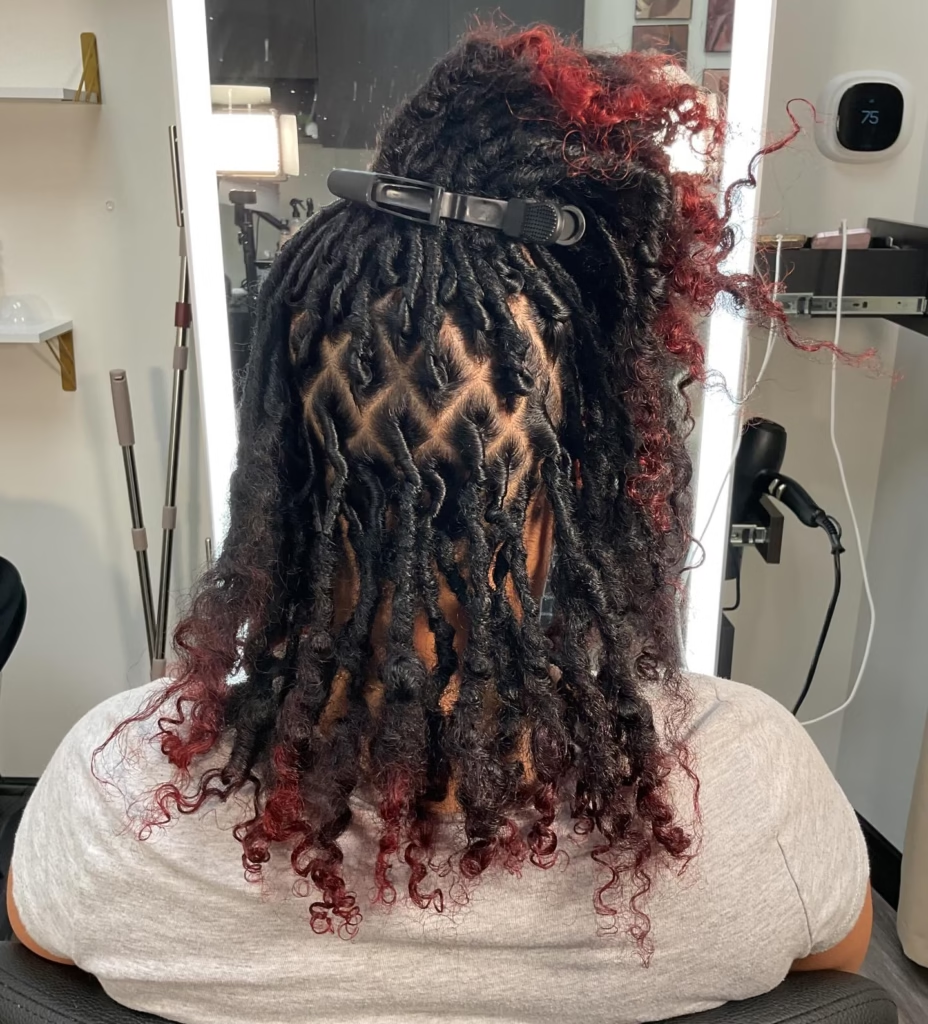
Part size controls how much hair goes into each future loc.
Smaller parts usually create more locs, while larger parts create fewer locs with more thickness.
A comb coil with a large part can mature thicker than a two-strand twist with a small part.
Many beginners focus only on the method, then feel shocked when their locs mature smaller, fuller, or heavier than expected.
Ask your loctician to explain how your chosen part size may look after swelling, frizz, and shrinkage.
2. Comb coils can create a smoother early cylinder shape
Comb coils often start with a rounder look because each section is shaped into a spiral from root to end.
This can make the early loc shape look cleaner, especially on tighter curl patterns that hold the coil well.
Over time, the hair begins to bind inside that rounded form.
Fresh coils may look small at first, but they can swell as loose hairs wrap into the loc.
Choose coils if you like a neater round start and can handle shrinkage without panic.
3. Twists may look rope-like before they fully lock
Two-strand twists can keep their rope-like pattern for months.
Nothing is wrong.
That pattern fades as the hair puffs, frizzes, and starts locking from the inside.
Some women redo twists too early because they think the visible pattern means the locs are not forming, but constant redoing can slow the process and disturb the base.
Choose twists if you can accept the early rope look while waiting for the locs to fill out.
4. Small parts can mean more locs and more maintenance
Small parts can give you more styling options later, but they also create more locs to wash, separate, retwist, and maintain.
More locs often mean longer salon visits and more time spent checking roots at home.
Fine hair with very small parts may also look thinner in the beginning because each section has less hair to swell.
Think beyond the first hairstyle.
Pick small parts only if you are ready for the upkeep that comes with having many locs.
Read also Locs Updos for Beginners: The Easiest Styles to Start With
5. Bigger parts can mature into thicker locs
Bigger parts can create fuller, thicker locs over time.
They may look bold and beautiful, but they can also feel heavier when your hair grows longer.
Heavy locs may pull more in high buns, ponytails, and updos if the weight is not managed well.
Thicker locs can also take longer to dry after washing.
Choose bigger parts if you want a fuller mature look and do not mind fewer locs with more weight.
How to bring reference photos that help your stylist
Bring photos of starter locs and mature locs, not only perfect finished styles.
Show your loctician the size, parting, density, and shape you like.
Include one photo of what you do not want, because that can be just as helpful.
Clear photos help your stylist explain what matches your hair and what may need adjustment.
Better planning starts before the first part is made.
Choose the Method That Fits Your Salon Budget and Maintenance Schedule
You may think starter locs are a one-time salon decision, but your budget and schedule matter just as much as your hair texture.
That first appointment is only the beginning.
Most people choose the method they like, then feel stressed when they realize the early months need care, patience, and follow-up visits.
Budget honestly before you start, because a method that needs more salon attention can become frustrating if you cannot keep up with appointments.
1. Comb coils may need more careful early maintenance
Comb coils can need closer care in the first few months because the hair is shaped but not locked yet.
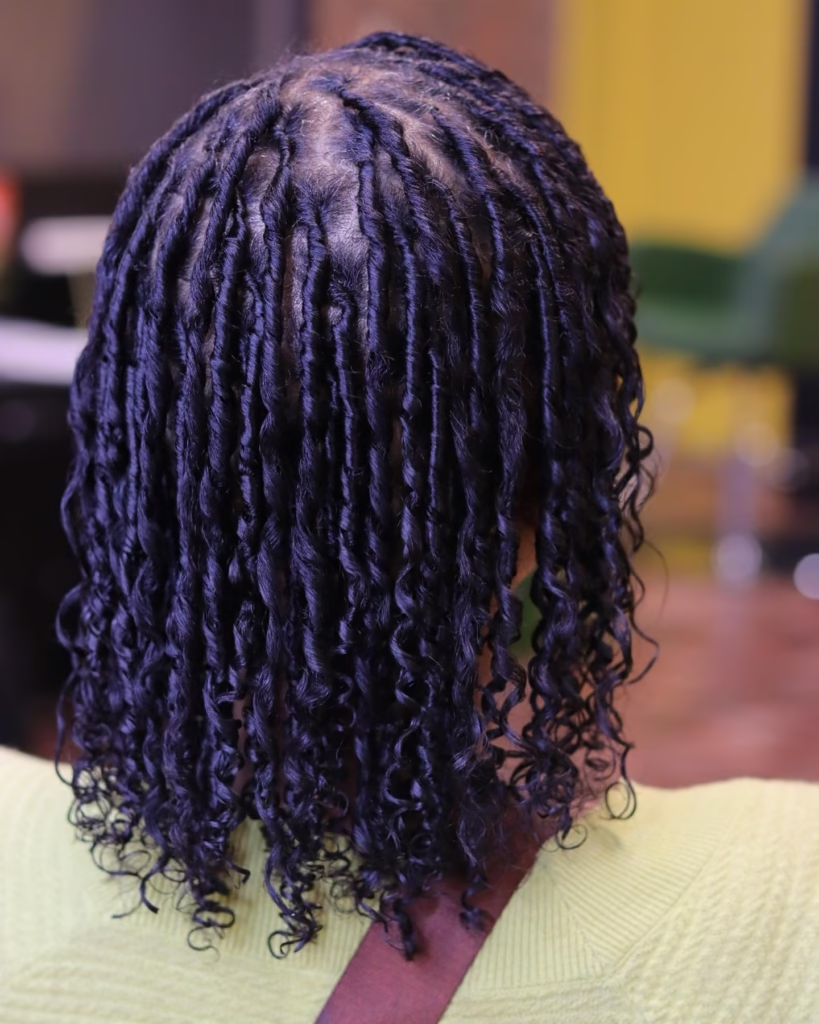
Water, sweat, sleep, and rough handling can loosen the coil before the hair begins to hold together.
Instead of waiting until everything looks messy, ask your loctician how soon you should return after the first install.
Early check-ins help fix unraveling, separate roots, and clean up parts before small problems become harder to manage.
2. Twists may give you more time before panic sets in
Two-strand twists often feel more secure for beginners because the wrapped pattern gives the hair more structure.
This can help if you cannot visit the salon often or if you know frizz makes you nervous.
Still, twists do not mean no maintenance.
Ends can loosen, roots can puff, and the twist pattern can swell, so you still need gentle washing, nighttime protection, and regular checks.
3. Retwist frequency affects cost and scalp health
Retwisting too often can cost more and place stress on your roots.
Fresh parts look nice, but forcing that fresh look every week can create tension around the same areas.
Better planning means asking how often your hair should be maintained based on your texture, starter method, and scalp comfort.
A good schedule protects your budget and gives your roots time to rest between salon visits.
Continue reading Short Bob Locs Styles: 15 Chic Looks for Women Who Love Bold Hair
4. Skipping appointments can affect both methods
Skipped appointments can cause different problems depending on your method.
Coils may unravel more if they are left too long without careful maintenance.
Twists may start joining at the roots if you do not separate them gently or visit your loctician when needed.
Calendar your first few appointments before you leave the salon, because guessing later can lead to rushed decisions or over-fixing at home.
5. A lower-maintenance start may be better for a busy schedule
Busy women need honest choices.
If you work long hours, travel often, sweat a lot, or cannot visit the salon regularly, choose the method that gives your hair more stability.
Twists may be easier for some schedules because they often hold together longer during the early stage.
Coils can still work if your texture holds them well and you are ready to be gentle between visits.
Bring your real routine into the consultation, not just your saved photos.
Clear answers about time, cost, and upkeep will help you choose a starter method you can live with after the salon shine fades.
Ask These Questions Before Your Starter Loc Appointment
You may think your loctician will automatically know whether comb coils or two-strand twists are best for you.
That is a risky way to start.
Most stylists can guide you, but they still need to hear how your hair behaves at home, how often you wash, how much you sweat, and what kind of locs you want later. Better appointments happen when you ask clear questions before the first part is made.
1. Which method suits my hair texture best?
Start with your texture, not your dream photo.
Ask your loctician to look at your curl pattern, strand thickness, density, and shrinkage before choosing comb coils or two-strand twists. Tight curls may hold coils well because the hair naturally bends into a rounded shape, while softer or looser curls may need twists because the wrapped pattern gives more hold.
Mention how your hair acts after water touches it.
Share if your twists usually unravel, if your wash-and-go shrinks fast, or if your roots puff quickly, because those clues help your stylist choose a method that fits your real hair.
2. How many locs will this parting size create?
Part size affects your future locs more than many beginners expect.
Ask how many locs your chosen parting pattern may create and how thick those locs may become over time.
Small parts can give you more locs and more styling options, but they can also mean longer salon visits and more roots to maintain. Larger parts can mature into thicker locs, but they may feel heavier when your hair grows longer.
Request a mirror check before the full install begins.
Seeing the first few parts helps you speak up before the whole head is finished.
3. How much shrinkage should I expect?
Shrinkage can shock you if nobody prepares you.
Ask how short your hair may look after the install, after the first wash, and after the first month.
Comb coils can shrink faster because the hair is wrapped into tighter spirals, while two-strand twists may hold more visible length at first. Still, both methods can draw up once water, sweat, and drying enter the routine.
Take a photo before and after your appointment.
Photos help you track normal changes without thinking your hair is going backward.
4. How should I wash during the starter stage?
Washing the wrong way can disturb starter locs before they settle.
Ask your loctician how soon to wash, what shampoo to use, and how to move your hands during wash day.
For comb coils, you may need to focus on the scalp and let water run through the hair instead of rubbing the coils. For twists, you still need gentle pressure because the wrapped shape can puff or loosen with rough handling.
Clarify drying too.
Damp starter locs can smell musty if they are covered before fully drying.
5. What should I do if some sections unravel?
Unraveling needs a plan before it happens.
Ask what counts as normal loose ends and what needs a salon fix.
A fuzzy tip may not be a problem, but a whole section opening from root to end should be checked. Thick gel can make it look neat for one day, but it can also cause buildup inside new locs.
Save your stylist’s instructions.
Following their method keeps you from fixing one loc in a way that creates a bigger issue.
6. When should I come back for maintenance?
Your first follow-up should not be a guess.
Ask when to return based on your starter method, scalp comfort, lifestyle, and hair texture.
Coils may need closer early checks if they loosen fast, while twists may give you more time before the next visit. A clear schedule helps your roots stay separated, your parts stay clean, and your scalp avoid too much tension.
Book the next appointment before leaving.
That one step can save you from waiting until your starter locs feel out of control.
Read on 15 Mature Locs Styles for Women Over 40 That Exude Confidence
Avoid These Starter Loc Mistakes After Choosing Your Method
You may think the hard part is choosing between comb coils and two-strand twists.
That choice matters, but what you do after the appointment can help or hurt the whole process.
Most starter loc problems come from panic, impatience, or trying to keep the hair looking freshly done every day.
Better care means protecting the starter pattern, cleaning gently, drying fully, and leaving your hair alone long enough to begin locking.
1. Washing too roughly too soon
Washing is not the enemy.
Rough washing is.
Comb coils can open if you scrub the length of the coil before the hair has started binding together.
Two-strand twists can also puff, loosen at the ends, or frizz faster if you rub them like loose natural hair.
Focus shampoo on your scalp with the pads of your fingers, then let the water run down through the locs.
Squeeze gently with a lint-free towel instead of twisting the hair dry, because hard twisting can disturb the starter shape.
2. Retwisting every time roots look puffy
Puffy roots do not mean your starter locs are failing.
New growth, sweat, sleep, and wash day can all make the roots look less sharp.
Many beginners retwist too often because they want that clean salon look back immediately.
Frequent retwisting can stress the same root area, especially around the edges, crown, and nape.
Give your scalp time to rest between maintenance visits, and ask your loctician how often your hair should be retwisted based on your method and texture.
3. Using heavy products to force neatness
Heavy gel, wax, thick cream, and too much oil can make starter locs look neat for a short time.
The problem starts later.
Product can sit inside the loc, attract lint, and create buildup before your hair has matured.
Use light product only when needed, and choose formulas that rinse out easily.
If your starter locs feel dry, mist lightly with water or a water-based spray first, then use a few drops of light oil only on the areas that need sealing.
Oil on dry hair can make it shiny without adding real moisture.
4. Comparing your starter locs to mature locs online
Online photos can make the early stage feel worse than it is.
Mature locs have already gone through swelling, frizz, shrinkage, and months or years of change.
Your starter locs are still learning to hold together.
Comparing month-one coils or twists to someone’s five-year locs will make you think something is wrong when your hair is simply new.
Save photos for direction, but judge your progress by your own hair, your own texture, and your loctician’s advice.
5. Covering damp locs before they dry fully
Damp starter locs need air.
Covering them too soon with a bonnet, scarf, hat, or wrap can trap moisture inside the hair.
Trapped moisture can lead to a musty smell, especially if your hair is thick, long, or tightly packed.
Dry your locs fully after washing, rinsing, swimming, or heavy sweating.
Use a towel that does not leave lint, squeeze out extra water gently, and give your hair enough time before bedtime or styling.
6. Changing methods too quickly because of frizz
Frizz can make you question everything.
Still, early frizz does not mean comb coils were wrong or two-strand twists were a bad choice.
Starter locs need time to swell, tangle, and settle into their shape.
Switching methods too quickly can restart the process and create more frustration.
Call your loctician if whole sections unravel, roots feel sore, or the same areas keep opening.
Leave normal fuzz alone, protect your hair at night, wash gently, and let the method prove itself before deciding it failed.
See also Wedding Loc Updo Styles for Black Brides That Look Elegant, Secure, and Beautiful
Use This Simple Decision Guide: Comb Coils or Two-Strand Twists
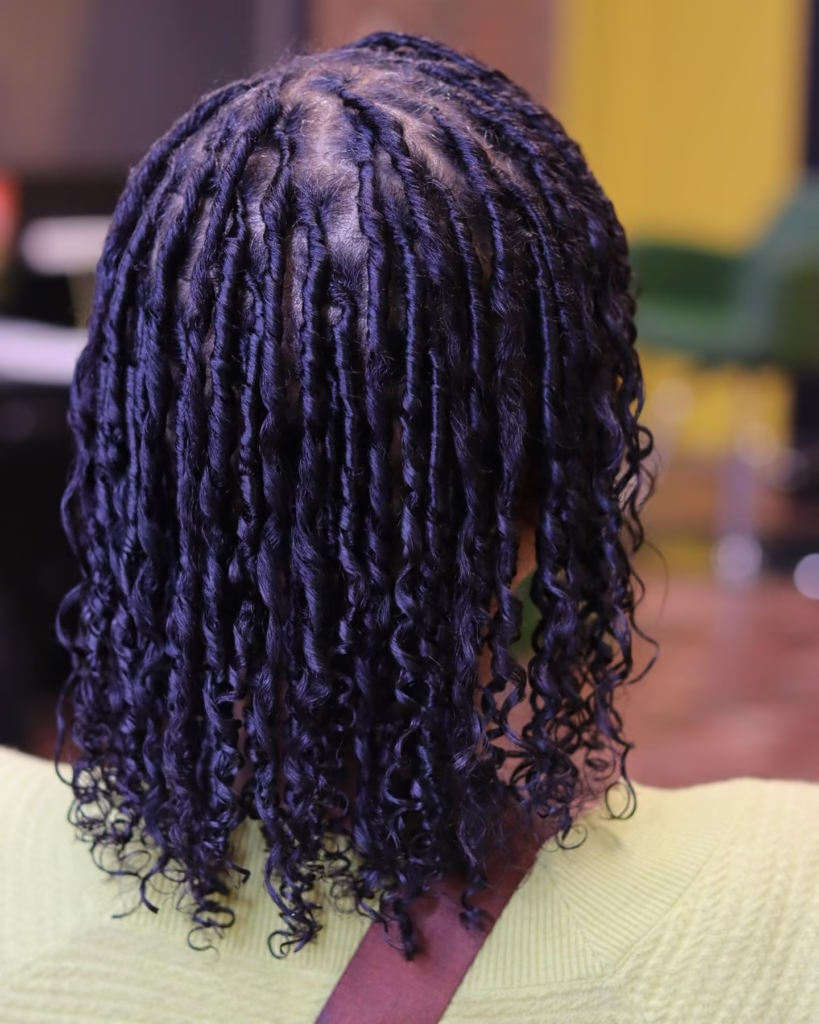
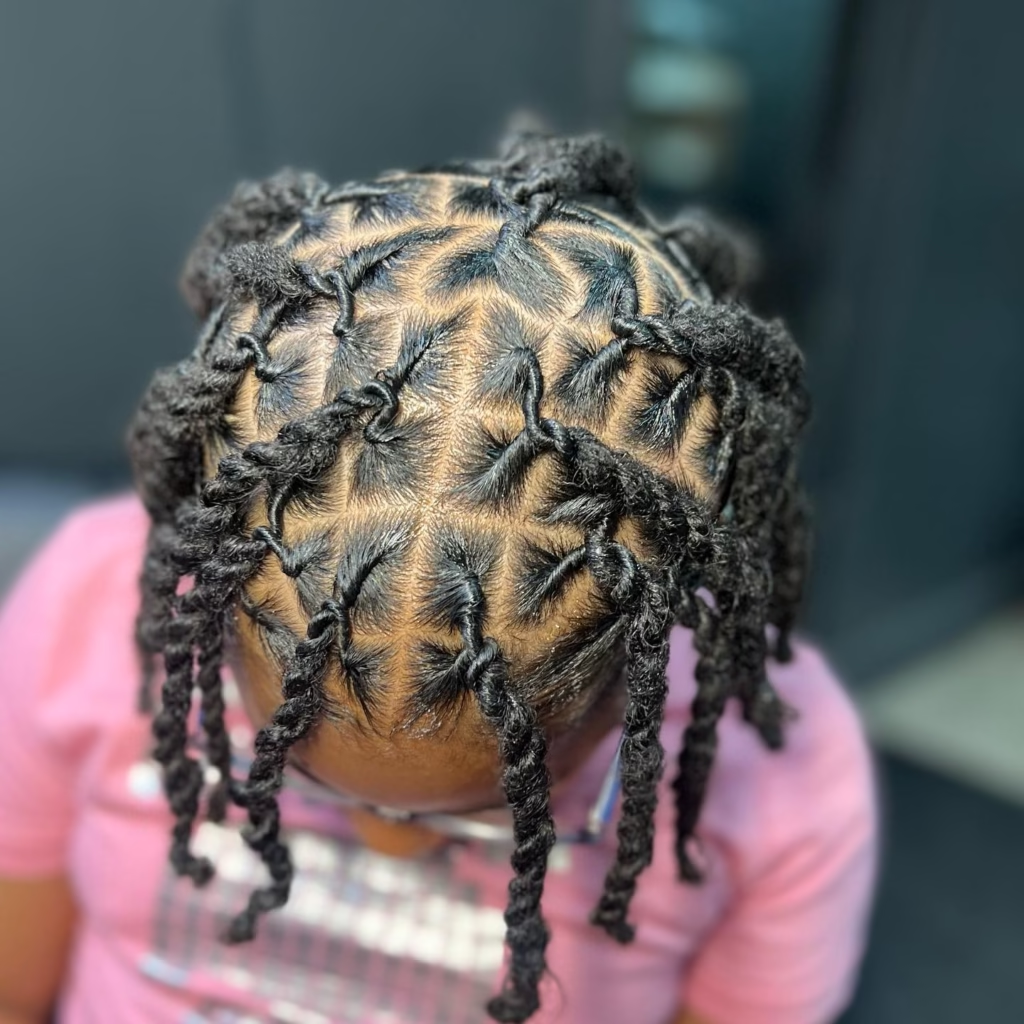
You may still be waiting for one method to sound perfect, but starter locs do not work that way.
Both methods have trade-offs.
Comb coils can look cleaner at the start, while two-strand twists can feel more secure for hair that slips or unravels easily. The better choice is the one that fits your texture, patience, lifestyle, and long-term loc goals.
1. Choose comb coils if your hair coils tightly and you want a clean rounded start
Comb coils make sense when your hair already curls tightly and holds shape well.
Tighter coils grip the starter pattern better because the hair naturally bends into small circles. That grip helps the coils stay together during gentle washing, sleeping, and daily movement.
Choose this method if you like a smoother, rounder starter look and you understand that shrinkage will happen.
Ask your loctician to test a few coils first if you are unsure how your hair reacts to water.
2. Choose two-strand twists if your hair is longer, softer, or unravels easily
Two-strand twists give softer or longer hair more structure at the start.
Each section wraps two pieces of hair around each other, so the starter loc has more hold than a single coil pattern.
Pick twists if your hair often slips out of styles, opens at the ends, or loses shape quickly after washing.
This method can reduce the panic that comes when starter locs begin to loosen too soon.
3. Choose twists if you want more visible fullness early
Twists often look fuller on day one because each starter loc begins with two wrapped sections.
That fullness can help if your hair is medium-length, thick, or you do not like the smaller look comb coils can have after shrinkage.
Expect the twist pattern to show for a while.
Patience is part of the deal, because the rope-like look fades slowly as the hair swells and begins to lock.
4. Choose coils if you are comfortable with more shrinkage
Coils can shrink sharply because the hair is wrapped into a tight spiral from root to end.
Someone with longer loose hair may be shocked when the finished coils look much shorter.
Prepare for that before your appointment.
Take a before photo, ask your stylist what shrinkage to expect, and avoid judging the method by length during the first few weeks.
5. Ask about another method if neither option fits your hair well
Neither comb coils nor two-strand twists is the right answer for every head.
Braids, interlocking, or a mixed method may work better if your hair is loose, slippery, very short, highly active, or different textures across one head.
Tell your loctician how often you wash, sweat, swim, and wear head coverings.
Honest details help them recommend a starter method that will survive your real routine, not just your install day.
Plan Your First 90 Days Based on the Method You Choose
Most people plan the starter loc appointment, then forget to plan the first three months.
That is where stress starts.
Your first 90 days are not about chasing perfect hair. They are about protecting the starter pattern, learning how your hair responds, and giving your locs enough time to begin forming without too much touching.
1. Month 1: protect the starter pattern and avoid over-handling
Month one is the quiet stage.
Your starter locs need time to settle, so keep your hands out of your hair as much as possible.
Comb coils need gentle handling because the spiral can open before the hair begins to bind.
Two-strand twists may feel stronger, but rough styling can still loosen the ends and make the roots puff faster.
Cover your hair with satin or silk at night, place your locs with your fingers in the morning, and avoid tight ponytails, heavy buns, or constant styling.
2. Month 2: expect frizz, swelling, and texture changes
Frizz usually becomes more noticeable in the second month.
This does not mean your locs are failing.
Loose hairs begin to move, puff, and wrap around the starter pattern as the locking process starts.
Coils may look fuzzier and shorter, while twists may look thicker and less defined than they did on day one.
Leave normal frizz alone unless a whole section opens from root to end.
3. Month 3: check hold, unraveling, buildup, and root health
By month three, you should start watching patterns.
Notice which locs keep unraveling, which roots feel sore, which areas collect buildup, and which parts begin joining together.
Bring these details to your loctician instead of guessing at home.
Photos help.
Take pictures of the front, crown, sides, and nape before your maintenance visit so your stylist can see what happens between fresh retwists.
4. Wash gently and dry fully every time
Clean hair helps starter locs form better than coated hair.
Wash with your fingertips on the scalp, not your nails, and avoid rubbing the full length of your coils or twists like loose hair.
Rinse until the water runs clear.
After washing, squeeze with a lint-free towel and let your hair dry fully before wearing a bonnet, scarf, hat, or bun.
Damp starter locs can smell musty if moisture stays trapped inside.
5. Keep notes for your loctician between visits
Memory can trick you.
Write down what happened after wash day, how much your hair shrank, which locs opened, and whether any product caused flakes or itching.
Mention lifestyle details too, such as workouts, swimming, hats, helmets, or long hours under scarves.
Clear notes help your loctician adjust your maintenance plan without relying only on how your hair looks after a fresh retwist.
6. Let the method mature before judging the final result
Starter locs need time before they show their real shape.
Comb coils may look small and fuzzy before they become rounder.
Two-strand twists may look rope-like before the pattern softens.
Judging too early can make you switch methods when your hair is only going through a normal stage.
Give your chosen method enough time to swell, frizz, tighten, and settle before deciding whether it truly fits you.