
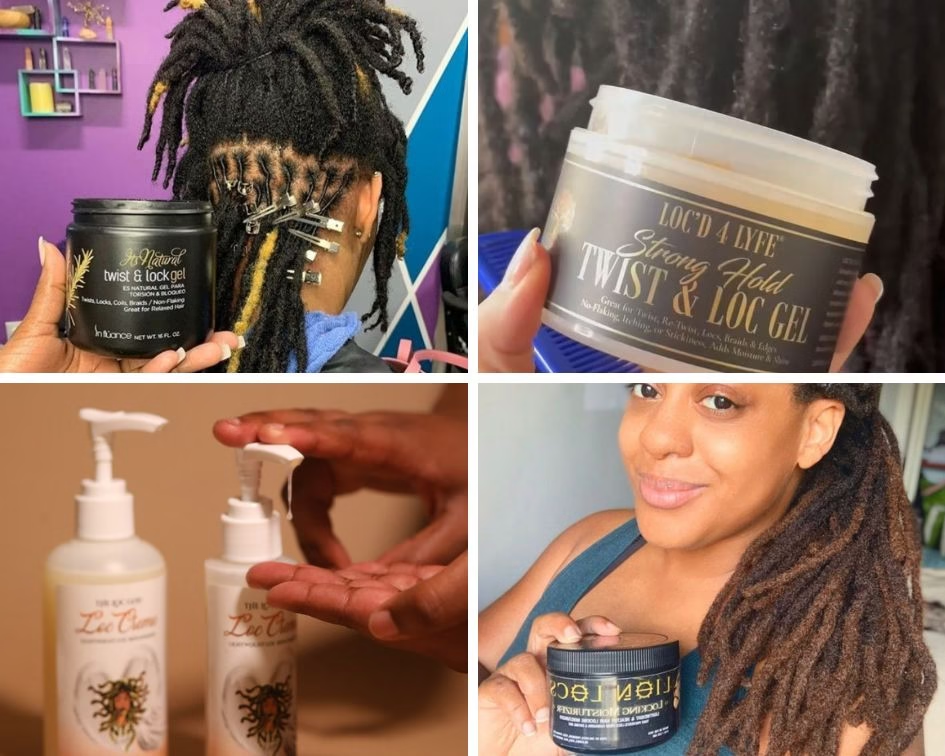
Walk into any beauty aisle, and you will find fifty jars that all promise perfect locs. Most of those jars are not made for locs, and some of them can cause real trouble.
Short locs are especially sensitive to product, because there is little length to hide any residue. A good styling cream gives definition, softness, and shine, without leaving a sticky film behind.
A bad one leaves heavy residue inside your locs, and that residue is hard to remove. For simple short styles to pair with any cream, browse 25 cute short locs hairstyles first.
I will not push any brand here, because the best product depends on your own locs. Instead, I will teach you what to look for, what to skip, and how to test.
Once you know how to read a label, you can judge any cream in seconds. You will also learn how much to use, how to apply it, and how to remove buildup.
Everything here is gentle, simple, and safe for locs of nearly any age or size. So let us start with why styling creams matter so much for your short locs.
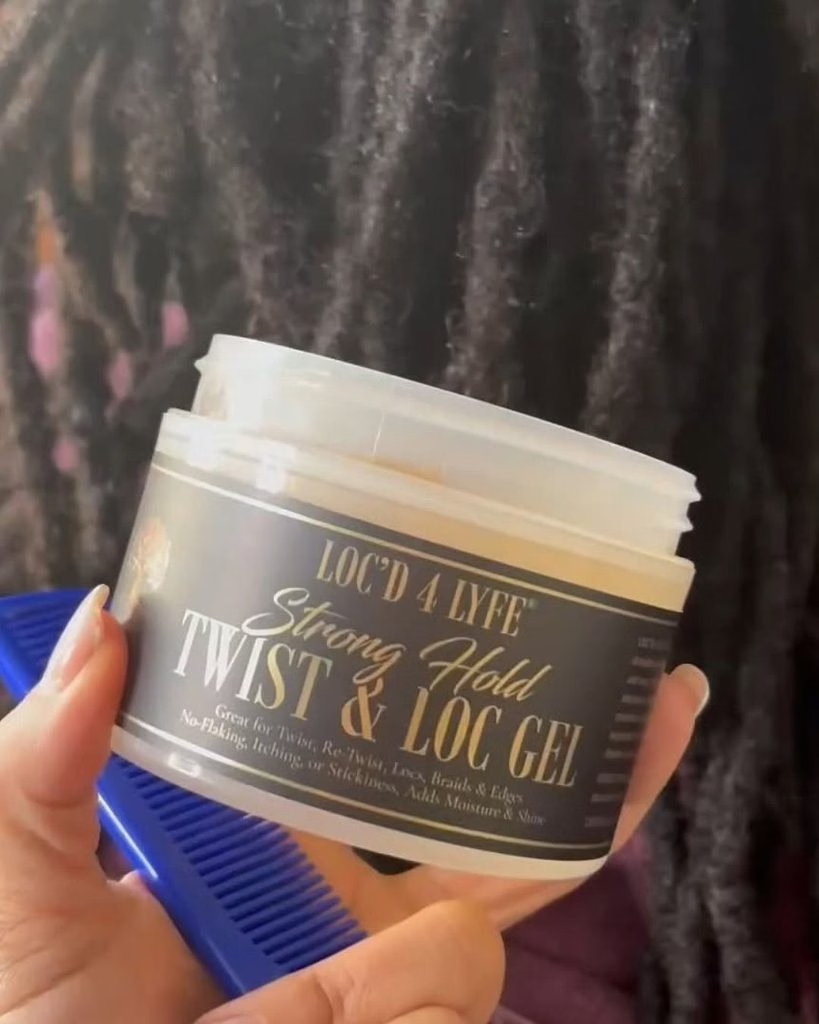
Best Styling Creams for Short Locs: Products That Define Without Buildup
Why Styling Creams Matter for Short Locs
Last winter, a client named Chloe dumped her whole product bag onto my station counter. She owned eleven jars and bottles, and her locs still looked dull, stiff, and flaky.
The problem was not too little product, because she was actually using far too much. We cut her routine down to one light cream, and her locs improved within weeks.
That story is common, and it shows why the right cream matters more than many creams. Short locs need a little help, since new growth, frizz, and shrinkage show up quickly.
Short locs show buildup faster than long locs, since residue sits close to the scalp. A light cream smooths the surface, adds soft hold, and keeps the roots looking neat.
It also helps seal in moisture, which keeps short locs from turning dry and brittle. For styling ideas to try once your locs look soft, browse 18 cute locs styles for inspiration.
The goal is definition and softness, not shine at any cost, and never a heavy coating. Locs are made of tightly knotted hair, so anything you apply can get stuck inside.
That is exactly why light products and small amounts almost always win with healthy locs.
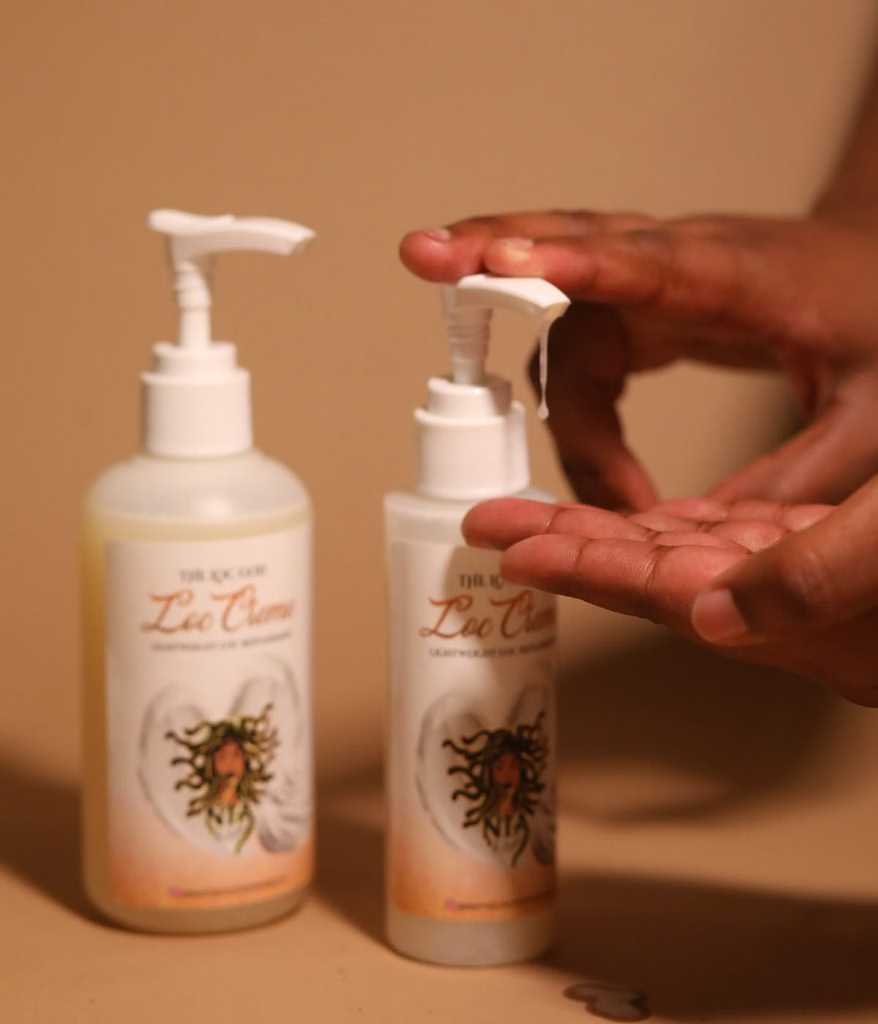
What a Good Styling Cream Should Do
What should a good styling cream actually do for your short locs, from day to day? First, it should add soft moisture, so your locs feel supple and never crunchy or stiff.
Second, it should define the shape, so the locs look neat, round, and smooth all day. Third, it should rinse out easily, so nothing stays behind inside your locs after you wash.
A cream that fails the third test will build up, no matter how pretty it smells. Good creams feel light and silky in your hands, and they spread easily over damp locs.
A cream should never make your locs feel worse after a few days of use. Bad creams feel thick, waxy, or sticky, and they leave a greasy film on your fingers.
For neat results, browse 22 styles that look polished and intentional and compare the finish. Your cream should also work with your locs, not against them, so test how they feel.
Locs should feel soft, light, and bouncy a full day after you apply the product. If they feel heavy, tacky, or coated, then the cream is wrong for your hair.
Keep these three jobs in mind, and every label in the store becomes much easier to judge.
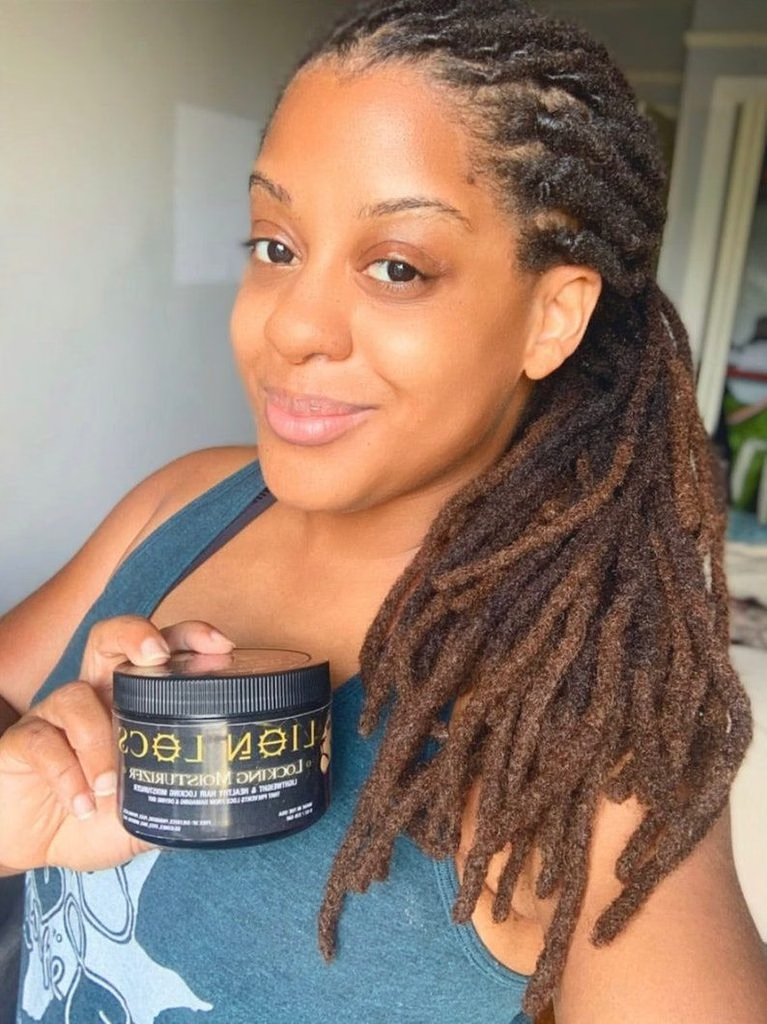
Ingredients to Look For
The best ingredients for short locs are light, water friendly, and easy to rinse away. Water, or aqua, should be the first ingredient, since it gives real moisture to the hair.
Aloe vera juice is a gentle, cooling option that softens locs and calms the scalp. Light oils, like jojoba, sweet almond, and grapeseed, add real softness without adding much weight.
Glycerin can attract moisture, but a lot of it can feel sticky in humid weather. Panthenol and similar softening agents help the hair feel smooth, soft, and flexible over time.
A small amount of shea butter can be fine, if it sits far down the list. Ingredients appear in order, so the first few make up most of what you are buying.
Save this for later: 14 cozy and chic looks for the season offers styling ideas for each season. Look for words like lightweight, water based, residue free, or clarifying friendly on the label.
These words are not proof, but they often show that the maker thought about locs. Always check the full ingredient list, because the front of the jar can be misleading.
Choose creams where the helpful ingredients appear early, and the heavy ones appear near the end.
Ingredients to Avoid
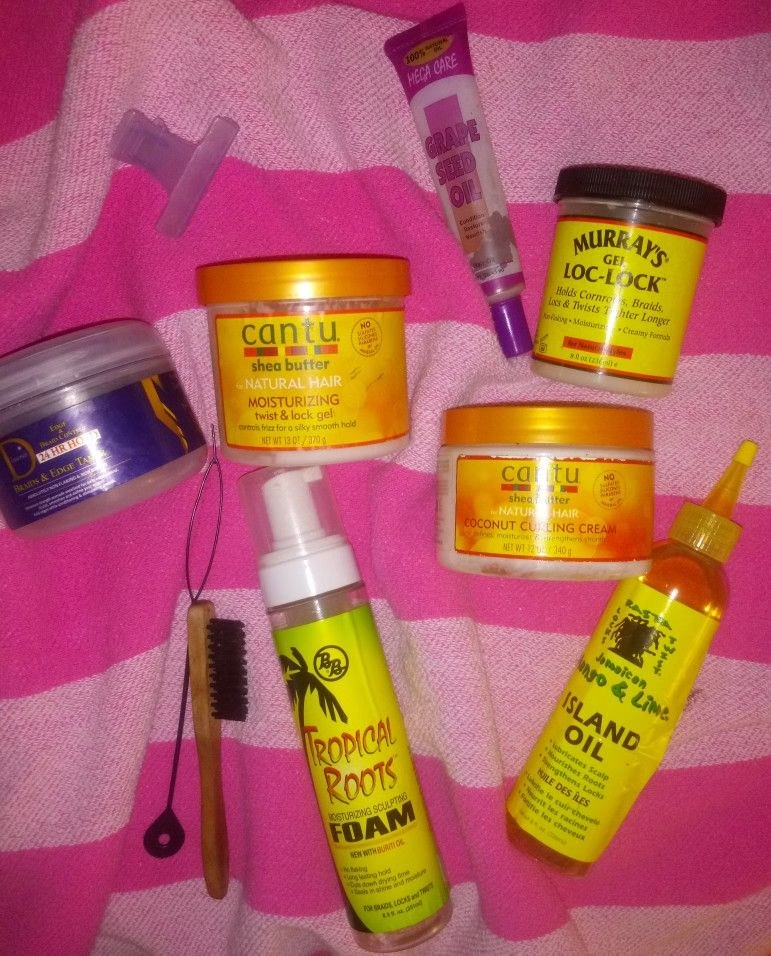
Some ingredients are famous for causing buildup in locs, and short locs feel it first. Beeswax and other heavy waxes cling to hair, and they can stay inside locs for months.
Petroleum jelly and mineral oil coat the hair, and they block moisture from getting in. Heavy silicones, which often end in cone, can build up and make locs feel plastic.
Thick butters, used in large amounts, can leave a greasy film that attracts dust and lint. Drying alcohols can strip the hair, so skip sprays that list them near the top.
Strong fragrance can irritate a tender scalp, so unscented or lightly scented creams are safer. Parents choosing products for young locs can read 6 mistakes parents make when starting their child’s locs too.
None of these ingredients is a villain in every situation, but locs react to them easily. Locs trap residue, so what rinses out of loose hair can stay inside locs for good.
Many loc wearers keep a short list of ingredients they avoid, and that helps a lot. Save that list in your phone, and check it each time you shop for something new.
Always rinse well after using any product that contains these ingredients, so less residue stays behind.
Cream, Gel, Butter, or Mousse: Which Is Right?
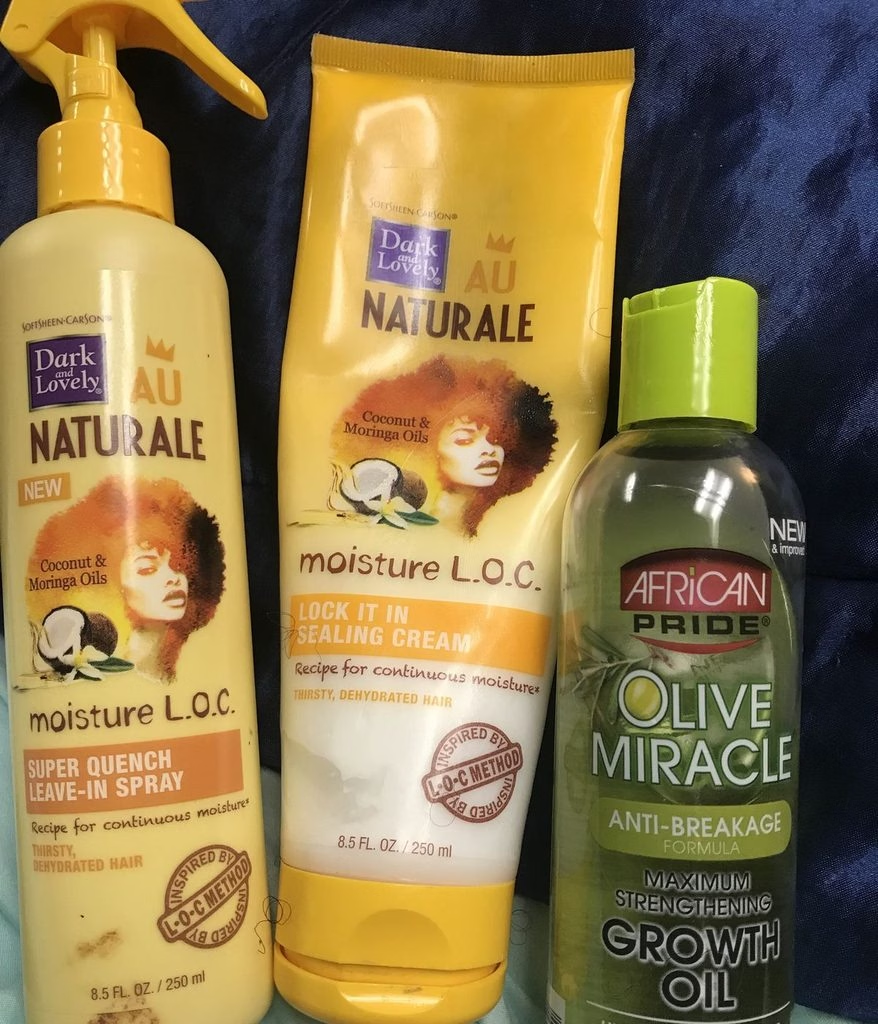
Cream, gel, butter, and mousse all promise definition, so which one is right for you? Creams are the best all rounders for short locs, since they balance softness and hold.
Gels give a firmer hold, but they can leave flakes if you use too much. Butters give rich softness, but they are heavy, so short locs often handle them poorly.
Mousses are airy and light, and they work well on fine locs that need only a little lift. A cream is a safe starting point, because it is easy to control and easy to rinse.
Start with a cream, and add another product only when your locs clearly need it. Use gel only for special occasions, and always use a very small amount on damp locs.
Use butters only on the scalp or the ends, and keep them off the lengths. A cream pairs nicely with half up looks, and 45 half up half down locs styles shows many.
You do not need all four products, because one good cream can cover most needs. A small kit keeps your routine simple, and it keeps your locs much cleaner too.
Fewer products also mean fewer chances for different ingredients to clash and build up inside your locs.
How to Read a Product Label
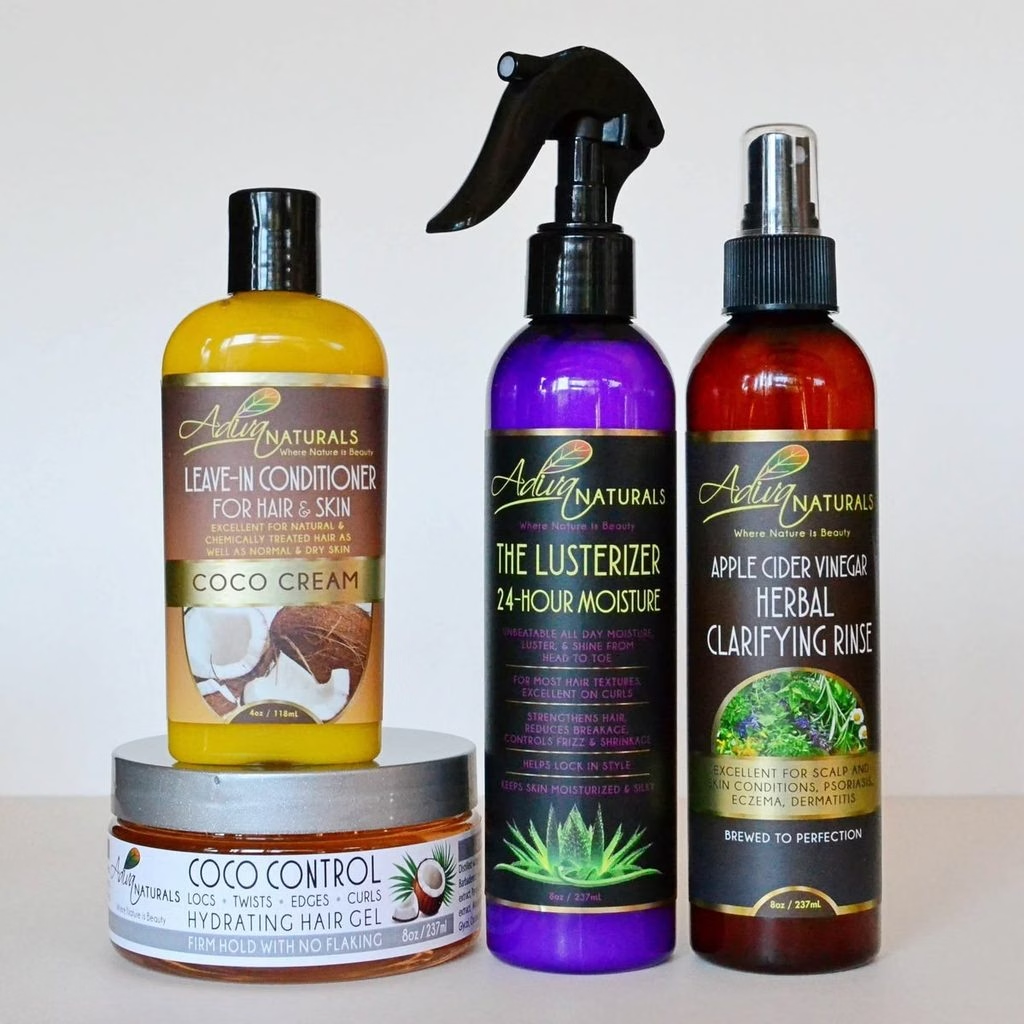
Reading a label takes less than a minute, and it can save you months of trouble. Start with the ingredient list on the back, not the big claims on the front.
Words like natural, organic, and pure are marketing, and they do not mean the cream is light. Scan the first five ingredients, because they make up the largest part of the product.
If water leads the list, the cream is probably light, soft, and easy to rinse. If oils, butters, or waxes lead the list, expect a heavier product that may build up.
Look at the texture too, since a thick, solid jar usually means a heavy formula. Save this for later: 12 professional styles to try shows neat looks that suit light creams.
Check the size of the jar, and start with a small one before you commit. Take a photo of the label, so you can compare products when you get home.
Read reviews from people with locs, because their experience matters more than general hair reviews. Be careful with sponsored posts, since a cream that sells well may still not suit locs.
When in doubt, ask your loc technician, who can judge a product by the label.
Creams for Fine or Thin Short Locs
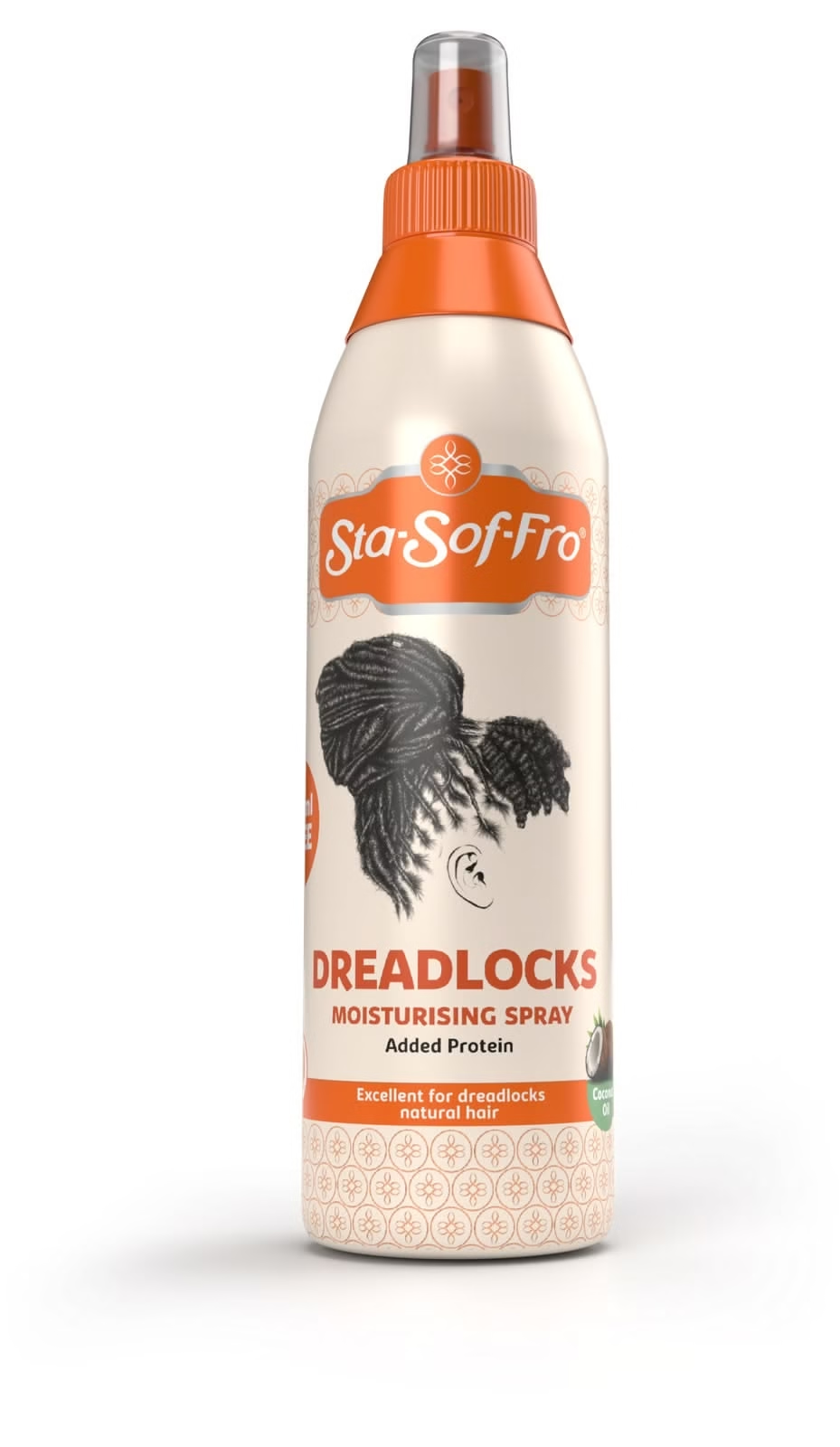
Fine or thin locs need the very lightest creams, because heavy products flatten them fast. Young locs often fall into this group, and 37 beautiful starter loc styles shows how to style them.
Choose a water based, lotion style cream, and keep the oils light and quite few. Look for aloe, light oils, and softening agents, and avoid thick butters and waxes completely.
A mousse can work well here, because it adds lift without adding any real weight. Use a tiny amount, about the size of a pea, for a section of several locs.
Fine locs show shine and flatness very quickly, so less is always better than more. Apply the cream to damp locs, since damp hair spreads product more evenly and thinly.
Skip the cream on days when your locs already feel soft, bouncy, and well moisturized. Fine locs can also tangle with each other, so keep the product light and smooth.
Thin locs also tire quickly under heavy products, so keep your routine short and simple. Wash more often if your locs are thin, because buildup shows up quickly on them.
Gentle care and patience will thicken the look of fine locs more than any jar.
Creams for Thick or Dense Short Locs
My client Jasmine has thick, dense short locs, and she believed her cream was failing. In truth, her cream was too light, and her locs needed a little more richness.
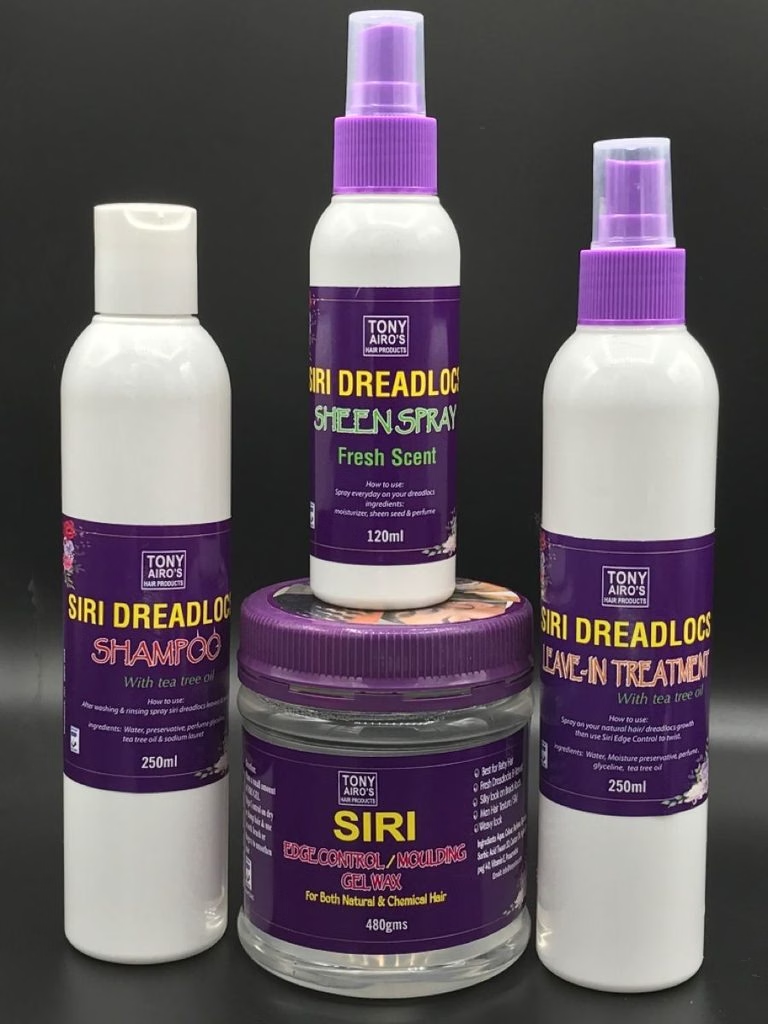
Thick locs can handle slightly richer creams, because they carry more weight and more hair. Look for a cream with a bit of shea butter or a plant oil blend.
Still, keep the richness modest, since even thick locs can clog with heavy waxes and balms. Work the cream through each loc with your palms, and roll it gently from root to tip.
Thick locs need more time to dry, so give them extra time before covering them. Damp locs under a scarf can smell sour, and that smell is hard to remove.
For bold, full shapes, browse 15 chic looks for women who love bold hair with your cream in hand. Dense locs also hold buildup deeper inside, so clarify them more carefully and more thoroughly.
Thick locs still need regular washing, because dense hair traps old product for a long time. Jasmine switched to a mid weight cream, and her locs looked smooth without feeling coated.
The right weight depends on your locs, so adjust until they feel soft and light.
Creams for Dry, Thirsty Locs
Do your short locs feel rough, dull, and thirsty no matter how much cream you use? Dry locs need water first, because cream and oil cannot fix a hair that has no moisture.
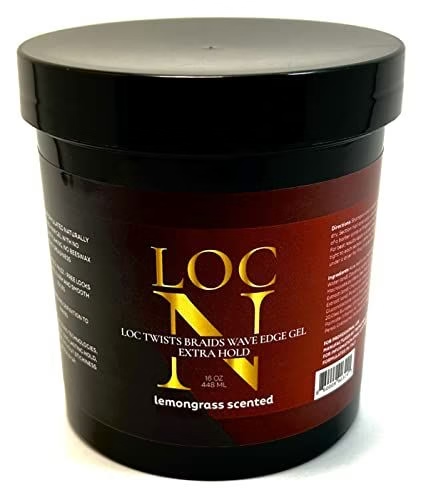
Spray your locs lightly with water, and then smooth a small amount of cream on top. Choose a cream with aloe, glycerin, and a light oil, which together hold water in place.
In winter, indoor heating and cold air pull moisture from locs, so dryness gets worse. For cozy winter looks, browse 12 cozy protective looks for cold weather while your locs recover.
Drink plenty of water, because dry hair often reflects a body that needs more fluid. Avoid washing too often, since shampoo can strip moisture and leave locs even more brittle.
Apply cream at night too, and cover your locs with a satin scarf to hold moisture in. Do not pile on heavy oils, because they sit on dry hair without helping it.
A humid, warm room can help dry locs absorb a little more moisture during the day. Dry locs also break easily, so handle them gently and avoid tight styles for now.
Be patient, because dry locs usually need several weeks of steady care to feel soft again.
Creams for Oily Scalps and Humid Weather
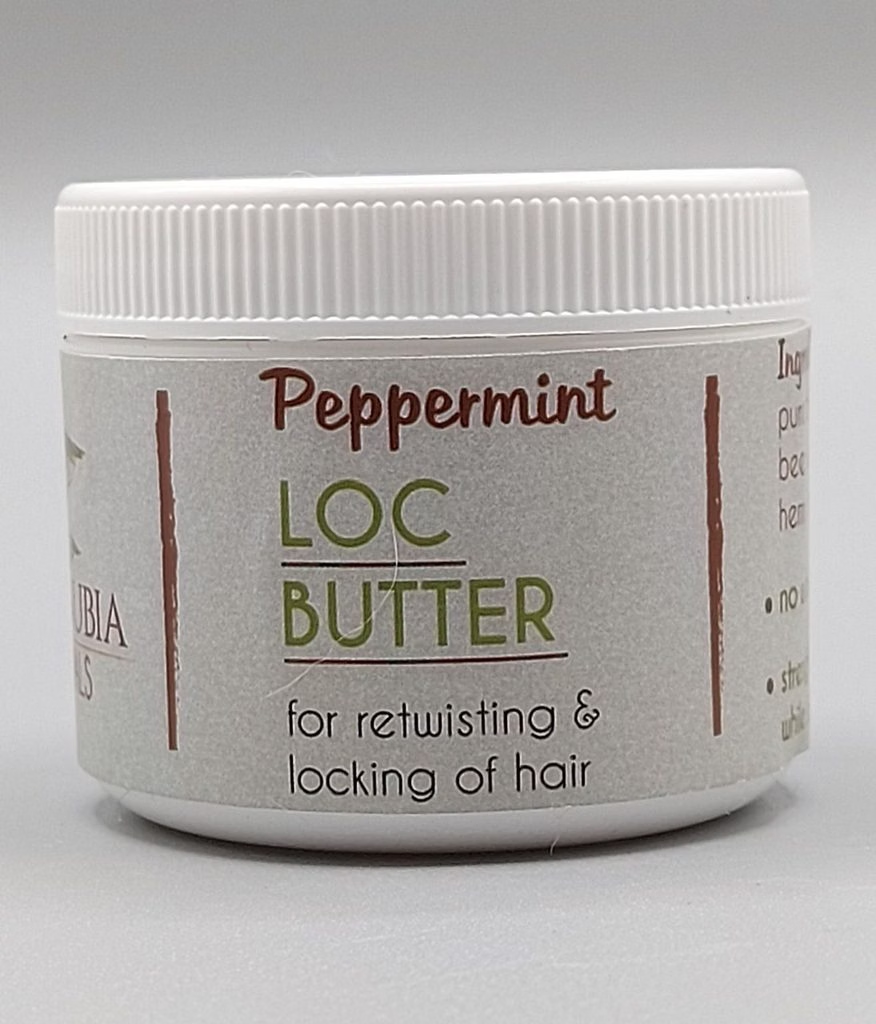
Oily scalps and humid weather call for the lightest creams that you can possibly find. Heavy products slide around on an oily scalp, and they make the roots look greasy.
In humid air, glycerin heavy creams can pull in too much water and cause frizz. Choose a cream that is light, gel like, and free of heavy butters and waxes.
Apply the cream only to the lengths of your locs, and keep it away from the scalp. Wash your scalp more often if it gets oily, but use a gentle, residue free shampoo.
A neat bob shape also helps, and bob locs for women in their 30s shows how to keep it tidy. Tight, sweaty hats can trap oil, so let your scalp breathe whenever you possibly can.
Blot extra oil with a clean cloth, and skip rubbing it deeper into your locs. Rinse your scalp well after workouts, since sweat and cream together can clog the roots.
In summer, mist with water and a light cream only when your locs truly need it. Humidity makes locs puff up, so smooth the surface gently with your damp palms each morning.
Light and clean routines work best in warm places, and they keep your locs fresh.
How to Apply Styling Cream the Right Way
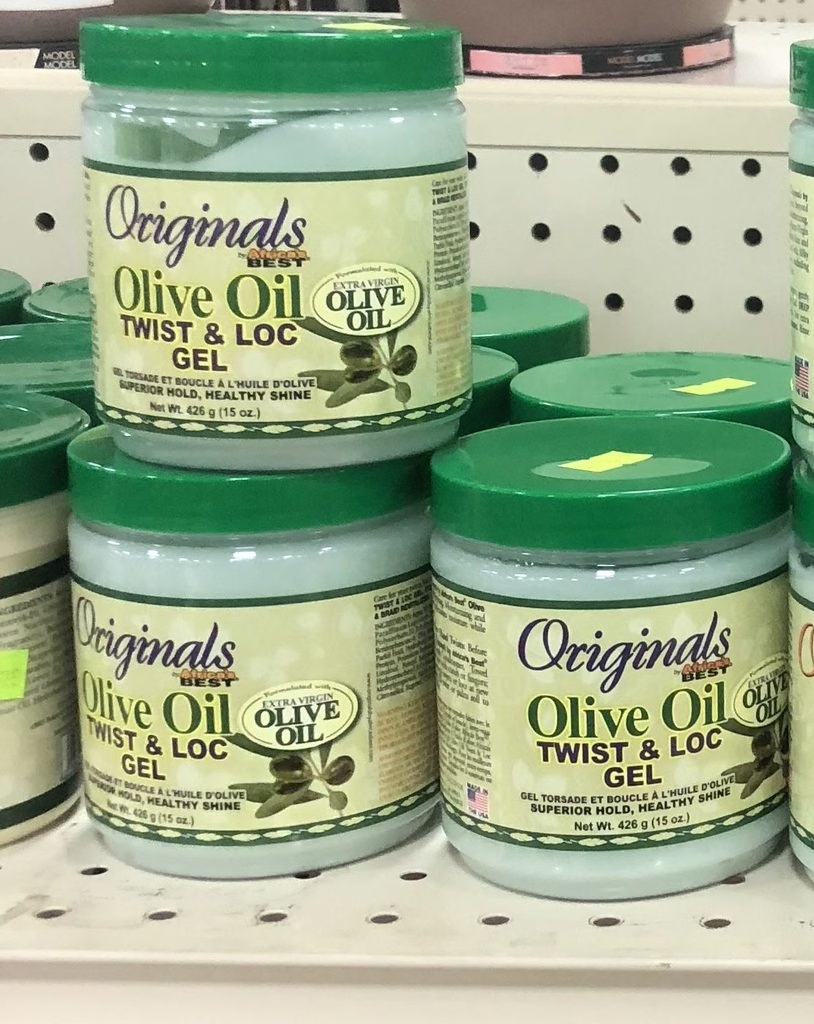
How you apply the cream matters just as much as which cream you decide to pick. Start with clean, damp locs, since damp hair spreads product more evenly and takes it in well.
Warm a small amount between your palms, so the cream melts and spreads very smoothly. Apply cream in the morning or evening, whichever fits your calm and unhurried time of day.
Smooth it over each loc in a downward direction, from the root toward the tip. Then roll each loc gently between your palms to define the shape and seal the surface.
Keep cream away from the scalp, since scalp skin needs lighter and quite different care. Work in small sections, so every loc gets an even and very thin layer of cream.
For event looks, see wedding loc updo styles and apply a little extra at the ends. Let your locs air dry fully, and avoid touching them while the cream settles in.
If the locs feel tacky after drying, you used too much, so use less next time. Wipe your hands on a clean towel, and never rub leftover cream into your scalp.
A calm, gentle routine makes the cream work better and keeps your locs much happier.
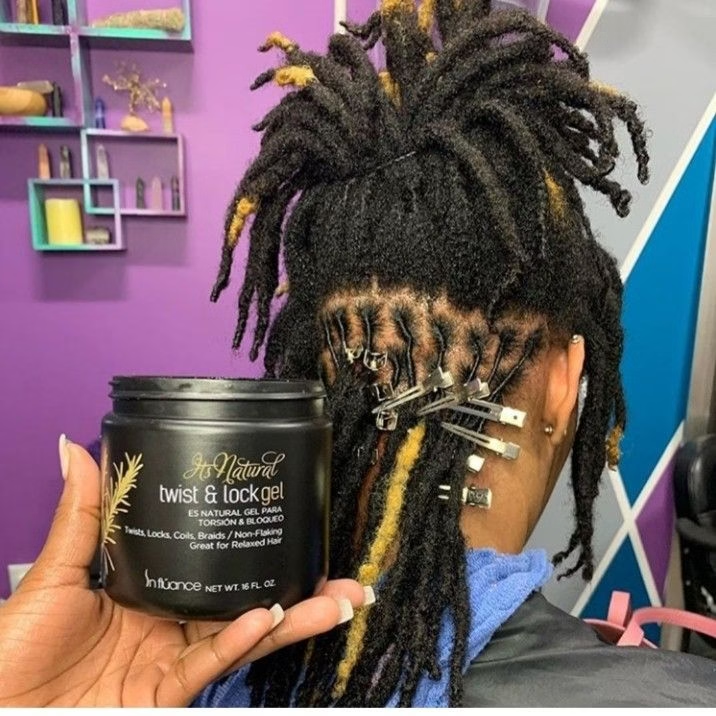
How Much Product to Use
How much cream is truly enough for a full head of short locs, every single week? Most people use far too much, and that is the number one cause of buildup.
A pea sized amount can cover three or four short locs, and that is usually plenty. Write down how many locs you cover with each pea sized amount, and repeat it.
A full head of short locs may need only a small palm full across the week. Always start with less, because you can add more, but you cannot easily remove it.
Your locs should feel soft and light, never heavy, tacky, or coated in a film. Hair often gets drier with age, so 15 mature locs styles for women over 40 can guide you.
Apply cream only two or three times a week, and skip it on days when locs feel soft. Daily cream is rarely needed, because water spray and a light oil usually keep locs fine.
If your locs look dull, wash them first, before you add any more product on top. More cream does not mean more definition, because extra product only adds weight and residue.
Measure by feel, and trust the signals your own locs give you after each wash.
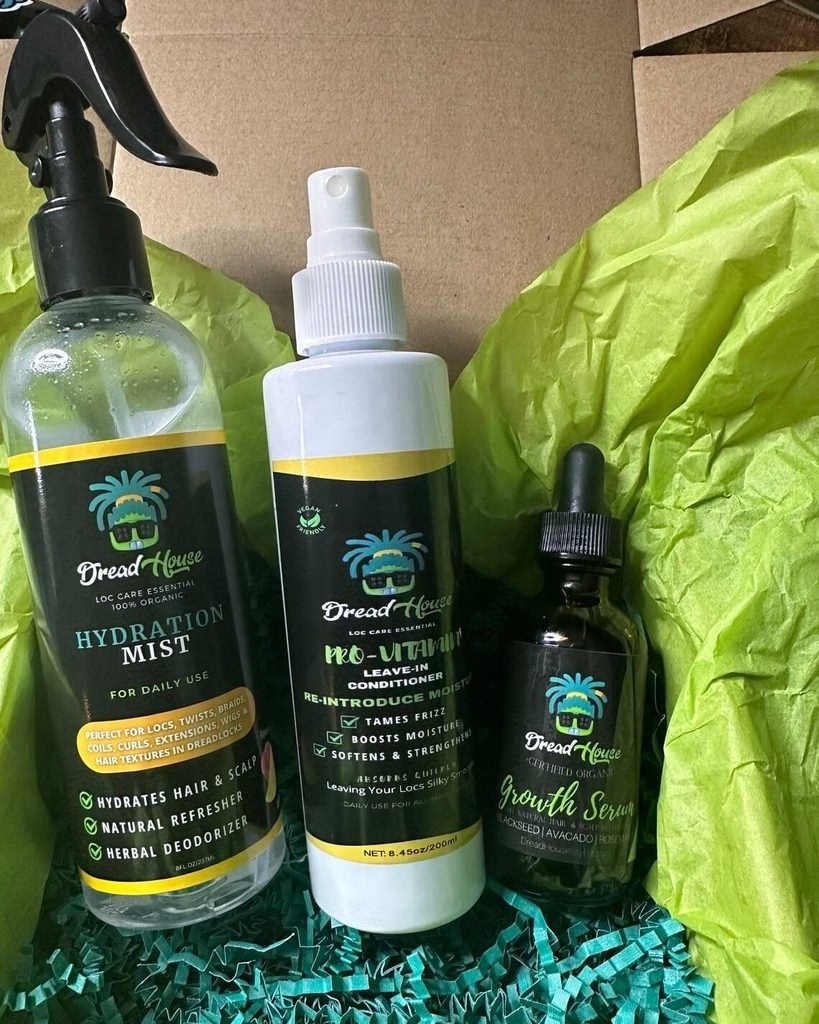
How to Test a New Cream Safely
Never use a new cream on your whole head before you have tested it first. Start with a patch test on the inside of your arm, and wait a full day.
If you see redness, itching, or swelling, wash it off and do not use the cream. Next, test the cream on two or three locs, and wear them for one week.
Notice how those locs feel, look, and smell compared with the rest of your untouched locs. Good signs are softness, light definition, and a fresh smell with no sticky or tacky feeling.
Bad signs are flakes, dullness, stiffness, or any itching or burning on your scalp area. Wait before you judge the cream, because buildup often takes a few weeks to show.
Change only one product at a time, so you know exactly which one caused a problem. Keep your test notes in one place, so you can compare creams fairly over time.
Keep a small note of each new cream, the date, and how your locs responded. Do not throw away an old favorite until the new cream has truly proved itself.
Patience in testing saves you money, protects your locs, and keeps your whole routine calm.
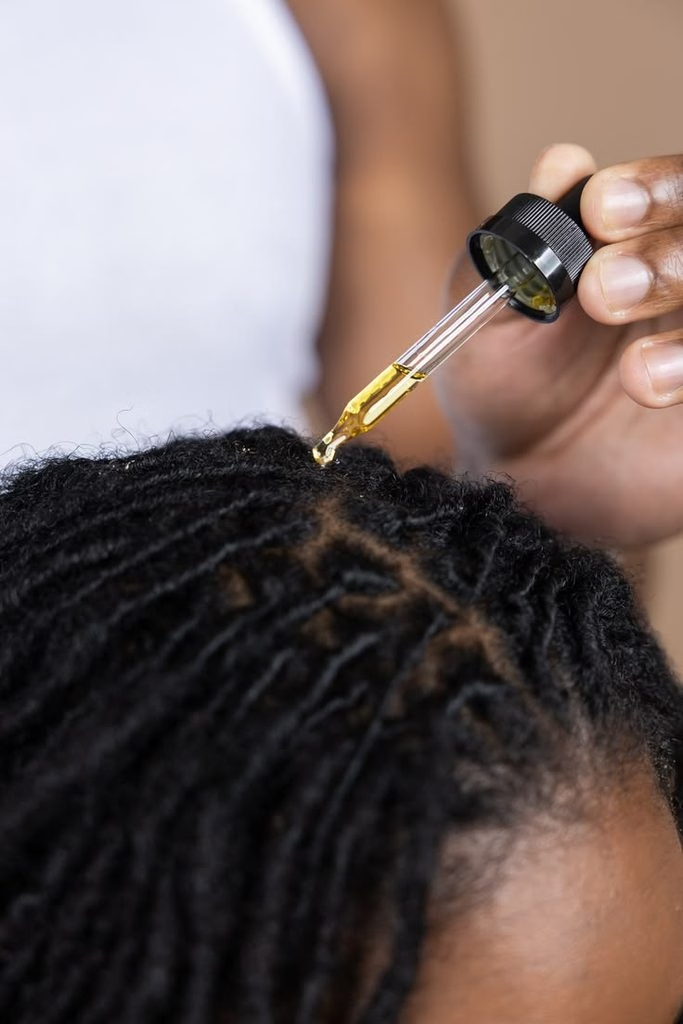
How to Remove Buildup When It Happens
Derrick came in with short locs that felt stiff, heavy, and strangely dull to the touch. He had used a thick waxy product for a year, and the buildup was serious.
We washed his locs gently, did a deep rinse, and repeated it over several visits. Slowly, his locs became soft, light, and bouncy again, and Derrick was absolutely thrilled with the change.
Buildup is fixable, and you do not need harsh methods or a rush to fix it. Start with a residue free, clarifying shampoo, and massage your scalp gently for a few minutes.
Squeeze the suds through each loc, and rinse for much longer than you usually would. Do not scrub hard during a buildup wash, because rough scrubbing can loosen and break locs.
A diluted apple cider vinegar rinse can help loosen residue, if your scalp tolerates it. Baking soda rinses are popular, but they can be harsh, so use them only rarely.
Soak the locs in warm water for a short time to help loosen stubborn residue. See how healthy locs look in 20 looks that celebrate every year once you reset your routine.
Dry your locs fully afterward, and then start fresh with just one light, simple cream.
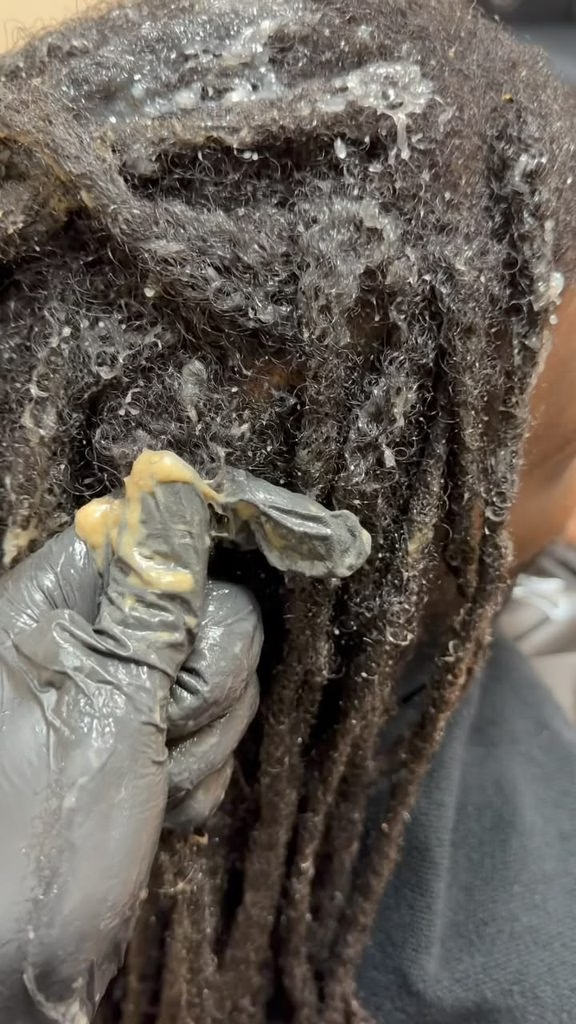
Mistakes That Cause Product Buildup
Product buildup rarely comes from one big mistake, and it usually comes from small daily habits. The biggest habit is using too much cream, which leaves extra product inside the locs.
Layering many products every day is another habit, and it creates a thick, heavy coat. Skipping washes lets old product pile up, and fresh cream then sticks on top of it.
Using waxes and heavy butters also causes trouble, since they do not rinse out well. Rinsing too quickly leaves soap and product behind, and that residue builds up slowly over time.
Save this for later: 20 stunning ideas for your wedding day shows how clean locs shine at events. Copying a friend’s routine is a mistake, because her locs may need very different products.
Chasing trends can fill your bathroom with half empty jars that you never truly finish. Cleaning out old jars and starting fresh feels really good, and it makes room for better habits.
Ignoring how your locs feel is also costly, because your locs always tell the truth. When locs feel heavy or sticky, stop adding product, and start washing and rinsing well.
Simple routines are easier to repeat, and they protect your locs for the long run.
Final Thoughts: Define Your Locs, Skip the Buildup
The best styling cream for short locs is light, water based, and easy to rinse. Look for water, aloe, and light oils, and skip heavy waxes, petroleum, and thick butters.
Match the cream to your locs, because fine, thick, dry, and oily locs all differ. Use a small amount on damp locs, apply it gently, and let your locs dry fully.
Test every new cream carefully, and wash often enough to keep buildup from settling in. Chloe, Jasmine, and Derrick all learned that a simple routine beats a crowded shelf every time.
Remember that good definition should feel soft and light, and never stiff, sticky, or heavy. Your locs will always tell you what they need, so listen and adjust with patience.
Pick one tip from this guide, try it this week, and watch your locs respond. Healthy, clean, and softly defined short locs are well within your reach, so enjoy the journey.