
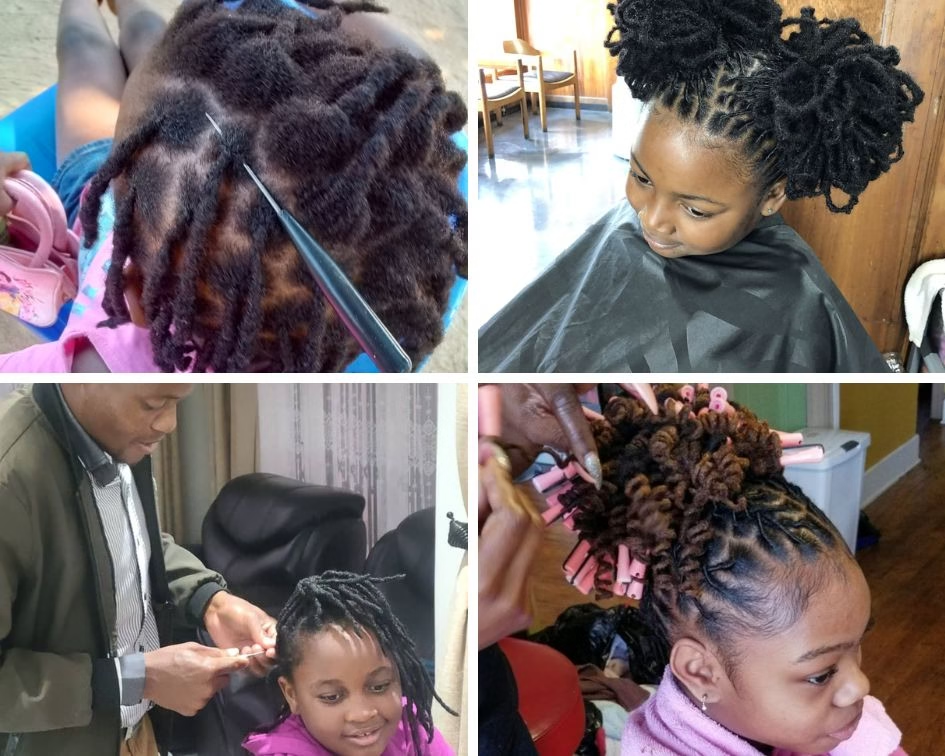
Last spring, a mom named Keisha brought her six year old daughter to my chair, looking worried. Zoe’s locs had fuzzy roots, and Keisha was afraid one wrong move would snap them off.
I hear that fear from parents all the time, and honestly, it is a smart fear to have. Children’s locs are softer, thinner, and more delicate than adult locs, so they need a gentler touch.
The good news is that a safe retwist is simple once you know the right steps. Before we start, read 6 mistakes parents make when starting their child’s locs so you avoid the common traps.
Keisha used the same steps you are about to learn, and Zoe’s locs stayed strong and neat. You do not need fancy tools or a salon visit to do this well at home.
You only need patience, a calm space, and a gentle hand that moves slowly and carefully. In the sections below, I will cover timing, supplies, technique, comfort, and how to avoid breakage.
I will also share fun styles, so your child enjoys the process from start to finish. So take a deep breath, grab a comfy seat, and let us keep those little locs safe.
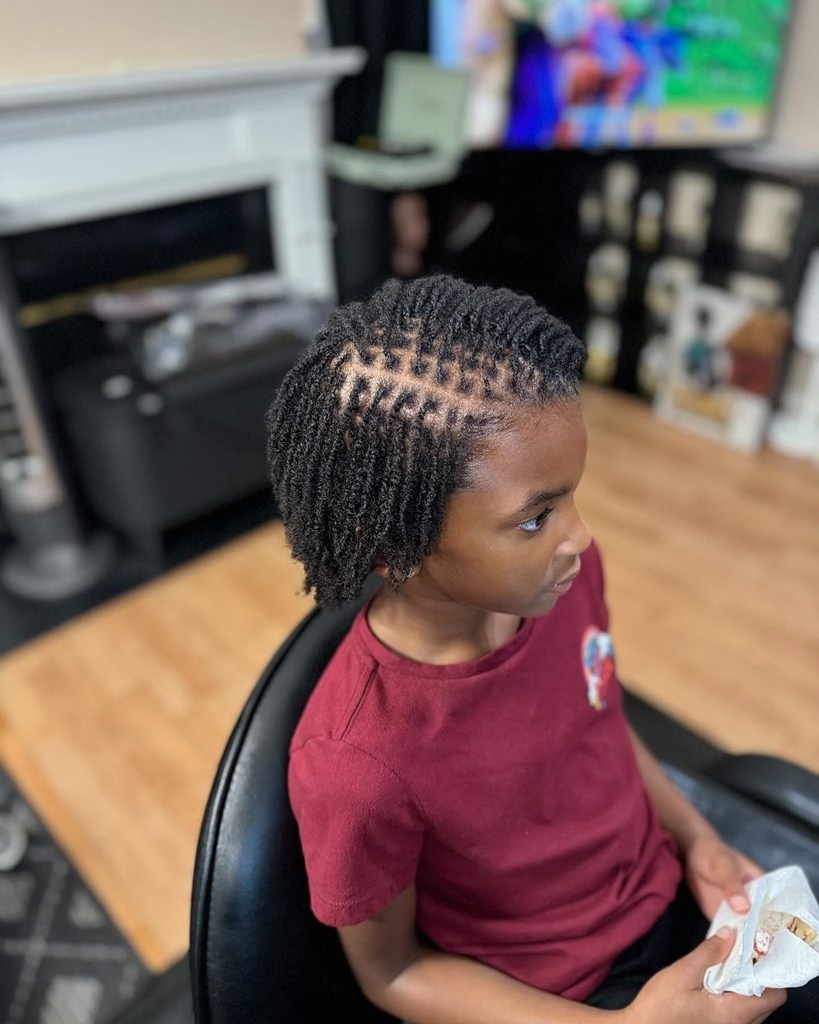
How to Retwist Your Child’s Locs Without Causing Breakage (The Safe Way)
Why Retwisting Matters for Children’s Locs
Why bother retwisting at all when your child’s locs seem perfectly fine on their own? New hair grows from the scalp as loose strands, and those strands need to join the loc.
Retwisting guides that new growth into the loc, so the roots stay neat and tidy. Without it, the roots can get fuzzy, and the locs may start to look thin or loose.
A retwist also helps your child’s locs hold their shape and form properly over time. Still, more retwisting is not always better, because little roots need plenty of rest between sessions.
A good retwist is gentle, light, and quick, and it never leaves your child sore. If your child is just beginning, look at 37 beautiful starter loc styles for ideas at every stage.
Early locs are very fragile, so the first few months need extra care and patience. Think of retwisting as a small act of care, not a chore to rush through.
When you stay calm, your child feels safe, and the whole session goes much more smoothly. Next, let us look at how to tell when the locs are truly ready for a retwist.
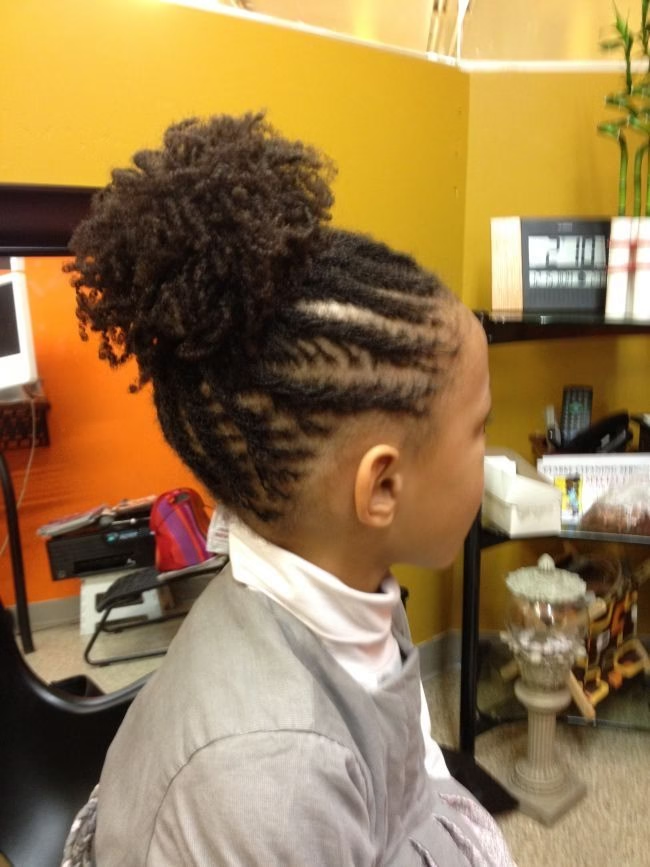
When Your Child’s Locs Are Ready for a Retwist
Timing is the first safety rule, because retwisting too early can pull on weak roots. Most children’s locs are ready for a gentle retwist about every four to six weeks.
Check the roots first, and look for new growth that is about a quarter inch long. If the roots still look neat and tidy, wait a little longer and let them rest.
Very new locs, especially in the first month, should really not be retwisted at all. Wait until the locs begin to knot and hold together, and then start gentle care.
If your child has a sore, itchy, or flaky scalp, pause and let it settle first. Never retwist over irritated skin, because it can make the problem worse and hurt more.
Short locs need special attention, and 25 cute short locs hairstyles can inspire you between retwists. Also think about your child’s season, school events, and swim plans before you schedule a retwist.
Chlorine and heavy sweat can undo a fresh retwist quickly, so plan around those days. A quiet weekend morning is usually the best time, since nobody feels rushed or tired.
Mark your calendar, so you remember the next date without guessing or rushing the process.
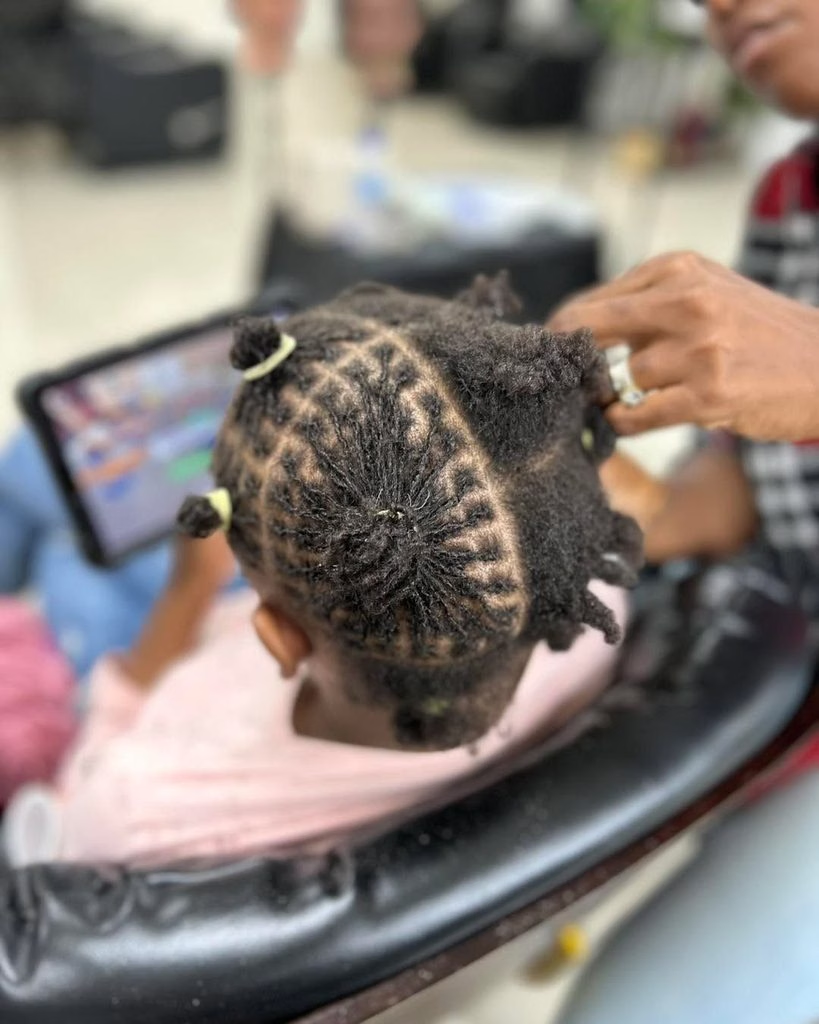
Why Children’s Locs Break So Easily
Children’s hair is finer than adult hair, and fine hair snaps more easily under tension. Their scalp is also more sensitive, so pulling that feels small to you can hurt.
Young locs are also not fully formed, so they have fewer knots holding them together. That means a single hard tug can pull a loc apart right at the root.
Children also move a lot, so they twist, tug, and sleep on their locs all day. Each of these small stresses adds up, and weak spots can slowly turn into breaks.
Tight retwisting is one of the biggest causes of breakage that I see in my chair. Heavy products also weigh down tiny locs, and they can cause buildup that is hard to rinse.
Rough combing and dry handling add even more strain to strands that are already delicate and thin. The goal is simple, which is to reduce tension, friction, and heavy product at every step.
Knowing these weak points helps you stay gentle, even on a busy and tired day. Once you understand what causes breakage, you can plan every single retwist around preventing it.
So let us gather the supplies that will keep this whole process soft, calm, and safe.
Gather the Right Supplies First
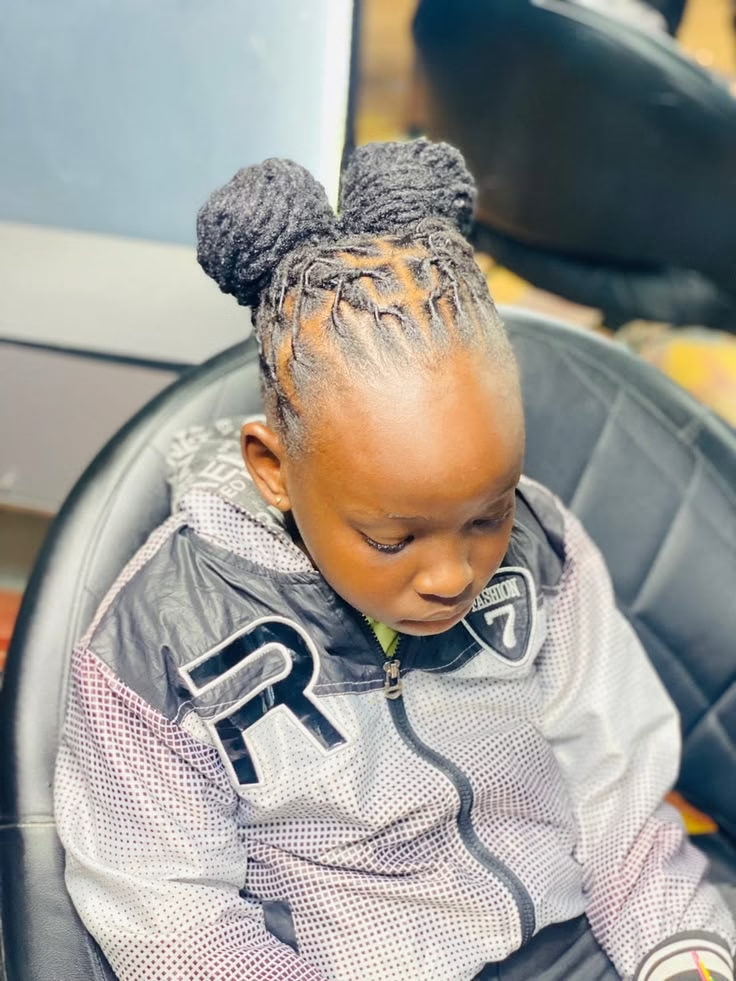
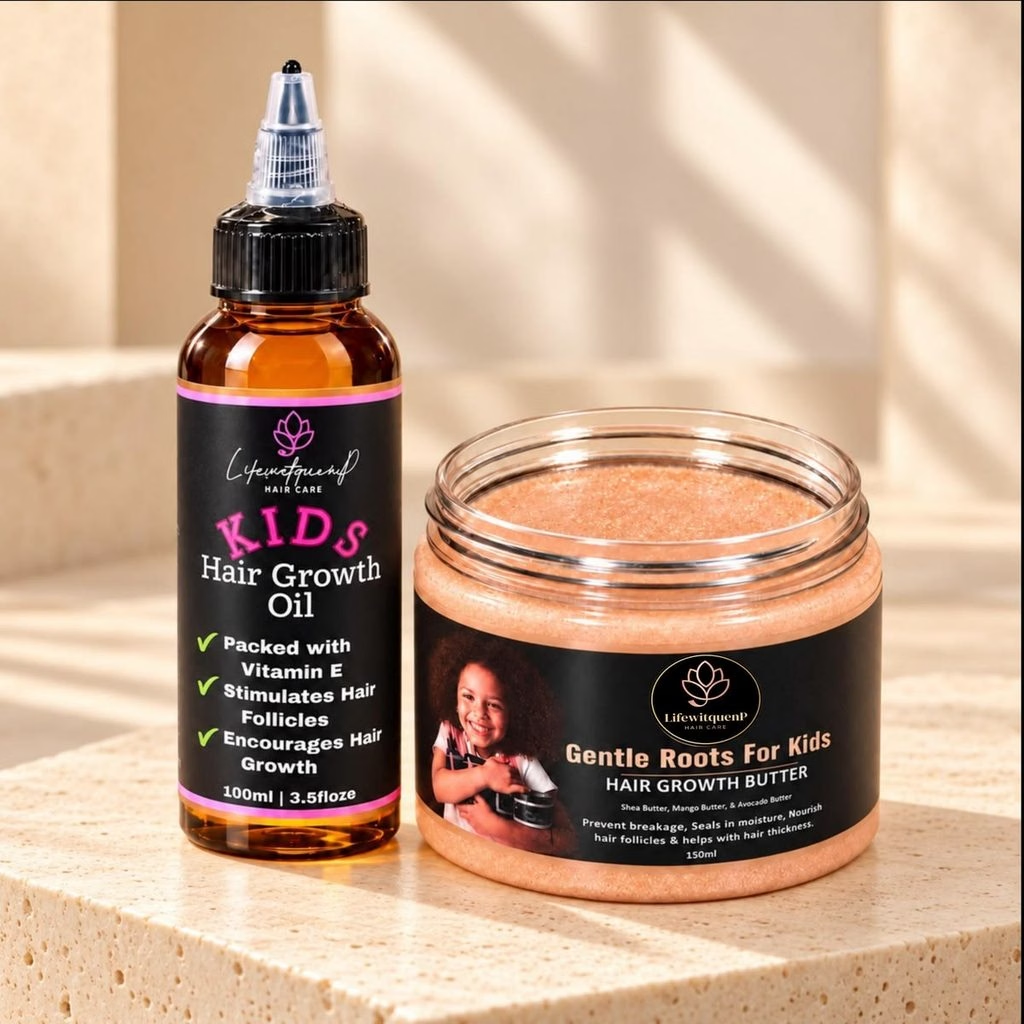
Having everything ready before you begin keeps your child calm and keeps the session short. You will need a spray bottle, a light water based retwist gel, and a few soft clips.
A rat tail comb for parting, a soft towel, and a satin scarf also help a lot. Pick a gel that is light and free of heavy waxes, because waxes cling to young locs.
Always test any new product on a small patch of skin before you use it. Skip any product with a strong scent, since it can easily irritate a little scalp.
Choose soft clips without metal teeth, because rough clips can snag and pull the hair. Keep a few small snacks and a favorite show ready, because comfort matters just as much.
Save this for later: 12 professional styles to try is a handy guide for your own locs. Wash your hands before you start, and keep your nails short to avoid scratching the scalp.
Clean tools also lower the chance of irritation, so wipe everything down before you begin. Lay everything on a clean towel within easy reach, so you never leave your child mid session.
A tidy setup makes the whole process feel calm, quick, and a lot less stressful.
Prepare Your Child and Your Space
A dad named Andre once told me his son hated retwist day more than any other day. The problem was not the retwist itself, because the room was loud, rushed, and uncomfortable.
Andre switched to a quiet corner with soft lighting, and his son relaxed within minutes. Choose a spot with good light, so you can see the roots clearly without leaning in.
Seat your child on a firm cushion at a height that keeps their neck relaxed. Your own seat should sit a bit higher, so you do not need to bend awkwardly.
Explain what you are about to do in simple words, so your child feels informed. Let your child touch the gel and the clips first, because curiosity replaces fear quickly.
Set a few short breaks in advance, so your child knows relief is always coming. Turn off loud noise, put your phone aside, and give your child your full attention.
Save this for later: 14 cozy and chic looks for the season is great for your own seasonal style. Dress your child in a loose, soft top that you can slip on and off easily.
A calm start sets the tone, and a calm tone protects both your child’s locs and your patience.
Start With Clean, Damp Locs
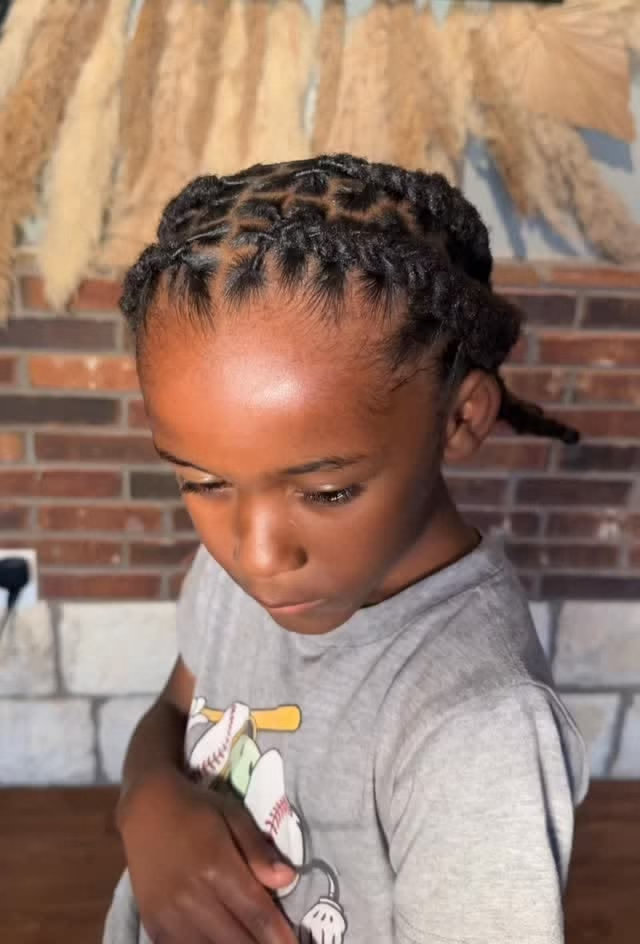
Retwisting works best on clean locs that feel lightly damp, not dripping wet or bone dry. Wet locs stretch and weaken, so pulling them can cause breakage that you cannot undo.
Dry locs feel stiff and grabby, which makes the retwist harder and more painful for your child. Wash your child’s locs with a gentle shampoo that rinses clean and leaves no residue.
Squeeze out the extra water with a soft towel, and never rub the locs hard. Locs that are slightly damp hold the twist better, and they also feel softer to touch.
Let the locs air dry until they feel damp, which usually takes about twenty minutes. In cold weather, never send your child outside with wet locs, because they stay chilled for hours.
For winter care ideas, browse 12 cozy protective looks for cold weather once the locs are dry. Mist the roots lightly with plain water if they dry out too much while you work.
Avoid soaking the locs again, because soggy locs lose grip and slip out of shape. Check the scalp for cuts, bumps, or redness before you apply any gel at all.
If you see anything unusual, skip the retwist and talk to a doctor if needed.
Section the Hair the Safe Way
Why do some retwists feel gentle while others feel like a painful tug of war? Good sectioning is a big part of the answer, because neat parts spread tension evenly.
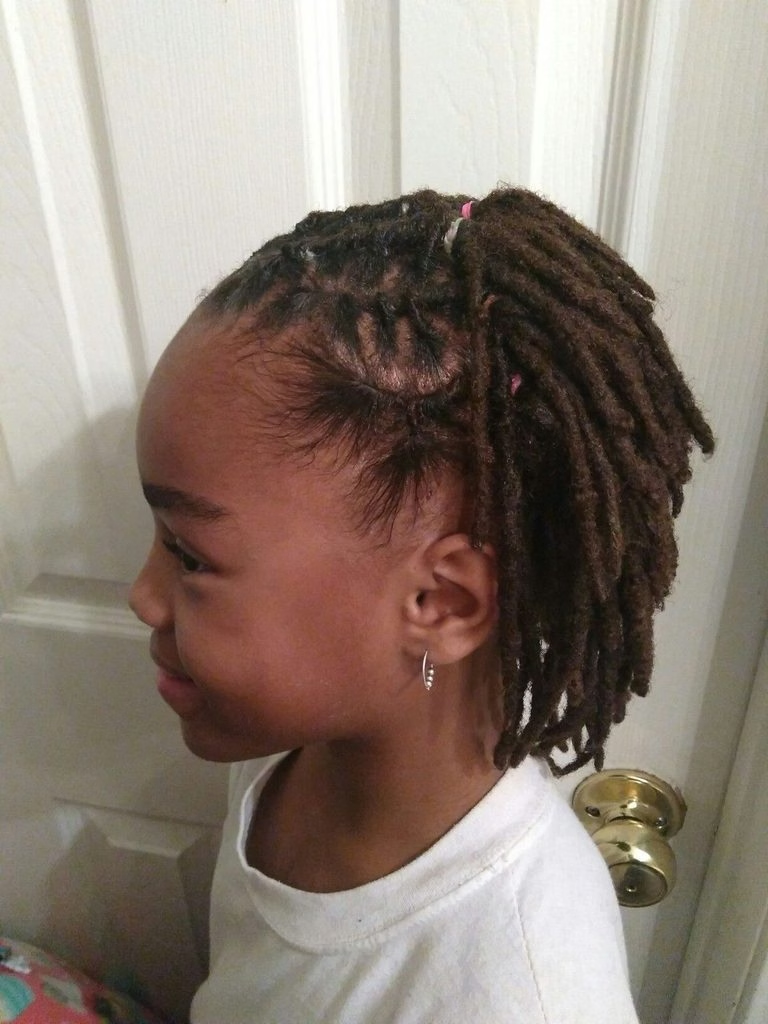
Divide the hair into four large sections first, and clip each one out of the way. Work on one section at a time, so your child’s whole head is never under strain.
Use small soft clips to hold each section, and loosen them if your child complains. Use the tail of a rat tail comb to follow the natural line between locs.
Never force the comb through, and never drag it across the scalp like a rake. Keep the existing parts, because changing them can pull on the roots and cause thinning.
For polished results, browse 22 styles that look polished and intentional and notice how clean the parts are. Start at the nape, because those locs are often shorter and need the lightest touch.
Move upward toward the crown, and take your time with each small group of locs. Check the edges along the hairline often, because those fine strands break the fastest of all.
Light, even sections protect your child and also make the whole retwist faster to finish.
The Gentle Retwist Technique
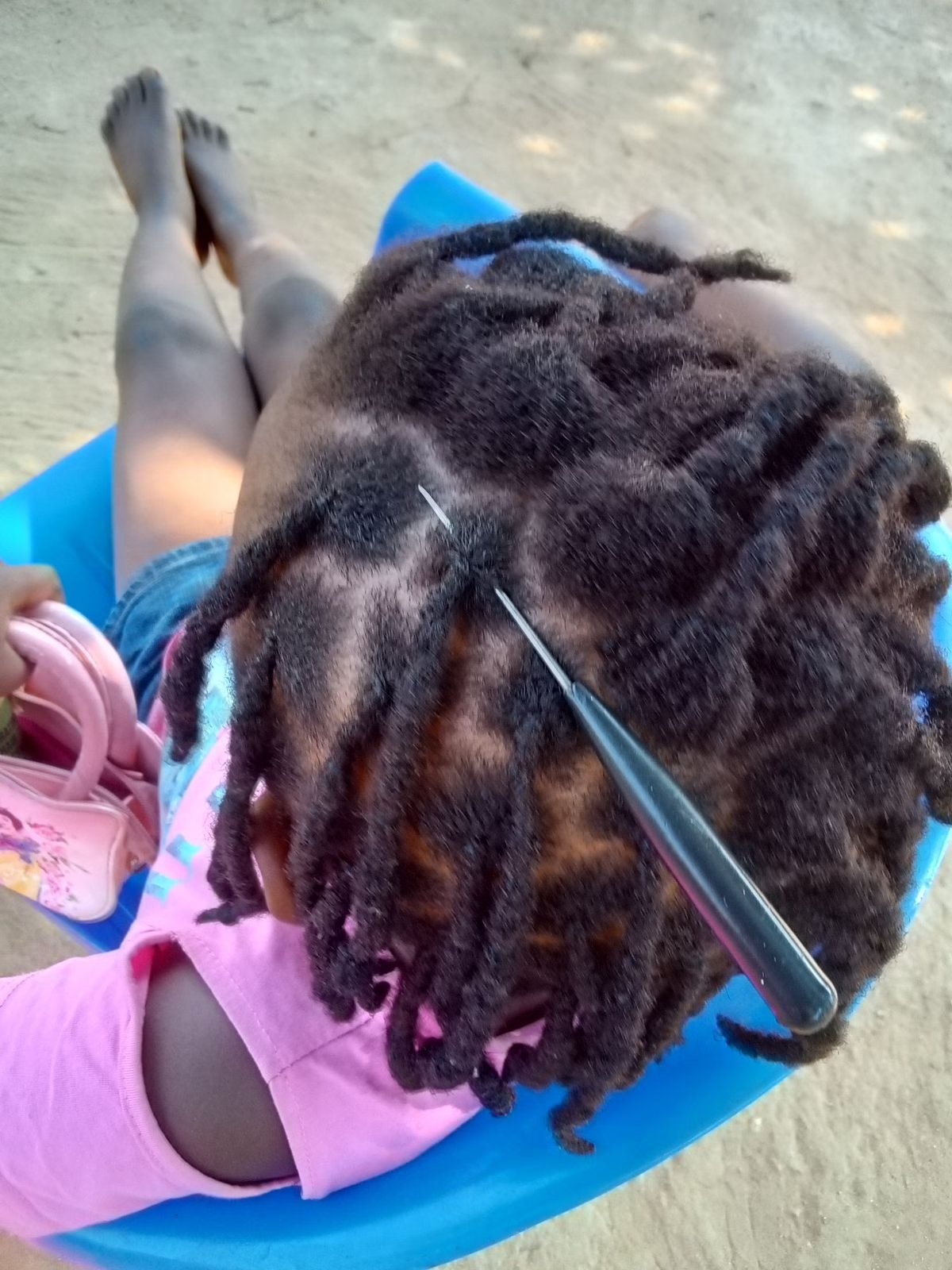
Now we reach the heart of the whole process, which is the gentle retwist itself. Take one loc and apply a tiny amount of gel, about the size of a pea.
Use only the lightest touch on the roots, since that is where breakage usually starts. Hold the loc at the base with your thumb and finger, so the root feels supported.
Support the root firmly with your other hand, because that stops the pull from reaching the scalp. Twist the new growth in one direction only, using slow and light motions each time.
Keep the same direction every time, so the loc tightens naturally instead of slowly unraveling. Stop twisting as soon as the new growth blends with the loc, because extra turns cause tension.
Ask your child how it feels often, and ease up at the very first sign of pain. A retwist should feel like light pressure on the roots, never like pulling, burning, or sharp pinching.
Once a loc is done, leave it alone and move on to the next one. Save this for later: 15 chic looks for women who love bold hair offers ideas for your own hair.
Never rush through this part, because slow and steady hands are the best protection against breakage.
Palm Rolling and Finger Coiling for Tiny Locs
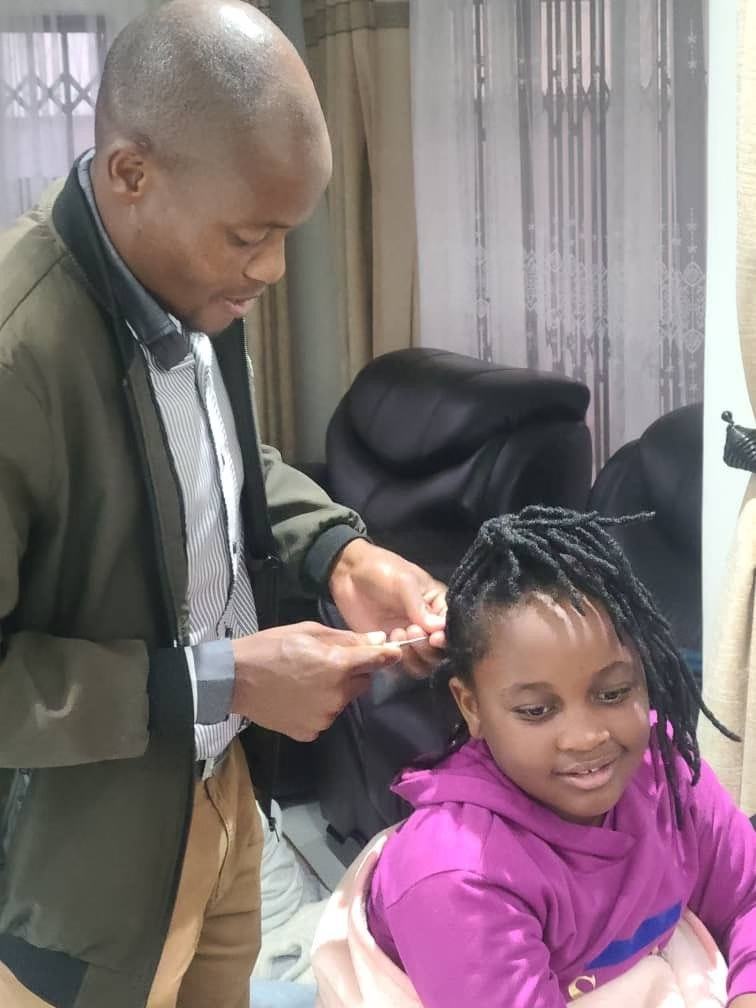
Very small or thin locs often do better with palm rolling than with fingertip twisting. Palm rolling spreads the pressure across your whole hand, so the roots feel less pinched.
Place the loc between your palms, and roll it slowly back and forth like dough. Practice on one or two locs first, so your hands can learn the right pressure.
Keep your palms soft and flat, and never squeeze the loc too hard as you roll. Finger coiling works well on very short locs that are too small to roll between your palms.
Wrap the loc gently around your finger, then slide your finger out slowly without any tugging. Use less gel with these methods, because tiny locs get heavy and sticky very fast.
Save this for later: bob locs for women in their 30s shows how grown locs can look at that length. Do not roll locs that are dry and brittle, since dry hair snaps under friction.
Add a little water first, and then continue with calm, steady, and very gentle movements. Every child’s hair is different, so adjust your method to match the texture in your hands.
Trust what you feel, and stop right away if a loc feels weak or thin.
How to Handle Tender Spots and Thin Edges
Some children have tender spots or thin edges, and those areas need extra care and gentleness. Thin edges often come from past tight styles, rubber bands, or from very frequent retwisting.
Skip retwisting those areas completely for now if the skin looks red, sore, or bare. Let the hair rest for a few weeks, and give the roots time to recover.
Use a soft scarf or headband to hide the area, rather than pulling hair over it. A scarf should sit loose and soft, and it should never press on sensitive spots.
If hair loss continues or the scalp looks unhealthy, see a doctor or a skin specialist. Save this for later: 15 mature locs styles for women over 40 has gentle ideas for your own edges.
Apply a thin layer of light oil along the edges to keep the skin comfortable. Never apply gel to tender skin, since gel can dry and tighten on delicate areas.
Healing takes time, and a little patience now will protect your child’s hair for years ahead. Be gentle with yourself too, because learning takes time and every parent starts somewhere new.
Take photos every month, so you can see real progress and notice any new problems early.
How to Keep Your Child Calm and Comfortable
My friend Tamika once told me her daughter used to cry on every single retwist day. Tamika started breaking the session into three short parts, with a snack between each part.
The tears faded within a month, because her daughter finally knew exactly what to expect. Short sessions work best for children, so aim for twenty or thirty minutes at a time.
Break larger jobs into several days, and retwist only one or two sections each time. Put on a favorite show, play soft music, or tell a funny story as you work.
Praise your child for sitting still, and keep your voice warm, soft, and always encouraging. Never scold a wiggly child, because tension in the room travels straight into the hair.
Your child will remember how retwist day felt, so make it feel safe and kind. If your child needs a break, stop right away and let them stretch and move.
Pulling a restless child’s head back into position is a quick way to cause breakage. Save this for later: 20 looks that celebrate every year shows how locs can grow beautifully with care.
Always end each session with a hug, a treat, and a kind word about how brave they were.
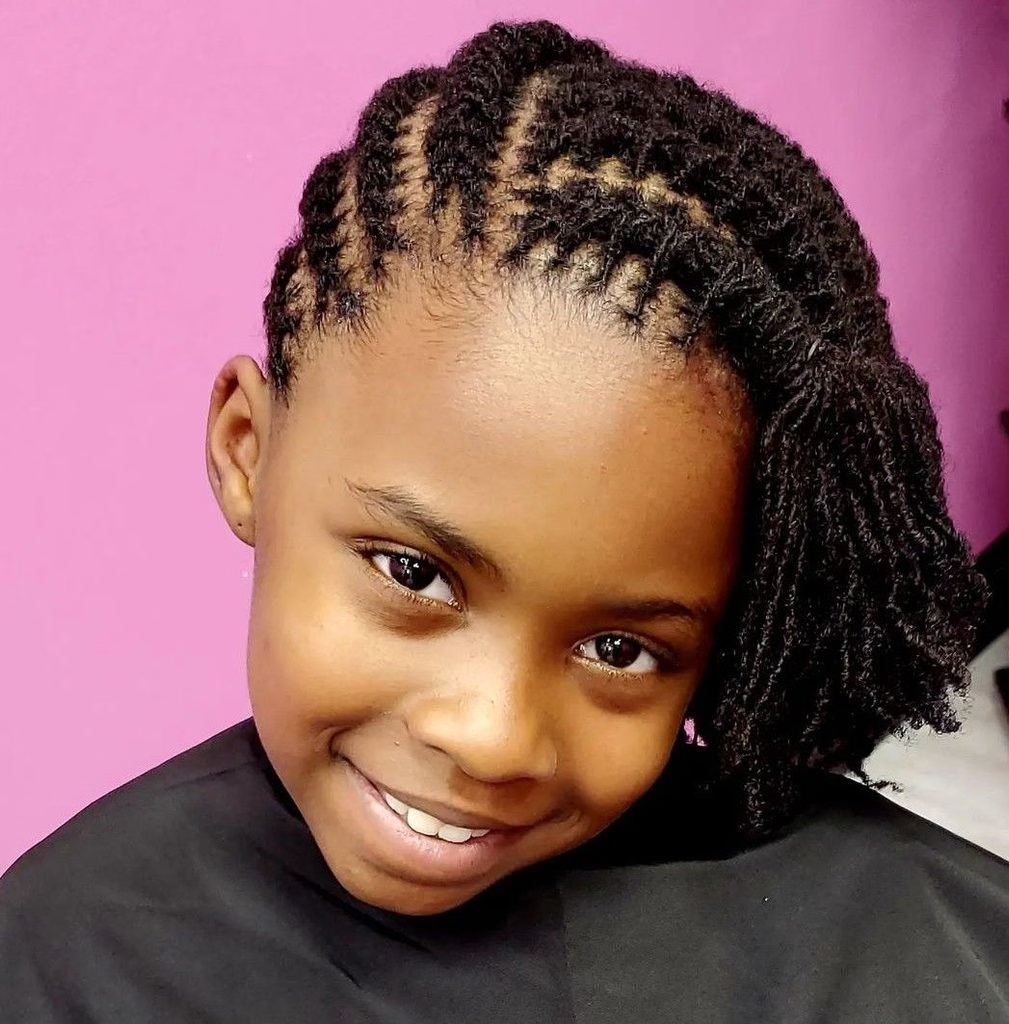
Safe Ways to Secure the Retwist
After the retwist, the locs need gentle support so they set without being pulled tight. Skip rubber bands and metal clips, because both can snag and snap fragile young locs.
A soft satin scarf tied loosely around the head does the job beautifully and safely. Fabric scrunchies are another safe choice for kids, since they hold hair without cutting into it.
Check that you can slide two fingers under any scarf or band that you use. If it feels tight on your fingers, it is far too tight for your child’s scalp.
If your child is a flower girl, wedding loc updo styles can inspire a safe and pretty look. Even for special events, keep the hold light and never pin tight updos on young locs.
Let the gel dry fully before your child moves around, so the roots can set. Wrapping the locs in a satin scarf at night protects the fresh retwist for several days.
Always remove any scarf or band gently, and never yank it off in a hurry. A satin pillowcase is a great backup, because it lowers friction while your child sleeps.
Avoid sleeping in a tight bun or ponytail, since that stress can cause breakage overnight.
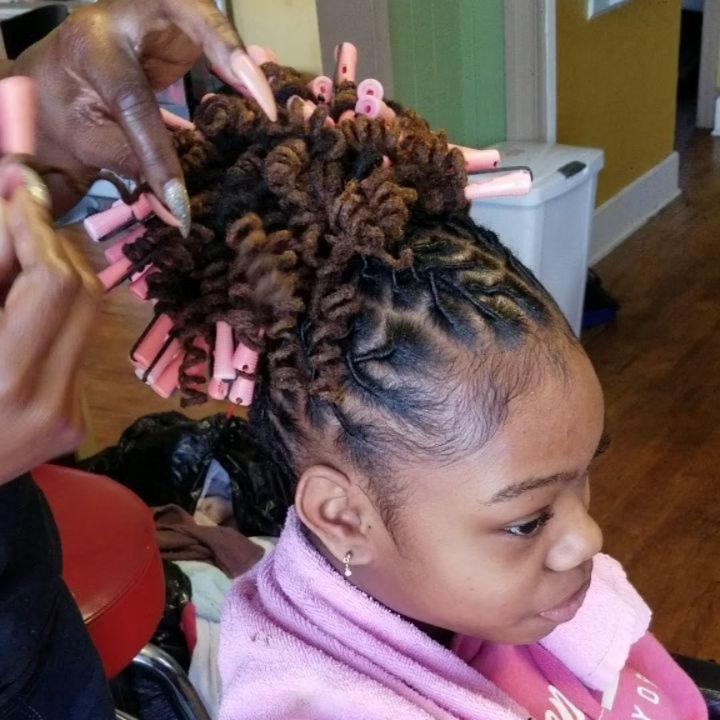
Fun Styles to Wear After Retwisting
What can your child wear after a fresh retwist that feels fun and stays safe? The best answer is a loose style that moves freely and puts no stress on the roots.
Let the locs hang down, and add a soft headband for a simple and sweet look. A loose half up style works well too, as long as the band stays soft and relaxed.
For older kids with longer locs, 45 half up half down locs styles offers many gentle ideas. Colorful clips and soft ribbons let your child show personality without any pulling at all.
Let your child pick the accessories, because choice builds confidence and makes the day fun. Two loose side twists pinned softly at the back make a cute and gentle style.
Keep the style light, and avoid anything that tugs at the hairline or the crown. Change the style every few days, so no single spot carries the weight for too long.
A fun style makes children proud of their locs, and pride keeps them cooperating at retwist time. Take a photo of the new look, and let your child pick a favorite angle.
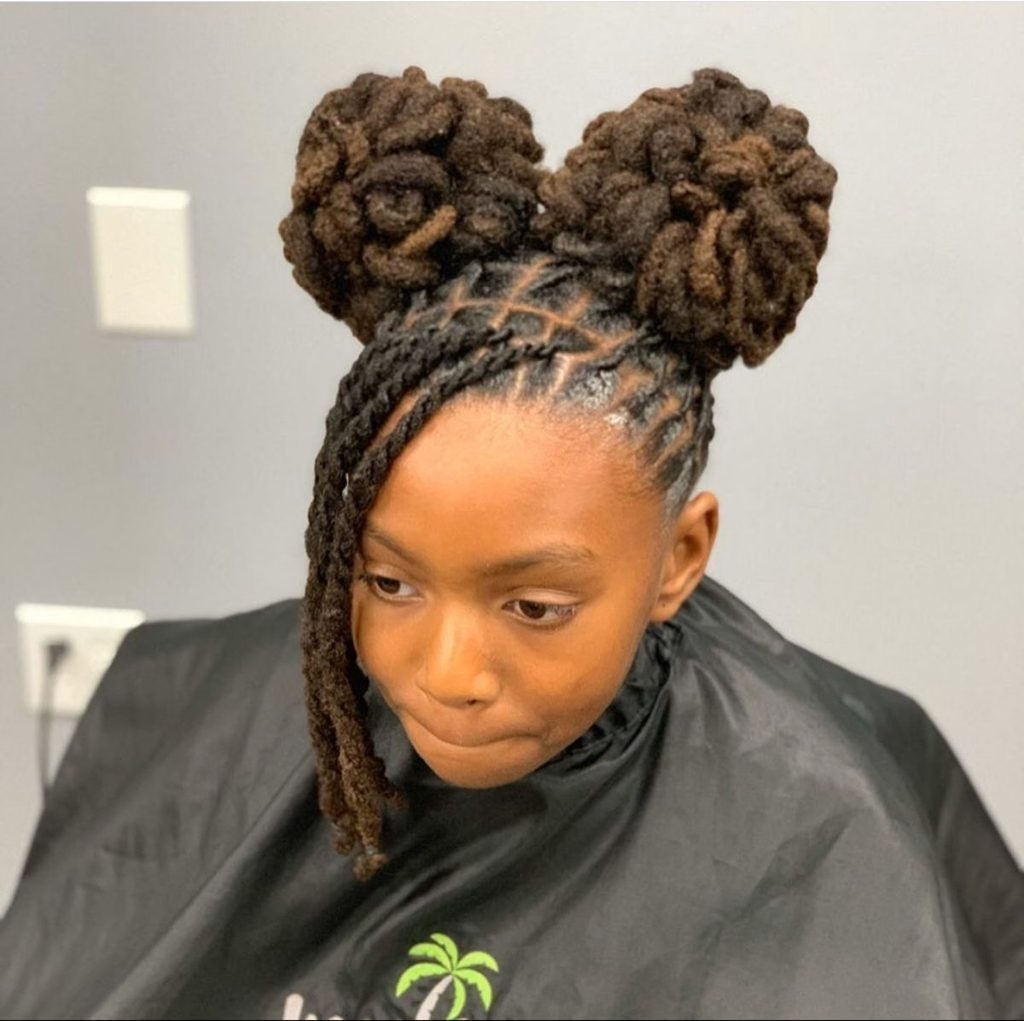
How Often to Retwist Without Overdoing It
Most hair grows about half an inch each month, and that pace should guide your schedule. At that rate, your child’s roots need a retwist roughly every four to six weeks.
Growth speed can change with age, health, and season, so watch the roots instead of the date. Some children with slower growth can happily wait eight weeks or longer between their sessions.
Retwisting every week might look neat, but it pulls on the roots again and again. Over time, that repeated pulling can thin the hair and weaken the locs at the root.
In between sessions, keep the roots tidy with a satin scarf and gentle scalp care. Fun styles help, so browse 18 cute locs styles for easy ideas that need no retwisting.
Light moisture and a clean scalp keep locs healthy, and healthy locs need fewer fixes. Wash every two to three weeks, unless your child gets very sweaty or really dirty from play.
Keep a simple log of dates, so you can see what schedule suits your child best. Adjust the schedule as your child grows, because their needs change with age and season.
Fewer retwists with gentler hands will always beat frequent retwists done with rushed, tired hands.
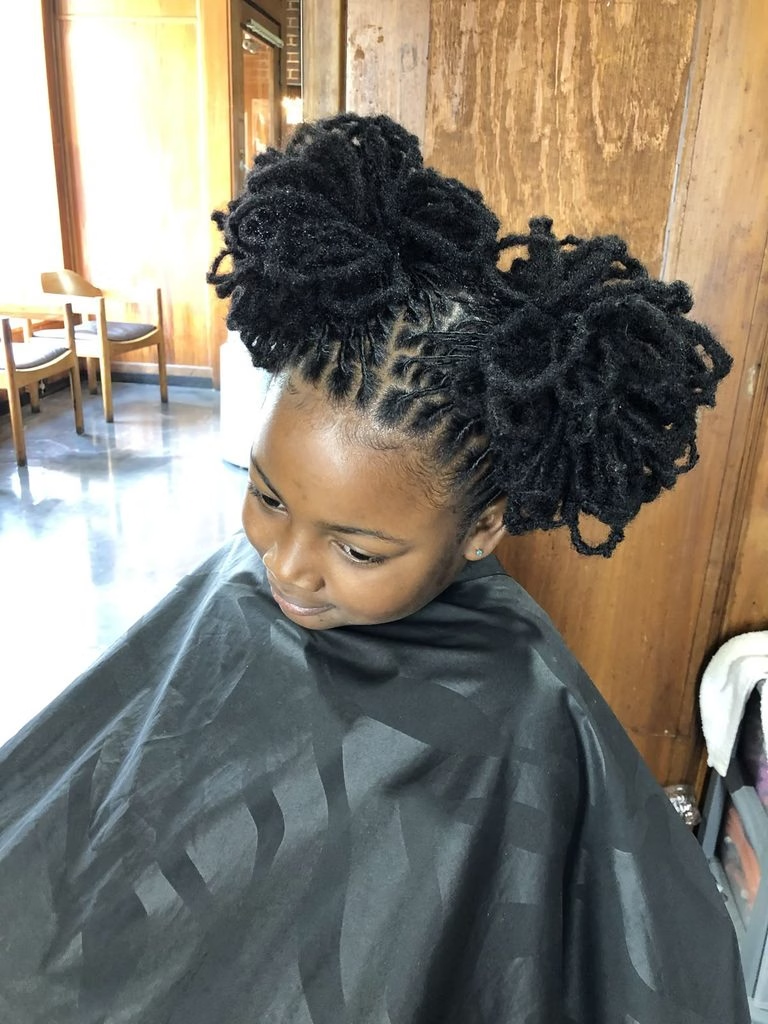
Mistakes That Cause Breakage
Most breakage comes from a small handful of simple mistakes that are easy to fix. The first mistake is pulling too tight, which strains the roots and hurts the scalp.
The second mistake is retwisting very dry locs, because dry hair snaps instead of bending. The third mistake is using too much product, since heavy gel causes buildup and weight.
Another mistake is retwisting too often, which never gives the scalp a chance to rest. Using rubber bands, tight clips, or tight braids afterward can also undo your hard work.
Ignoring your child’s complaints is another big mistake, so always listen when they say ouch. Pain is a clear signal, and gentle hands always respond to it right away without hesitation.
Skipping scalp care is also risky, because a dirty or dry scalp weakens new growth. A little awareness now saves you months of repair work and a lot of worry.
Comparing your child’s locs to someone else’s can push you to rush the whole process. Save this for later: 20 stunning ideas for your wedding day shows how patient care pays off.
Every child’s locs grow at their own pace, and your calm care will shape the result.
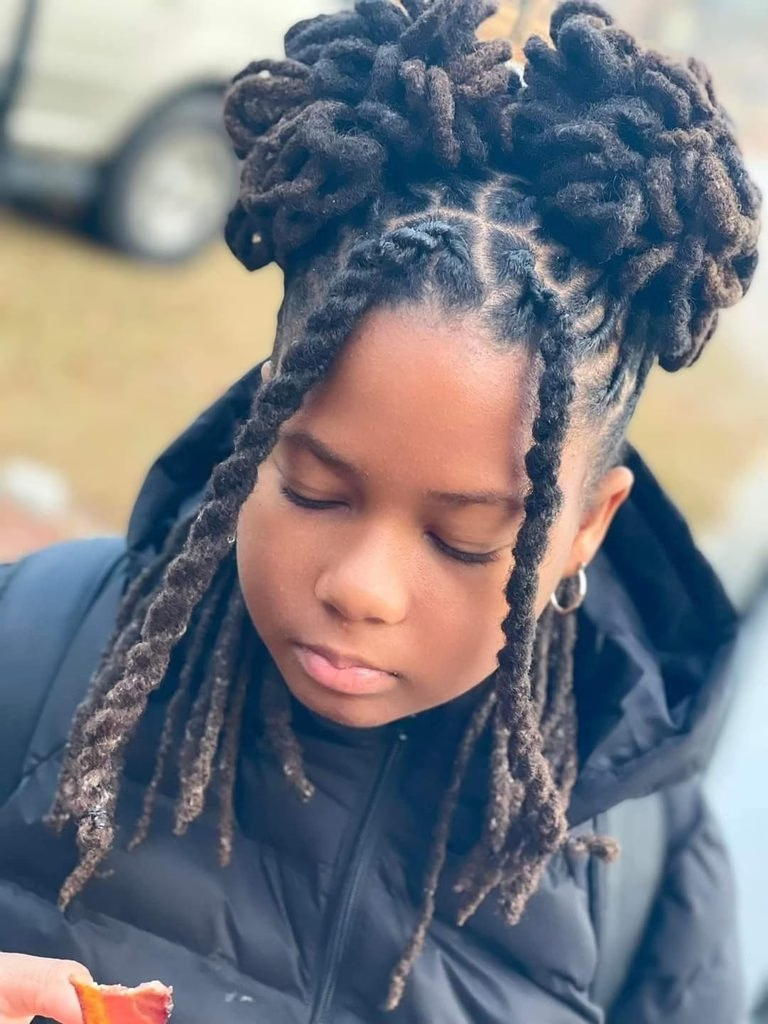
Final Thoughts on Retwisting Your Child’s Locs
Retwisting your child’s locs safely comes down to timing, gentle hands, and a calm setting. Wait until the roots truly need attention, and always start with clean, lightly damp locs.
Use light products, soft tools, and slow motions, and stop the moment your child feels pain. Keep sessions short, add treats and fun, and let your child feel proud of their locs.
Remember that thin edges, tender spots, and dry roots all need extra care and patience. Keisha, Andre, and Tamika all learned this lesson, and their children now enjoy retwist day.
Over time, these small habits will protect your child’s hair and build a lifelong love for locs. You do not need perfection, because steady care and a gentle touch are always enough.
Try the steps in this guide at your child’s next retwist, and take your time. Your child’s locs will thank you, and so will your child, with a big and proud smile.