
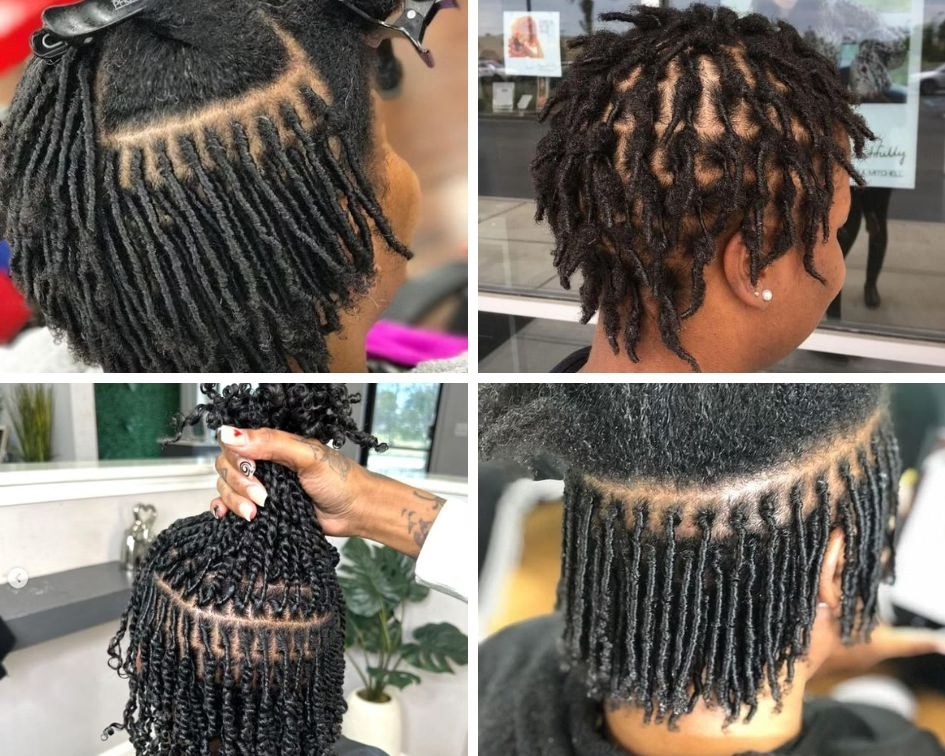
One path costs more money, and the other costs more time, and both can end with beautiful locs. Choosing between a salon start and a DIY start is one of the biggest decisions you will make.
The method you pick shapes your parting, your loc size, your costs, and your confidence for years.
This guide compares both paths honestly, so you can choose based on facts and not on pressure. A professional start can lead to the neat, polished finish seen in office-ready locs hairstyles for women.
Neither path is wrong, since the best choice depends on your budget, your skills, and your patience. Read each section slowly, and note which points matter most for your own real situation.
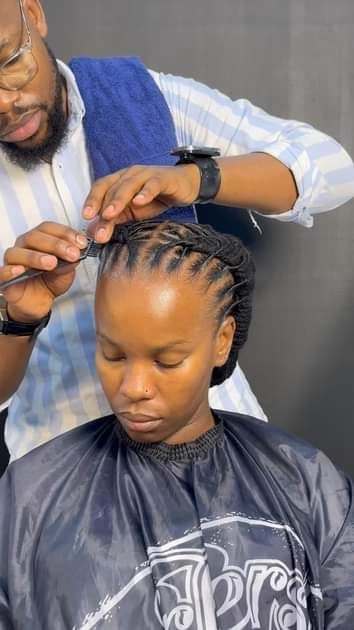
Starting Locs at a Salon vs. DIY at Home: Cost, Results, and What to Know
The Two Paths at a Glance
A salon start means a trained loc stylist creates your first set of locs from the very beginning. A DIY start means you or a friend does the parting, twisting, and early care at home.
Both paths use the same basic methods, such as comb coils, two strand twists, and braids. The real difference lies in skill, cost, time, and how much risk you feel comfortable taking.
If you are still imagining your finished look, 37 beautiful starter loc styles can help you decide. Salon starts usually feel safer to beginners, while DIY starts feel more personal and flexible.
Many women also mix the two, starting with a pro and maintaining the locs at home. Understanding the full picture now prevents costly and stressful surprises later in your locs journey.
Take notes as you read, since your own answers will become clearer with each section. Remember that this choice is not permanent, since you can adjust your approach as you learn.
A clear head and a clear plan will serve you better than rushing into either option.
Write your own pros and cons list as you read, since seeing them on paper brings clarity. Share what you learn with a trusted friend who can offer a calm second opinion.
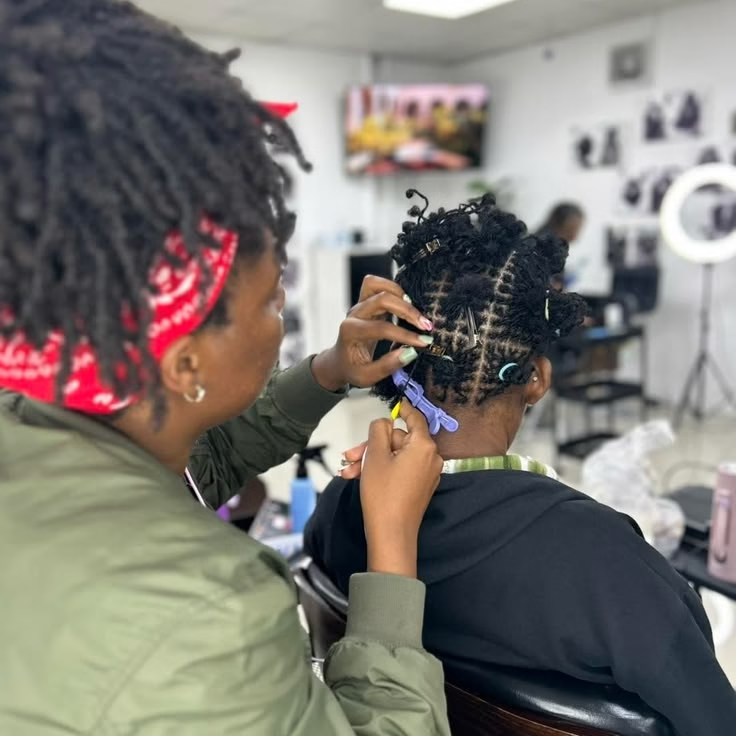
What a Salon Start Includes
A good salon start begins with a consultation, where the stylist studies your hair and scalp. The stylist then discusses method, loc size, parting pattern, and the care you will need.
Installation can take several hours, and some methods need a second visit to finish well. Most stylists also give clear aftercare advice and a helpful schedule for your first retwist.
Neat, balanced shapes, like bob locs for women in their 30s, often begin with careful professional parting. A stylist can also spot problems early, such as thin spots, weak edges, or scalp issues.
That early guidance can save you from habits that damage the roots and slow growth. Some salons also offer follow up visits, which help young locs settle without too much stress.
Having a trained eye on your progress can bring real peace of mind during early months. You also get a neat, even start, which many people find motivating and confidence building.
These benefits explain why many first time loc wearers choose the salon route first of all. Ask the stylist to show you a finished head of locs at the same stage you want.
A friendly, patient stylist makes the long installation feel much more comfortable and truly relaxing.
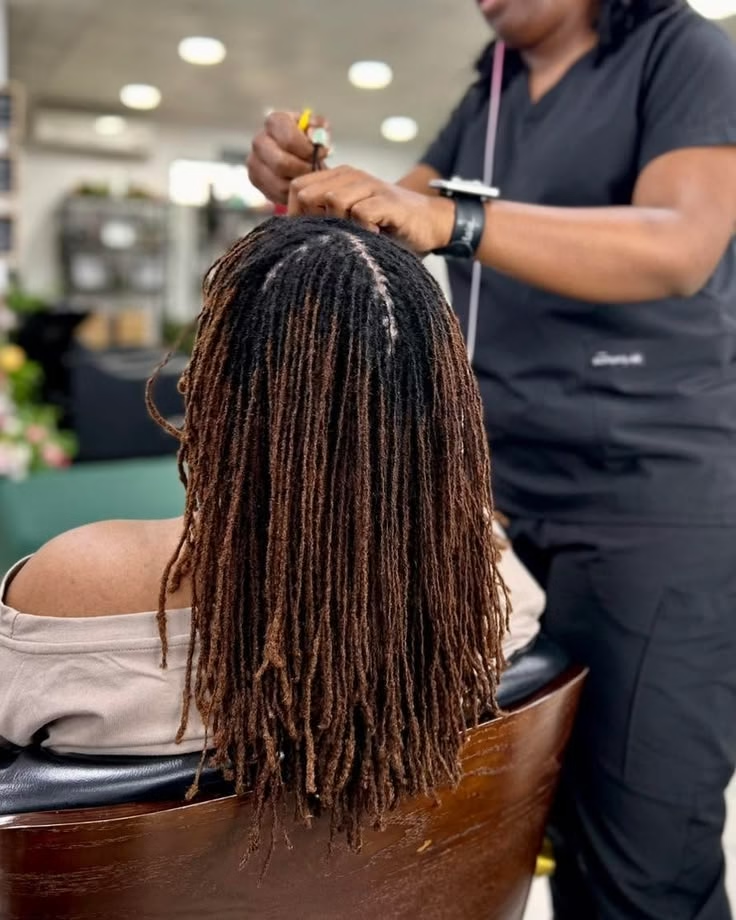
What a DIY Start Involves
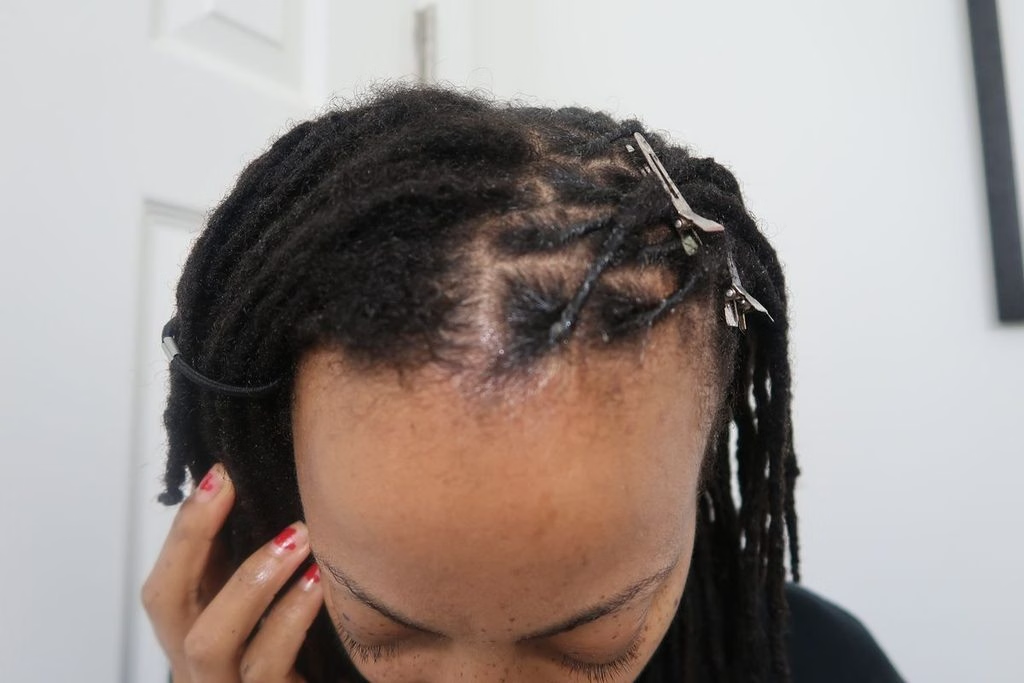
A DIY start requires you to section, part, and twist your own hair, often for many hours. You will need a rat tail comb, clips, a spray bottle, light gel, and a lot of patience.
Back sections are hardest to reach, so a mirror setup or a helpful friend makes a big difference. Many DIY wearers work in small sessions over several days instead of finishing in one sitting.
Simple, relaxed styles, like 18 cute locs styles for women who love effortless everyday looks, suit this hands on path. Watching many tutorials helps, but nothing fully replaces patient practice on your own real hair.
Start with a small test section so you can learn how your hair responds to your method. DIY gives you full control over the schedule, the pace, and the products you choose.
It also teaches you your own hair deeply, which helps with care for years afterward. The tradeoff is a steeper learning curve and a greater chance of uneven parts at first.
Patience and honest self checking are your two most important tools on this particular path. Set up a clean, bright workspace before you begin, so every tool is within easy reach.
Take progress photos after each session, so you can spot uneven areas before they grow.
Cost of a Salon Start
Salon prices vary widely, depending on your city, your stylist’s experience, and your hair length.
Smaller locs usually cost more, because they take many more hours of careful, detailed work.
Specialist methods, like sisterlocks, often cost the most, since they need trained and certified hands. Always ask for a full price quote in advance, including any follow up visits you may need.
Fine, detailed work, like sisterlocks for black women over 40, shows why careful installation costs more. Ask whether the price includes shampoo, retwisting, and a check in visit after a few weeks.
Some salons offer payment plans or package prices, which can ease the cost of a large start. Do not choose a stylist by price alone, since a cheap start can become costly to fix.
Think of the fee as paying for skill, time, and the confidence of a safe beginning. Budget for maintenance too, because ongoing retwisting visits are part of the total cost over time.
A clear budget keeps the whole experience calm and helps you avoid financial stress later. Save a small emergency fund for repairs, since young locs sometimes need an extra visit.
Compare quotes from two or three stylists, but focus on skill and trust above price.
Cost of a DIY Start
A DIY start costs far less up front, since you mainly pay for tools and basic products. Your shopping list may include a comb, clips, a shampoo, a cap, a spray bottle, and gel.
Those items cost a fraction of what a full salon installation usually charges for a whole head. Over several years, the savings can grow large, especially if you learn to retwist yourself.
Long term wearers, like those in 15 mature locs styles for women over 40, often credit home care for savings. Hidden costs can appear, though, such as fixing uneven parts or replacing damaged sections later.
A few professional check ins can protect your investment while still keeping the total cost low. Time is also a cost, so count the many hours you will spend learning and twisting.
Cheap products are tempting, but poor quality tools can snag the hair and waste money. Invest in a few good basics, and avoid buying every new product you see online.
Smart spending on the right tools makes the DIY path both affordable and quite safe overall. Track what you spend on tools and products, so you know your true yearly cost.
Buy trusted brands for shampoo, since a good residue free formula protects young locs well.
Time Commitment Compared
A salon start can take anywhere from three to ten hours, depending on method and loc size. You sit while a stylist works, so your own effort is limited to booking and aftercare.
A DIY start often takes longer, because you work slowly, check your parts, and rest often. Splitting the work over several days is common and helps prevent sore arms and tired hands.
Seasonal timing matters too, as shown in locs styles for black women this fall, when cooler days suit long sessions. Maintenance time also differs, since salon clients book visits while DIY wearers schedule their own sessions.
Travel time to a salon adds up over the years, though it brings expert care. DIY maintenance happens at home, which saves travel but requires discipline to keep the routine.
Be honest about how much free time you truly have each month for hair care. Busy women often prefer salon visits, while those who enjoy hands on projects often prefer DIY.
Match your path to your real schedule, and not the schedule you wish you had. Block out a full free day for a salon start, and bring snacks, water, and entertainment.
Plan DIY sessions for quiet evenings or weekends, when you can work without any interruptions.
Quality of Parting and Sizing
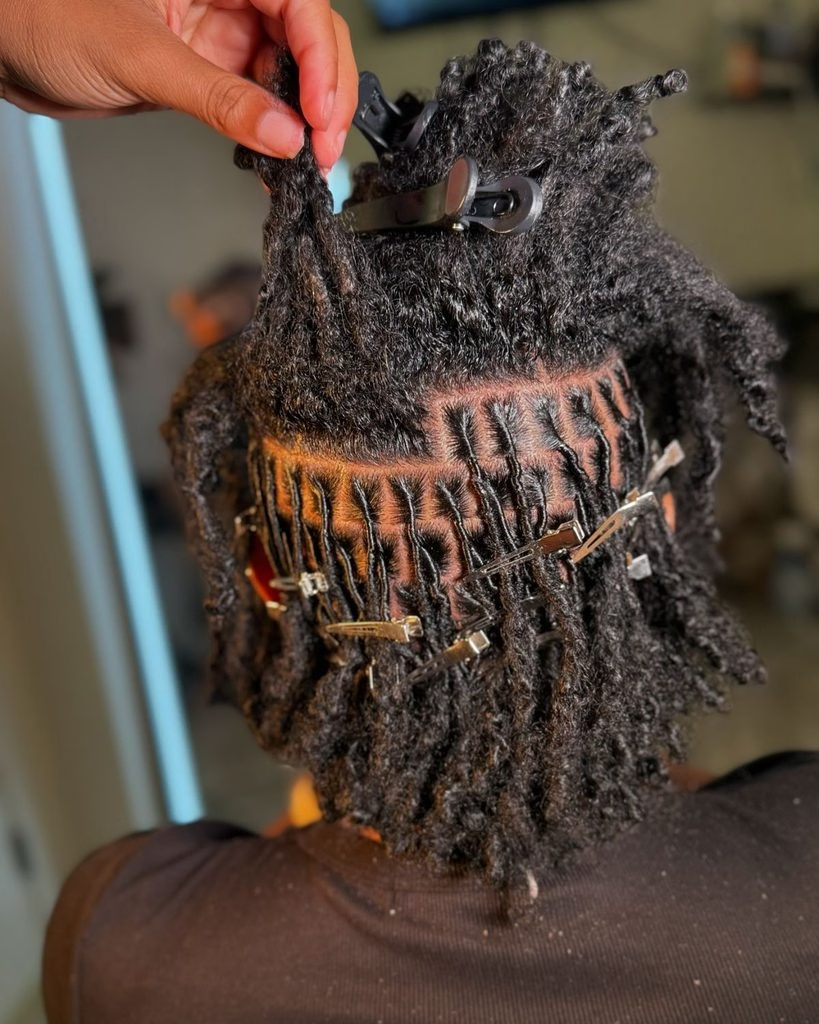
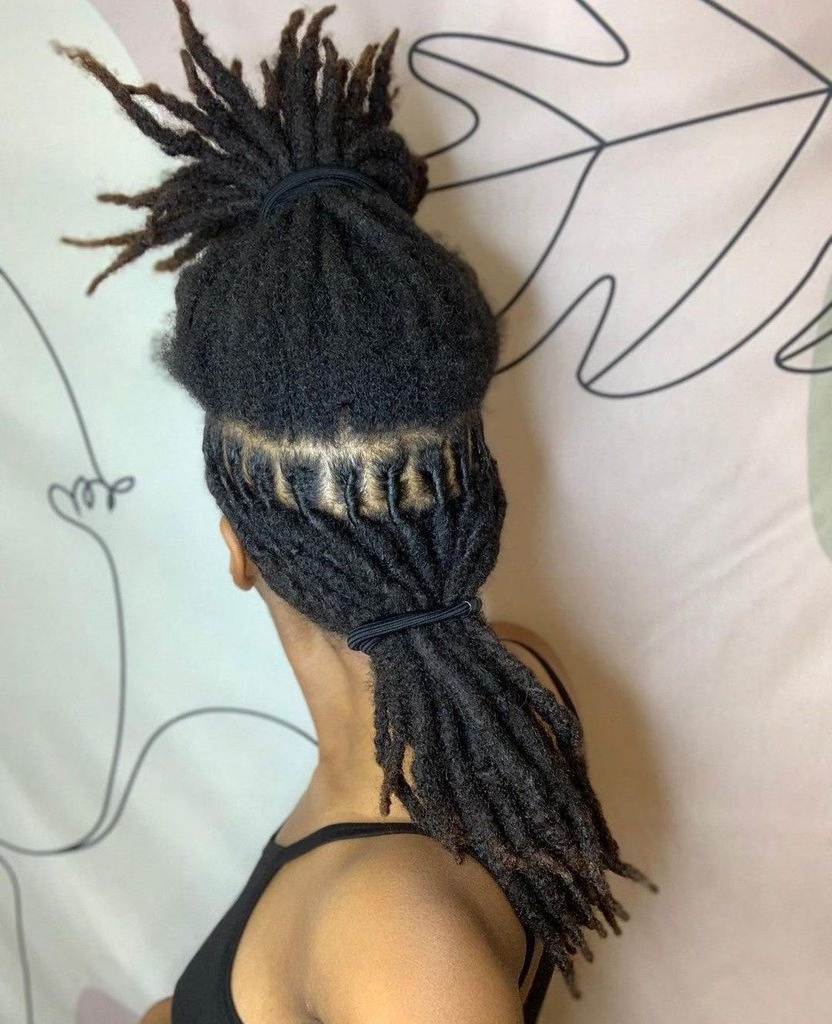
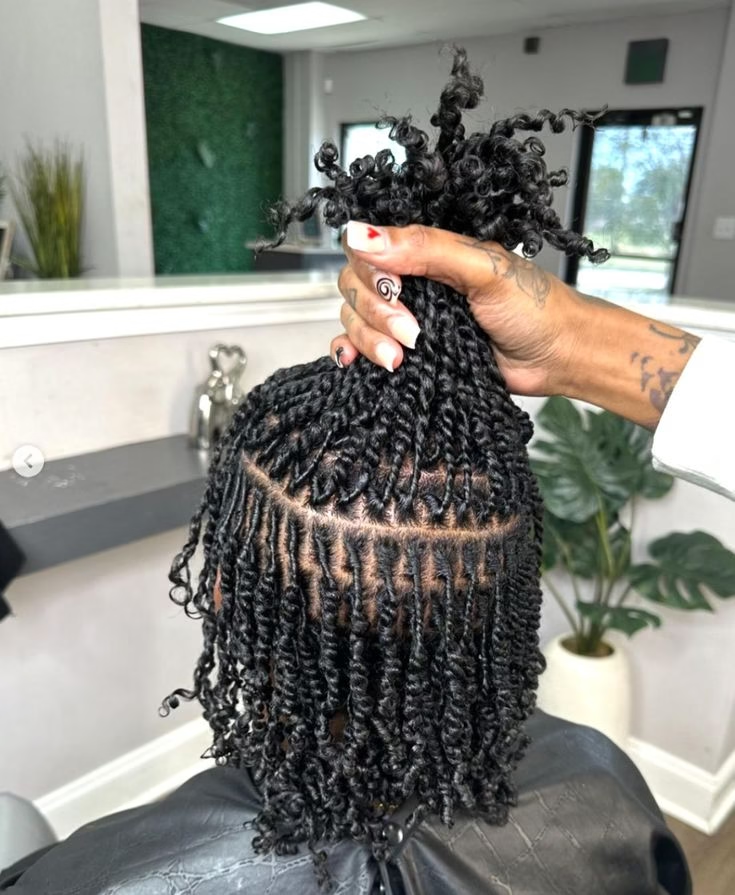
Parting is the foundation of your locs, and crooked or uneven parts are hard to fix later. Trained stylists part with precision, using clean lines and steady sizes across the whole head.
DIY parting takes practice, and the back of the head is the most difficult area. Uneven sizes can make locs look messy, and they may also mature at different speeds.
Structured styles, like short bob locs styles, depend on even parting to look sharp and balanced. Use a rat tail comb and a mirror to keep your parts straight and consistent.
Clips help hold finished sections away, so you never lose track of where you stopped. Take a photo of your parts often, since pictures reveal mistakes your eyes may miss.
Small imperfections are normal, and locs often look more even as they mature over time. Still, a strong start gives you a clear advantage, so take parting seriously on either path.
If you doubt your parting skills, book a pro for at least the first install. Ask your stylist which parting pattern best suits your styling goals before the installation begins.
Brick and square patterns each have their own strengths, so learn the differences before you choose.
Results in the First Year
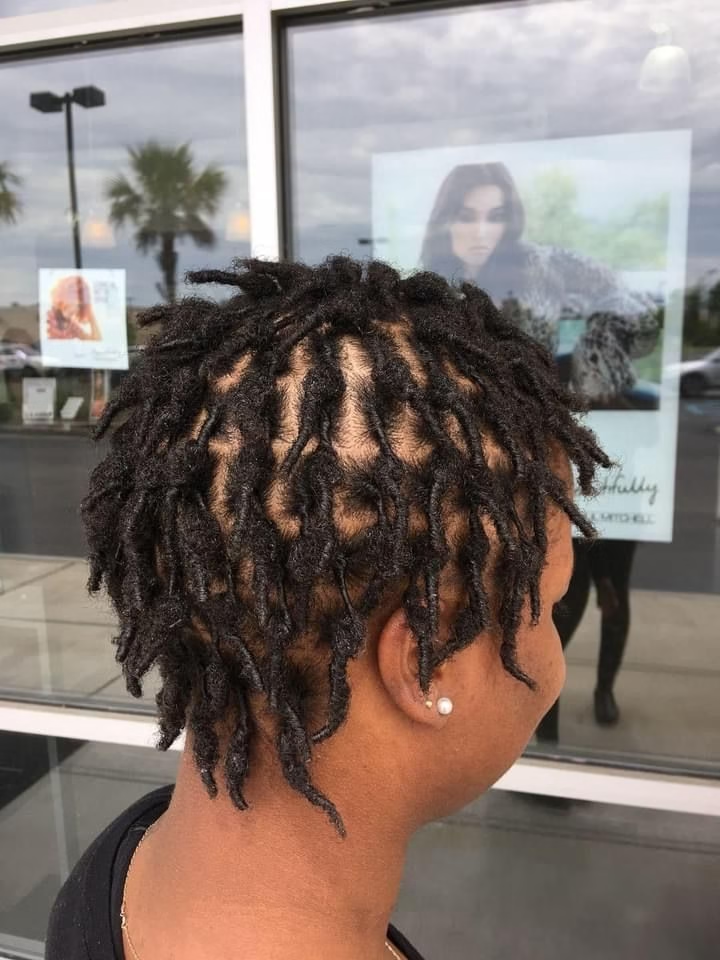
In the first year, salon locs often look neater, with even sizes and clean, steady parts. DIY locs may look more varied, though many women love that natural, handmade character and charm.
Both paths still go through the same hair stages, including budding, frizz, and slow tightening. Results depend more on care and patience than on who did the very first installation.
Growth over time, as seen in long locs styles for fall and winter, rewards steady care on either path. Salon clients often see fewer early problems, such as unraveling, thin spots, or tight scalp areas.
DIY wearers may face more early fixes, but they also learn faster and gain strong skills. By the end of year one, many locs from both paths look surprisingly similar to each other.
Do not judge your results too early, since locs change a great deal after month six. Photos every month help you see progress that is easy to miss day to day.
Whichever path you choose, consistent care will always matter more than the starting method itself. Celebrate the first time your locs feel firm, since that moment marks real and lasting progress.
Keep a short journal about how your locs feel and look as the months pass.
Risks of Doing It Yourself
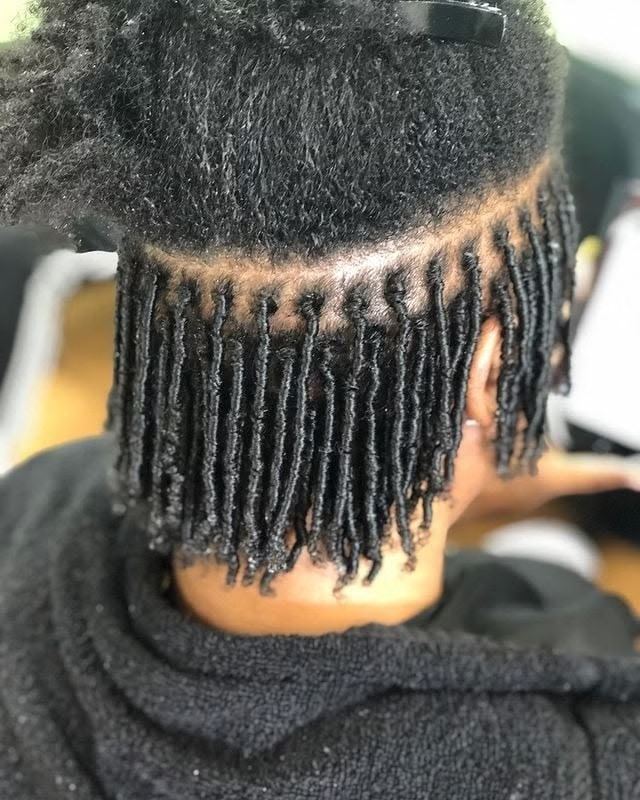
The biggest DIY risk is twisting too tightly, which can strain the scalp and weaken the roots. Uneven parts, mixed sizes, and loose sections are other common problems for many first timers.
Using heavy products can also cause buildup, which is hard to remove from young locs. Rushing the process is a risk too, since good locs reward calm and steady work.
Parents starting a child’s locs at home should read 6 mistakes parents make when starting their child’s locs first. Stop right away if you feel sharp pain, since that is a clear sign of too much tension.
Take breaks, stretch your hands, and loosen any twist that feels too firm or sore. Avoid copying extreme methods from social media, since they may not suit your hair type.
Ask an experienced loc wearer or stylist to review your work after the first session. Most DIY problems are fixable when caught early, so check your hair often and honestly.
Knowing the risks does not mean you should avoid DIY, only that you should prepare well.
Give your scalp rest days between long sessions, since constant pulling can cause lasting soreness.
If you notice thinning near the edges, loosen your method and ask a stylist for help.
Risks of Choosing the Wrong Salon
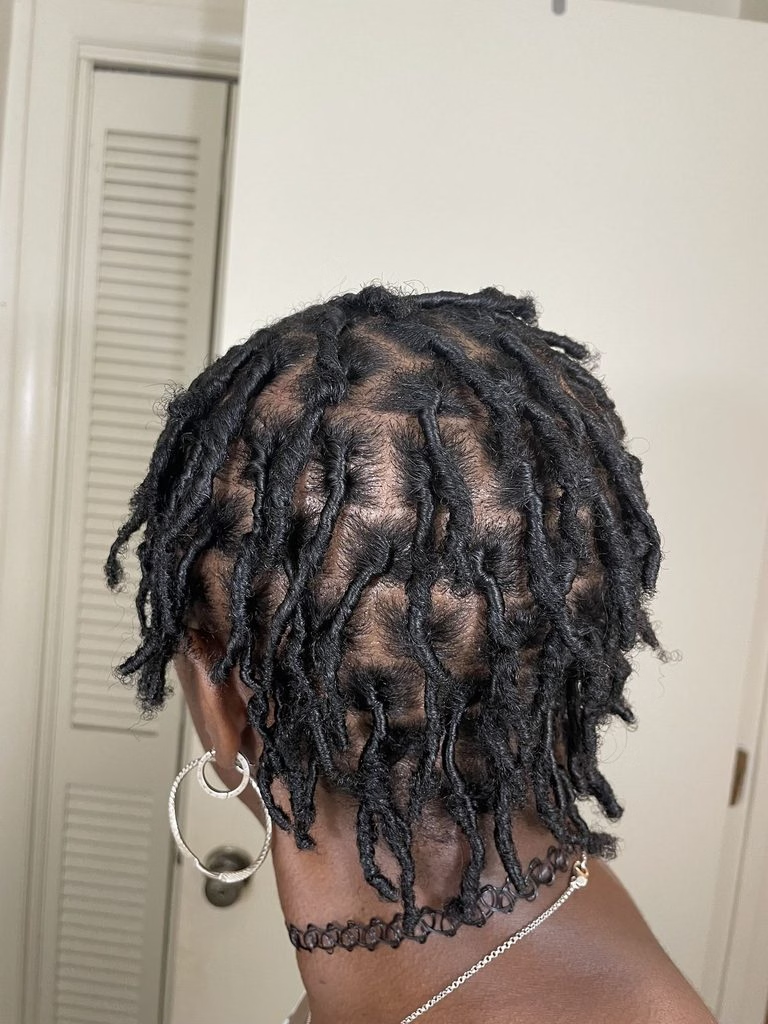
Not every stylist knows locs well, and a poor start can cause problems that last for years. Warning signs include tight pulling, rushed work, unclear prices, and no real talk about aftercare.
Some stylists use heavy wax or pull the hair tightly, which can damage the scalp over time. A good stylist will explain each step, listen to your wishes, and respect your comfort.
Always ask to see photos of past loc work, especially locs at a stage like yours. Read honest reviews, and notice how the stylist responds to questions during your first visit.
Trust your instincts, because feeling rushed or dismissed is a good reason to walk away. A high price does not guarantee quality, and a low price does not guarantee safety.
Book a short consultation first, since many stylists offer one before the full installation begins. A careful search at the start protects your hair, your money, and your peace of mind.
If something feels wrong during the appointment, speak up kindly but clearly and right away. Do not feel guilty about leaving a salon that clearly does not meet your standards.
Your hair is a long term investment, so protect it from careless hands and rushed work.
Skills You Need for DIY
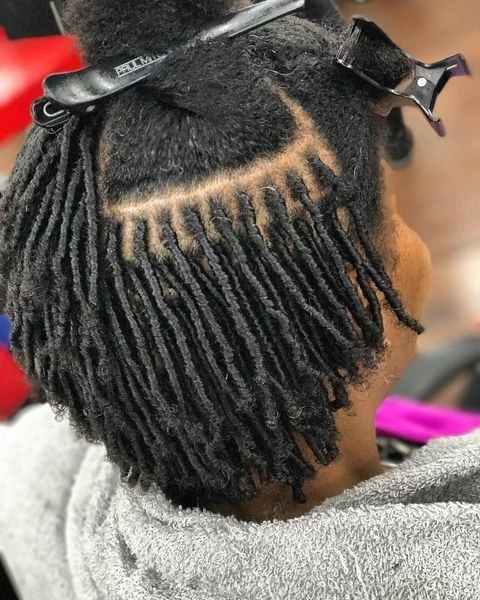
DIY locs call for steady hands, patience, and a willingness to learn from small mistakes. You will need to learn parting, twisting or coiling, palm rolling, and gentle washing methods.
Practice these skills on a small section before you commit to your entire head of hair. Good lighting, a mirror, and a comfortable seat help you work with accuracy and calm.
Short, neat styles, like 25 cute short locs hairstyles, are easier to practice on than very long hair. Learn your hair’s natural direction, since twisting with it makes the locs form more easily.
Keep your tension light and even, because tight twists can cause pain and later thinning. Watch tutorials from experienced loc stylists, and compare several different methods carefully before choosing one.
Join a loc community where members share honest tips, photos, and encouragement with each other. Skills grow quickly with practice, so be kind to yourself during the very early sessions.
If a skill feels too hard, book a pro for that step and learn from watching. Start your practice on a wig head or a friend’s hair to build steady hand movements.
Set small goals, such as finishing one neat section each day, to build skill without pressure.
How to Choose a Loc Stylist
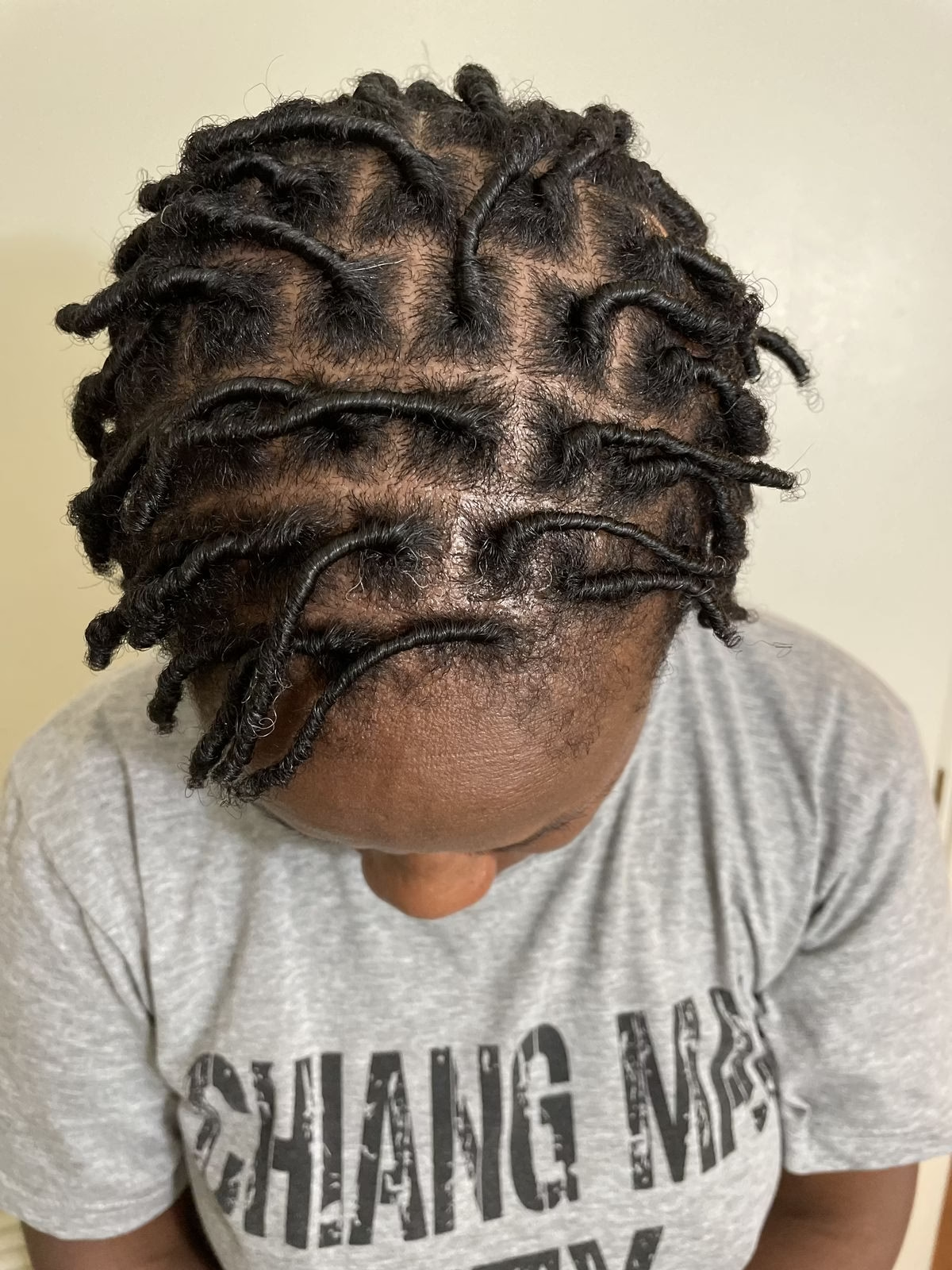
Start by searching for stylists who say they specialize in locs, not just general natural hair. Look closely at their portfolios, and notice whether the locs look neat, even, and healthy.
Ask friends with locs you admire, since personal recommendations are often the most reliable source. Check that the salon is clean, calm, and respectful of your time and your questions.
Brides planning ahead, like those in wedding loc updo styles for black brides, should book a stylist early. Ask about training, years of experience, and how many locs they have started this year.
A confident stylist will happily explain methods, risks, and what to expect at each stage. Discuss your goals openly, including your preferred loc size, length, and long term styling plans.
Ask about maintenance visits, since you may want the same stylist for years to come. A good fit feels comfortable, respectful, and honest, with no pressure to buy any extras.
Take your time, because the right stylist can make your locs journey smoother and happier. Meet the stylist in person before booking, so you can sense whether you feel comfortable together.
Bring photos of the locs you love, so your stylist understands your vision very clearly.
Hybrid Approach
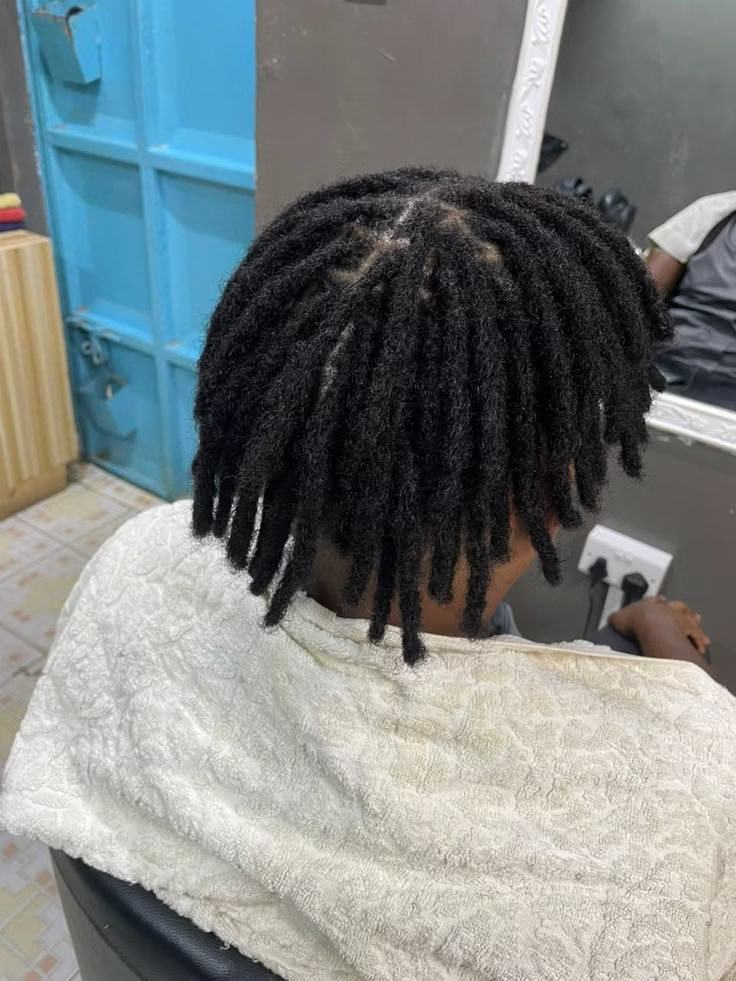
Many women choose a hybrid path, with a professional start and simple maintenance at home.
This approach gives you a strong foundation without the high cost of salon visits forever.
You learn from your stylist, then practice the same steps on your own over time. Many stylists are happy to teach basic retwisting during a regular appointment if you ask.
Shorter starts, like those in short locs for women in their 30s, suit a hybrid plan very well. Book a professional visit every few months to check parts, fix thin spots, and tidy edges.
Do the simple tasks at home, such as washing, moisturizing, and gentle retwisting between visits. This balance keeps your costs reasonable while protecting your hair from many avoidable beginner mistakes.
It also builds your confidence step by step, which makes later DIY work feel easier. A hybrid path is flexible, so you can lean more on either side as life changes.
Many experienced loc wearers settle into this balanced approach and never feel the need to change. Ask your stylist for a simple home care plan that matches your schedule and your skills.
Keep notes from each salon visit, so you can repeat the steps correctly at home.
Aftercare for Both Paths
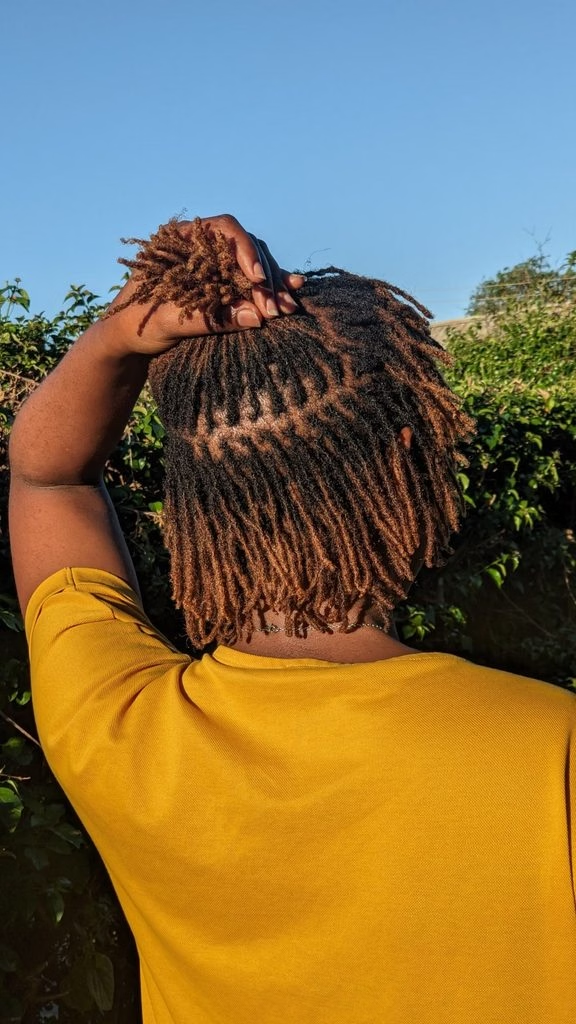
Good aftercare matters more than the starting method, so build healthy habits from the first day. Wash with a residue free shampoo every one to two weeks, and dry your locs fully.
Protect your locs at night with a satin bonnet, scarf, or pillowcase to reduce frizz. Keep your hands away from your locs, since constant touching causes frizz and early loosening.
Once your locs mature, styles like 45 half up half down locs styles become easy to wear. Retwist every four to eight weeks, and avoid twisting too tightly or too often at home.
Use light, water based products, and skip heavy waxes that can build up inside the locs. Moisturize your scalp lightly, and watch for itching, flaking, or soreness that does not fade.
Take monthly photos to track progress, since changes are slow and very easy to overlook. Consistent care protects your investment, whether you spent money on a salon or time on DIY.
Small daily habits shape the health of your locs far more than any single decision. Ask your stylist or an experienced friend to check your scalp health every few months.
Stay patient during the slow months, since healthy locs always reward steady and gentle care.
Who Should Choose Which
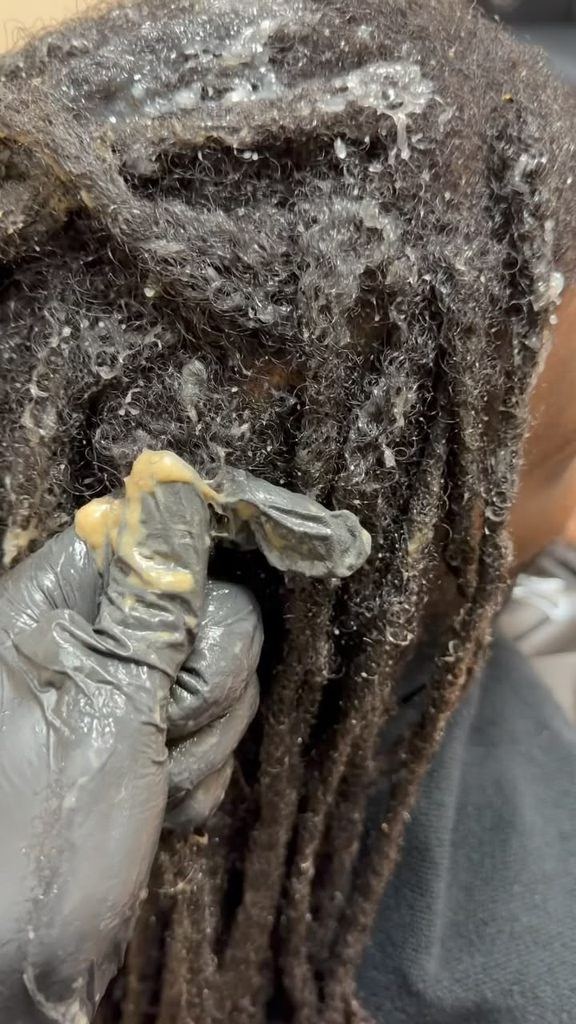
Choose a salon start if you want a neat, even beginning and prefer expert guidance. Choose DIY if you enjoy hands on projects, have patience, and want to save money.
Choose a hybrid path if you want both safety and savings over the long term. There is no shame in any choice, since each path leads to healthy and beautiful locs.
Special event planners, like those exploring bridal loc hairstyles for black women, often prefer a professional start. People with very short hair, scalp concerns, or past damage should lean toward professional help.
People with strong hand skills and lots of free time often enjoy the DIY experience. Consider your budget, your schedule, your skills, and your comfort with risk before you decide.
Ask yourself honestly which choice you will still feel good about a year from now. Your answer may change over time, and that is a normal part of the journey.
Whatever you pick, commit to learning, caring, and enjoying the whole process with a patient heart. Talk with women who chose each path, since real stories often answer questions guides cannot.
Be honest about your fears, because naming them helps you pick the path that feels safe.
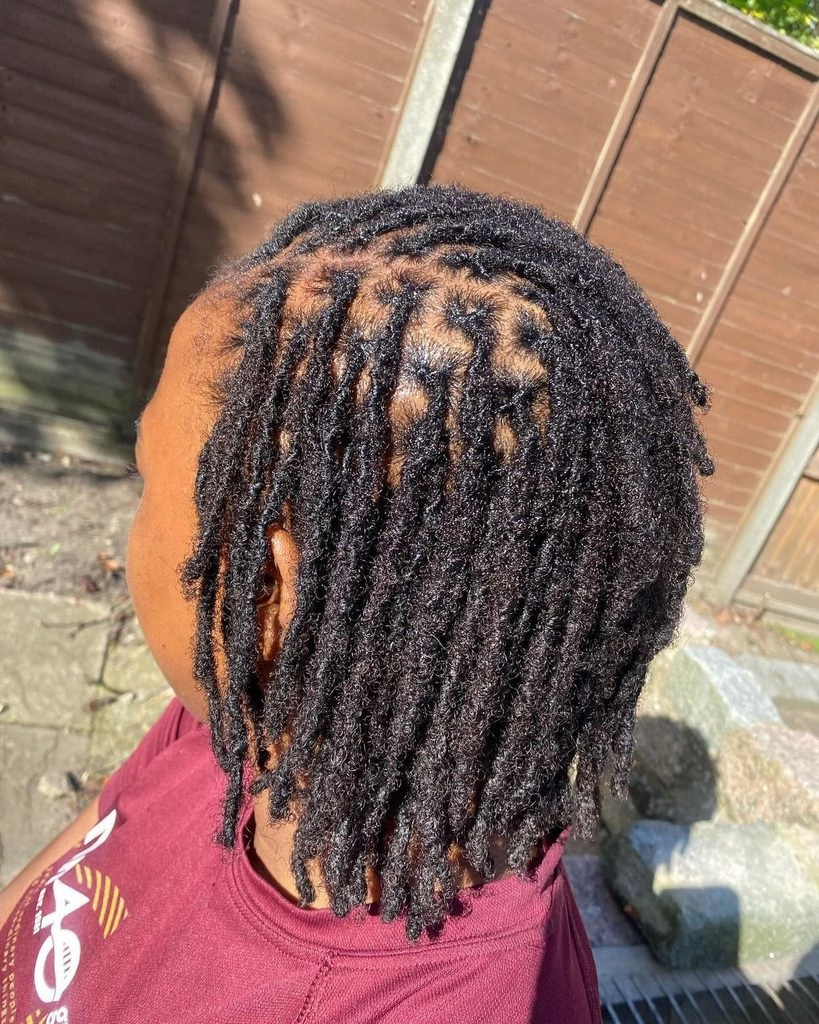
Making Your Final Decision
Write down your budget, your schedule, and your comfort level, then compare them to each path honestly. If a salon fits your budget and you want a safe start, book a consultation soon.
If DIY fits your life, gather your tools and practice on a small section first. If you feel torn, a hybrid path lets you enjoy the best parts of both.
Remember that healthy locs come from patience, care, and good habits, not from a perfect start. Many women with beautiful locs began with mistakes, learned from them, and kept going with determination.
Trust yourself to make a thoughtful choice, since you know your life better than anyone. Whichever path you choose, enjoy each stage and celebrate every small step of real progress.
Your locs journey is yours alone, and it will grow in its own beautiful time. Start when you are ready, and know that every great head of locs began somewhere.
Share this guide with a friend who is also deciding how to begin her locs.
Come back to these sections whenever you need a reminder, and trust your own choice. Your best start is the one you can care for well, so choose with confidence today.