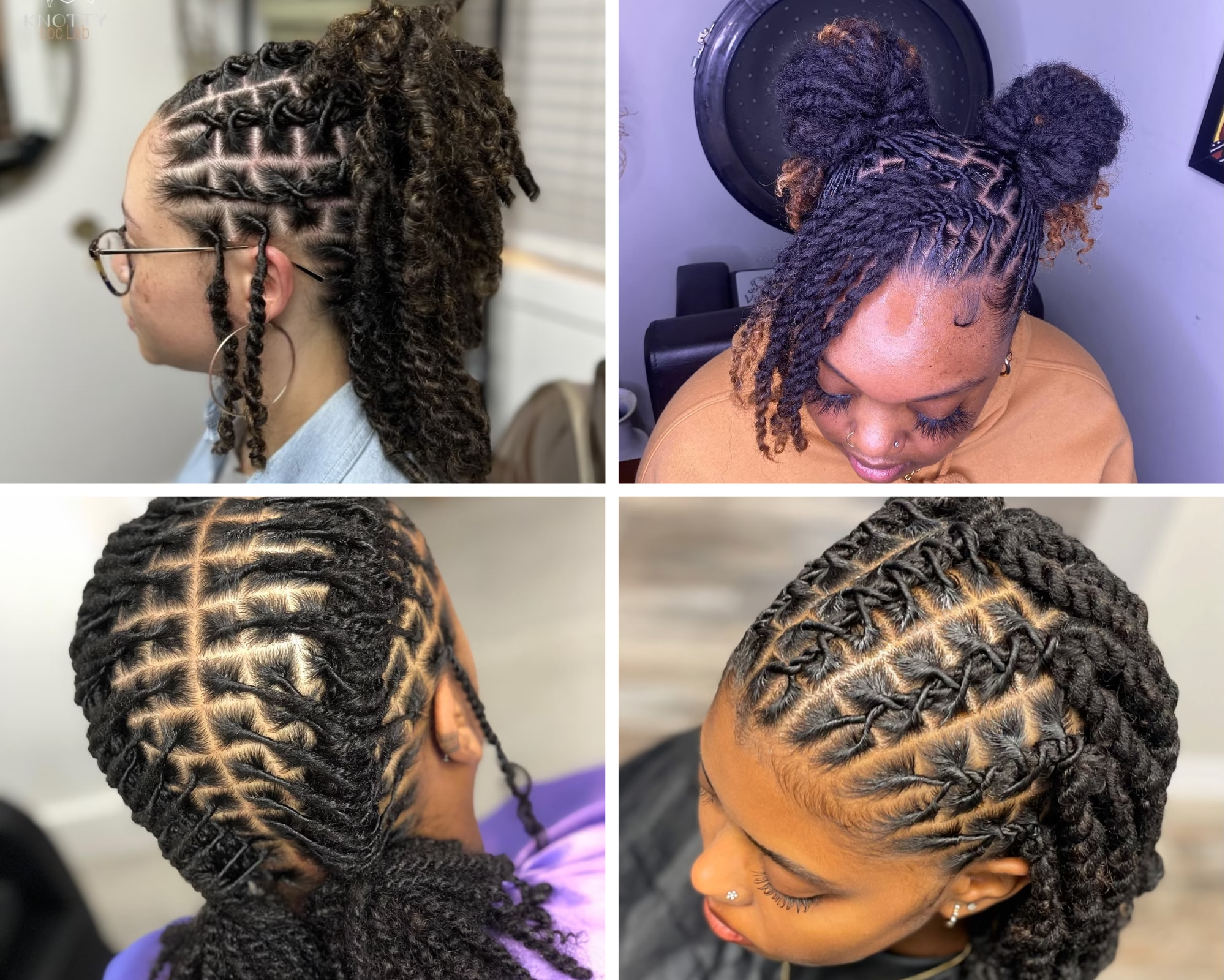
Somewhere around week three, most people catch themselves staring in the mirror wondering what they just did to their hair. Fuzzy sections stick out at odd angles.
Nothing lies flat, nothing curls right, and every style tutorial online seems built for locs that are years past this stage. Frustrating doesn’t begin to cover it.
But starter locs aren’t a phase to survive, they’re a texture with its own personality, and once you stop fighting that fuzz, styling actually gets fun.
Short, springy, a little wild around the edges, this stage has real character if you work with it instead of against it. Buns look different here. Twists behave differently too.
None of that means your options are limited, it just means the usual advice made for mature locs doesn’t apply yet.
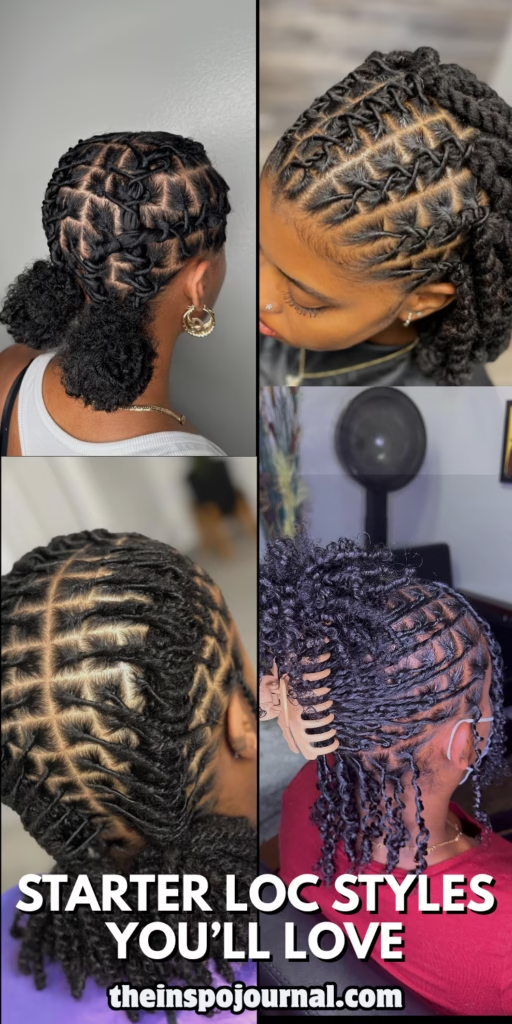
What follows are styles built specifically for where your hair is right now, not where it’ll be in two years.
Diamond Parted Crop with Low Curly Puff

Small, tight diamonds cover the entire crown here, no space wasted between sections, dense and organized from the top all the way down to the nape.
Everything gathers low into a curly, coily puff sitting right at the neck, short and round rather than pulled up high. Solid black color throughout keeps the focus fully on that parting detail. Loose, fuzzy texture in the puff shows these locs are still budding, not yet fully formed into smooth rope.
Positioning the puff low instead of high works well for very short locs, since there’s often not enough length yet to sit comfortably at the crown.
Save for later How to Start Locs for Beginners Step by Step: A Simple Guide for Your First 90 Days
Grid Rows with Voluminous Curly Extensions
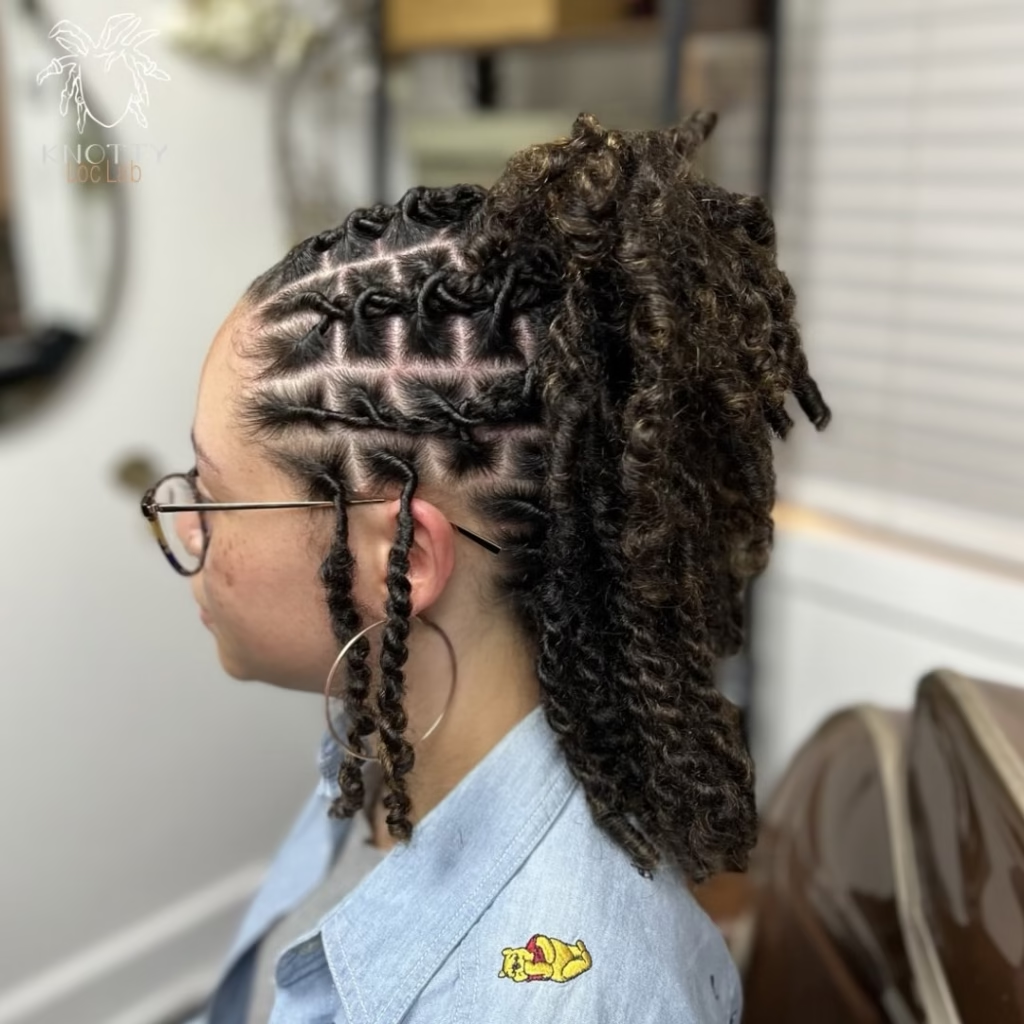
Straight grid lines cross evenly across the crown, boxy and precise instead of angled like a diamond pattern. Full, springy curls cascade from that high point, dense brown and black mixed together for real dimension.
Two thin locs drop loose by the ear, framing the face gently against all that volume. That much fullness usually means curly extensions or faux locs blended in at the root, a common trick for starter locs still too short to create big, bouncy curls on their own.
Adding volume this way lets newer loc wearers enjoy a fuller look immediately, without waiting years for natural length and thickness to develop.
Diamond Parted Space Buns with Curly Copper Peekaboo
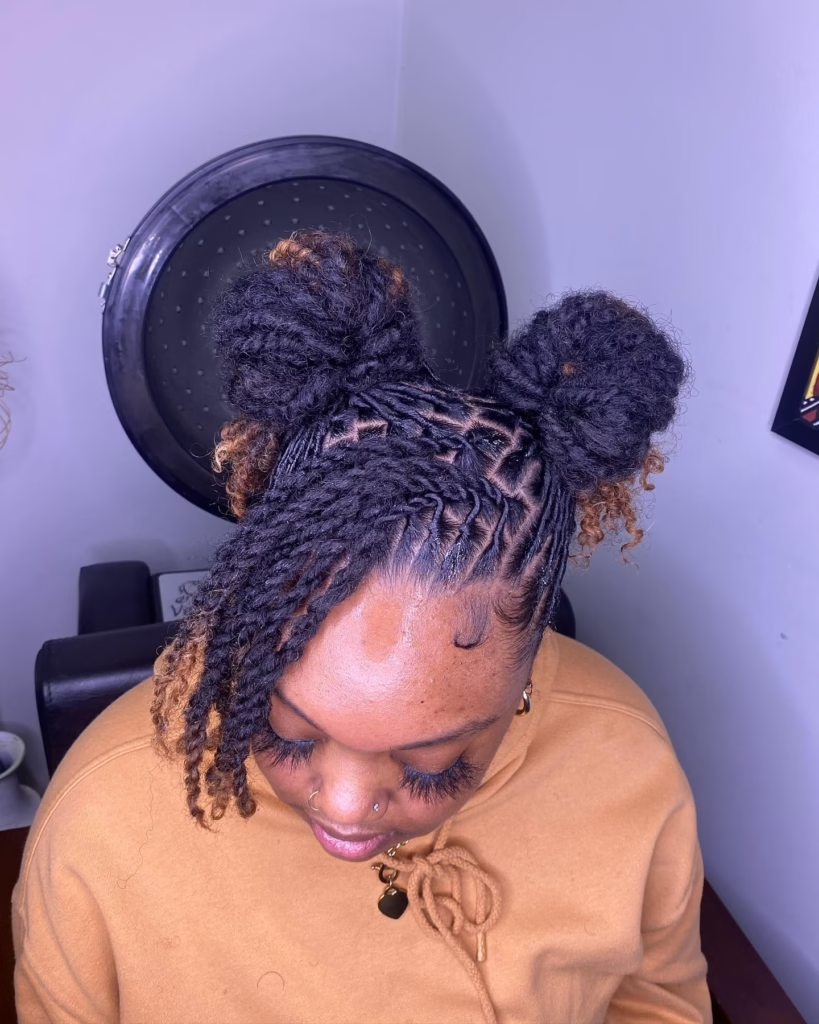
Round space buns sit high on both sides of the crown, thick and coily with small curly wisps of copper poking through near the base of each one. Diamond parts run tight and even across the top, feeding smoothly into both buns without any gaps or stray hair.
Loose two-strand locs fall in front, framing the face on either side with warm copper mixed through the black. Mostly black hair keeps this look grounded, letting that pop of copper feel intentional rather than overdone.
Two buns instead of one adds balance and a bit of fun, especially useful for shorter locs still too small for one large gathered style.
Pin for later How to Keep Starter Locs from Unraveling: 7 Tips That Actually Help
Slicked Diagonal Rows with Loose Chunky Twists
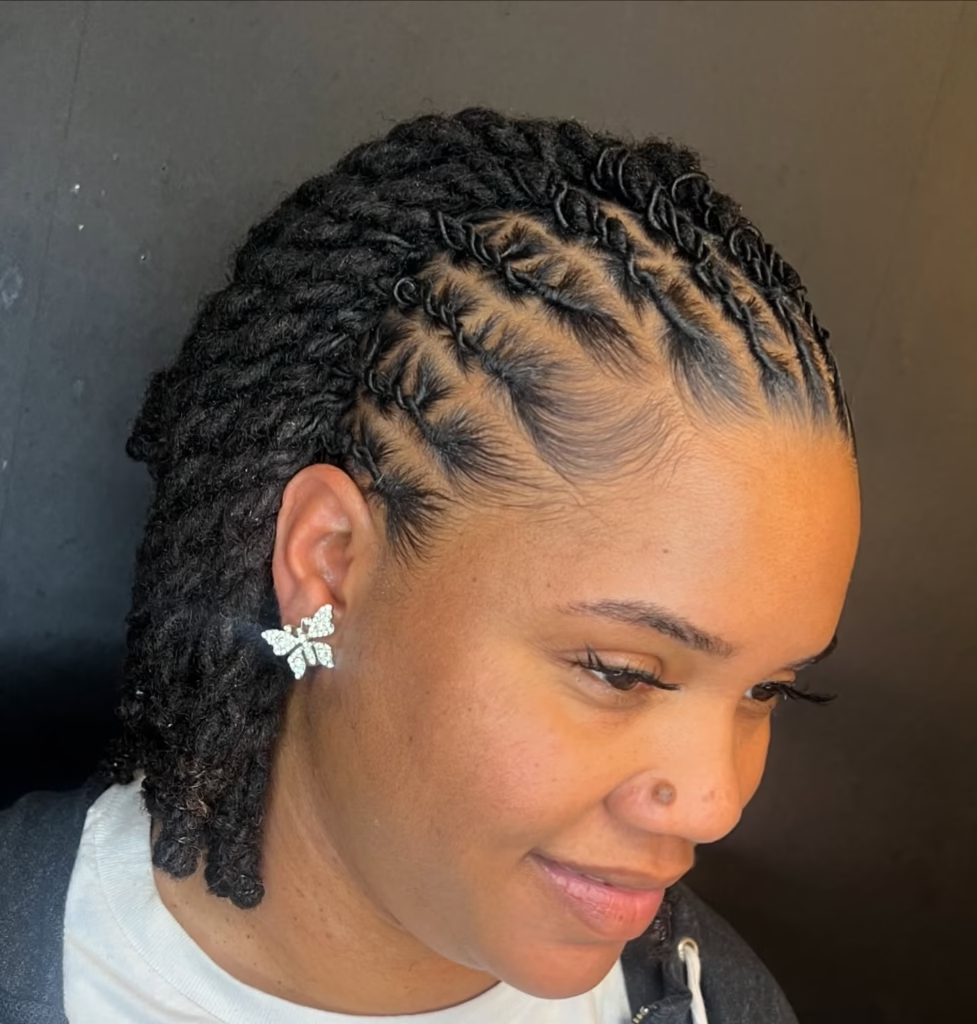
Rows sweep back diagonally from a deep side part, sleek and glossy against the scalp, catching light with a fresh, just-installed shine. Everything falls loose here, no bun involved, letting thick, rope-like twists frame the whole side of the face.
Solid black covers every strand, dense and full in texture. Curly ends peek out just slightly at the very front hairline, a small hint that these locs are still budding despite the polished parting.
That combination of sleek front rows and chunky loose length gives an elegant, low-maintenance option for anyone whose locs are too short to gather but long enough to hang.
Curly High Ponytail with Blonde-Streaked Diamond Base

Blonde streaks weave through curly hair at the crown, bright against darker roots, catching light with every slight head movement. Diamond parts run tight below, small and organized, feeding smoothly into that voluminous curly section up top.
Loose two-strand locs frame the face on both sides, curling naturally at the tips where the twist relaxes. Warm gray and caramel tones mix subtly through the black base, adding quiet depth without overwhelming the style.
That combination of tight parting below and loose, colorful curl above gives real contrast, structured where it needs to be and playful everywhere else.
Full Grid Parted Loose Locs at Neck Length
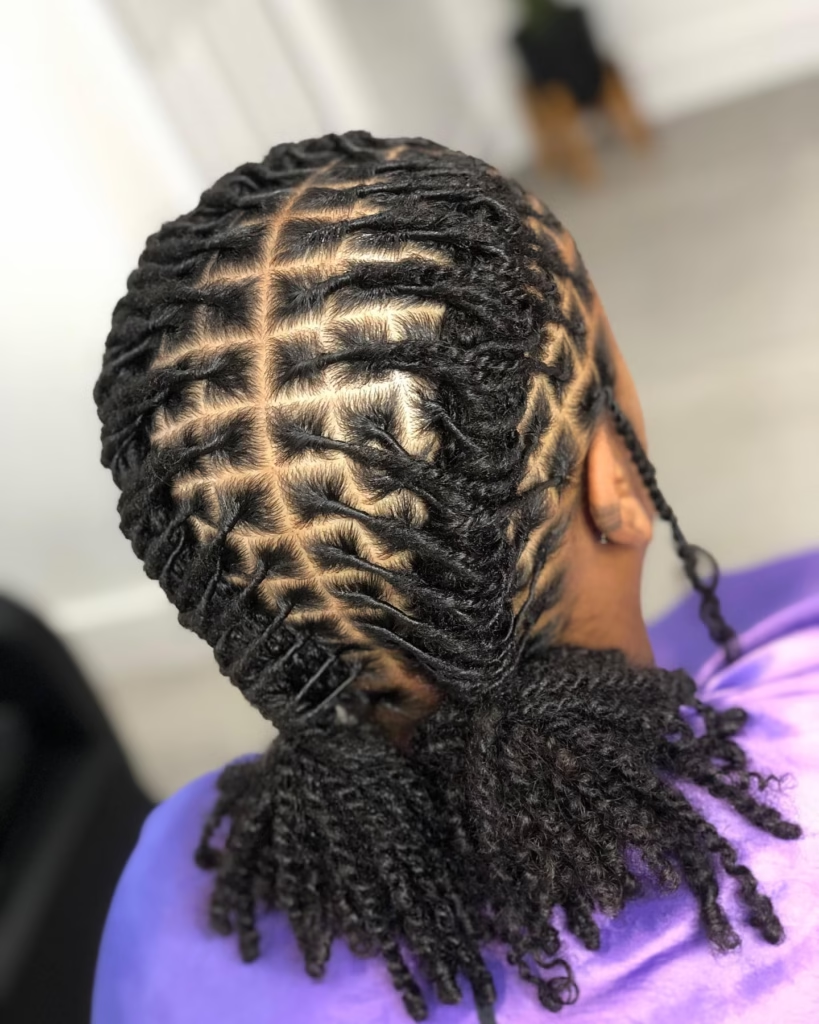
Grid parting takes over the entire scalp, straight lines running both directions to create clean, boxy squares from the crown all the way down.
Everything hangs loose here, no bun or gathered section, letting neck-length locs fall naturally past the collar. Coily, still-forming ends show these locs haven’t fully matured yet, springy and full of texture rather than smooth rope.
One thin loc drops loose near the ear as a subtle face-framing piece. That much grid coverage takes real time to install but gives shorter locs a sharp, finished look without needing any length up top to gather.
You may enjoy reading How to Do a Locs Updo at Home: Step-by-Step Guide for Beginners
Full Grid Coverage with Chunky Bob-Length Twists
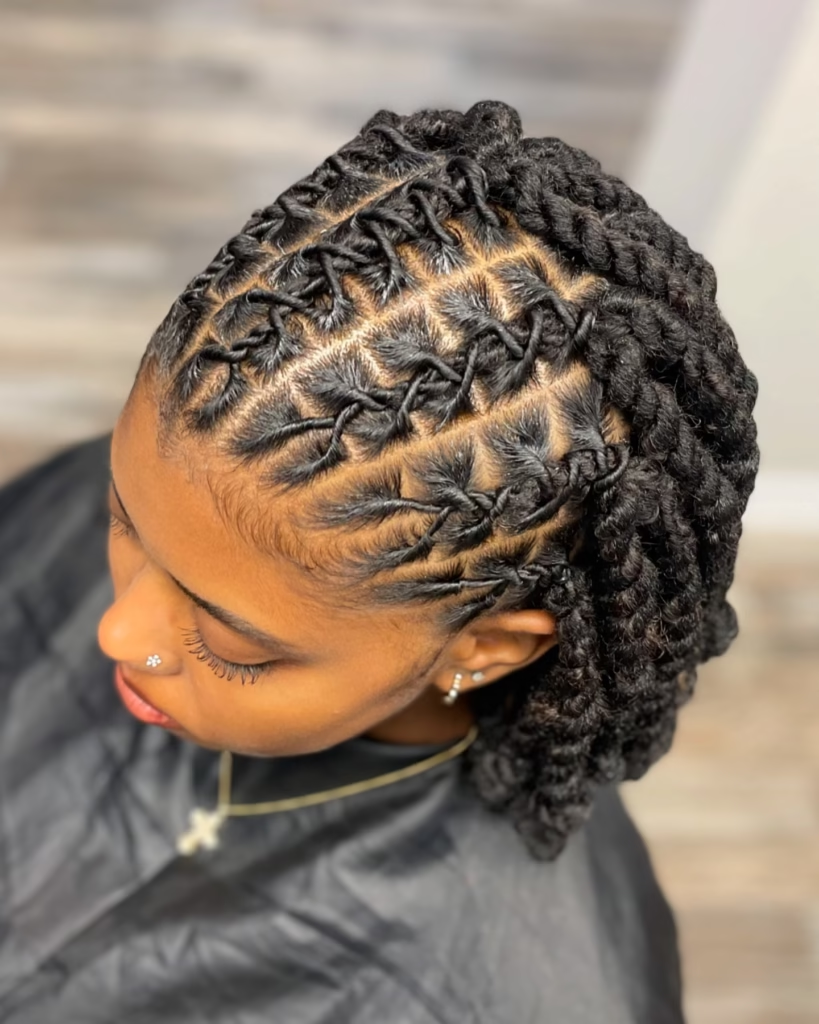
Grid parts stretch across the entire head, straight lines crossing at even points from the front hairline back, small and dense throughout. Thick, chunky two-strand locs fall right at bob length, dark black and full in volume compared to thinner starter locs.
No section gets pulled up or gathered here, letting the loose bob shape and grid pattern do all the visual work together. Solid black color keeps everything cohesive, no dye involved.
That much grid coverage on chunkier starter locs shows real patience, since thicker sections take longer to part evenly, but the payoff is a bold, textured look that photographs beautifully from any angle.
Two Puffs with Diamond Parted Center Section

Two full, coily puffs sit toward the back of the head, loose and unstructured compared to the tight diamond parting running everywhere else. That contrast pulls the eye immediately, controlled geometry up front against wild curl in back.
One thin loc drops down over the forehead, framing the face while everything else stays gathered up. Small, precise diamonds cover the crown, close together with barely any gap between sections.
Placing puffs toward the back instead of symmetrically on top gives this style movement, and it works especially well on shorter locs that haven’t grown long enough for a traditional half up bun yet.
Here’s a guide on How to Do a Locs Updo at Home: Step-by-Step Guide for Beginners
Claw Clipped Curly Half Up on Chin-Length Locs

A tan claw clip grabs the top section here, holding a mess of curly, unformed hair up and out of the way while the rest stays loose. Diagonal rows run beneath, small and neat, feeding into chin-length two-strand twists that curl loosely at the ends.
Solid black covers most of the length, though light catches a slightly silvery sheen throughout, likely from product shine rather than actual gray.
Grabbing loose curls with a simple claw clip works as an easy, low-effort half up option, perfect for locs still too short or fuzzy to twist into a clean bun.
Grid Parted Twin Buns with Curly Copper Tips

Straight center part splits the whole head evenly, feeding into a clean grid pattern on both sides, boxy and even rather than diagonal. Two curly buns sit high, copper and rust tones popping bright against dark roots underneath.
Thin, whispy locs drop loose by each temple, curling slightly as they frame the face. Deep black covers most of the length, letting that copper burst at the crown feel like a deliberate highlight instead of an accident.
Straight grid parting like this reads cleaner and more symmetrical than diamonds, a solid pick for anyone who wants precision over playfulness.
Continue reading 45 Half Up Half Down Locs Styles for Black Women That Give You the Best of Both Worlds
Ladder Rows with Curly Blonde-Tipped Locs
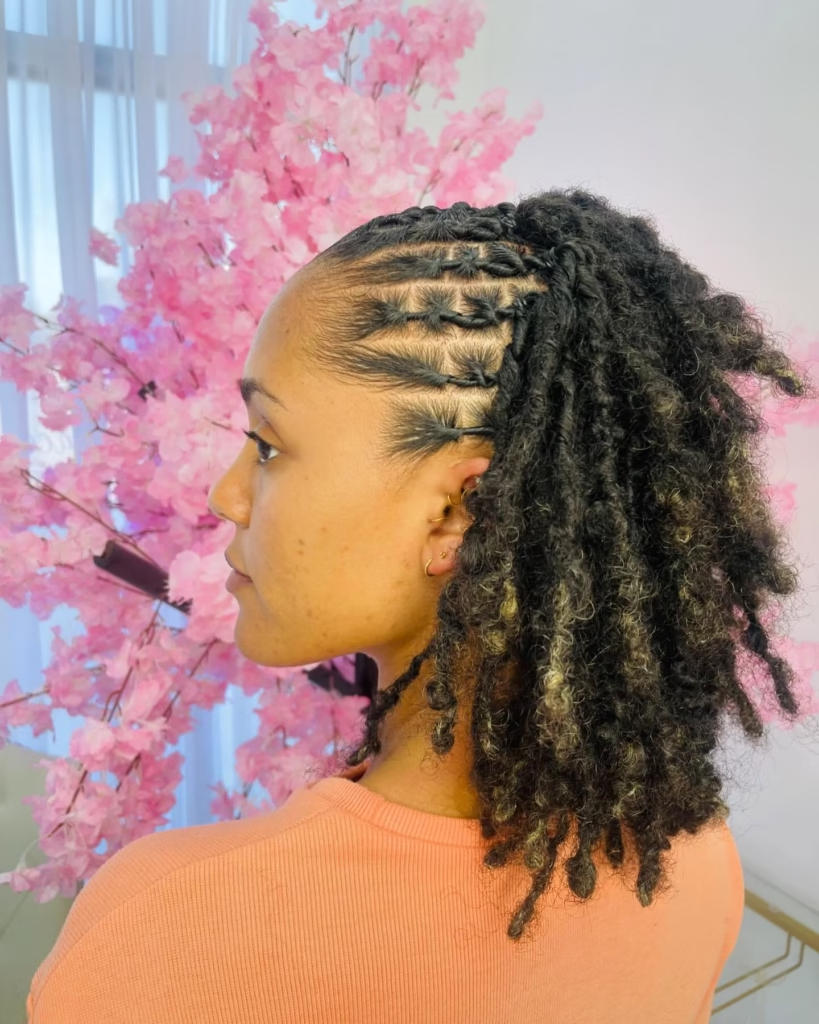
Straight horizontal rows stack neatly down the side like rungs on a ladder, structured and clean against the shaved undercut beneath. Everything sweeps back and falls loose, thick curly locs cascading past the shoulder, black roots transitioning into warm blonde tips.
Dense coily texture runs through most of the length, springy and full rather than smooth. That undercut detail paired with soft, curly ends creates real contrast, edgy on one side and voluminous on the other.
Ladder rows like this suit anyone wanting a bold, graphic base without committing to a full head of tight parting, letting length and curl carry the rest.
Space Bun Pigtails with Vertical Rows and Copper Ends
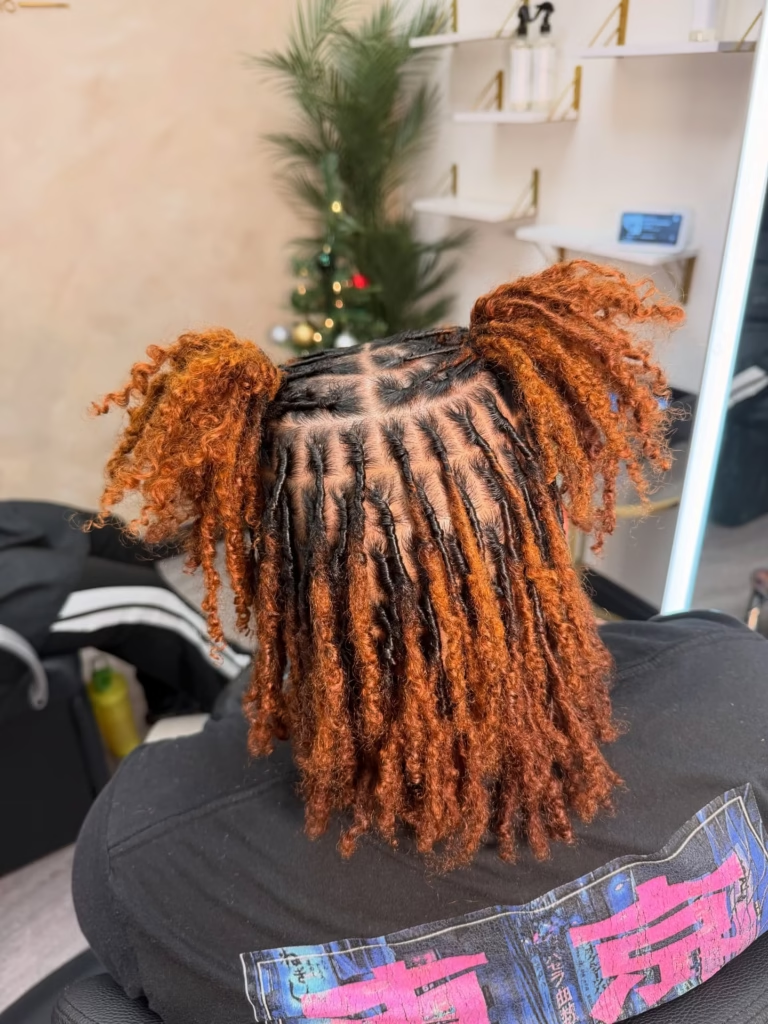
Two puffy space buns sit on either side of the head, curly and full, playful in a way sleek styles rarely manage. Straight vertical rows run down the back from a clean center part, feeding neatly into each side without pulling too hard on any one spot.
Bright copper and rust color takes over completely, dark roots barely visible against all that warmth. Short starter locs work perfectly here, since space buns don’t need length or maturity to look finished.
Symmetry matters more than perfection with this one, so even sizing on both sides is worth the extra minute.
See also 6 Mistakes Parents Make When Starting Their Child’s Locs (And How to Avoid Them)
Diamond Parted High Puff with Face-Framing Rows
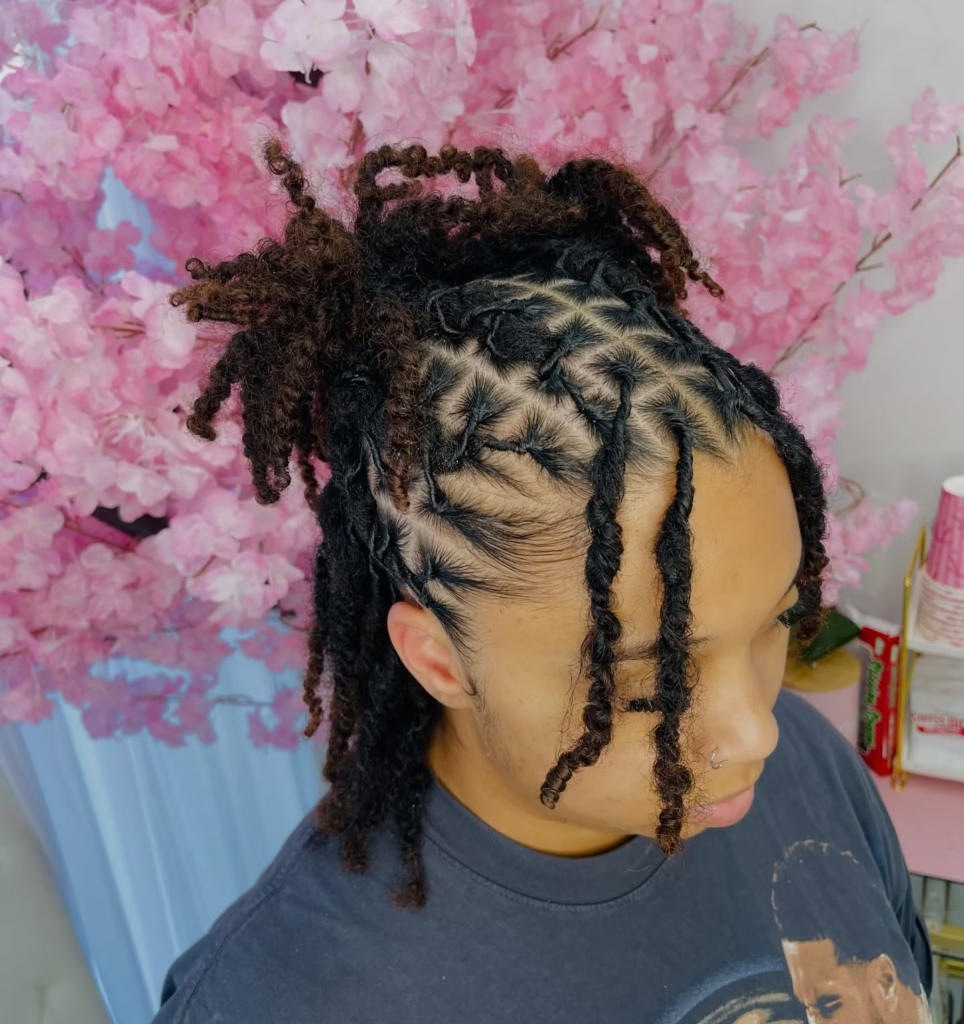
Curly, unlocked hair explodes at the crown, warm brown mixing with black in loose, springy loops still waiting to twist down. Small even diamonds run tight below, feeding neatly into that puff without any gaps in the pattern.
Several thin locs drop straight down over the forehead, curling gently at the tips as they frame the face. Consistent thickness runs throughout every section, still forming but well maintained.
Curly puffs like this work especially well once locs get long enough to gather but haven’t fully matured, giving new growth room to breathe while still looking pulled together.
Chevron Rows with Full Curly Volume Below
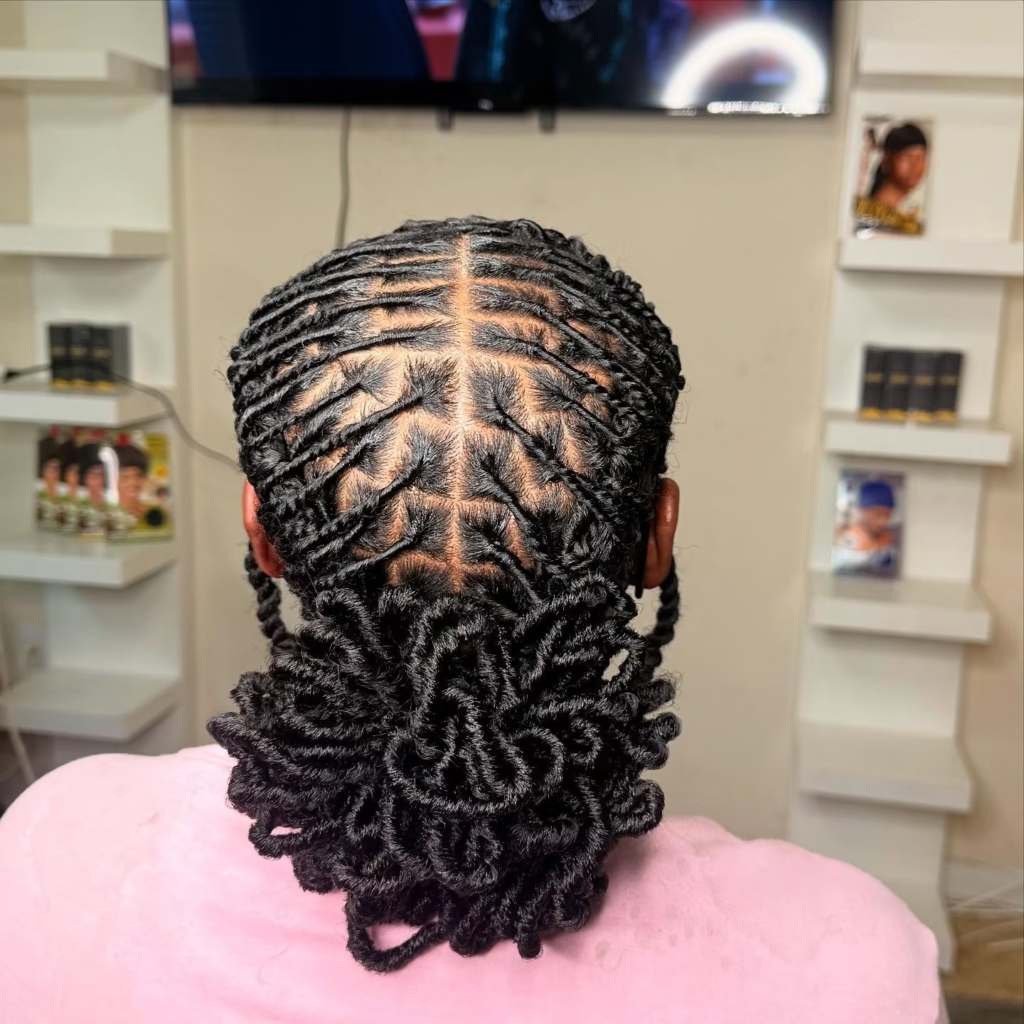
A straight center part anchors this whole style, feeding chevron-style rows that angle downward on both sides like a fishbone spine. Below, thick, springy curls burst out in every direction, packed tightly and full of movement compared to the sleek, controlled parting above.
Solid black covers everything, dense and healthy looking throughout. Two thin locs drop loose near the ears, softening the structured top half.
That chevron angle takes more precision than straight rows, but it creates a striking contrast against all that loose curl underneath, giving shorter locs serious visual impact without needing length.
Bookmark for later Wedding Loc Updo Styles for Black Brides That Look Elegant, Secure, and Beautiful
Full Golden Blonde Curly Puff with Diamond Base
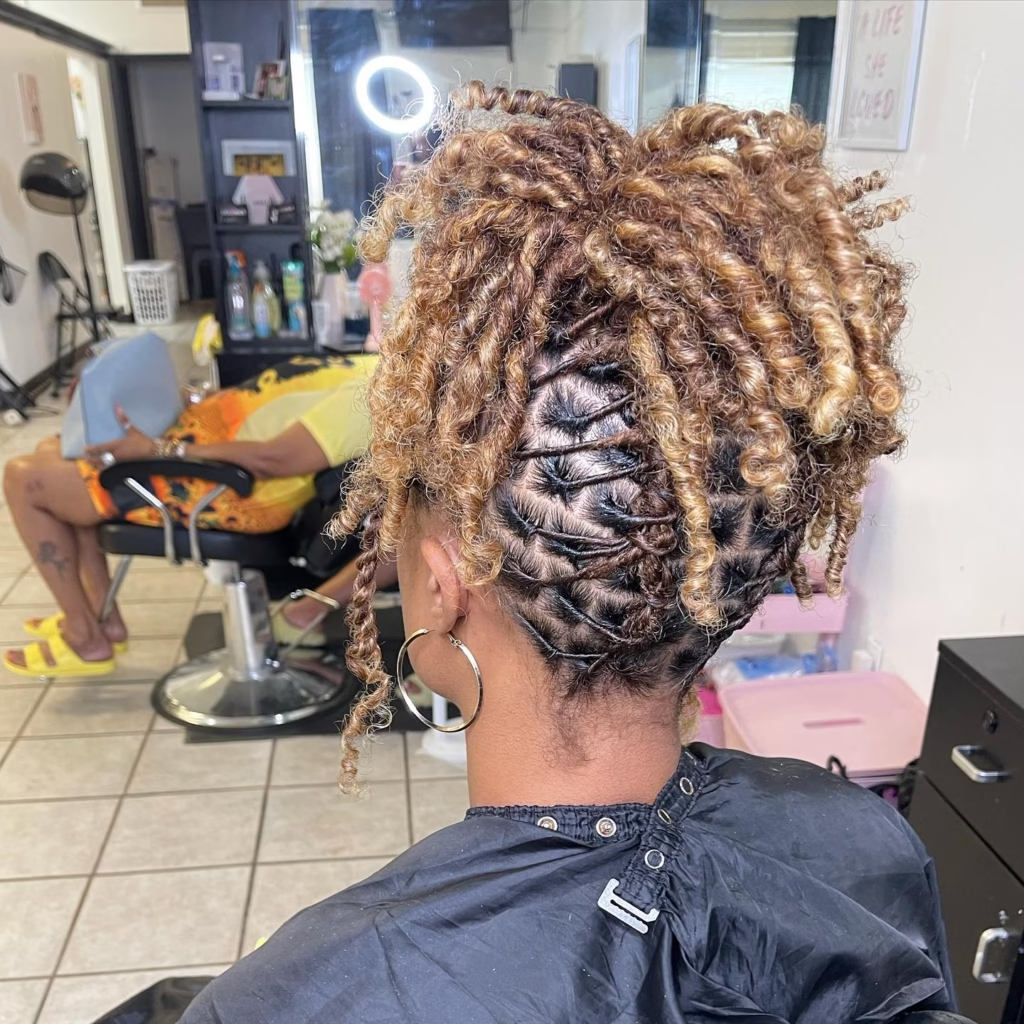
Every strand takes on warm honey blonde here, saturated evenly from root to tip with no dark roots interrupting the color. Tight, springy curls dominate the top, dense and bouncy, gathered upward without any bun structure holding them flat.
Diamond parts run neat below, small and consistent, feeding cleanly into all that curl. One thin loc drops loose near the ear, curling gently past the neck.
Full color like this on curly starter locs takes real processing time, but it delivers a completely transformed look, warm and bright rather than the natural black most starter styles default to.
Small Loop Half Up with Cowrie Shell Accent
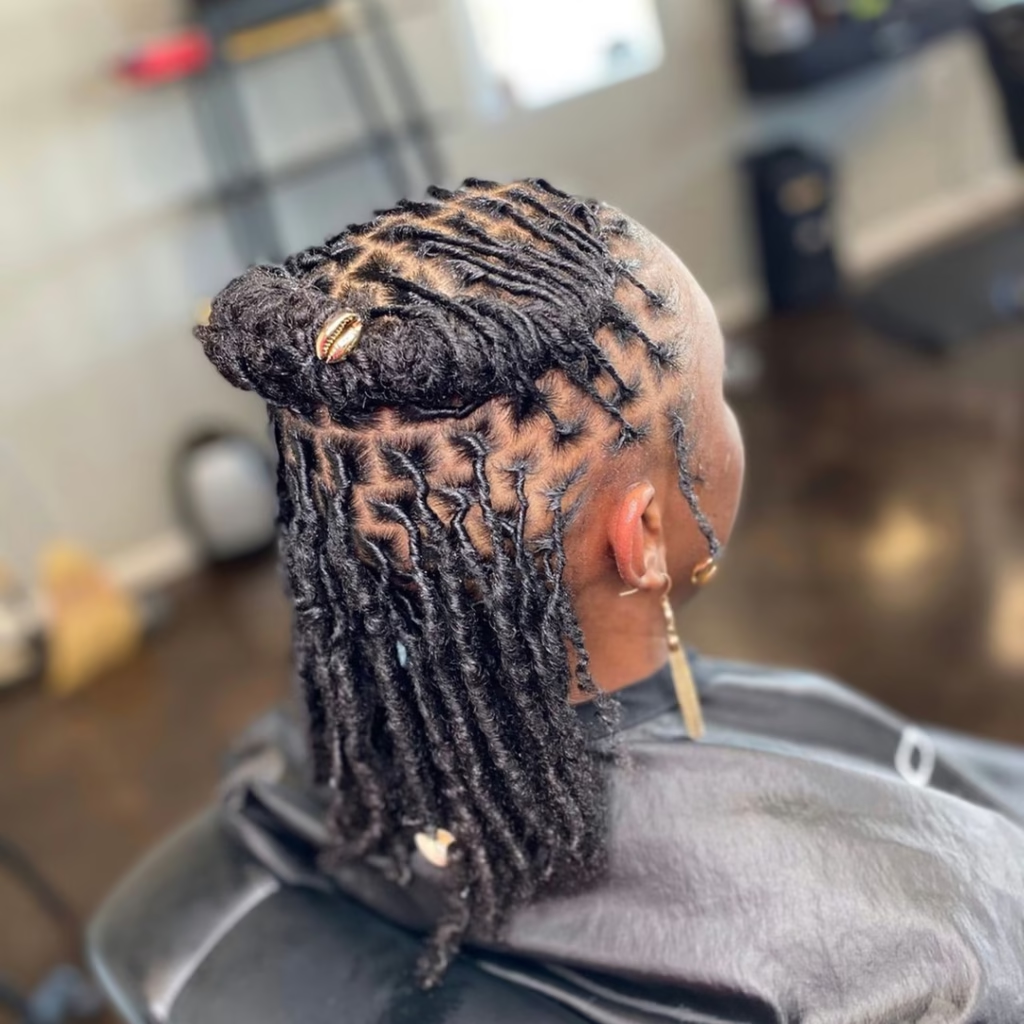
A small loop of hair sits at the crown, curled and tucked over itself instead of gathered into a full bun, subtle and simple compared to bigger updo styles. One cowrie shell clips right at that loop, small but noticeable against the black hair.
Diamond parts run tight underneath, small and consistent from the crown down to the neck. Even thickness shows throughout every section, short but well maintained. Locs hang loose below shoulder level, dark and healthy looking.
That small loop technique gives just enough lift at the crown without needing length or volume, proving even a tiny gathered section can read as a finished half up style.
Check out Short Locs Styles for the Holidays: 10 Festive Looks for the Season
Wide Sunburst Rows with Full Curly Bob
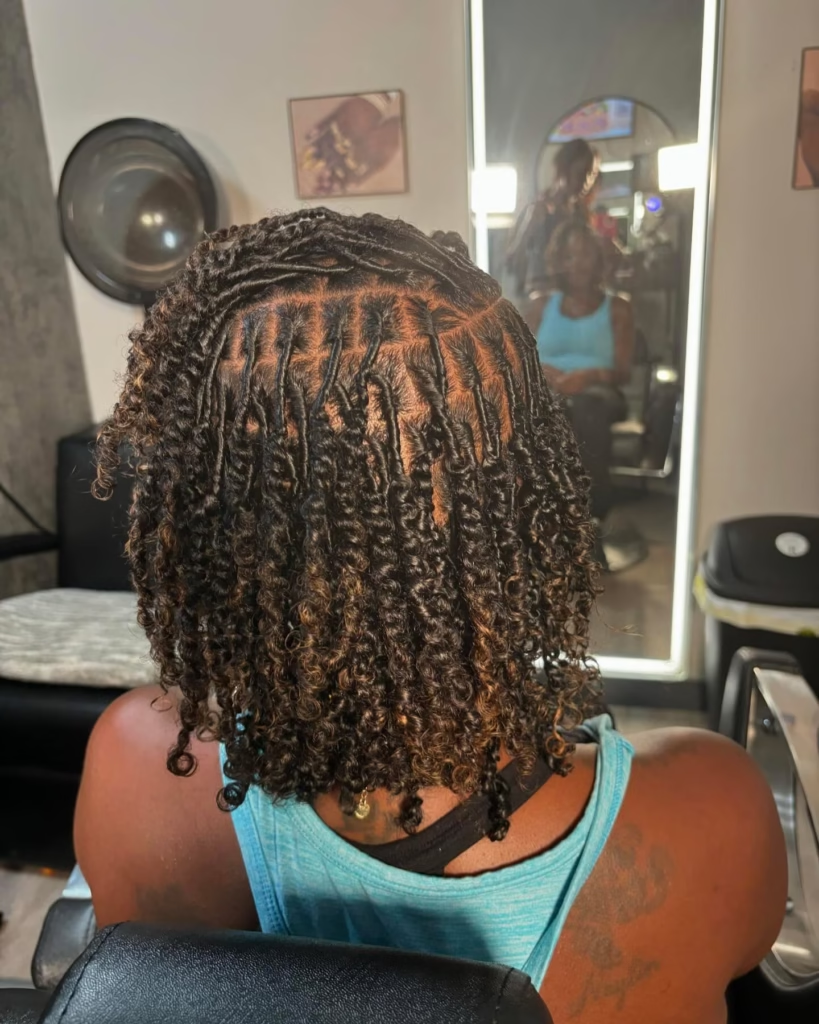
A single row runs straight across the crown, wide sections branching downward from it like a sunburst, less structured than tight diamonds but still deliberate. Every strand below curls tight and coily, dense from root to tip with no bun or gathered piece pulling focus away.
Warm caramel highlights weave through mostly black hair, subtle but visible where light hits directly. Even thickness runs throughout, healthy and full looking.
That sunburst row pattern gives shorter locs a graphic, intentional base, and letting the rest fall loose in full curl keeps the whole style feeling relaxed rather than overly done.
Feathered Diamond Half Up with Curly Auburn Highlights

Wide, feathered diamonds fan out across the crown, thin baby hairs visible at each root, a sign of fresh new growth blending right into the parting. Curly, textured hair puffs freely at the top, warm auburn and copper woven through mostly black strands, catching light differently at every angle.
Two straight locs drop over the forehead, sleek and simple against all that texture up top. Diagonal parting adds movement to the sides, softer than a strict straight-back pattern.
Mixing curly, color-treated hair up top with sleek, straight pieces framing the face gives this style real range, structured where it counts and loose everywhere else.
You may enjoy reading How to Style Long Locs in 15 Minutes: Quick Looks for Busy Mornings
Feathered Diamond Rows with Full Curly Bob
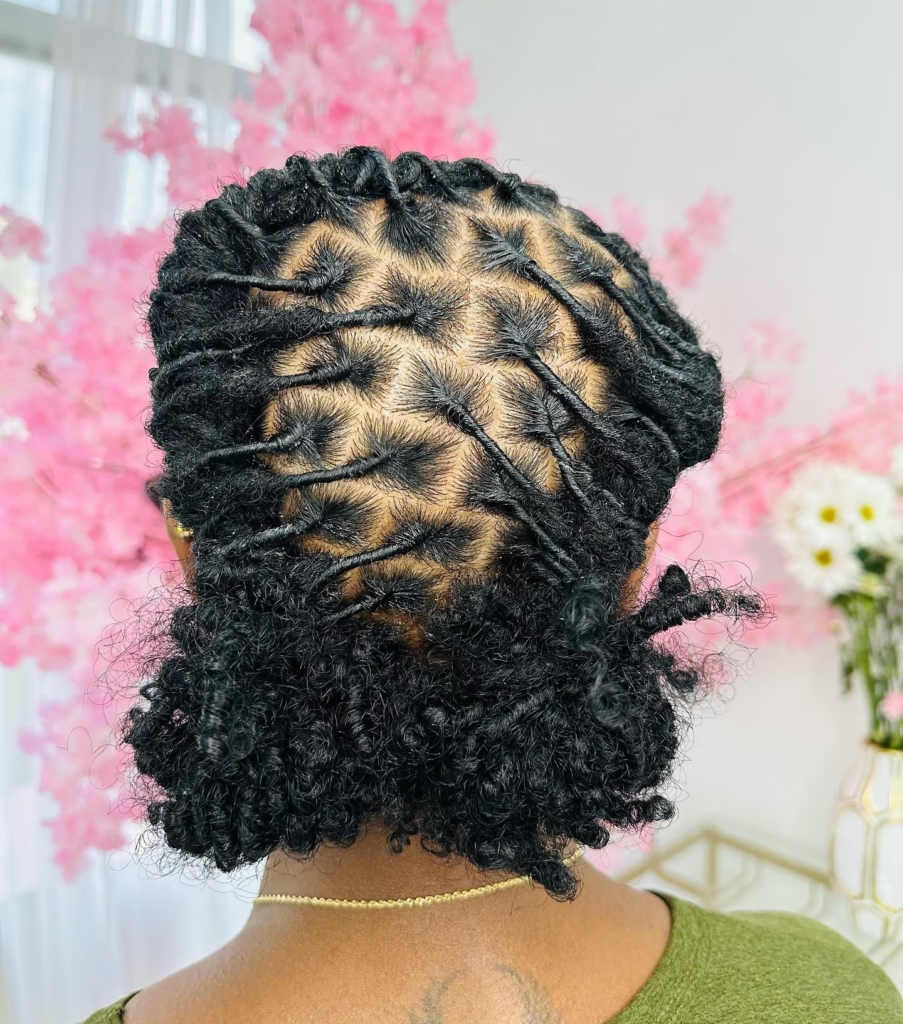
Feathery, star-shaped roots spread wide at each part, thin wisps stretching outward before disappearing into the twist itself. That texture signals healthy, well-moisturized starter locs with visible new growth.
Diamond parts stay tight and organized despite the fuzz, running from crown to nape without gaps. Everything falls loose into a full, coily bob below, dense and voluminous with no bun or gathered section pulling focus away.
Solid black color keeps things simple and grounded. Fuzzy roots like these are completely normal for locs still early in formation, and rather than hiding that texture, this style leans into it as part of the overall shape.
Grid Parted Ponytail with Curly Coily Puff

Straight, dense grid parting covers most of the head, small even squares that stay consistent all the way toward the back. Everything feeds into one gathered ponytail, coily and full, springing outward rather than lying flat or smooth.
One thin loc hangs loose past the ear, framing the face simply. Solid black covers every strand, healthy and glossy where the parting catches light.
That much grid coverage feeding into a single low ponytail gives a clean, put-together look without needing curls, color, or extra styling on the gathered section itself.
Read more Short Locs for Women in Their 30s: 22 Styles That Look Polished and Intentional
Golden Curled Fringe with Straight-Back Cornrow Rows
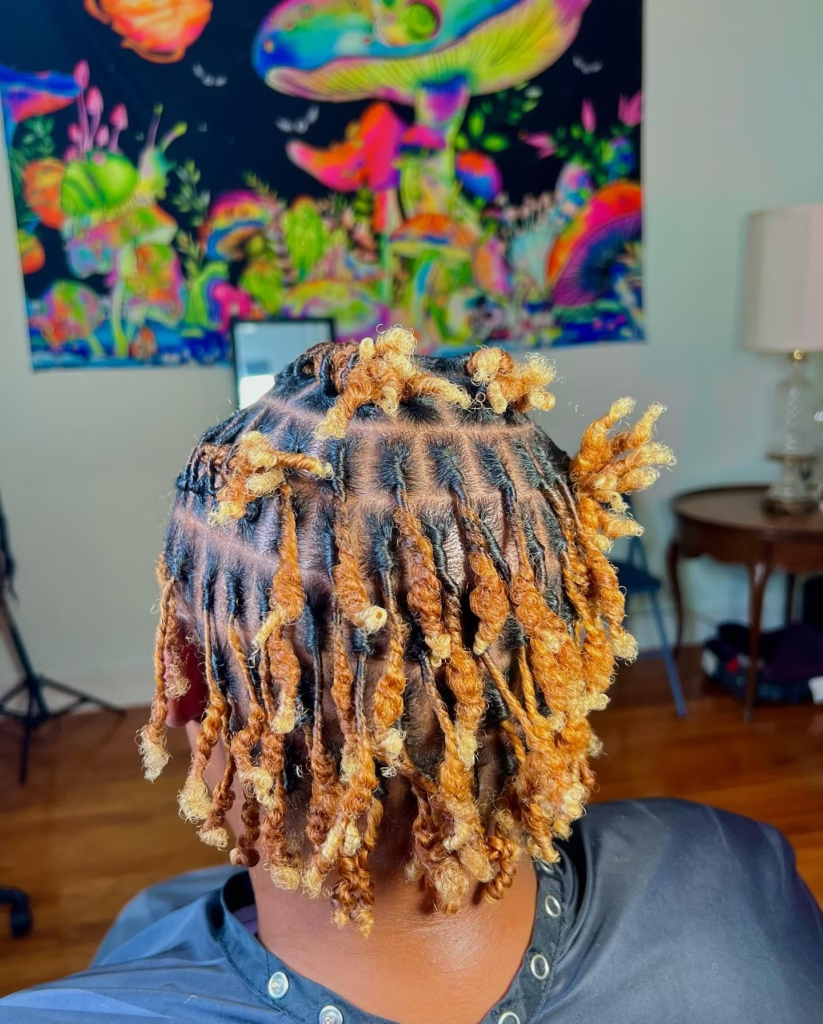
Tight cornrows run in even lines from the crown down, giving new locs a smooth, secure base while they’re still too short to twist on their own. Bright honey blonde takes over the ends, curled into springy corkscrews that pop hard against the dark rows above.
Two-strand starter locs peek through in back, still forming and full of texture, exactly what week one or two looks like for most people.
Curling extensions or added hair at this stage brings instant length and bounce without waiting on growth. This style hides the awkward, fuzzy in-between phase completely.
Space Buns with Wide Diagonal Rows
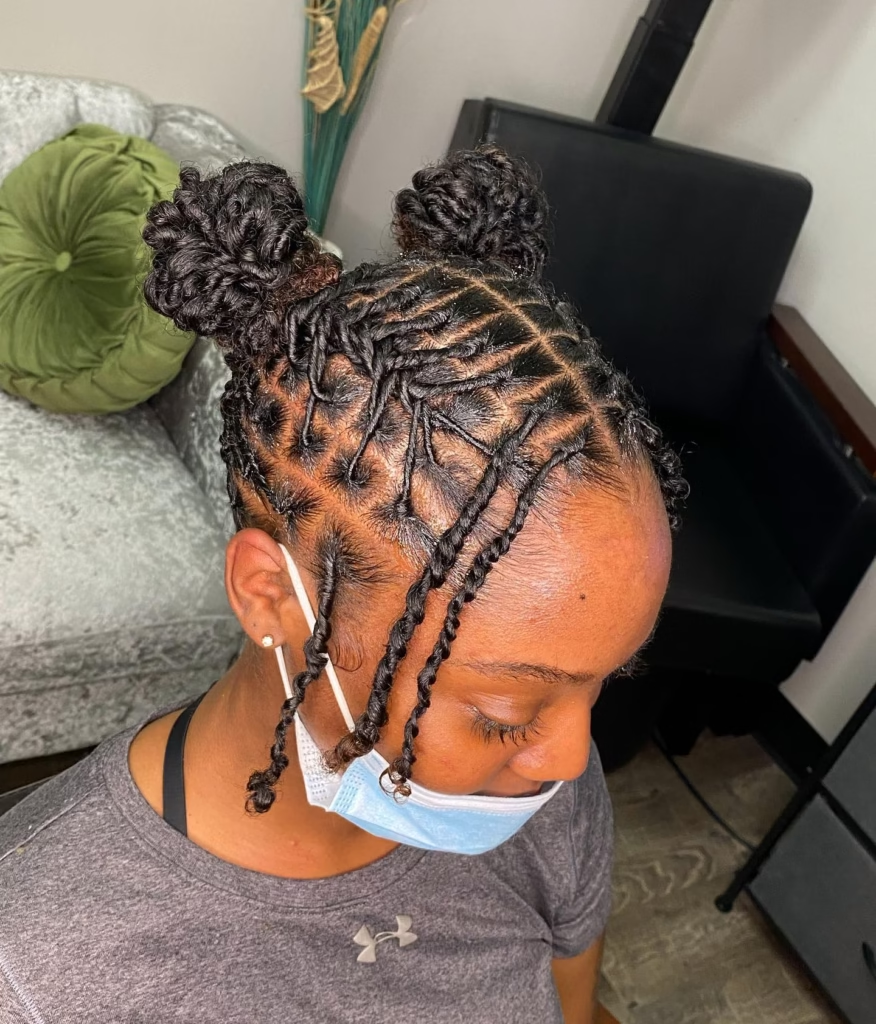
One bun sits noticeably lower than the other here, an asymmetric take on the classic space bun that still reads playful rather than off.
Diagonal rows fan wide across the crown, thick and slightly spaced apart, giving young locs room to breathe without cramming too much tension into one area. Solid black covers every strand, simple and clean with no added color.
Two thin locs drop loose past the ear, framing the face gently. Wider spacing between rows like this suits starter locs especially well, since tighter, denser parting can strain hair that hasn’t fully formed yet.
See now 25 Cute Short Locs Hairstyles That Prove Short Is Always Stunning
Fully Curled Starter Locs in Deep Auburn

Springy curls run the entire length of every strand here, tight and coily rather than smooth or straight, showing exactly how full curl work looks on locs this young.
Deep auburn covers every strand evenly, dark and rich against the scalp. Straight rows sit clean underneath, still fresh with visible parting lines.
Full curling like this, top to bottom, works well on shorter starter locs since there’s no length yet to weigh curls down or pull them straight.
Fully Curled Locs with Barrel Curl Definition

Every single strand curls here, top to bottom, tight ringlets that spiral consistently from root to tip across the entire head. No parting pattern breaks up the look, since coverage this dense makes structured sections almost unnecessary.
Jet black hair holds each curl shape firmly, likely set with perm rods or a curling iron given how uniform every ringlet appears. Short length works well for this technique, since shorter locs hold barrel curls tighter than longer ones weighed down by their own length.
Full curling like this transforms starter locs completely, trading the fuzzy, in-between look for something polished and intentional from every angle.
Read also Locs Updos for Beginners: The Easiest Styles to Start With
Radial Rows with Fully Curled Auburn Bob
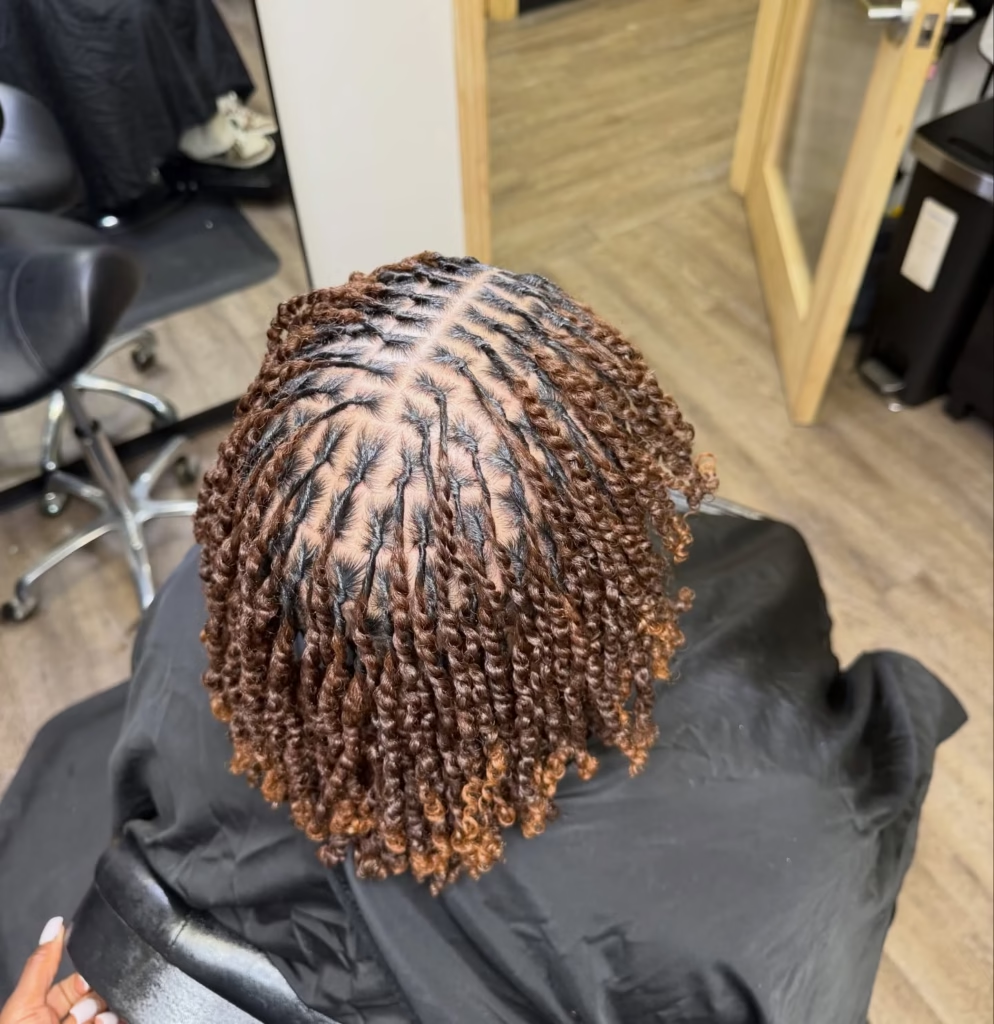
Rows radiate outward from a single point at the crown, straight lines fanning in every direction like spokes on a wheel. Every strand curls tight from that point down, dense and springy rather than smooth or straight, giving major volume despite the short bob length.
Warm auburn brown covers the hair completely, rich and even from root to curled tip. No bun or gathered section interrupts the shape, letting the radial pattern and full curl work together as one cohesive look.
That radial part style takes real precision to keep symmetrical, but it turns even short, budding locs into a bold, sculptural statement.
Coil Twist Starter Locs
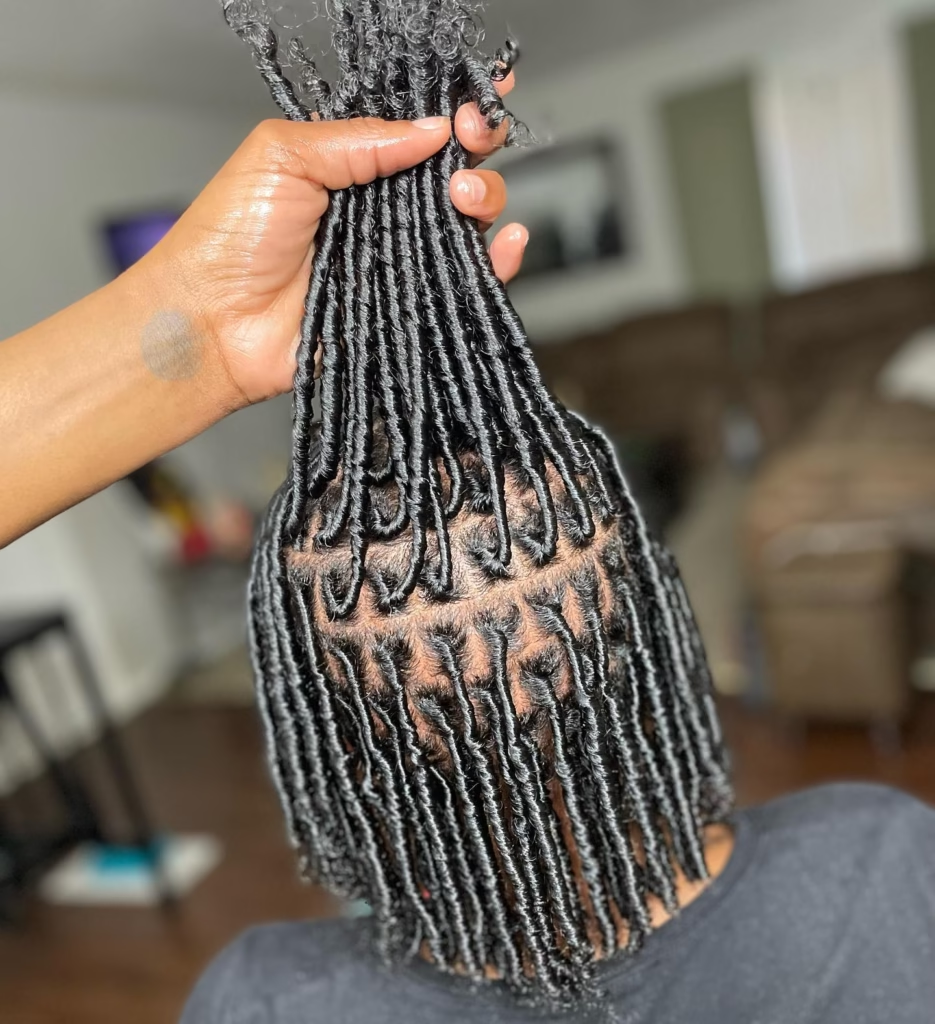
Every strand here is being held mid-install, showing exactly how tight, uniform coils get built section by section from root to tip. Rows underneath run small and even, feeding cleanly into each thin, spring-like twist.
Deep black covers the majority of hair, though a slight gray cast catches light along several strands, likely reflection rather than actual color. Curly, unlocked ends poke out at the very top, marking where the coiling technique hasn’t fully wrapped down yet.
This method builds structure fast, giving very short starter locs a defined, cylindrical shape long before natural locking would create one on its own.
Continue reading Bridal Loc Hairstyles for Black Women: 20 Stunning Ideas for Your Wedding Day
Zigzag Rows with Loose Curly Bob-Length Locs
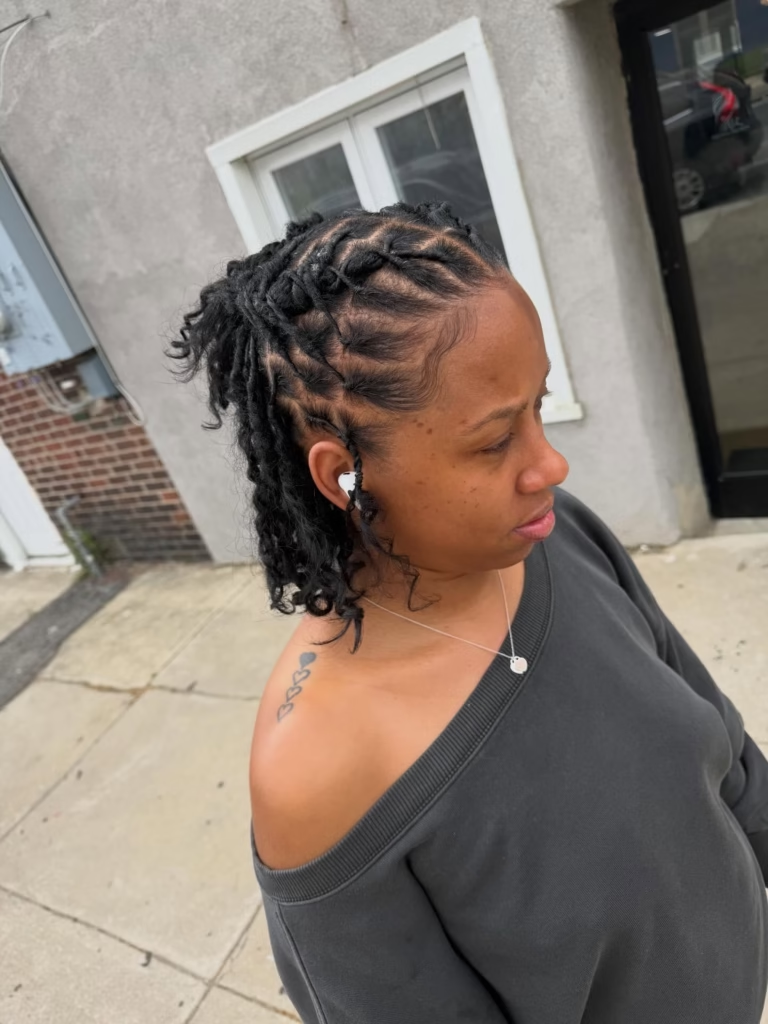
Zigzag parting runs across the crown, playful and slightly irregular compared to strict straight lines, giving this style personality without needing anything gathered up top.
Everything falls loose here, short bob-length locs curling naturally at the ends, springy and full of texture. Solid black color keeps things simple, no added dye distracting from the shape itself.
Uneven curl definition throughout suggests these locs are still budding, not yet locked into a uniform pattern, which is completely normal at this stage.
Loose, chin-length styles like this work well when locs are too short to gather but too textured to leave flat, letting natural curl do most of the styling work.
Two-Strand Starter Locs with Curly Fringe on Top
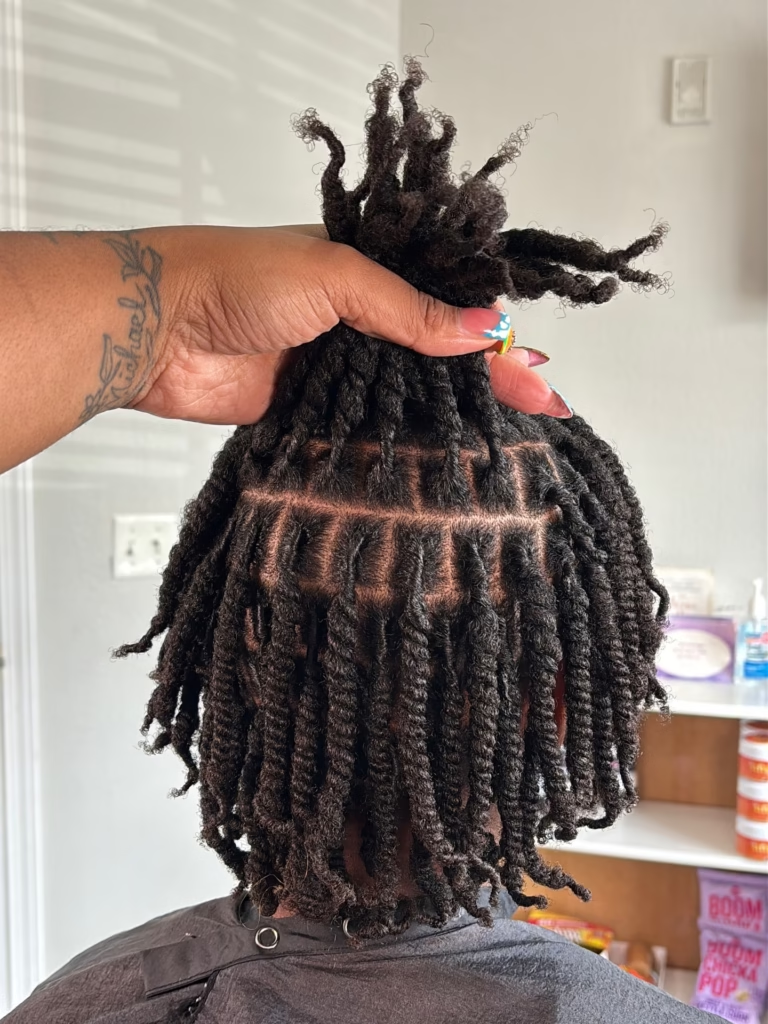
Curly, unlocked hair pokes out freely at the very top here, springy coils that haven’t been twisted down yet, a look many starter loc wearers know well during those early growth months.
Straight horizontal rows run underneath, small and even, holding structure while the top continues loosening naturally. Chin-length two-strand twists hang below, dark brown to black, uniform in thickness throughout.
Letting that top curl stay loose instead of forcing it flat keeps tension light on the newest, most fragile growth right at the crown.
Continue reading How to Create a Locs Bun That Stays Up All Day Without Falling Out
Simple Loose Two-Strand Twists at Bob Length
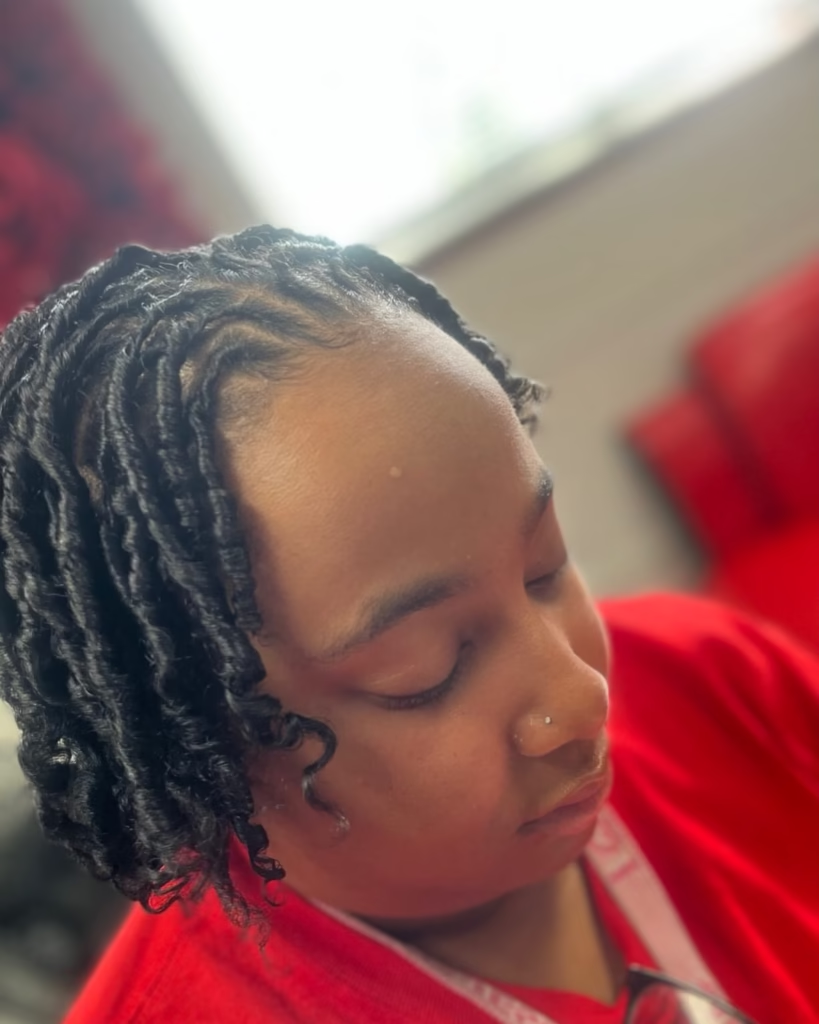
Nothing gathered or pulled back here, just clean, straightforward two-strand twists left completely loose, framing the whole face naturally. Solid black covers every strand, no color or added technique involved.
Consistent thickness runs throughout, medium sized locs curling gently at the ends where the twist naturally loosens. A slight side part shifts the whole style off center, adding a small stylistic touch without any real complexity.
Simplicity carries this look, proving starter locs don’t need buns, curls, or elaborate parting to look intentional, just a clean install and a bit of natural curl at the tips.
Two Uneven Space Buns with Curly Face-Framing Locs

Different sized buns sit on either side of the crown, one smaller and lower, the other rounder and set higher, unmatched in a way that still feels playful rather than accidental.
Thin two-strand locs hang down over the forehead, curling loosely at the ends and framing the face on both sides. Salt and pepper strands mix through mostly dark hair, natural rather than dyed.
Small, simple sections underneath keep tension light near the hairline, good news for anyone whose locs are still forming.
Uneven buns like these actually take pressure off perfecting symmetry, letting new loc wearers focus on healthy parting instead of matching every section exactly.
Diagonal Diamond Rows with Curly Top and Bob Length
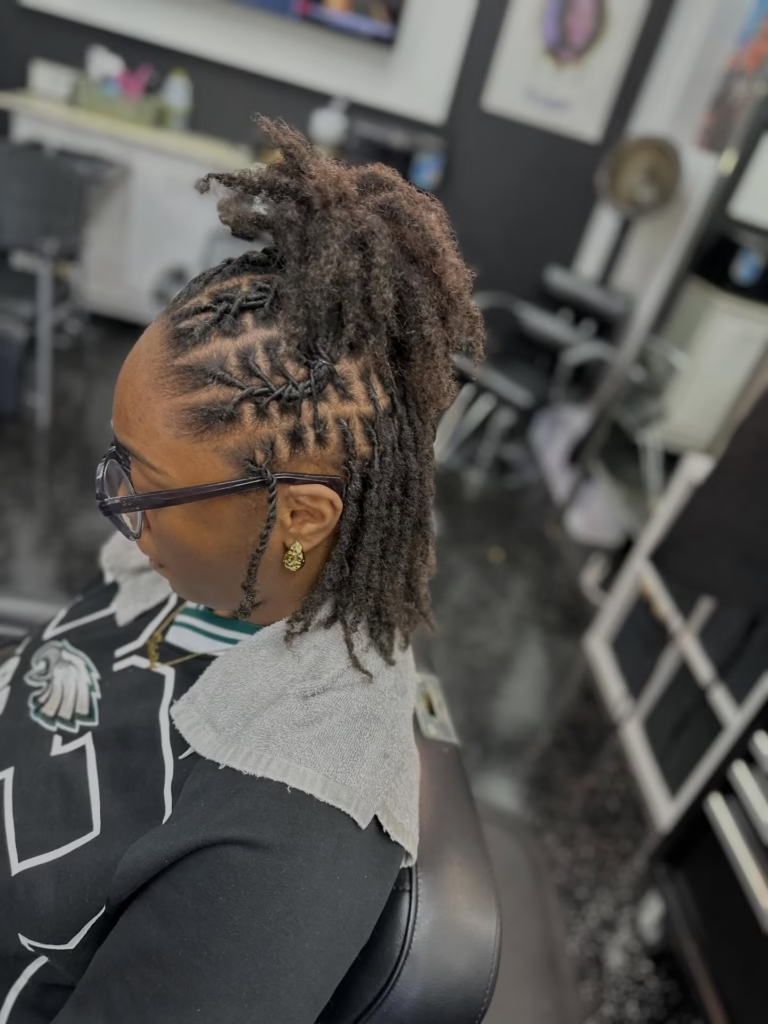
Diagonal diamonds run down the side here, angled rather than straight, giving the parting a sense of movement even while it stays neat and controlled. Curly, textured hair puffs freely at the crown, still unlocked at the very top and full of natural volume.
Thin locs fall below in a loose bob shape, dark brown throughout with a slight fade in tone from root to tip. One loc drops loose right by the ear, framing the face against all that structured parting.
Angled diamonds like these read a bit softer than straight grids, a good option if sharp geometric lines feel too harsh for your face shape.
See more 25 Cute Short Locs Hairstyles That Prove Short Is Always Stunning
Diamond Parted Crop with Curly Loose Top
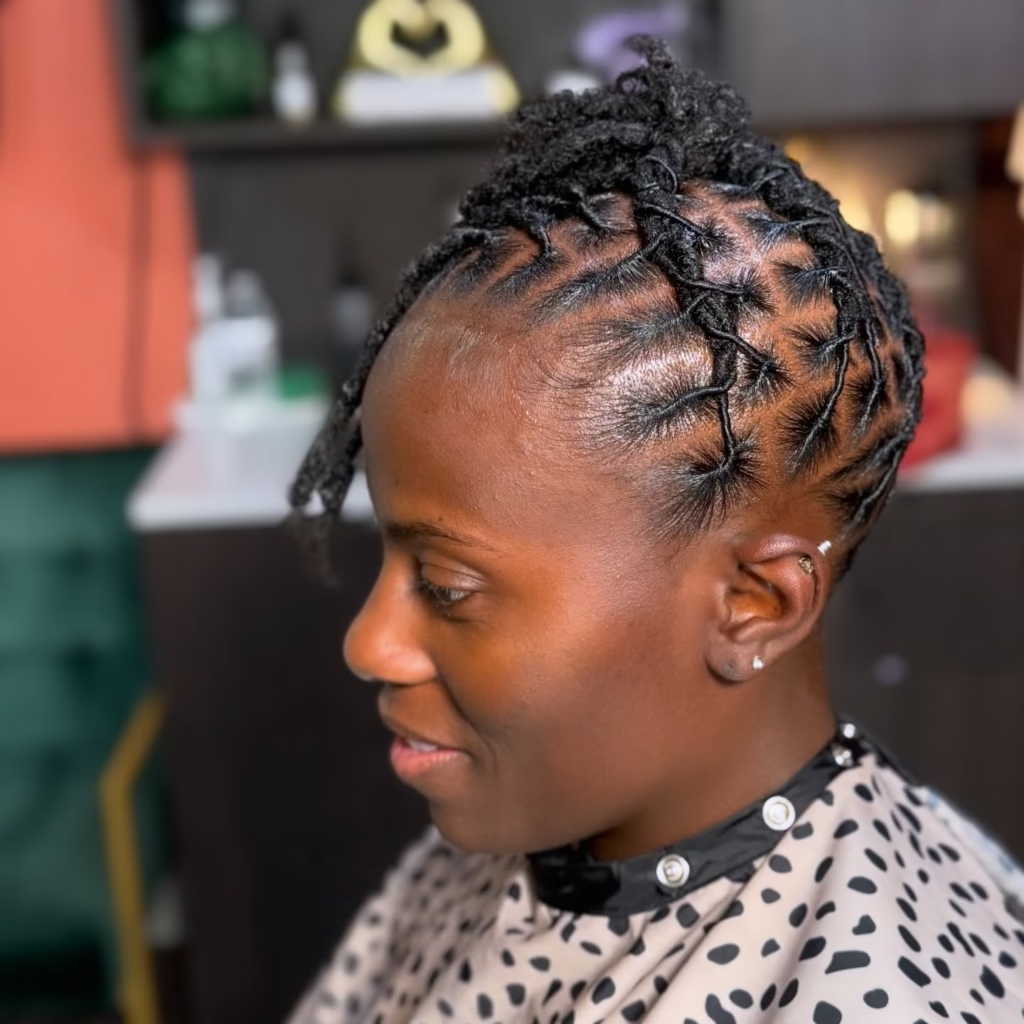
Short all around, this one skips length entirely and lets tight diamond parting do the visual work instead. Curly, unformed hair pokes freely at the crown, coily and loose rather than twisted down flat, showing exactly where these locs sit early in their journey.
Small even diamonds cover the sides and back, clean and precise despite the shortness of the hair underneath. Solid black color keeps focus fully on the pattern itself.
Cropped styles like this suit anyone just starting locs who wants a defined, intentional look without waiting on length, proving parting alone can carry a whole style.
Full Diamond Coverage Space Buns for Ultra Short Locs

Diamond parts cover the entire scalp here, edge to edge, small and consistent whether near a bun or by the ear. Two round buns sit close together at the crown, coily and full, positioned high enough to show off all that parting underneath.
Extremely short locs work throughout, some barely long enough to twist, proving this stage doesn’t limit style options at all. One curled piece peeks loose near the ear, adding a soft break from all the structure.
Full diamond coverage like this takes patience but delivers major payoff, turning locs too short for most styles into the actual centerpiece of the look.
Read more Short Bob Locs Styles: 15 Chic Looks for Women Who Love Bold Hair
Straight Back Rows with Curly Chin-Length Ends
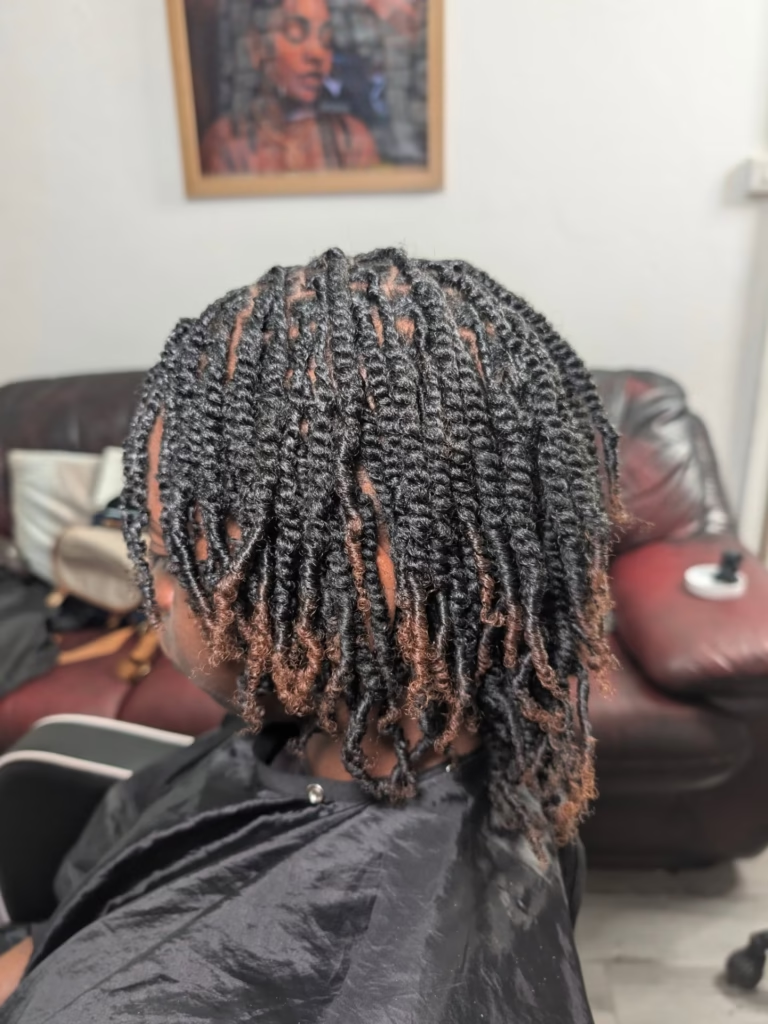
Straight rows run cleanly from front to back, no diamonds or zigzags here, just simple, even sections covering the whole head. Chin-length locs fall below, dark black fading into warm auburn brown near the curly tips.
Thin, uniform thickness runs throughout every section, still forming and full of texture at the ends. This style skips any gathered or bun element entirely, letting the natural curl and color transition speak for the whole look.
Straight rows like this take less time than diamond or zigzag patterns, a solid option for anyone wanting definition without a lengthy salon visit.
Wide Diamond Rows with Curly Chin-Length Fringe
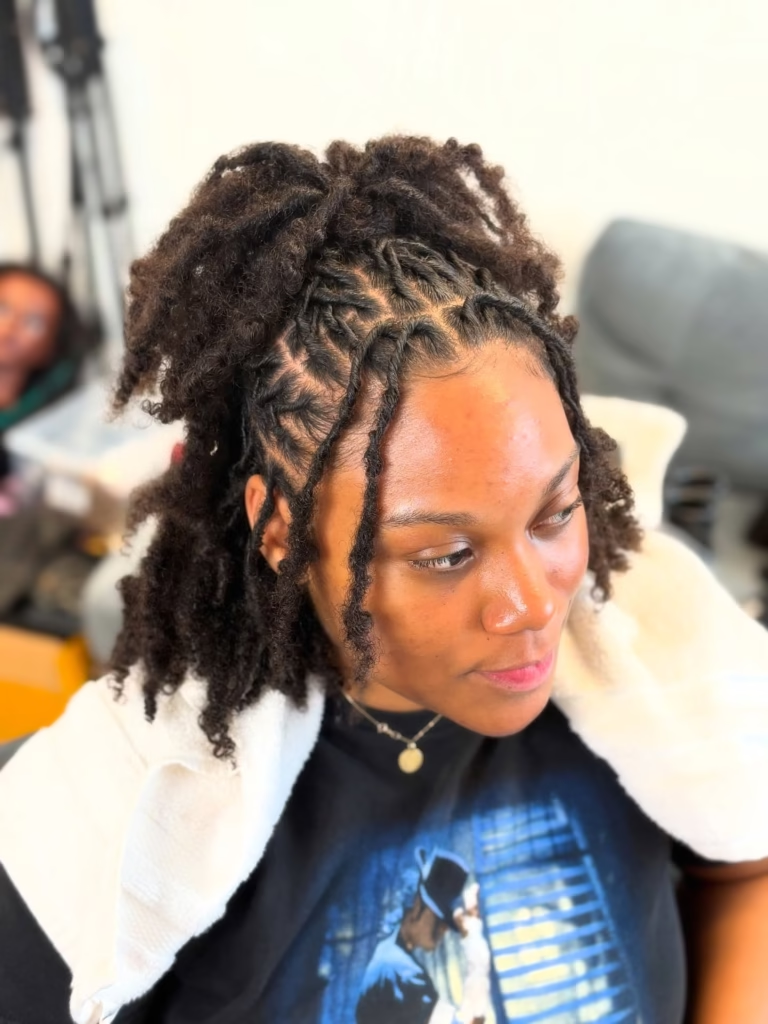
Wide, spaced diamonds run across the top of the head, roomier than tight patterns and easier on locs that are still tender and forming. Curly, springy ends bunch up loosely at the crown, unlocked and full of movement rather than pulled into any set shape.
Several thin locs drop straight down over the forehead, chin length and coiling gently right at the tips. Rich chocolate brown covers every strand evenly, warm rather than jet black.
Wider spacing between parts like this reduces tension significantly, making it a smart choice for anyone whose scalp feels sensitive during this early stage of loc growth.
See now Loc Styles for the Budding Stage: 12 Looks That Celebrate Your Loc Journey
Split Diamond Rows with Two Low Curly Bunches
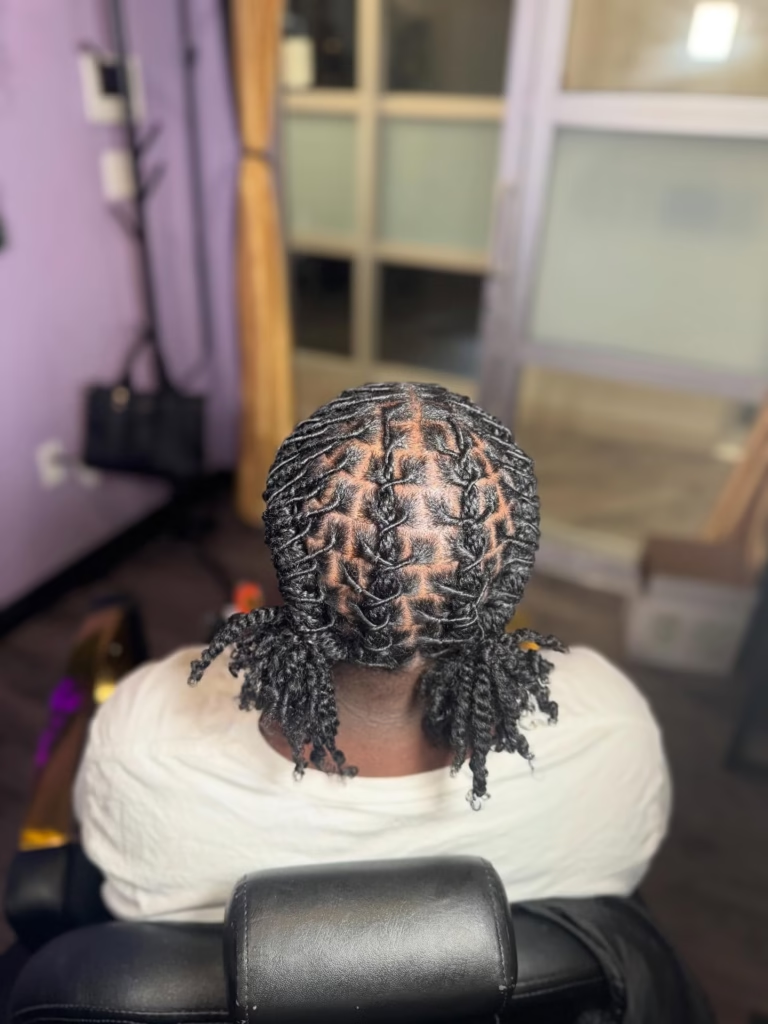
Diamond parts split symmetrically down the center, mirroring each other perfectly on both sides before falling into two separate curly bunches at the nape. Short, springy locs curl loosely at their ends, still forming and full of natural texture.
Solid black covers everything, dense and even across every section. Splitting into two low bunches instead of one central gathering works especially well on shorter locs, since less length is needed per side to still create noticeable movement.
Symmetry like this photographs well from directly behind, making it a solid pick for anyone wanting a clean, mirrored look without extra length.
Fanned Feed-In Rows with Golden Blonde Peekaboo Ponytail
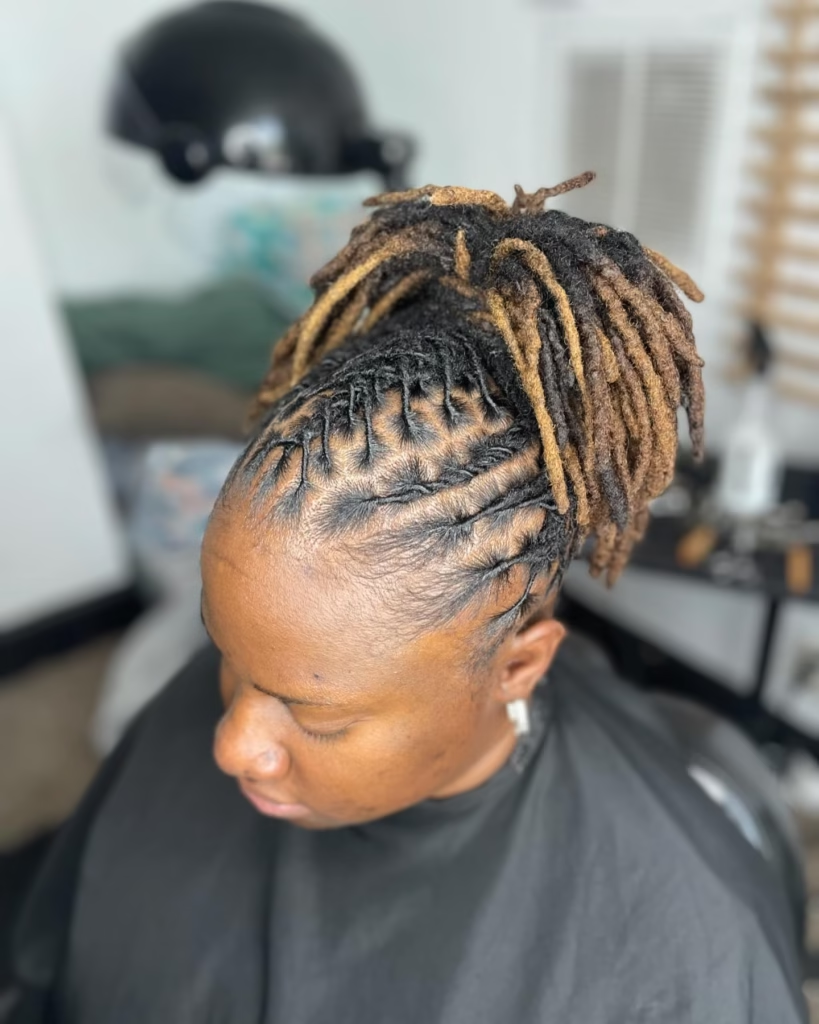
Rows fan outward from a central point at the crown, wide and organized, feeding smoothly upward into a full ponytail. Golden blonde streaks weave through mostly black locs, bright and noticeable, especially where they cluster near the top.
Ends stay slightly loose and unformed, curling just enough to show these locs haven’t fully matured. That fanned parting pattern gives the ponytail base extra structure without needing dense, tightly packed rows everywhere.
Adding peekaboo color like this at the crown creates contrast that’s visible even when hair is pulled back, a smart placement choice for anyone wanting color that shows up in every style, gathered or loose.
Palm Rolling vs Interlocking vs Two-Strand: Why Your Style Options Depend on Your Method
Here’s what nobody explains before your first install: the method your loctician used decides which styles will actually hold later, not your hair texture or length. Two-strand twists unravel under tight styling. Interlocked starters don’t.
Interlocking pulls each new section of hair through the base of the loc using a special tool, creating a knot that resists slipping. That structural lock means tight diamond parts, sleek buns, and pulled-back styles work almost immediately, even on day one.
Two-strand twists rely on the twist itself for hold, nothing more. Add tension from a tight part or heavy pulling, and the twist loosens fast, sometimes within hours.
Comb coils sit somewhere in between. They’re small and springy, which makes curly, textured half up styles look great, but structured geometric parting can pull them apart at the root before they’ve locked.
Freeform locs skip parting altogether, since the whole method rejects manipulation. Trying to force a diamond-part style onto freeform locs defeats the method’s purpose and stresses hair that was never meant to be sectioned that tightly.
Know your method before you screenshot a style. Ask your loctician which technique they used if you’re unsure. A style built for interlocked hair, tried on two-strand twists, won’t fail because you did something wrong.
It fails because the foundation underneath was never built to hold that particular kind of tensio
What Your Loctician Isn’t Telling You About Retwist Timing and Style Choice
Week one hair and week four hair are not the same hair. Fresh twists lay flat and follow parting lines exactly. New growth pushes upward, fuzzy and resistant, fighting against whatever pattern sits underneath it.
Diamond parts look sharpest in the first week, when every section still holds its exact shape. By week three, new growth blurs those clean lines into soft, fuzzy triangles instead of crisp diamonds. That’s not bad technique. That’s just hair growing the way hair grows.
Curly, gathered styles hide growth far longer than sleek, parted ones. A curly half up puff still looks intentional at week four, since texture already reads as loose and undone.
A slicked-back ponytail exposes every bit of new growth immediately, since smoothness depends on hair lying completely flat. That makes it one of the beautiful starter loc styles
Picking a style based on your retwist schedule saves real frustration. Book a sleek style right after a fresh retwist. Save curlier, gathered looks for the weeks stretching toward your next appointment.
Stylists rarely mention this, since most photograph finished work on day one. Nobody photographs week three. But week three is where most people actually live, styling hair that’s grown out just enough to test a pattern’s limits. Match the style to the growth stage, not the other way around.
Product Buildup Is the Silent Killer of Starter Loc Styles
Gel holds a parted style beautifully. It also sits at the root, blocking moisture and slowing the exact locking process you’re trying to speed up.
Tight diamond and grid parts need product to hold shape, no way around that. Problem is, most people apply gel weekly without ever fully removing the last layer first. Residue builds. Roots stay coated.
Locking, which depends on hair fibers meshing together naturally, gets interrupted by a barrier that never fully rinses out.
Signs of buildup show up as white or gray flaking near the root, a dull rather than shiny finish, or hair that feels waxy days after washing. Ignore those signs long enough, and starter locs take months longer to form than they should.
A clarifying shampoo, used every two to three weeks, breaks down that residue without stripping moisture completely. Follow with a lightweight leave-in before restyling, not another heavy gel layer stacked on top of what’s already there.
Nobody connects styling choices to locking speed, since one feels like appearance and the other feels like biology. They’re not separate. Every gel application either supports the locking process or works against it.
Choose products that wash out completely, and check for buildup before adding more, not after frustration sets in three months later.