
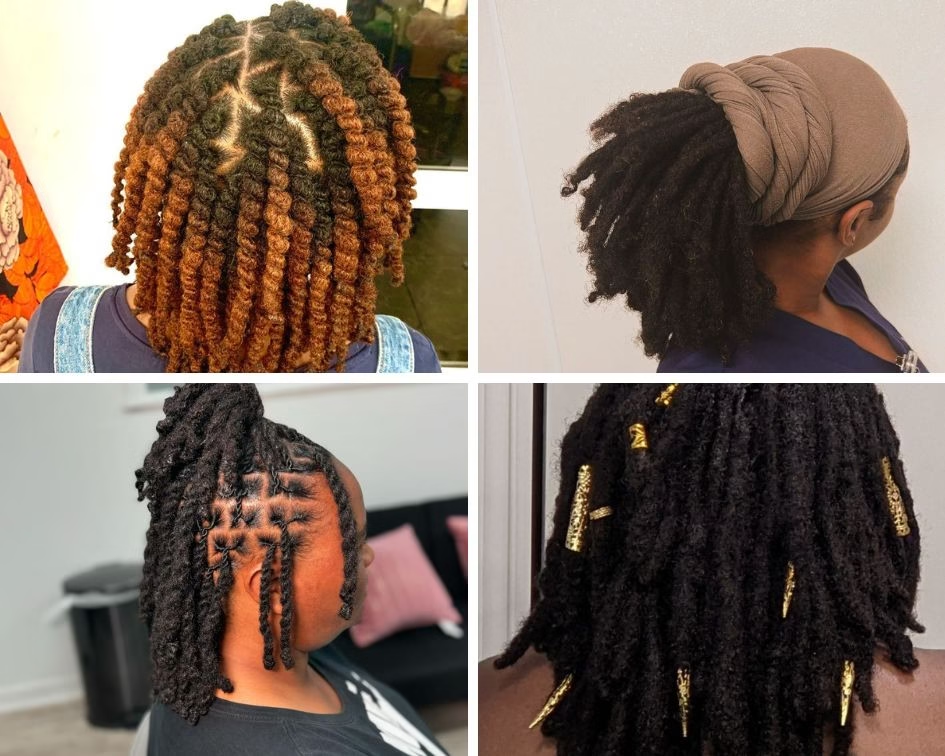
Shrinkage is the main reason your short locs look even shorter than they really are. Dry, curly locs spring up tight against the head, and that hides a lot of length.
Stretching your locs gently shows their true length, and it gives you a brand new look. You do not need a flat iron or a blow dryer to do this safely.
Heat can dry out locs and weaken them, so the safer methods in this guide protect your hair. For more everyday ideas at this length, browse 25 cute short locs hairstyles before you start.
I will walk you through five simple methods, from soft bands all the way to thread wrapping. You will also learn what to prepare, how long each method takes, and how to avoid damage.
I will be honest, too, because stretching is temporary, and moisture will bring the curl back. That is perfectly fine, since a change of look for a few days can feel wonderful.
Short locs have limits, so keep your expectations realistic and your hands gentle at all times. So let us start by understanding what stretching really means for your short locs today.
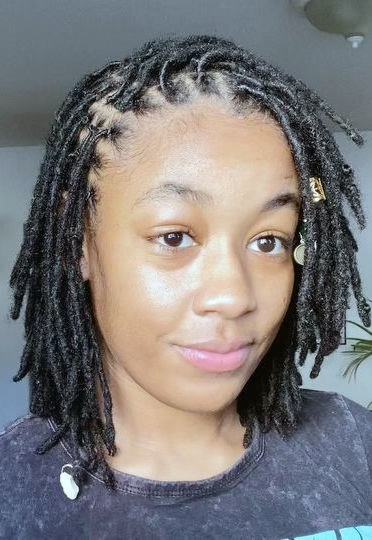
How to Stretch Short Locs for a Different Look Without Heat
What Stretching Locs Really Means
What does it actually mean to stretch locs, and is it safe for short locs? Stretching means gently lengthening your locs so the curl relaxes and the true length shows.
It does not change your hair for good, and it does not grow new length. Safe stretching respects your natural curl, and it never tries to change your hair forever.
It simply loosens the spring, so your locs hang a bit lower for a while. Done gently, stretching is safe, and many loc wearers use it for special days and photos.
Done roughly, it can pull the roots, thin the edges, and weaken locs over time. So the golden rule is simple, and it says never use force, tension, or heat.
Short locs stretch less than long locs, so each extra inch is a real win. To see how pretty locs look at longer lengths, browse 18 cute locs styles for inspiration.
Your results depend on your loc size, your curl pattern, and how healthy your roots are. Thin, tight locs stretch only a little, while thicker, heavier locs often stretch more easily.
Next, let us look at why short locs shrink so much in the first place.
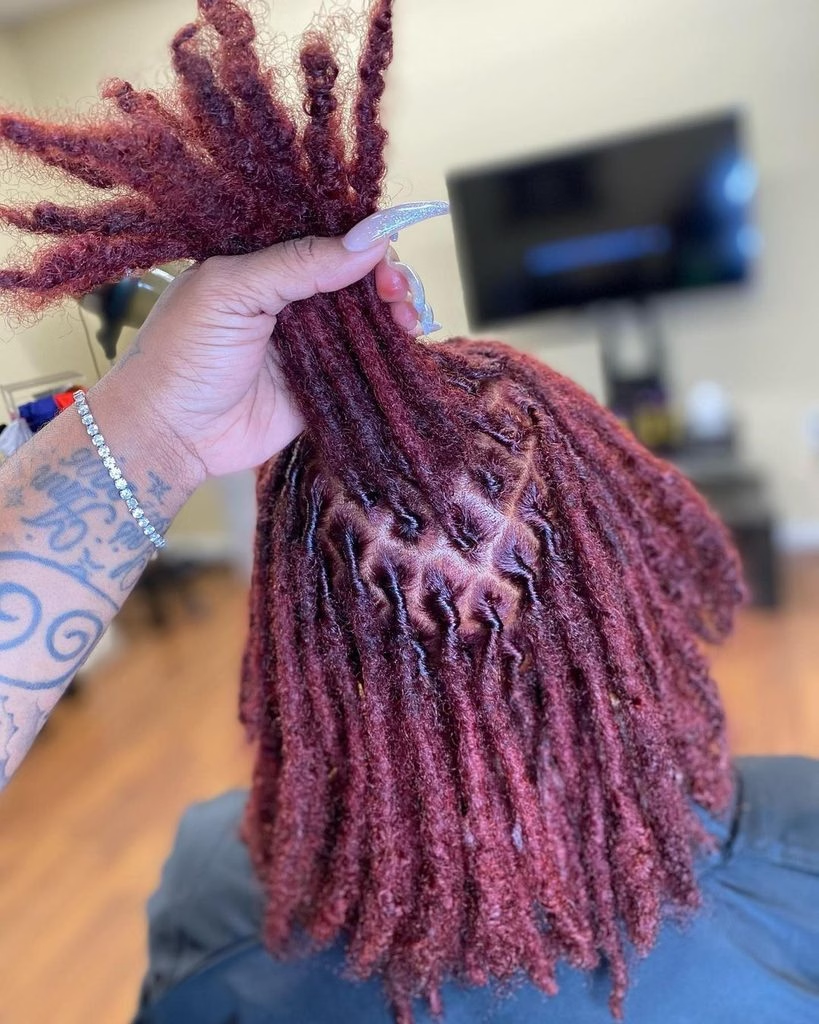
Why Short Locs Shrink So Much
Alicia came to my chair with locs she honestly believed were only an inch long. After a gentle stretch, we measured, and they were almost three inches from root to tip.
That gap between real length and shown length is called shrinkage, and it is totally normal. Tightly coiled hair curls in a spring shape, so the strand is much longer than it looks.
Knowing why shrinkage happens helps you plan your stretch and choose the right method for your locs. Starter and young locs often shrink even more, because they have not gained much weight yet.
For examples of young locs styled well, see 37 beautiful starter loc styles and take notes. Water also makes shrinkage worse, since wet locs curl up tightly as they dry out.
Humid weather does the same thing, so your locs may look shorter on damp days. Dry, brittle locs can shrink a lot too, so good moisture and balance both really matter.
Shrinkage is often a sign of healthy curl, not a sign that something is wrong. Once you know that, you can stretch because you want a new look, not out of worry.
Before we try any method, let us cover the prep and the safety checks first.
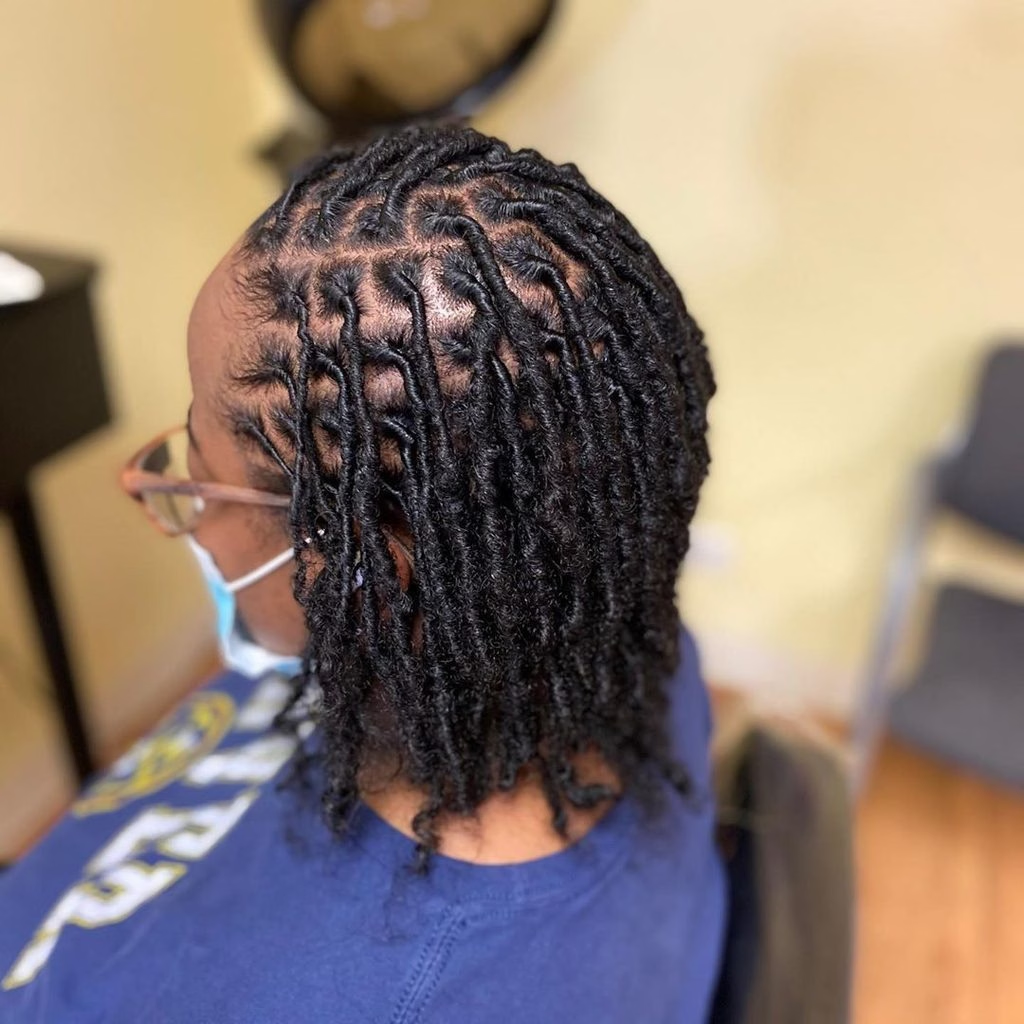
Before You Stretch: Prep and Safety Checks
A good stretch starts with a healthy scalp and strong locs, not with a clever trick. Check your scalp first, and skip stretching if you see redness, soreness, or open skin.
Tender roots and thin edges need rest, so wait until they feel calm and comfortable again. Look closely at each loc, and notice if any feel thin, weak, or close to breaking.
Weak locs should be left alone for now, because stretching them can cause them to snap. Gather soft bands, cotton thread, satin scarves, a spray bottle, and a rat tail comb for parting.
Choose a calm hour with no rush, because stretching works best with slow and steady hands. Plan to stretch before a special day, and give yourself at least a full evening.
Most locs need at least two to three inches of length to try these methods safely. Very tiny locs may be too short, and it is better to wait than to force it.
Remove any old product by washing first, because buildup makes locs stiff and hard to stretch. With a clean scalp and a calm mind, you are ready to begin the gentle work.
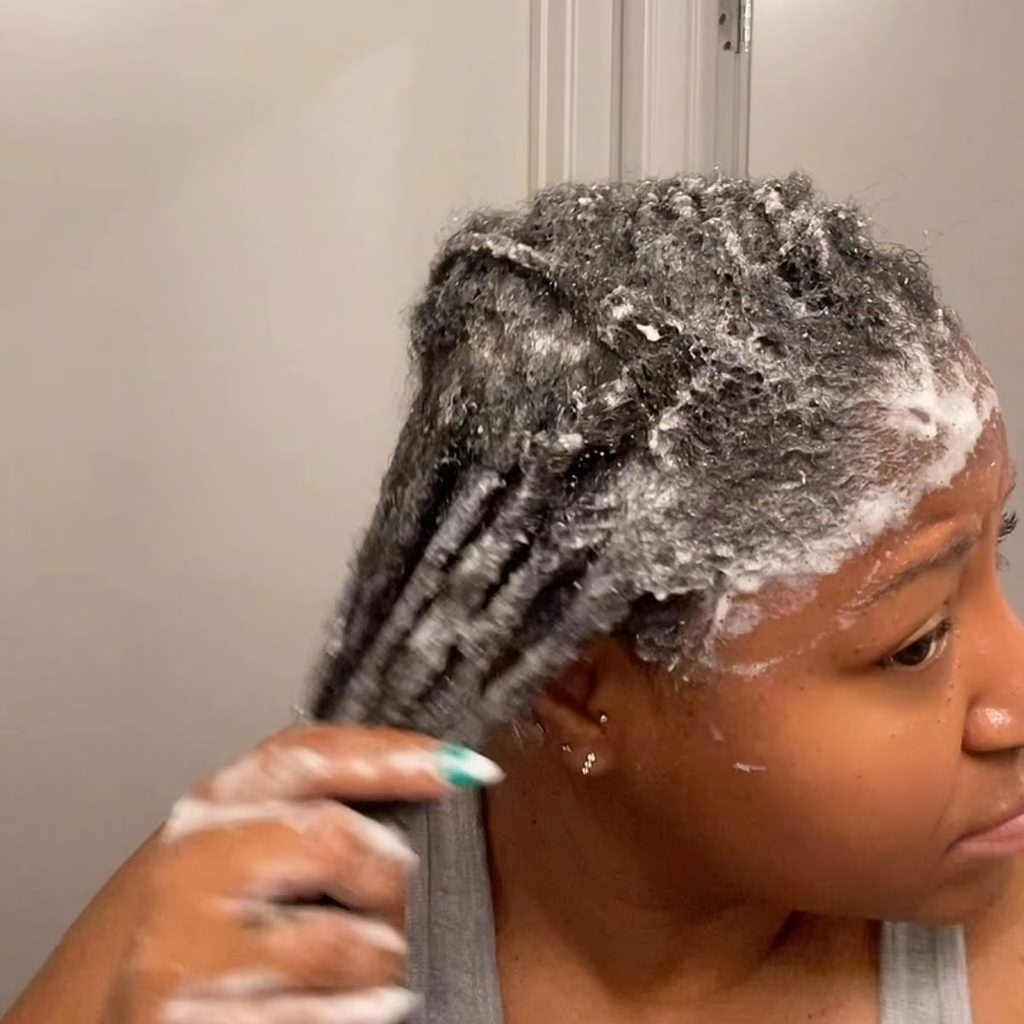
Wash and Moisturize Before You Stretch
Soft, moisturized locs stretch far better than dry locs, and they stay much safer too. Start with a gentle wash, and rinse well so that no residue is left behind.
Squeeze out the extra water, and let your locs air dry until they feel damp. Damp locs have a little give, which makes them easier to stretch than bone dry locs.
Soaking wet locs are weak and heavy, so never stretch them while they are dripping. Mist the locs lightly with water, and seal with a few drops of light oil.
A quick mist before each step keeps the locs soft, so they never feel dry or stiff. Skip heavy butters and waxes, since they make locs slippery and trap dirt as they dry.
In colder, drier months, locs need extra moisture, and 14 cozy and chic looks for the season helps with planning. Give your scalp a gentle massage, and keep the oil off the lengths of your locs.
Moisture lets locs bend without breaking, so this step protects your hair during the stretch. Part your locs into four sections with soft clips, and keep the sections neat and even.
Now you are ready for the first method, which uses soft bands on damp locs.
Method One: Banding With Soft Bands
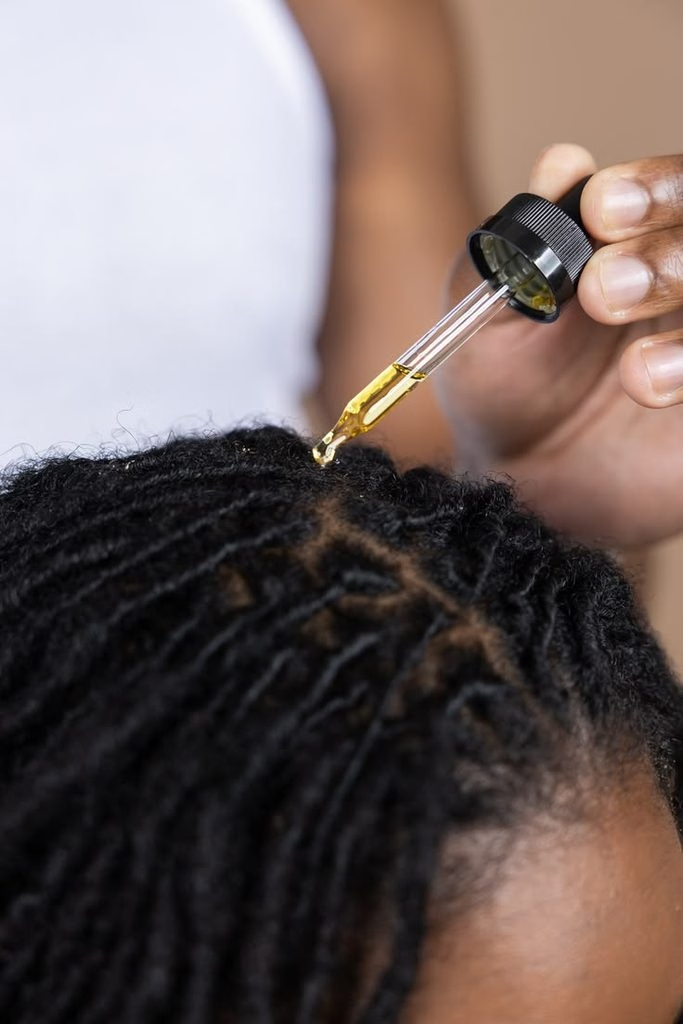
Banding is a classic stretching method, and it works by adding gentle tension along each loc. On short locs, use soft hair ties, never tight rubber bands that can snag or cut.
Working on damp locs, gather a small section of locs together close to the roots. Wrap a soft tie loosely around the base, and keep it away from the scalp edge.
Then add one or two more ties down the lengths, spaced about an inch apart. The ties should feel snug but comfortable, with no pinching, no pulling, and no pain.
Let the locs dry fully in the ties, which usually takes several hours or a whole night. Check the bands often while the locs dry, and loosen any that start to feel too tight.
Remove each tie slowly, and slide it off without tugging at or snapping any hair. Save this for later: 15 chic looks for women who love bold hair has ideas for banded locs.
Banding works best on locs with at least three inches of length, since shorter ones slip out. If a tie slips off or hurts, stop right away and try one of the gentler methods below.
Never leave ties in for more than a day, since long tension can weaken locs.
Method Two: African Threading With Soft Thread
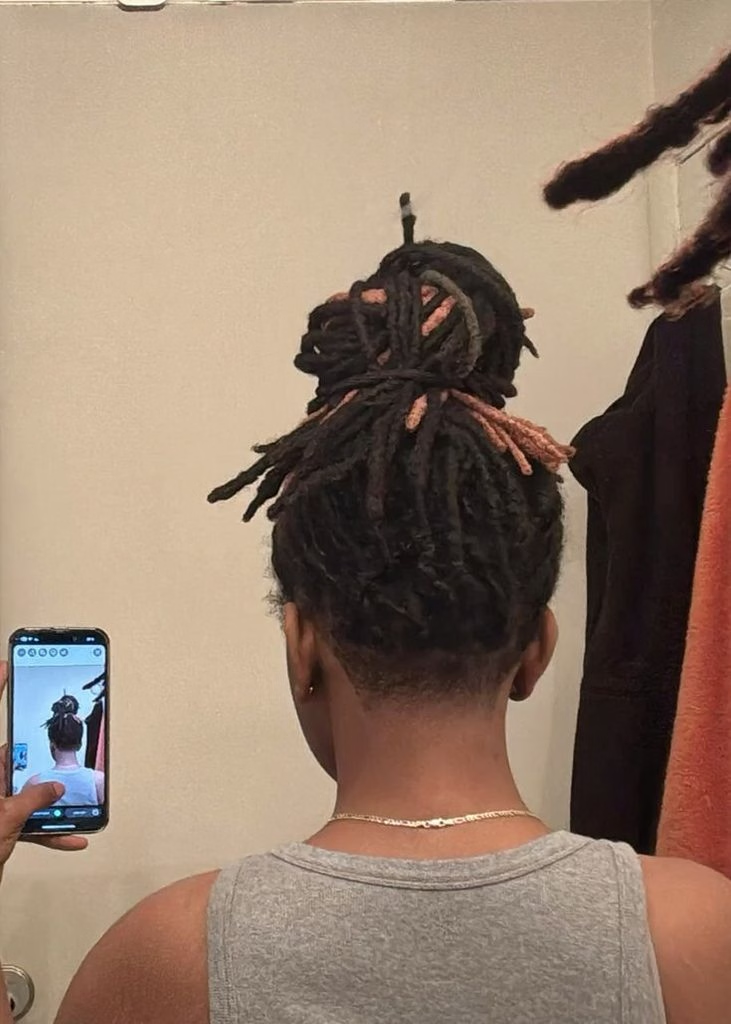
Have you ever seen hair wrapped in neat spirals of thread and wondered how it works? African threading is an old, gentle method that stretches hair without any heat at all.
Many loc wearers use a similar wrapping method to stretch their locs for special looks. You need soft cotton or wool thread, and a thin and smooth type works best.
Start at the root, and wrap the thread around each loc in snug and gentle spirals. Keep the wraps close together, so the whole loc is covered down to the tip.
Tie off the end with a small knot, and make sure nothing pulls at the scalp. Pull the thread gently, never tightly, because a tight wrap can strain the roots and the scalp.
Leave the thread on for several hours or overnight, so the locs can dry stretched. Unwrap slowly, and cut the thread if it snags instead of pulling it free by force.
Save this for later: bob locs for women in their 30s shows how stretched locs can look sleek. Threading takes real patience, but the results look smooth, long, and wonderfully soft to touch.
Practice on just a few locs first, so you learn how much tension feels right.
Method Three: Pair Twists and Loose Braids
Marcus, a client with locs just past his ears, loved pair twists for a quick stretch. He twisted two locs around each other at night, and his locs hung lower by morning.
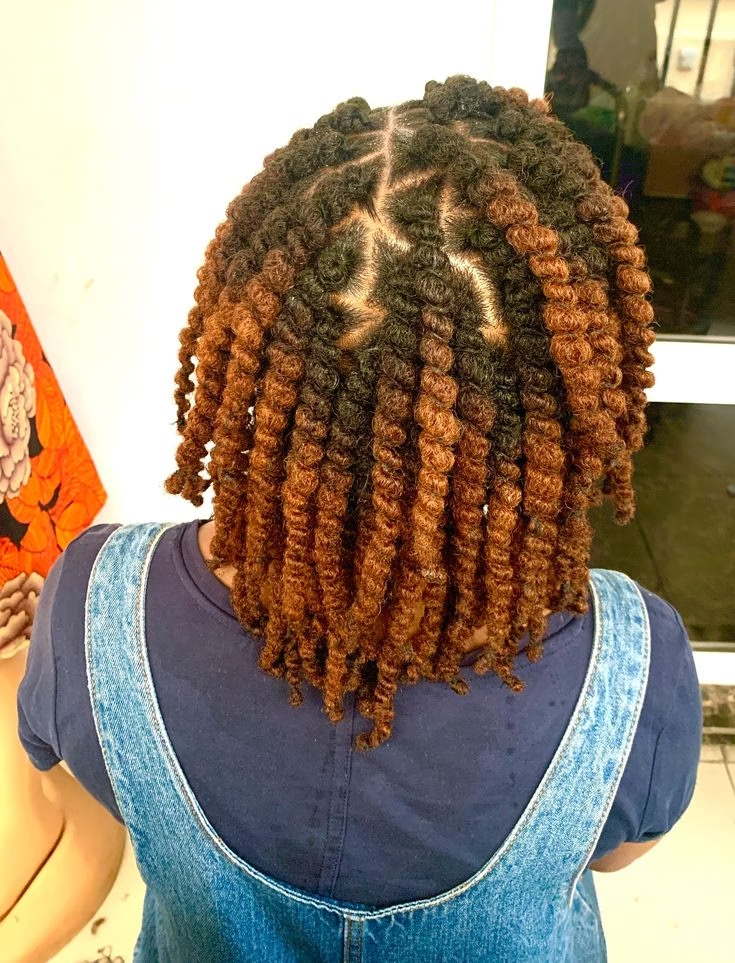
This method is gentle, simple, and perfect if you want a stretch with no tools. Start with damp, moisturized locs, and pair up neighboring locs that sit close together at the roots.
Twist the pair around each other loosely, working from the root down to the tip. Make sure each pair feels light and loose at the root, so the scalp stays free.
Secure the end with a soft tie, and leave the twist loose enough to feel easy. For longer locs, you can use loose braids, which stretch more and look wavy afterward.
Braid three neighboring locs together without pulling, and keep the whole pattern relaxed and soft. Sleep with a satin scarf over the twists, so they stay put and stay protected.
In the morning, undo each twist slowly, and shake your locs out with your fingers. Pair a half up look with this stretch, using 45 half up half down locs styles for ideas.
Pair twists leave soft waves, and Marcus said that new look felt fresh and effortless.
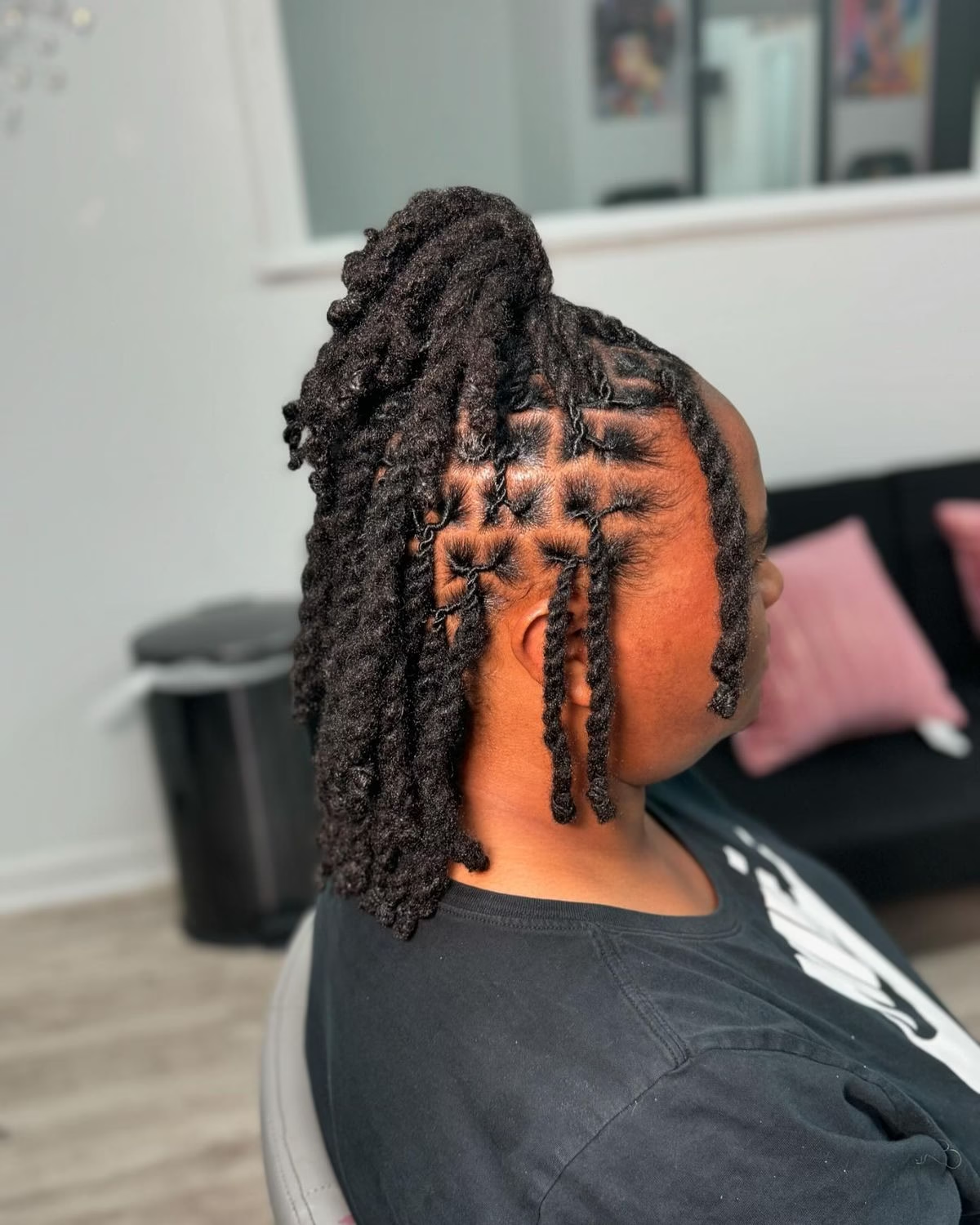
Method Four: The Scarf Wrap
A scarf wrap is the gentlest method of all, and it needs only one soft satin scarf. It works by smoothing and lightly guiding your locs in one direction while they dry.
Start with damp locs, and run your fingers through to separate them gently and evenly. Lay all your locs in one direction, around the head, like the face of a clock.
Tie the satin scarf around your head, and keep it snug but never too tight. Leave it on overnight, and your locs will dry smooth, flat, and a little bit longer.
Satin keeps friction very low, so your locs glide instead of snagging, frizzing, or tangling. Try this method on busy weeknights, since it takes only two minutes and asks for no skill.
This method suits cold weather too, and 12 cozy protective looks for cold weather offers more ideas. The stretch is mild, so expect a soft change in length rather than a dramatic one.
Still, it is very safe, and you can repeat it often without hurting your locs. Choose a scarf that is big enough to cover everything, so no locs stick out.
Wash the scarf often, because oils and product can slowly build up on the fabric.
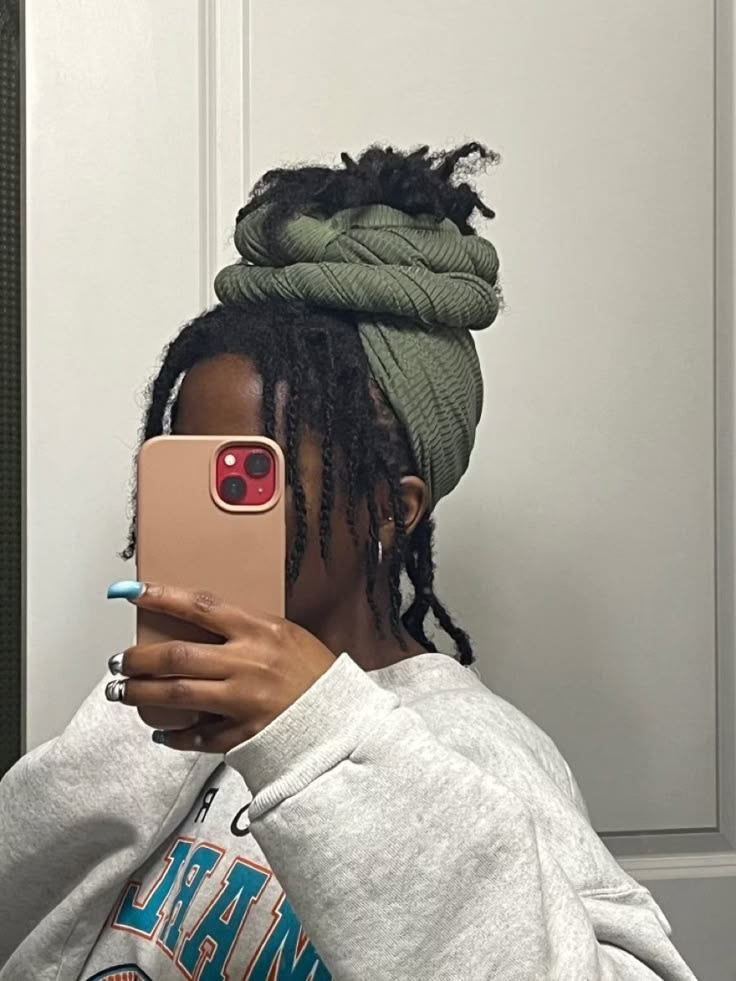
Method Five: Gravity, Weight, and Light Cuffs
Gravity is a free tool, and it quietly stretches your locs every time you wear them down. Heavier locs hang lower, which is why mature locs often look longer and a little straighter.
For ideas on how mature locs hang, see 15 mature locs styles for women over 40 for inspiration. You can use this effect by keeping your locs well moisturized, since hydrated locs hang better.
Small, light loc cuffs or beads add a touch of weight without pulling on the roots. Choose accessories that are very light, because heavy ones can strain thin or short locs.
Let your locs hang free for a full day, and notice how much they relax. Keep your expectations realistic, because this method gives gradual and gentle results over many weeks of care.
Pair this with a moisture routine, and keep your locs damp but never soaking wet. Time is a friend here, because locs naturally stretch as they grow and gain weight.
A one inch loc today may look much longer after a few months of healthy care. This method is the slowest, but it carries the least risk of any method here.
Patience and healthy habits will always give you the most natural kind of lasting stretch.
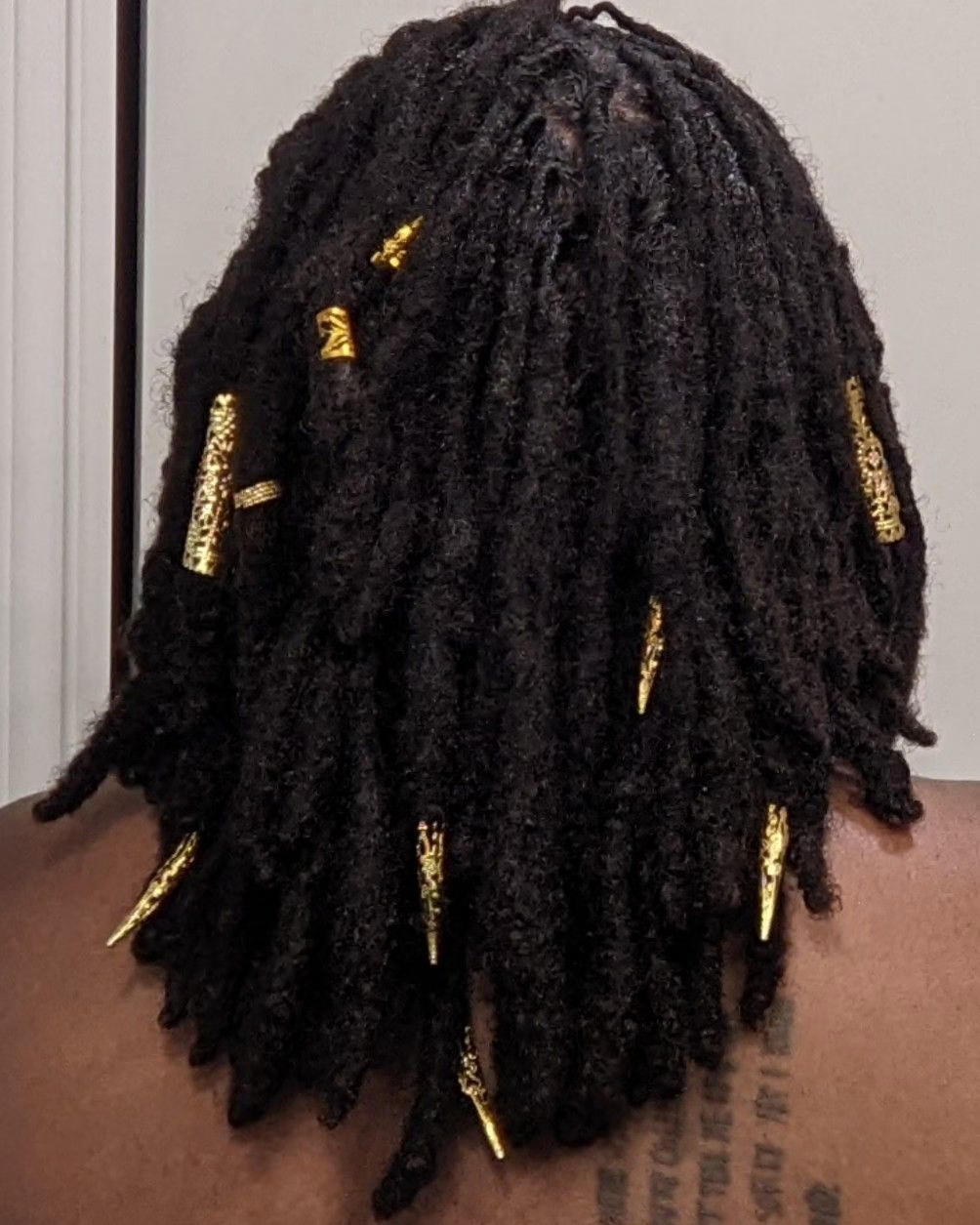
How Long Each Method Takes to Dry and Set
How long should you leave each method in place before you take it all down? The answer depends on your loc thickness, the weather, and how damp your locs were.
Soft bands usually need four to eight hours, or a full night for the best result. Thread wrapping usually needs several hours, and many people prefer to leave it on overnight.
Pair twists and loose braids work best when left overnight, since thick locs dry slowly. A scarf wrap also works best overnight, and it keeps the locs safe while you sleep.
Never take any method down while the locs are still damp, because the stretch will fail. Damp locs spring back quickly, so full dryness is the key to a lasting stretch.
Press a dry finger against the loc to check, and make sure it feels dry inside. Set a timer for your check, so you never forget your locs and leave them too long.
Save this for later: 12 professional styles to try shows neat looks for your freshly stretched locs. Do not use a hot dryer to speed things up, since heat can weaken the locs.
Be patient, and plan your stretch for an evening when you have nowhere to be.
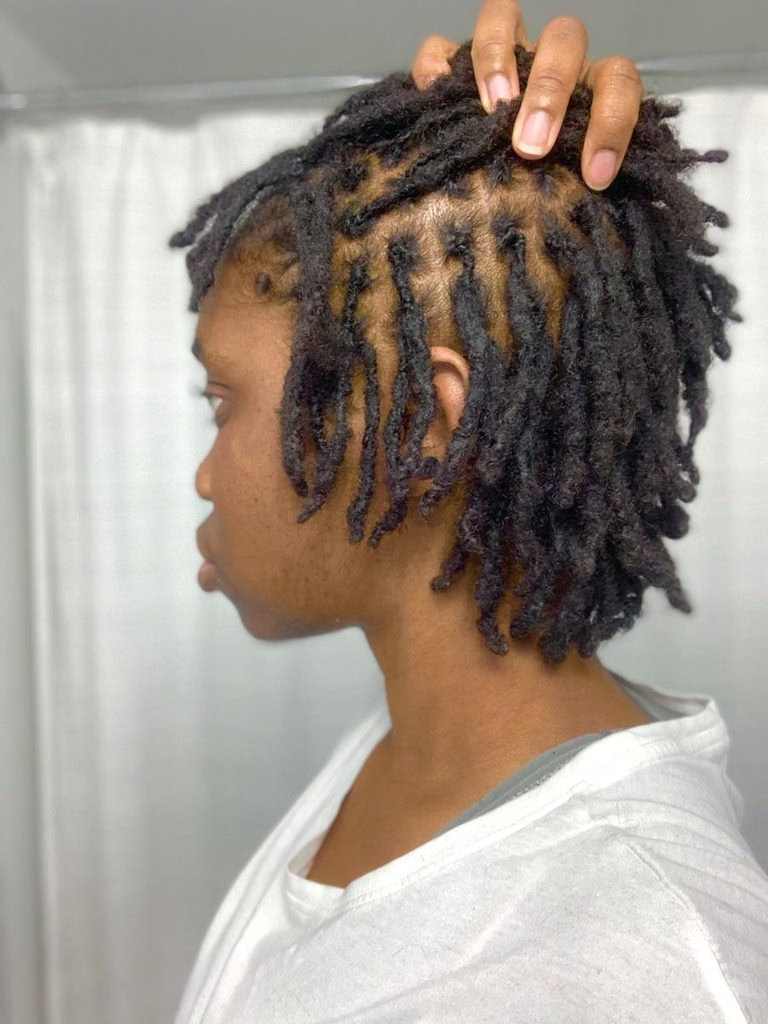
Styles to Wear With Your Stretched Locs
Stretched locs open the door to styles that were impossible when your locs were curled. With a little extra length, you can try a small puff, a half up style, or a sleek pin.
Leaving the locs down looks lovely too, and it shows off the new, longer shape. For polished ideas, browse 22 styles that look polished and intentional and save your favorites.
A side swept look works beautifully, because the stretched locs fall softly across the face. A low pinned shape also works, and it keeps the length visible without any tension.
Add a silk scarf or a pretty headband to frame the face and add polish. Test a new style on a calm day, so you can adjust anything that feels uncomfortable.
Keep products light, because heavy gels and creams can weigh locs down and dull the shine. Avoid water, steam, and sweaty workouts right after styling, since moisture shrinks your locs fast.
Plan your stretch for a photo day, a party, a trip, or a special dinner. Take a few photos while the stretch is fresh, so you can enjoy the memory later.
A new look does wonders for your confidence, and stretching gives you that in one evening.
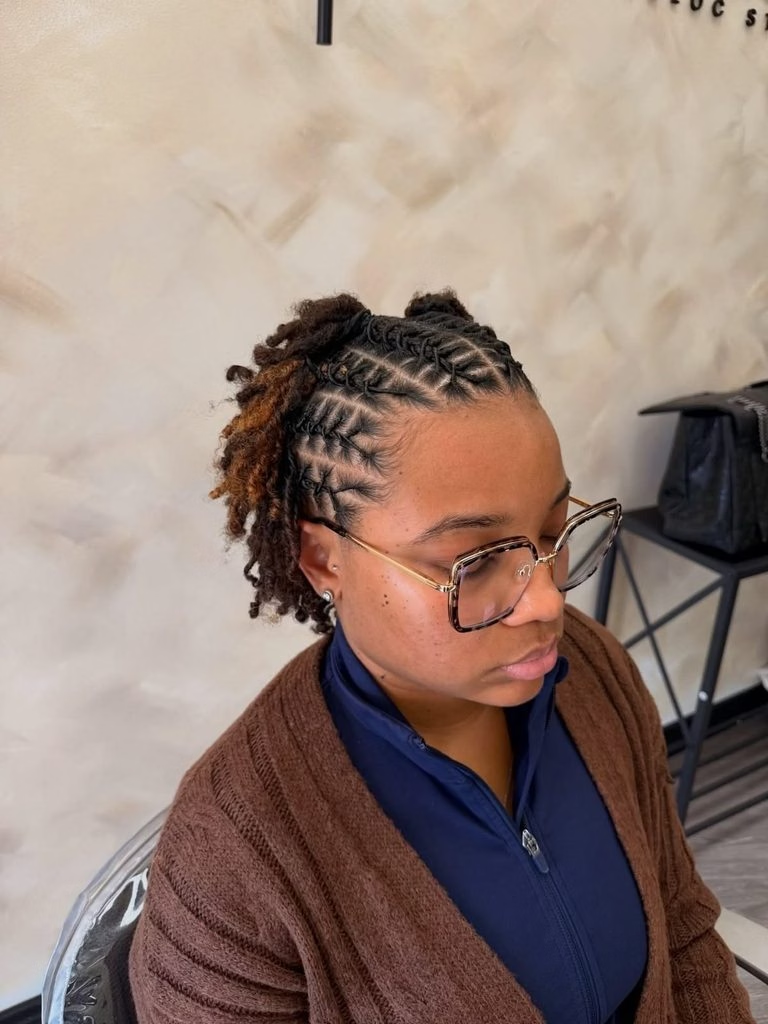
How to Make the Stretch Last Longer
Nicole stretched her locs for her sister’s wedding, and she wanted them to last all day. She kept her locs dry, covered them with a scarf, and avoided humid spots until the ceremony.
Her locs stayed long and smooth for the whole event, and she felt truly wonderful. For similar events, read wedding loc updo styles and choose a shape that suits your length.
Moisture is the main enemy of a stretch, so keep your locs dry after styling. Avoid steam, rain, and heavy sweat, and carry a small umbrella or hat on damp days.
Wear a satin scarf at night, since it protects the stretch from friction and humidity. A small travel scarf in your bag lets you cover your locs quickly if the weather turns damp.
Keep your hands out of your locs, because touching and fluffing makes the curl return. Do not add water or heavy product, since both can make the stretch shrink back.
A light dry oil can add shine without weighing the locs down or adding moisture. Most stretches last two to five days, depending on the weather and your loc type.
When the curl returns, simply wash, moisturize, and enjoy your beautiful natural shape once again.
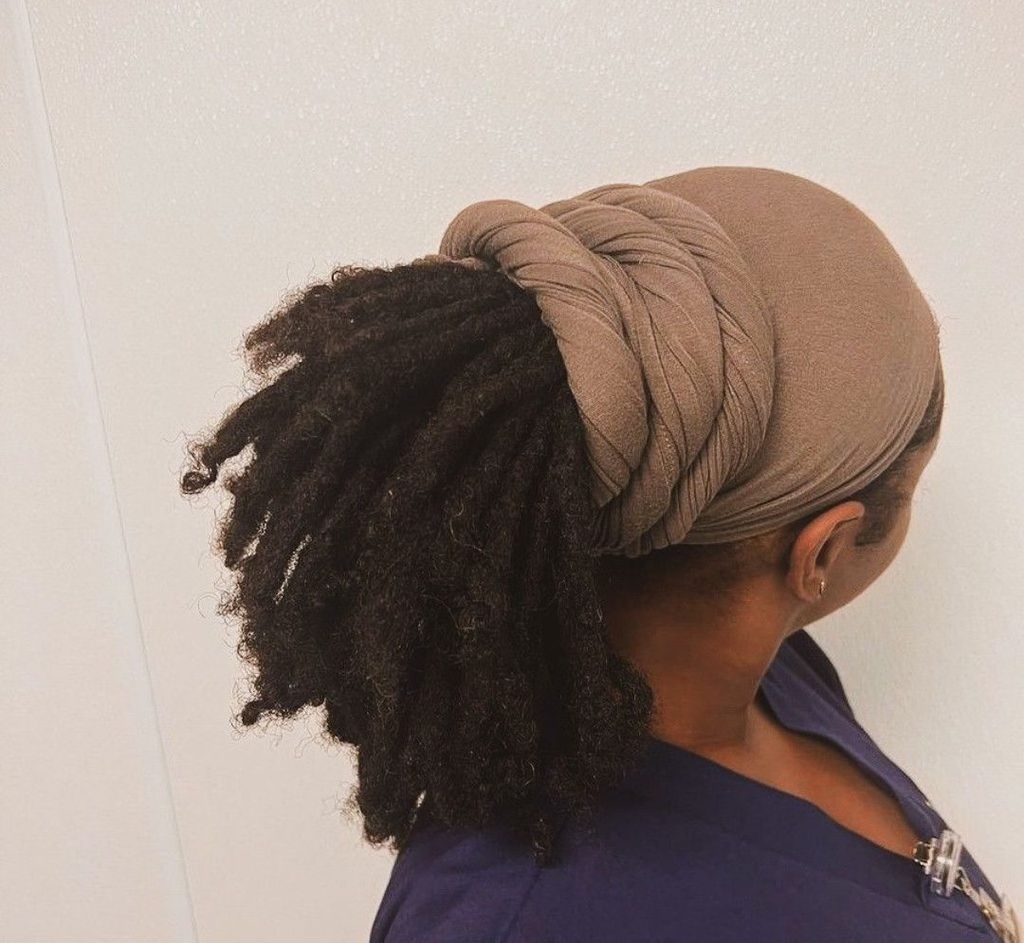
Care for Your Scalp and Roots While Stretching
Your scalp does the hard work of growing your locs, so it deserves careful attention. Stretching adds some tension, and even gentle tension can irritate a tender scalp over time.
After every stretch, check your roots for redness, bumps, or any other signs of soreness. If your scalp feels sore, give it a few weeks of rest before trying again.
Massage the scalp gently with your fingertips and a light oil to ease the tension. Keep your scalp clean and free of buildup, since clogged skin can itch and flake.
Watch your hairline closely, because the edges are always the first place to show strain. See how healthy locs look over the years in 20 looks that celebrate every year for inspiration.
Drink enough water and eat well, because strong roots start with a healthy body inside. If you notice hair loss or ongoing pain, stop stretching and speak with a doctor.
Healthy roots can support a lifetime of styles, so treat them like your best asset. A calm scalp makes every stretch safer, easier, and a lot more enjoyable for you.
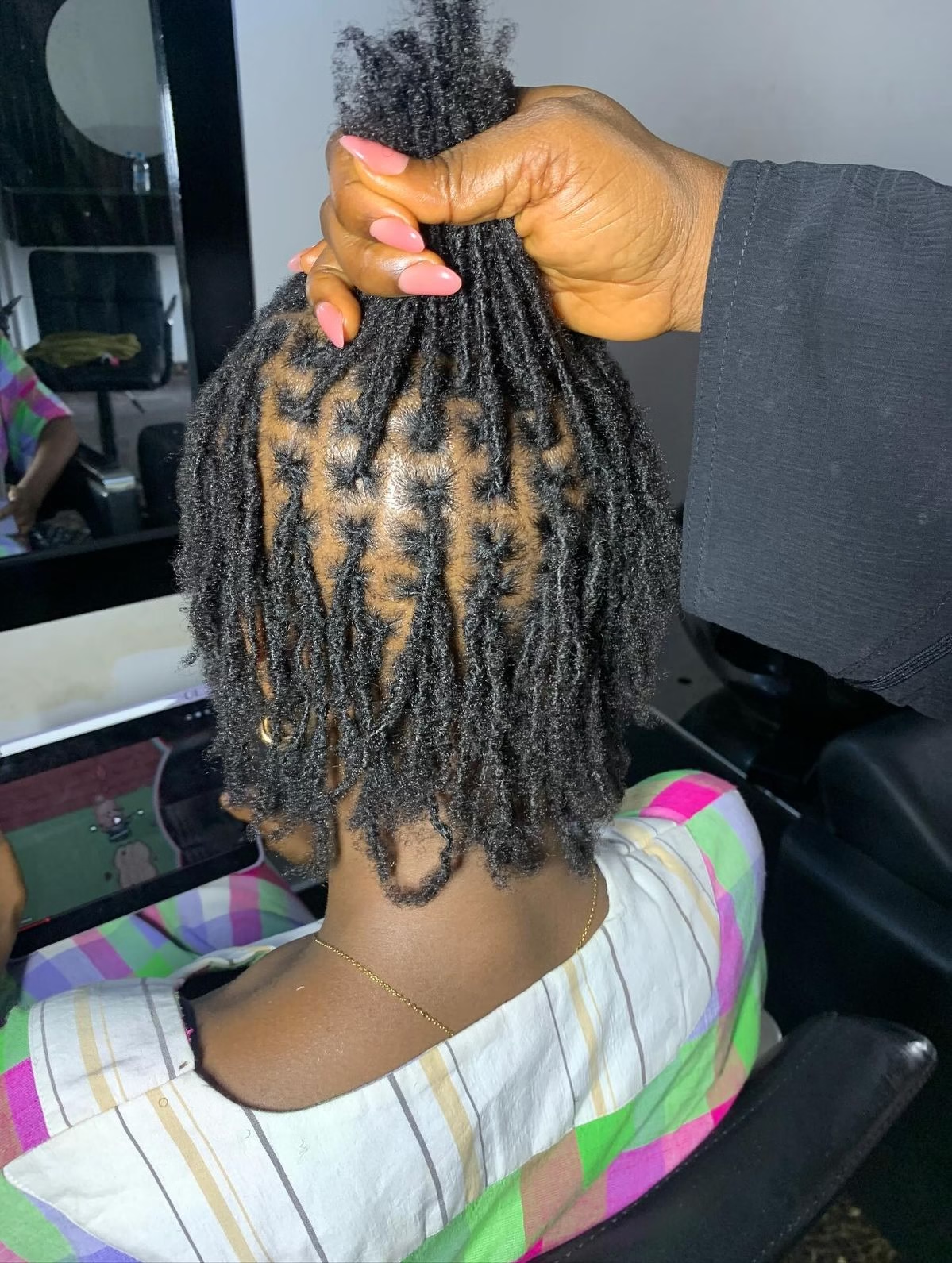
How Often You Can Stretch Without Harming Locs
How often can you stretch your short locs before the habit starts to cause damage? For most people, once or twice a month is plenty, and less is even better.
Frequent tension can pull on the roots, so your locs need plenty of rest between stretches. Treat stretching as a special occasion tool for events, and not as a daily habit.
Save this for later: 20 stunning ideas for your wedding day shows when a stretch really shines. Between stretches, let your locs return to their natural curl, and give your roots a break.
Skip a stretch if your locs feel dry, weak, or if your scalp feels tender. Your locs will tell you when they need a break, so pay close attention to how they feel.
If you retwist often, space the stretch away from the retwist by at least a week. Fresh retwists make the roots sensitive, so stacking both too soon can overload your scalp.
Listen to your body, because any discomfort is always a sign that you should slow down. Keep notes on which method you used, how long it lasted, and how your scalp felt.
Those notes help you find the safest and best method for your own unique locs.
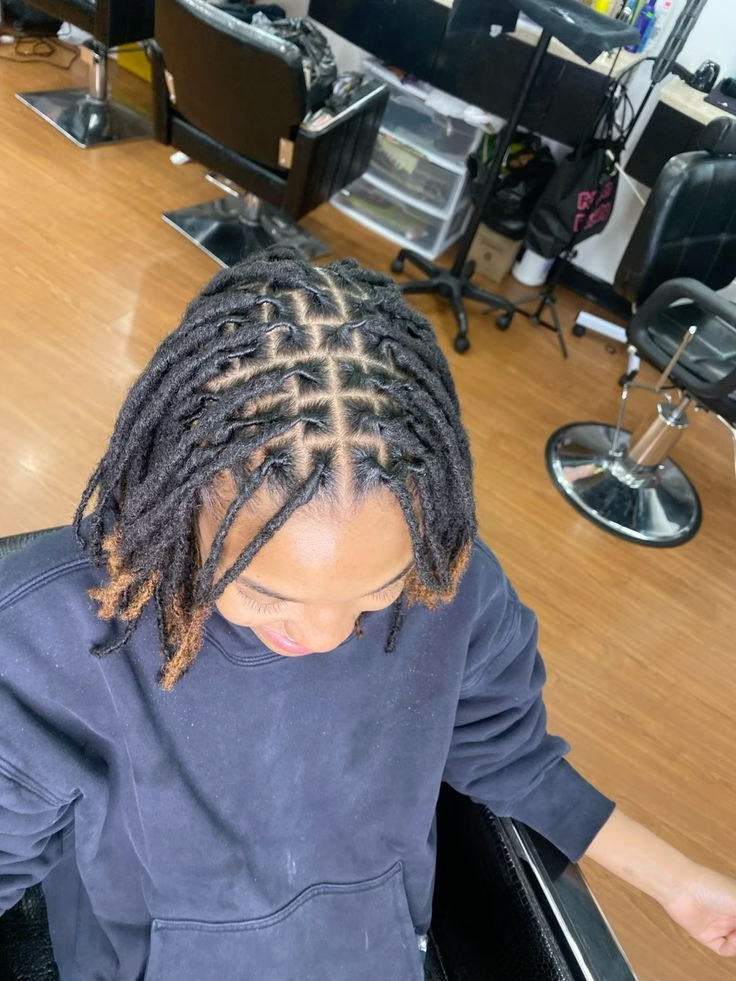
Mistakes That Cause Breakage When Stretching
Most stretching damage comes from a few simple mistakes, and all of them are avoidable. The first mistake is pulling too hard, since force can snap short locs right at the root.
The second mistake is using heat, which dries locs out and makes them weak and brittle. The third mistake is stretching dry or weak locs that have no moisture to bend with.
Tight rubber bands are another big mistake, since they cut, snag, and often snap locs. Leaving tension in for days is also risky, because long strain can weaken the roots.
Stretching too often wears down the scalp, so give your locs plenty of time to rest. Save this for later: 6 mistakes parents make when starting their child’s locs helps with younger locs.
Ignoring pain is a serious mistake, because pain is your body telling you to stop. Take your time with every step, because a slow stretch is always a safe stretch.
Rushing the drying time also ruins results, since damp locs will spring right back again. Expecting a dramatic change is a mistake too, because short locs only stretch so much.
A gentle stretch with a small change is far better than a harsh one with damage.

Final Thoughts: Stretch Gently and Enjoy the Length
Stretching short locs without heat is possible, and the safest methods are also the simplest. Soft bands, thread wrapping, pair twists, scarf wraps, and gentle weight can all give a lovely result.
Always start with clean, damp, moisturized locs, and never force any stretch on tender roots. Let your locs dry fully, protect them from moisture, and keep your styles light and simple.
Alicia, Marcus, and Nicole each discovered that gentle patience matters far more than any rush. Remember that every stretch is temporary, and your natural curl is always just as beautiful.
Use stretching as a fun tool for special days, and never as a daily requirement. A healthy scalp, moisturized locs, and calm hands will protect your length for many years.
Pick one method from this guide, try it on a quiet evening, and see how it feels. Your short locs are already beautiful, and now you can show them in a whole new light.