
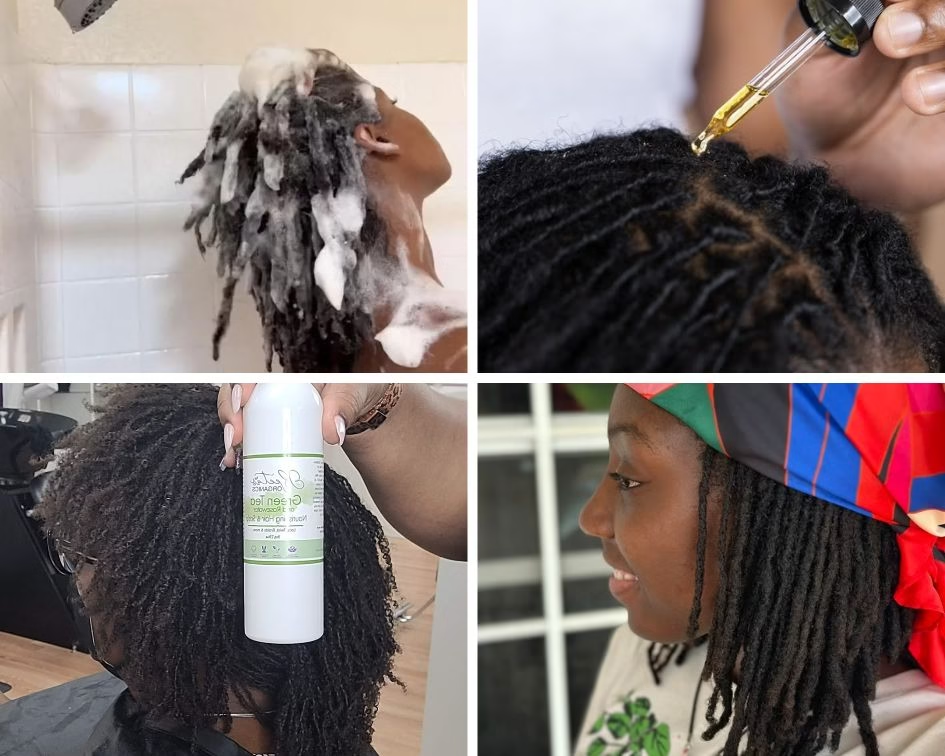
Most people think their locs are growing slowly, but many are quietly losing length to breakage. Hair grows about half an inch each month, so the real secret to length is keeping what you grow.
That idea is called length retention, and it matters even more for locs than for loose hair. Locs cannot be combed out each day, so damage stays in the hair and builds up over time.
Before you chase length, read everything you need to know before you start locs for the basics. Then use these fifteen simple tips to protect every single inch that your hair grows.
So let us get started, because healthy habits today turn into long, strong locs tomorrow. Each tip is simple, and you can start using all of them as soon as this week.
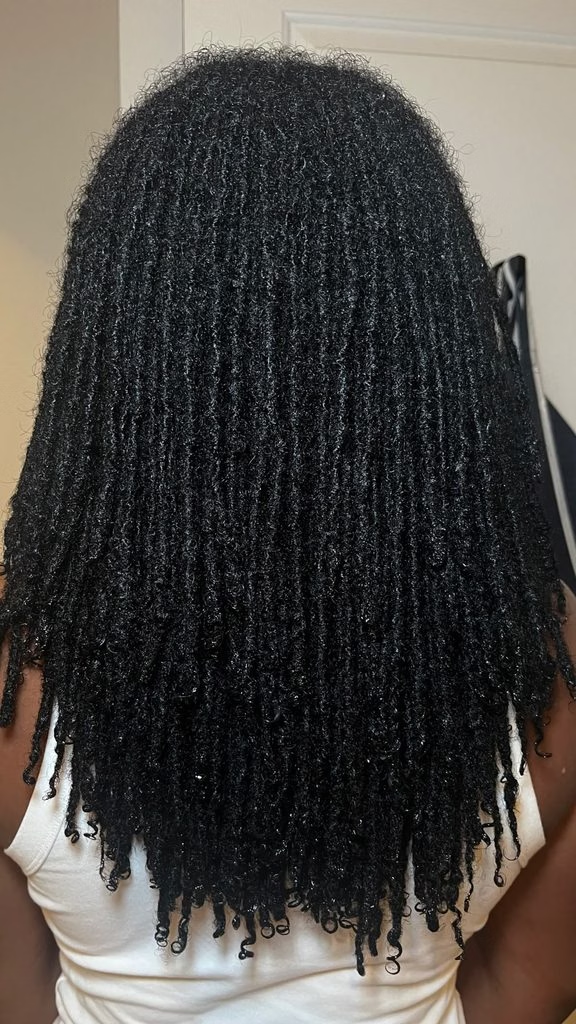
How to Grow Your Locs Long: 15 Retention Tips That Actually Work
1. Start With a Healthy Scalp
Long locs begin at the scalp, because every single strand grows from a healthy root. If your scalp is dry, flaky, or inflamed, your hair cannot grow at its best.
So pay attention to how your scalp looks, feels, and smells during every wash and retwist. And a healthy scalp feels calm, looks clean, and has no bumps, sores, or heavy itching.
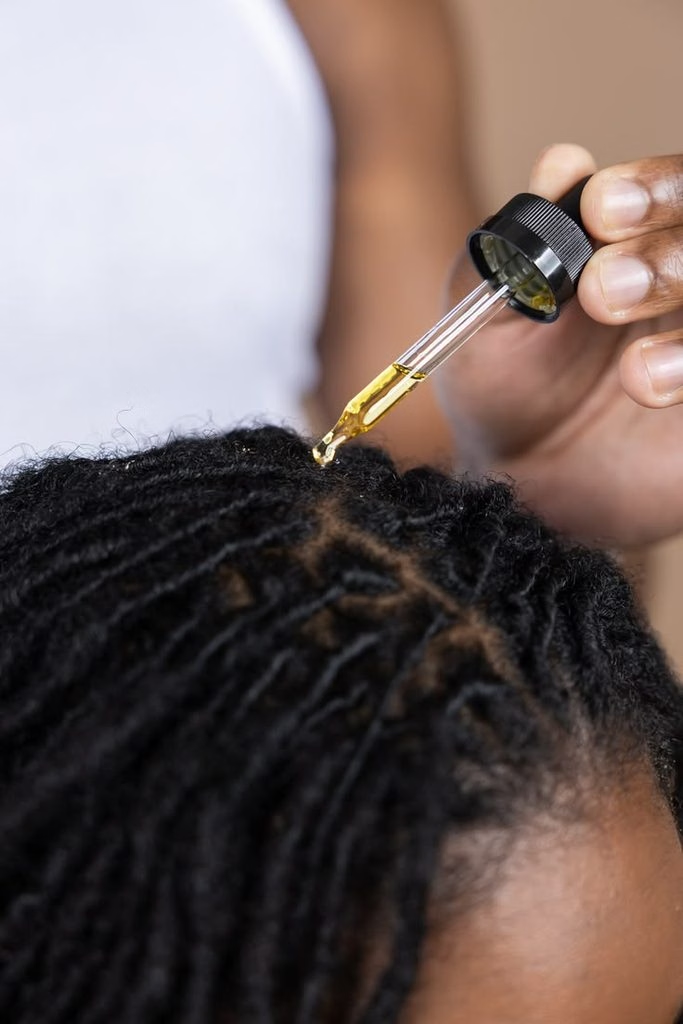
Next, massage your scalp with your fingertips for a few minutes each week to boost blood flow. But never use your nails, because scratching can hurt the skin and invite irritation or soreness.
A light oil, such as jojoba, can calm dryness, but use only a few drops. Also, keep your scalp clean, because buildup can clog the roots and slow healthy growth.
If you have lasting pain, hair loss, or sores, see a doctor before you do anything else. Still, some scalp problems need real medical care, and no oil or shampoo can fix them.
Then you can focus on gentle care, knowing that your roots have a strong base. Your scalp is the soil, and your locs are the plants that grow from it.
Take care of the soil first, and the length will follow in its own time.
2. Moisturize With Water and Light Oil
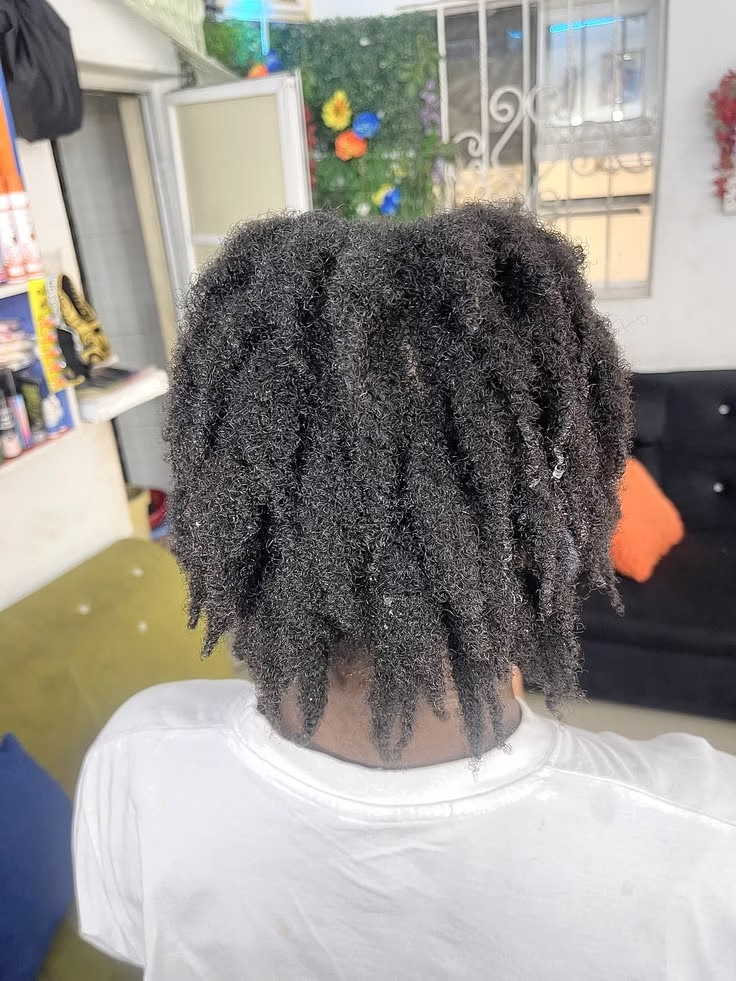
Do your locs feel dry, rough, or brittle when you run your hands over them? And dry hair breaks more easily, since breakage is the biggest enemy of long, healthy locs.
Now water is the best moisturizer, so mist your locs lightly once or twice a day. Plus, a little aloe vera or a gentle leave in spray can add extra softness and slip.
Then seal the moisture with a few drops of light oil, such as jojoba or grapeseed. Oil alone does not moisturize, because it only locks in the water that is already there.
So always add water first, and oil second, to get the best and softest results. Also, focus on the ends, because they are the oldest and driest part of each loc.
But do not overdo it, since too much moisture or oil can leave locs heavy and greasy. Also, make sure your locs dry well, because constant dampness can cause a sour smell.
Pay attention to how your locs feel, and adjust to the weather and your routine. Soft, flexible locs bend without snapping, and that flexibility is exactly what keeps your length.
And remember that soft locs are strong locs, so never skip your daily moisture routine, even when busy.
Make moisture a daily habit, and your locs will reward you with strength and shine.
3. Wash Your Locs on a Steady Schedule
My client Valerie from Louisville washed her locs only twice a year, and her roots suffered. She believed that washing would harm her locs, and that old myth cost her a lot.
Once she began a steady wash routine, her scalp calmed and her locs grew stronger. And clean locs retain length better, because dirt and buildup can weaken the hair over time.
Most people do well with a full wash about every two to three weeks, or sooner. Next, use a residue free shampoo, and focus on the scalp rather than on the locs.
Let the suds run down through your locs, and avoid rough scrubbing or harsh twisting. Rinse until the water runs clear, because leftover shampoo can leave a dull, sticky film.
Squeeze out the water gently, and dry your locs fully before you style or wrap them. Even kids follow this rhythm, as the guide on how to maintain kids locs at home shows.
Wash day should feel calm, so play music, take your time, and handle your locs gently. But rough handling on wash day can snap weak spots, and snapped locs mean lost length.
Gentle, regular washing keeps your scalp clean and your locs ready to grow longer each month.

4. Skip Heavy Products and Buildup
Walk into any beauty shop, and you will see shelves of thick butters, waxes, and gels. Many of these products sit on your locs, trap lint, and never fully wash out.
Buildup makes locs heavy, dull, and stiff, and it can weaken them from the inside. And heavy locs put extra strain on your roots, which can lead to thinning over time.
So choose light products, and use only a small amount when you really need them. Water based sprays, light gels, and a few drops of oil are usually all you need.
Avoid beeswax, heavy pomades, and thick creams, because they cling to the hair and lint. Also, a clarifying wash once a month can clear out buildup and gently refresh your scalp.
A diluted apple cider vinegar rinse can also help break down hard water mineral buildup. Simple routines save time too, and the 20 easy loc styles for busy moms fit right in.
Fewer products mean fewer steps, fewer costs, and fewer chances for something to go wrong. So read labels carefully, and avoid heavy alcohol, strong perfume, and anything that stings your scalp.
Light and clean wins every single time when you want long, strong, and healthy locs.
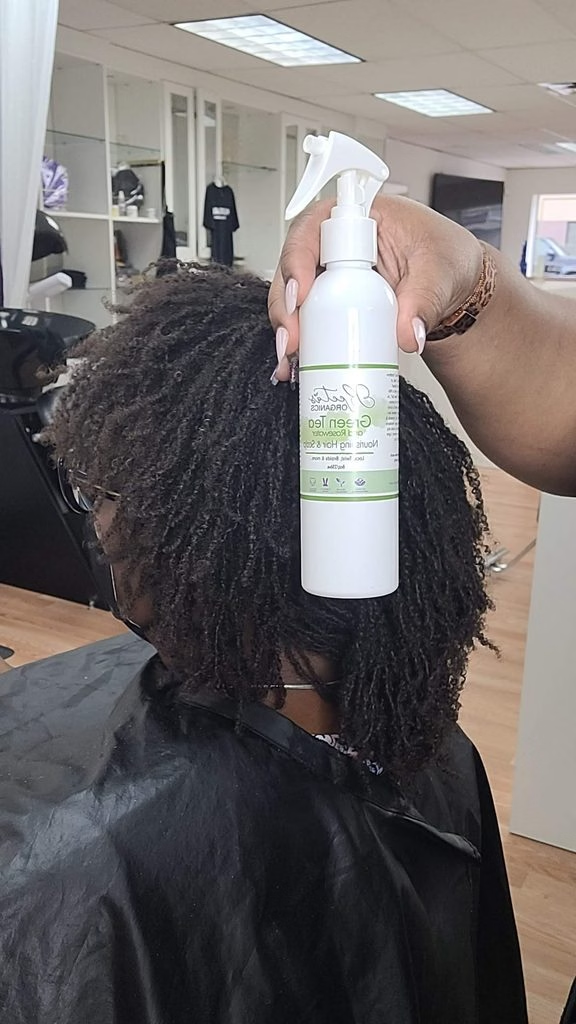
5. Protect Your Locs Every Night
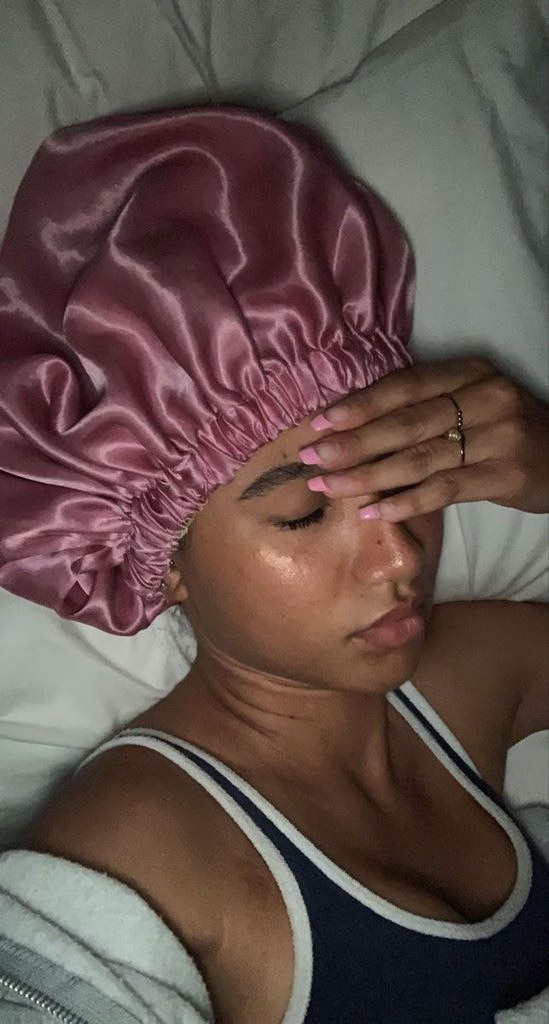
Nighttime is when locs lose the most moisture and gain the most frizz and friction. Also, cotton pillowcases pull water out of your hair, and they rub against every single loc.
That rubbing can roughen the surface, loosen the hair, and cause tiny breaks over time. A satin or silk bonnet is the simplest fix, and it costs very little money.
Then choose a bonnet with a soft band, so it does not pull on your edges. A satin pillowcase also helps, especially if your bonnet slips off while you sleep at night.
Before bed, mist your locs lightly and seal with a drop of oil, if they feel dry. Gather long locs loosely on top of your head in a gentle, low, and loose pineapple.
Short locs can simply stay free under a bonnet, with no extra styling needed at all. Never sleep with tight bands or pins, because pressure all night can damage the roots.
Wash your bonnet and pillowcase often, since they collect oil, dust, and old product from your hair. This one habit takes only a minute, but it protects your locs for many hours.
Sleep well, and your locs will thank you with more softness and much more strength.
6. Retwist Gently and on Time
How often should you retwist your locs if you want them to grow long and strong? Most people do well with a retwist every four to eight weeks, depending on their growth.
Still, retwisting too often can stress the roots, while waiting too long can cause weak spots. Your maintenance style matters, and the guide on retwisted locs and freeform locs explains both paths.
Retwisted locs need regular visits, while freeform locs need much less shaping and handling from you. Whichever path you choose, tension is the main thing to watch closely during every retwist.
A tight retwist may look neat, but it can pull on the roots and cause thinning. Your scalp should feel comfortable after a retwist, with no soreness or sharp pain at all.
If you feel pain for days, tell your loctician and ask for a lighter touch. Also, ask your loctician to keep each loc the same size, so no single loc carries too much weight.
Avoid retwisting while your locs are very dry, because dry hair snaps easily under pressure. A light mist of water before the retwist makes the whole process smoother and gentler.
So keep a simple calendar for your retwists, and mark each date so you never forget one.
Gentle retwists keep your roots neat, and they protect every inch of your new growth.
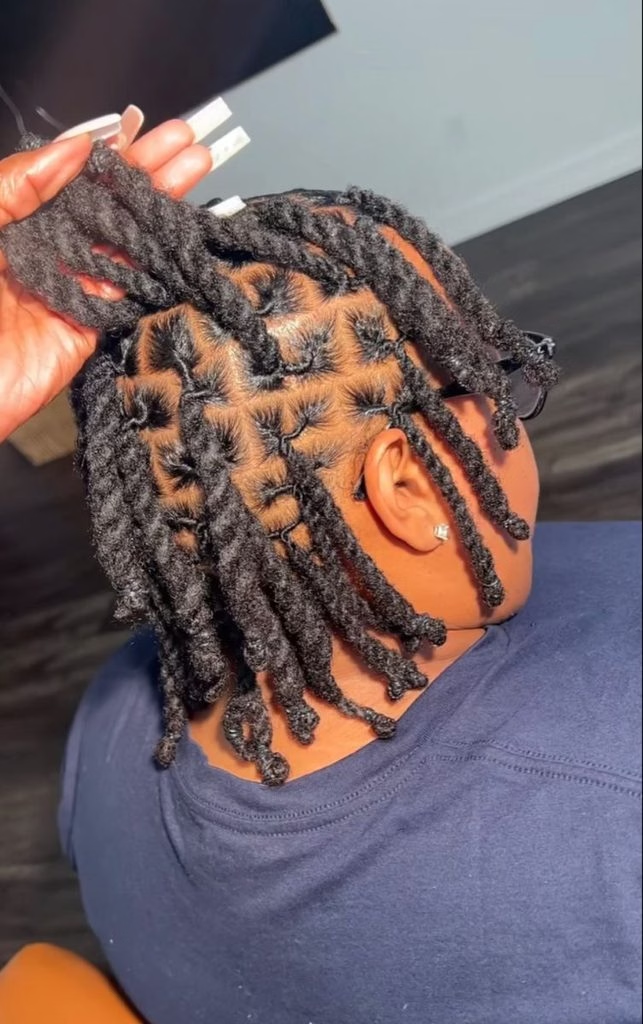
7. Avoid Tight and Heavy Styles
Tight and heavy styles are among the most common causes of lost length and thinning. And constant pulling on the same spots can lead to traction, which is damage at the hairline.
Tight ponytails, high buns, and heavy pinned styles put the most strain on your roots. If a style hurts, makes your head ache, or leaves bumps, take it down right away.
Choose looser styles, and let the weight of your locs rest evenly across your head. A half up style is a good choice, and the 45 half up half down locs styles show many options.
Half up styles lift only part of your locs, so the weight stays light on your roots. Also, switch your styles and parts often, so no single spot carries all the strain.
Give your locs rest days when you wear them down, with no pins and no pulling. Wet locs are heavier, so never pull them into a tight style while they are damp.
Next, use soft bands, and avoid thin elastics that dig into the hair and cut it. Long locs need extra support, so use wide, flat clips that spread the weight evenly.
Protecting your roots today means more length, more thickness, and many more good options tomorrow.
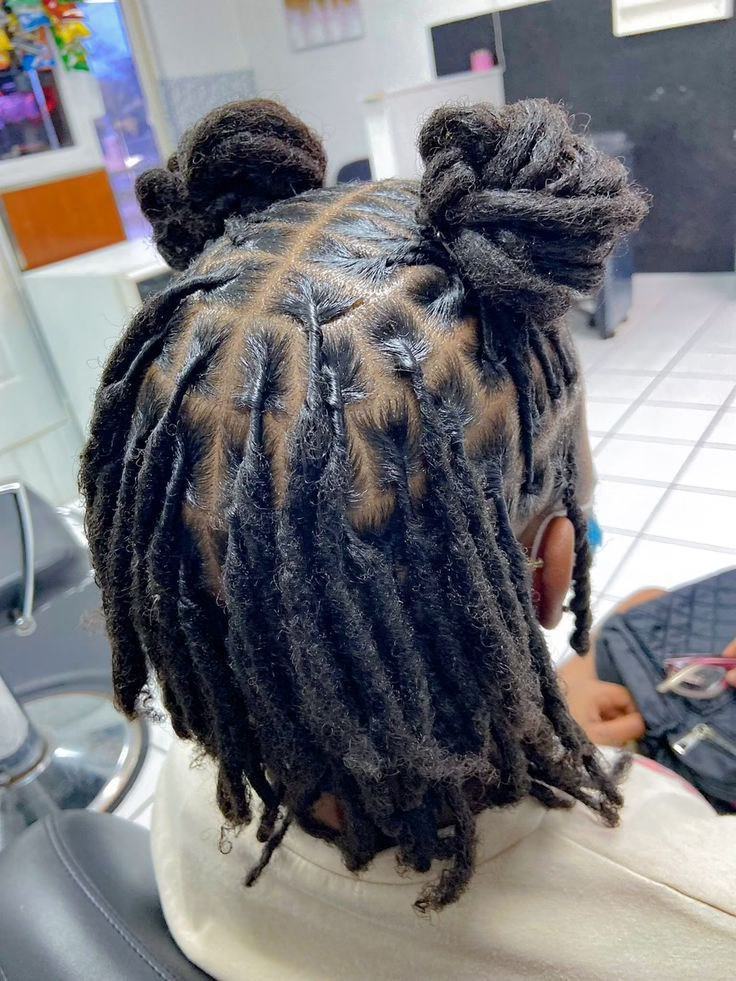
8. Choose Light Accessories
Imagine wearing your favorite beads and cuffs, and then feeling your scalp ache by noon. But heavy accessories can pull on single locs, and that pull can snap or thin them.
Accessories are fun, and the locs accessories guide shows many lovely ways to wear them. So the key is to choose light pieces, and to place them where the locs are strongest.
Thin gold cuffs, small silk wraps, and light beads are usually gentle on healthy locs. Make sure each cuff fits loosely, because a tight ring can crush the loc inside.
Check that beads have smooth edges, so they do not snag or scratch the hair. Do not wear accessories on thin, weak, or young locs that are still forming and tender.
Also, spread your accessories around your head, so no single loc carries too much weight. Remove your accessories at night, since metal and beads can snag on bedding and bonnets.
Take them off before swimming or exercising, because water, sweat, and movement add extra stress. Silk scarves and soft headbands add lots of style without putting any weight on single locs.
Style and strength can go together, as long as you always keep the pieces light.
9. Protect Your Edges and Hairline
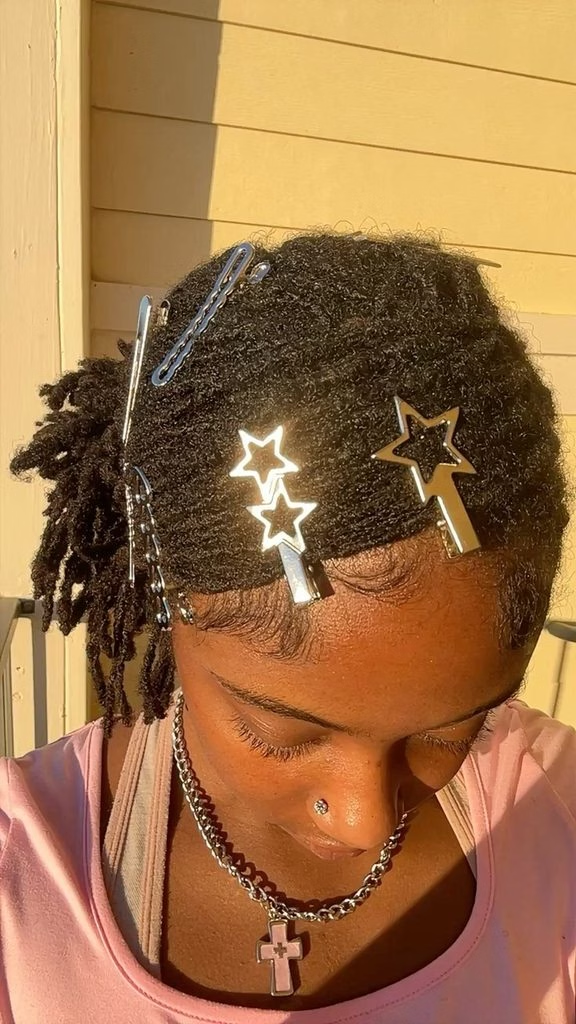
My friend Ebony from Birmingham wore tight styles for years, and her hairline slowly thinned. And she did not notice at first, because the change happened a little at a time.
When she switched to gentle styles, her edges slowly grew back, and she felt so relieved. Your edges are fine, delicate hairs, and they break and thin more easily than the rest.
Protecting them is a big part of keeping a full, even hairline as locs grow long. Avoid tight bands, headbands, and scarves that press hard on your hairline all day long.
Choose soft, wide bands, and give your hairline regular breaks from any kind of pressure. Avoid heavy edge control, strong glue, and hard brushing, since they can damage fine hairs.
Use a tiny amount of a gentle product, and brush with a soft brush only. Also, ask your loctician to keep retwists light around the hairline, with very little tension.
Moisturize your edges lightly, because dry, fragile hairs break much faster than soft, moist ones. If you see thinning, change your styles at once, and talk to a professional if needed.
Early action can save your hairline, and it keeps your length looking full and even.
10. Shield Your Locs From the Weather
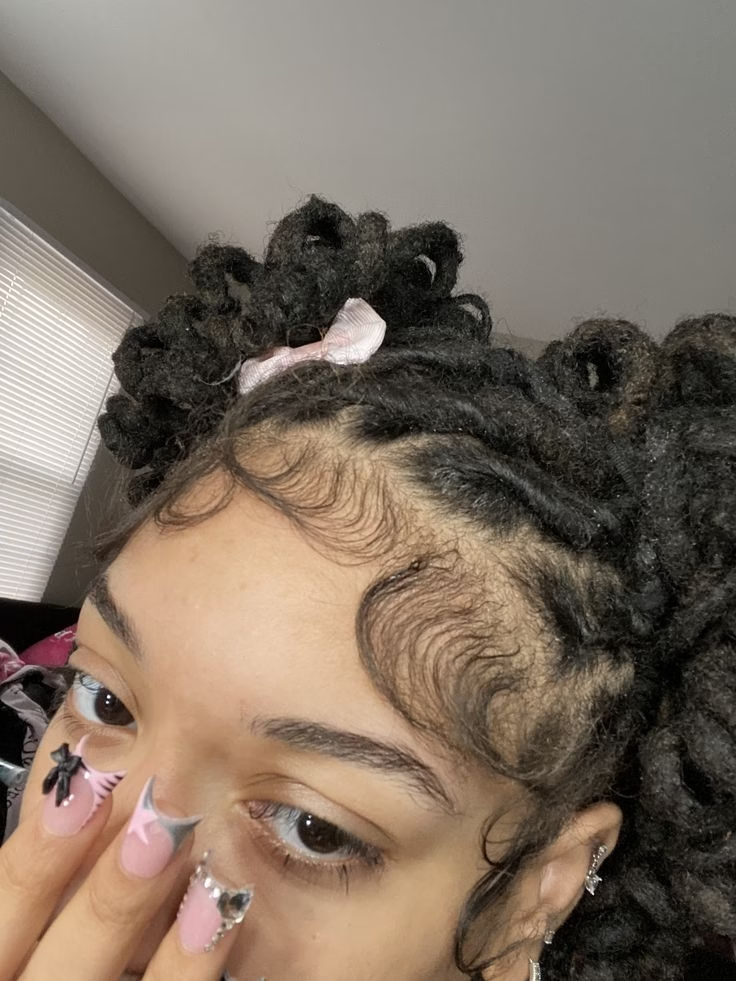
Weather can quietly dry out and weaken your locs, even when you do everything else right. Cold air, strong wind, harsh sun, and heavy humidity each cause their own kind of stress.
In winter, locs lose moisture fast, so add extra water and seal with a little oil. The 12 long locs styles for fall and winter offer cozy ideas that protect your ends.
But wool hats and scarves can snag and dry out locs, so line them with satin. Never go outside with wet locs in freezing weather, because they can stiffen and snap.
In summer, sun and chlorine can dry your locs, so cover them or rinse them often. A silk scarf or a wide brim hat protects your locs and scalp from harsh sun.
After swimming, rinse well with clean water, and wash your locs soon after you get home. In humid weather, locs may swell and frizz, so smooth them with a little oil.
In windy weather, tie your locs back loosely, so they do not tangle or whip around. Also, remember that indoor heating and air conditioning can dry your locs and your scalp too.
Adjust your routine with the seasons, and your locs will stay soft and strong all year.
11. Be Careful With Color and Chemicals
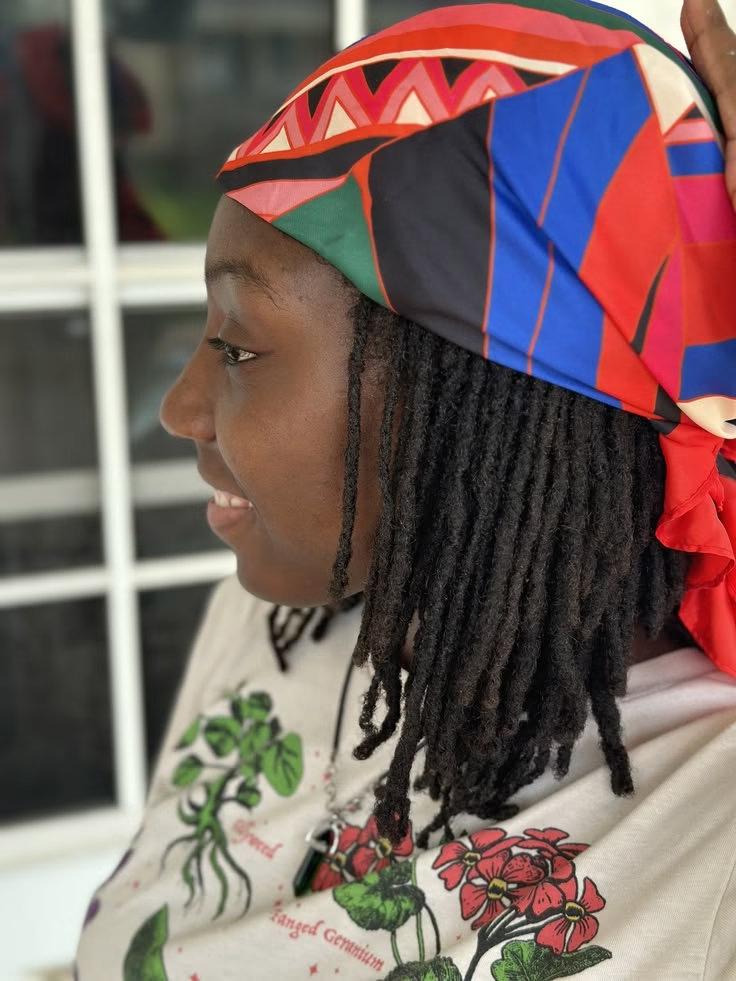
Color and chemicals can be exciting, but they can also cost you length very quickly. Ideas like 39 colored locs ideas for black girls look gorgeous when they are done with care.
But bleach and strong dye can dry out locs, make them brittle, and cause them to snap. Once a loc snaps, you cannot easily get the length back, so protect it first.
So wait until your locs are strong and mature before you try any strong color treatment. Always book color with a professional who knows locs, and ask to see their past work.
Do a strand test first, so you can see how your hair reacts before you commit. Gentler choices include loc wraps, thread, and temporary color that you can easily remove later.
Avoid doing more than one chemical treatment at the same time, since stress adds up. After any color, add extra moisture and be extra gentle with your locs for several weeks.
Colored locs often need more care, because color can leave hair dry, rough, and delicate. Skip harsh relaxers, strong perms, and hard straighteners, since they can destroy the loc structure.
Your natural hair is beautiful, and keeping it strong is the best way to grow long.

12. Handle Special Events Gently
My neighbor Rosalind from Sacramento attended three weddings in one summer, and each needed a new style. By the third wedding, her locs were tired, and she noticed thin spots near her roots.
Still, special events are fun, but heavy updos and tight pins can steal your length quickly. The wedding loc updo styles for black brides show elegant looks that can still be gentle.
For more ideas, browse the 25+ bridal locs updo ideas, and choose the lightest option. Ask your stylist to use soft bands, hidden pins, and an even distribution of weight.
Keep the style on for the event only, and take it down gently when you get home. And never yank out pins in a hurry, because rushed removal can pull out hair and snap locs.
Plan your styles ahead of time, so you do not have to rush or force anything. A trial run a few weeks before the event helps you find a comfortable shape.
After the event, rest your locs for a few days with loose, simple, and gentle styles. Also, moisturize well after any big styling day, since pins and sprays can dry out locs.
Looking beautiful and protecting your length can happen together, with just a little bit of planning.
13. Eat Well, Sleep, and Manage Stress
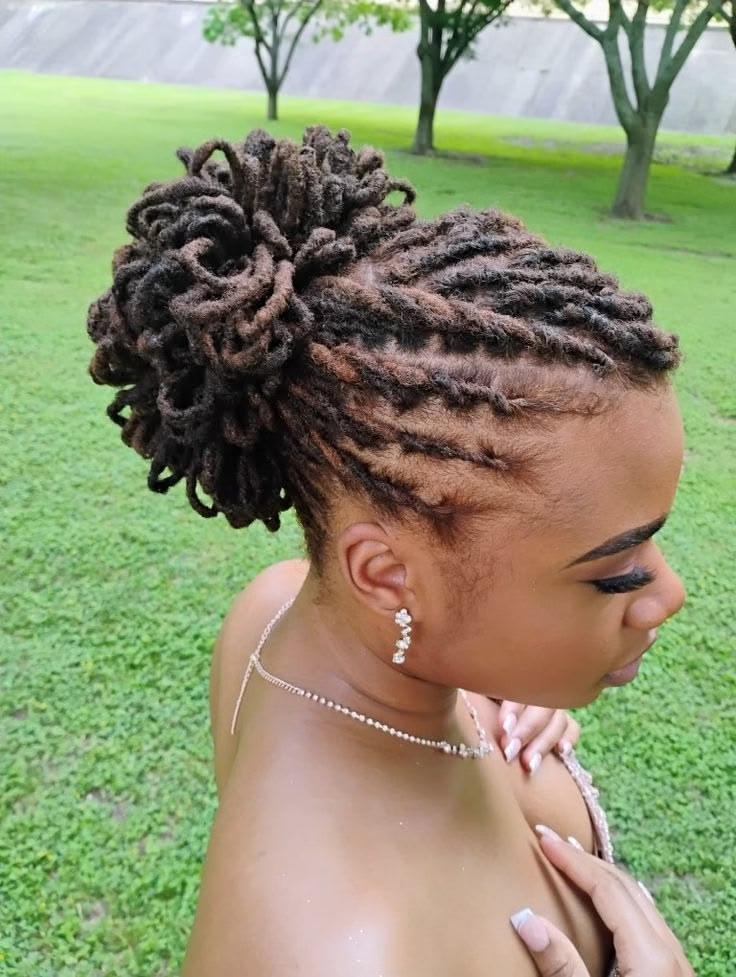
Your hair grows from the inside, so what you eat, drink, and feel shows up in your locs. Protein, iron, vitamins, and healthy fats all help your body build strong, healthy hair over time.
Eat real meals with vegetables, fruit, beans, fish, eggs, or lean meats that you enjoy. And drink plenty of water every day, since your scalp and hair need hydration to thrive.
Sleep is also important, because your body repairs itself while you rest deeply each night. Stress can affect your hair, so find calming habits like walking, stretching, or quiet prayer.
Age and hormones can also change your hair, as the 15 mature locs styles for women over 40 show. Also, many women find that hair gets drier or finer with age, so care becomes even more important.
If you notice sudden shedding or thinning, talk to your doctor and get properly checked. Some health issues, such as low iron or thyroid trouble, can affect hair growth and strength.
A doctor can test for these problems, and treatment can help your hair recover over time. Be careful with fad diets and heavy supplements, and ask a professional before starting any.
Caring for your whole body is also a quiet way of caring for every loc.

14. Track Your Growth and Stay Patient
Locs grow slowly, so it helps to track your progress and celebrate every small win. Take a photo every month, in the same light and in the same spot each time.
Use a soft tape or ruler to measure one loc, and write the number down. Measure the same loc when it is dry, because wet locs stretch and look longer.
Remember that shrinkage hides length, so your locs may be much longer than they appear. Your length changes what you can do, as the locs updo styles by hair length guide shows.
Short locs can still look wonderful, and the 22 short locs styles for women in their 30s prove it. But do not compare your growth to others, since every head of hair has its own speed.
Texture, density, health, and genes all play a part in how fast your locs grow. Growth of about half an inch per month is common, though it varies from person to person.
Locs often seem to stall for a while, and then they suddenly seem to jump. Stay patient, trust your routine, and remember that every healthy inch is worth the wait.
Look back at old photos now and then, and enjoy how far your locs have come.
15. Visit a Skilled Loctician Regularly
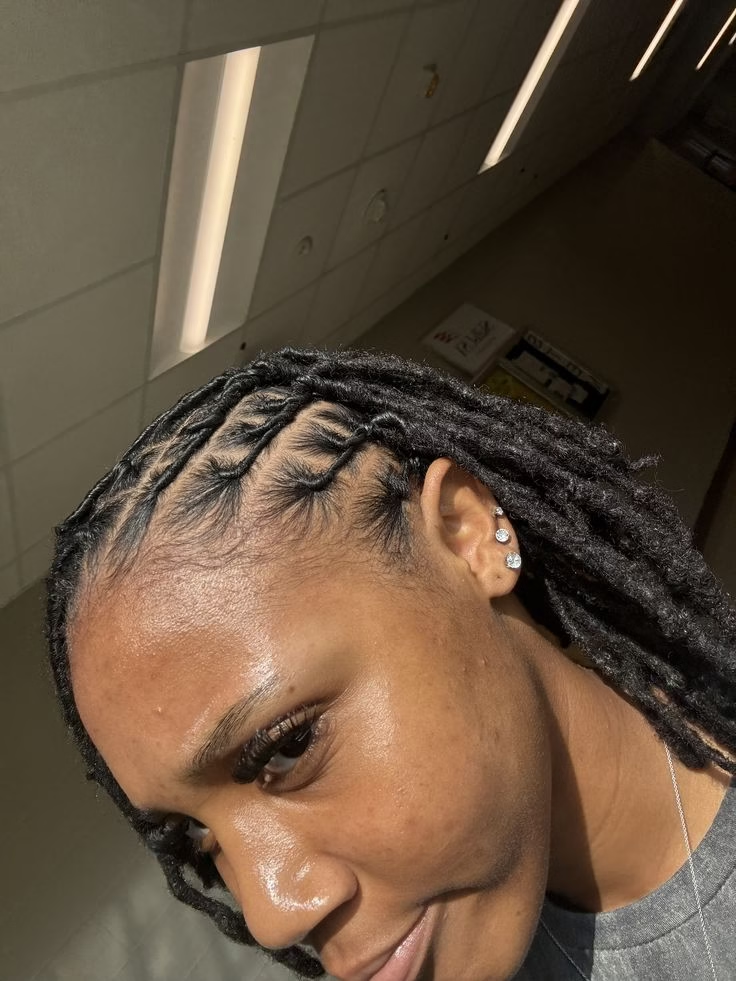
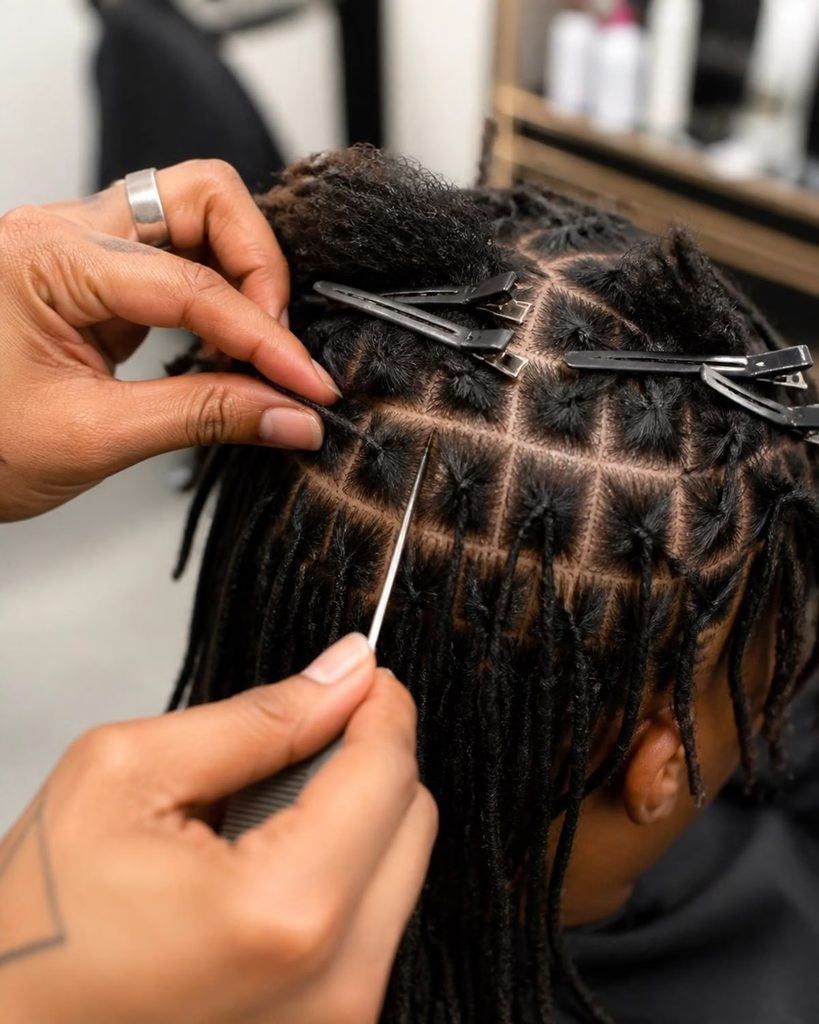
A skilled loctician is one of your best partners when you want long, healthy locs. And they can spot thin areas, weak spots, and tight roots long before you notice them.
Visit every month or two, even if you do most of your care at home. Ask them to check your scalp, your roots, and the weight of your longest locs.
Then tell them your goal is length, so they can use gentle methods and suggest the right schedule. Also, ask how to repair thin or weak locs, since small fixes can prevent big breaks.
A good professional will explain their steps, and they will always listen to your worries. As your locs grow longer, you can try bold styles like the 12 locs crown braid updos.
Ask your loctician how to wear these styles safely, with light pins and gentle tension. Also, if a loc breaks, ask about repair options before you decide to cut it all off.
Do not wait until a small problem becomes a big one before you ask for help. Building a trusted relationship with a professional can save you time, money, and a lot of length.
Good care and good guidance together will carry your locs to the length you dream of.
Final Thoughts on Growing Your Locs Long
Growing long locs is not about secret products or quick fixes, because it is about steady habits. Keep your scalp healthy, moisturize often, wash on a schedule, and protect your locs at night.
Retwist gently, avoid tight and heavy styles, and protect your edges and your fragile ends. Also, shield your locs from weather, be careful with color, and take care of your body.
Track your progress, stay patient, and lean on a skilled loctician when you need help. You do not need to do everything at once, so pick a few tips and begin today.
Small habits repeated every day will become strong, long locs over the months and years ahead. Your locs are growing right now, and every careful choice helps them go the distance.
So love your hair, protect it well, and enjoy every single inch of your journey.