
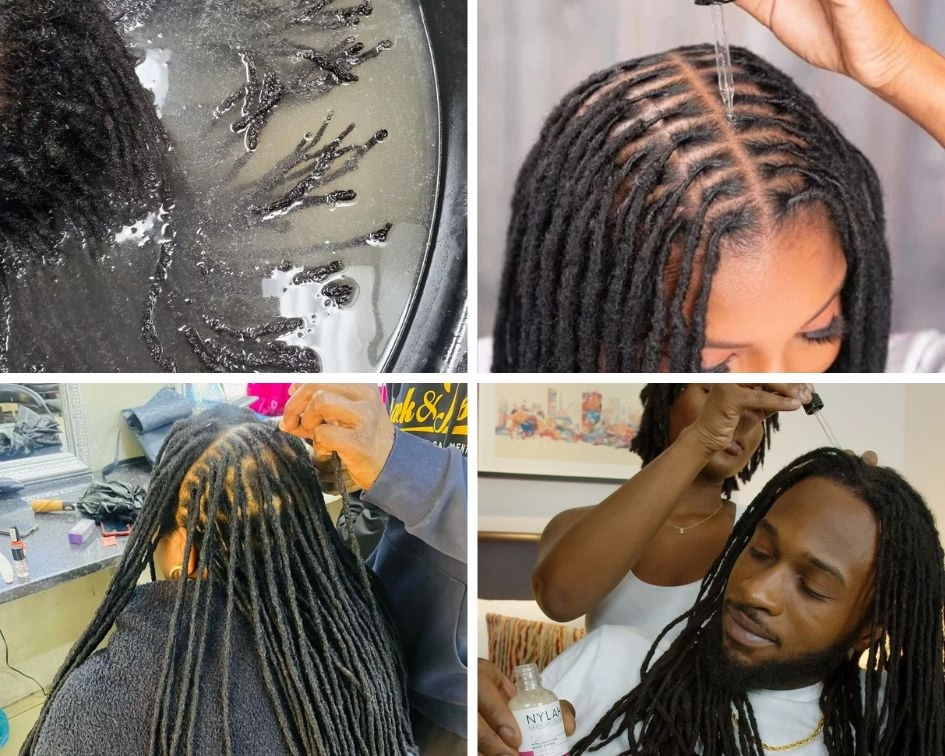
Is maintaining locs as difficult as people think, or can you do it in less than an hour without stress?
The honest answer is that long locs need less work than most videos and posts make it seem. Many women who ask about locs for black women hear scary stories about hours of weekly labor.
Those stories usually come from people who retwist too often, use heavy products, or follow routines built for salons. Your locs actually grow best when you leave them alone most days and care for them with a steady plan.
So this guide gives you a simple weekly system that protects your length, your scalp, and your free time. Let us start with why this feels so hard, and then we will build the plan together step by step.
How to Maintain Long Locs Without Spending Hours Every Week
Why Locs Care Feels Harder Than It Is
Why does loc care sound like a full time job when you scroll through social media? Most creators film long sessions because those videos get views, not because your hair needs that much time.
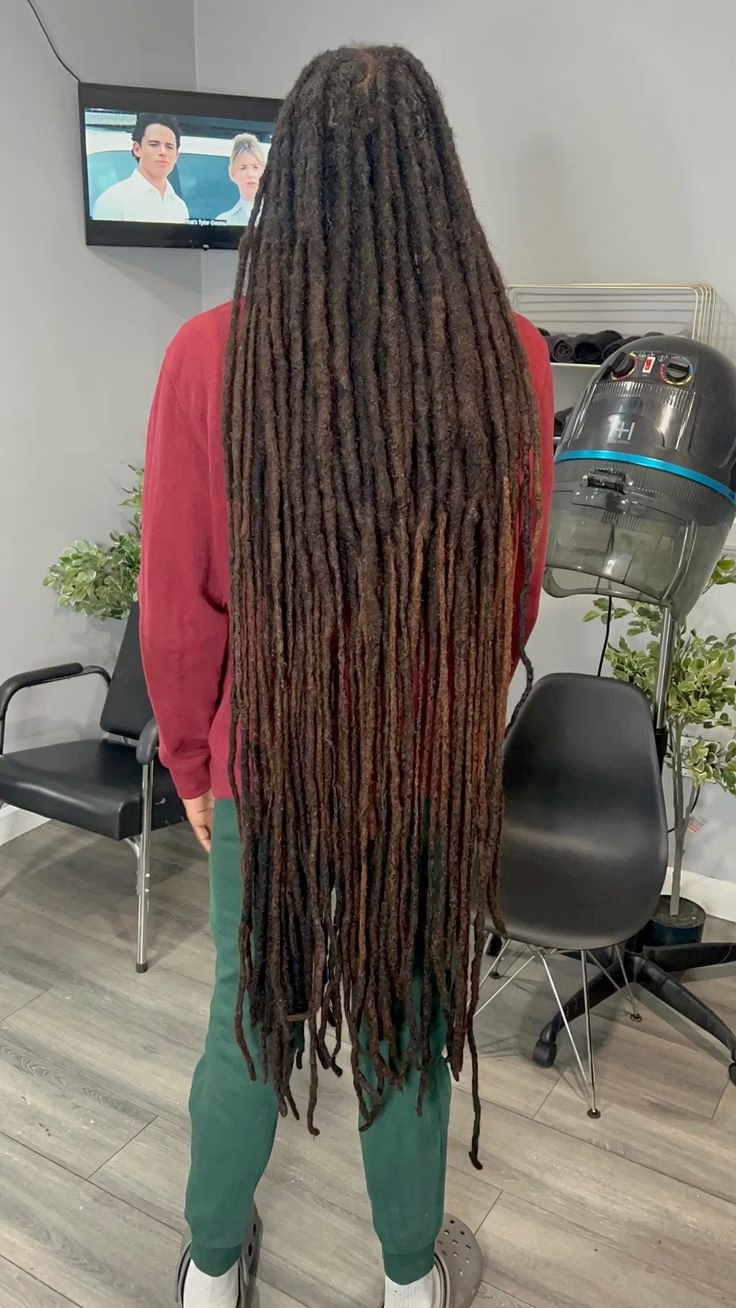
Locs are made to hold together on their own, so they ask for far less than loose natural hair. The real work is simply washing, moisturizing, protecting at night, and fixing new growth every few weeks.
My client Tamika from Atlanta once spent four hours every Sunday on her locs and hated every minute. After we cut her routine down to one hour, her locs looked better and her weekends felt free again.
Long locs do add weight, so your scalp and roots need a little extra attention as the length grows. But extra attention does not mean extra hours, and a smart order of steps keeps everything quick.
Three habits cause most of the stress that people feel when they care for their own locs. They retwist too often, they pile on heavy products, and they skip the simple night routine.
Fix those three habits and your whole week gets lighter, your hair gets healthier, and your length keeps climbing. The next sections walk through each step, and you can start using them tonight with things you own.
The Weekly Plan That Fits in One Hour
One hour a week is enough for healthy, long locs if you spend it in the right places. Here is the split I give every client, and it works for almost every hair type.
Spend thirty minutes on wash day, ten on scalp care, ten on touch ups, and ten on styling.
Everything else happens in small moments, like a quick oil massage while the kettle heats up. Notice that the plan has no long retwist session, because most weeks your roots do not need one.
If you also style a child’s hair, learn to maintain kids locs at home with a short weekly routine. Pick one day for wash day and keep it the same every week so your body learns the habit.
Put the rest in your calendar like a small appointment, because hair care you skip will pile up. A short plan you repeat always beats a perfect plan you drop after two weeks.
Gather your tools in one basket so you never waste ten minutes hunting for a comb or a clip. Your basket needs a residue free shampoo, a light oil, a spray bottle, a satin bonnet, and clips.
That is the whole kit, and it costs far less than the products most people buy and never use. Once you follow the plan for a month, you will notice how much calmer your hair days feel.
Wash Day Without the Drama
How do you wash long locs fast without leaving soap behind in the middle of each strand?
Start by soaking your hair in the shower for two full minutes so the water reaches every loc. Apply a residue free shampoo to your scalp only, then let the suds run down the length as you rinse.
Your locs do not need hard scrubbing, because the length gets clean from the water that flows through it. Use your fingertips in small circles and press gently, since your nails can scratch skin and loosen new growth.
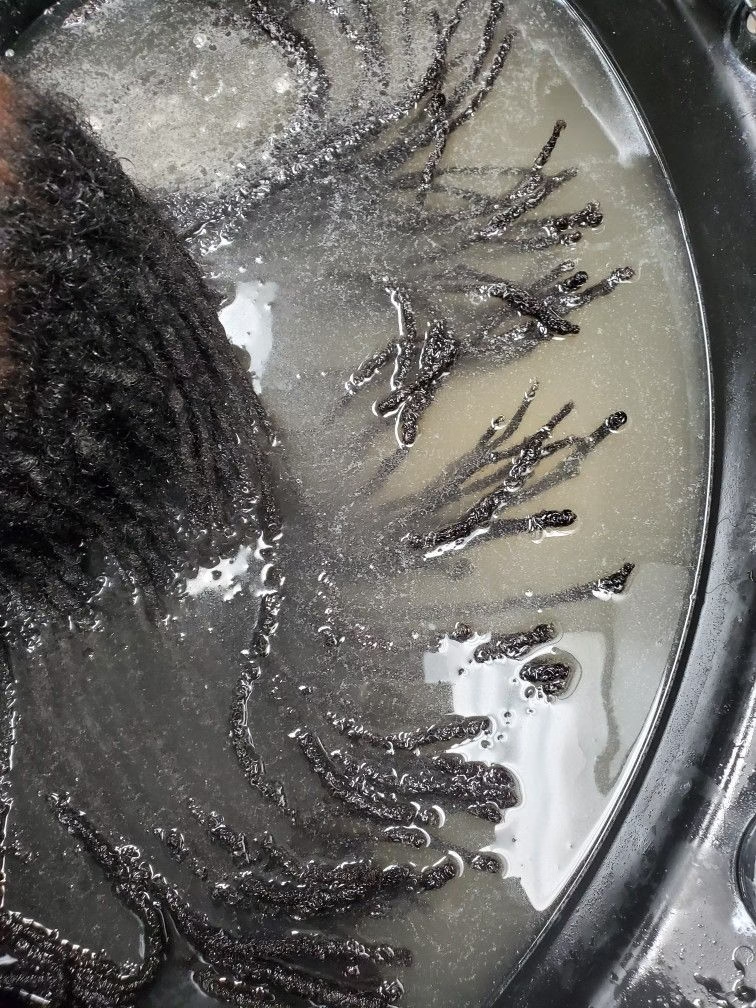
Rinse for at least three minutes, because leftover shampoo is the main cause of dull, itchy, and flaky locs. Squeeze each loc from root to tip like a sponge to push the trapped water and soap out.
Then wrap your hair in a clean cotton shirt or a microfiber towel for ten minutes to soak up water. Skip the heavy rubbing, because friction pulls loose hairs out of the loc and creates frizz.
Air dry whenever you can, and use a cool dryer setting only when you are short on time. Damp locs can smell sour if you tie them up wet, so make sure your roots feel fully dry first.
Washing every one to two weeks is enough for most people, and active people may wash more often. A calm wash day also sets the tone for the rest of your week, so take your time with it.
Scalp Care in Five Minutes
Your scalp is the garden, and your locs only grow as well as the soil underneath them.
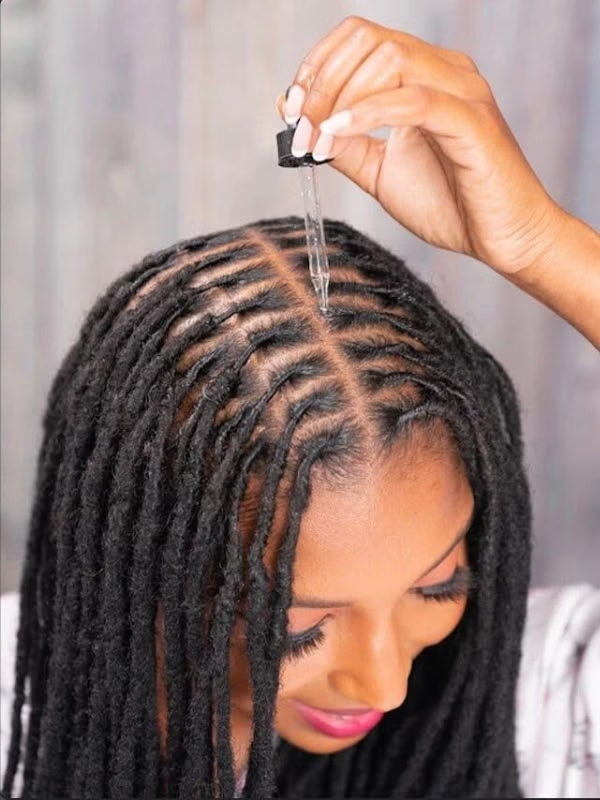
Healthy scalp care takes five minutes a few times a week, and you can do it while watching TV. Part your locs in a few rows and dab a light oil or a scalp spray along each part.
Massage with your fingertips for sixty seconds to boost blood flow, which helps your hair grow stronger. Choose oils like jojoba, grapeseed, or tea tree blends, because they feel light and do not clog pores.
Heavy butters and thick creams sit on the skin and build up, so keep them off your roots. My friend Denise believed her flaky scalp meant dry skin, so she kept adding more thick cream every night.
Her flakes only got worse until she switched to a light oil and a clarifying rinse once a month. Apple cider vinegar mixed with water works as a monthly rinse that clears buildup and calms an itchy scalp.
Use one part vinegar to three parts water, apply it to your scalp, and rinse it out after two minutes. Sweaty days need a quick refresh, so keep a small spray bottle of water and tea tree oil nearby.
If your scalp stays red, painful, or flaky after a few weeks of steady care, please see a dermatologist. Small and steady scalp care beats rare deep treatments, and your roots stay calm and comfortable.
Retwist Less and Save Hours
Most mature locs only need a retwist every six to eight weeks, and some people wait even longer.
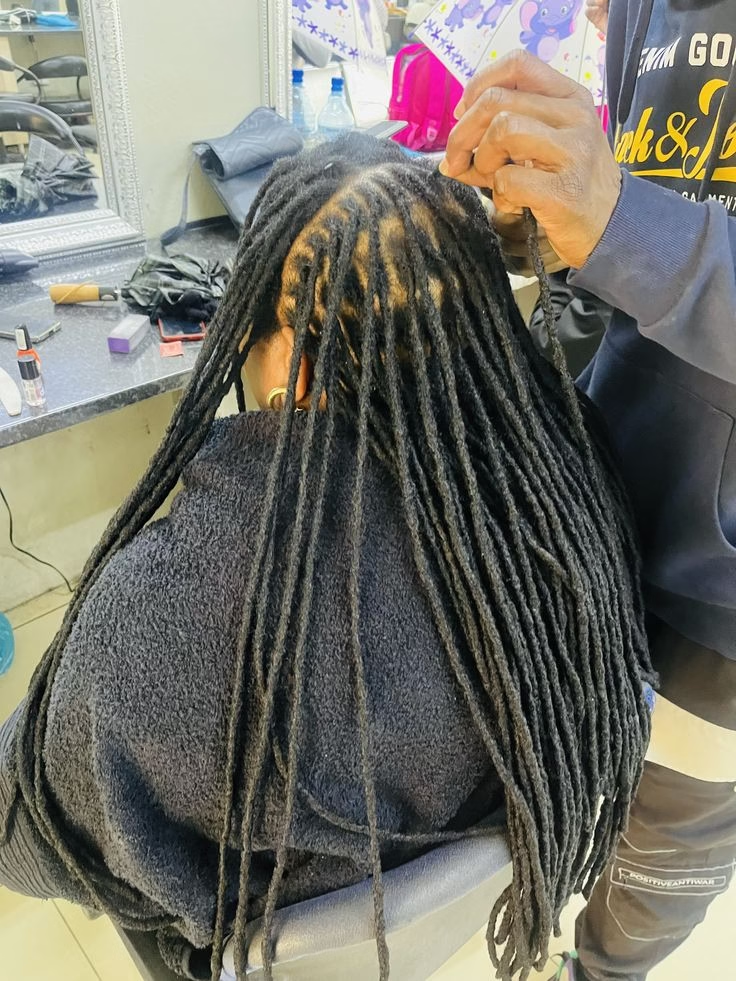
Retwisting too often thins your roots, causes breakage, and puts constant tension on your scalp. Your growth pattern decides the schedule, so look at how far your new growth has moved from the scalp.
When new growth reaches about half an inch, your roots are ready for a light touch up. Some women love the neat look of retwisted locs, while others prefer to let their roots grow free.
Freeform styles ask for even less, since you simply separate your locs and let the roots do their own thing. Pick the method that fits your life, because both can look clean, healthy, and beautiful when you care for them.
Use a light gel or a water based butter, twist each root gently, and clip it until the section dries. Never twist in the same direction every time, because switching direction keeps your roots from getting too tight.
Take twenty minutes for half of your head and finish the other half the next evening if you feel tired. Splitting the work into two short sessions feels easier, and your arms will thank you for it.
Between retwists, a satin scarf keeps new growth tidy and cuts down on lint and frizz. Fewer retwists mean thicker roots, and thicker roots mean your locs can carry more length safely.
Moisture Without Buildup
Picture a loc that feels crunchy at the root and dry at the tip, even after you oil it daily.
That loc has buildup, and no amount of extra oil fixes it, because wax and cream trap dirt inside. Real moisture starts with water, so spritz your locs with plain water a few times each week.
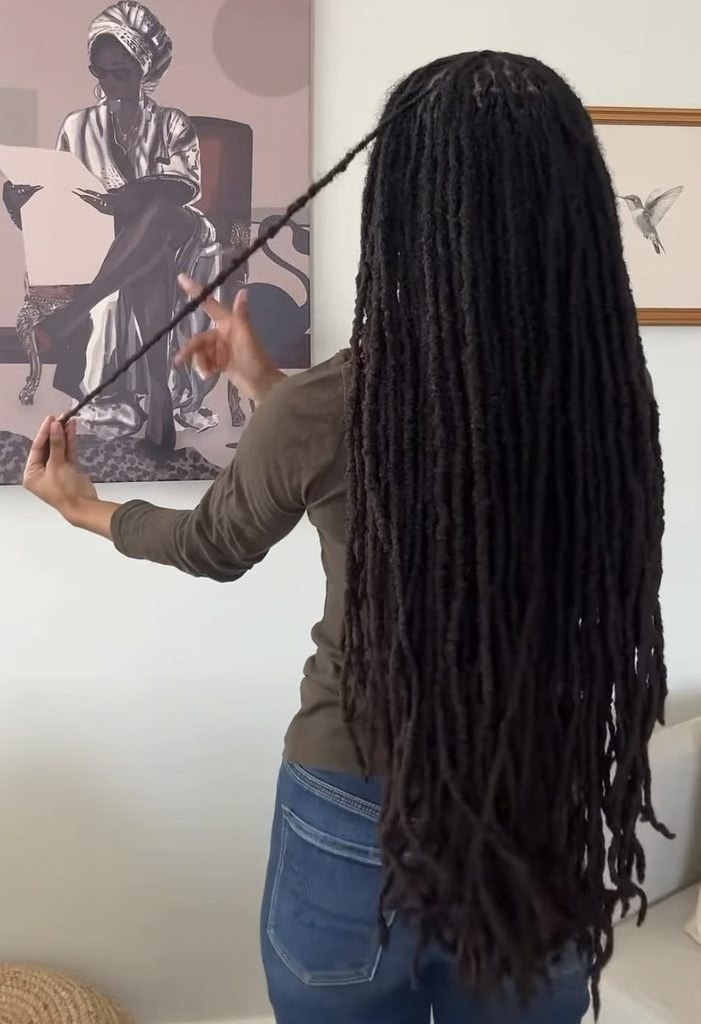
Seal it afterward with a few drops of oil, focusing on the ends, which are your oldest hair. Your ends are years old on long locs, so they need more care than the roots do.
Avoid products that list petroleum, mineral oil, or heavy wax near the top of the ingredient list. They sit on the hair, attract lint, and make your locs feel stiff after a few weeks.
Use fewer products and use them smartly, which is the secret behind most healthy long locs I have seen. If you see a white film or smell a stale odor, do a deep clean with a clarifying shampoo.
Follow the clean with a light spritz and a drop of oil, and your locs will feel soft again. Light moisture, clean roots, and a little patience will keep your long locs soft from top to bottom.

Nightly Habits That Protect Your Length
What happens to your locs while you sleep, and how much does it affect your length?
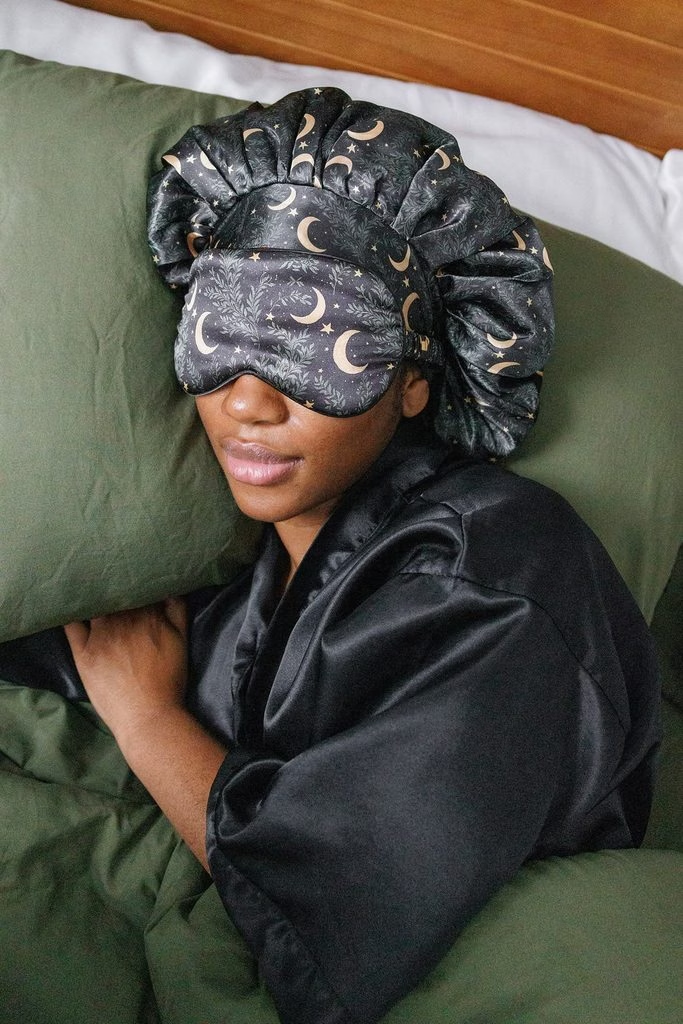
Cotton pillowcases rub against your hair all night, and the friction slowly wears down and snags the lengths. A satin bonnet or a silk scarf stops that friction, and it also keeps your moisture locked inside.
Gather your locs loosely at the top of your head, and avoid pulling them tight against your scalp. Long locs can also go into one loose braid before bed, which keeps the ends from catching.
A loose pineapple style works too, using a soft scrunchie that will not dent or snag your hair.
Cold weather dries hair faster, so long locs styles for fall and winter often tuck the ends away. Wash your bonnet and pillowcase weekly, because they pick up oils, sweat, and product from your hair.
This whole routine takes two minutes, and it saves you from many repairs later on. Treat your bonnet like a seatbelt for your hair, because you should wear it every single night.
Quick Styles for Busy Mornings
Busy mornings call for styles that take five minutes, hold all day, and still look put together.
If you juggle kids, work, and errands, these easy loc styles for busy moms prove neat hair can be fast. A simple low bun works well, and you only need one soft band and a few pins.
Gather your locs at the nape of your neck, twist them once, and tuck the ends underneath. A high ponytail with a wrap around the base looks sleek, and it keeps long locs off your shoulders.
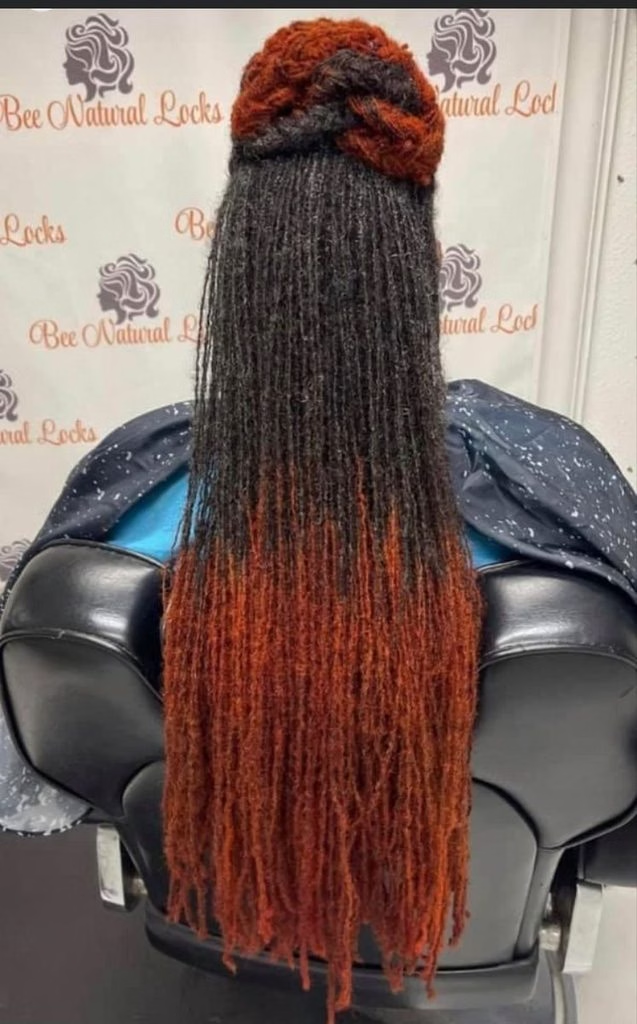
Pull one loc out from the base and wrap it around the ponytail band, then pin the tip. Half of your hair can go up in a top knot, and the rest can hang loose.
My neighbor Keisha started wearing this top knot on Mondays, and now she gets compliments every single week. Practice each style once on a calm evening so you do not stress when the morning rush begins.
Keep a few strong clips and bobby pins by the mirror so you can fix any loose section quickly. Fast styles are not a shortcut that hurts your hair, and they actually protect your ends from daily friction.
Rotate between two or three go to looks, so your roots do not carry the same weight every day. These small routines keep your mornings calm, and they give you more time for coffee and breakfast.
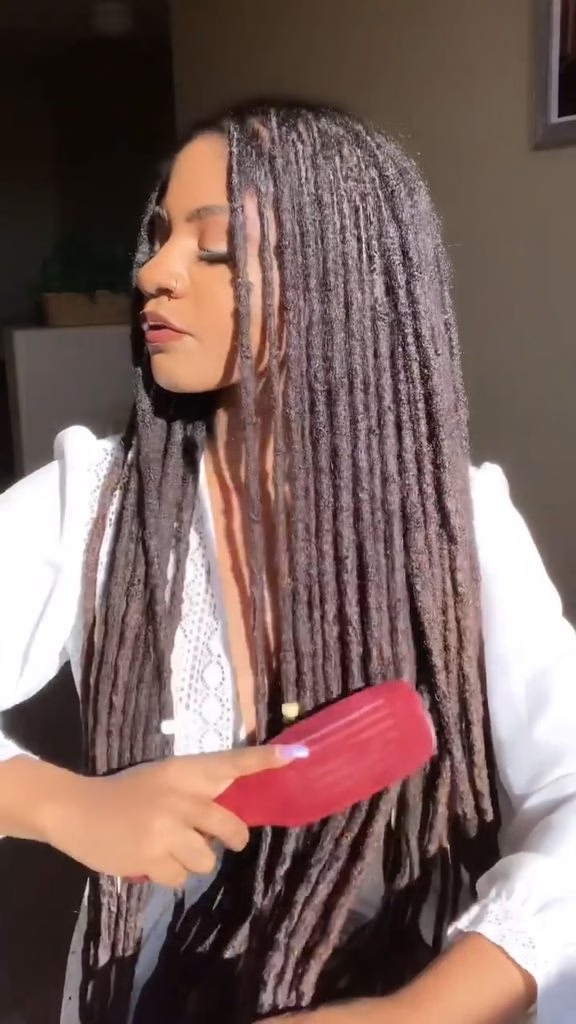
Style Ideas Based on Your Length
Do you know which styles work best at your current length, and which ones strain your roots?
The right style depends on how long and how thick your locs feel on a normal day. This guide to locs updo styles by hair length breaks it down for short, medium, and long hair.
Long locs give you the most options, but they also need the most support from pins and bands. Heavy updos can strain your scalp, so choose styles that spread the weight across several anchor points.
Use two or three small sections to hold the bun in place instead of one tight pin. Test every new style by shaking your head gently, and adjust anything that feels like it pulls.
Pain is a warning sign, and ignoring it can lead to thinning around your edges and temples. If a style gives you a headache by lunch, take it down and choose something lighter tomorrow.
Your roots will thank you, and your hair will keep growing instead of breaking at the base. Comfort should always come first, and a style that feels light will last longer on your head.
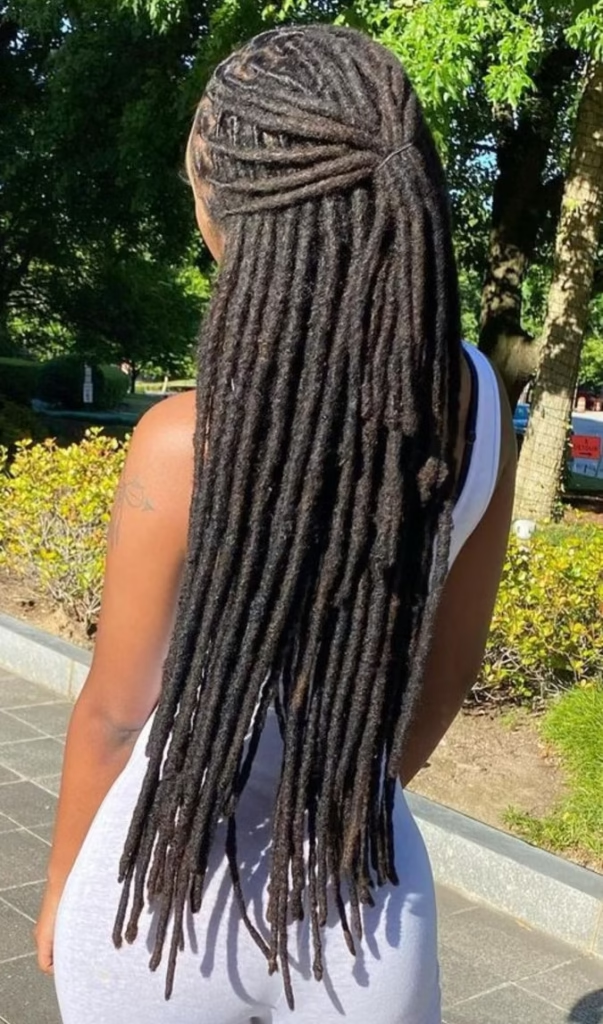
Easy Half Up Looks
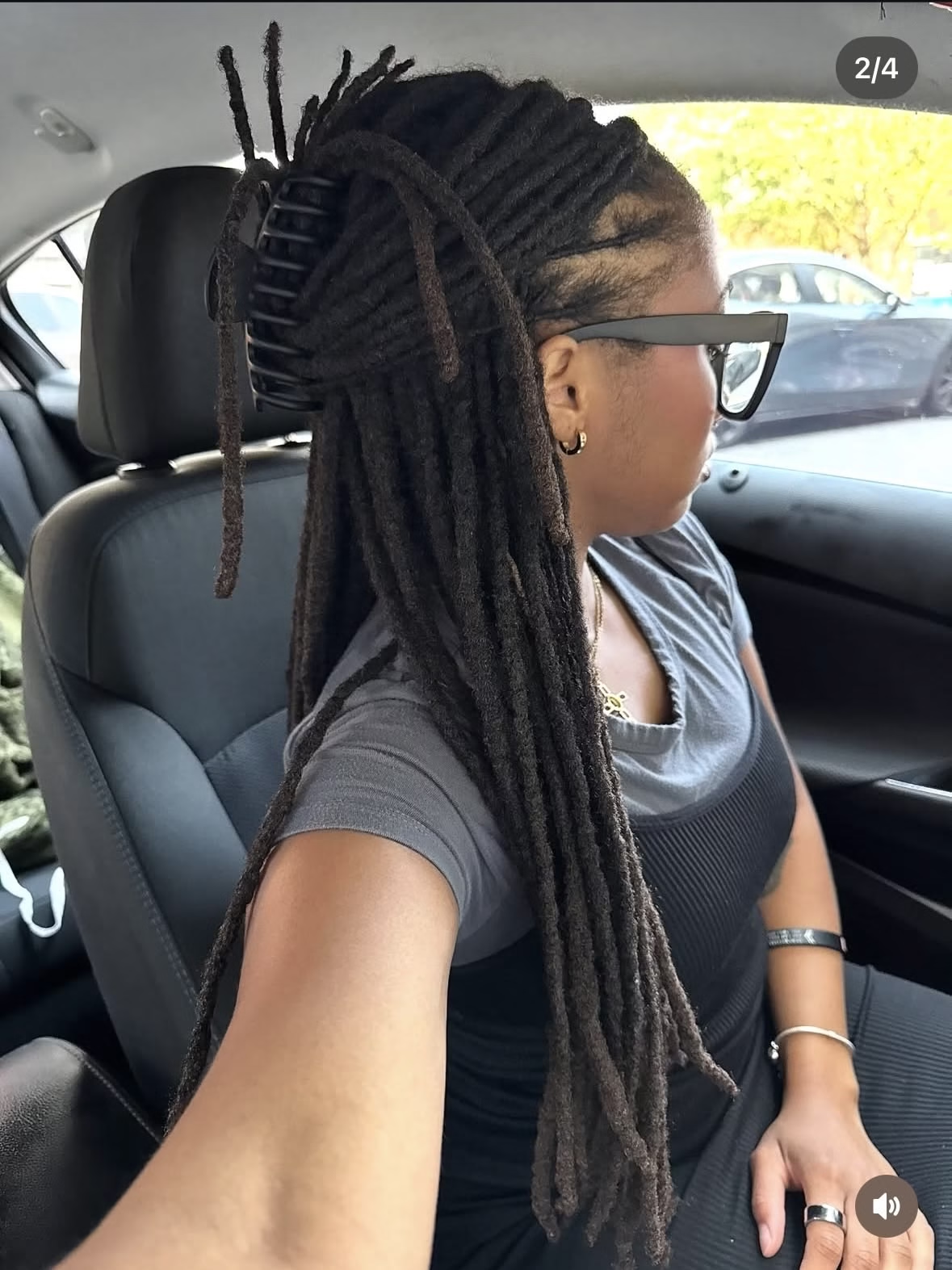
Half up styles give you the best mix of speed, comfort, and a polished look. You can find plenty of inspiration in these half up half down locs styles made for Black women.
Take the top section from ear to ear, gather it, and secure it with a soft band. Leave the rest loose, and the weight of your hair stays comfortable on a long day. A small twist at the front adds shape, and you can pin it in place with one clip.
Half up styles also give your scalp a break, since the weight shifts from the top to the back. They take under five minutes once you practice, which fits perfectly into a one hour week.
Avoid pulling the top section too tight, because the pressure can cause tension at your hairline. If your locs are very long, use two bands, one high and one lower, to share the weight.
Finish with a light oil on the lengths to boost shine, and you are ready to walk out. Half up looks also work for school pickup, dinners, and casual work days without any extra effort.
Crown Braids for Extra Special Days
Imagine walking into a dinner or a family event with a crown of locs framing your face.
These locs crown braid updos look regal, and they take about twenty minutes once you learn the pattern. Part your hair from ear to ear, and pin the back section out of your way.
Braid or twist the front sections around your head, and pin the ends under the opposite side. Use hair pins that match your locs so the look stays clean and nothing flashes in photos.
Long locs make full crowns possible, and the weight sits evenly around your whole head. A crown also protects your ends all day, since everything stays tucked up and away from your clothes.
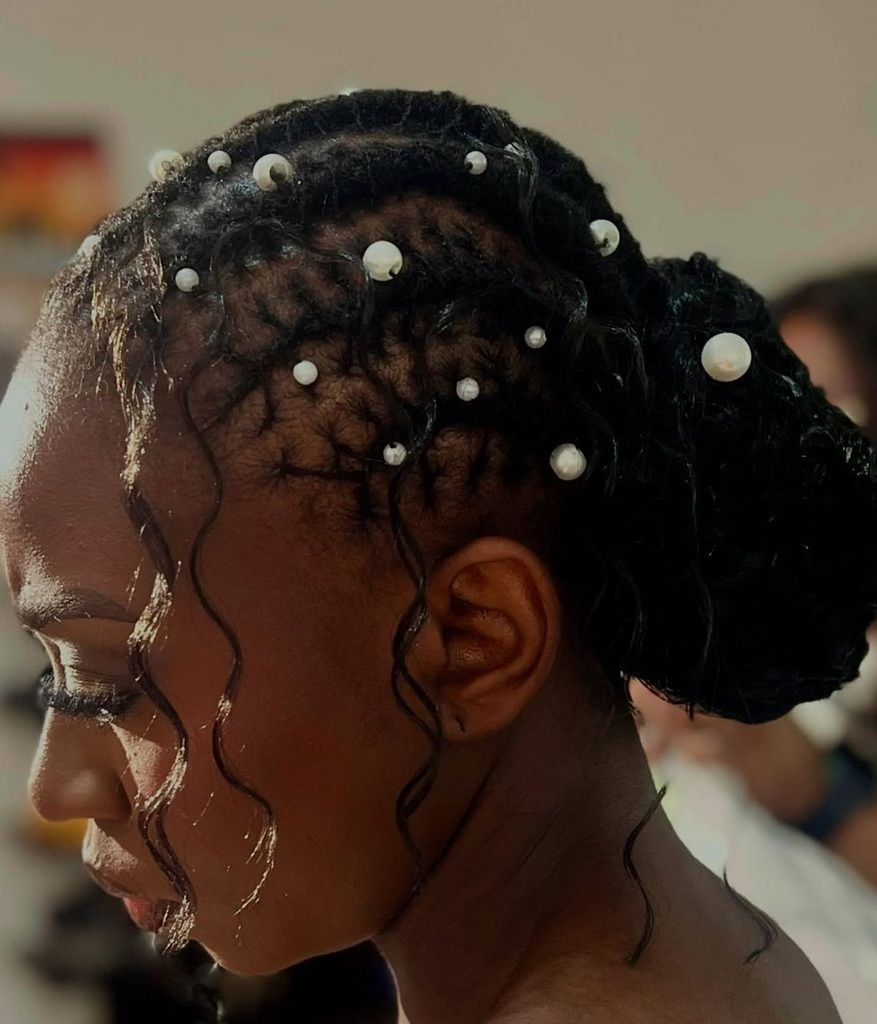
Practice before the event, and take a photo from the back so you can check the finish. Add a few flowers or small beads if the occasion calls for it, but keep the base simple.
Remove the pins slowly at night, and give your scalp a gentle massage as a reward. A crown braid might look really advanced, but with practice it becomes a quick and lovely habit.

Updos for Weddings and Big Events
What if the big day is coming, and you want your long locs to look perfect without panic? Start planning two months ahead, and keep your wash day and retwist schedule steady until then.
A fresh retwist about one week before the event keeps your roots neat without looking too new. For a bride, these wedding loc updo styles for black brides show how elegant and secure an updo feels.
If you want more options, the bridal locs updo ideas cover every wedding style from classic to modern. Do a full trial run with your stylist, or by yourself, at least two weeks before the date.
Take photos from every angle, and decide if you want to keep a few locs down for movement. Pack extra pins, a small spray bottle, and a satin scarf in your event bag.
On the day, apply a tiny amount of oil, and skip heavy gel that leaves flakes on your shoulders. Secure the updo with more pins than you think you need, because dancing tests every hold.
Ask a friend to check the back of your hair before photos, so nothing surprises you later. With a clear plan and a calm mind, your wedding hair will feel like the easy part.
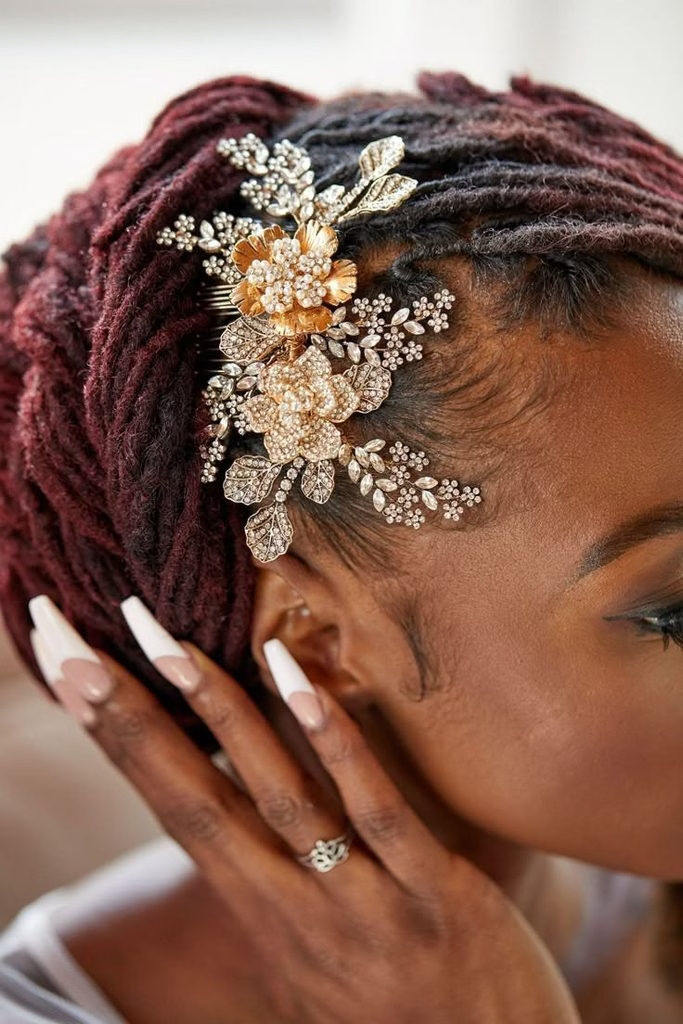
Accessories That Do the Styling for You
Accessories add style in seconds, and they save you from learning complicated techniques or long sessions. This locs accessories guide covers cuffs, beads, wraps, and everything between, so you can pick what fits you.
A single gold cuff on one loc can turn a simple low bun into a complete outfit. Choose smooth accessories with wide openings, because tight or rough ones can snag and break your hair.
Keep beads and cuffs on the lower half of your locs, where the hair is the strongest. Heavy accessories at the roots can pull, so save the big pieces for short events.
Fabric wraps and silk scarves protect your hair as they decorate it, which doubles their value. A colorful wrap changes your whole look in under a minute, and it hides new growth between retwists.
Remove accessories at night, and check each one for rough edges before you wear it again. Clean your cuffs and beads every few weeks to stop product and dirt from moving into your hair.
A small collection of five or six pieces is plenty for a full year of looks. Accessories should make your life easier, so choose pieces that feel comfortable from morning until night.
Color Without Damage
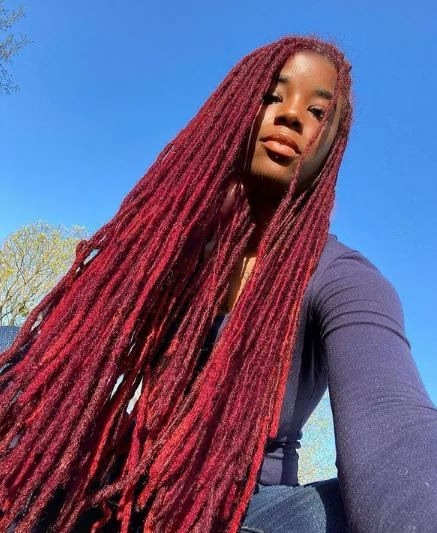
Can you color long locs without ruining the health you worked so hard to build? Yes, but you need patience, because long locs hold color differently along each strand from root to tip.
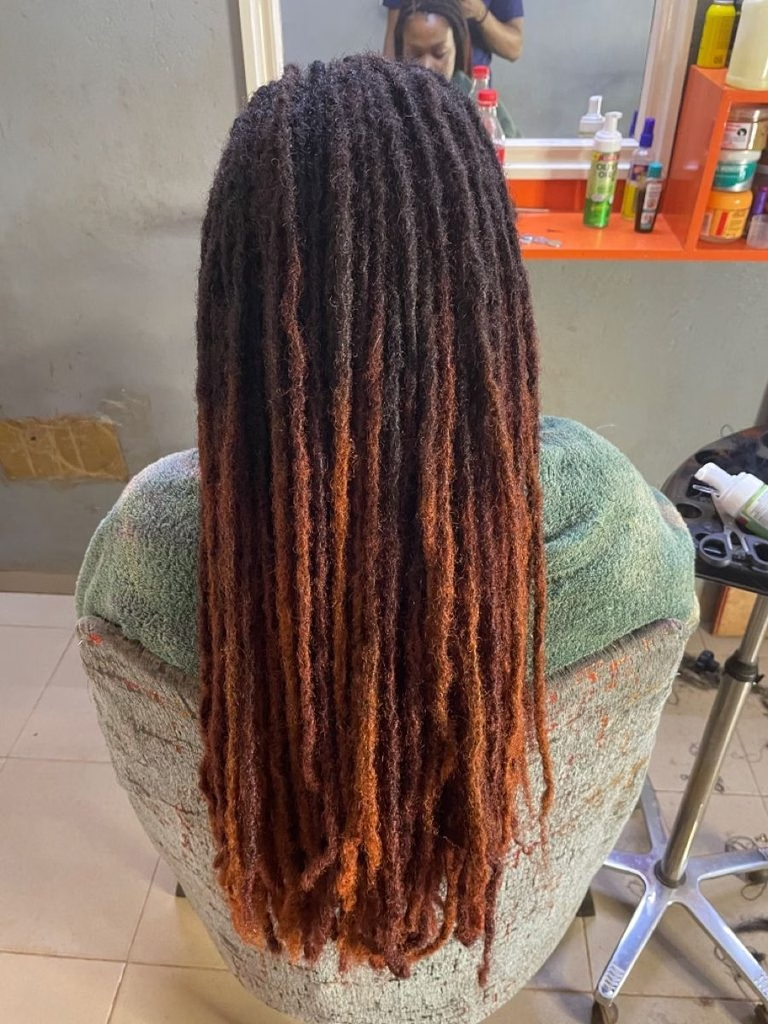
Check out these colored locs for black girls for ideas that protect your hair while adding fun shades. Semi permanent dyes cause less stress than bleach, and they fade gently when you wash your hair.
Bleach lifts the hair cuticle and dries out the strand, so use it only with a trained stylist. Test one loc before you color all of them, and wait a week to see how it holds.
Colored locs need extra moisture, so add one more water spritz and oil session each week. Use sulfate free products on colored hair, because harsh shampoos strip color and dry the strands.
Cover your hair with a scarf or hat in strong sunlight, since the sun can fade bright shades quickly. If you want color without commitment, try temporary sprays or color wraps for special days.
Always wash out temporary color before bed to protect your pillowcase, your bonnet, and your hair. Healthy color is very slow and gentle, and your patience will show in how your locs shine.
Care Tips as You Get Older
Your hair changes with age, and your care routine should shift along with those changes over time.
Hormones, health, and time can make locs drier, thinner, or more fragile than they used to be. These mature locs styles for women over 40 show how polished and confident a woman can look at any age.
Use gentler tension, softer bands, and lighter styles to protect your edges as the hair becomes more delicate. Increase your oil and water routine slightly, since mature hair often needs more moisture to stay supple.
Schedule more frequent scalp checks, because early care prevents thinning and keeps your roots strong. Wearing a satin bonnet every night matters even more as your hair ages and gets more delicate.
Save this for later: short locs for women in their 30s has polished ideas for a shorter look. Never be afraid to ask a trusted stylist for advice when something feels different about your hair.
Healthy locs at fifty can look just as full and beautiful as locs at twenty. Care that grows with you keeps your locs strong, and your confidence grows along with them.
Conclusion
So, is maintaining locs really as difficult as people think, or is it simply a matter of planning? Not at all, because one focused hour a week can keep your long locs clean, soft, and strong.
Wash gently, care for your scalp, retwist only when needed, and protect your hair every night. Keep your products light, your styles easy, and all of your tools together in one simple basket.
Use fast styles on busy days and save the fancy looks for the moments that matter. Be patient with your hair, because length comes from consistency and not from endless work.
Start this week with one small change, like a satin bonnet or a lighter oil. Then add one new habit every week until the whole plan feels natural and easy.
Your locs will reward you with growth, shine, and a routine that finally fits your life.