
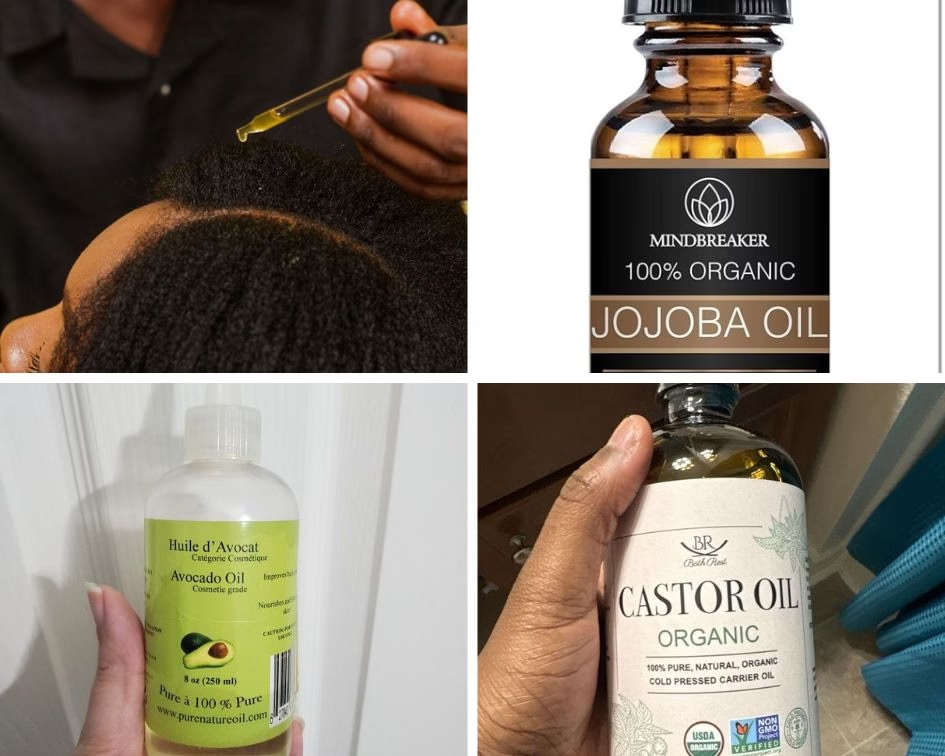
Walk down any hair aisle, and you will find dozens of oils that all promise longer, shinier locs. The truth is that oils do not make hair grow faster, but they can protect length and shine.
Good oils lock in moisture, soften the hair, and reduce breakage, and that helps your locs stay longer. A healthy scalp also grows stronger hair, so the right oil on the right spot can really help.
If you are new to locs, read everything you need to know before you start locs first. Then use this guide to choose from eight oils that suit your hair, your scalp, and your budget.
So let us look at each oil, how to use it, and who should be careful with it. Always do a patch test first, because even natural oils can cause a reaction on some skin.
Best Oils for Long Locs Growth and Shine: Top 8 Products to Try
1. Jojoba Oil for Gentle Balance
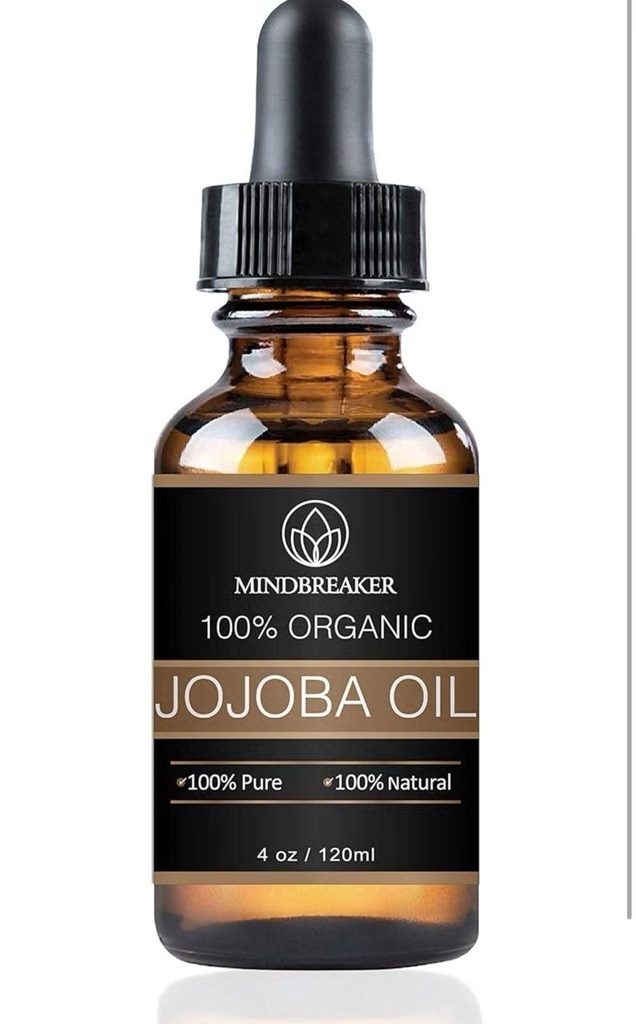
Jojoba oil is one of the gentlest and most popular choices for locs, and it suits almost every hair type. Technically, jojoba is a liquid wax, and its makeup is close to the natural oil on your scalp.
Because of that, it absorbs well, and it does not feel greasy or heavy on locs. Also, jojoba can calm a dry scalp, and it helps keep the hair soft and flexible.
So soft locs bend instead of snapping, and that is how oils help you keep your length. It is light enough for short locs, such as the 22 short locs styles for women in their 30s.
It also suits gentle child care, as the guide on how to maintain kids locs at home shows. To use it, put a few drops on your fingertips, and warm them between your palms.
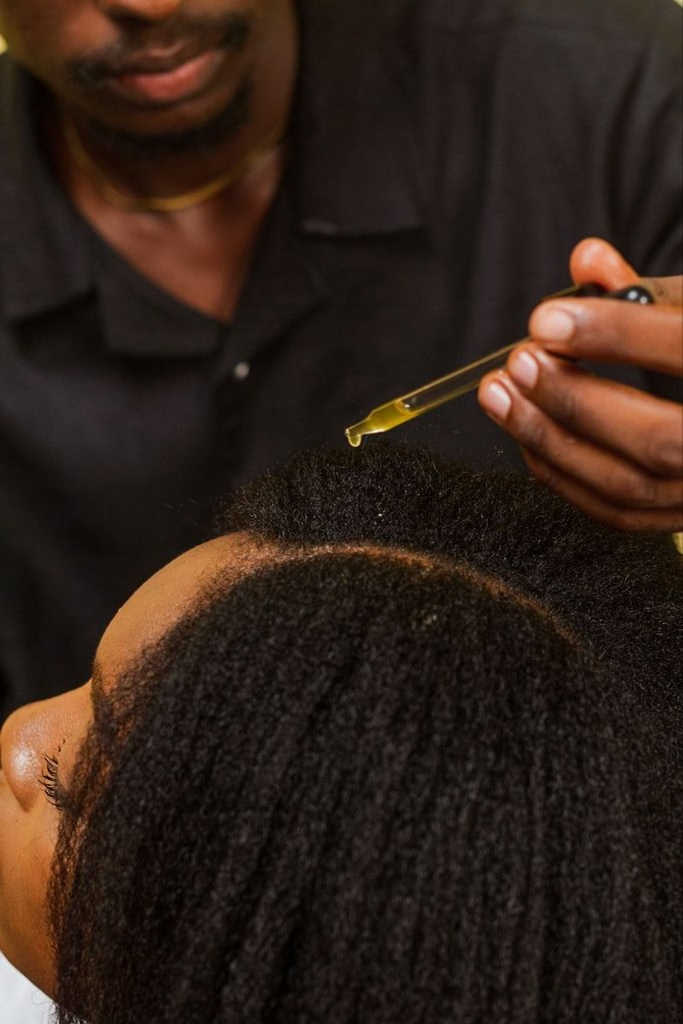
Then smooth the oil along your slightly damp locs, from the roots all the way to the tips. Next, for the scalp, part your locs, and dab a tiny amount directly on the skin.
Massage gently with your fingertips for about a minute, and avoid pressing hard or scratching. Start with three to five drops for the whole head, and add more only if needed.
Use it on water misted locs, because oil seals in moisture and does not create it. Now most people use jojoba two or three times a week, or whenever their locs feel dry.
And look for pure, cold pressed jojoba oil in a dark bottle, since light can spoil oils. Check the label, and avoid blends that add heavy perfume, dyes, or cheap filler oils.
Jojoba is usually well tolerated, but a patch test is still smart before regular use.
If you notice redness, itching, or bumps, stop using the oil and rinse the area. Too much of any oil, jojoba included, can cause buildup that dulls locs and weighs them down.
So use small amounts, and clarify your locs about once a month to keep them fresh. Jojoba is a great first oil if you are new to oiling, since it is forgiving and easy.
Keep it in your routine for steady softness, balanced moisture, and a healthy looking shine.
2. Castor Oil for Thick, Strong Roots
Castor oil has a long history in hair care, and many people swear by it for thickness and strength. My client Brenda from Tampa used castor oil on her roots for six months, and she loved how it felt.
Plus, her scalp felt calm, her edges looked fuller, and her locs felt strong and soft. Still, the honest truth is that science has not proven that castor oil makes hair grow faster.
But what it can do is coat the hair, seal in moisture, and make strands feel thicker and smoother. That coating can reduce breakage, and less breakage means more length stays on your head.
Castor oil is thick, sticky, and heavy, so it needs very careful use on locs. But too much can build up inside the locs, and it can make them stiff and hard to rinse.
Long locs already carry a lot of weight, as the locs updo styles by hair length guide explains. So use castor oil sparingly, and keep it mostly on the scalp and the edges.
Now a great trick is to mix one part castor oil with two or three parts of a lighter oil. Jojoba, grapeseed, or sweet almond oil all work well as a lighter partner for the mix.
Then apply the mix to your fingertips, and dab it onto parts of the scalp, not all over. Massage gently for a minute, then let the oil rest before you cover your locs.
Use it once or twice a week at most, and wash it out on your regular wash days. Many women over forty look for thickening oils, and the 15 mature locs styles for women over 40 inspire them.
Hormone changes, stress, and age can all thin hair, so castor oil is not a cure for those causes. If you notice sudden thinning, talk to your doctor before you rely on any oil.
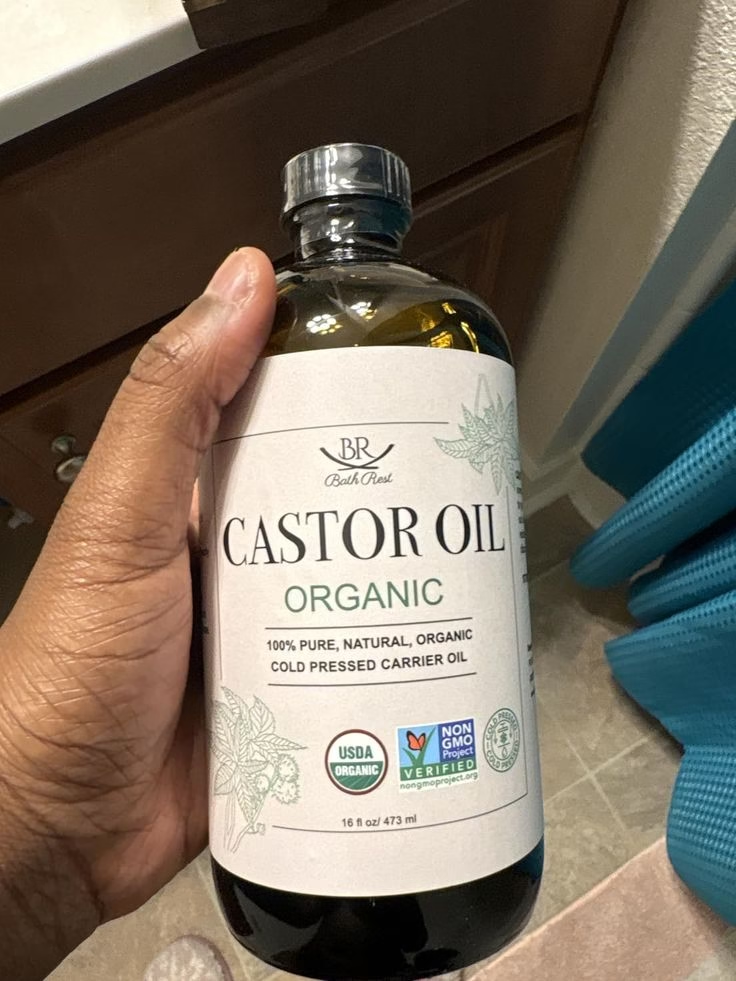
Choose pure castor oil in a dark bottle, and avoid products with heavy perfume or fillers. Some people use Jamaican black castor oil, which is made from roasted beans and feels darker and thicker.
That version can be more irritating for some scalps, so a patch test matters even more. Also, keep castor oil away from your eyes, and rinse well if it gets on your face.
Still, give castor oil a fair try for a few months, and judge it by how your locs feel.
Used wisely, castor oil can be a strong partner for a healthy scalp and sturdy roots.
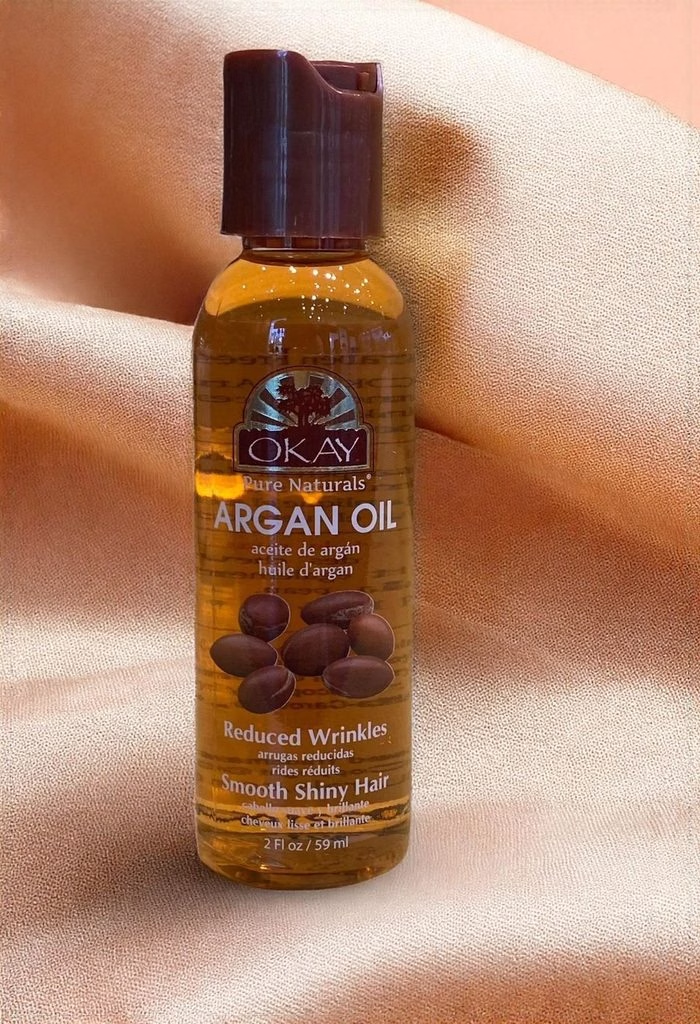
3. Argan Oil for Shine and Softness
Argan oil is known for its silky feel, and it adds a lovely shine to locs. It comes from the kernels of the argan tree, and it is rich in vitamin E and fatty acids.
And those nutrients help soften the hair, smooth the surface, and protect locs from daily dryness. Argan oil is lighter than castor oil, but it feels richer than jojoba or grapeseed.
So that makes it perfect for adding shine to the length of your locs, especially the dry ends. Use a few drops on your palms, and smooth the oil over the surface of your locs.
Then focus on the ends, and use only a tiny amount near the scalp to avoid buildup. Argan oil is a favorite for special events, because it gives a soft, polished glow.
Brides love that glow, and the wedding loc updo styles for black brides show how shine lifts a look. For more ideas, browse the 25+ bridal locs updo ideas, and plan your glow in advance.
Add a touch of argan oil on the morning of the event, after your style is finished. Use very little, because too much oil can make a pinned style slip or look greasy.
Argan oil can also help with frizz, because it smooths the outer layer of each loc. Mist your locs lightly with water first, and then seal with a few drops of argan oil.
But pure argan oil can be costly, so buy a small bottle and make it last. Check that the label lists argan oil alone, and not a mix of cheap oils with scent.
Look for the words pure, cold pressed, and unrefined, and store the bottle away from heat. Argan oil comes from nuts, so people with a nut allergy should always skip it.
Always do a patch test first, even if you have never reacted to oils before. Argan oil works well on both natural and colored locs, since it adds shine without heaviness.
Also, shine looks best on clean locs, so wash first and then add your oil at the very end.
A small amount goes a long way, so a few drops for the whole head are plenty. Use argan oil for shine, and let a lighter oil handle your daily scalp care.
With a little patience and a light hand, your locs will glow beautifully in every light.
4. Grapeseed Oil for Light, Everyday Moisture
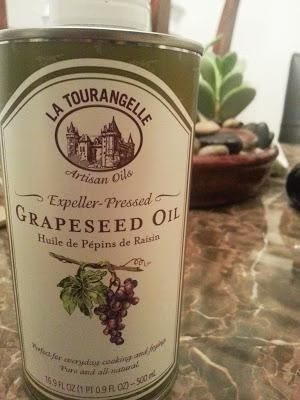
Grapeseed oil is light, thin, and easy to use, so it is perfect for everyday care. It is made from the seeds of grapes, and it absorbs quickly without leaving a heavy film.
My friend Kiana from Atlanta switched to grapeseed oil, and her locs finally stopped feeling greasy. She had used thick butters for years, and buildup had made her locs dull and stiff.
After she switched to light oils and clarified her locs, her shine returned within a month. Grapeseed oil is rich in vitamin E and fatty acids, and it is gentle on most scalps.
It is great for people who are busy, since it takes only seconds to apply each day. Busy mothers can pair it with the 20 easy loc styles for busy moms for a quick routine.
First, put two or three drops in your palms, and smooth them over your damp locs in seconds. Then style as usual, and the oil will keep your locs soft and smooth all day.
Plus, grapeseed oil also works well as a base for mixing with heavier oils or a drop of essential oil. It is also a good choice for styling days, since it does not weigh locs down.
A loose half up style looks lovely with shiny locs, as the 45 half up half down locs styles show. Add a drop of grapeseed oil to the lifted section, and smooth the loose locs beneath it.
Grapeseed oil is light, but it can still build up if you use too much. So use a few drops at a time, and wash your locs on a steady schedule.
Look for cold pressed grapeseed oil, since it keeps more of its natural goodness and scent. And store it in a cool, dark place, because grapeseed oil can spoil faster than some others.
If it smells sharp, bitter, or odd, throw it away and buy a fresh bottle. But people with a grape allergy should be careful, and a patch test is always wise.
Grapeseed oil is a great daily oil for people who prefer a light and clean feel. It will not do anything magical, but it keeps locs soft, and soft locs break less.
Simple oils and steady habits will always beat expensive products and big, loud promises online.
5. Sweet Almond Oil for Soft, Glossy Locs
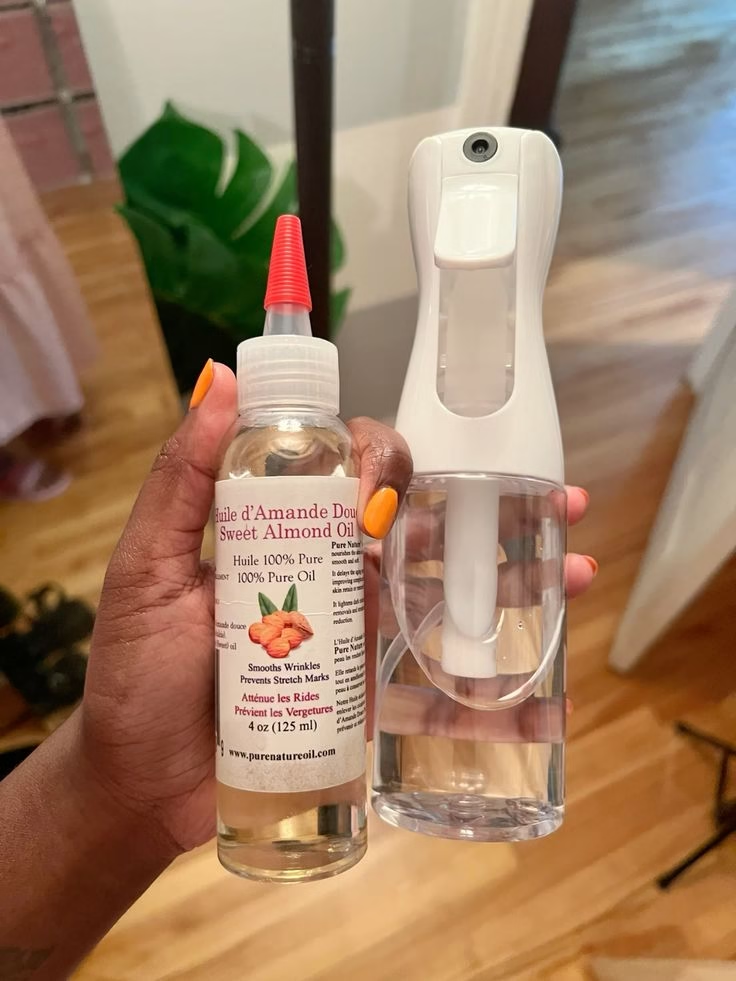
Sweet almond oil is soft, silky, and gentle, and many people find it easy to love. It comes from almonds, and it is rich in vitamin E, which supports healthy hair.
Sweet almond oil has a light feel, and it spreads easily over the surface of locs. Also, it adds a soft sheen, and it helps smooth frizz and flyaway hairs along the surface.
Color can leave locs dry, so the 39 colored locs ideas for black girls all need gentle oils. Sweet almond oil helps colored locs feel soft and look glossy without a heavy coating.
Next, use a few drops on damp locs, and smooth the oil from the middle down to the tips. For the scalp, use one or two drops, and massage gently with your fingertips for a minute.
It is a lovely oil for styling days, because it adds shine without making locs greasy. Light accessories look beautiful on shiny locs, and the locs accessories guide shows many options.
Then apply oil before you add cuffs or wraps, so the surface is smooth and neat. Wipe off extra oil from your hands, because slippery fingers can make accessories slide off.
Sweet almond oil is a good partner for castor oil, since it thins the mix nicely. Try one part castor oil with three parts sweet almond oil for a balanced blend.
Almond oil is a nut oil, so anyone with a nut allergy must avoid it completely. Even without an allergy, do a patch test, and wait a day before using it widely.
Also, choose pure, cold pressed sweet almond oil, and check that it is labeled for cosmetic use. Avoid bitter almond oil, since it is not meant for use on skin or hair.
Store it in a cool, dark cupboard, and use it within a year for the best quality. Because it is light, sweet almond oil is easy to rinse out on wash day.
Plus, almond oil pairs well with a light mist, because water first makes the oil spread evenly.
Even so, too much oil can build up, so keep the amounts small and steady. Use it two or three times a week, or when your locs feel dry and dull.
Sweet almond oil is a gentle, pretty choice for anyone who wants soft, shiny locs.
6. Avocado Oil for Rich Moisture
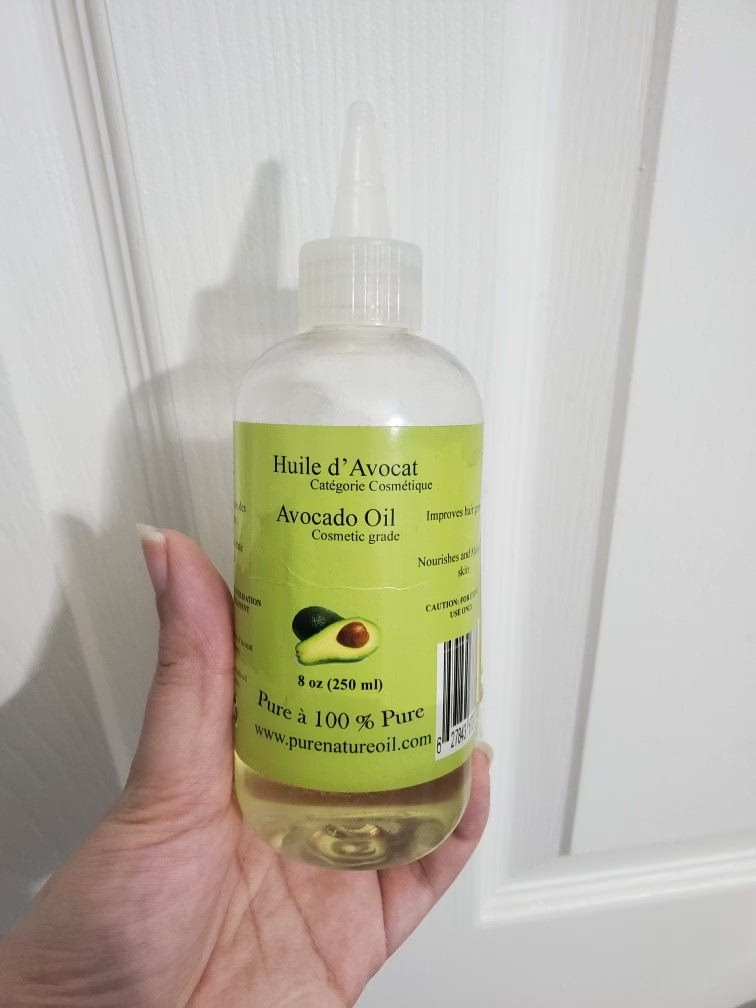
Avocado oil is rich, smooth, and deeply moisturizing, and it is a favorite for dry locs. And it is full of healthy fats and vitamins, which help soften hair and nourish the scalp.
Because it is thicker than jojoba or grapeseed, it works best on very dry or coarse locs. It is also great in cold weather, when dry air and cold wind rob locs of moisture.
The 12 long locs styles for fall and winter show cozy looks that pair well with rich oils. In winter, mist your locs with water, and then seal with a few drops of avocado oil.
Then cover your locs with a satin lined hat outdoors, so the oil and moisture stay in. Avocado oil is heavier, so use less than you think you need, especially on the scalp.
Next, warm one or two drops in your palms, and press them gently onto the ends. Then smooth any leftover oil down the length, and stop before your locs feel slick.
Once a week is enough for most people, and fine hair may need even less. If you have a very sensitive scalp, keep avocado oil on the lengths and away from the roots.
Also, look for cold pressed or unrefined avocado oil in a dark bottle for the best quality. Refined avocado oil is lighter and cheaper, but it may contain fewer of the helpful nutrients.
Both types can still help soften your locs, so choose the one that fits your budget. Avocado allergies are rare but real, and some people who react to latex also react to avocado.
If you have a latex allergy, ask your doctor before you try avocado oil on your hair. As always, do a patch test, and stop at once if you see redness or itching.
Unrefined avocado oil has a rich green color and a mild scent that some people enjoy. And rinse thoroughly on wash day, because rich oils can linger if you use too much.
So if your locs feel dry in winter, try avocado oil on the ends once each week.
A clarifying wash once a month helps keep rich oils from building up inside the locs. Avocado oil is a wonderful winter oil, and it is a great choice for very dry locs.
Keep it in your routine for the colder months, and your locs will feel soft and loved.
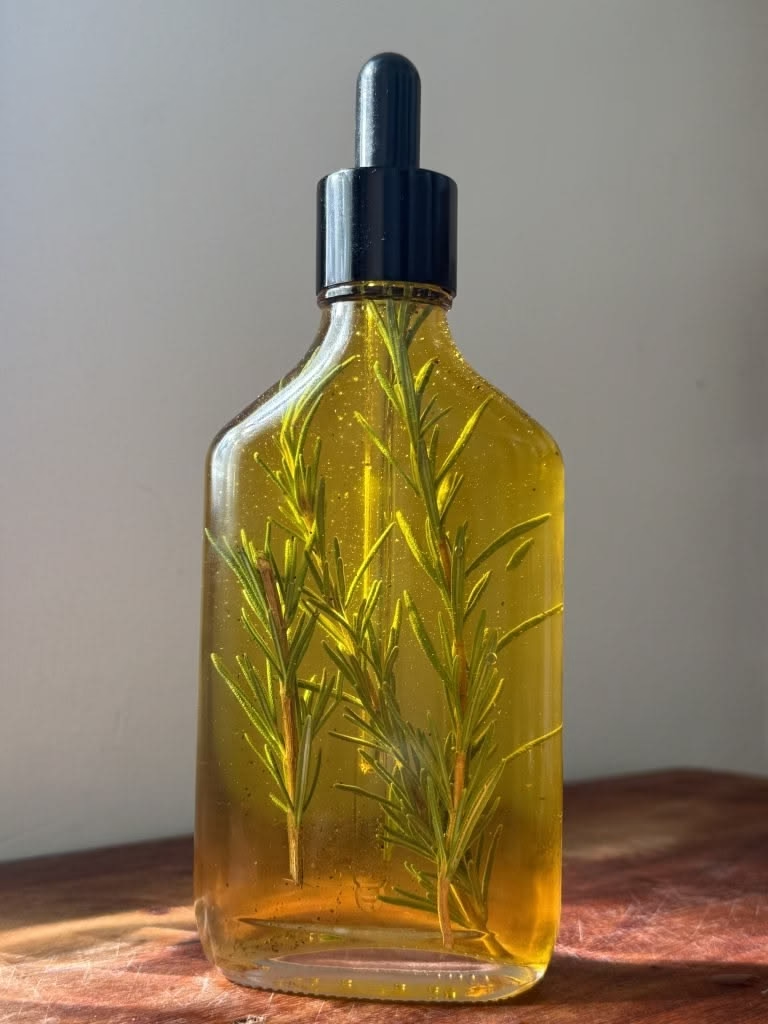
7. Rosemary Oil for a Healthy Scalp
Rosemary oil has become very popular, and many people hope that it can support thicker, fuller hair. Some small studies suggest that rosemary oil may help scalp health and hair thickness, but the research is limited.
So treat it as a helpful extra for your scalp, and not as a magic fix. Rosemary essential oil is very strong, and it must always be diluted before it touches your skin.
First, mix about two or three drops of rosemary oil into a tablespoon of a light carrier oil. Jojoba, grapeseed, or sweet almond oil all make excellent and gentle carrier oils for this blend.
My neighbor Joyce from Charleston tried a diluted rosemary blend once a week on her scalp. Plus, she liked the fresh scent and the cooling feel, and she kept her routine simple.
Next, apply the blend with a dropper, and place it along the parts of your scalp. Massage gently for a minute or two, and never rub hard or scratch your skin.
Retwist day is a good time to use it, as the guide on retwisted locs and freeform locs explains. And your scalp is clean and exposed then, so the blend reaches the skin more easily.
Use the blend once or twice a week, and take breaks if your scalp feels irritated. Never put undiluted rosemary oil on your scalp, since it can burn, sting, or cause a rash.
Keep it away from your eyes, your ears, and any broken skin or open sores. Pregnant women, people with seizure disorders, and people with high blood pressure should ask a doctor first.
That is because strong essential oils are not right for everyone, even in small amounts. Children should not use rosemary essential oil, so choose gentler oils for their young scalps.
Always do a patch test with the diluted blend, and wait a full day for results. Buy pure rosemary essential oil from a trusted source, and check the label for the plant name.
Store the bottle tightly closed, away from heat and light, and out of reach of children. If you notice sudden thinning or itching that will not go away, see a doctor.
Still, check with your doctor first if you have a health condition or take daily medicine.
Rosemary oil can be a pleasant extra, but healthy habits will always do most of the work.
8. Coconut Oil for Shine and Protection
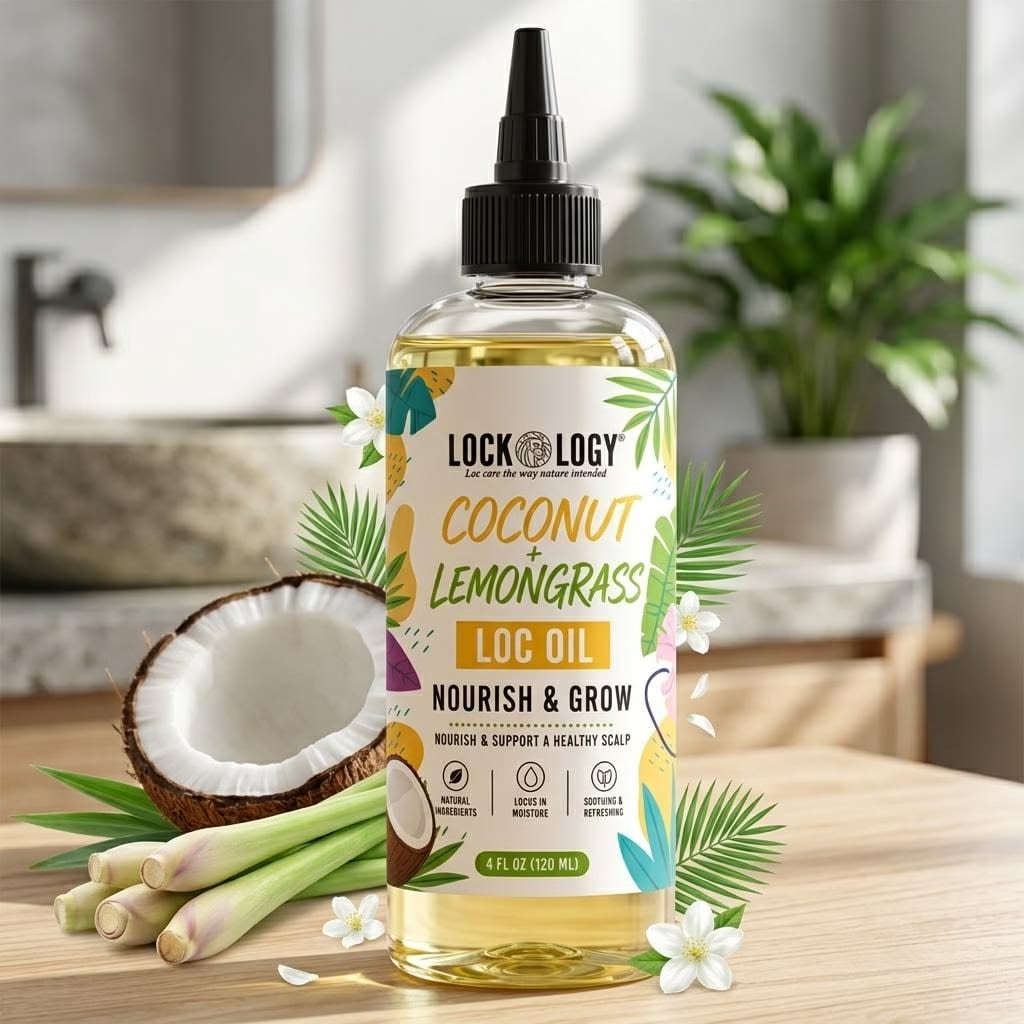
Coconut oil is one of the most familiar oils, and many people already have a jar at home. Some research suggests that coconut oil can slip into the hair shaft and help reduce protein loss.
Also, that can make the hair feel stronger and smoother, and it adds a lovely natural shine. But coconut oil is not right for everyone, and the honest truth is that results vary.
Some people find that it makes their locs stiff, dry, or heavy, especially if they use a lot. Coconut oil is solid in cool rooms and liquid when warm, so it can be messy to use.
Fractionated coconut oil stays liquid and feels lighter, so many people prefer it on locs. If you want to try coconut oil, start with a very small amount on the ends.
Warm half a teaspoon in your palms, and press it gently along the lower half of your locs. Then wait a few days, and see how your locs feel, look, and smell before you use more.
If your locs feel soft and smooth, you can keep using it once or twice a week. If they feel stiff, rough, or heavy, stop using it, and wash your locs with a clarifying shampoo.
Coconut oil is often used on the scalp, but it can clog pores or cause itching for some people. So keep it on the lengths, and use a lighter oil near the roots and the scalp.
Coconut oil may also work as a pre wash treatment, since it can help reduce water swelling. Apply a thin layer before you wash, and shampoo thoroughly so that no oil remains.
Longer locs look stunning when they shine, as the 12 locs crown braid updos show in every photo. A crown wrap with glossy locs looks regal, and a tiny amount of oil makes it pop.
Next, choose unrefined, virgin coconut oil, or fractionated oil if you want a lighter and cleaner feel. Keep the jar clean, and use a dry spoon, so water and germs stay out.
Coconut allergies exist, so do a patch test first and stop if you see redness. Remember that no oil works for every head, and your own results matter the most.
Also, if coconut oil works for you, enjoy it, and if it does not, simply try another oil.
Try one oil at a time, and give each one a few weeks before you decide.
Final Thoughts on Choosing Your Oil
No single oil is best for every head, because every scalp and every set of locs is different. Jojoba is gentle, castor is thick, and argan adds shine, while grapeseed keeps things light.
Sweet almond oil is soft, avocado is rich, rosemary supports the scalp, and coconut works for some. Start with one oil, use a small amount, and watch how your scalp and locs respond.
Always do a patch test, and stop at once if you notice redness, itching, or bumps. Remember that oil seals moisture, so mist your locs with water first for the best results.
Clarify about once a month, so oil never builds up and weighs down your locs. Growth comes from a healthy scalp, good nutrition, gentle handling, and a lot of patience.
Oils simply help you protect what you grow, so use them well, and enjoy your shine.