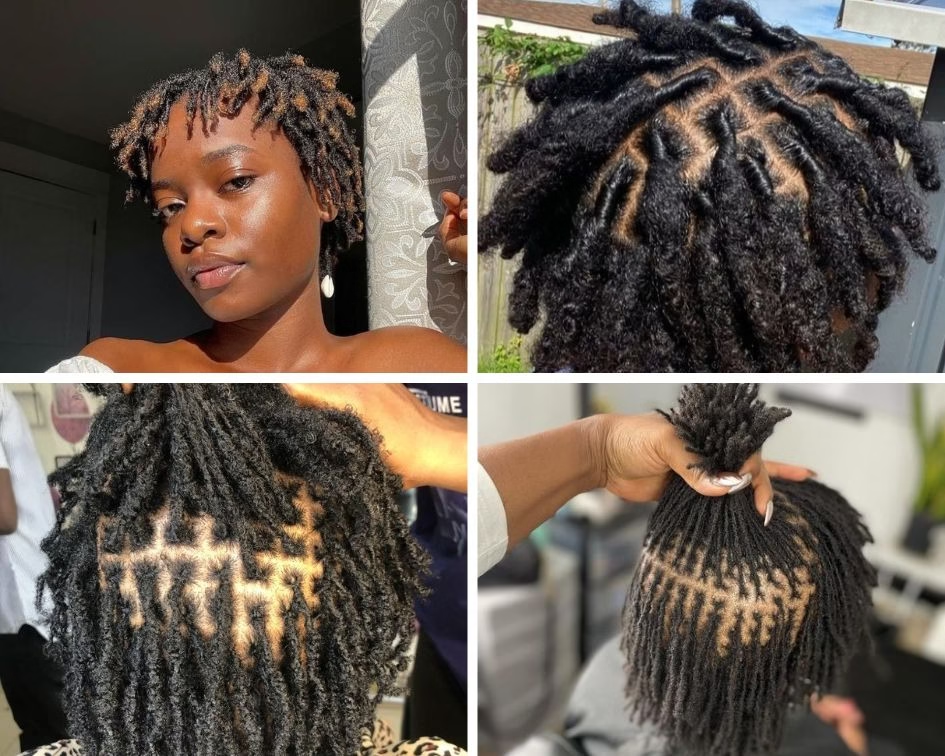
Your short locs will look completely different at month six than they do on day one. That change can feel exciting one week and confusing the next, especially when you do not know what is normal.
Many people panic at the first sign of puffiness, frizz, or thin spots, and they think their locs are failing. But in most cases, your hair is simply moving through the stage that it is supposed to be in.
If you are still thinking about starting, read everything you need to know before you start locs first. And it sets the stage for the month by month story that we are about to walk through.
So let us go through your first year one month at a time, and know what to expect. Also, keep this guide close, and check it each time you wonder if your locs look right.
Short Locs Stages Explained: What Your Hair Looks Like from Month 1 to Month 12
Why Short Locs Change So Much in One Year
A full year of growth adds around six inches of hair, which changes the look of locs a lot. But locs do not grow like loose hair, because the strands twist, knot, and pull themselves tighter.
Also, that tightening is called matting, and it is the reason locs shrink as they mature. So a loc that is six inches long when stretched may sit at only three or four inches.
Your length also decides which styles you can wear, as the locs updo styles by hair length guide explains. Still, every person moves through the same big stages, and the timing is never exactly the same.
The four main stages are the starter stage, the budding stage, the teenage stage, and the mature stage. Your first twelve months cover the starter, budding, and early teenage stages, and each one looks unique.
Also, your texture, your parting size, and your starting method all change how fast you move. Some people see tight locs by month eight, while others need a full eighteen months.
But neither pace is better, and both end with beautiful, strong locs when you care for them well. So use these months as a loose map for your journey, and not as a strict deadline.
Plus, knowing the stages makes each change feel like a pleasant surprise instead of a worry.
Now let us start at the very beginning, with day one and the first month.
Month 1: Neat Starter Locs and Tight Roots
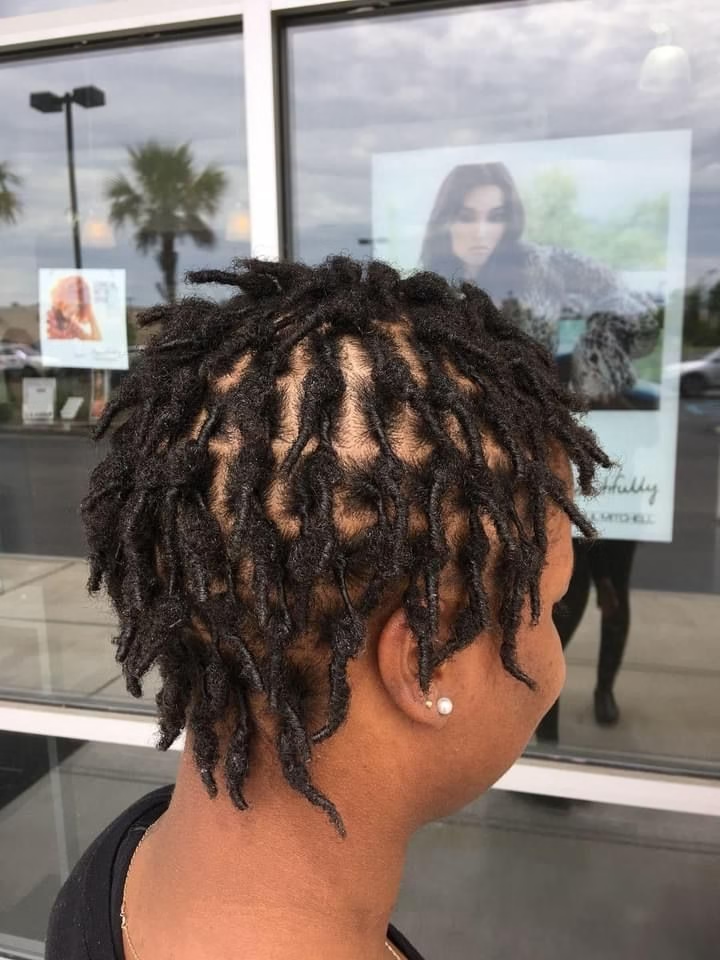
Picture your head right after the install, with small, neat locs lined up in clean parts. At this point, your locs look like tight coils, short twists, or small braided strands.
Plus, they feel firm at the roots, and they usually look quite thin and very delicate. The method you picked shapes this look, and the guide on retwisted locs and freeform locs shows how.
And retwisted locs stay neat and uniform, while freeform locs begin to lose their shape sooner. In month one, your locs are still fragile, because they are not yet knotted inside.
So avoid heavy product, hard pulling, and long soaking baths that can unravel the coils. Ask your loctician when your first wash should happen, since the answer depends on your method.
Many people wait one to two weeks, and then they wash with a stocking cap or a mesh band. Sleep in a satin bonnet every night, because rubbing against cotton can cause early frizz.
Also, resist the urge to compare your coils with anyone else’s, because every head is different.
And keep your hands off your locs, since constant touching leads to puffy, uneven roots. Enjoy this neat look, because it will not last, and the next stages are part of the plan.
Month 2: The First Signs of Change
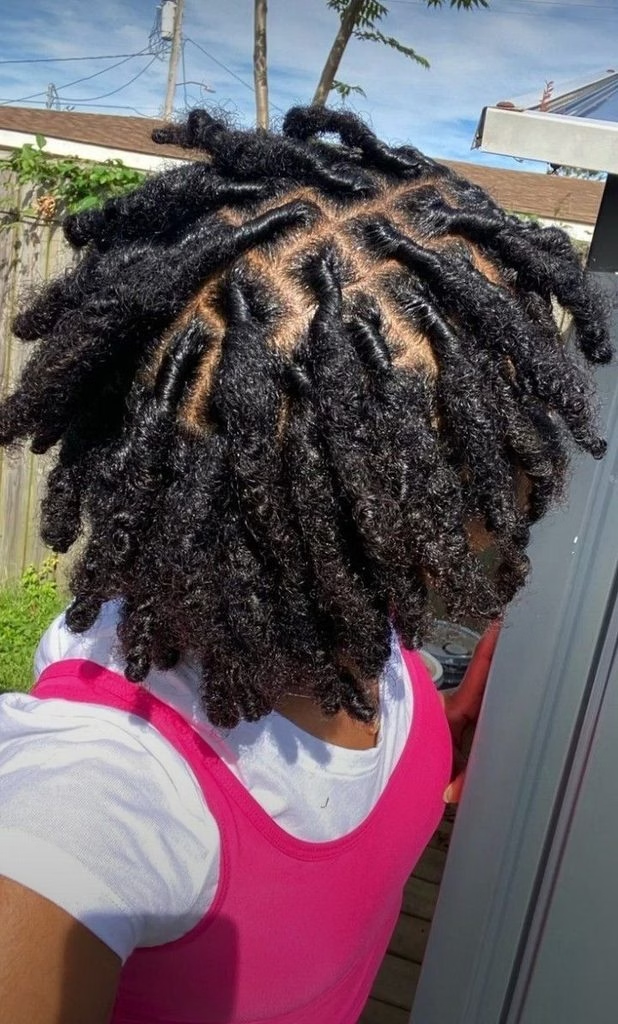
Have you noticed your locs looking a little fuzzier since the first few weeks passed? Still, that is perfectly normal, because new growth has started to push out from the roots.
My client Monica from Baltimore came in at week eight, worried that her locs looked messy. I showed her the new growth, and I explained that her hair was simply doing its job.
Then her first retwist fixed the roots, and she left the chair smiling and feeling very relieved. Most people book the first retwist around week four to eight, depending on their method.
At month two, the locs still look small, but the roots are less sharp and tight. Even kids go through these early changes, as the guide on how to maintain kids locs at home shows.
Still, a gentle routine works at every age, with light moisture, clean roots, and very little tension. Do not retwist more often than your loctician advises, since too much twisting can thin the roots.
Use a light spray of water and aloe, and then seal with a drop of oil. Also, take a photo each month, because small changes are hard to notice day by day.

Month 3: When Swelling and Shrinking Begin
Month three is when your locs start to shrink and swell for the first time. The inside of each loc begins to knot, and the outside may look a bit fluffy.
Your locs may look shorter than they did in month one, and that is not a loss. It simply means the hair is coiling tighter, which is exactly what locs are meant to do.
Age affects how fast this happens, and the 15 mature locs styles for women over 40 show lovely results. Softer or finer textures may take longer, while tight coily textures often lock up faster.
Plus, some of your locs may swell more than others, and that is also completely normal. So do not try to force them to match, because forcing can cause damage and thinning.
Also, expect some thin looking spots, because the hair is still pulling itself together inside each loc.
At this stage, wash your locs every two weeks, and rinse until the water runs clear. Dry them well afterward, since damp locs that stay wet can develop a sour smell.
A light oil on the scalp and a mist on the locs keep everything balanced. Stay patient here, because month three is the doorway that leads into the budding stage.
Month 4: The Budding Stage Takes Over
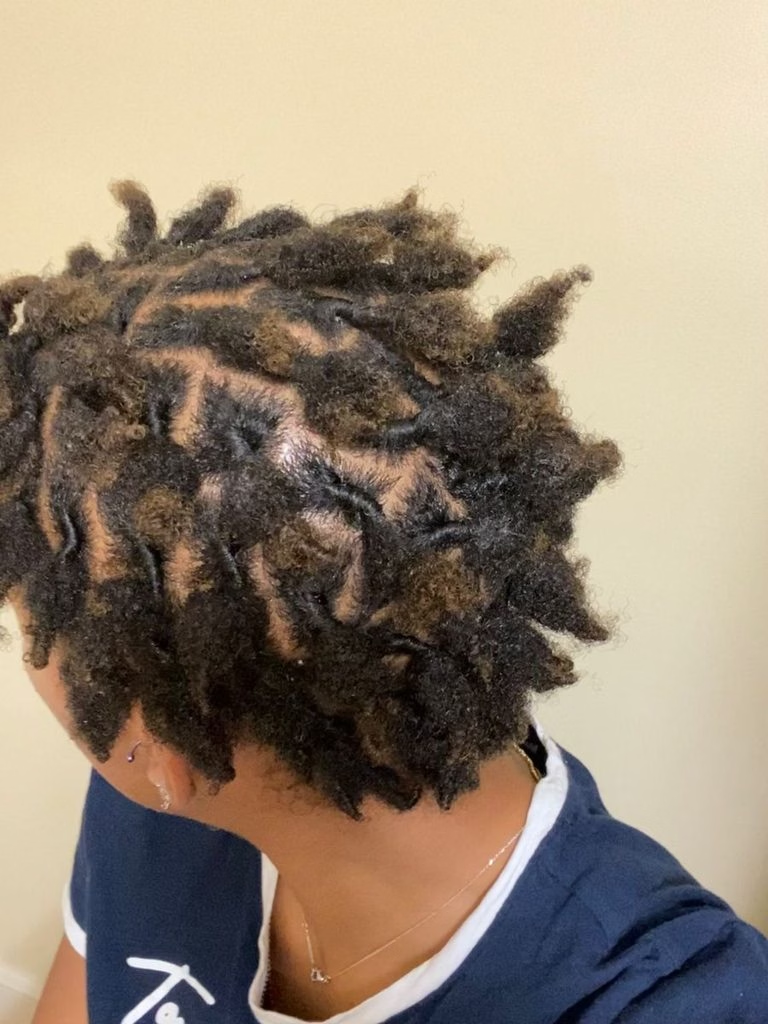
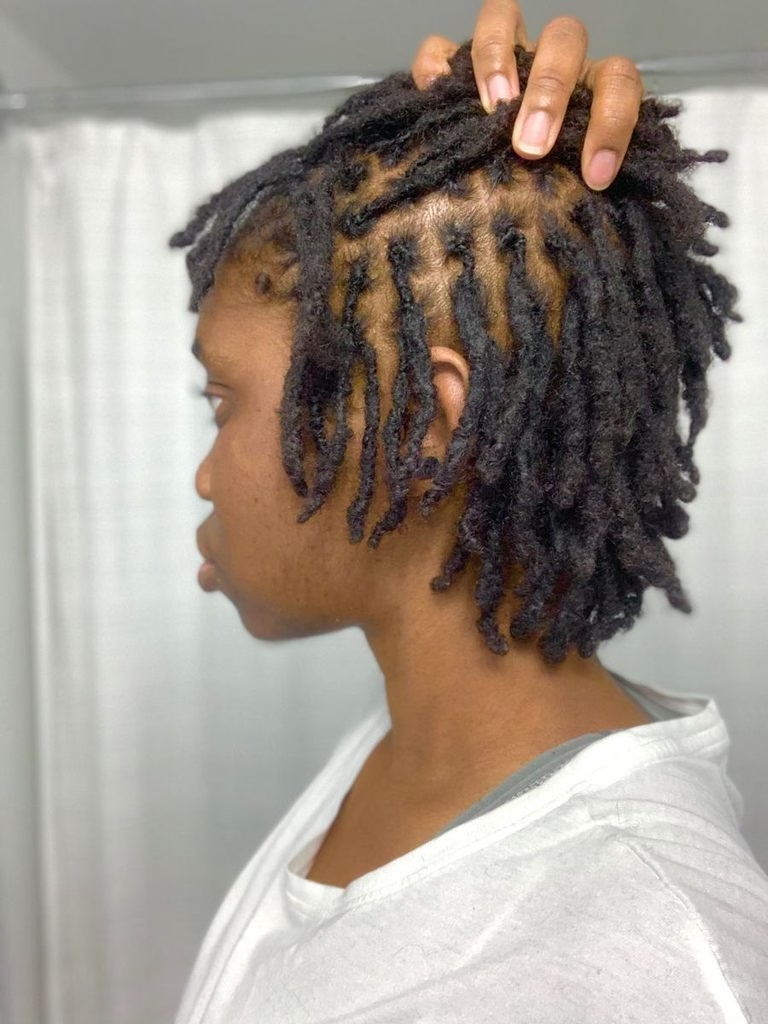
Around month four, most people see their locs enter the budding stage, which looks rough but healthy. Budding means your locs are forming tiny bumps, or buds, as the hair knots inside.
Your locs may feel firmer in some places and softer in others, like a rope in progress. They also look wider, and the neat coils from month one may now look like small puffs.
And this stage is a good sign, because it shows your hair is locking from the inside out. Do not pick at the buds or pull them apart, because that slows the process down.
Next, your roots may need a gentle retwist every four to six weeks to look tidy. Use a light gel or a natural loc butter, and avoid wax, which traps lint in budding locs.
Lint shows up easily at this stage, so wear a satin bonnet and avoid fuzzy sweaters at night. If lint gets in, pick it out gently by hand, and do not use a hard brush.
Also, keep your scalp clean, because buildup at the roots makes new locs look dull. Remember that budding is a short chapter, and the best part of the story is still coming.
Month 5: Frizz, Fuzz, and Patience
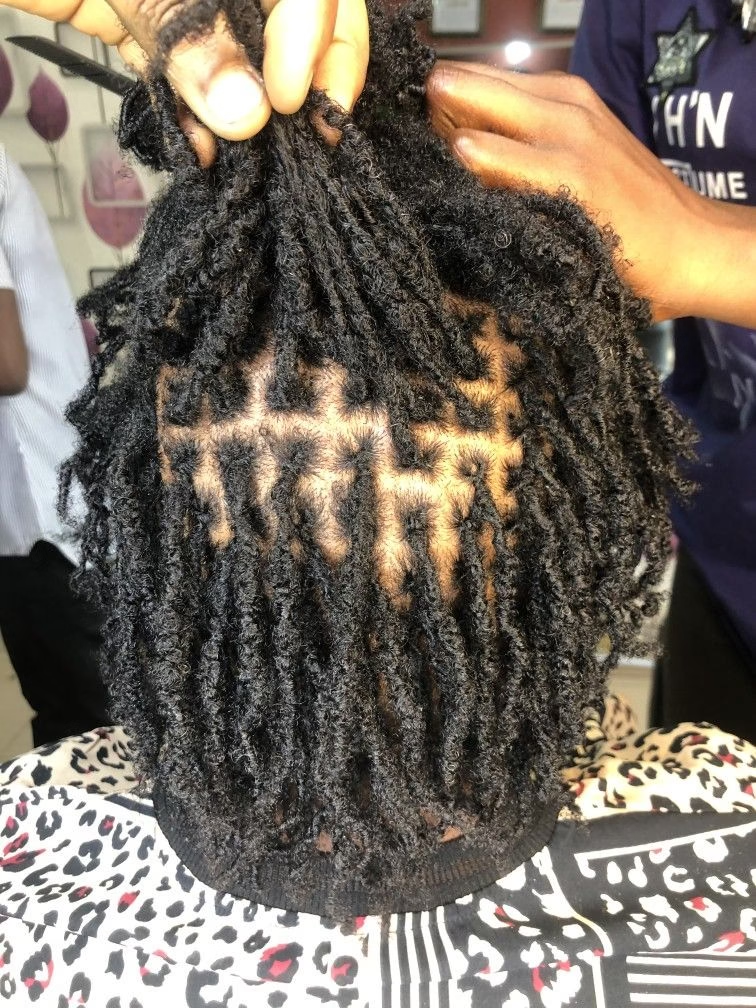
Month five tests your patience more than any other, because frizz and fuzz seem to be everywhere. Your locs may look puffy at the roots, rough along the length, and uneven in size.
Still, some days they look great, and other days they make you want to give up. Please remember that this phase is the price of healthy, strong locs in the long run.
Busy weeks are hard when your locs look rough, but the 20 easy loc styles for busy moms can help. A simple pinned style or a wide headband can hide frizz without hurting your locs.
Do not over wash or over twist to fight the frizz, since that only makes it worse. Instead, keep a steady retwist schedule, and let the hair knot at its own pace.
Plus, a satin pillowcase is a simple fix that reduces friction and keeps your locs smoother. Also, drink enough water and eat well, because healthy hair grows from a healthy body.
Try to avoid comparing your month five to someone else’s month twelve on social media. Everyone who has mature locs once had days when they felt exactly the way you do.
Still, give yourself one good hair day each week, with a favorite style and a fresh mist.
Month 6: The Halfway Point
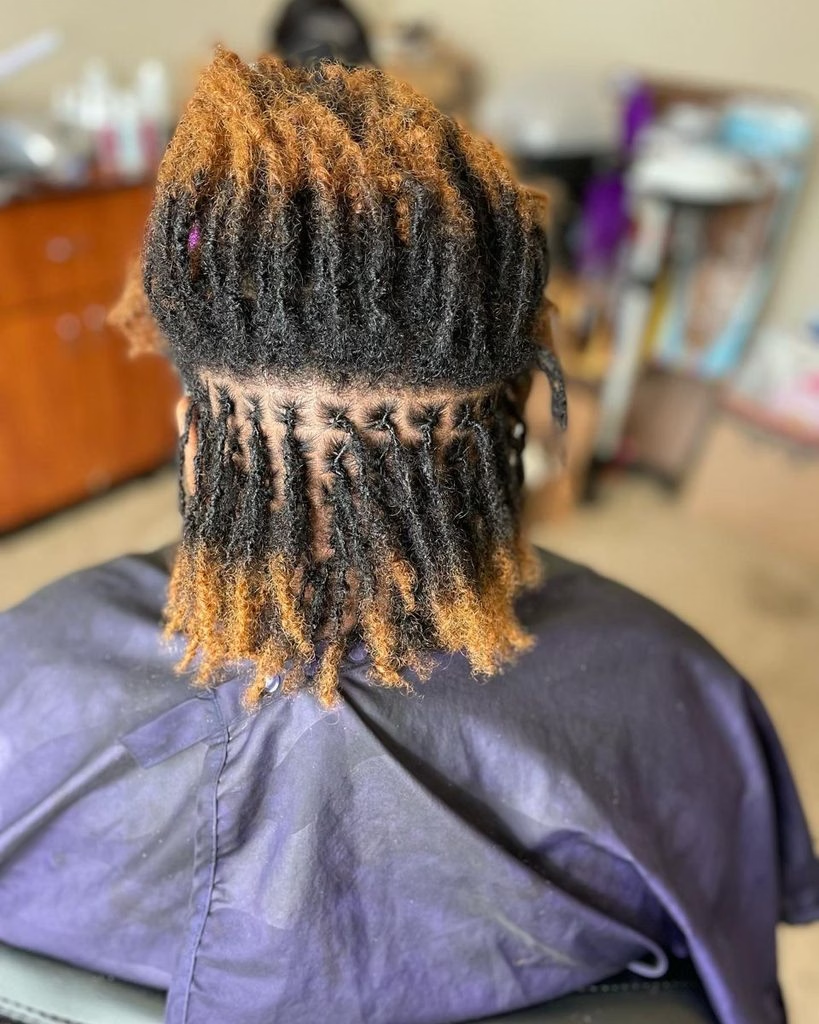
Six months is the halfway mark, and it is a great time to pause and look back. Compare your photos from month one with today, and you will see how far you have come.
Your locs are thicker, rounder, and heavier now, and the roots have grown a few inches. Many locs now show clear buds and a rougher surface, which means they are knotting well.
My friend Alicia from Nashville had a wedding to attend at month six, and she felt nervous. She chose a simple pinned style, and she looked elegant and fresh in every photo.
If you have a big event, the 25+ bridal locs updo ideas offer polished shapes for young locs. Just choose a gentle version, and skip any style that pulls hard on your roots.
Your locs can handle light pinning now, but they still cannot carry very heavy weight. This is also a good month to ask your loctician about your progress and your plan.
Ask if your locs are knotting evenly, and if any parts need extra care or support. A clear plan for the second half of the year keeps you calm and motivated.
So celebrate this milestone, because many people give up long before they ever reach month six.
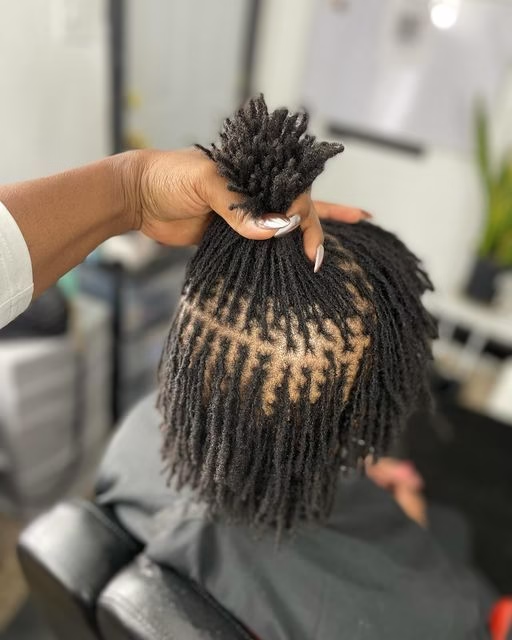
Month 7: The Early Teenage Stage
Are your locs starting to look longer, looser, and a little wild around the edges? And that means you have entered the teenage stage, which is awkward but full of progress.
Teenage locs are longer and heavier, but they can still look uneven, thin, or a bit flat. Some locs may stick out in odd directions, and others may hang down quite heavily.
This stage can last many months, so it helps to find styles that make you feel good. Accessories are a lovely way to dress up this stage, and the locs accessories guide shares many ideas.
Soft headbands, silk scarves, and small cuffs can add polish while your locs slowly mature. Keep the accessories light, though, since young locs cannot hold heavy beads or thick metal.
Also, check that every cuff fits loosely, because tight metal rings can snap weak young locs. Your washing routine should stay steady, with a full wash every two weeks and a rinse between.
Dry your locs fully, because slow drying can cause trouble deep inside your thicker locs. A hooded dryer on low heat or a cool fan will speed things up nicely.
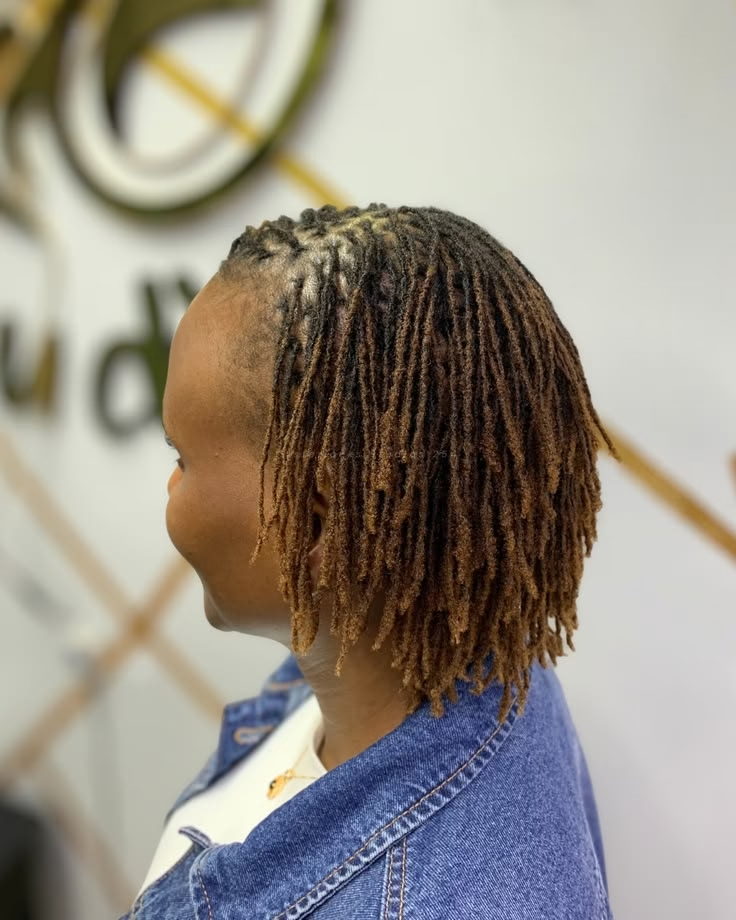
Month 8: Weight, Length, and Shape
By month eight, your locs have real weight, and gravity starts to shape them more. They hang lower than before, and the old coil shape begins to fade away completely.
Your hair may now reach your ears, your jaw, or even your chin when it is stretched. That new length opens the door to updos that were not possible a few months ago.
The wedding loc updo styles for black brides show how elegant a simple pinned shape can look. You do not need to attend a wedding to try a polished style, of course.
A low pinned bun, a twisted side style, or a small top knot can all work now. Keep the style loose at first, and make sure that no pin pulls on a single loc.
Still, give your locs a break from tight updos for at least two days each week. Constant tension at the same spots can lead to traction, which means thinning at the hairline.
Traction is easy to prevent, but it can be hard to fix once the hair is lost. So switch your parts and your pin spots often, and always listen to your scalp.
Then pay attention to pain, because tight, achy, or itchy spots always mean something needs a change.
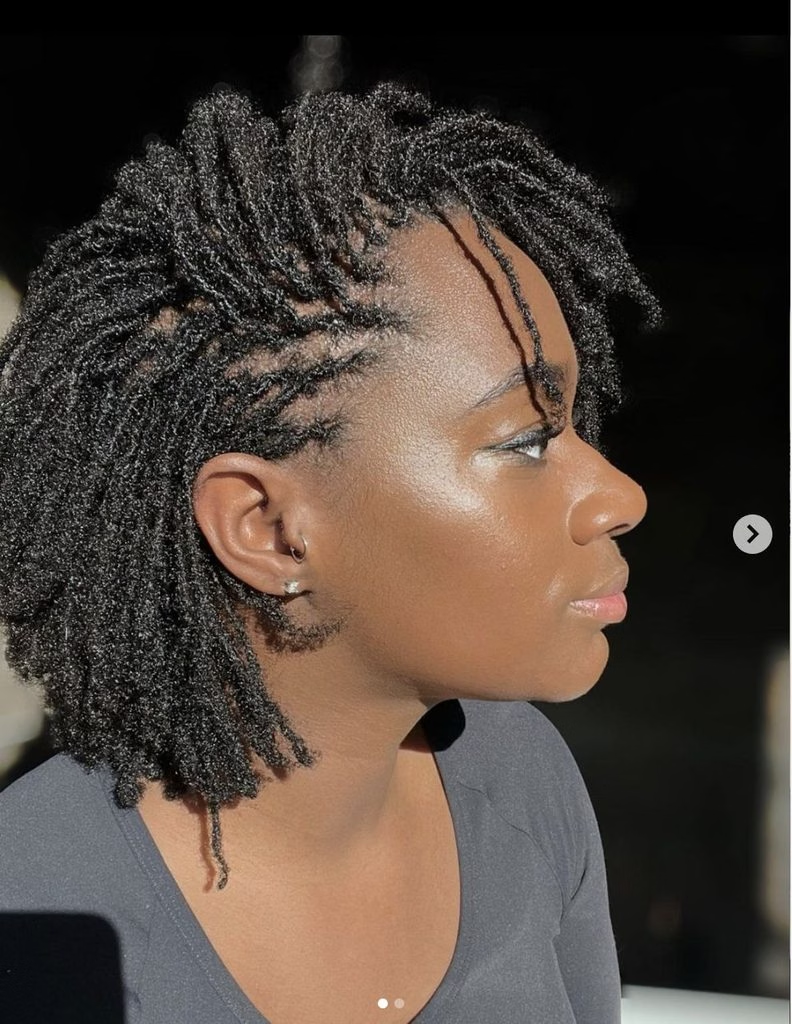
Month 9: Locs Start to Tighten
By month nine, many people notice a big jump in how firm and solid their locs feel. The buds have grown, the hair has knotted deeper, and the locs feel more like ropes.
Also, frizz may still show up, but it usually looks softer and much easier to manage. Your retwists now last longer, and the roots look neat for six to eight weeks.
Some people feel tempted to retwist more often, but that can wear down the roots. Trust your schedule, and give your hair plenty of space to grow and settle between visits.
At this stage, you can safely start to deep clean your locs about once a month. A clarifying shampoo removes buildup, and a rinse with diluted apple cider vinegar can help too.
Then moisturize lightly, and avoid any heavy creams that could build up inside your locs. Also, thicker locs take longer to dry, so plan your wash day for a free afternoon.
Plus, a firm loc holds a style well, so this is a lovely month to try something new.
Your confidence may rise this month, because your locs finally look and feel like locs. Take a photo, share it with a friend, and celebrate how far your hair has come.
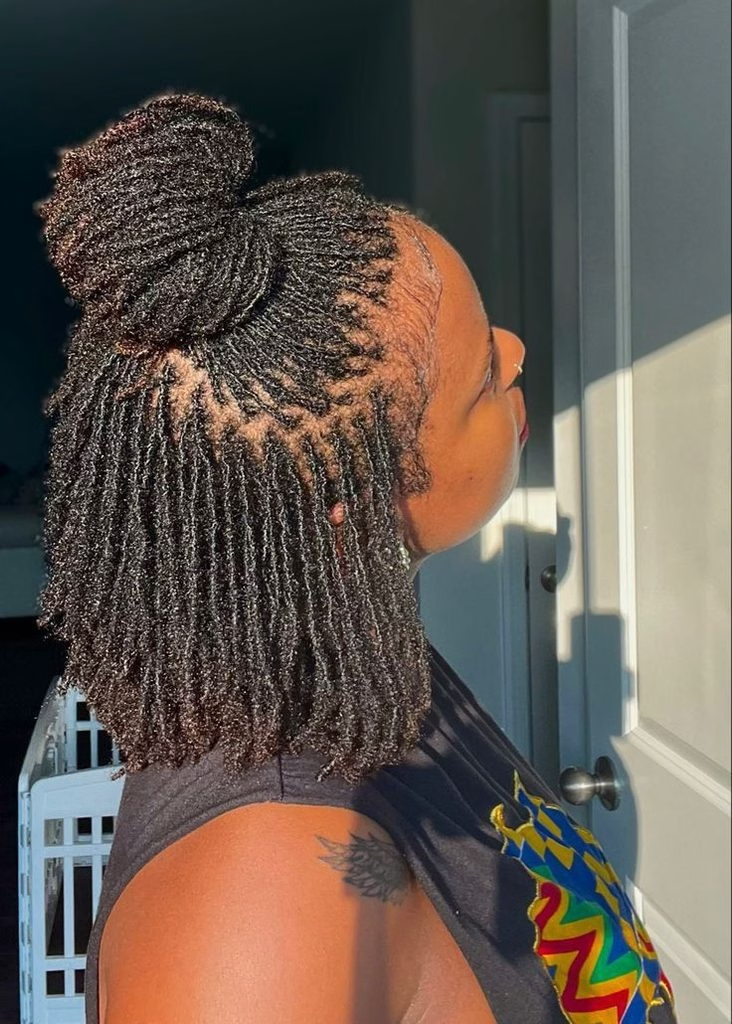
Month 10: Thinking About Color and Change
Around month ten, many people start to think about adding a little color to their locs. Ideas like 39 colored locs ideas for black girls can be tempting at this point.
But young locs are still fragile, and bleach can dry them out and cause breakage. Many professionals suggest waiting until your locs are well formed before using any strong dye.
If you cannot wait, ask about gentle options like semi permanent color or loc wraps. Wraps and thread add color without chemicals, and you can remove them whenever you like.
Always do a small strand test first, so you know exactly how your hair reacts. Also, book color with a professional who has experience with locs and with your texture.
Month ten is also a good time to try a new part or a new style. Your locs are strong enough now to handle small changes, as long as you stay gentle.
Still, remember that every change adds stress, so only make one change at a time. That way, you can clearly see what helps your locs and what really does not.
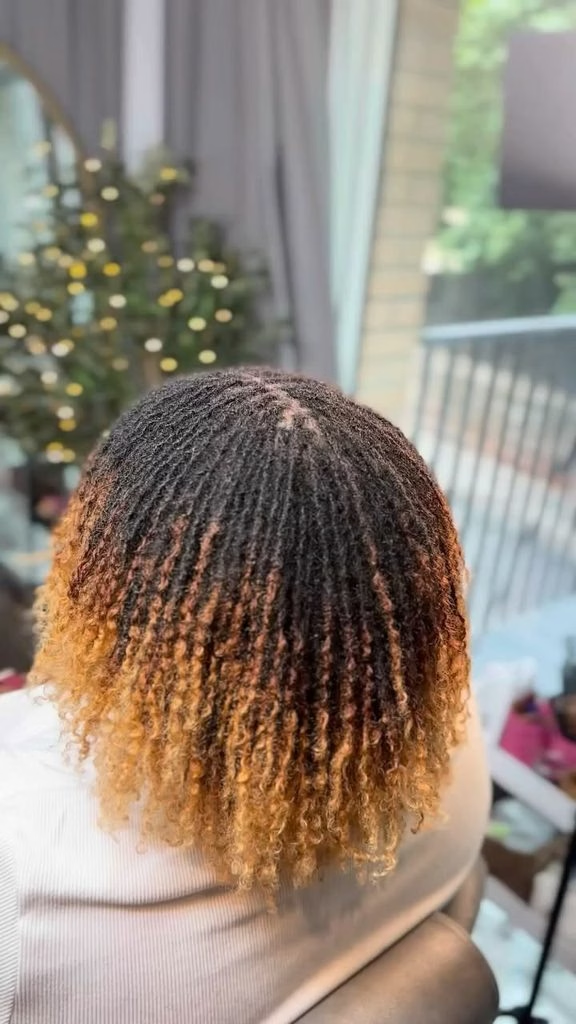
Month 11: Locs Settle and Shape Up
Month eleven often feels calm, because your locs look more settled and much less wild. The frizz is softer, the locs are rounder, and the overall shape feels more even.
If your year is ending in fall or winter, plan your care for colder weather. The 12 long locs styles for fall and winter show cozy ideas that you can borrow soon.
Cold, dry air can make your locs feel stiff, so moisturize a little more often. Wool hats and scarves can snag and dry out locs, so line them with satin.
In warm months, sweat and humidity matter more, so you may wash a little more often. Whatever the season, keep your scalp clean and calm, because a healthy scalp supports strong growth.
At this point, your locs may measure several inches longer than they did at month six. Check for thin spots or weak points, and ask your loctician to reinforce them gently.
Early care for weak spots can prevent breakage later on, when the locs are heavier. You are almost at the one year mark, so keep going with the same steady care.
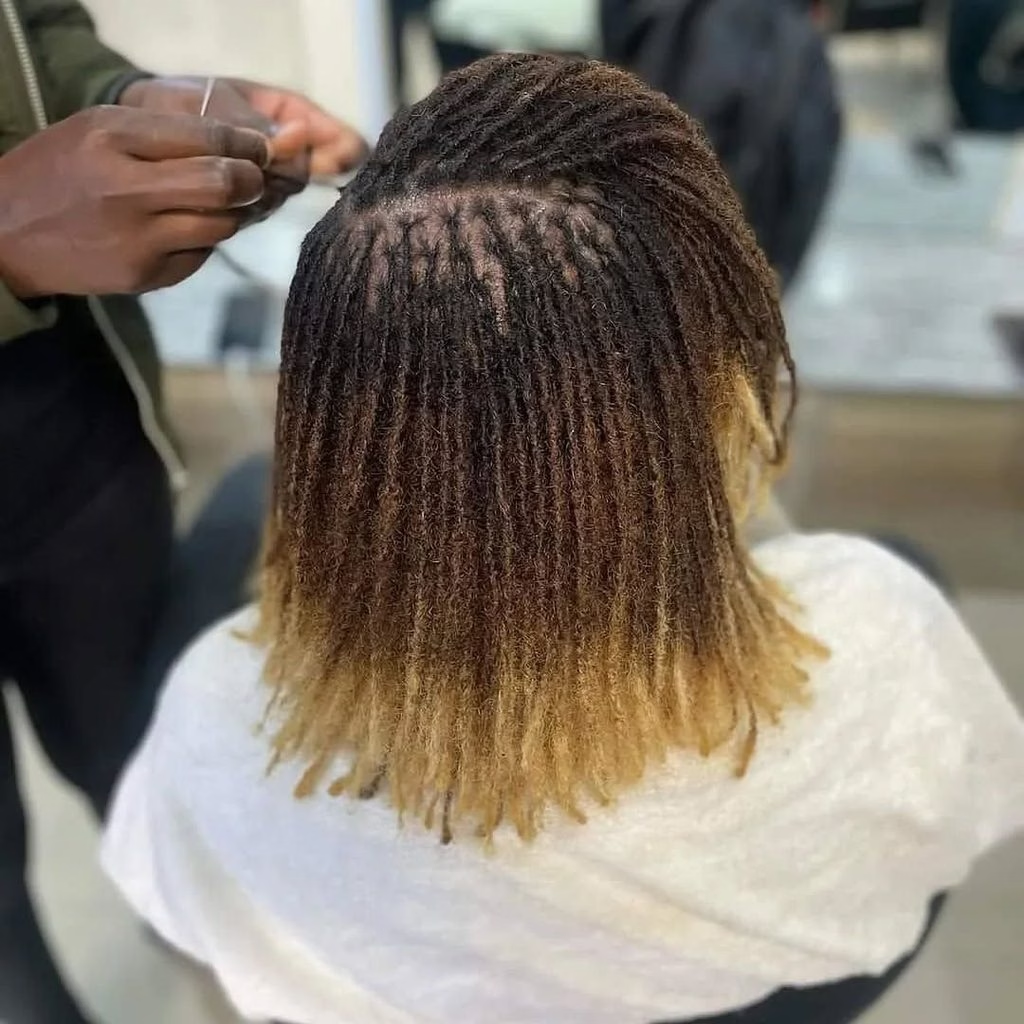
Month 12: Your First Loc Anniversary
Congratulations, because you have reached one year of loc life, and that is a win. At twelve months, your locs are usually in the late teenage stage, close to maturity.
They look rounder, tighter, and more defined, though some frizz and uneven spots may remain. Full maturity often takes between eighteen months and three years, depending on your hair type.
My neighbor Gloria from Memphis celebrated her first anniversary with a small family dinner at home. She wore her locs in a neat crown, and she cried happy tears when she saw the photos.
Locs at this stage can handle more styles, including the 12 locs crown braid updos for a regal look. A crown works best when your locs reach your shoulders, but shorter locs can try a mini version.
Take a new set of photos, and place them next to the ones from month one. You will see a big difference in size, shape, texture, and length, and it feels amazing.
And remember that your anniversary look can be simple, because a clean, neat style already shines.
Treat yourself to a deep clean, a fresh retwist, and a new accessory to mark the day. Then look ahead, because the best stages of your locs are still waiting for you.
Care Habits That Work in Every Stage
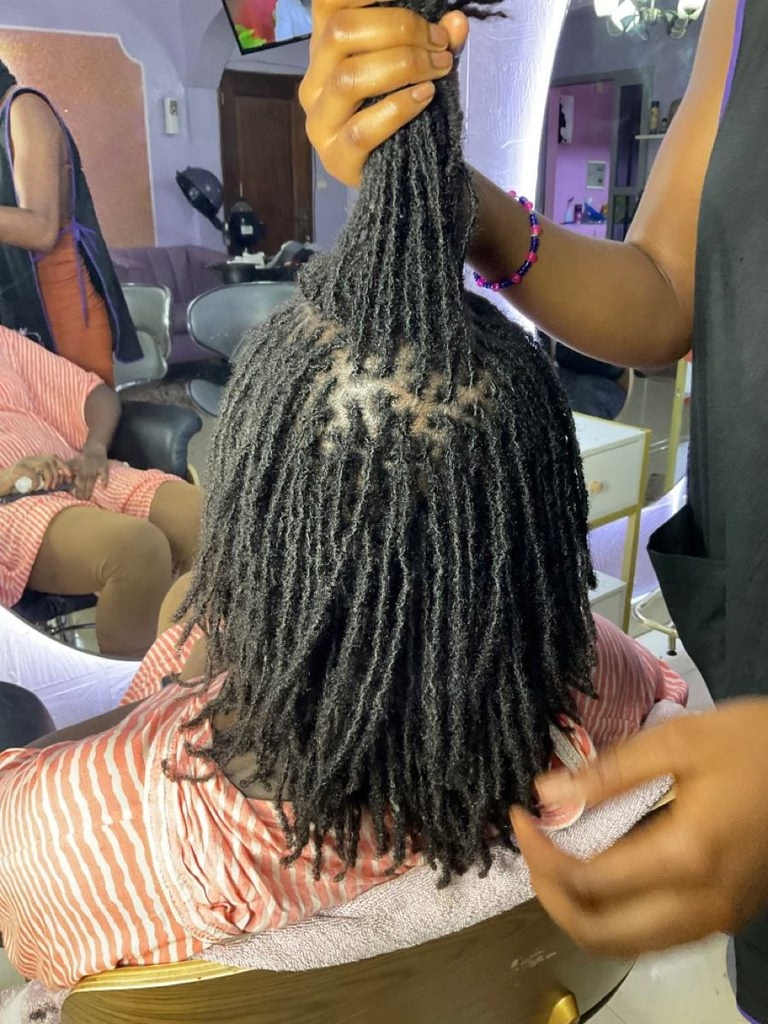
Some habits help your locs in every single month, no matter how they look today. The first habit is a steady wash routine, with a full wash every two to three weeks.
The second habit is light moisture, using water based sprays and a few drops of oil. The third habit is protection, with a satin bonnet or a satin pillowcase every single night.
The fourth habit is gentle handling, which means no hard pulling, picking, or rough brushing. Also, stay away from heavy waxes, thick butters, and products that leave a coating behind.
These products trap lint and dirt, and they are very hard to remove from thick locs. Keep your scalp healthy with a gentle massage, since good blood flow supports hair growth.
Also, eat balanced meals and drink plenty of water, because strong hair needs strong nutrition. Visit a skilled loctician every month or two, so small problems never grow into big ones.
If something hurts, itches badly, or looks wrong, ask for help early instead of waiting. Good habits are simple, but they work best when you repeat them week after week.
Also, wash your satin bonnet often, because a dirty bonnet can add oil and dust back onto clean locs.
Styling Short Locs at Every Stage
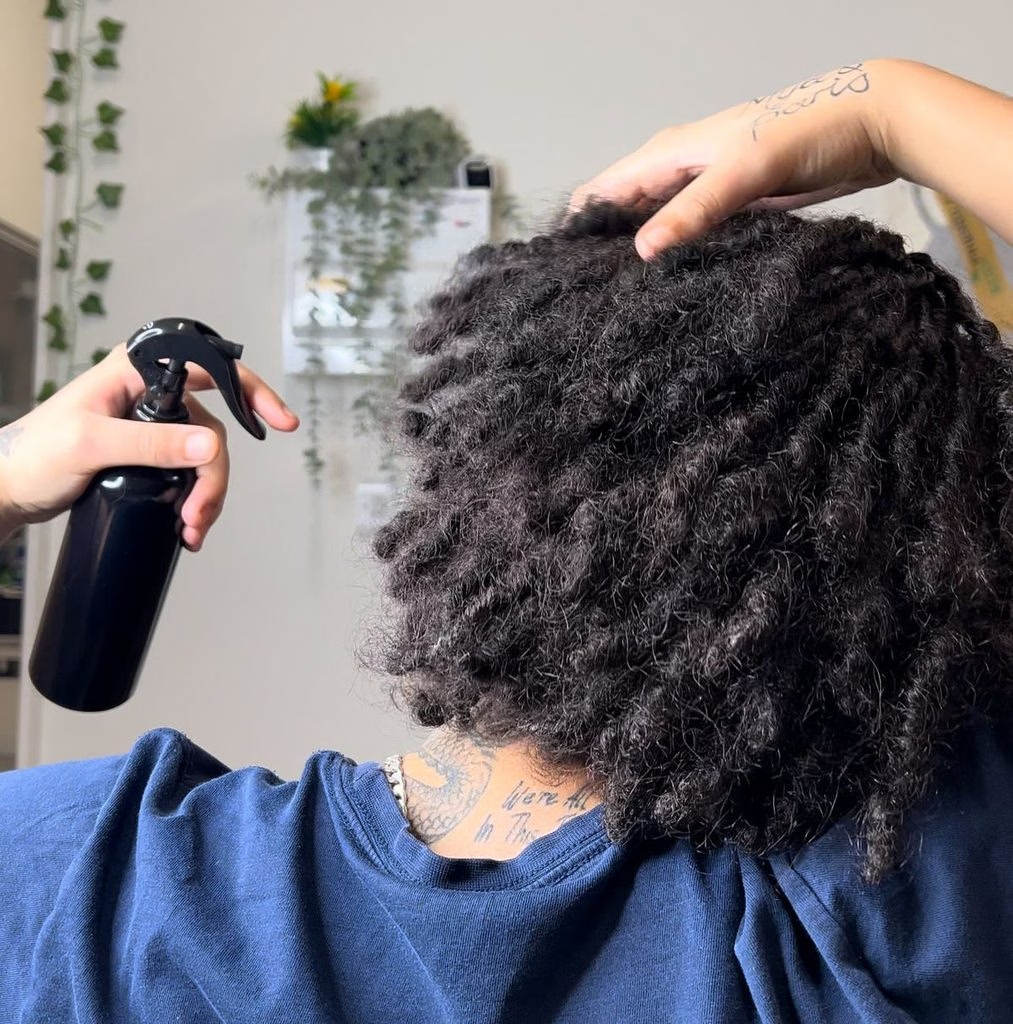
You can style your locs at every stage, as long as you match the style to the stage. In the starter stage, simple styles like a side part or a headband work best.
In the budding stage, a small puff or a pinned front can hide frizz nicely. The 22 short locs styles for women in their 30s show many ideas that suit these early stages.
In the teenage stage, you can try twists, small buns, and simple wraps with ease. Once your locs grow longer, the 45 half up half down locs styles become easy to wear.
Half up styles keep the weight light, since only part of your locs are lifted. Always test a new style for an hour before you leave the house in it.
If the style pulls or aches, take it down right away and try a looser version. Also, rotate your styles, so no single part of your scalp carries the strain every day.
Style is also about mood, so wear what makes you happy on that particular day. Your locs do not need to look perfect to look beautiful, because they are alive and growing.
Still, keep a small kit with pins and a band, so you can fix your style anywhere.
Final Thoughts on Your First Year of Locs
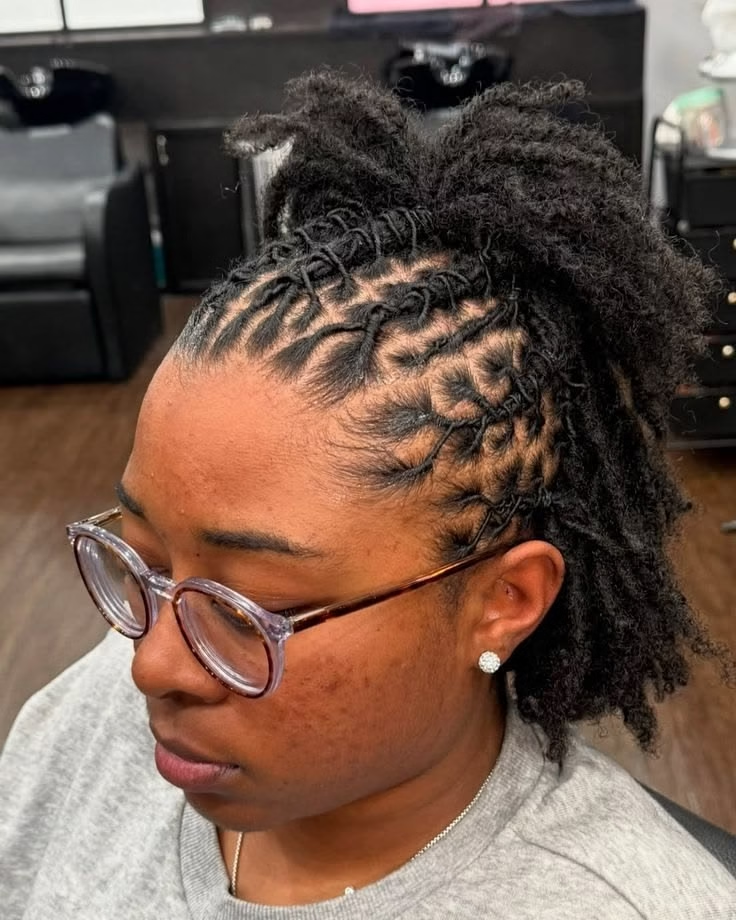
Your first year of locs is a story of change, patience, and slow, steady growth. Every stage has its own look, and every look has its own purpose in the process.
The tight coils of month one will soften, and the puffs of month five will settle. By month twelve, your locs will be rounder, firmer, and full of your own character.
So trust the process, keep your care routine simple, and avoid the urge to rush. Also, take photos, ask questions, and lean on a loctician who truly understands your hair.
When a hard day comes, remind yourself that every mature loc once looked just like yours. Your locs are not behind, and they are not wrong, because they are right on time.
Keep growing, keep caring, and keep smiling, because the very best chapters are still ahead. Here is to your first year, and to every beautiful month that comes after it.