
Starting locs is a big decision, and it deserves more thought than picking a new haircut. Also, locs can last for years, and they will shape your daily routine, your budget, and your style.
But do not let that scare you, because so many people love their locs and never look back. Now you just need the facts first, so you can start with open eyes and a clear plan.
This guide pairs well with everything you need to know before you start locs, which covers the wider picture. We focus on the starter stage and the choices that shape it, so you will feel ready to commit.
So let us go step by step, from the first question to the first retwist. By the end, you will know if locs fit your life, and exactly how to begin.
Starter Locs for Beginners: Everything You Need to Know Before You Commit
What Starter Locs Really Are
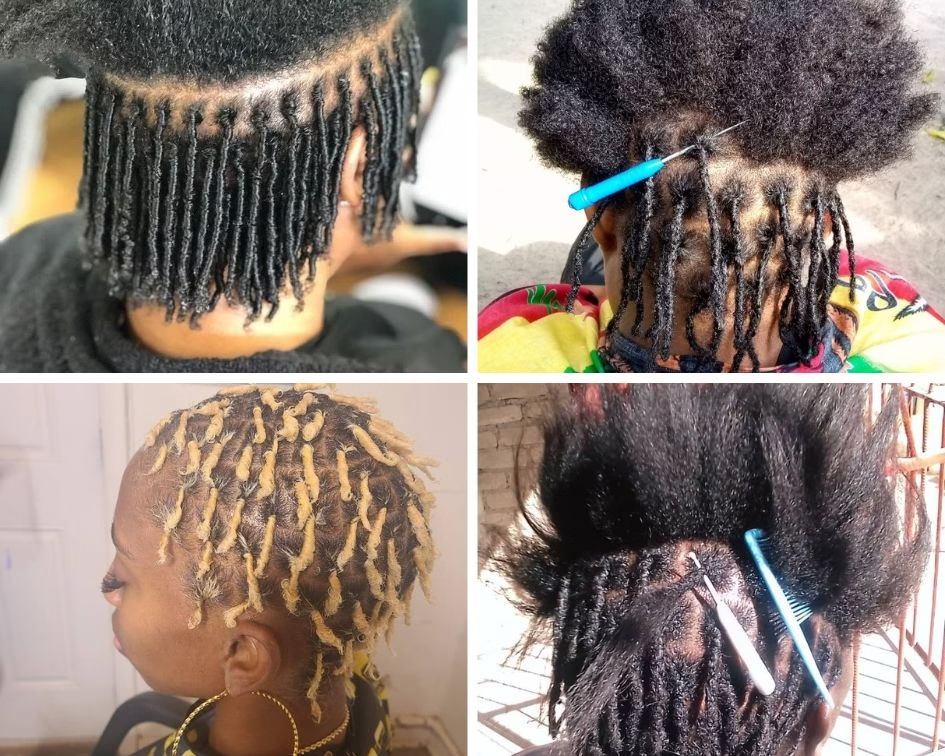
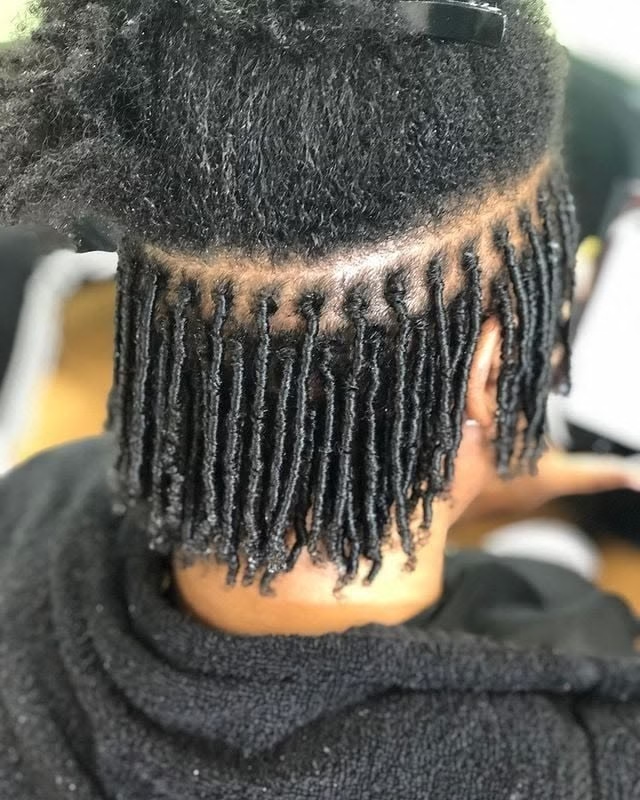
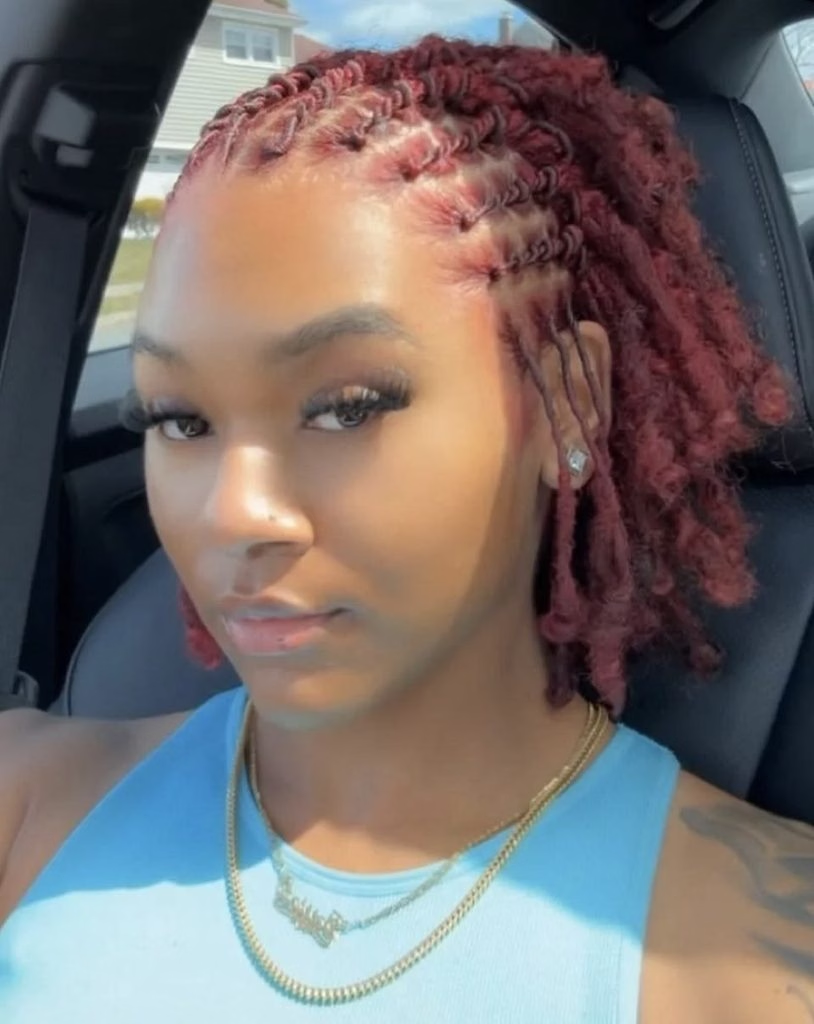
What exactly are starter locs, and how are they different from the locs you see on others? Starter locs are the first stage of the loc process, when your hair is beginning to form.
They usually look like neat coils, twists, or braids, and they are small, thin, and fairly delicate. Over time, the hair knots inside each section and slowly becomes a strong, solid loc.
Starter locs are often short, and the 22 short locs styles for women in their 30s show lovely options. Also, this stage lasts around three to six months, but the timing is different for every person.
So during this time, your locs are tender, and they need gentle care and a lot of patience. And your new locs will not look like mature locs yet, and that is perfectly okay.
But mature locs take a year or more to form, and they look rounder, tighter, and fuller. So the starter stage is more like a young seed than a finished and fully grown plant.
Seeds need water, sun, and time, and starter locs need moisture, protection, and time too. Once you understand this, the early months feel much less strange and much more hopeful.
Also, remember that starter locs look different on every person, so avoid comparing your start to others.
Now let us ask the big question, which is if this path is right for you.
Ask Yourself If You Are Ready
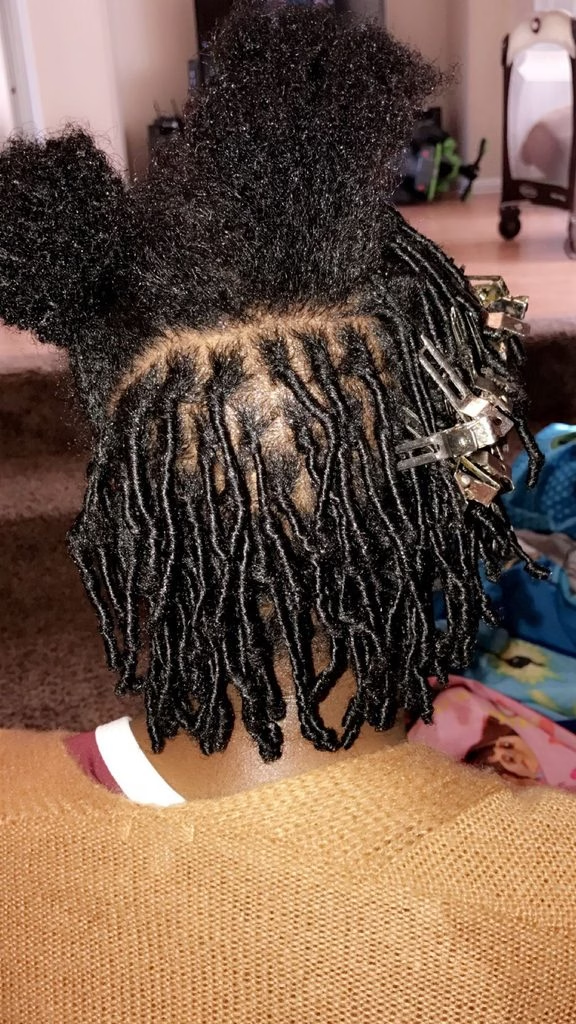
Locs are a long term commitment, so honest questions at the start will save you trouble later. First, ask yourself why you want locs, because your reason will keep you going on hard days.
Some want a low maintenance style, some want a bold look, and some want a cultural connection. And every reason is valid, but you should know that locs are not a quick fix or a trend.
Next, ask if you can accept the awkward middle stages, since they last for many months. Also, think about how you would feel if you ever had to cut your locs off.
Locs can sometimes be combed out, but it is long, hard work, and it often means a cut. So treat the decision as a long term one, and not a short term experiment.
Age is not a barrier, and the 15 mature locs styles for women over 40 prove it beautifully. Many people start locs in their forties, fifties, or later, and wish they had started sooner.
Still, no one else can answer these questions for you, so take all the time you need. Write your answers down, sleep on them, and talk with a trusted loctician before you decide.
If you still feel excited after all that, you are probably ready to move forward.
Think About Your Lifestyle and Time
My client Brittany from Atlanta wanted locs, but she worked two jobs and had three young kids. She worried that she had no time, and she almost gave up on the idea.
We made a simple plan, and she found that locs actually simplified her busy mornings. Locs save time on daily styling, but they still need regular care, washing, and retwists.
Next, plan on a retwist every four to eight weeks, and a wash every two to three weeks. Busy parents can look to the 20 easy loc styles for busy moms for quick ideas.
Also, think about your daily activities, such as sports, swimming, gym time, or heavy sweating. And you can do all of these with locs, but you may need extra rinses and protection.
Swimming caps and clarifying washes help a lot when you swim in chlorine or salt water. Next, look at your budget, because locs involve costs for retwists, products, and sometimes the install.
Also, prices vary a lot by city and by loctician, so ask for a clear quote first. Still, many people find that locs cost less over time than weekly or frequent salon styling.
Count the hours and the dollars honestly, and decide what you can keep up for years.
Compare the Main Starting Methods
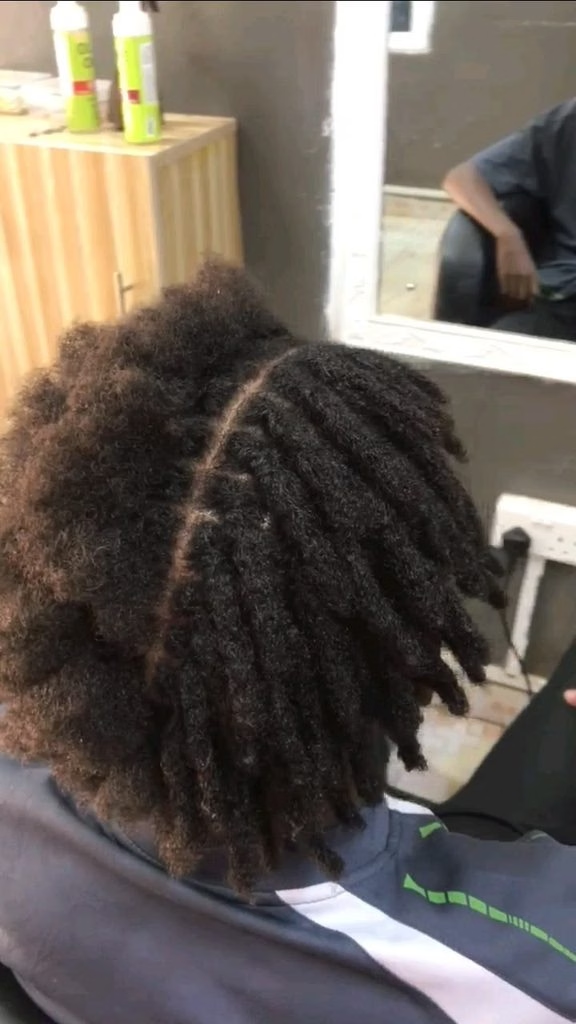
Which method should you use to start your locs, since there are so many to choose from? The most common choices are comb coils, two strand twists, braids, interlocking, and very small interlocked locs.
First, comb coils create small, tight spirals, and they work best on short, tightly coiled hair. Also, two strand twists suit hair that is a few inches long, and they look neat and soft.
And braids hold well and look tidy, but they work best on hair that is longer. Interlocking pulls hair through the base, which holds locs tightly and keeps them from slipping.
Each method has strengths and limits, so match the choice to your hair and your goals. Next, think about how you want to maintain your locs once they begin to grow.
The guide on retwisted locs and freeform locs explains these two very different paths in clear detail. Retwisted locs stay neat and tidy, while freeform locs grow naturally with very little shaping.
Ask your loctician to show you real photos of each method on hair like yours. Seeing real results helps you choose with confidence, and it also prevents many surprises later.
Remember that the method you start with is hard to change later without starting over.
Choose Your Parting Size and Pattern
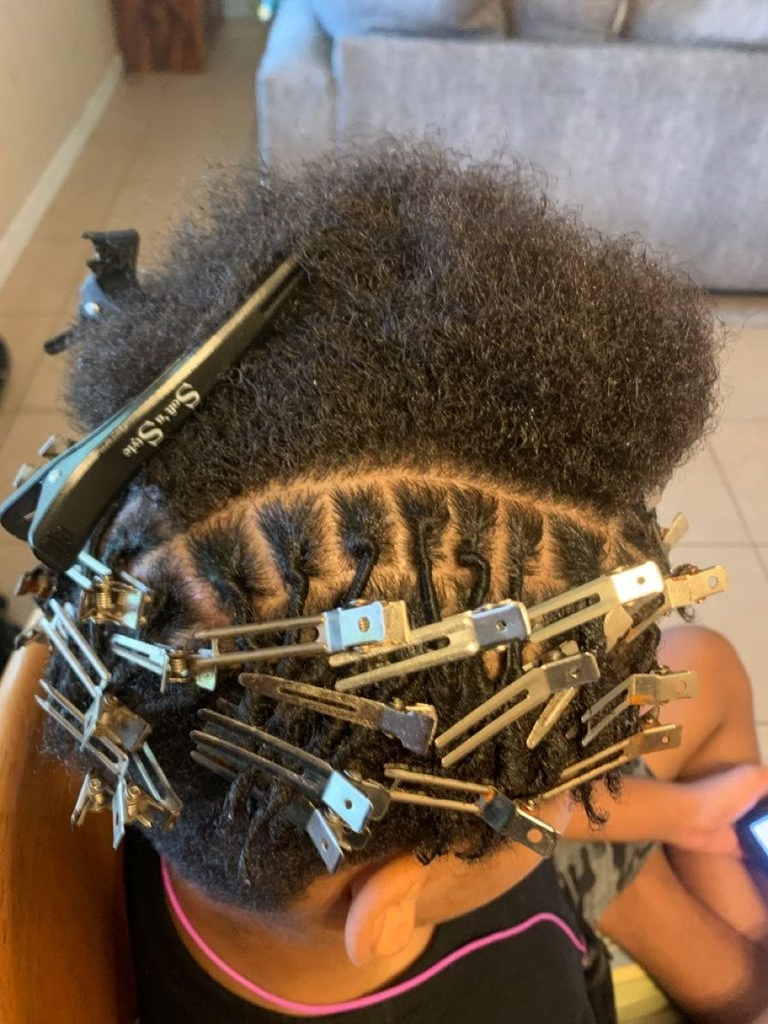
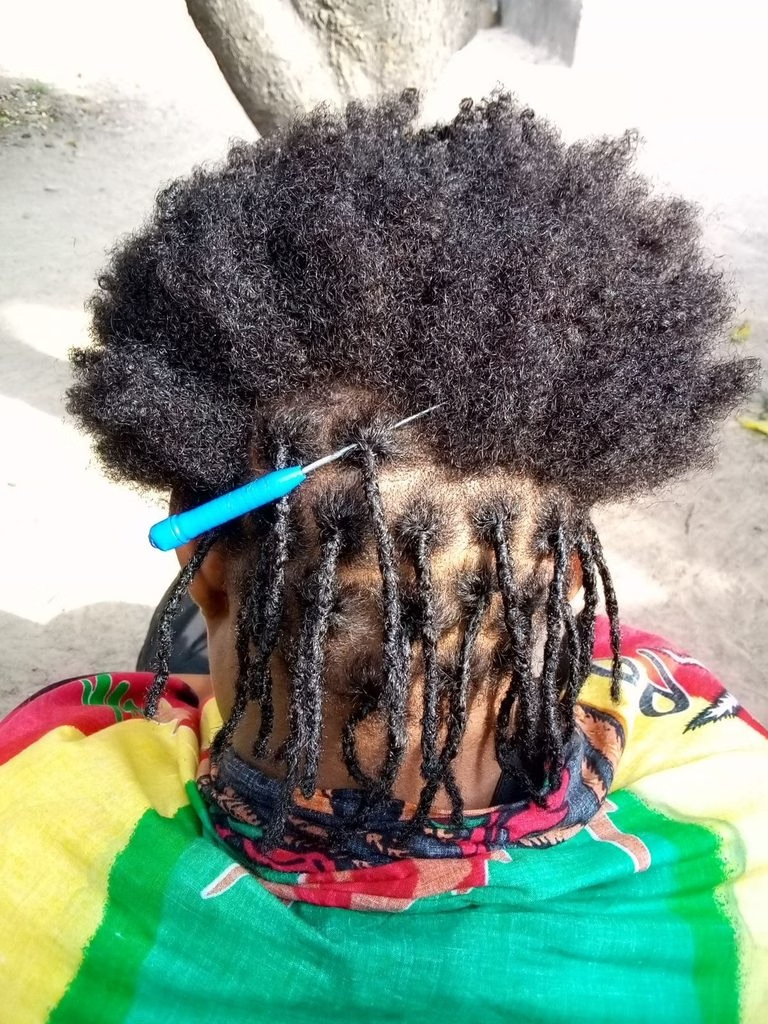
Parting size is one of the biggest choices you will make, and it cannot be undone easily. Small parts give you many thin locs, which offer more styling choices and a very detailed look.
But large parts give you fewer, thicker locs, which are bold, sturdy, and often easier to maintain. Medium parts sit in between, and they are a popular choice for first time loc wearers.
Your hair length also matters, and the locs updo styles by hair length guide shows what you can do. Think about the styles you want to wear in a year, and choose a size that supports them.
Also, think about your scalp, because very small parts put more tension on each root. If your hair is fine or thin, larger parts may be safer and look fuller.
Next, choose a pattern, such as brick lay, diamond, or a simple grid, and stick with it. Grid parts look crisp and clean, while brick lay parts help locs hang more evenly.
Ask your loctician to draw a few sample parts, so you can see them before you commit. A good professional will explain their choices, and they will also listen to your goals.
Plus, a clear plan for your parts today makes every future retwist faster, cleaner, and much less stressful.
Take photos of your parts on day one, since they become the map for every future retwist.
Salon or Do It Yourself
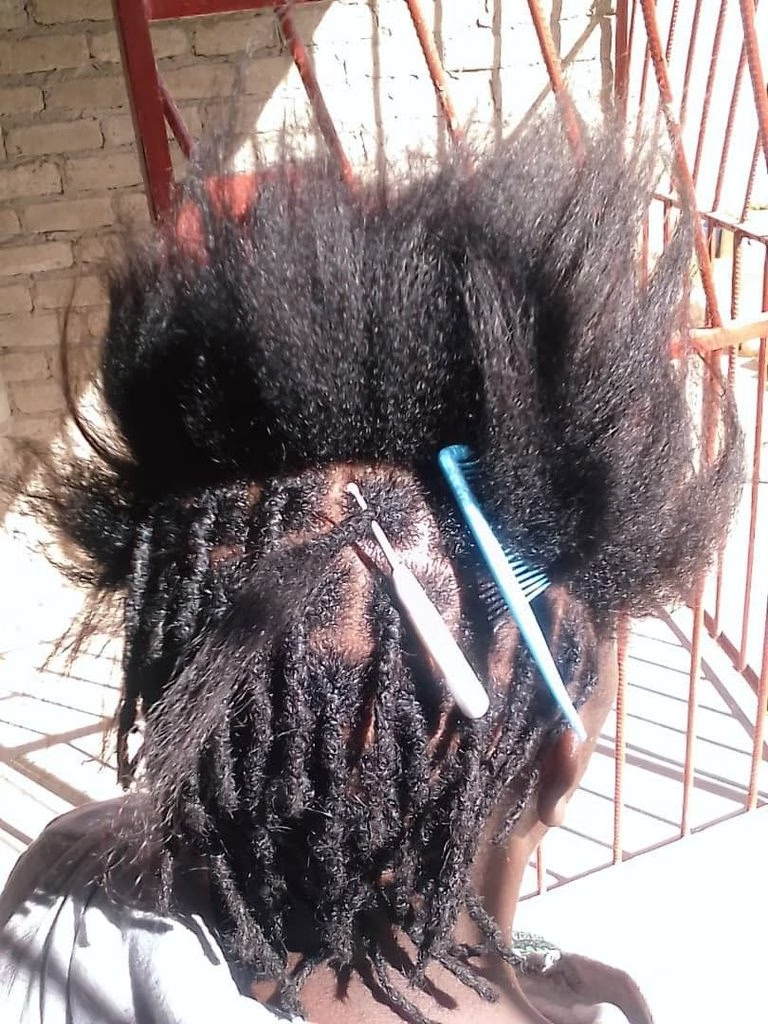
Imagine sitting in a comfortable chair while a skilled loctician carefully makes each and every part. That is the salon route, and it gives you skill, speed, and expert advice from the start.
A professional can also spot problems, such as thin spots, scalp issues, or weak hair, early on. The downside is cost, and good professionals often have long waiting lists, so book early.
Plus, doing it yourself costs less, and it teaches you a lot about your own hair. But it takes practice, and mistakes in the starter stage can last for many months.
A middle path works well for many people, which is a professional install and home care after. You pay for the hardest part, and you slowly learn to handle simple care at home.
If you choose a salon, check reviews, ask for photos, and see their work on hair like yours. Also, ask how they handle tension, how often they suggest retwists, and which products they use.
Trust your feelings during the consultation, because a good fit matters as much as skill. If you go the do it yourself way, watch tutorials and practice on a small section first.
Either path works, as long as you stay gentle and patient with your new hair.
Prepare Your Hair and Scalp First
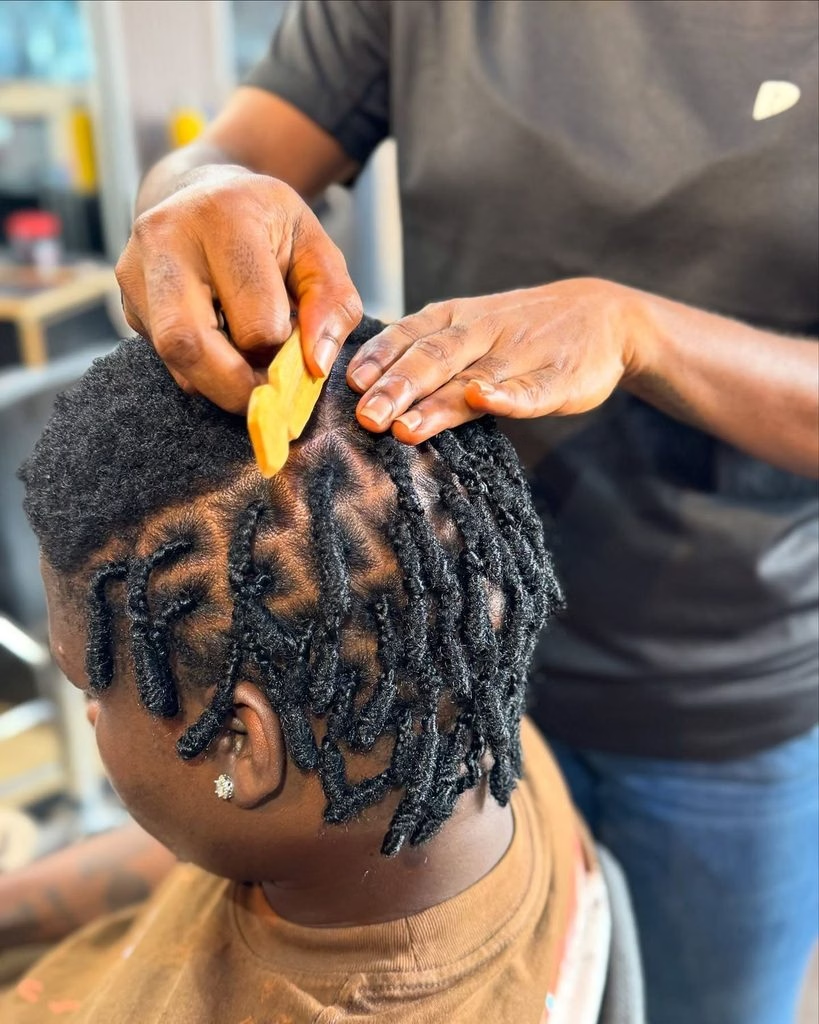
Good preparation gives your starter locs the best possible foundation, so do not skip this step. Begin a few weeks early by getting your hair and scalp as healthy as you can.
First, trim any split or damaged ends, since locs lock in whatever hair you already have. Moisturize your hair regularly, and treat any dryness, flaking, or itching well before you begin.
If a scalp problem lasts, see a doctor, because locs can hide and worsen skin issues. On the day before your install, wash your hair with a clarifying shampoo to remove buildup.
Then skip heavy conditioners, oils, and butters, since slippery hair does not hold a new loc well. Detangle gently, and let your hair dry fully so it is easy to part and twist.
Next, plan your time, because an install can take many hours, especially on small parts. Eat well, drink water, and wear comfortable clothes, so the long session feels a bit easier.
Also, buy a satin bonnet or pillowcase ahead of time, because you will need it that first night. Then take a clear before photo, so you can look back and see how far you have come.
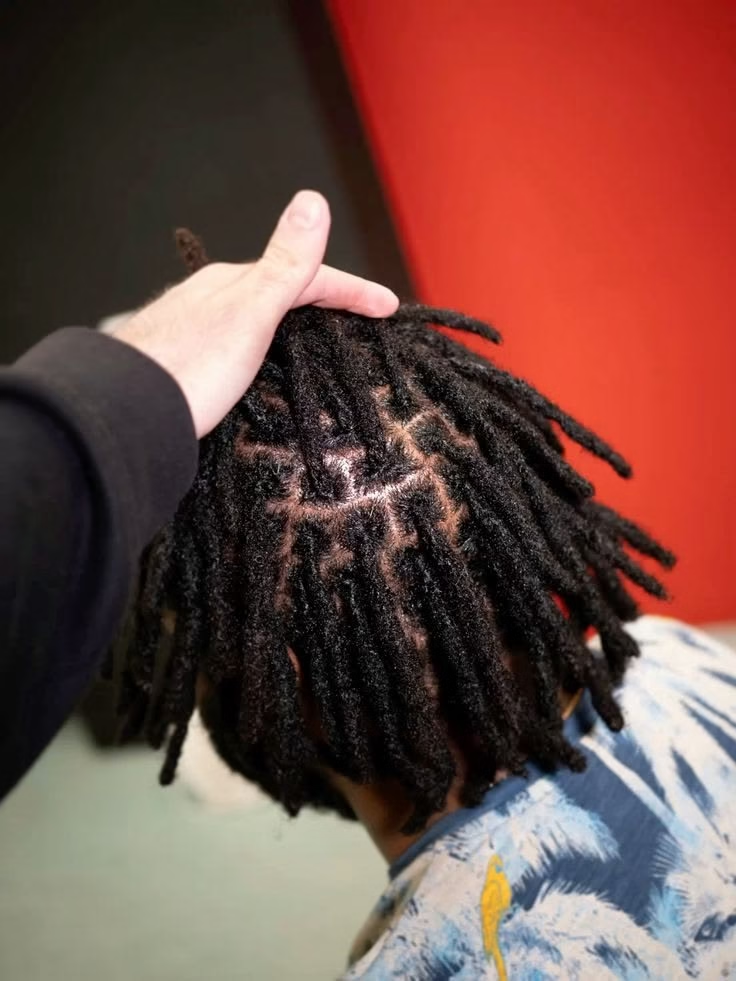
What to Expect in the First Three Months
My friend Kendra from Dallas almost quit at week six, because her locs looked puffy and uneven. She called me in tears, and I told her that her hair was doing exactly what it should.
Today she has gorgeous mature locs, and she often tells new friends to hang in there. In month one, your starter locs look neat, small, and a little fragile, so handle them gently.
In month two, new growth appears at the roots, and your parts begin to look a bit softer. In month three, your locs begin to swell and shrink, and they may feel firmer or fuzzy.
Your locs may also look shorter than before, since tightening pulls the hair up into itself. Frizz, lint, and uneven sizes are normal, so please do not panic or pick at your hair.
Also, protect your locs at night, wash them gently, and keep your retwists on a steady schedule. Take a photo each month, because slow change is easy to miss when you look every day.
If you feel discouraged, remember that every mature loc started out as a small, messy bud. The first three months are the hardest, and they are also the most important ones.
Still, small signs of progress appear every week, so look closely at your roots and your texture.
Be patient, and trust that your effort now will pay off in the months ahead.
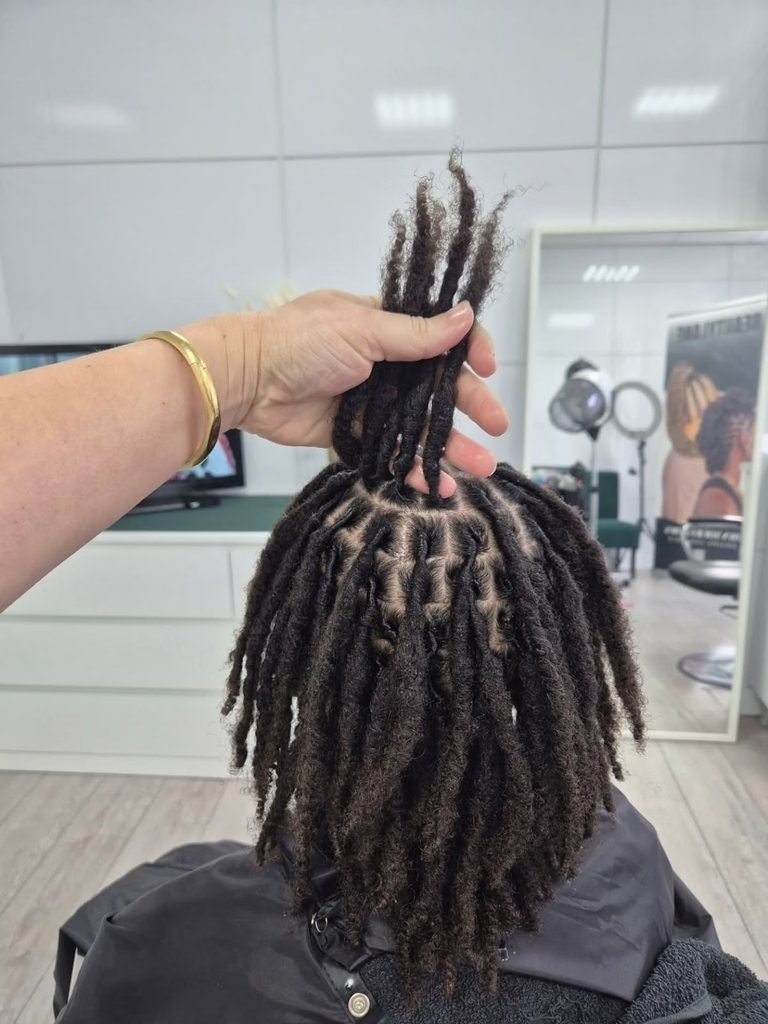
Build a Simple Starter Locs Routine
What does a good starter locs routine look like when you are just getting going? Keep it simple, with a gentle wash, a light moisturizer, and a safe retwist schedule.
Ask your loctician when to do the first wash, since the right time depends on your method. Many people wait one to two weeks, and then wash with a cap or mesh band.
After that, wash every two to three weeks, and rinse until the water runs clear. Dry your locs well each time, because trapped moisture can cause a sour smell inside.
Between washes, mist your locs with water and a little aloe, and seal with a drop of oil. Avoid heavy waxes, thick butters, and creamy products, because they build up and trap lint.
Sleep in a satin bonnet or on a satin pillowcase, since cotton pulls out moisture and causes frizz. Seasons matter too, so see the 12 long locs styles for fall and winter when the weather turns cold.
In cold weather, add extra moisture, and cover your locs with a satin lined hat outdoors. In hot weather, rinse after heavy sweating, and keep your scalp clean, cool, and comfortable.
A calm routine is easier to keep, and a routine that you keep is the one that works.
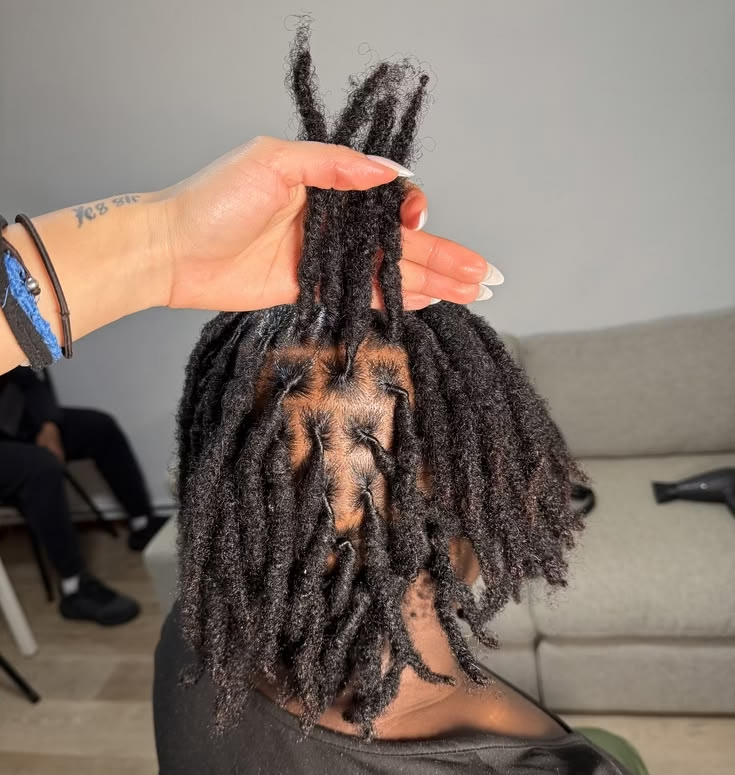
Styling Starter Locs With Patience
Styling starter locs takes a gentle hand, because the locs are small and still very tender. Soft headbands, scarves, and light accessories work well, and the locs accessories guide shares many ideas.
Avoid heavy beads and tight cuffs, which can pull on young locs and snap them. As your locs grow, you can try the 45 half up half down locs styles for a softer look.
Half up styles keep the weight light, since only part of your locs are lifted. Avoid tight ponytails, high buns, and heavy pinned styles in the first few months of growth.
Too much tension can thin your hairline, and thin edges are slow to grow back. Also, switch your parts and styles often, so no single spot carries all the strain.
A loose twist, a simple side part, or a soft wrap are all safe, pretty choices. Then give your locs a day off now and then, with no pins and no pulling.
Style is a fun part of locs, but your hair health always comes first in the end. Enjoy trying new looks, and let your locs show you what they can do over time.
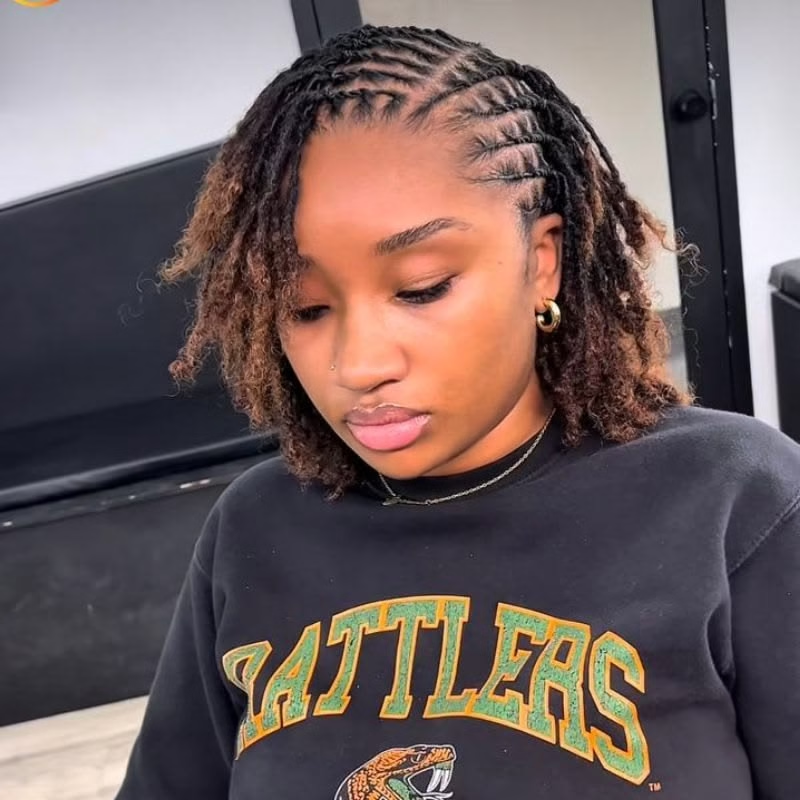
Big Events and Starter Locs
Many people want to start locs before a wedding, a graduation, or a big trip. That can work, but give yourself at least three months so your locs have time to settle.
Brides can look at the wedding loc updo styles for black brides for gentle and secure ideas. For even more inspiration, browse the 25+ bridal locs updo ideas and save your favorites.
Starter locs can still look elegant in a neat pinned style, even when they are short. Keep every pin light, and never let a style pull hard on your tender roots.
Do a trial run a few weeks early, so you know what works for your hair. Also, avoid starting locs the week of the event, because new locs look loose and unfinished.
A fresh retwist about one week before the date will keep your roots looking neat. If the event is very close, you may want to wait and start afterward instead.
Locs are a lifelong choice, so a calm start beats a rushed one every time. You will enjoy the big day much more when your hair feels settled and safe.

Color, Cuts, and Other Big Changes
Color and cuts are exciting, but starter locs are not ready for big changes right away. Ideas like 39 colored locs ideas for black girls look amazing, but timing is very important.
Bleach and strong dye can dry out young locs and make them thin or snap. Most professionals suggest waiting until your locs are mature, often after the first year or more.
If you cannot wait, ask about loc wraps, thread, or other color options without chemicals. Always do a strand test first, and book color only with someone who knows locs.
Cutting your locs is also a big decision, since length takes a long time to regrow. Even a small trim should be done by a professional who understands how locs are built.
Switching methods later is hard, so choose your starting method with care and good advice. Also, remember that your locs will change a great deal on their own in the first year.
So enjoy the natural look for a good while before you make any big changes. Patience now gives you stronger locs, and stronger locs can handle much more change later.
Starting Locs With Your Child
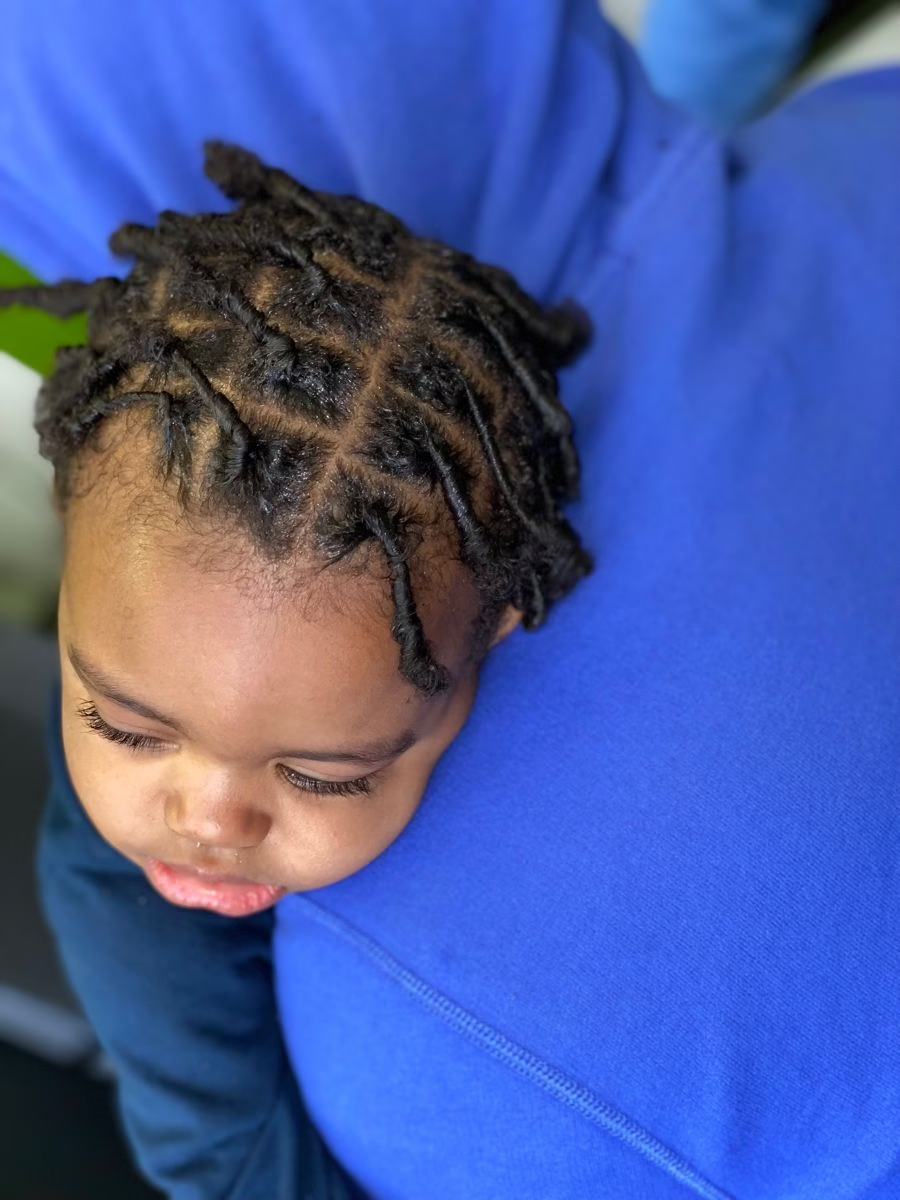
Parents often wonder if their child is ready for locs, and the answer depends on the child. Kids can wear locs happily, as long as the style is gentle and the child agrees.
Talk with your child first, and let them help pick the style, the size, and the look. Children play hard, sleep restlessly, and grow fast, so their locs need extra protection and patience.
The guide on how to maintain kids locs at home offers a simple weekly care plan. Use larger parts for kids, since small scalps are tender and thin locs break more easily.
Never twist or pin tightly, and stop right away if your child says that anything hurts. Also, keep sessions short, with snacks, breaks, and a favorite show to make things easier.
A satin bonnet or pillowcase protects young locs, and it also keeps them soft and tidy. Teach your child to love their hair, because kids copy the way that parents talk about it.
If your child changes their mind later, support them without any pressure or any shame. Their hair, their comfort, and their confidence will always matter more than any single hairstyle.
Myths That Hold People Back
My neighbor Lorraine from Cleveland waited ten years to start locs because of old myths. She believed that locs are dirty, that you cannot wash them, and that they ruin your hair.
None of that is true, and she now says she wasted a decade of happy hair days. Myth one says locs are dirty, but clean locs are easy to keep with regular washing.
Myth two says you cannot wash locs, but washing is a normal and healthy part of care. Myth three says locs damage your hair, but poor care and too much tension cause damage.
Myth four says you cannot style locs, but there are countless styles for every length and mood. Myth five says locs are only for certain people, but locs suit all ages, jobs, and backgrounds.
Myth six says locs are lazy hair, but good locs need steady care, time, and attention. So ignore the noise, and learn from people who actually have healthy, happy locs of their own.
Also, some friends or family may not understand your choice at first, and that is okay. Stay confident, because your hair is your own, and so is your whole loc journey.
Long Term Care and the Road Ahead
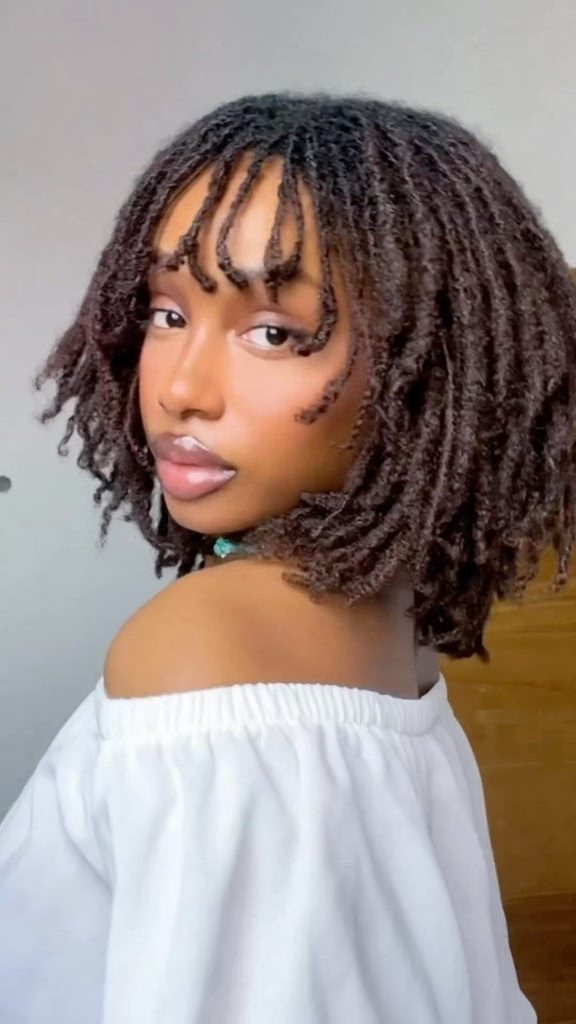
Starter locs are only the beginning, and the road ahead is long, rewarding, and full of change. After the first year, your locs will tighten, grow longer, and begin to look more mature.
At that point, you can try bolder styles, such as the 12 locs crown braid updos. A crown braid looks regal, and it shows off your length, your texture, and your patience.
Keep up your wash routine, your retwist schedule, and your nightly protection for the long run. Visit a skilled professional every so often, even if you do most of the care yourself.
A fresh pair of eyes can spot thin areas, tight roots, or buildup that you might miss. Also, keep your scalp healthy, eat well, and manage your stress, since your hair reflects your health.
Your locs will go through seasons, and each season has its own beauty and its own needs. Take photos along the way, because years later you will love looking back at them.
And do not forget to celebrate each loc birthday, because every year of care deserves a little joy.
Many people say that their locs taught them patience, trust, and a deeper love for themselves. That is the real gift of locs, and it begins with the very first step.
Final Thoughts on Starting Locs
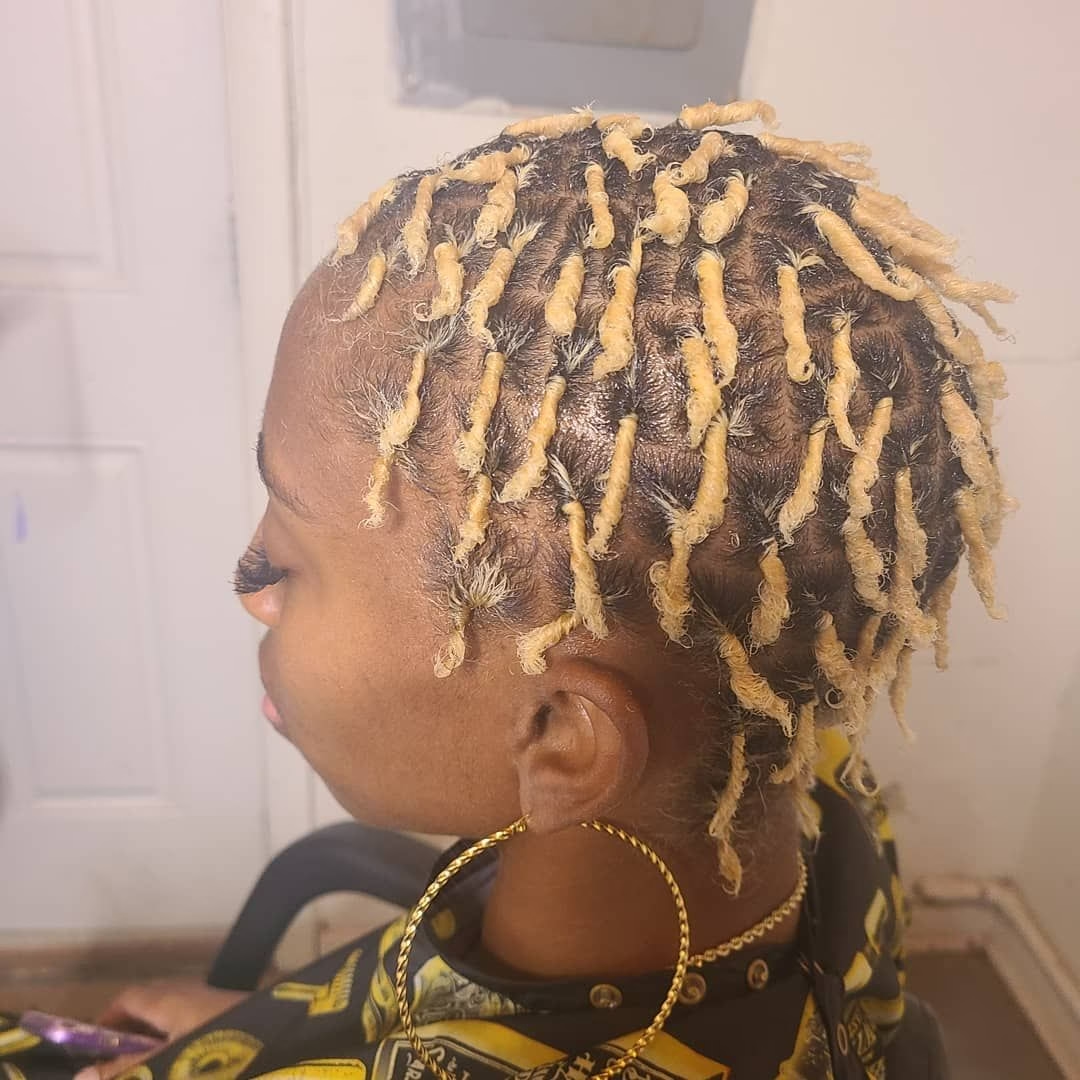
Starting locs is a big choice, but it is also a beautiful and rewarding one. Ask honest questions, choose your method with care, and prepare your hair and scalp well.
Plan for your lifestyle, your budget, and your time, so your routine fits your real life. Expect the awkward middle stages, and remind yourself that they are a normal and important part.
Also, ignore the myths, protect your locs at night, and be gentle with your hair and your scalp. If you feel ready, you do not need to wait for some perfect moment to begin.
You only need a plan, some patience, and the courage to begin your first part. Your future locs are waiting, and they will thank you for every careful step you take today.
Welcome to the wonderful world of locs, and enjoy every single stage of the ride.