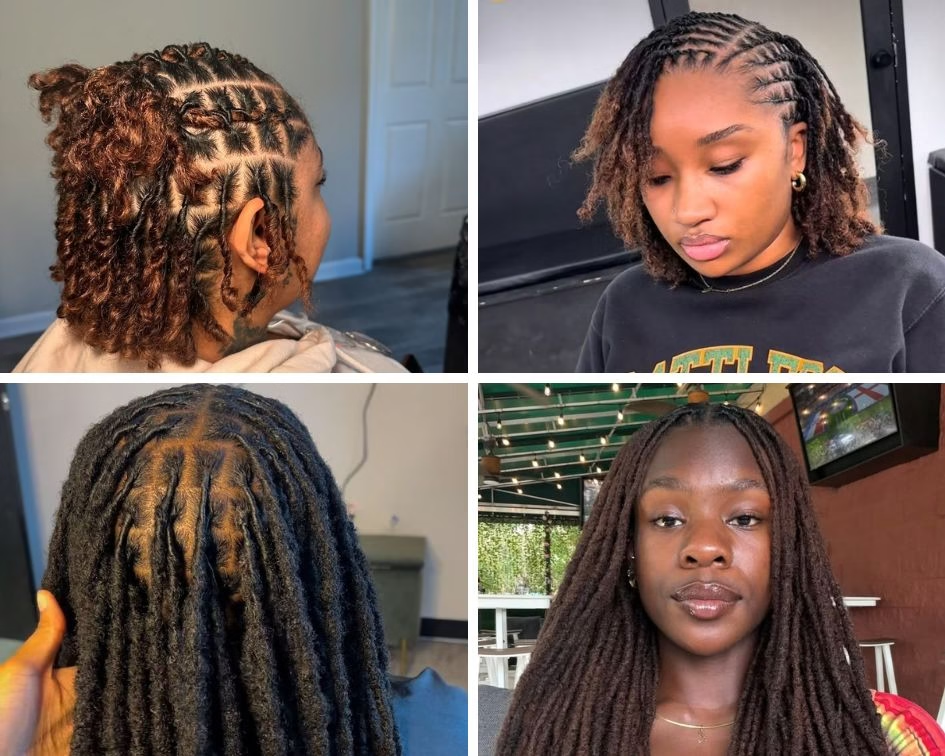
In three years, your locs could be thick and full of stories, but each one starts as a tiny coil.
This guide walks through the whole journey, from your first month to the end of year three. Every stage has its own look, its own challenges, and its own small reasons to celebrate.
Knowing what is normal at each step keeps worry low and confidence high from start to finish. To see where the path leads, take a look at 15 mature locs styles for women over 40.
Your timeline may run faster or slower than the one described here, and both are completely normal. Use these stages as a friendly map, not a strict schedule that your hair must follow.
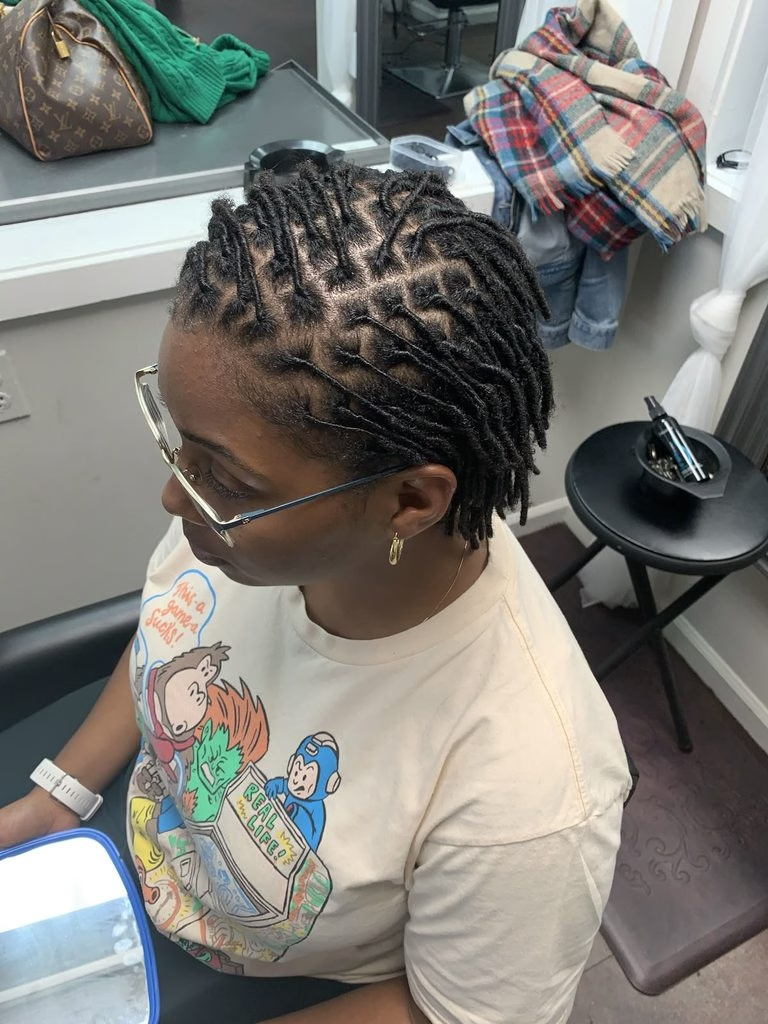
The Complete Locs Journey Guide for Black Women: From Month 1 to Year 3
Before You Begin: Setting Your Expectations
Locs take time, and most people need about two years before their locs feel fully mature. Hair type, starting method, and daily care all change how fast your locs form and tighten.
Before your first twist, take clear photos, write your goals, and set a care budget. A little planning at the start prevents confusion and rushed decisions during the harder months.
Browsing 37 beautiful starter loc styles can help you picture the shapes your locs may take. Choose a stylist or a method you trust, since your starting point shapes the months ahead.
Gather basic supplies, including a residue free shampoo, a satin bonnet, and a soft cap.
Tell friends and family about your plan, so you have people cheering for you early. Decide now that you will be patient, since patience is the best tool you own.
Remind yourself often that every woman with mature locs began exactly where you are today.
A calm and curious mindset will carry you farther than any product on the shelf. Write down three goals for your journey, since clear goals make the slow months easier to handle.
Keep a small folder of inspiration photos, so you always remember what you are growing toward.
Day One to Week Four: The Fresh Start
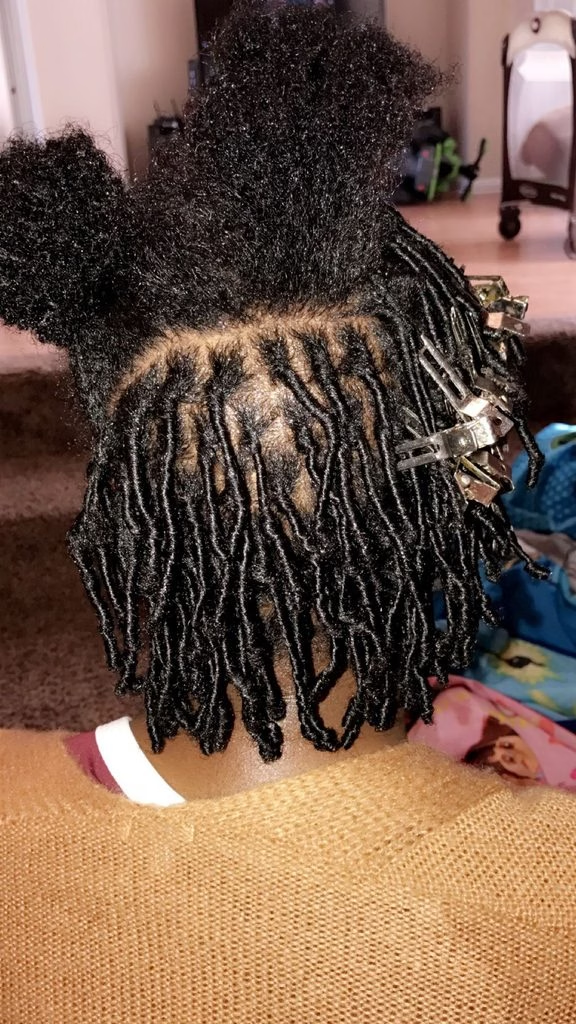
On day one, your new locs look neat, small, and very tight, like little rows of coils. Many women feel proud and nervous at the same time, which is a perfectly normal mix.
During the first weeks, avoid heavy washing, rough handling, and tight styles that pull the roots. Wear a satin bonnet at night, and keep your hands away from your new locs.
Early shapes, like those in short locs for women in their 30s, look clean and simple at this stage. Your stylist may suggest waiting about a week or two before the first gentle wash. When you do wash, use a stocking cap or mesh cap to keep the coils in place.
Expect your scalp to feel a little tender at first, which usually fades within days. Take a photo each week, since early changes happen quickly and are easy to forget.
Be gentle with yourself and your hair, because this stage is all about protecting the start.
Small habits now, like covering your hair at night, set the pattern for later success. Sleep on a satin pillowcase as well, since friction can loosen new coils during the night.
Avoid swimming or heavy sweating for the first few weeks, unless your stylist says it is safe.
Month Two: Settling In
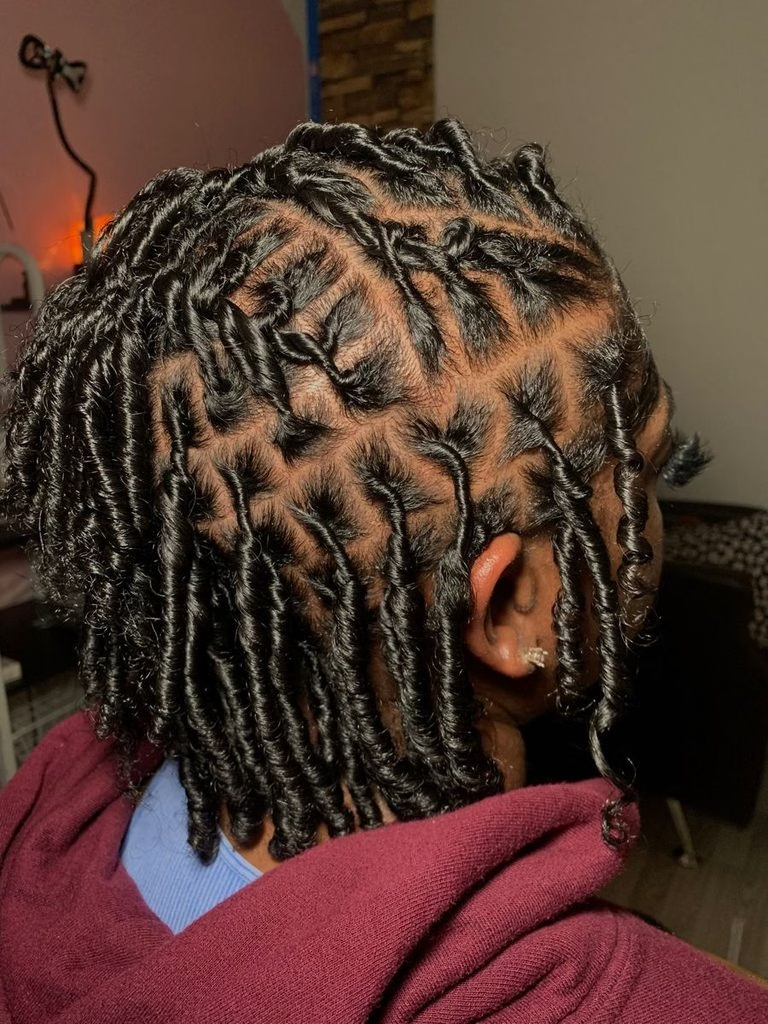
By month two, your locs begin to loosen slightly, and tiny bumps may appear along the length. Some women worry at this point, but this is simply the hair beginning to knot and settle.
Your first retwist may happen around this time, depending on how quickly your hair grows. Keep retwisting gentle, and do not pull too tightly just to make the roots look neat.
Relaxed, simple looks, like 18 cute locs styles for women who love effortless everyday looks, work well now. Wash every one to two weeks with a residue free shampoo, and rinse very thoroughly.
Dry your locs completely after washing, since damp locs can develop an unpleasant musty smell.
Avoid heavy butters and waxes, which can build up and make your young locs feel sticky. Notice how your hair feels, since every head of locs forms at its own pace. Stay consistent with your routine, and trust that the quiet progress is still real progress.
This month is a good time to practice patience, because the exciting changes are coming. Do not worry if some locs look different from others, since each one forms at its own speed.
Mark your calendar for retwist days, so you never go too long between gentle maintenance sessions.
Month Three: The Budding Stage Begins
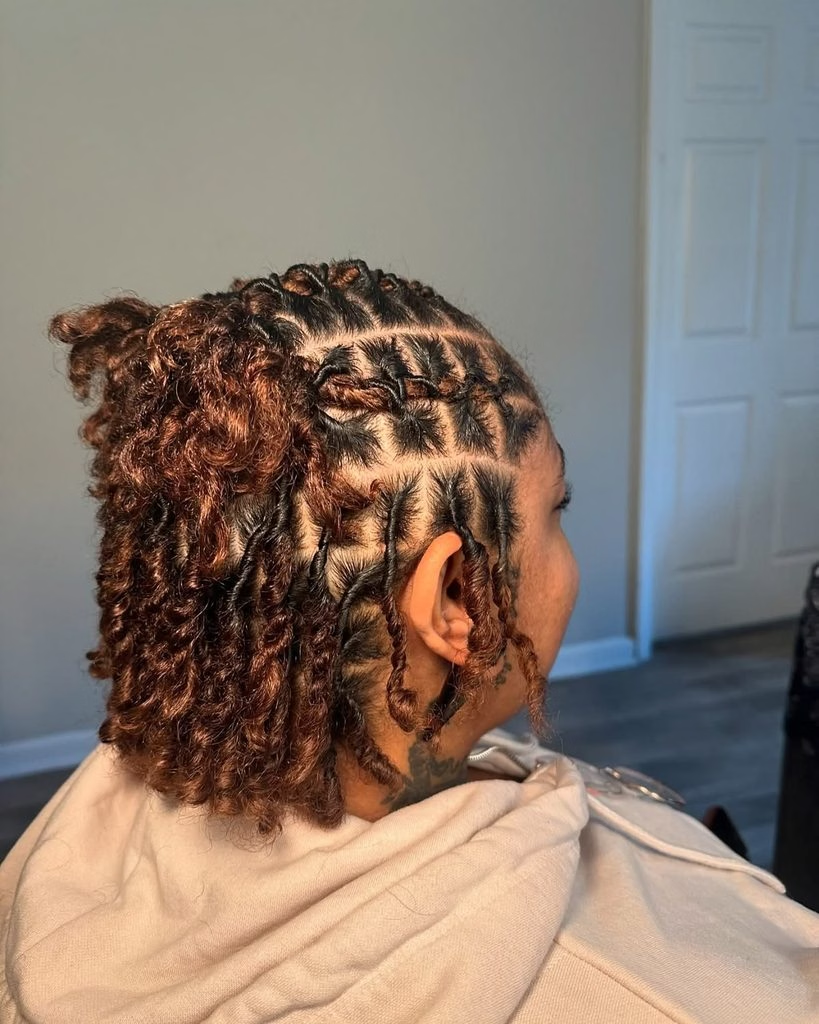
Around month three, many locs begin to bud, which means small knots form along each loc. Budding is a healthy sign that the hair is knotting and slowly tightening into true locs.
Your locs may look puffy, uneven, or messy, and that is exactly what this stage looks like. Resist the urge to separate, smooth, or fix every bump, since constant handling slows locking.
Short and playful shapes, like 25 cute short locs hairstyles, still look cute during this stage. Headwraps, scarves, and simple buns can help you feel confident when your locs feel awkward.
Keep your scalp clean and lightly moisturized, and avoid scratching or picking at the roots.
Many women feel their first real doubt at this stage, which is a completely normal response. Talk with other loc wearers, since hearing similar stories can calm your worries very quickly.
Remember that budding means your hair is doing exactly what it truly needs to do.
Take a photo now, because you will be amazed by the difference a year from today. Keep a spray bottle of water nearby to refresh frizz without handling or twisting your budding locs.
Many women say this stage taught them more patience than any other part of the entire journey.
Month Four to Five: Frizz and Patience
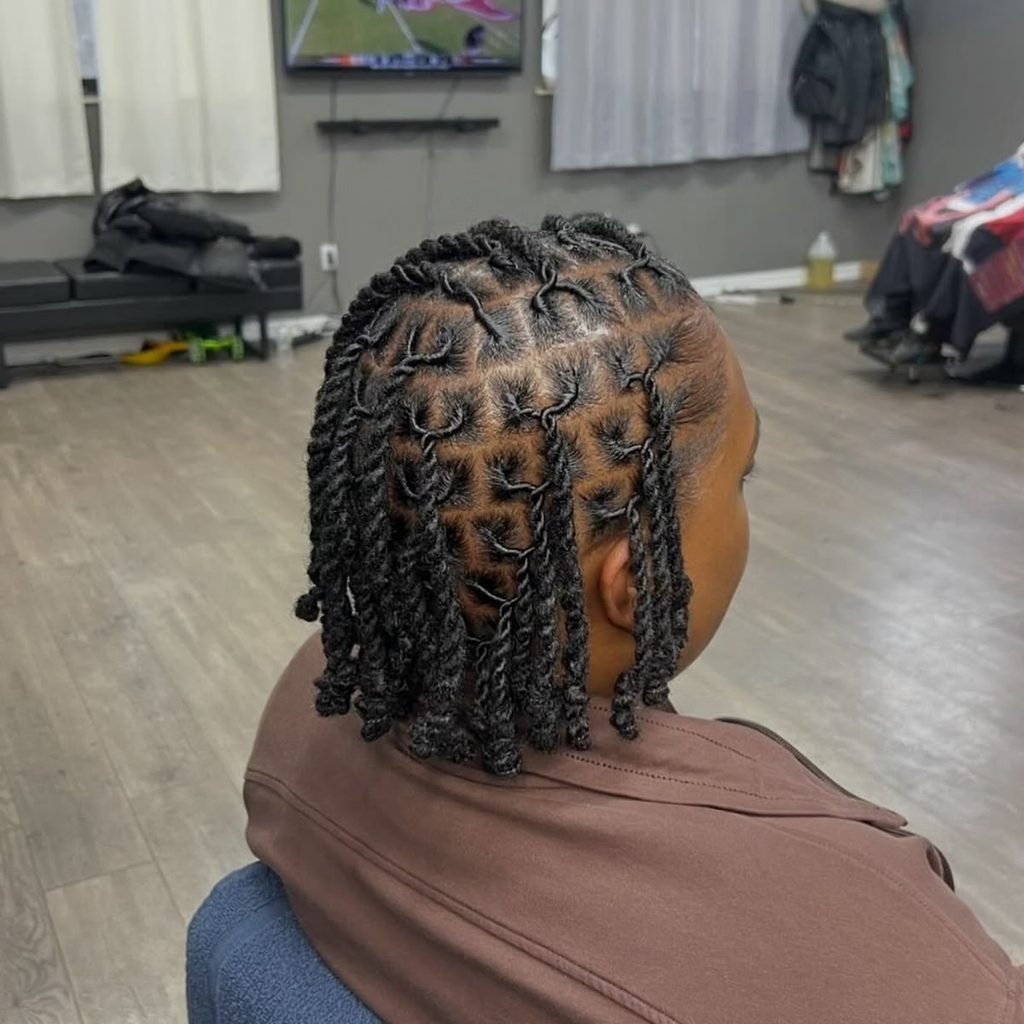
Months four and five are often the hardest, because frizz is high and visible progress feels slow. Your locs may look thinner or looser than before, and new growth can make them look uneven.
This stage tests your patience more than any other, and many women think about giving up. Please do not quit now, because the locs are quietly tightening beneath the frizzy surface.
Wear protective, low manipulation styles, and avoid anything that pulls on your still fragile roots. A satin bonnet and a gentle wash routine remain your best friends during these months.
Try not to compare your hair to anyone else’s, since every journey moves at its own speed.
Distract yourself with hobbies, friends, and new outfits, so you stop checking your hair every hour. Remind yourself that this phase is temporary, and the hardest months always pass faster than expected.
Keep a journal of how you feel, because looking back later will show real growth. Celebrate small wins, like finishing a wash day or going a week without touching your locs.
Plan fun activities during these months, since a busy and happy life makes waiting feel much lighter.
If you feel overwhelmed, speak with a loc stylist, who can reassure you and check your progress.

Month Six: The First Big Milestone
By month six, many locs feel firmer, rounder, and more defined than they did a few months ago. The budding stage is mostly done, and your locs start to look like real, individual locs.
This is often when confidence returns, since progress finally becomes easy to see and enjoy. Take a fresh photo, and compare it to your day one picture for a happy surprise.
Structured shapes, like short bob locs styles, start to look truly achievable around this point. Light styling becomes much easier now, including simple twists, pinned styles, and some neat updos.
Keep up your washing and retwisting routine, since consistency is still the key to healthy locs.
Treat yourself to something nice, because reaching six months deserves real recognition and a little joy. Share your progress with friends, since your story might inspire someone who is just starting.
Keep expectations realistic, since locs still have plenty of growing and tightening ahead of them.
Enjoy this milestone, and let it fuel your patience for the next stage of the journey. Notice how your locs now feel firm when you touch them, which is a wonderful sign of progress.
Month Nine: Locs Start Feeling Real
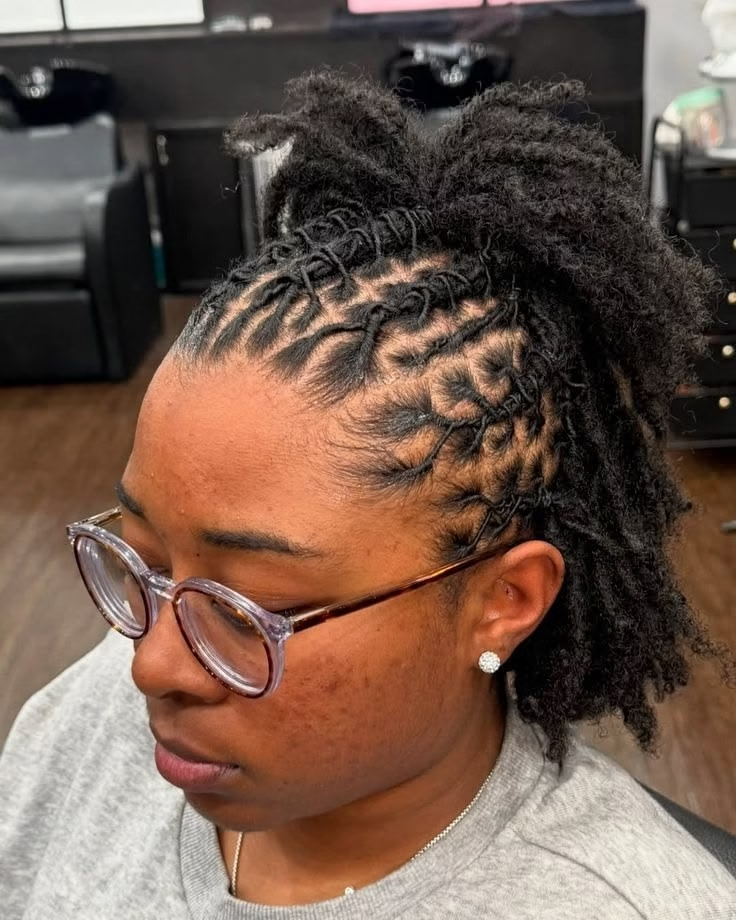
At nine months, your locs feel sturdier, and you can style them without worrying so much. Many women say this is the point where locs finally feel like part of their identity.
Length has grown too, so you can try more options than you could in earlier months. Be gentle with new styles, and avoid anything that tugs hard on the roots or edges.
Balanced styles, like 45 half up half down locs styles, become easier as your locs grow longer. Try a few new looks, and notice which ones feel comfortable and which ones feel too tight.
Keep retwisting every four to eight weeks, and check that your parts stay neat and clean.
Use this stage to find your favorite products, since your routine is becoming clearer now. Notice how much easier wash day feels, since your locs now hold together much better.
Take pride in your patience, because getting here took real discipline and steady, loving care.
Nine months is a wonderful moment to set goals for the next year of growth. Test your routine during different weather, so you learn how your locs respond to rain and heat.
Join an online or local loc community, where members share tips, photos, and honest encouragement daily.
Year One: One Full Cycle
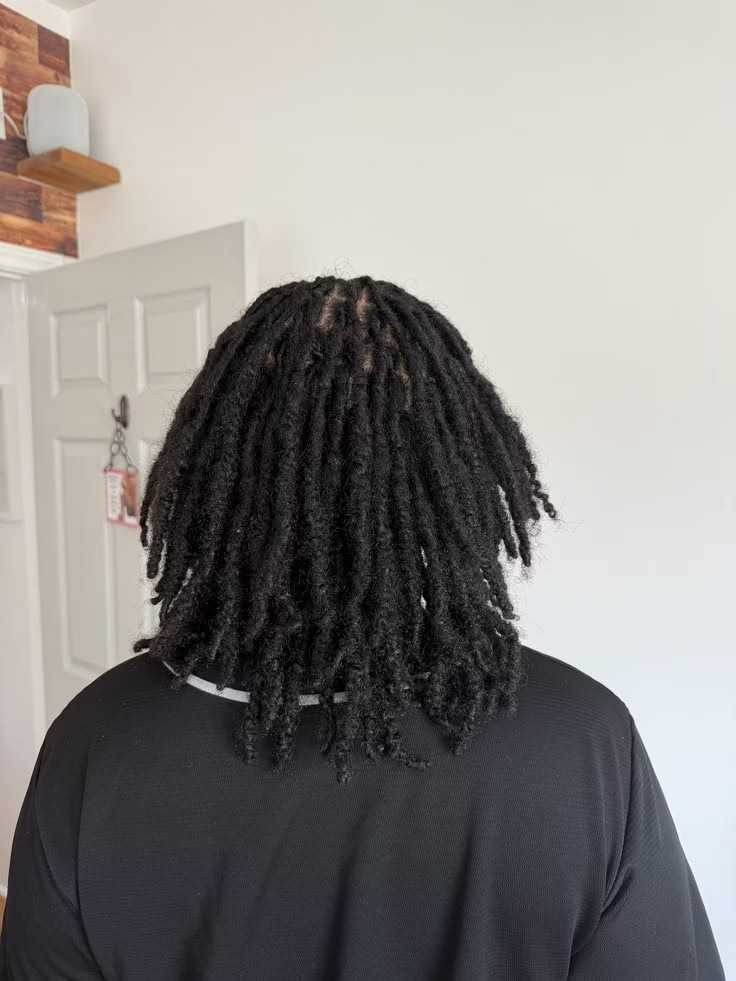
At one year, your locs have been through a full cycle of seasons, styles, and growth. Many women say this is the point where doubts disappear and pride finally takes over.
Your locs are firmer now, and they hold shape better in both styling and daily life. Compare your photos from month one to today, and let yourself feel truly proud of the change.
Polished, shoulder grazing looks, like bob locs for women in their 30s, are possible around this time. Locs may still shrink, so your real length is longer than it looks when they are wet.
Keep to a steady routine, since the next stage rewards the habits you built this year.
Visit a loc specialist for a check, since a professional eye can catch small issues early. Celebrate with a photoshoot, a special outfit, or a new accessory that feels like you. Write a short letter to your future self about what you have learned this year.
Year one is a real achievement, so give yourself full credit for every patient day. Review your budget for the year, and plan for stylist visits, products, and any accessories you want.
Thank the people who supported you, since their encouragement likely helped you through the hardest months.
Month Fourteen to Eighteen: The Maturing Stage
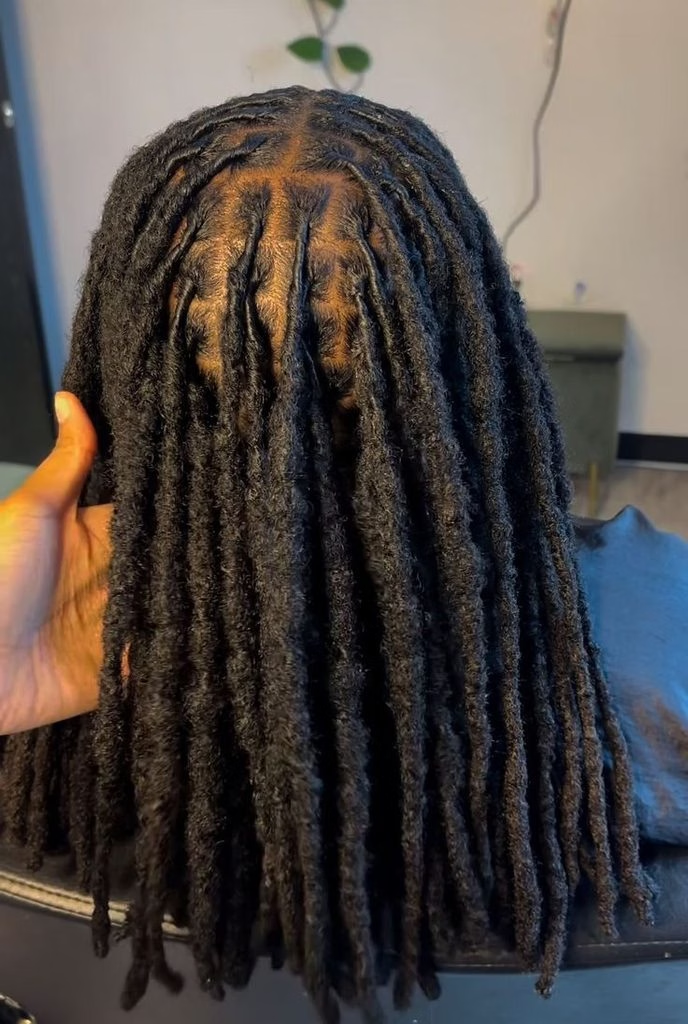
Between months fourteen and eighteen, your locs thicken, tighten, and settle into their long term shape. You may notice more weight in your locs, and they may hang differently than before.
This is a good time to review your routine and remove products that no longer help. Your scalp may also feel calmer, since the roots have adjusted to regular retwisting and care.
Longer styles, like those in long locs styles for fall and winter, become more realistic now. Protect your length with satin bonnets, gentle styles, and very careful handling of the ends.
Avoid heavy accessories that pull on the hair, since the locs are heavier than before.
Keep washing regularly, since mature locs still need a clean scalp and fresh, dry hair.
Try a color or a new accessory if you want a fun change without damaging your locs. Trim split ends carefully, and ask your stylist for the safest method for your locs.
Enjoy this stage, since your locs are finally looking and feeling like mature, healthy locs. Notice how your locs feel when wet, since mature locs hold more water and need longer drying.
Take extra care with your edges, since constant tension at the hairline can cause thinning over time.
Year Two: Growing Into Your Locs
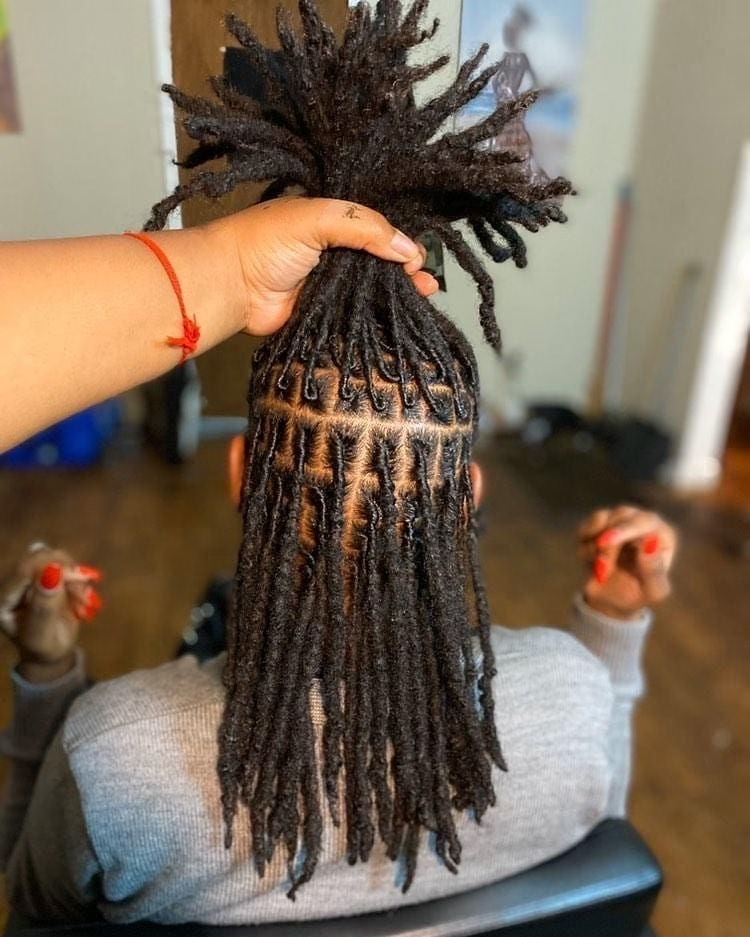
In year two, your locs feel like a settled part of who you are, not a new project. Length keeps increasing, and your styling options grow right along with it every single month.
Your routine is now familiar, and wash day and retwisting feel quick, calm, and comfortable. Many women feel a deeper bond with their hair during this year, and that feeling is lovely.
Fine, delicate styles, like sisterlocks for black women over 40, show another beautiful path some women explore. Experiment with new styles, such as braided designs, soft curls, wraps, and some fun decorative pins.
Keep your retwisting gentle, and give your roots breaks, since longer locs carry more weight. Visit your stylist a few times a year for shaping, checking, and honest professional advice.
Pay attention to your scalp, and see a professional if anything feels painful or unusual.
Encourage newer loc wearers, since your experience can make their early months feel much easier. Year two is a joyful stage, so enjoy your locs and the freedom they bring.
Try a new parting for your updos, since small changes can make familiar styles feel fresh again.
Keep a record of your favorite products, so you can easily restock when supplies run low.
Month Thirty: Settling Into Routine
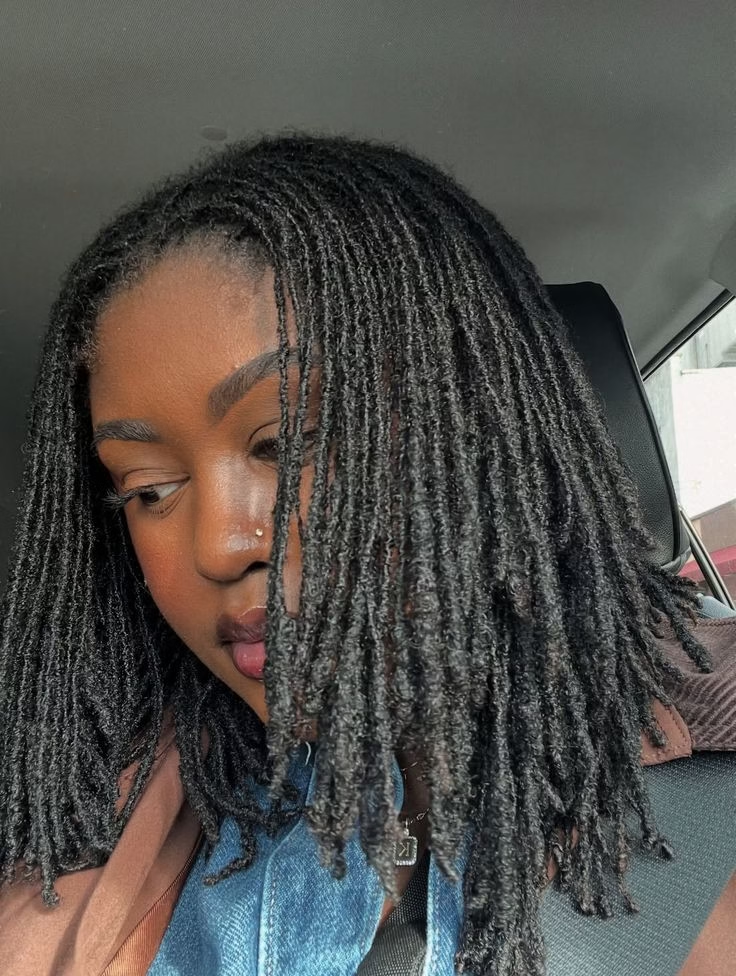
By month thirty, your locs are strong, your routine is steady, and your confidence feels natural. Wash day is faster, retwisting is easier, and styling takes much less thinking than before.
You now know which products, styles, and stylists work best for your own hair and life. This is a good time to review your goals and decide what you want next.
Polished, professional looks, like office-ready locs hairstyles for women, come very easily at this stage. Your locs may look thicker and heavier, which many women find beautiful and very grounding.
Keep protecting your scalp, since healthy roots support healthy locs for the next many years.
Avoid sudden changes to your routine unless your scalp or locs show real signs of trouble. Think about small upgrades, like better tools, a new bonnet, or a gentler residue free shampoo.
This stage feels calm, steady, and satisfying, like a reward for all your earlier patience.
Take a moment to appreciate how far your hair and your mindset have both come. Treat yourself to a professional shaping or check up, since a fresh opinion can keep locs balanced.
Teach a friend or relative to care for her locs, since sharing knowledge builds a stronger community.

Year Three: Mature and Confident
By year three, your locs are fully mature, thick, and deeply rooted in who you are. They hold their shape well, and they can handle many styles, weather changes, and busy days.
Looking back, many women say the difficult early months feel small compared to the joy now. Your locs now tell a story of patience, care, and a quiet kind of strength.
Special events, like those in wedding loc updo styles for black brides, feel easy and exciting now. Mature locs can carry bold styles, such as elaborate updos, curls, and beautiful decorative wraps.
You may even choose to dye, trim, or reshape your locs for a fresh new look.
Work with a trusted stylist for any big change, since locs need careful and informed handling. Keep up your washing, scalp care, and retwisting, since healthy habits protect your locs for life.
Share what you have learned, since your story may inspire many women who are just beginning.
Take photos of your locs now, since this season of your journey deserves to be remembered. Review your care routine once a year, and adjust products or habits that no longer serve you.
Celebrate your third loc anniversary with a special outfit, a photoshoot, or a quiet moment of gratitude.
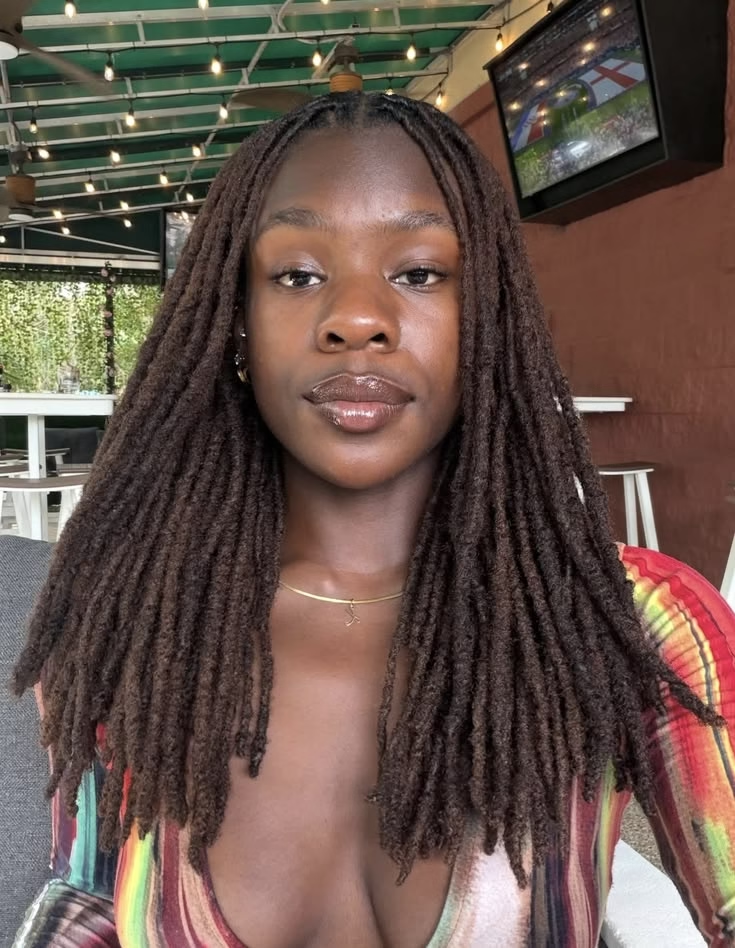
Care Routine Through Every Stage
Across every stage, the basics stay the same, including clean scalp, gentle handling, and consistent care. Wash every one to two weeks with a residue free shampoo, and dry your locs fully.
Retwist every four to eight weeks, and never twist so tightly that your scalp feels sore. Protect your locs at night with a satin bonnet, scarf, or pillowcase to reduce frizz.
Cozy seasonal care, like the looks in locs styles for black women this fall, needs extra moisture. Use light, water based products, and avoid heavy waxes and butters that build up inside locs.
Drink plenty of water, eat balanced meals, and rest well, since healthy hair begins within.
Adjust your routine with the seasons, since cold, dry air and humid heat affect locs differently. Check your scalp often, and talk to a professional if you notice lasting itching or soreness.
Keep your tools clean, and replace worn combs, clips, and caps whenever they start to fray.
A simple routine done well will protect your locs far better than a complicated one. Schedule regular washing days on your calendar, so your routine stays steady even during busy weeks.
Store your products in a cool place, since heat and sunlight can weaken many hair care formulas.
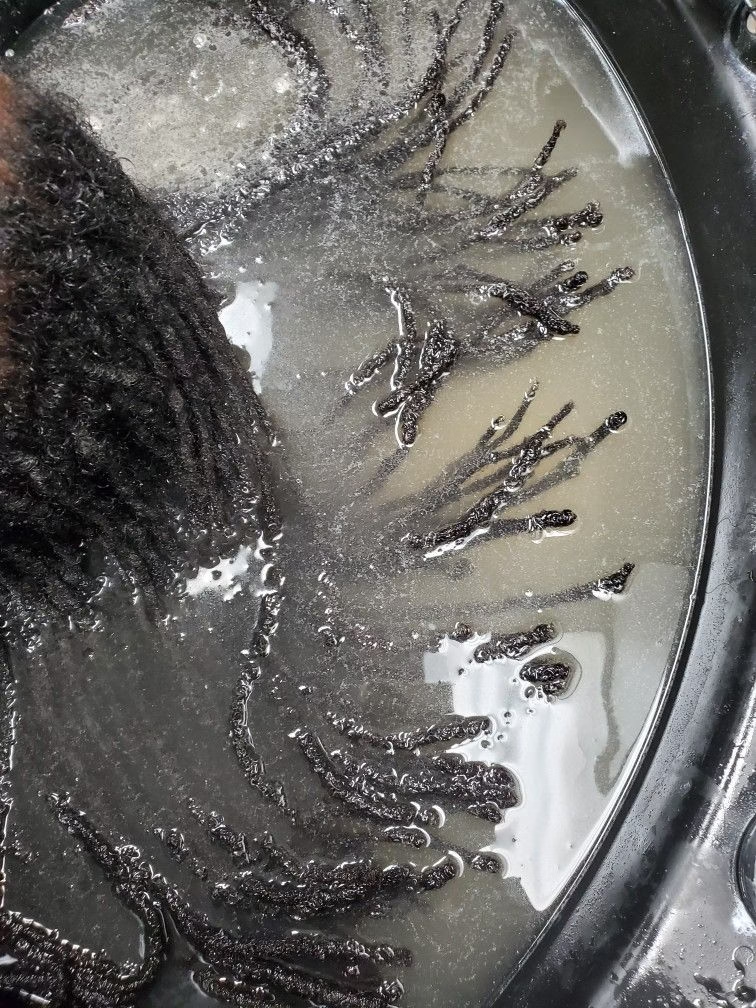
Styling Milestones Along the Way
Each stage of your journey opens new styling doors, from simple buns to elegant updos. In the early months, headwraps, simple buns, and low manipulation styles keep your locs safe.
Around month six, light twists and pinned looks become possible without stressing your young locs. By year one, braided designs, curls, and half up looks start to feel natural and fun.
Big days, like those in bridal loc hairstyles for black women, become wonderful styling milestones for many wearers. In year two and beyond, you can try elaborate updos, bold accessories, and creative color.
Practice complicated styles at home before special events, so you feel relaxed and ready on the day. Rotate your styles, so the same sections do not carry all the tension every week.
Save photos of your favorite looks, since they make wonderful reference pictures for your stylist.
Never force a style your locs are not ready for, since patience protects your hair. Enjoy styling as a creative outlet, and let your locs show off your whole personality.
Ask your stylist which styles suit your current length and loc thickness before trying something new. Take photos of each new style, so you can remember what worked well and what did not.
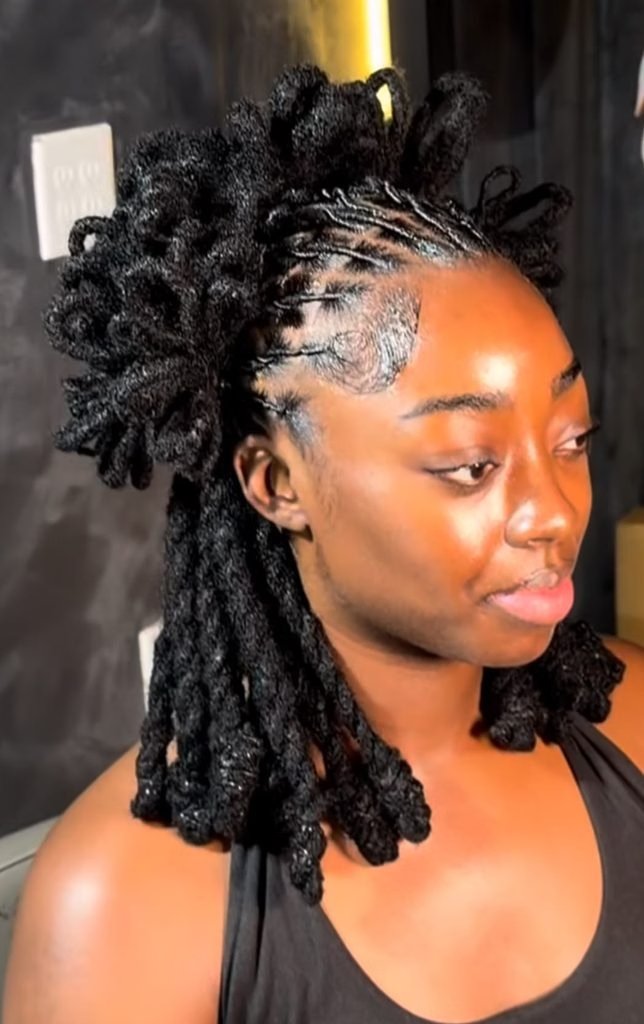
Mindset Through the Journey
Your mindset matters just as much as your products, because locs reward calm, steady, and hopeful thinking. Expect good days and bad days, and do not treat a rough week as failure.
Compare yourself only to your own earlier photos, and never to a stranger’s polished feed. Surround yourself with people who encourage your journey and respect your decision to wear locs.
Parents guiding a child’s journey can learn plenty from 6 mistakes parents make when starting their child’s locs. Be kind to yourself during the awkward stages, since every woman with mature locs has been there.
Practice gratitude by noticing small changes, like firmer roots, easier wash days, and growing length. Remember why you started, and let that reason carry you through slow and frustrating weeks.
Celebrate every milestone, even the small ones, since they all add up to something beautiful. Ask for help whenever you need it, since almost no one grows locs completely alone.
A hopeful mindset turns a long journey into a meaningful and enjoyable chapter of life.
Read inspiring stories from other loc wearers, since their honest journeys can lift your spirits quickly. Give yourself permission to rest, since pushing too hard on hard days only increases the stress.
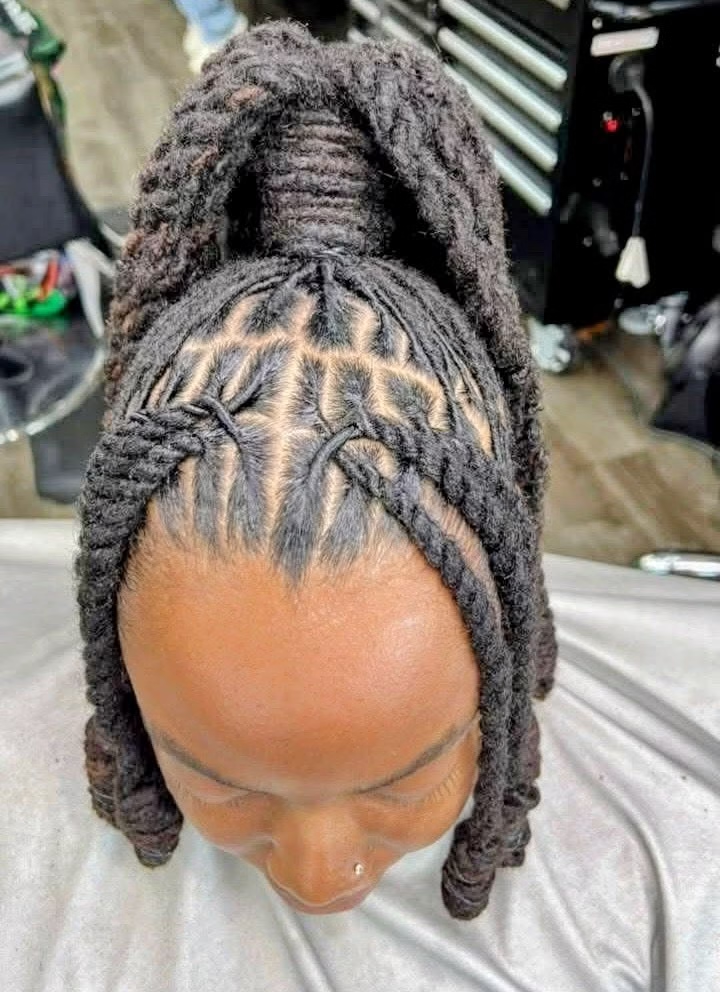
Celebrating How Far You Have Come
Whether you are at month one or year three, your journey deserves real celebration and respect. Every stage has asked something different from you, including patience, trust, and consistent gentle care.
Your locs are proof that slow, steady effort can grow into something strong and beautiful. Take a moment today to look at your hair and sincerely thank yourself for starting.
Keep your photos, your journal, and your memories, since they will mean even more later. Share your story with someone who is thinking about starting, since you know the road well.
Keep caring for your locs with the same steady love that carried you all the way here.
Your journey will keep growing, changing, and surprising you for many beautiful years to come. Be proud of every month, every setback, and every small victory you earned along the way.
Welcome to a lifelong relationship with your hair, one built on patience, care, and pride. Share this guide with a friend who is planning her own locs journey and needs encouragement.