
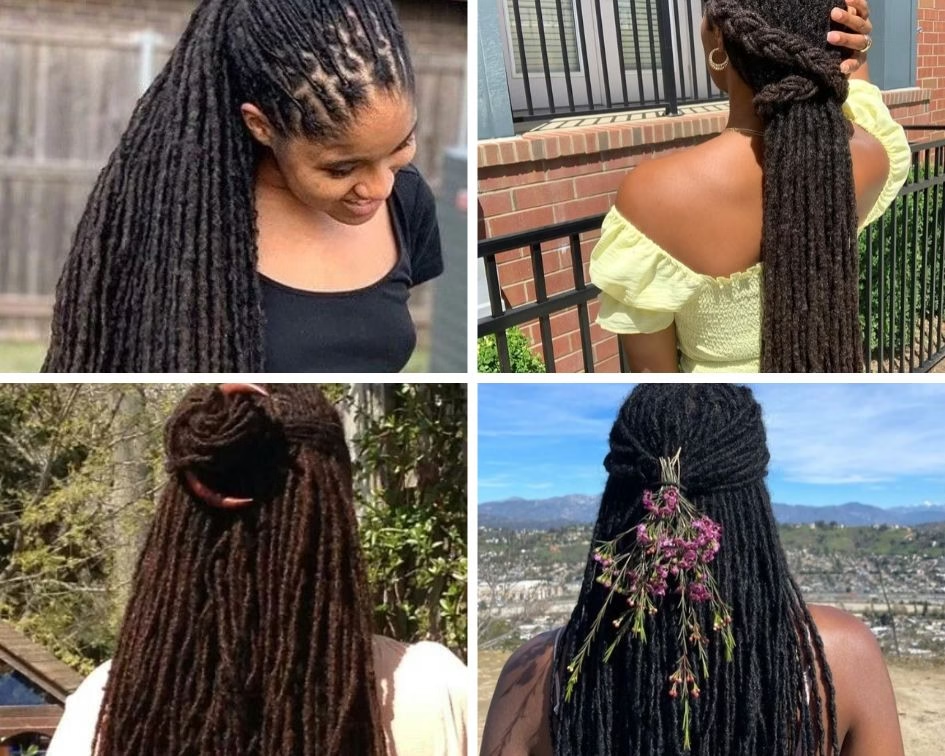
Long locs look effortless in photos, but nobody shows you the weight, the wash days, or the sore neck. I have styled many long locs, and I want you to know the honest side before you fall in love.
Long locs are stunning, and they carry years of patience, but they also come with real surprises. These seven secrets will help you prepare, protect your hair, and enjoy every inch of your length.
If you are still planning to start, read everything you need to know before you start locs first. Then come back here to learn what really happens when your locs finally grow very long.
So let us walk through the seven things that nobody tells you, one honest secret at a time. Grab a cup of tea, and get ready to see your locs in a whole new light.
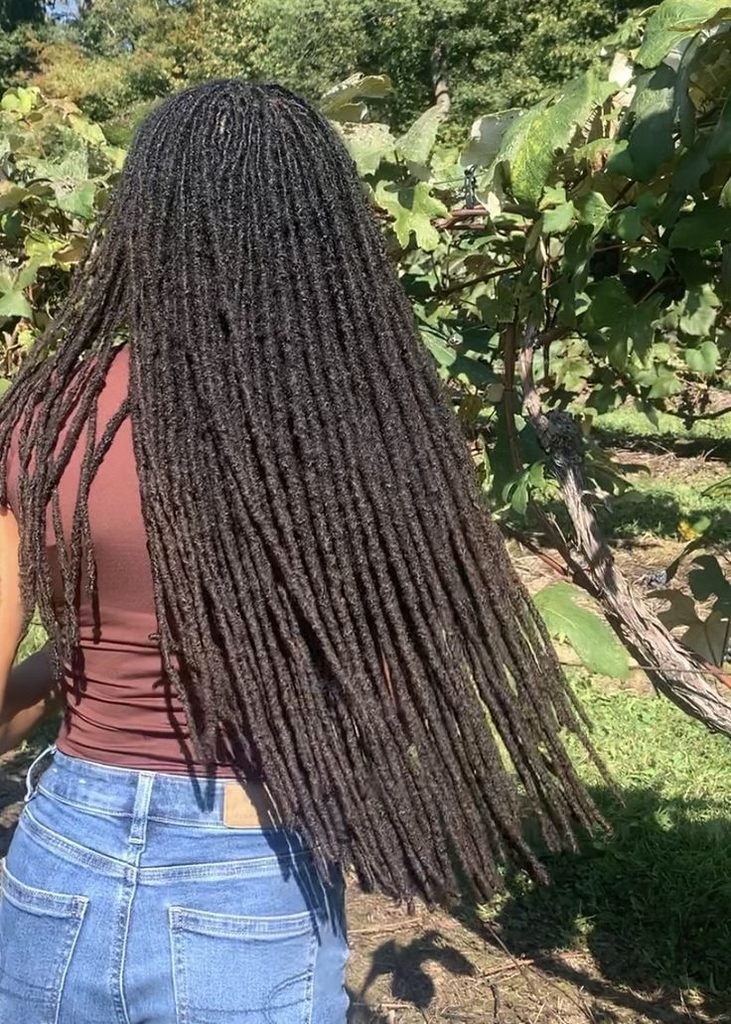
7 Things Nobody Tells You About Having Really Long Locs (Must-Read)
1. Long Locs Are Much Heavier Than You Think
Nobody tells you that long locs have weight, and that weight can change how you feel each day. A thick head of locs that reaches your waist can feel like wearing a heavy scarf all day.
My client Tanisha from Kansas City grew her locs past her hips, and she told me about her aches. Plus, her neck felt tight by evening, and her scalp felt sore when she wore her locs up.
The weight pulls on the roots, the shoulders, and the neck, and it grows with every inch. Wet locs weigh even more, so wash day and rainy days can feel especially heavy.
Your length also decides what you can do, as the locs updo styles by hair length guide shows. Long locs open the door to bold styles, but they also ask for more support and planning.
The good news is that you can manage the weight with a few smart habits. First, spread the weight evenly, because one heavy ponytail can pull hard on a small area.
So wide bands, soft clips, and loose twists share the load across your whole head and neck. Half up styles are a great option, and the 45 half up half down locs styles show many ideas.
Only part of your locs are lifted, so the weight on your roots stays lower. Next, give your scalp rest days, with your locs down and no pins, bands, or heavy styles.
But constant tension in the same spots can lead to thinning, and thin spots are slow to grow back. Also, switch your parts and styles often, so no single area carries all the strain.
Sleep matters too, because a heavy braid or tight bun in bed can hurt your neck and scalp. Then gather your locs loosely in a soft pineapple, and use a roomy satin bonnet made for long locs.
Your body also needs support, so ease your neck and shoulders with gentle daily stretches. A short walk, a warm shower, and a calm massage can ease the tension after a long day.
Also, check how your locs feel, because pain is a sign that something needs to change. If you have ongoing headaches, neck pain, or scalp soreness, talk to your doctor about it.
Plus, some women choose to cut a little length to feel lighter, and that is a valid choice. Length is a gift, but it should never cost you your comfort or your health.
Also, remember that a heavy style can feel fine at noon and painful by the evening hours.
Tanisha now wears her locs loosely, takes rest days, and stretches every night, and she feels better. Listen to your body, and adjust your style before small pain turns into lasting damage.
That is the first thing nobody tells you, and it is worth remembering for years.

2. Wash and Dry Days Can Take Over Your Weekend
Nobody warns you that wash day with really long locs can swallow a big part of your weekend. Long locs take more water, more shampoo, more rinsing, and far more time to dry.
Now a wash that takes thirty minutes on short locs can take two hours on long ones. But drying can take much longer, sometimes many hours, since thick locs hold water deep inside.
Short locs wash much faster, as the 22 short locs styles for women in their 30s remind us. Once your locs grow long, you need to plan wash day like a small project.
So pick a day with no rush, and give yourself a few hours for washing and drying. Busy people can save time with simple routines, and the 20 easy loc styles for busy moms can help.
Start your wash early in the morning, so your locs have the whole day to dry. Also, use a handheld shower head, because it saves time and makes rinsing much easier on long locs.
Rinse for much longer than you think you need to, because leftover shampoo causes itching and buildup. Then squeeze out extra water, and press your locs with a microfiber towel, without rubbing.
Plus, a hooded dryer on low heat and a fan can cut drying time a lot. Never skip drying, because damp roots can cause a sour smell and an itchy scalp.
Check the roots carefully, since they dry last, and press a loc near the scalp. Plan your washes for every two to three weeks, and add quick rinses between them.
This keeps the scalp fresh without forcing you to spend every weekend at the sink. A seat in the shower, a good playlist, and a helper can make wash day pleasant.
Many people with long locs turn wash day into a calm, relaxing, self care ritual. But products also cost more, since long locs use more shampoo, more oil, and more water.
Your water bill may go up, and you may need extra towels, clips, and bonnets. Build these costs into your monthly budget early, so they never surprise you later on.
Also, think about time off for retwists, because long locs need more time in the chair. Ask your loctician for a clear estimate, so you can plan your day and your money.
Still, a little planning turns a long wash day into a calm and rewarding routine.
Long locs are beautiful, but they are also a real time and money commitment for life. If you accept that early, you will enjoy them much more and stress much less.
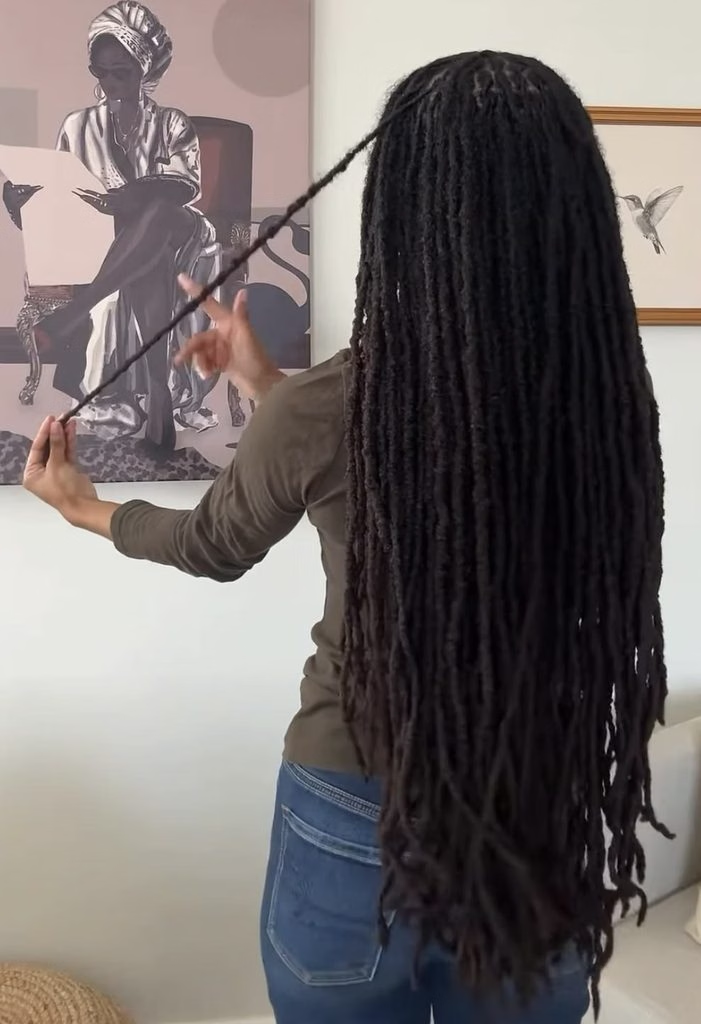
3. Your Locs Will Get Caught in Everything
Nobody tells you how often long locs will get caught, sat on, slammed, or stuck. Car doors, seat belts, backpack straps, chairs, and zippers all love to grab your locs.
My friend Renata from Tucson once had her locs caught in a car door, and it hurt badly. Then she learned to flip her locs forward over one shoulder before she climbs into any seat.
That small habit saves her from pulled roots, snapped locs, and a lot of pain. Long locs also drag in bathrooms, kitchens, and food, which is not the most glamorous truth.
Plus, they can dip into your dinner, catch the smell of cooking, and pick up dust. Gathering your locs up while you cook, clean, or eat keeps them fresh and safe.
A secure crown wrap keeps long locs out of the way, as the 12 locs crown braid updos show. Also, a crown spreads the weight around your head, and it keeps your locs from dragging on surfaces.
A low, loose bun or a soft pineapple also works well for chores, workouts, and cooking. Accessories can snag long locs, so be careful with them, as the locs accessories guide explains.
But metal cuffs and beads can catch on clothes, hair ties, and car seats in a second. Choose smooth, light pieces, and check them often, so nothing digs into your locs or scratches.
Another surprise is how often long locs merge or knot together, especially in windy weather. Tying your locs back loosely on windy days helps prevent knots, merging, and tangles along the length.
Next, use a satin scarf over your hair on windy days, because it keeps the surface smooth. Be gentle when you free a caught loc, and never yank it, because that can snap the hair.
Stop moving, look at what is caught, and free it slowly with calm, steady hands. If a loc is pulled and your scalp hurts, rest your head, and avoid tight styles for a few days.
Sitting on your locs is another common problem, and it can pull your scalp without you noticing. So make it a habit to check your locs before you sit down, especially in cars and chairs.
Also, keep a spare hair clip in your bag, because a quick gather can save your locs.
Long locs ask you to move with care, and you will soon do it without thinking. Think of your locs as a part of your body that needs to be protected.
Small habits like flipping, gathering, and checking will save you from many painful, avoidable moments. That is the third secret, and your future self will thank you for knowing it.
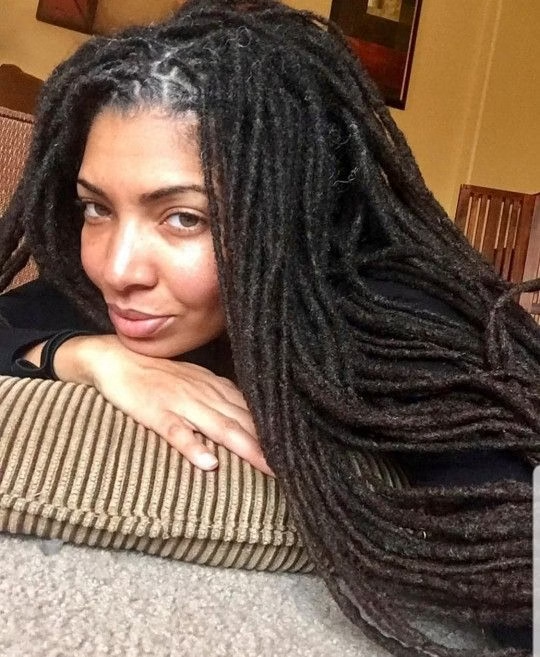
4. The Ends Need Extra Care
Nobody tells you that the ends of really long locs are the oldest part of your hair. Those ends may be years old, and they have faced washing, styling, sun, wind, and friction.
Because of that, the ends can become dry, thin, frayed, or weak more than the roots. But many people focus on the roots and forget the ends, and that is where length is lost.
Your upkeep style matters here, and the guide on retwisted locs and freeform locs explains both paths. Retwisting cares for the roots, but it does little for the ends, which still need gentle attention.
So moisturize the ends every few days with a mist of water and a few drops of oil. Dry ends snap easily, and snapped ends make your locs look thinner and shorter over time.
Also, protect the ends at night with a roomy satin bonnet, so they do not rub on bedding. Tuck the ends inside your clothes or style them up, so they do not drag and fray.
Locs can also develop thin spots in the middle, where weight and friction add up. Then check your locs often, running your fingers down each one to feel for weak or thin places.
If you find a thin spot, tell your loctician, because early repair can save the loc. Never pull or twist a thin spot hard, since that can break the loc in two.
Age also changes hair, and the 15 mature locs styles for women over 40 show how beautiful it can be. Hair may become finer, drier, or more fragile with the years, so care needs to adjust.
Long locs on fragile hair need extra support, extra moisture, and lighter styling than before. Still, some people trim damaged ends to keep their locs healthy, and that is a smart choice.
A small trim by a loctician can remove frayed ends without costing you much length. Do not cut locs yourself, because uneven cuts and open ends can unravel the hair.
Ask a professional to shape and finish the ends so that they stay neat and strong. Avoid rough brushing, harsh chemicals, and heavy heat on the ends, since they are fragile.
Keep your products light, because heavy waxes can weigh down the ends and make them stiff. A monthly clarifying wash keeps the ends clean, soft, and free of old, heavy product.
Plus, regular check ins with your loctician help you spot small problems before they grow.
Long locs are a long term project, and the ends tell the story of your care. Treat them with kindness, and they will stay strong all the way to the tip.
That is the fourth secret, and it protects your length better than any magic product.
5. Special Events Need Planning
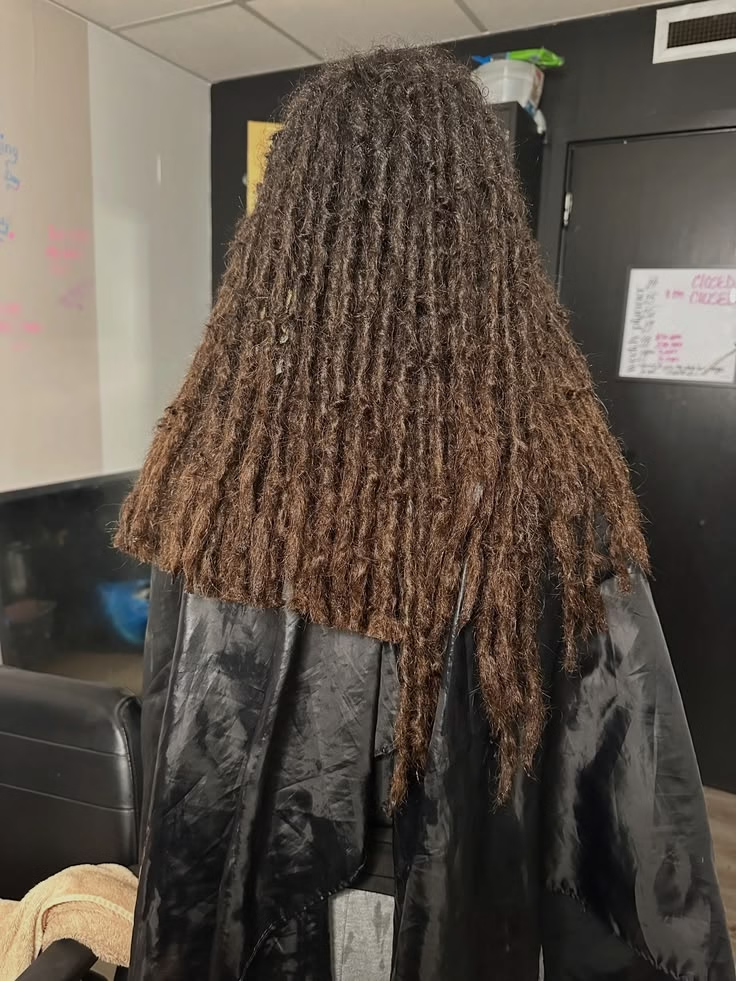
Nobody tells you that styling really long locs for a big event takes planning, time, and helpers. A wedding, a graduation, or a photo shoot can ask a lot from your length and your patience.
Long locs can look stunning in an updo, but updos need strong support and careful pinning. The wedding loc updo styles for black brides show beautiful ideas that suit long locs well.
For even more ideas, browse the 25+ bridal locs updo ideas, and save your favorites early. A big style can take two or three hours, so schedule your stylist far in advance.
Now long locs need a strong base, such as a firm bun, a sturdy braid, or a wide crown. Use many pins, but keep each one hidden and angled, so nothing pulls on a single loc.
First, test your style for several hours before the event, and note any pain or pulling. Then wash your locs two or three days before the event, so they hold pins better.
Freshly washed long locs can be slippery, heavy, and hard to pin, so give them time. Book a retwist about a week before, so your roots look fresh without a sore scalp.
Also, eat well on the day, drink water, and take breaks, because heavy updos can be tiring. Bring a small kit with extra pins, a comb, a mirror, and a satin scarf for emergencies.
Next, ask a trusted friend to learn how your style is built and how to take it down. Taking down a heavy updo takes patience, and rushing can pull out hair and snap locs.
After the event, give your locs rest, moisture, and a few days of loose, gentle styles. Special events also bring many photos, and long locs look different from every single angle.
Ask your photographer to capture your back, your profile, and the length of your locs. A neat back view matters a lot because many photos show your hair from behind.
If you are a guest, keep your style simpler, so you can dance and hug in comfort. A simple low bun or a loose pineapple keeps long locs safe on the dance floor.
Plus, plan your outfit around your style, since high necklines and big collars can tangle with locs. Try on your outfit during your hair trial, so you know that everything fits together.
And do not forget comfortable shoes, because long events and heavy hair can tire your whole body.
Long locs make a dramatic statement, and good planning lets you enjoy it fully and calmly. That is the fifth secret, and it turns event stress into confident, happy, lasting memories.
6. Weather and Seasons Change the Game
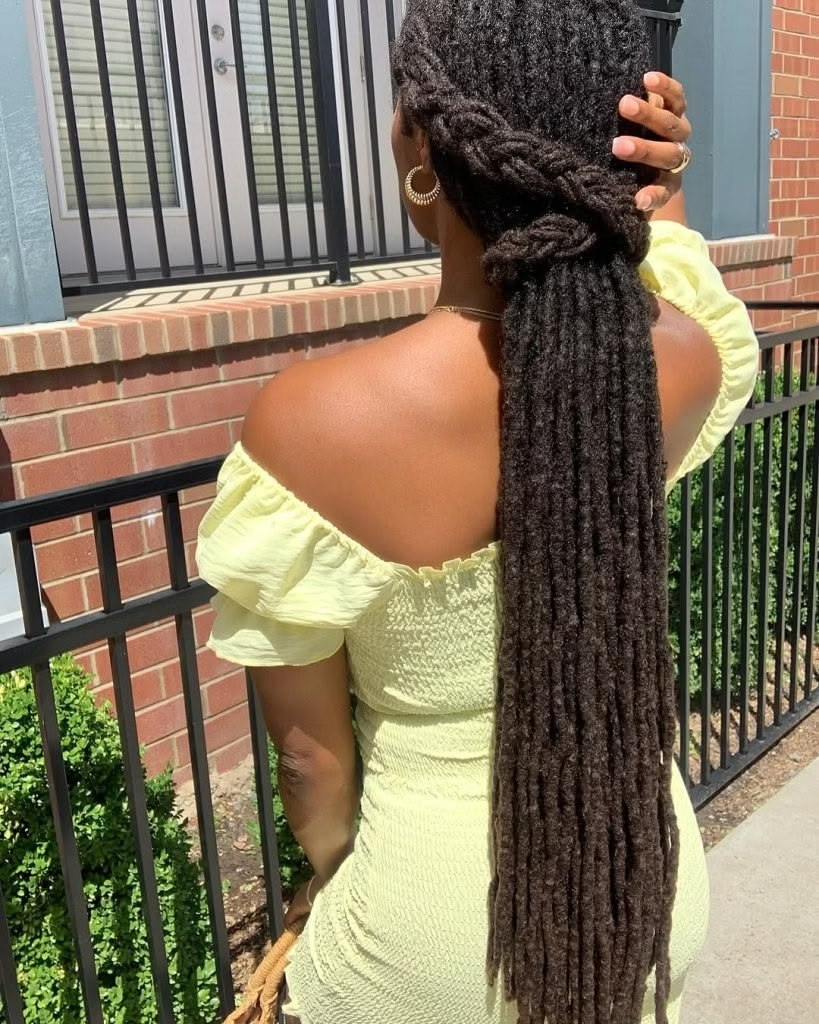
Nobody tells you that weather can change how long locs look, feel, smell, and behave. My neighbor Odessa from Macon loves her long locs, but she dreads freezing winter mornings.
Now wet long locs take forever to dry, and cold air can make them stiff and uncomfortable. The 12 long locs styles for fall and winter show cozy ideas, and they help you plan ahead.
In winter, never go outside with wet locs, because they can stiffen, chill you, and snap. Then dry your locs fully, and cover them with a satin lined hat or a silk scarf.
Wool hats and scarves can snag and dry out locs, so line them with satin. But coats and big collars can also trap your locs, so gather them before you dress.
In summer, long locs can feel hot and heavy, and sweat can build up near your neck. So pin your locs up and off your neck, and rinse your scalp when you feel sticky.
The sun can fade color too, so the 39 colored locs ideas for black girls need protection. Next, wear a scarf or a wide brim hat, and rinse your locs with clean water after swimming.
Chlorine and salt water can dry long locs, so rinse them well and wash soon after. Humidity can make long locs swell and frizz, and rain can make them heavy and slow to dry.
Carry a satin scarf or a hood, because rain can surprise you on any day. A light oil on the surface can calm frizz, but use only a small amount each time.
Also, wind can blow long locs into knots, so tie them back loosely when it is breezy. Indoor heating and air conditioning can dry your scalp and locs, so drink water often.
Odessa now keeps a weather plan, with a scarf, a satin hat, and a towel near the door. She says that planning ahead removes most of the stress, and her locs stay healthy.
Adjust your routine with the seasons, and use richer moisture in cold, dry months of the year. In warm months, wash a little more often, and keep your products light and simple.
Pay attention to how your scalp feels, because it will tell you what it needs. Dress for the weather, and let your locs ride along comfortably and safely with you.
Also, keep a small towel in your car, because sudden rain can soak long locs quickly.
Long locs live in every season with you, so every season needs a little plan. That is the sixth secret, and it keeps your locs happy, soft, and healthy all year.
7. People Will Have Opinions and Questions
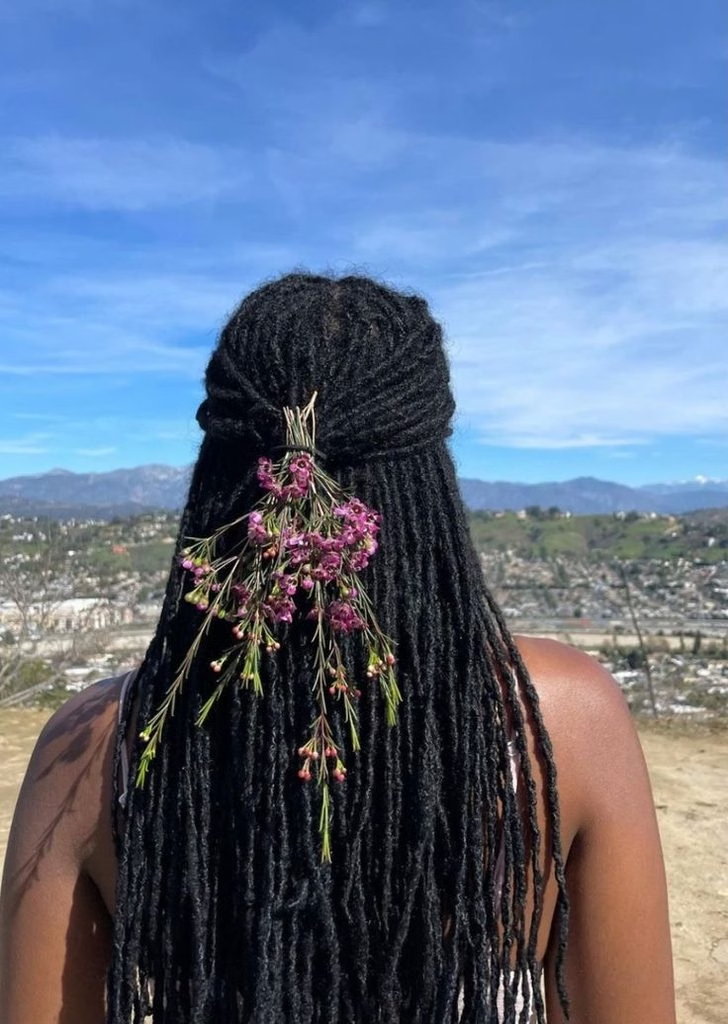
Nobody tells you how much attention really long locs will bring, from strangers, friends, and family. People will stop you in stores, compliment your length, and ask how long it took to grow.
Many compliments will feel lovely, and some will make you smile for the whole day. But others will feel awkward, such as strangers who touch your locs without any permission at all.
So you have every right to say no, and you can do it with a calm, firm smile. A simple line like thank you, but please do not touch my hair, is enough.
Your locs are part of your body and your identity, and boundaries protect your peace. You may also hear strange questions, such as if your locs are real, clean, or heavy.
Also, some people will have old myths about locs, and you can answer them with kindness and facts. You do not owe anyone a long explanation, and you can choose to educate or to move on.
Work and school can bring comments, so know your rights and read your handbook with care. A neat, clean style helps in any setting, and your locs are professional on their own.
Family can also have strong opinions, especially if long locs are new in your home. Some relatives may worry about the time, the cost, or the care that locs require.
Listen kindly, share what you know, and remember that your hair is always your choice. Children will also notice your locs, and they will ask honest, curious, and funny questions.
Plus, kids copy how adults talk about hair, so speak about your locs with pride and love. If a child in your life has locs, the guide on how to maintain kids locs at home can help.
Children learn confidence when they see adults who love their natural hair and care for it well. Your long locs can become a living lesson in patience, pride, and self love for them.
Still, remember that kind words and kind boundaries can live together in the same conversation.
The emotional side of long locs is real, since your hair holds years of your story. Some days you will feel proud and powerful, and other days you may feel tired of the work.
Both feelings are normal, and neither one means that you made the wrong choice at all. Take breaks, ask for help, and give yourself grace on the heavy and messy days.
Then find a community of people with long locs, because shared tips and stories make the journey easier. Surround yourself with people who respect your hair and celebrate your growth every single day.
That is the seventh secret, and it may be the one that matters the most.
Final Thoughts on Living With Really Long Locs
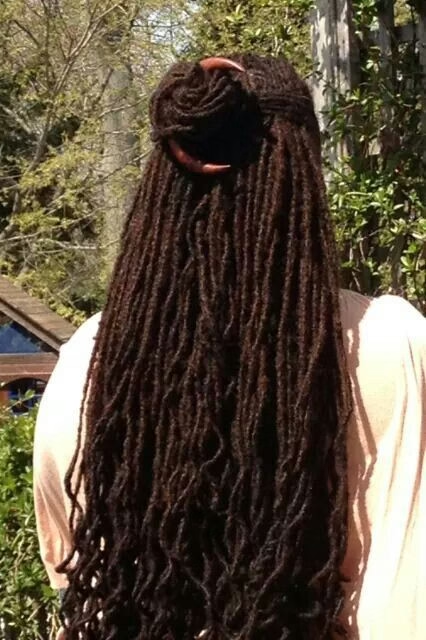
Really long locs are beautiful, powerful, and full of meaning, but they are also a real commitment. They are heavy, they take time to wash and dry, and they catch on everything around you.
Their ends need special care, their styles need planning, and the weather and the people around you matter. None of that should scare you, because knowing the truth is the first step to loving your locs.
So build simple habits, protect your scalp and your ends, and listen to your body each day. Ask for help when you need it, and visit a skilled loctician who respects your goals.
Celebrate how far you have come, because every inch carries years of patience and care. Your long locs are a living record of your journey, so wear them with joy.
Now that you know the seven secrets, you are ready to enjoy your length with confidence.