
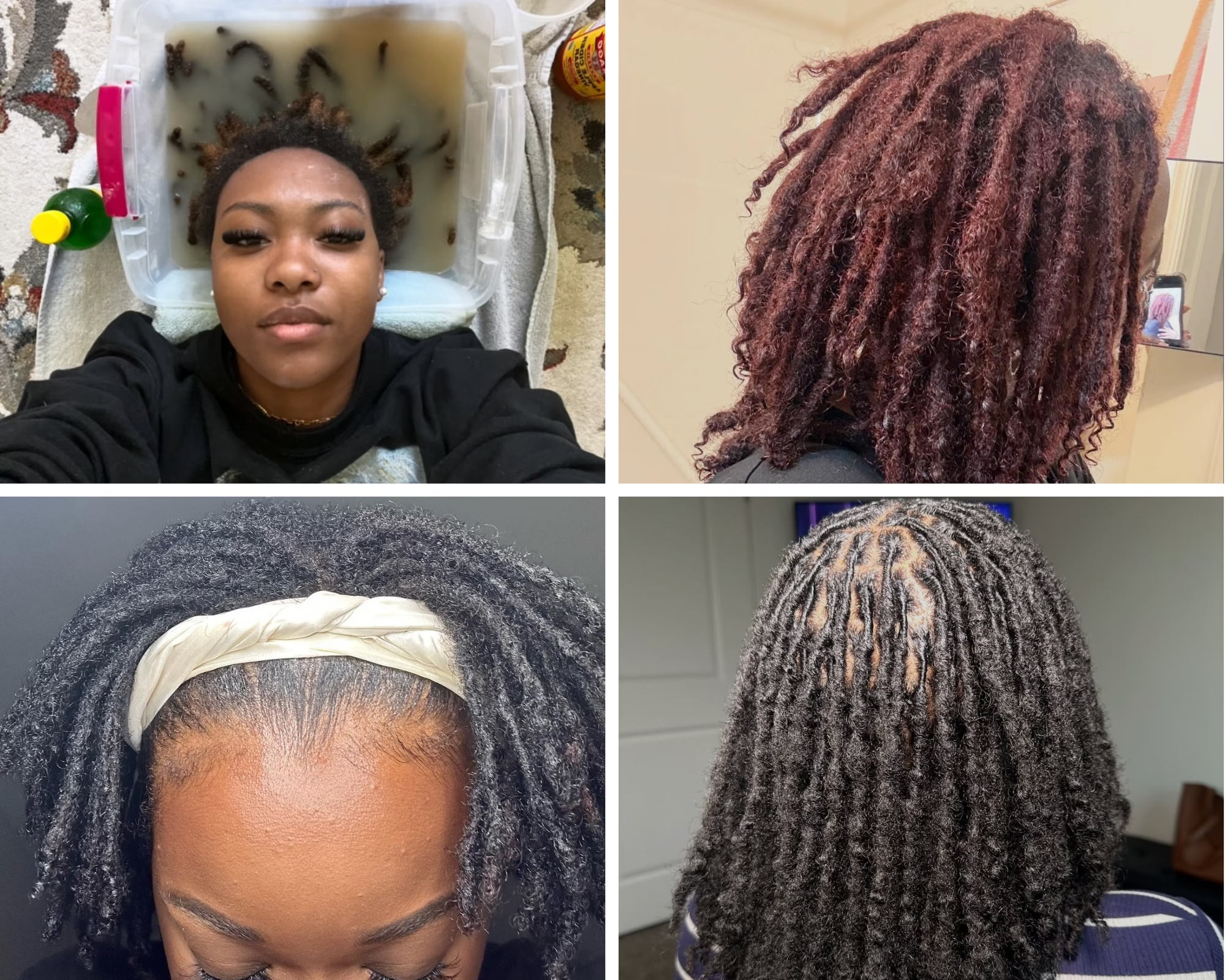
Healthy locs between salon visits come from small habits, not a shelf full of products.
Products are not the answer.
You need a simple routine that keeps your scalp clean, your locs lightly moisturized, and your roots free from too much pulling.
Dryness, buildup, frizz, and itching usually start when you do too much, skip wash day too long, or keep retwisting every loose strand.
Scalp care comes first. Less can help more.
Start by learning when to mist, when to oil, when to wash, and when to leave your locs alone.
That is how to maintain locs at home for Black women without causing extra stress between salon visits.
Pin this post How to Start Locs for Beginners Step by Step: A Simple Guide for Your First 90 Days
Know What At-Home Loc Maintenance Should and Should Not Do
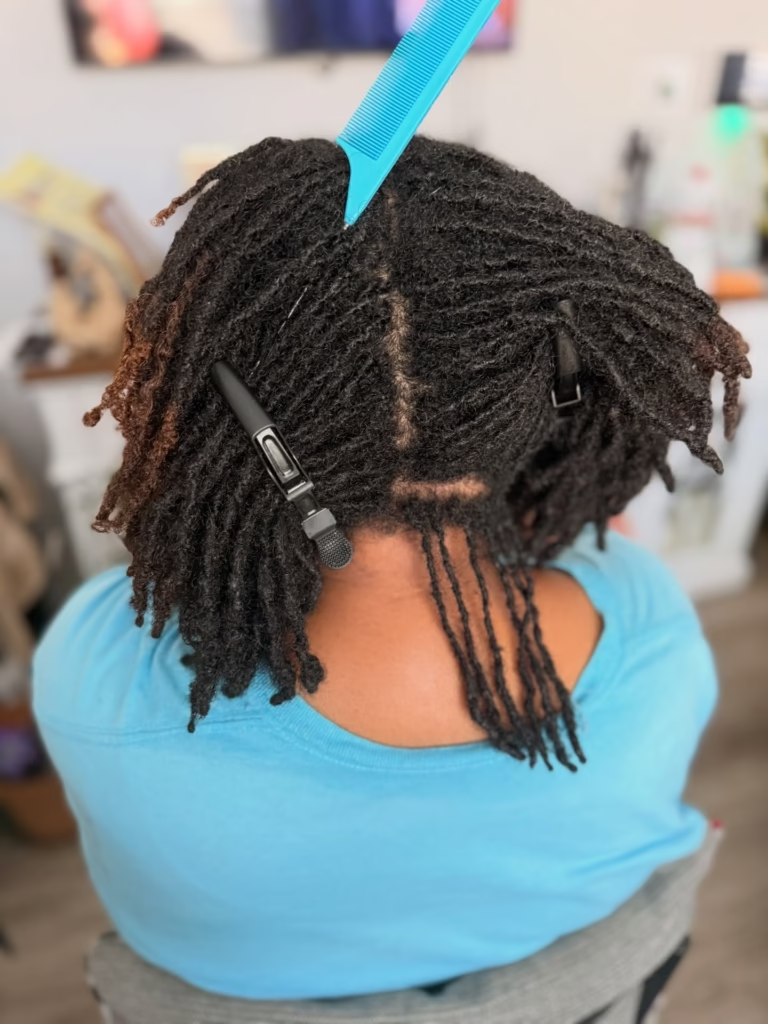
At-home care should keep your locs stable between appointments, not turn you into your own full-time loctician.
Your job is to protect what your stylist already shaped while keeping your scalp clean, calm, and comfortable. Trying to fix every loose hair can create more stress than leaving some frizz alone.
Home care keeps locs clean, soft, and protected
Simple habits do the most work.
Cover your locs at night, mist lightly when they feel dry, clean your scalp when it needs washing, and avoid styles that pull your edges. These steps help your locs stay fresh without forcing them to look newly retwisted every day.
Salon visits handle deeper maintenance and shaping
A loctician can see things you may miss.
They can check thinning roots, locs joining together at the base, uneven parts, weak spots, buildup, and tension from repeated styles. Home care supports that work, but it should not replace trained hands when something feels wrong.
Overdoing at-home care can cause more problems
Too much attention can hurt your locs.
Daily twisting, heavy oiling, constant brushing, and too many products can lead to buildup, sore roots, or weaker areas over time. Locs need care, but they also need space to settle.
You may be interested in reading Long Locs Styles for Fall and Winter: 12 Cozy, Protective Looks for Cold Weather
Your goal is healthy roots, clean scalp, and less tension
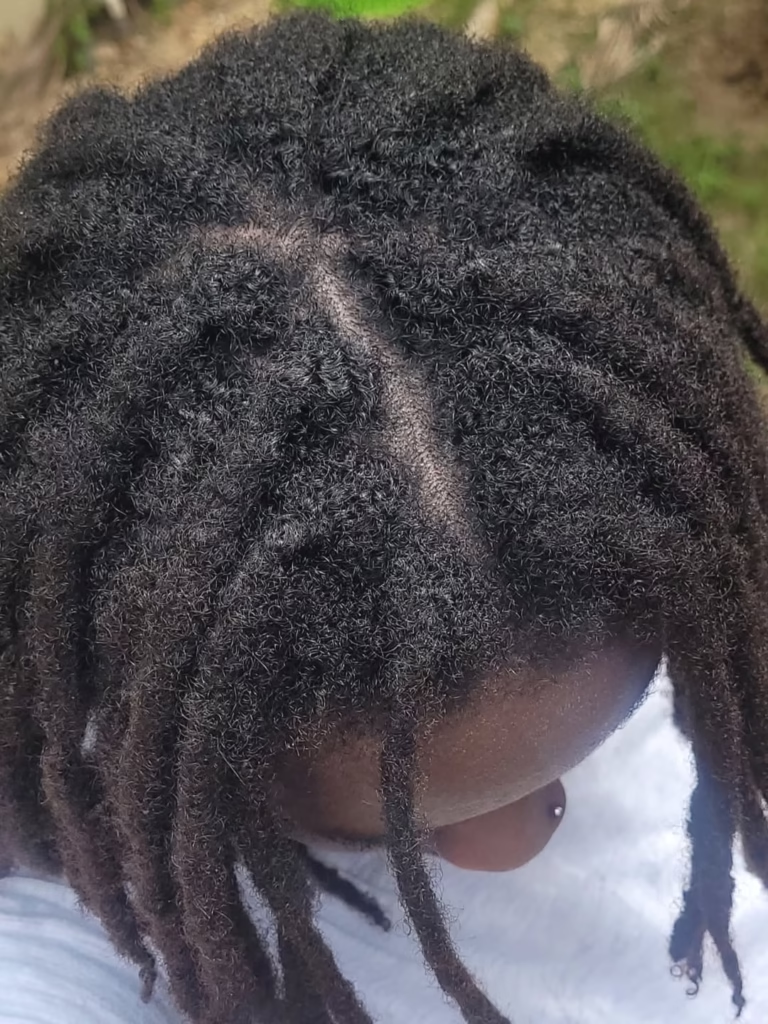
Healthy maintenance starts at the scalp.
Focus on how your roots feel, whether your scalp is itchy or sore, and whether your styles are pulling in the same place each week. A neat style is not worth it if your temples, crown, or nape feel tender after wearing it.
Neat does not always mean healthy
Fresh roots can look beautiful, but puffy roots are not always a problem.
Between salon visits, your locs may frizz, swell, or lose that sharp parting. That does not mean they are dirty or failing. Choose comfort first, clean when needed, and let your next salon visit handle the polished finish.
Build a Simple Weekly Routine Before Buying More Products
Your routine should tell you what to do before your hands reach for another bottle.
Most product problems start when you keep adding sprays, oils, gels, and creams without knowing what your locs actually need that week.
Simple wins.
Daily: protect, place, and leave your locs alone
Start each day by placing your locs with your fingers instead of twisting every loose hair.
Place the front, shake the back loose, and check that your edges are not sore from the night before.
After that, leave your hair alone as much as possible because constant touching can create frizz, weaken fresh roots, and make your locs feel rough faster.
Cover your locs at night with satin or silk so your pillow does not pull moisture from your hair.
Midweek: mist only if your locs feel dry
Misting should be based on how your hair feels, not because someone online said to spray every day.
Touch first.
Spray lightly if your locs feel stiff, dry, or rough, then press the moisture in with your hands.
Follow with a small amount of light oil only if your scalp feels dry, because too much oil can sit on the scalp and attract dirt.
Weekly: check scalp, lint, and buildup
Choose one day each week to inspect your locs in good light.
Look at your scalp, nape, crown, and ends for flakes, lint, sore spots, or heavy product.
Gently remove visible lint with your fingers, but do not dig into the loc or pull at the hair.
Early checks help you fix small issues before your next salon visit.
Wash day: cleanse gently and dry fully
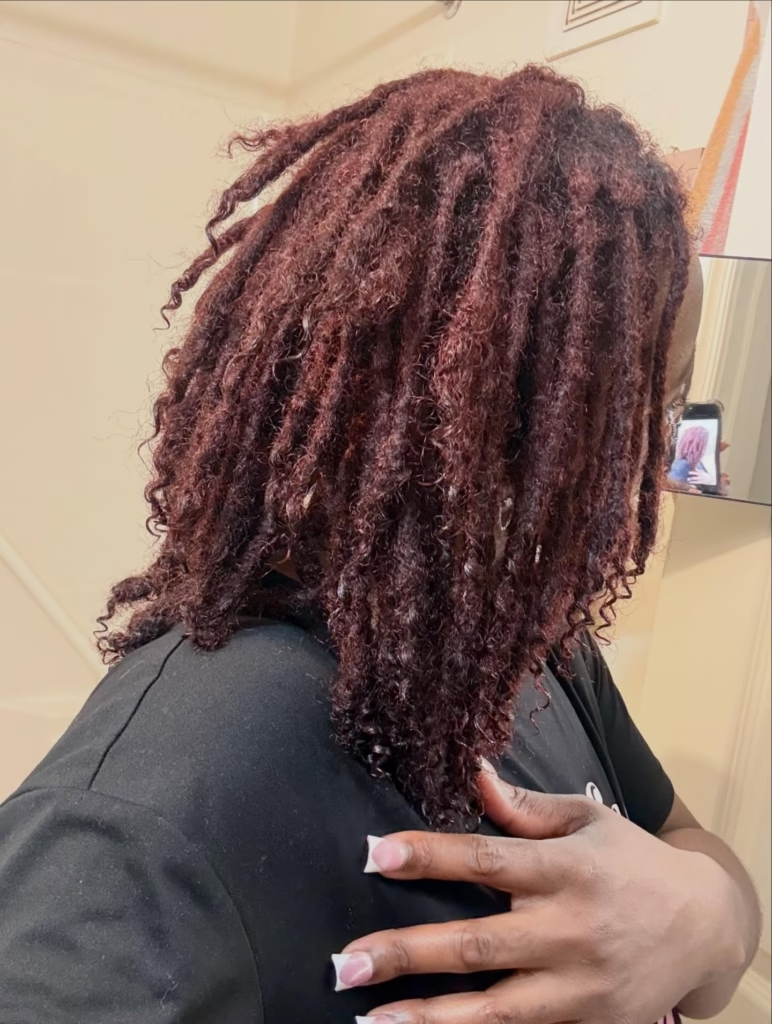
Wash when your scalp feels dirty, sweaty, itchy, or coated.
Focus shampoo on the scalp first, then let the rinse water move through the locs.
Rinse longer than you think.
Dry your locs fully before covering them, tying them down, or styling them into a bun.
Damp locs can smell musty if moisture stays trapped inside.
See more 37 Beautiful Starter Loc Styles That Will Make You Love Your Hair at Every Stage
Salon week: note what needs professional attention
Use the week before your appointment to notice patterns.
Write down which areas feel sore, which locs keep joining at the root, where buildup appears, and what products caused flakes.
Photos help too.
Clear notes help your loctician understand what happened between visits, so your salon time is used to fix the real problem.
Wash Your Locs at Home Without Creating Buildup or Odor
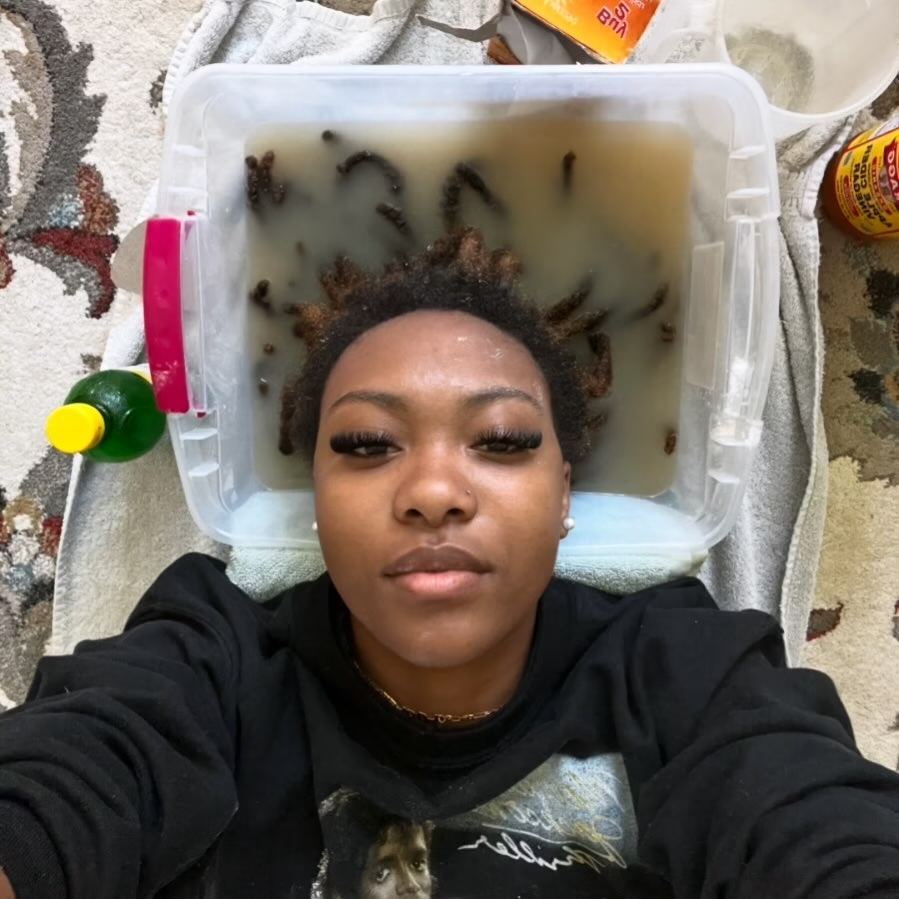
Clean locs start with the scalp, not the ends.
Sweat, oil, flakes, and product sit closest to your roots, so that is where your wash should begin. Skipping wash day for too long can make your scalp itchy, and covering dirty locs with more oil can make the smell worse.
1. Clean the scalp first because that is where sweat and oil sit
Start by wetting your scalp well before adding shampoo.
Place the shampoo between your parts and work it gently across the scalp with your fingertips. This helps clean the area that gets the dirtiest without roughing up the full length of your locs.
2. Use shampoo that rinses out easily
Scrub less.
Use a shampoo that does not leave a thick coating behind.
Nails can scratch your scalp, so use the pads of your fingers and move slowly through each section. A good wash should leave your scalp feeling clean, not tight, sticky, or coated.
3. Avoid heavy creams before wash day
Let your locs breathe before washing.
Heavy creams, thick butters, and too much gel can sit on the hair and make shampoo work harder than it needs to. When product builds up inside locs, the hair can feel dull, heavy, or hard to rinse clean.
4. Rinse longer than you think you need to
Rinsing matters.
Squeeze your locs gently while water runs through them so shampoo can leave the hair fully.
Leftover shampoo can dry into the locs, make your scalp itch, or leave a smell once the hair is covered again. Take extra time around the nape, crown, and thicker sections because those areas can hold product and water longer.
5. Dry your locs fully before covering or styling
Damp locs need time.
Use a towel that does not leave lint, squeeze out extra water, and let your hair dry fully before putting on a bonnet, scarf, hat, or tight style. Damp hair trapped under fabric can start to smell musty, especially if your locs are thick or long.
What to do if your locs smell musty after washing
First, check whether your locs are drying all the way.
Then review your products, because heavy oils, creams, or old buildup can trap odor even after shampooing. Fresh air, full drying, and a cleaner wash routine may help, but a strong smell that keeps coming back should be checked by a loctician.
Persistent odor is not something to hide with perfume or more scented oil.
Check out How to Keep Starter Locs from Unraveling: 7 Tips That Actually Help
Moisturize Locs the Right Way Between Salon Visits
Dry locs usually need water first, not more oil.
Oil is not moisture.
Moisture comes from water or a light water-based spray that can soften the hair before you add anything else. Many women pile oil on dry locs and wonder why the hair still feels stiff, but oil alone cannot soften hair that has no moisture underneath.
You can learn how to maintain locs at home for Black women by using less product with better timing.
Water-based moisture should come before oil
Water should be the first step when your locs feel dry.
Start with a light mist instead of soaking your whole head.
Spray the locs until they feel slightly damp, then press the moisture in with your hands so the hair can take it in. Plain water can work for many people, but a light water-based loc spray may feel better if your hair dries out quickly.
Fragrance-heavy sprays can irritate some scalps, so pay attention if itching starts after using a new product.
Seal lightly before the mist evaporates
Sealing means adding a small amount of oil after misting to slow down how fast the moisture leaves your hair.
After you mist, place a few drops of light oil in your palms, rub your hands together, and smooth it over the locs that feel dry. This is different from pouring oil all over your scalp or coating every loc until it feels greasy.
Heavy oil can make locs feel weighed down.
Better results come from using a small amount where your hair actually needs it.
Oil the scalp only where it feels dry
Scalp care should feel simple.
Put oil on the areas that feel dry, tight, or flaky, not every part of your scalp by habit.
Too much oil can sit on the scalp, mix with sweat, and attract dirt between wash days. Flakes can also come from buildup, irritation, or a scalp condition, so adding more oil is not always the fix.
Persistent itching, soreness, or thick flakes should be checked by a loctician or healthcare professional.
Avoid soaking locs every day
Soaking is not daily care.
Daily wetting can make thick or long locs harder to dry, especially if you cover them too soon or put them into a bun while damp. Thick locs can hold water inside for a long time, which may lead to a musty smell if they do not dry fully.
Light misting is usually safer than soaking.
Give your locs time to dry before covering them with a scarf, bonnet, hat, or wrap.
Watch how your hair feels instead of following a strict product schedule
Feel your locs before adding anything.
Stiff locs may need a light mist, while soft locs may need nothing at all that day. Shiny locs are not always moisturized, and dull locs are not always unhealthy.
Greasy roots, sticky strands, or flakes after product use are signs that your routine may be too heavy.
Choose one small change at a time, then watch how your locs respond over the next few days.
Read also How to Do a Locs Updo at Home: Step-by-Step Guide for Beginners
Keep Your Scalp Healthy Without Scratching, Over-Oiling, or Ignoring Flakes
Your scalp gives early signs before your locs start feeling hard to manage.
Itching is a message.
Dryness, buildup, sweat, tight styles, and leftover product can all make your scalp uncomfortable, so the first step is finding the cause instead of rushing to add more oil.
1. Itching can come from dryness, buildup, sweat, or tension
Dryness can make your scalp feel tight or rough.
Buildup can sit close to the roots when oils, gels, creams, or sprays collect over time.
Sweat can also leave salt and odor behind, especially if you work out, wear head coverings, or go too long without washing.
Tension from tight buns, ponytails, or fresh retwists can make itching feel worse because the scalp is already stressed.
2. Scratching can irritate the scalp and disturb roots
Scratching can make it worse.
Fingernails may break the skin, rough up the roots, or loosen hair around the base of your locs.
Gentle pressure with your fingertips is safer when your scalp feels irritated, but constant rubbing still means something needs attention.
3. Too much oil can trap dirt and make buildup worse
Oil is not always relief.
Too much oil can mix with sweat, flakes, and product, then sit on the scalp instead of fixing the real problem.
Heavy layers may make your hair shine for a short time, but they can also leave your roots feeling coated, sticky, or dirty faster.
4. Light scalp massage can help without roughing up the roots
Instead of scratching, use your fingertips to press softly in small circles.
Light massage can loosen tension and help you notice sore spots before they become a bigger issue.
Move slowly.
Never twist the roots while massaging, because that can disturb your parts and add stress where the loc begins.
5. Persistent flakes, soreness, or odor need professional help
Stop guessing.
Persistent flakes, strong odor, sore spots, or burning should not be covered with perfume, heavy oil, or more styling gel.
Odor that returns after washing may mean your locs are not drying fully, or there may be buildup deeper inside the hair.
Book a salon visit or speak with a healthcare professional if the problem keeps coming back.
Continue reading 45 Half Up Half Down Locs Styles for Black Women That Give You the Best of Both Worlds
Control Frizz Without Trying to Make Locs Look Fresh Every Day
Frizz is not failure. Some frizz belongs there.
Loose hairs are part of how locs form, fill in, and mature over time, so fighting every strand can create more damage than the frizz itself.
1. Some frizz is part of healthy locs
Frizz often shows up around the roots, along the loc, or near the ends.
Early locs may look puffier because the hair is still learning to hold together.
Mature locs can still have loose hairs, especially after washing, sleeping, working out, or wearing hats.
2. Constant twisting can weaken the roots
Trying to twist every loose hair back into place can place too much pressure on the same root area again and again.
Constant retwisting may make the style look neat for a short time, but it can also leave the roots thinner if done too often.
Fresh does not always mean healthy.
3. A satin scarf can smooth the front without heavy gel
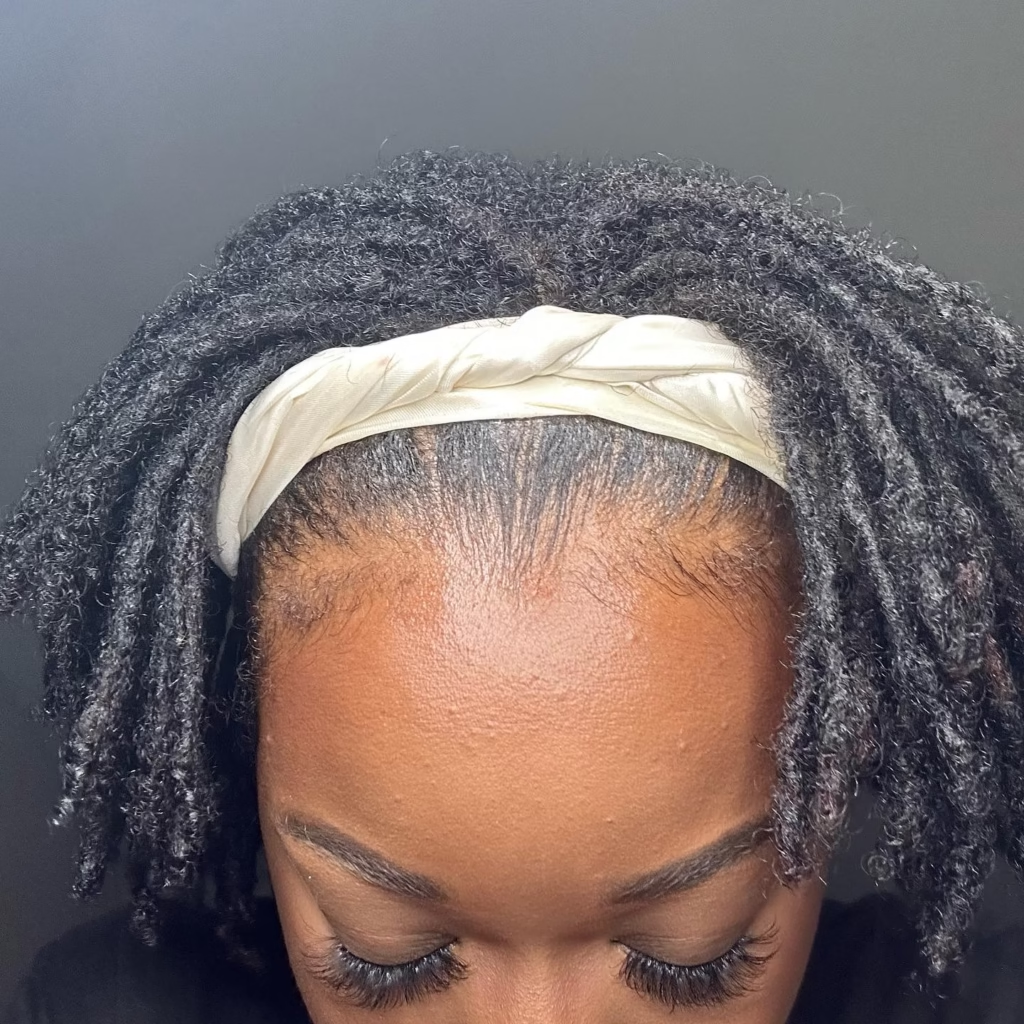
A satin scarf can help lay the front down gently after light misting.
Soft pressure gives a cleaner look without forcing your hair into a tight style.
Short wear is enough.
Leaving a scarf on too tightly or too long can press your hair flat and cause discomfort around the edges.
4. Use your fingers before reaching for a brush
Fingers are safer first.
Your hands can separate, smooth, and place locs without scraping the scalp or pulling loose hairs.
Brushes can disturb roots if you use too much force, especially near starter locs, thinning areas, or soft edges.
5. Save strong edge control for special days
Save strong gel for moments.
Special events, photos, church, work presentations, or weddings may call for a more polished front.
Everyday use can build up quickly if the product is thick, sticky, or hard to wash out.
Choose softness on normal days, then let your salon visit bring back the sharper finish.
See now 6 Mistakes Parents Make When Starting Their Child’s Locs (And How to Avoid Them)
Retwist Less Often Than Your Anxiety Wants You To
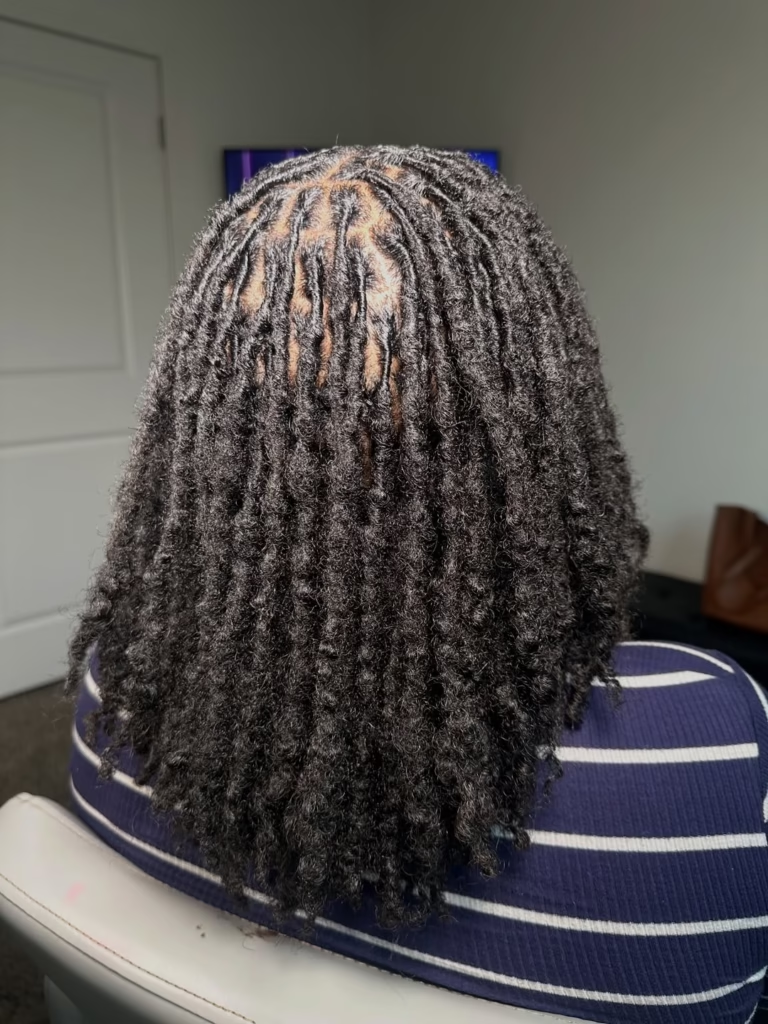
Puffy roots are not an emergency, and they do not always mean your locs are messy or neglected.
That is normal.
Your roots will loosen as you sleep, sweat, wash, work out, or move through daily life. A fresh retwist is temporary, so trying to keep that same salon look every day can put too much stress on the same small areas of hair.
1. Puffy roots do not always mean your locs need a retwist
New growth is part of healthy locs.
Roots may look soft, full, or fuzzy between salon visits because your hair is growing and shifting.
Swelling after wash day can also make the parts look less sharp, even when your locs are clean.
Reach for a scarf, a soft style, or gentle placement before reaching for twisting gel.
2. Retwisting too often can stress the same root area
Repeated twisting can pull on the same section again and again.
Thin roots, sore spots, and weak edges can happen when neatness becomes more important than comfort.
Choosing to wait does not mean you are being lazy with your hair. It can mean you are giving your roots enough time to rest before the next round of styling.
Give roots time.
3. Fresh retwists should not feel painful
Pain is a warning.
Tightness that makes you raise your brows, feel bumps, or avoid touching your scalp is not a good sign.
Soreness around the temples, crown, nape, or parts can mean the retwist is too tight or the style is pulling too hard.
Remove any pins, bands, or ponytails that add pressure after a fresh retwist.
4. At-home retwisting needs clean parts and light product
Clean hair matters.
Work on a clean scalp, use very little product, and twist only what you can clearly see.
Use clips gently if you know how, but avoid twisting several locs together by mistake.
Part confusion can cause locs to join at the base, which may be harder to fix later.
Stop before forcing it.
5. Some locs should be left for your loctician
Some problems need trained eyes.
Weak roots, thinning edges, locs joining together, heavy buildup, or uneven parts should not be handled with guesswork at home.
Married locs are locs that start joining together at the root, and pulling them apart too hard can hurt your scalp or damage the hair.
Booking a salon visit early can save you from making a small issue worse.
When to stop retwisting and book a salon visit
Cancel the guessing.
Notice if the same loc keeps loosening, one area feels sore every week, or your roots look thinner than before.
Ask your loctician to check the parting, tension, buildup, and styling pattern.
Bring photos if the problem only shows up between appointments.
Clear proof helps your stylist see what your fresh retwist may hide.
Continue reading Bob Locs for Women in Their 30s: Polished Styles That Feel Grown, Soft, and Intentional
Protect Your Locs at Night So Your Morning Routine Is Easier
Your bedtime routine decides how much work you face in the morning.
Cotton can dry locs fast.
A rough pillowcase can also create frizz, pull loose hairs, and leave lint behind before you even start your day.
Better nighttime care helps your locs stay softer, cleaner, and easier to place without needing extra gel, oil, or twisting every morning.
1. Use satin or silk that fits your loc length
Choose a bonnet, scarf, or wrap that matches the size of your locs.
Short locs may fit well under a small bonnet, but long or thick locs need more room so they are not folded too tightly.
Stretchy bands should feel secure, not painful.
Silk and satin help reduce rubbing while you sleep, which can lower dryness and make your locs feel smoother when you wake up.
2. Do not stuff long or thick locs into a tight bonnet
Tight bonnets cause trouble.
Instead of protecting your hair, a small bonnet can bend your locs, press your roots, and make your edges feel sore by morning.
Give your locs enough space to sit naturally inside the bonnet.
Before buying one, check the depth, band comfort, and whether your full length can fit without force.
3. Lay locs in one direction before covering
Guide your locs into place before you cover them.
Smooth them gently backward, to one side, or upward depending on your length and how you sleep.
Bending creates odd shapes.
One minute of careful placement at night can save you from pulling, shaking, and over-fixing your locs the next morning.
Place heavier locs where they do not tug on your nape or edges while you turn in bed.
4. Use a satin pillowcase as backup
Morning protection should not depend on one bonnet staying on all night.
Use a satin pillowcase as backup in case your scarf slips, your bonnet comes off, or you sleep rough.
That extra layer helps reduce rubbing even when your hair covering moves.
Even if you wear a bonnet, a satin pillowcase can protect the locs near your neck and shoulders.
5. Check the nape and edges in the morning before styling
Check your edges, nape, and crown before you put your locs into a style.
Touch these areas gently and notice if they feel sore, tight, or rubbed.
Clean fingers help you feel what a mirror may not show right away.
Small checks help you avoid putting pressure on the same weak areas every day.
You may enjoy reading 18 Cute Locs Styles for Women Who Love Effortless Everyday Looks
Style Your Locs Between Salon Visits Without Pulling Your Edges
Styles should help you look put together without making your scalp pay for it later.
Neat is not worth pain.
Healthy styling means your locs can move, your edges can rest, and your roots do not feel tight every time you smile, talk, or turn your head.
1. Loose low buns are safer than tight high buns
Start with a low bun when you want a simple style between salon visits.
Low buns place less weight on your crown and do not pull upward as much as high buns.
Loose is better.
High buns can still be beautiful, but they should not feel heavy, tight, or hard to take down.
Choose soft bands instead of thin elastics that dig into your locs.
2. Half-up styles reduce weight on the scalp
Half-up styles let you control the front while leaving the back free.
Leaving some locs down spreads the weight better, especially if your hair is long, thick, or freshly retwisted.
This style can make your hair look neat without forcing every loc into one tight ponytail.
Use a soft scrunchie and avoid pulling the front section too far back.
3. Soft headbands can hide frizz without tension
Soft headbands can make fuzzy roots look cleaner without retwisting.
Fabric matters.
Avoid headbands that squeeze your temples, slide backward, or rub the same spot all day.
Wide, soft bands usually feel better than narrow ones because they spread pressure instead of digging into your edges.
Headbands should sit lightly, not act like a tight grip around your head.
4. Heavy ponytails should not sit in the same spot all week
Ponytails can pull when they are worn too tight or placed in the same area for days.
Weight builds pressure.
Move your ponytail lower, higher, or to the side during the week so one section of your scalp does not carry the same pull.
Changing the position helps your roots rest and keeps your hair from feeling tender in one place.
5. Take down any style that causes temple or crown pain
Pain means stop.
Tenderness around your temples, crown, nape, or edges is a sign that the style is too tight or too heavy.
Remove the style instead of waiting for your scalp to “get used to it.”
Call your loctician if the same areas hurt often, because repeated tension can lead to thinning over time.
Comfort should be part of every style you wear between salon visits.
Read more High Bun Locs Hairstyles: 14 Show-Stopping High Bun Styles for Loc Wearers
Your Lifestyle Decides Your Maintenance Needs
Your loc routine should match how you live, not how someone else’s hair looks online.
A woman who works out four times a week will not need the same care as someone who spends most days in an office.
Sweat, hats, weather, swimming, and work routines can change how your scalp feels and how fast your roots lose that fresh look.
Gym sweat may mean more scalp cleansing, not more oil
Gym sweat can leave your scalp itchy, salty, or coated.
Cleanse when needed.
Adding more oil after every workout may only trap sweat and make buildup worse.
Use a light scalp rinse or gentle wash when your scalp feels dirty, especially after heavy sweating.
Waiting too long can make your locs smell less fresh, even if the outside still looks neat.
Work hats, scarves, and helmets can rub the nape and edges
Work gear can affect your locs more than you think.
Rubbing often happens around the nape, which is the back of your neck, and around the edges near your hairline.
Soft liners can help reduce friction if you wear hard hats, scarves, caps, or helmets often.
Check those areas at night before adding more tension with a bun, ponytail, or tight scarf.
Humid weather can make roots swell faster
Humid air can make your roots look puffier sooner after a retwist.
Puffy does not mean dirty.
Choosing softer styles during humid weeks can help you avoid twisting your roots too often.
Try loose buns, half-up styles, or headbands instead of forcing a fresh salon look every morning.
Dry air can make locs feel stiff sooner
Dry weather can make your locs feel rough, dull, or stiff between salon visits.
Locs may need a light mist more often in dry air, but they still do not need to be soaked every day.
Light moisture works best when you give your hair time to dry before covering it.
Avoid heavy creams that sit on top of the hair and make your locs feel coated.
Swimming needs rinsing, drying, and a different care plan
Swimming changes the routine.
Chlorine from pools and salt from seawater can dry out your hair and irritate your scalp if left behind.
Rinse your locs with clean water after swimming, then dry them fully before tying them down.
Drying matters because thick locs can hold water inside longer than loose hair.
Ask your loctician about the safest plan if you swim often or have starter locs that unravel easily.
Your routine should match your real week, not someone else’s hair online
Online routines can be helpful, but they do not know your job, climate, workout schedule, or scalp needs.
Real maintenance starts with paying attention to your own week.
Someone who sweats daily may need more cleansing, while someone in dry air may need lighter moisture more often.
Write down what makes your locs itch, smell, stiffen, frizz, or feel sore.
Change one habit at a time so you can see what actually helps.
Check out Bridal Loc Hairstyles for Black Women: 20 Stunning Ideas for Your Wedding Day
Remove Lint and Buildup Before They Become Hard to Fix
Lint is easier to prevent than remove once it has worked deep into a loc.
Most lint problems start from everyday fabrics, not poor hair care.
Towels, sweaters, scarves, blankets, and pillowcases can leave tiny fibers behind, especially when your locs are damp, oily, or uncovered.
Once those fibers settle inside the hair, pulling too hard can rough up the loc and make the problem look worse.
1. Lint often comes from towels, sweaters, scarves, and bedding
Look at what touches your hair every day.
Cotton towels can leave fuzz behind after wash day.
Wool sweaters, fuzzy scarves, and soft blankets can rub against your locs around the neck, shoulders, and ends.
Clean bedding helps, but fabric type still matters.
Switching to lint-free towels, satin pillowcases, and smoother clothing near your hair can reduce how much lint your locs collect.
2. Dark locs can show lint more clearly
Darker locs can make white, gray, or beige fibers stand out faster.
Gray specks do not always mean your hair is dirty.
Checking your locs in bright light once a week helps you catch lint before it settles deeper.
Better lighting matters.
Gentle checks are safer than waiting until the lint becomes packed into one spot.
3. Pick visible lint gently instead of digging into the loc
Pick only what you can clearly see.
Digging into the loc can loosen the hair, create frizz, or weaken the shape.
Hold the loc steady, then lift the lint out slowly with clean fingers or tweezers if you can do it without pulling hair.
Use patience.
Stop if the lint feels buried, because forcing it out can cause more damage than leaving it for your loctician.
4. Clarifying too often can dry the hair out
Clarifying shampoo is a stronger shampoo made to remove product buildup.
Strong cleansing can help when your hair feels coated, but using it too often can leave locs dry or rough.
A cleaner routine usually works better than trying to strip your hair every week.
Follow deep cleaning with light moisture, not heavy creams that start the buildup cycle again.
Too much cleansing can become another problem.
5. Deep buildup should be handled by a loctician
Deep buildup may look like gray patches, sticky spots, dull sections, or hard areas inside the loc.
Hard buildup is not always easy to remove at home.
Your loctician can check whether the issue is lint, product, trapped dirt, or something that needs deeper cleaning.
Professional help is safer when the buildup is packed inside the loc instead of sitting on the surface.
Avoid hiding it with dark sprays, heavy oils, or more styling gel.
Know What Products Help and What Products Make Locs Harder to Maintain
The best product routine is the one you can rinse out and understand.
More product does not mean better care.
Locs hold onto product differently from loose hair because the hair is gathered together, so thick creams and sticky gels can stay trapped longer than you expect.
Choosing lighter products makes it easier to keep your scalp clean, your locs soft, and your salon visits less stressful.
1. Light sprays are easier to manage than thick creams
Light sprays work well when your locs feel dry but not dirty.
Water-based sprays can soften the hair without coating every strand.
Creamy products may feel good at first, but they can sit on the outside of the loc and attract dust or lint.
Simple is safer.
Check the feel of your hair after each product use, because soft and clean is better than shiny and heavy.
2. Clear, rinseable gels are safer than waxy hold products
Clear gels that wash out easily are usually better than waxy products that cling to the hair.
Waxy hold can make locs look neat for a short time, but it may leave buildup that becomes harder to remove later.
Use only a small amount when you need hold around the roots or edges.
Less hold is often enough.
Ask your loctician what type of product works best with your loc stage and hair texture.
3. Heavy butters can sit on the outside of locs
Heavy butters are not always bad, but they are easy to overuse.
Shea butter, thick creams, and rich oils can make locs feel coated if they are used too often or layered over dry hair.
Moisture should start with water, then a small amount of oil only where needed.
Greasy hair is not always moisturized.
Feel your locs before adding more product.
4. Too many scented products can hide scalp problems
Strong scents can make your hair smell fresh without fixing the cause of odor.
Perfumed sprays, heavy oils, and sweet-smelling creams may cover sweat, buildup, or a scalp issue for a few hours.
Fresh smell should not replace a clean scalp.
Notice itching.
If odor returns quickly after washing and drying, your routine may need a change or your locs may need professional cleaning.
5. Fewer products make it easier to notice what your hair needs
A small routine helps you see what works.
Use one mist, one light oil if needed, one gentle shampoo, and one light hold product if you retwist at home.
Adding five new things at once makes it hard to know what caused flakes, itching, dryness, or buildup.
Track changes slowly.
Your locs do not need a crowded shelf to stay healthy between salon visits.
Check Your Locs Before Every Salon Visit So You Know What to Ask For
Your best salon visit starts before you sit in the chair.
Fresh roots can hide problems, so check your hair while it still shows what happened between visits. Photos and notes help your loctician see patterns that may not be clear after washing, retwisting, or styling.
Look for thinning roots before your appointment
Check gently.
Weak roots may look smaller, thinner, or more stretched than the locs around them.
Compare the crown, temples, nape, and hairline because these areas often carry the most tension from buns, ponytails, scarves, and repeated styling.
Early attention can help your stylist adjust your maintenance plan before the loc becomes weaker.
Notice locs that keep marrying together at the base
Married locs are locs that begin joining together near the root.
Separate only what comes apart easily.
Forcing them apart at home can hurt your scalp or pull hair from the base.
Tell your loctician which locs keep joining, especially if the same section closes up again after every salon visit.
Check which areas feel sore after styles
Pain matters.
Soreness around your temples, crown, edges, or nape can show where a style is too tight or too heavy.
Mention the exact style that caused the pain, because your loctician may need to change the placement, parting, or amount of tension.
Write down products that caused flakes or buildup
Products leave clues.
Note any spray, oil, gel, or cream that made your scalp itch, flake, feel coated, or smell less fresh.
Bringing product names to your appointment helps your stylist know what to avoid or replace.
Take photos of problem areas before the fresh retwist hides them
Pictures help.
Take clear photos of thinning roots, lint, buildup, loose locs, sore areas, or locs that keep joining together.
Natural light works best because it shows the scalp and loc shape clearly.
Show the photos before your service starts so your stylist can check those areas while your hair still tells the full story.
A 30-Day At-Home Loc Maintenance Plan for Black Women
A simple 30-day plan helps you stop guessing between salon visits.
Start slowly.
Your locs do not need a new product, new style, or new routine every few days. Better care comes from doing the right small things at the right time, then watching how your hair responds.
Week 1: protect the fresh retwist and avoid heavy styling
Freshly retwisted locs need gentle care.
Wear soft, loose styles that do not pull your edges or place too much weight on your crown.
Cover your hair at night with satin or silk, and avoid heavy ponytails, tight buns, or constant touching.
Give your roots time to settle before you start moving your locs into stronger styles.
Week 2: mist lightly, check scalp, and limit touching
Dryness may show up during the second week.
Mist only if your locs feel stiff, rough, or dry to the touch.
Use a light hand.
Check your scalp for flakes, soreness, or product buildup before adding oil.
Touching your locs all day can create frizz and make roots loosen faster, so place them in the morning and leave them alone.
Week 3: cleanse if needed and dry fully
Wash when your scalp feels dirty, sweaty, itchy, or coated.
Focus on the scalp first, then let water and shampoo move through the locs.
Rinse well.
Dry your locs fully before you cover them, sleep on them, or put them into a bun.
Thick or long locs can hold water for a long time, so give them enough air and time to dry.
Week 4: wear low-tension styles and prepare for the salon
Loose styles work well near the end of the month.
Try low buns, soft half-up styles, side parts, or a scarf that does not squeeze your edges.
Avoid forcing a fresh salon look when your roots are naturally fuller.
Use this week to check which areas need attention at your next appointment.
Track dryness, buildup, frizz, soreness, and unraveling
Notes make care easier.
Write down what changed during the month, including itchy days, dry patches, musty smell, loose locs, thinning roots, or styles that caused pain.
Photos can show changes your eyes may miss day to day.
Bring these notes to your stylist so the visit becomes more useful than a basic retwist.
Adjust one habit at a time instead of changing everything at once
Change slowly.
Switching your shampoo, oil, spray, bonnet, and style routine in the same week makes it hard to know what helped or hurt.
Choose one habit, test it for a few days, and watch how your scalp and locs respond.
Small changes are easier to track, easier to repeat, and safer for your locs between salon visits.