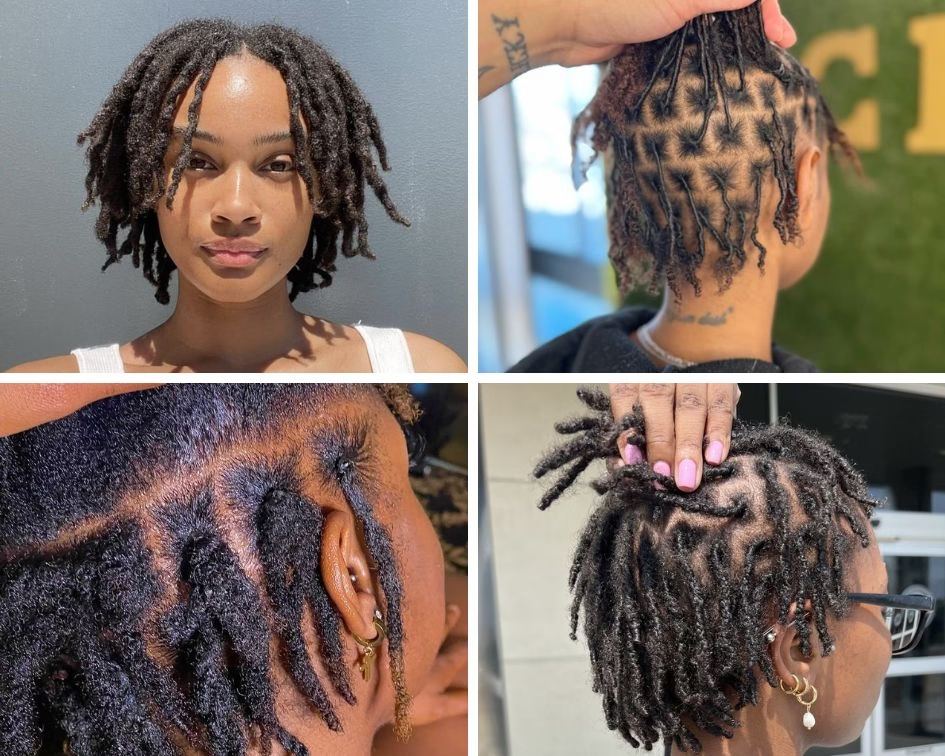
Seeing other people’s locs both on social media and in real life, you realize yours is different from theirs. It gets you wondering what they do differently to get the result that you keep admiring.
Maybe their short locs look neat and full while yours look thin, puffy, or hard to shape. I see this worry in my chair almost every week, and the answer is rarely what people expect.
And honestly, you are not alone in feeling this way, because almost everyone with short locs asks the same question. So this guide gives you real answers from the chair, with no filters and no guesswork.
Short locs vary a lot from one head to the next, and that is completely normal. Just look at the 22 short locs styles for women in their 30s and you will see the range.
So let us break down why your locs look the way they do and how to improve them. Grab your favorite drink, because we are about to look at every reason step by step.
Why Your Short Locs Look Different and What to Do About It
Your Locs Are Not Broken, They Are Just Different
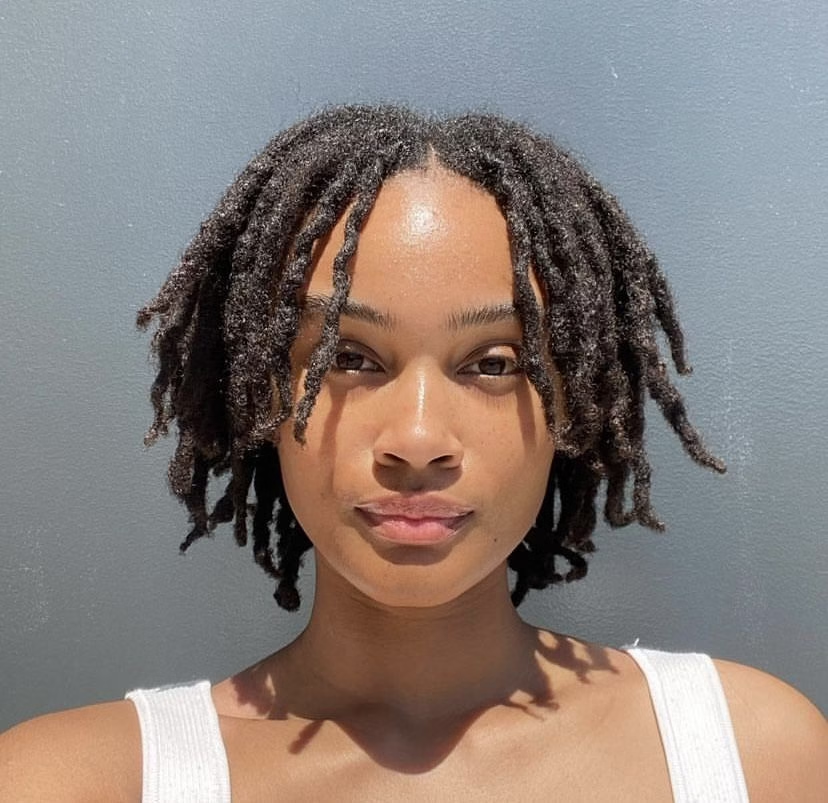
Your locs are not broken, and nothing is wrong with how they look right now. Every head of hair grows in its own way, and locs show that more than any other style.
Two women can start on the same day with the same stylist and still end up different. That happens because hair texture, scalp health, and daily habits all pull the look in different directions.
Still, some differences are fully fixable, and that is the good news in all of this. Others are just part of who you are, and you will learn to love them.
If you are new here, read everything you need to know before you start locs first. It covers the basics so the rest of this post makes more sense to you.
But here is the thing, your locs may already be doing exactly what they are supposed to do. Still, it helps to know what is normal, so you can stop worrying and start planning.
How Filters, Angles, and Lighting Change What You See
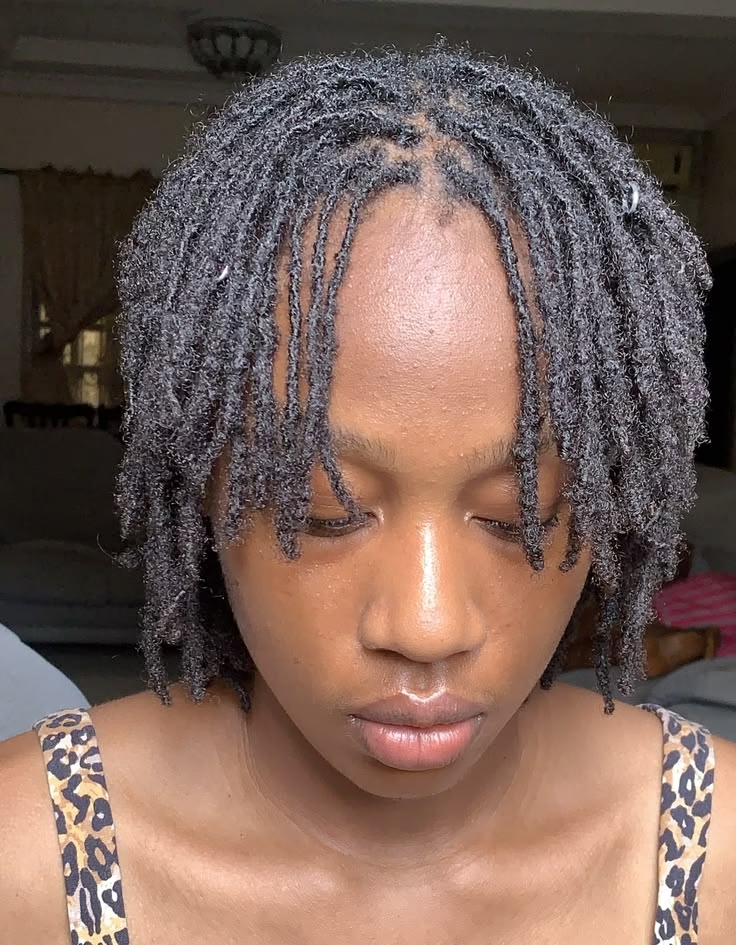
Picture yourself scrolling at midnight and stopping at a photo of perfect, shiny short locs. Those locs look flawless, but you are only seeing one angle in one soft light.
Filters smooth frizz, bring out color, and even make parts look sharper than they are. Many creators also use ring lights and fresh retwists, so you never see the messy days.
Also remember that most people only post their best day, and the average day looks very different. Then they quietly delete the photos where the locs look flat, dry, or a little crooked.
Color matters too, since 39 colored locs ideas for black girls show how shade changes the whole look. A dark brown loc and a honey blonde loc will never read the same on camera.
So before you compare, ask yourself what you are really looking at in that photo. Is it the real texture, the real length, or just a very good camera and lamp?
Ask the person for a plain photo taken in daylight with no filter at all. Real hair in real light is always a little less perfect, and that is fine.
Once you accept this, your own locs start to look a lot better right away.
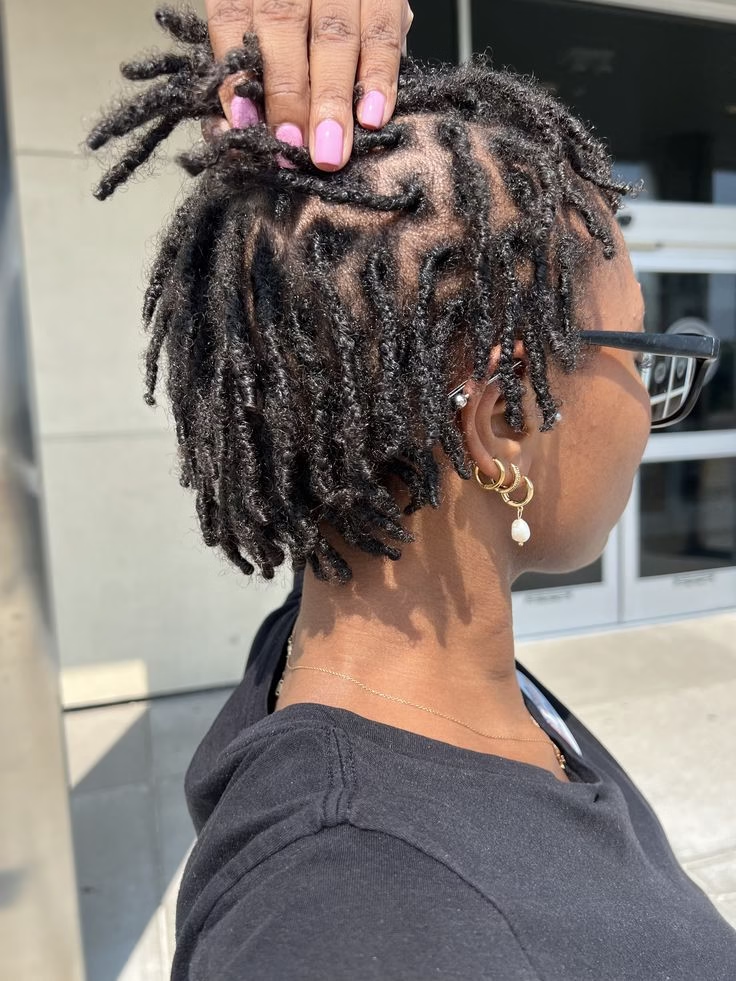
Your Loc Stage Matters More Than You Think
Hair grows about half an inch each month for most people, so short locs change slowly. That slow pace means your locs move through clear stages, and each stage looks different.
Early on you have starter locs, which often look like tight coils or small neat twists. Next comes the budding stage, where the locs swell, puff up, and feel a bit rough.
After that is the teenage stage, which is awkward, frizzy, and honestly a little messy. Then the locs finally tighten, settle down, and start to hang with real weight and shape.
Someone you admire may be a year ahead of you, and that explains a lot. My client Tasha from Atlanta once cried because her locs looked fuzzy at month five.
I told her that fuzzy was completely normal, and by month ten she loved them. Even kids go through these stages, as the guide on how to maintain kids locs at home shows.
Plus, every loc grows at its own speed, so even locs on the same head can look different. Now that is something no single photo can ever fully show you about your hair.
First, count how many months you have been growing, and then match that to the stages above. Next, look at your locs in plain light and write down exactly what you see.
So check which stage you are in before you decide that something has gone wrong.
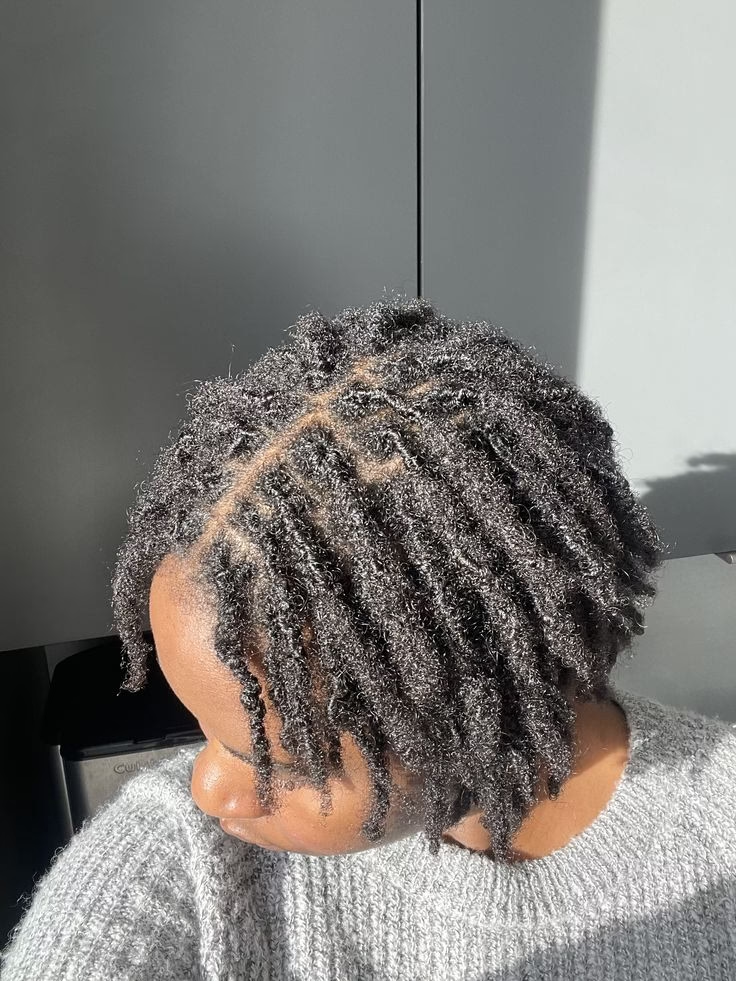
How Your Starting Method Shapes the Final Look
Do you know which method your stylist used to start your locs on day one? Comb coils, two strand twists, interlocking, and braids each create a very different look over time.
Comb coils give you a neat, round, and tight loc that stays small for months. Two strand twists give you a spiral pattern that can look rope like at first.
Interlocking pulls the hair through the base, so the loc holds tight for a long time. None of these methods is better, but each one looks different while the hair is short.
Also, some stylists mix methods, so your front locs may look different from your back locs. Then you wonder why one side looks tight while the other side looks so puffy and loose.
Your upkeep style matters too, and the guide on retwisted locs and freeform locs explains the difference. Freeform locs are left alone and look more natural, while retwisted locs stay neat and uniform.
If your friend used the opposite method from yours, your locs will never match exactly. The method is locked in now, but you can still shape how the locs grow.
But do not worry if your parts look uneven, because new growth hides a lot at the roots. Still, ask your loctician to tidy those parts as your locs grow out over time.
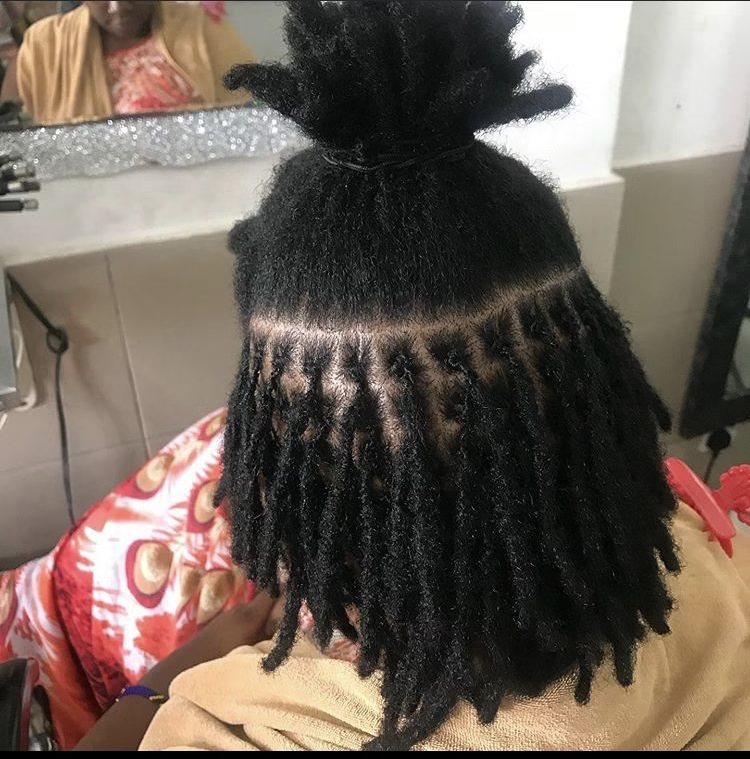
Parting Size and Pattern Change Everything
Parting size is the biggest reason two sets of short locs never look the same. Small parts give you many thin locs that look dense, detailed, and quite versatile for styling.
Large parts give you fewer, thicker locs that look bold, heavy, and a bit more rustic. Neither choice is wrong, but each one changes how full your head looks from above.
Pattern matters too, since brick lay, diamond, and grid parts all show the scalp differently. Grid parts look clean and sharp, while brick lay parts help the locs hang more evenly.
Smaller locs give you more room to play, like the 45 half up half down locs styles. You cannot change your parts without starting over, so notice them before you judge your locs.
Hold a mirror up and count how many locs you have across your whole head. That number tells you a lot about why your locs look so thick or so thin.
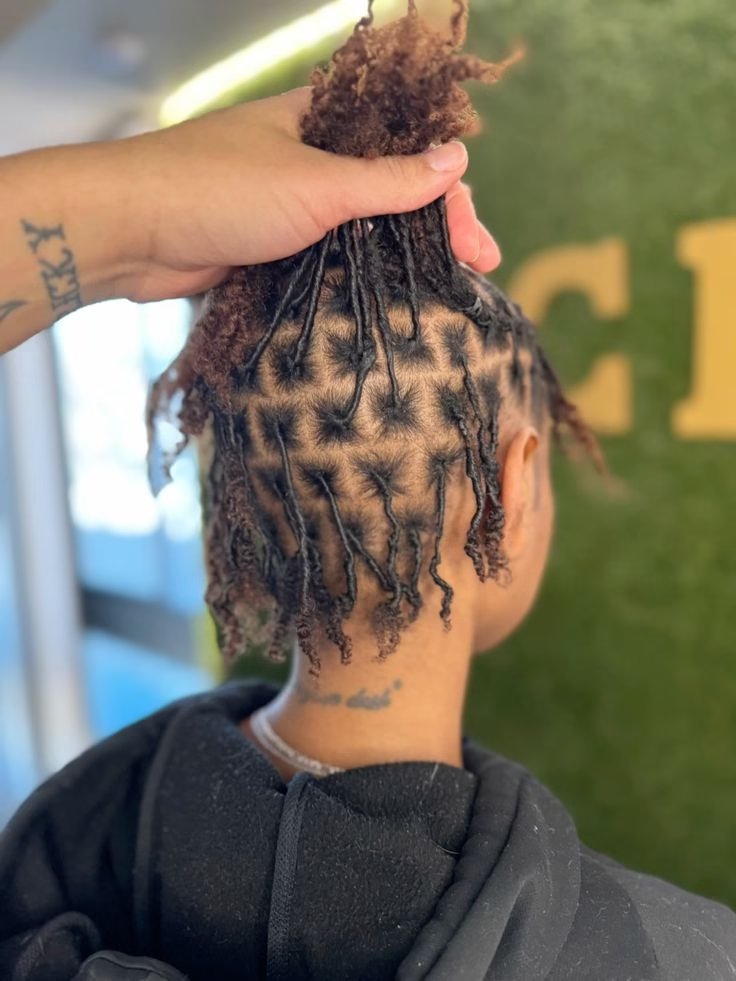
Hair Texture and Density Play a Big Role
Have you ever noticed how some hair just grabs and holds a loc much faster? Tight coily hair locs up quickly and tends to look full, round, and a bit bouncy.
Looser curls or softer textures can slip, unravel, or look flat and stringy for longer. Density also changes the story, since thin hair makes locs look sparse no matter what you do.
Thick hair does the opposite and can make short locs look wide and very heavy. Age plays a part as well, and the 15 mature locs styles for women over 40 prove it.
Also, a good routine matters more than a perfect texture, so do not let your curl pattern discourage you. Plus, many people with soft textures end up with beautiful, light, and flowing locs in time.
As we age, hair often gets finer, drier, and slower to grow, and that shows in locs. Hormones, stress, and health changes can also thin hair, so talk to your doctor if you see sudden loss.
You cannot swap your texture, but you can choose products and styles that work with it. Work with your hair instead of against it, and your locs will look their best.
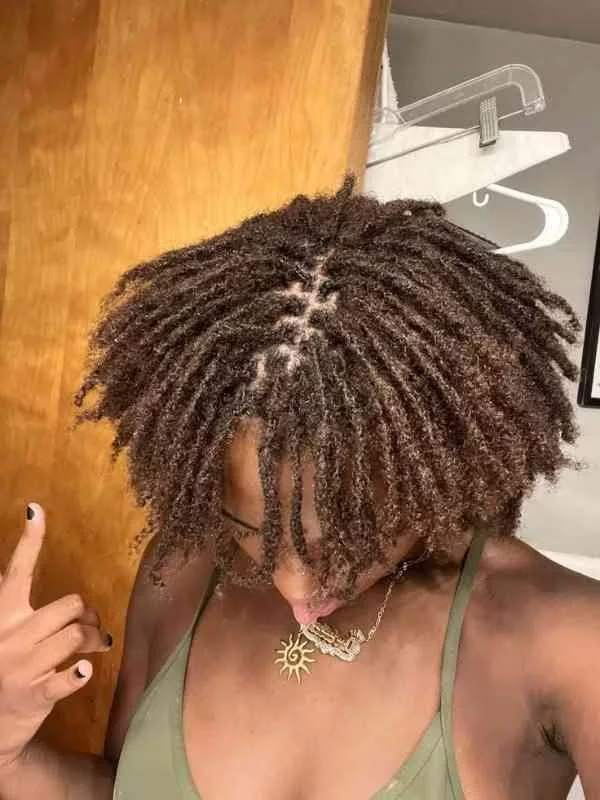
Shrinkage Can Make Short Locs Look Much Shorter
Imagine pulling one loc straight and seeing it is twice as long as it looks. That drop in length is called shrinkage, and it is very common with Type 4 hair.
Your friend with looser curls may show far less shrinkage, so her locs look longer. Wet locs stretch out, and dry locs spring back up and sit close to the scalp.
So a photo of wet locs will never match what you see on a dry day. Length also controls what you can do, which the locs updo styles by hair length guide explains well.
Short locs cannot do a high bun, but they can do twists, pins, and flat wraps. Do not use heat to stretch them, because heat can dry out and weaken the locs.
But shrinkage is not a flaw, since it only shows how tightly your hair coils. In fact, strong shrinkage often means your hair is healthy and full of natural bounce.
First, measure one loc when it is dry, and then measure it again when it is wet. You may be surprised by how much length your hair hides when it is dry.
Try a gentle stretch with your fingers after washing while the locs are still damp. Also use the same lighting and the same state of dryness when you track your progress.
That way you compare real growth over time, and not just a different kind of day.
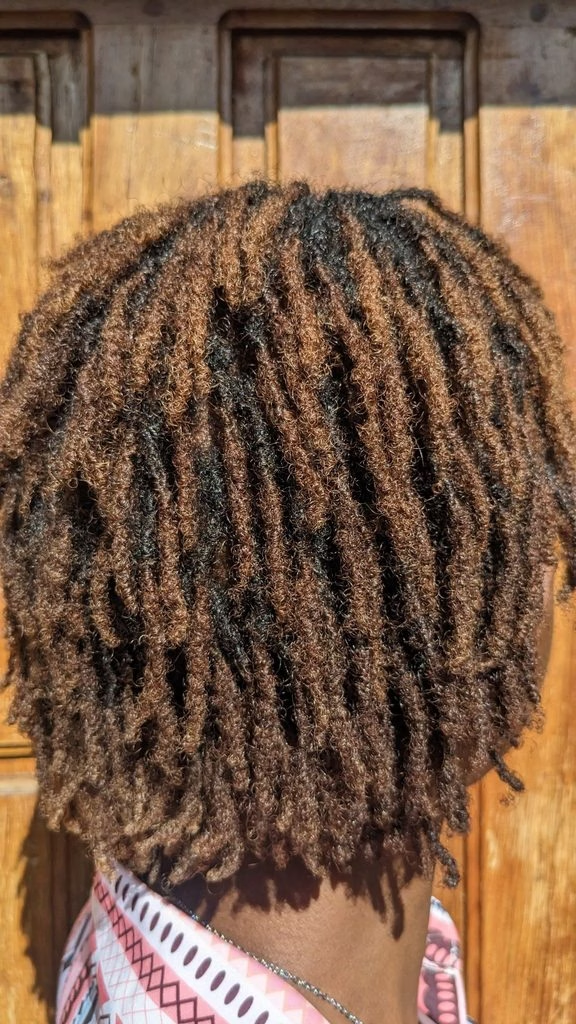
How Retwist Habits Change Your Loc Shape
Most locticians suggest a retwist every four to eight weeks for short locs that stay neat. Wait too long, and the new growth looks fluffy while the old locs look flat and tired.
Retwist too often, and you put stress on the roots, which can thin your edges. Tension is the quiet problem, because a tight retwist can look neat but cause pain and breakage.
If your scalp feels sore for days, tell your loctician to ease up next time. Your friend may also retwist every two weeks at home, so her roots always look sharp.
Also keep the sizes even when you retwist, because rough handling can make some locs thick and others thin. So go slow, hold each loc gently, and keep every part clean and steady as you work.
Busy life makes that hard, and the 20 easy loc styles for busy moms help in those weeks. A cute pinned style can hide new growth for a week or two until your appointment.
Pick a schedule you can keep, and stick with it for at least six months. Steady care gives you steady results, and those steady results always look far more polished to others.
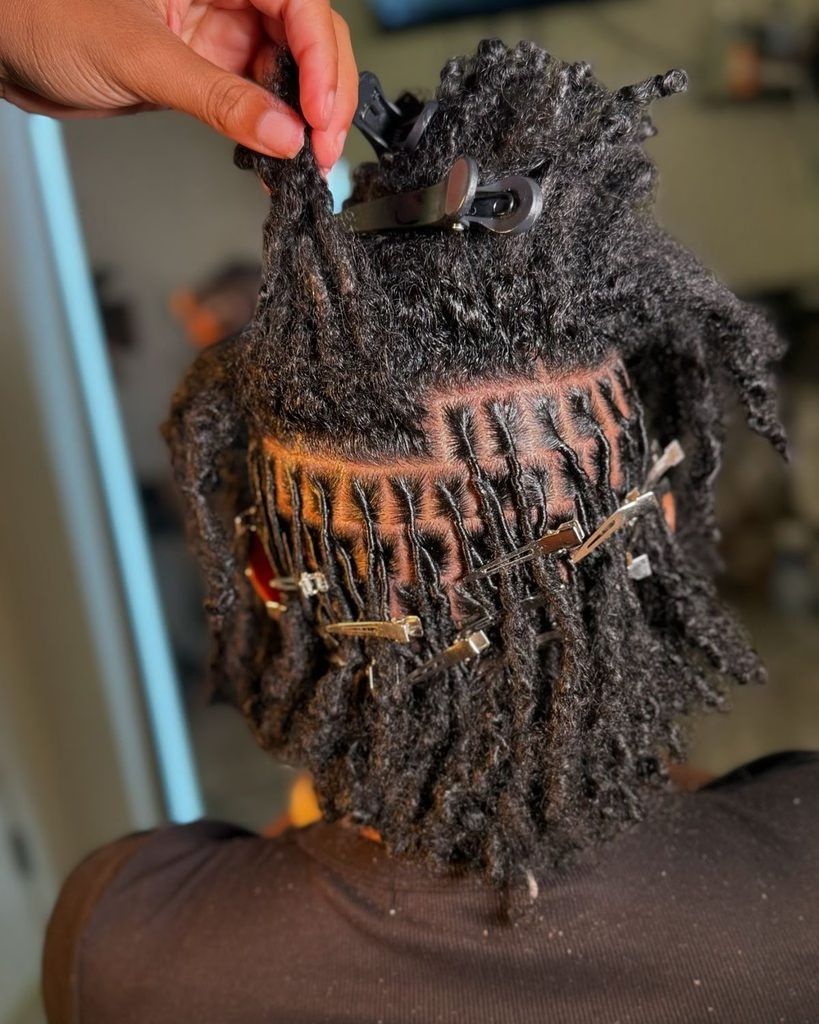
Product Buildup Makes Locs Look Dull and Heavy
Does your hair feel heavy, waxy, or strangely dull even right after you wash it? That is usually buildup, and it is one of the biggest reasons locs look different.
Wax, thick butters, heavy gels, and hard water minerals can all stick inside your locs. Save this for later: the 12 long locs styles for fall and winter, when buildup tends to peak.
And do not forget the water you use, because hard water leaves minerals that make locs look gray. Still, a simple filter on your shower head can help a lot over the months.
Use a clarifying shampoo every few weeks, then rinse until the water runs fully clear. An apple cider vinegar rinse can also help break down mineral buildup from hard water.
Avoid beeswax on short locs, since it traps lint and makes new locs look dirty. Light oils and water based sprays keep your locs soft without leaving a heavy coating behind.
Now try a simple test by squeezing a damp loc and looking at the water that comes out. If it looks cloudy or leaves residue on your hands, it is time to clarify.
Using less product almost always means cleaner, lighter, and better looking short locs in the end.
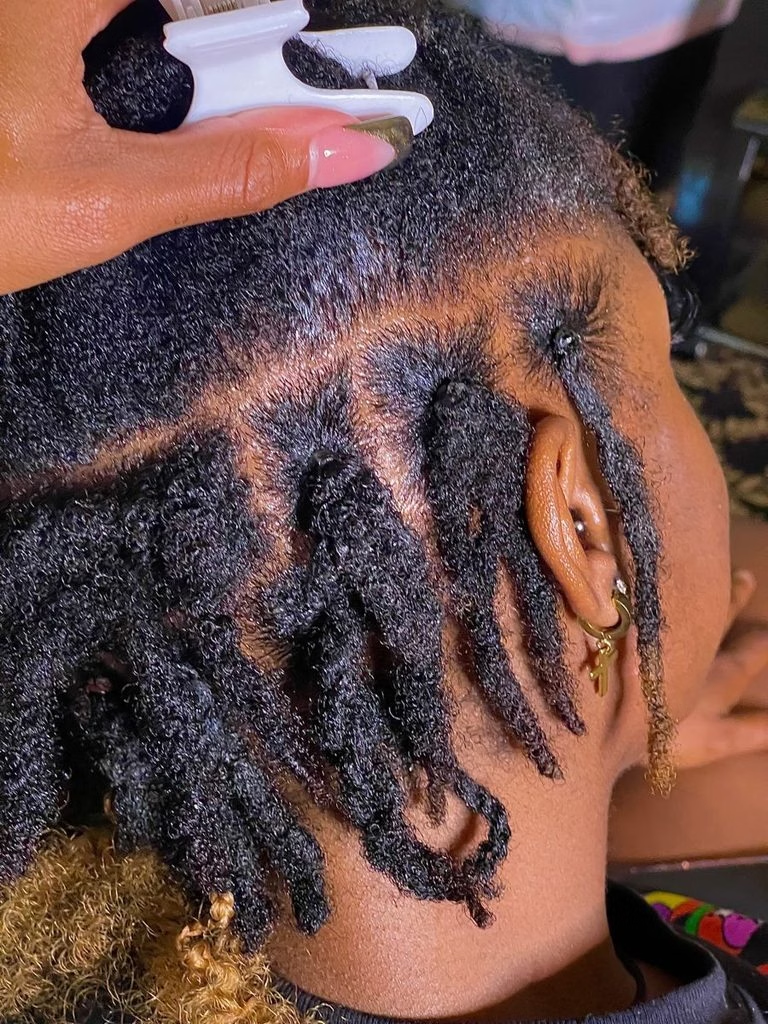
Moisture and Scalp Health Show Up in the Look
Healthy locs start at the scalp, and dry roots always show up in the final look. Dry locs look frizzy, dull, and rough, and they snap more easily when you style them.
Moisturized locs look smooth, soft, and a little shiny, even when the hair is very short. A simple mist of water mixed with a little aloe vera works wonders on dry locs.
Seal it in with a light oil like jojoba or grapeseed, and use only a few drops. Next, look at your scalp, because flakes, itching, and redness all affect how locs grow.
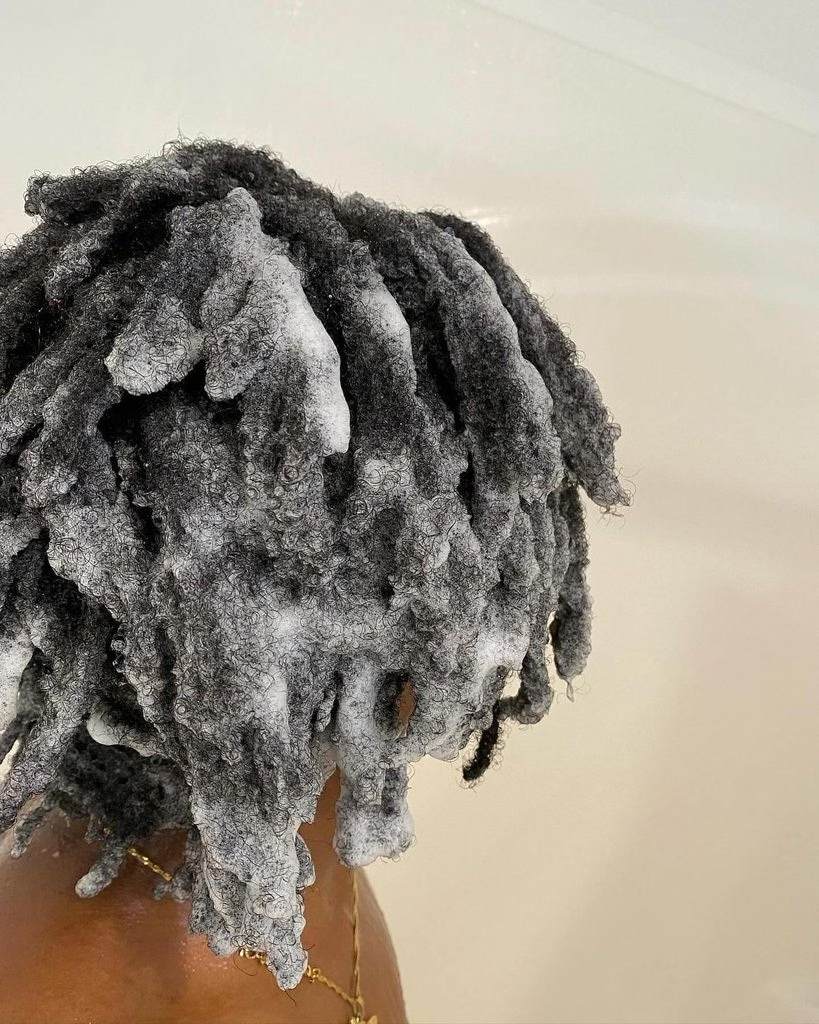
Also, wash your locs on a steady schedule, since a clean scalp lets moisture soak in better. But do not overwash them, because too much washing strips the natural oils your locs need.
A healthy scalp grows stronger hair, and stronger hair makes locs look fuller over time. Massage your scalp for a few minutes each week to boost blood flow and comfort.
If your scalp stays sore or flaky for weeks, see a doctor and ask for advice.
Nighttime Habits That Protect Your Shape
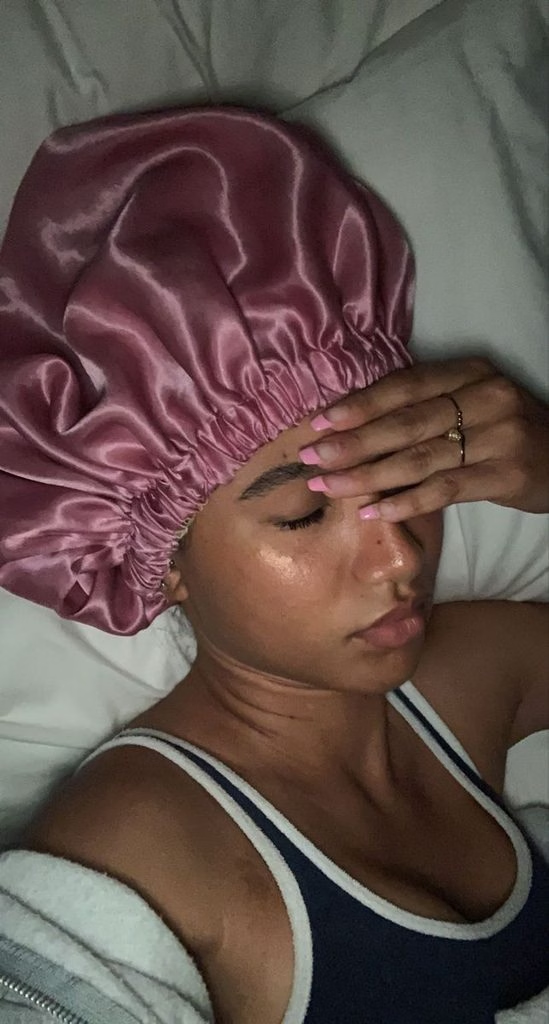
Think about what your short locs go through while you sleep for eight hours every night. They rub against cotton pillowcases, which pull out moisture and also rough up the surface.
A satin or silk bonnet is the easiest fix for this problem, and it costs very little. A satin pillowcase works well too if you toss around and your bonnet slides off at night.
My neighbor Denise stopped using cotton pillowcases and saw much less frizz within three weeks. Her short locs looked smoother, and she did not change a single product in her routine.
Also, tie your bonnet snugly but not tightly, since a tight band can pull on your edges. Then check in the morning to see how your locs feel and how they look.
And avoid going to bed with very wet locs, since damp hair can develop a sour smell. Let them air dry or sit under a hooded dryer on low before you wrap up.
Small habits like these cost nothing, yet they change how your locs look in the morning.
Simple Styling Fixes That Change the Whole Look
You do not need a new head of hair to change how your locs look. Styling is the fastest fix, and a few small tricks can make short locs look bigger.
Try a side part, a flat twist, or a simple pinned wave to add shape. Accessories do a lot of work here, and the locs accessories guide shows cuffs, beads, and wraps.
But keep it simple, because overstyling can cause stress on thin or very young locs. So give your hair a few rest days between bold styles, and let your scalp breathe.
A few gold cuffs on the front locs can make a plain set look intentional. A silk scarf adds color and hides frizz on the days your locs refuse to behave.
Plus, a little shine goes a long way, so use a light oil on the surface only. Then leave the loose hairs alone, because pulling at them can ruin the neat shape you built.
Once your locs grow longer, the 12 locs crown braid updos give a regal look to aim for. Until then, a headband or a wide wrap can fake that polished, pulled together shape.
Keep your edges neat too, since messy edges can make otherwise good locs look unfinished. A small dab of edge control and a soft brush will do the job fast.
Style first, then judge, because the same locs can look totally different with a good arrangement.
When to See a Professional Loctician
Picture a client walking in with locs that are thin at the roots and uneven in size. That was my client Jasmine from Houston, and she had tried to fix them herself for months.
We did not start over, and we simply fixed her tension, her schedule, and her routine. Within six months, her locs looked fuller, tighter, and far more even from root to tip.
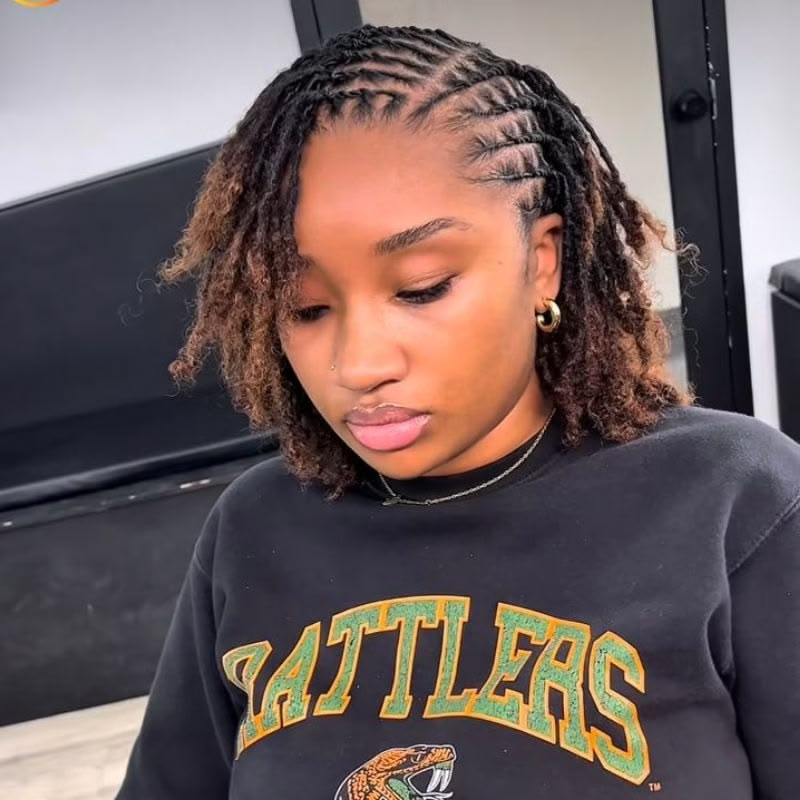
A good loctician sees things you cannot see, like thin spots, tight roots, or weak points. Book a visit if your locs are thinning, breaking, merging, or hurting after every retwist.
Ask to see photos of their real work on short locs before you sit in the chair. Also ask how they handle tension, how often they suggest retwists, and which products they use.
Also, a loctician can show you how to care for your locs at home between visits. Then you can keep the results looking fresh and neat for much longer than before.
A good professional listens first, explains clearly, and respects your hair goals and your budget. Paying for expert help early is usually much cheaper than trying to repair damage later.
How to Set Goals for Your Short Locs
Goals turn a vague wish like having nicer locs into a plan you can follow. Start by writing down what you actually want, such as fuller, longer, tighter, or shinier locs.
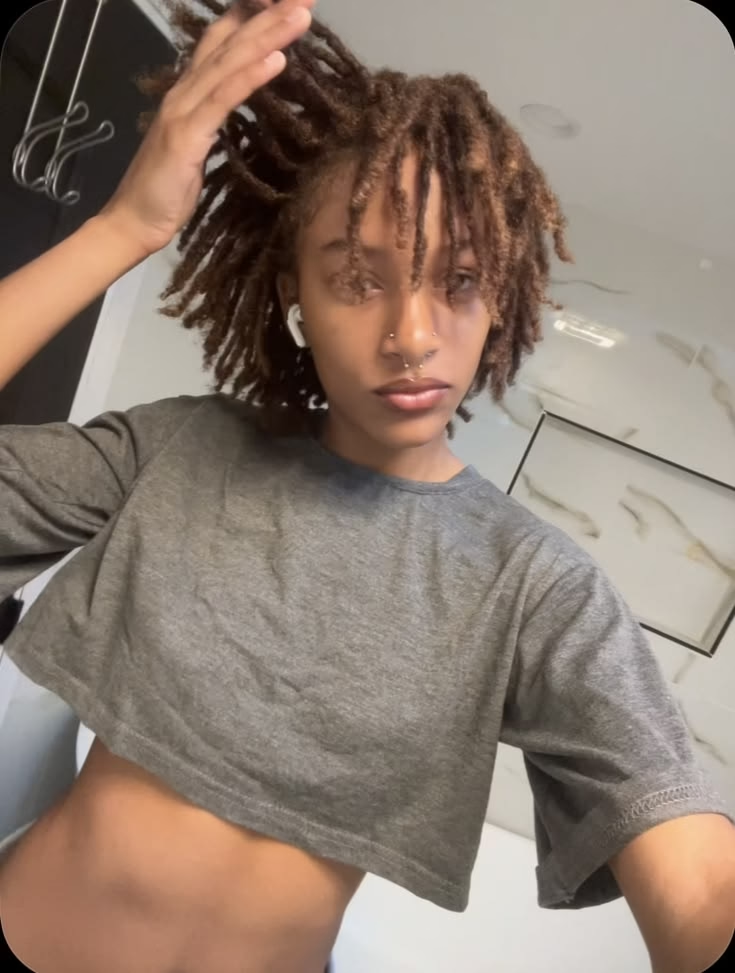
Then take a plain photo today, so you have something real to compare against later. Take another photo every month in the same spot, with the same light and clothes.
Also, be honest about your time and your budget, because goals only work when they fit your life. So pick two or three goals, and leave the rest for later in the year.
After three months you will see changes that you cannot notice in the mirror each day. If you have a big event coming, plan backward from the date, like a bride would.
The wedding loc updo styles for black brides show how much planning goes into a polished look. Short locs can still look lovely at an event with the right pins, wraps, and shine.
Keep your goals small and clear, because small wins keep you motivated for the long run. Celebrate each small step, even if it is only one more inch of new growth.
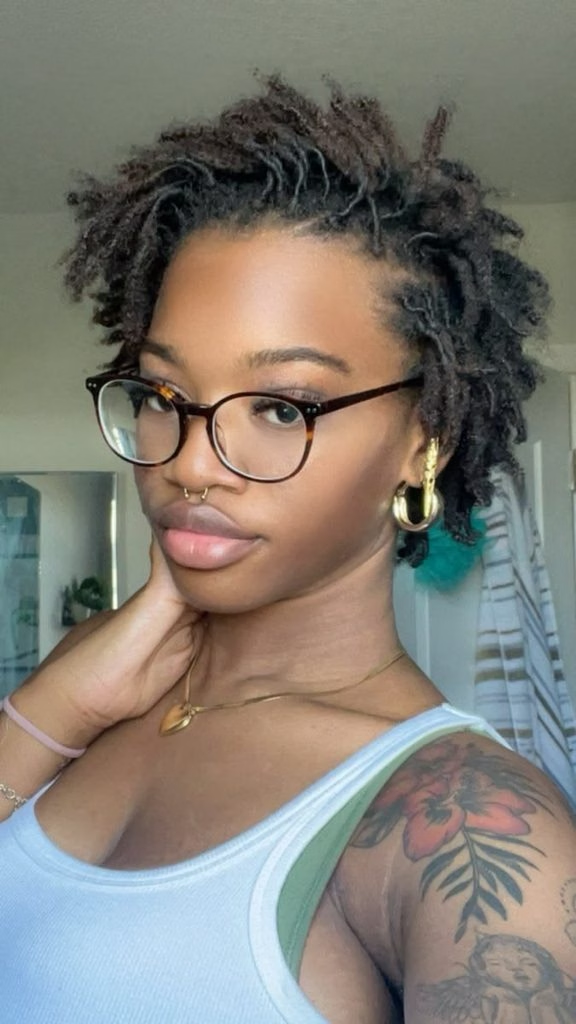
A Simple Monthly Plan You Can Follow
What does a good month of loc care actually look like in real everyday life? In week one, wash your locs, rinse well, and let them dry fully before you style.
In week two, moisturize lightly and check your scalp for dryness, flakes, or any soreness. In week three, try a new style, or just pin your locs back and rest.
In week four, book your retwist or do a gentle one at home if you can. Every night, wrap your hair, and every morning, mist lightly and shape your locs by hand.
But life happens, so do not panic if you miss a week or a retwist date. Still, get back on track quickly, because small gaps are much easier to fix than big ones.
If a wedding is on your calendar, browse the 25+ bridal locs updo ideas for inspiration. Add a deep clean once a month, and keep your products simple and light each time.
Write the plan on your phone, so you never have to guess what comes next. A routine is what separates locs that look great from locs that only look okay.
Also, keep a small notebook where you record the products you use and how your locs respond. Then you will learn what truly works for your head and what simply does not.
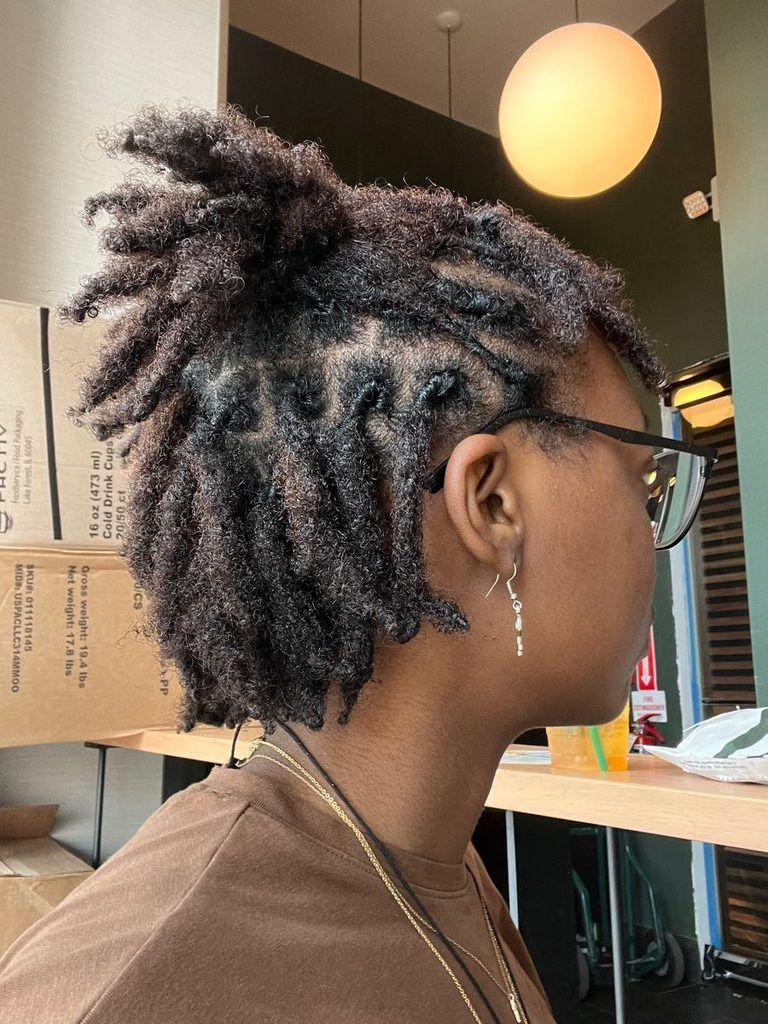
Final Thoughts on Your Short Locs
Your short locs look different because your hair, your habits, and your timeline are all different. That is not a flaw, and it is not a sign that you did something wrong.
Some differences come from stage, parting, texture, and shrinkage, and those you simply need to accept. Others come from retwists, buildup, moisture, and sleep habits, and those are fully in your control.
So stop comparing your day one to someone else’s year two, because that is not fair to you. Take your plain photos, keep your routine simple, and give your hair the time it needs.
And if you still have questions, remember that every set of locs teaches you something new. So keep learning, keep asking, and keep enjoying every single stage of your hair and growth.
Your locs will keep changing, and one day you will look back and smile at today’s photo. Be patient, be gentle, and trust the process, because your locs are doing exactly what they should.
You have everything you need to start loving how your short locs look right now.