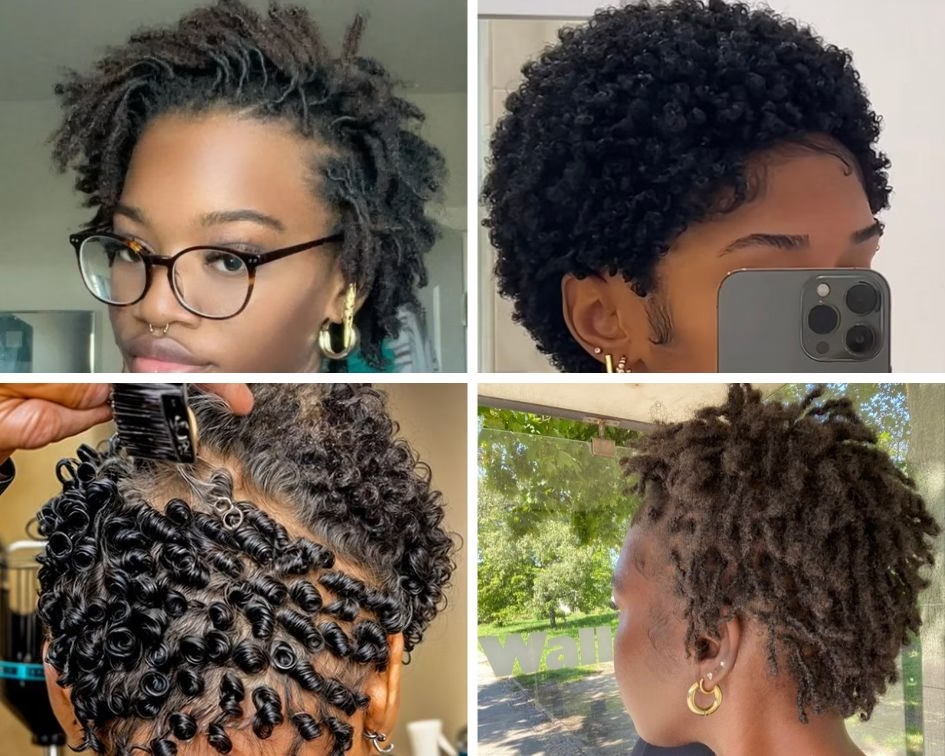
Almost every week, a client sits in my chair after a big chop and asks what to do next. Some want to grow a teeny weeny afro, and others want to start short locs right away.
Both styles look beautiful on short hair, but they ask very different things from you. One is very flexible and easy to change, while the other is a long term commitment.
To see how polished short hair can look, browse the 22 short locs styles for women in their 30s first. Then use this guide to compare care, cost, styling, and long term goals side by side.
So let us break it all down, and find the natural style that truly fits you. By the end, you will feel clear, calm, and ready to make your choice with confidence.
Short Locs vs. TWA (Teeny Weeny Afro): Which Natural Style Is Right for You?
What a TWA and Short Locs Really Are
What exactly is a TWA, and how is it different from short locs on the same head? TWA stands for teeny weeny afro, which is a short, natural, and unlocked style, often one to three inches long.
And it is simply your own hair in its natural shape, usually after a big chop or a short cut. Short locs are hair that has been twisted, coiled, or braided so it can knot and form locs.
A TWA stays loose, soft, and free, while short locs slowly lock into firm, rope like strands. Also, both styles show off your natural texture, and both can look bold, clean, and confident.
But the big difference is in the process, because a TWA can change shape at any time. Locs, on the other hand, follow a long path that is slow, steady, and hard to undo.
If locs are new to you, read everything you need to know before you start locs for the full picture. Neither choice is better, and the right one depends on your hair, your time, and your goals.
Also, you can switch paths later, though going from locs back to a TWA usually means cutting. So let us look closer at how each style looks and feels day to day.
How Each Style Looks and Feels
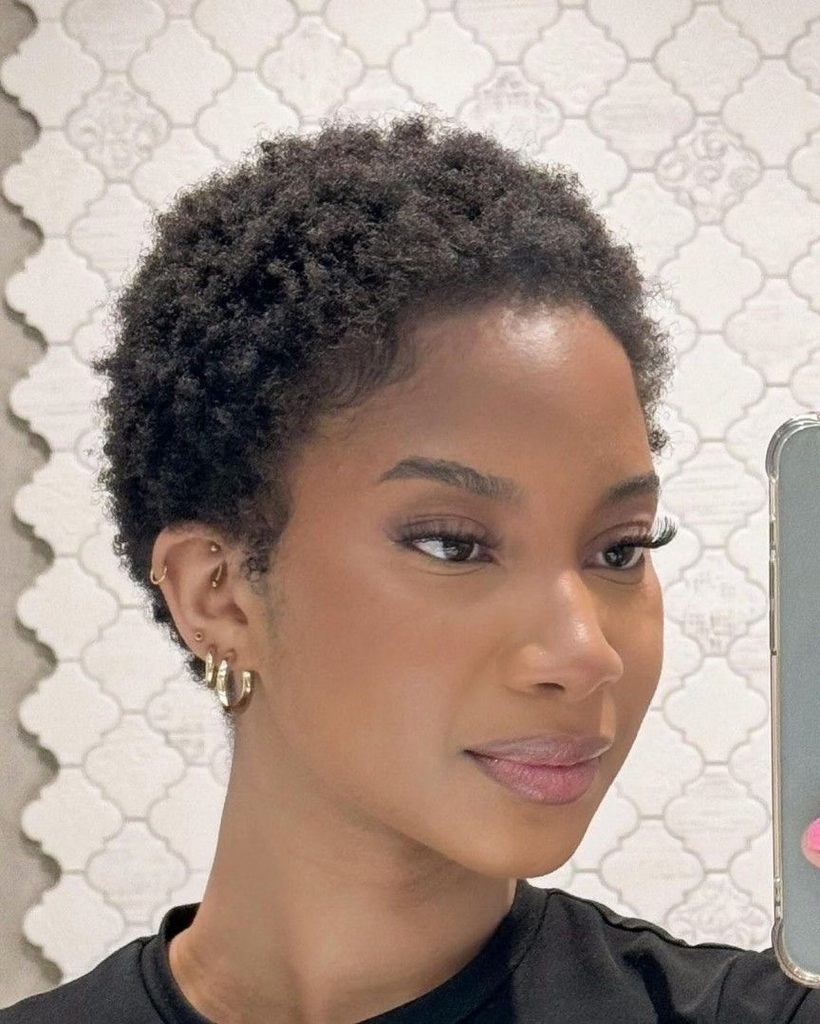
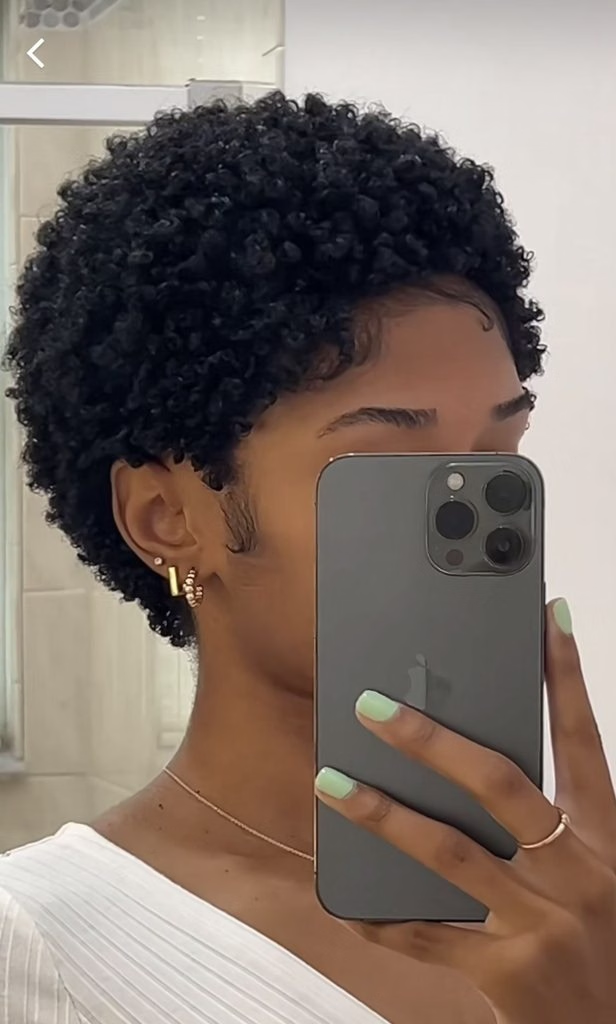
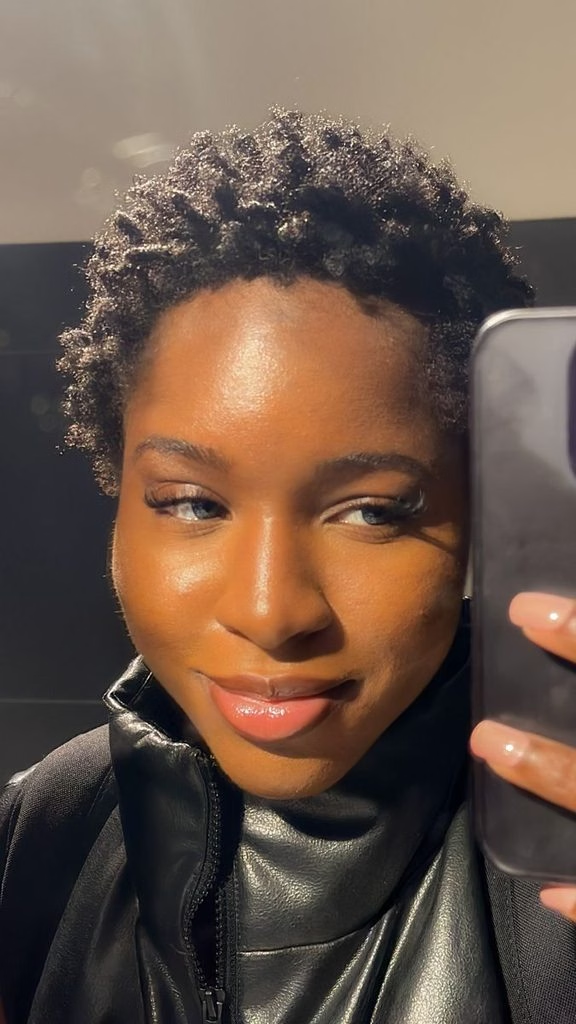
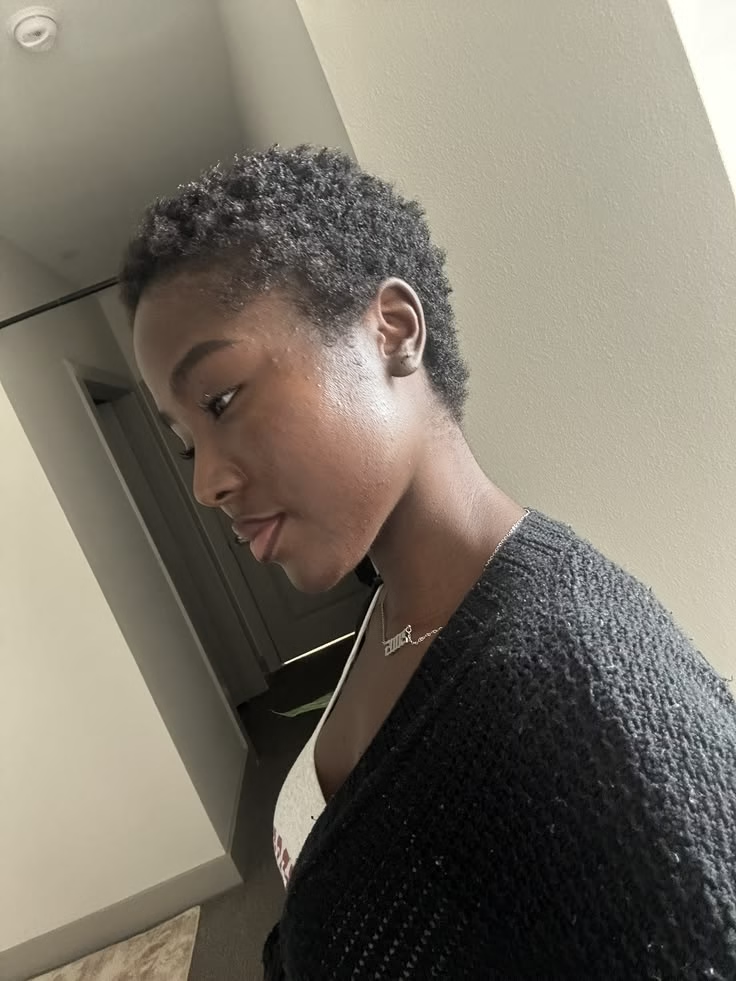
A TWA looks like a soft, round halo of hair that follows the shape of your head. And you can shape it with a trim, so it can look neat, rounded, or even sharply cut.
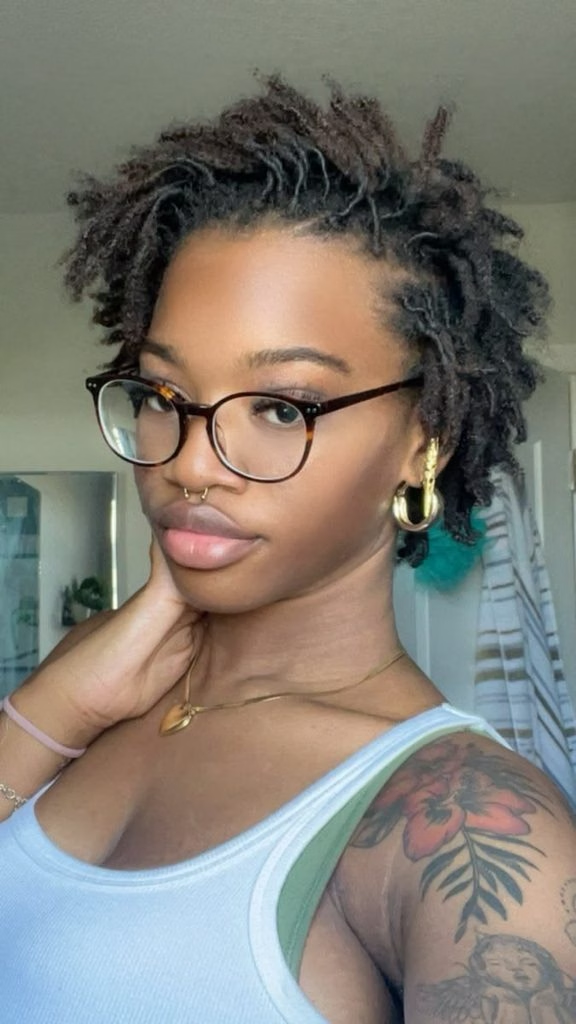
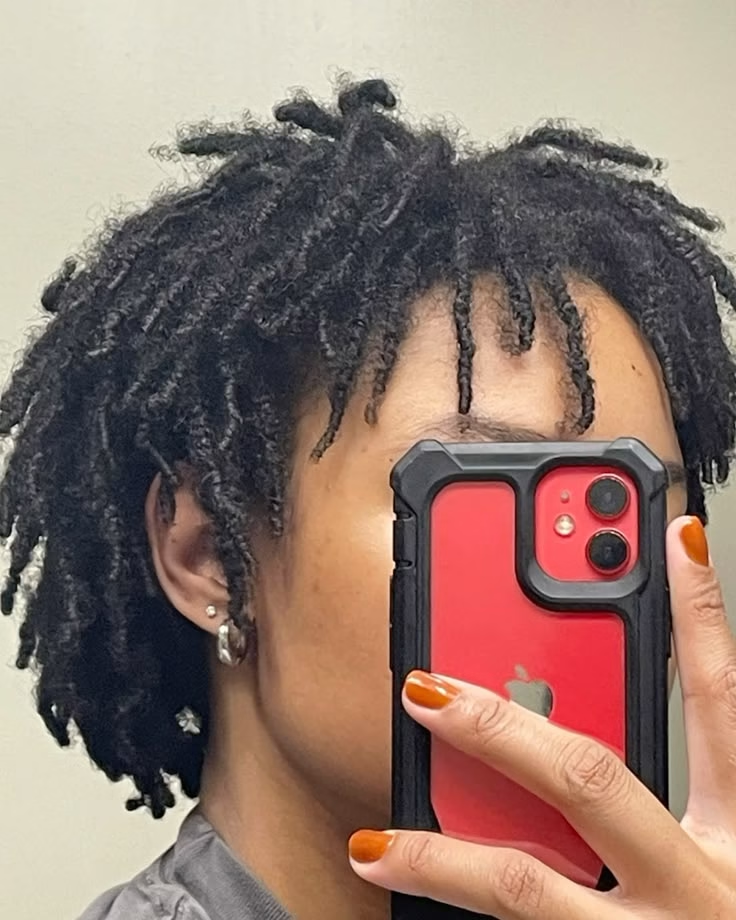
Plus, the texture feels fluffy and soft, and it stands up or spreads out as it grows. Short locs look more defined, with separate strands that show the parts of your scalp.
At first, they look like small coils or twists, and later they become round, firm locs. Your hair length changes what each style can do, as the locs updo styles by hair length guide shows.
A TWA grows outward and upward, while locs grow downward as they lock and gain weight. Because of that, a TWA gets bigger and rounder, and locs get longer and heavier.
And locs also shrink a lot, so they look much shorter than they would if stretched. A TWA shrinks too, but you can stretch it with twists or a pick to change the look.
Feel matters just as much as look, so touch both styles and ask yourself which you love. Some people love the free, soft feel of a TWA, and others love the solid feel of locs.
Trust your instincts here, because you will wear this look every single day for months.
Commitment and Reversibility
The biggest difference between these two styles is how easy they are to change later. First, a TWA is flexible, because you can grow it, shape it, twist it, or cut it again.
So if you do not like it, your hair is free to move on without any damage. Locs are a long term choice, because the hair knots and cannot easily be undone.
Still, combing out locs is possible in some cases, but it takes patience and often costs length. So ask yourself if you want a style that you can change or one that you can commit to.
Your upkeep plan also matters, and the guide on retwisted locs and freeform locs explains two paths. Retwisted locs need regular visits, while freeform locs grow with much less shaping from you.
A TWA needs trims and shaping, but it does not need retwists or any locking steps. Next, think about how you would feel in one year, and in three years, with each style.
Do you love the idea of watching your locs grow and mature slowly over time? Or do you prefer to try new looks, new lengths, and new cuts whenever you feel like it?
Your honest answer will point you in the right direction faster than anything else can.
Daily Care for a TWA
My client Alexis from Tulsa did a big chop and fell in love with her TWA right away. But after two weeks, her hair felt dry, and she did not know what to do.
We built a simple routine, and soon her TWA looked soft, shiny, and full of life. A TWA needs moisture first, because short natural hair dries out quickly and can break.
First, mist your hair with water or a water based leave in, and then seal with a light oil. And do this every day or every other day, depending on how dry your hair feels.
Also, detangle gently with your fingers or a wide tooth comb when your hair is damp. Dry detangling can cause breakage, because short coily hair is fragile and snaps very easily.
Next, trim your TWA every six to eight weeks to keep the shape neat and healthy. Sleep with a satin bonnet or on a satin pillowcase to protect your curls and your moisture.
Then fluff your TWA in the morning with a pick or your fingers, and you are ready. The daily routine is light, but it is steady, and it should never be skipped for long.
Also, remember that your TWA will grow faster than you expect, so schedule your trims early.
Daily Care for Short Locs
What does daily care look like when you choose short locs instead of a TWA? The routine is simple, but it follows a clear schedule that you need to keep.
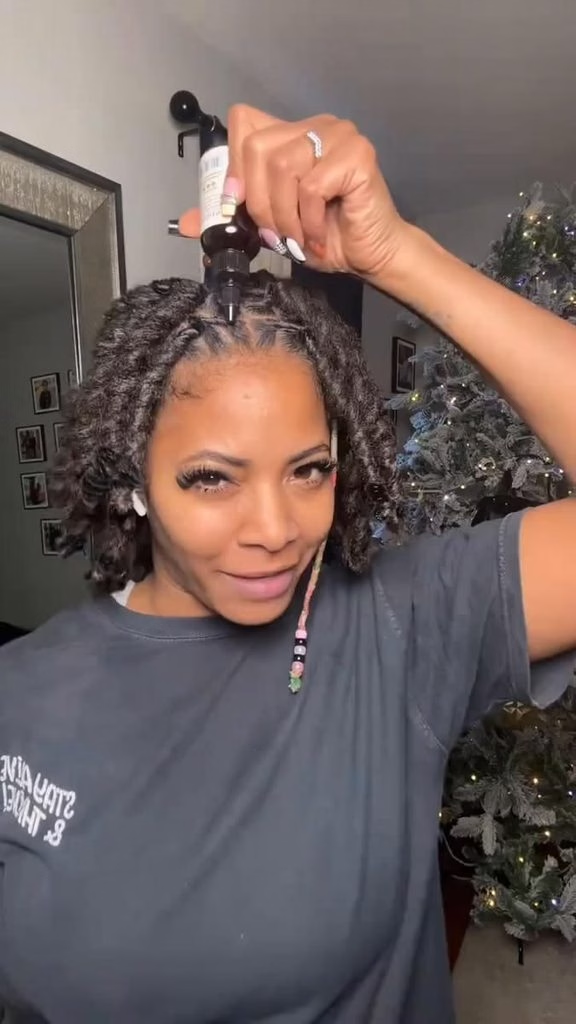
First, mist your locs lightly with water and a little aloe, and seal with a drop of oil. Short locs do not need heavy product, because too much can build up and trap lint.
Sleep in a satin bonnet every night, since cotton can pull moisture out and cause frizz. Then plan a retwist every four to eight weeks, so your roots stay neat and the locs stay tight.
Also, avoid picking, pulling, or unraveling your locs, because they need quiet time to knot. Starter locs are tender, so handle them gently, especially in the first few months of growth.
But your locs will go through awkward stages, such as puffy buds and frizzy teenage phases. These stages are normal, but they take patience, and a TWA does not have that long wait.
Short locs ask for less daily styling, but they ask for more steady habits over time. If you enjoy routine and slow progress, you may truly love the loc journey ahead.
Still, many people find the slow loc process calming, since it teaches patience and builds trust.
Washing and Scalp Care Compared
Now both styles need clean scalps, but the way you wash them is quite different from each other. You can wash a TWA every one to two weeks, and you can work in sections.
Next, shampoo, condition, and detangle gently, and then add a leave in to lock in moisture. Deep conditioning once or twice a month keeps a TWA soft, strong, and easy to style.
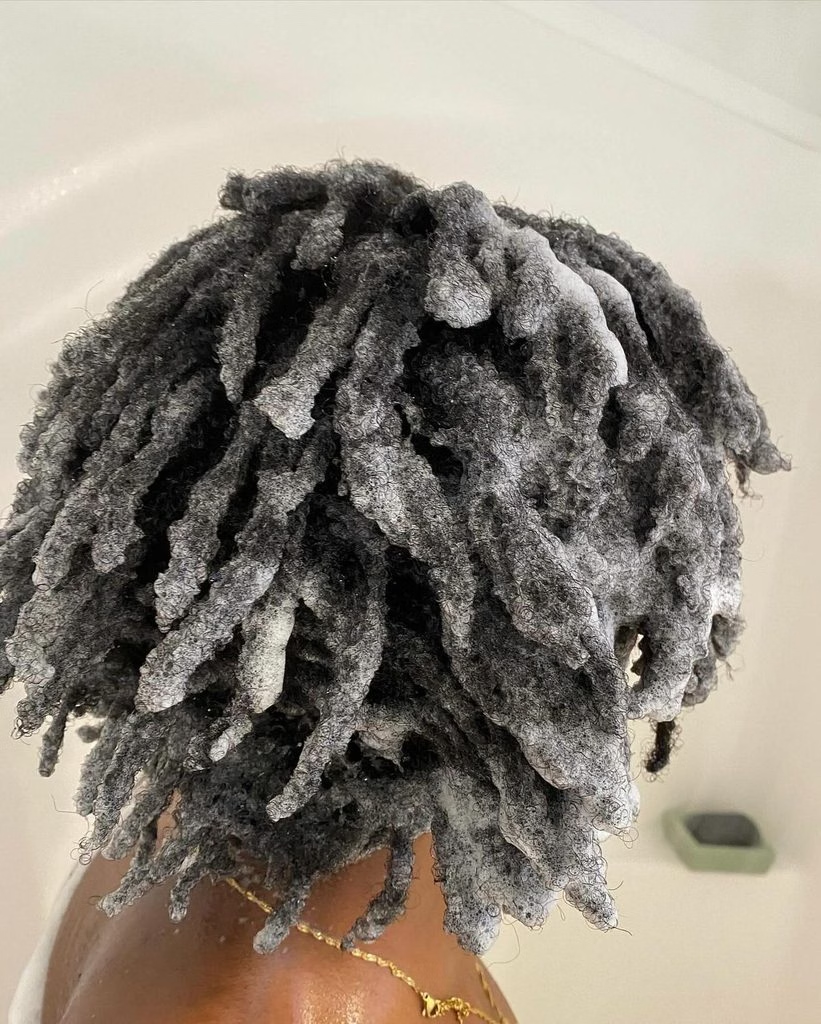
Short locs need a residue free shampoo, because creamy products can stay inside the locs. Starter locs often need a stocking cap or mesh band during washing to hold them in place.
So wait for your loctician to tell you when to do the first wash after your install. Locs also dry slowly, so you must dry them fully to avoid a sour smell.
A TWA dries quickly, which makes wash day shorter and a little easier on your time. Still, both styles need a healthy scalp, so massage gently and watch for dryness or flaking.
If you notice pain, bumps, or heavy itching, talk to a doctor or a skilled professional. Scalp health comes first, because good hair can only grow from a calm, healthy scalp.
Plus, wash day should feel relaxing, so play music, take your time, and be kind to yourself.
Whichever style you pick, a simple wash plan will keep it fresh, soft, and comfortable.
Styling a TWA
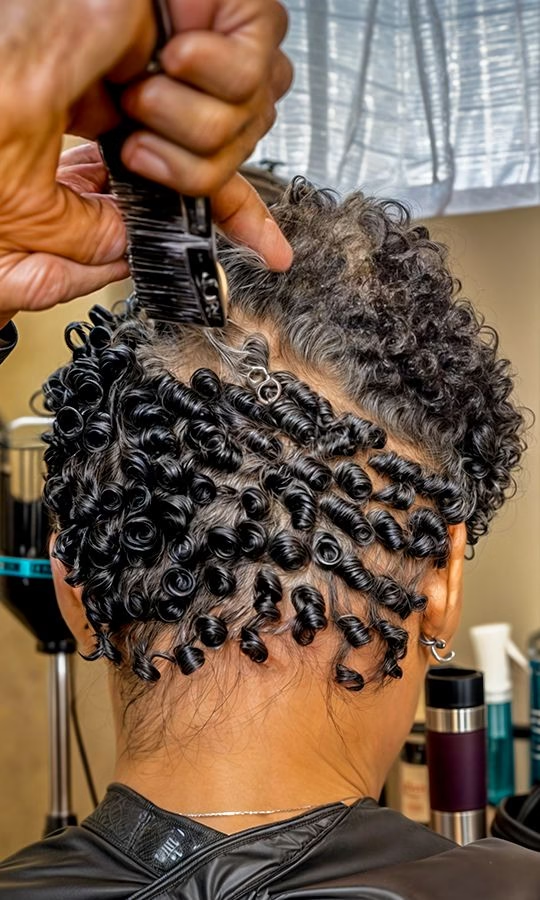
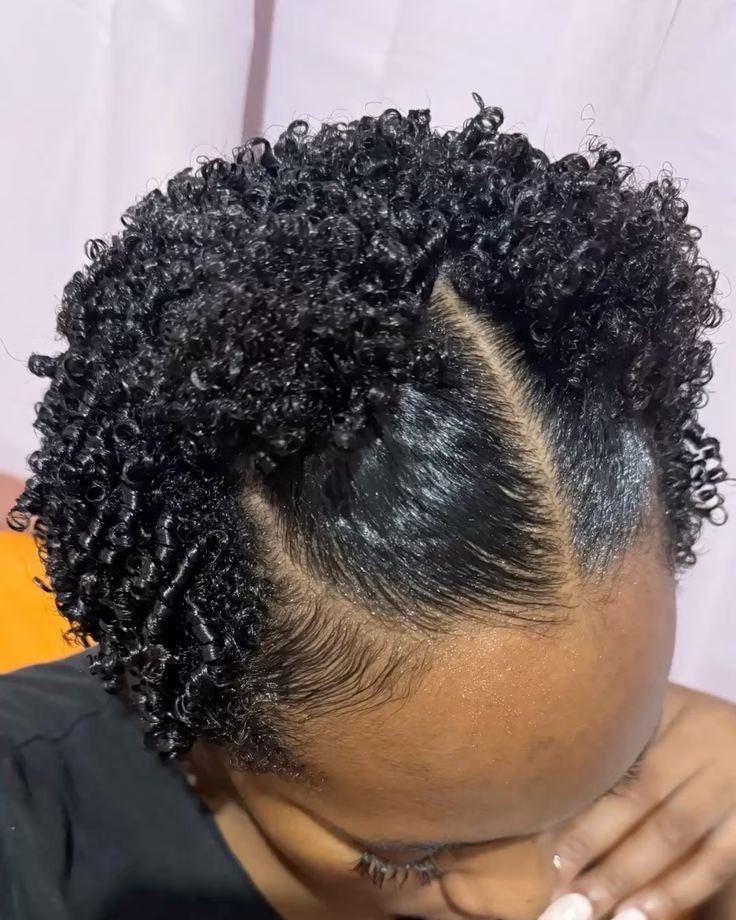
A TWA can take on many looks, from a neat round shape to a bold tapered cut. You can wear it fluffed, twisted, curled, or shaped, and it changes your whole vibe.
Next, try twist outs, wash and gos, finger coils, or small Bantu knots for fun and texture. Accessories also add style, and the locs accessories guide shares ideas that work on short hair.
Headbands, scarves, and small pins can dress up a TWA in just a few seconds. A TWA also lets you try playful details, like shaped parts, patterns, or a bold lip color.
Plus, because the hair is short, a TWA shows off your face, your earrings, and your style. Still, you must be gentle, because pulling and tight styles can hurt short, tender hair.
Avoid heat when you can, since heat tools can damage and loosen your natural curl pattern. Then use a satin bonnet at night, and refresh your style with water in the morning.
A TWA gives you freedom, because you can try something new almost every single day. If you love variety and play, this style may be a perfect match for you.
Styling Short Locs
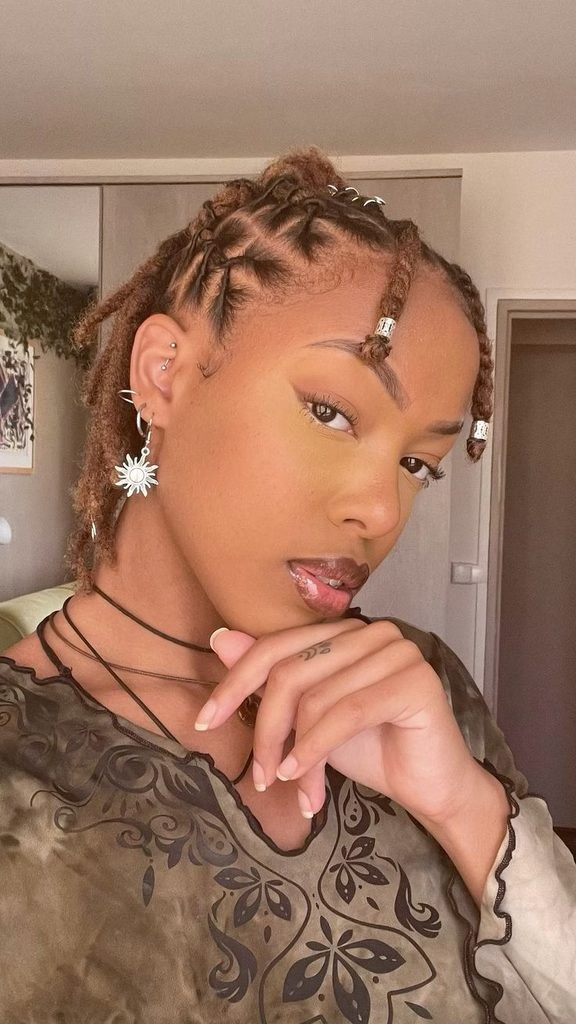
Now, short locs have fewer styling options at first, but they still offer plenty of charm. Also, you can wear them loose, pinned back, twisted to the side, or held with a headband.
As your locs grow, you can try the 45 half up half down locs styles for more choices. Length is what unlocks more styles, so patience is your best friend during this phase.
Starter locs are delicate, so skip tight buns, heavy pins, and strong tension at the roots. Soft wraps, light cuffs, and gentle twists work well on short, young locs in the early months.
But over time, your locs become strong enough to hold more weight and more complex styles. That is the reward of the loc path, because your styling options grow along with your hair.
Also, locs hold a shape well, so a neat style can last for several days. A TWA needs fresh styling each morning, while locs can stay put with little effort.
That can save time for people who like to set a style and forget it. Still, locs need a break from tight styles, so rotate your looks and protect your hairline.
Short locs reward gentle habits, and your patience will show in every single stage of growth.
Cost and Time Compared
Money and time often decide this choice, so let us look at both honestly and clearly. First, a TWA costs little to maintain, because most of the work is simple home care.
You pay for products, occasional trims, and maybe a good deep conditioner now and then. Short locs cost more at the start, since an install takes skill and many hours.
After that, you pay for retwists every month or two, plus products and simple tools. My friend Rochelle from Oakland tracked her spending for one year with her short locs.
She found that locs cost more at first, but saved her money on weekly styling later. Prices differ by city and by loctician, so always ask for a clear quote first.
Time is the other side of the coin, and busy people should think about it carefully. Also, locs save time on daily styling, and the 20 easy loc styles for busy moms show quick ideas.
A TWA needs a few minutes each morning, plus a longer wash day every week or two. Locs need less daily work, but they need appointments, and wash days can take longer.
Add up your real hours and dollars, and choose the style that fits your life.
Age, Lifestyle, and Work
Your age, your job, and your daily life all play a part in this decision. Both styles suit every age, and the 15 mature locs styles for women over 40 prove it.
Also, many women choose a TWA after a change in life, and they feel fresh and free. And others choose locs to mark a new chapter, and they enjoy the slow, steady growth.
Think about your work, because some jobs and schools have rules about hair and style. Both a neat TWA and neat short locs look professional when you keep them clean and tidy.
If you move a lot, play sports, or travel often, locs may be easier to manage. If you love changing your look, a TWA gives you much more freedom to experiment.
Also, think about your health, your hormones, and your stress, since all of them affect hair. If your hair is thin or weak, talk to a doctor before you make a big change.
Healthy hair holds locs better, and it also grows into a stronger, fuller, and bouncier TWA. Your life is unique, so choose the style that supports it and not the one that is trending.
And do not forget that your style can change as your life changes, and that is okay.
Big Events and Special Looks
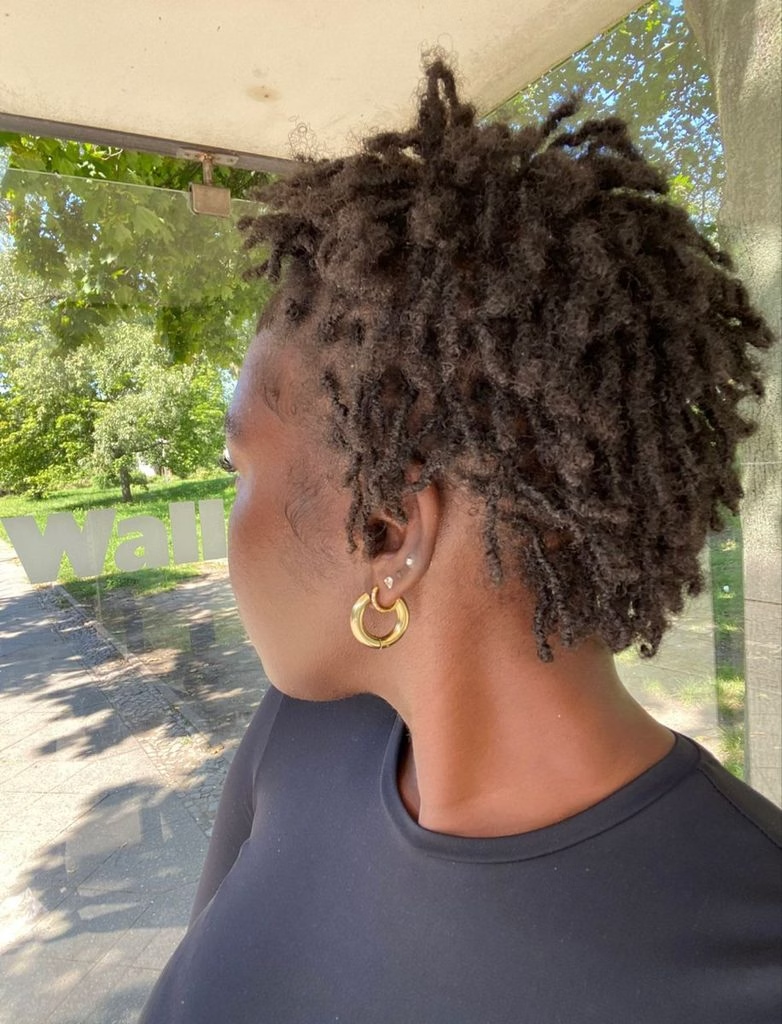
Events like weddings, graduations, and photo shoots can make you want a very special look. A TWA can be dressed up with a sharp shape, bold earrings, and shining accessories.
A fresh trim a few days before the event keeps the shape clean and crisp. Short locs can look just as elegant, and brides can look at the wedding loc updo styles for black brides.
For more ideas, browse the 25+ bridal locs updo ideas, and imagine how they could adapt to your length. Starter locs may be too short for a full updo, but gentle pins and wraps still work.
Plan your style months ahead, so your hair has plenty of time to grow and settle. If a big event is close, a TWA may be the safer choice, since locs need time.
Starting locs right before a big event can leave them looking loose, soft, and unfinished. Also, do a trial run before the date, so you know exactly how your style will look.
Photos last forever, so choose the look that makes you feel truly proud and comfortable. Whichever style you wear, a calm mind and a warm smile are your best accessories.

Color and Other Changes
Color is a fun way to change your look, but each style handles it differently. Ideas like 39 colored locs ideas for black girls show how bold and beautiful color can be.
On a TWA, color can be added to the whole head or to a few small sections. Since the hair is short, damage can grow out sooner, and a trim can remove it.
But bleach and strong dye can still dry out natural hair, so go slowly and gently. On locs, color needs even more care, because chemicals can weaken young locs and make them snap.
Most professionals suggest waiting until your locs are fully mature before using any strong dye. Loc wraps, thread, and temporary color give you a chemical free way to play with shade.
Always do a strand test first, and book color with someone who knows your hair type. Other changes, like cutting or switching styles, also need careful thought and some good advice.
A TWA is easy to reshape, but locs are not, so think before you cut. Change should feel exciting, so make choices that protect your hair and keep you happy.

Seasons and Weather
My neighbor Naomi from Richmond wore a TWA all summer, and she loved how light it felt. When winter came, her hair felt dry, and she began protecting it with a satin lined hat.
Weather affects both styles, so plan your care around the season and your local climate. In cold months, your hair loses moisture faster, so add richer sealing and cover it outdoors.
Locs can look cozy in winter, and the 12 long locs styles for fall and winter show warm ideas. A TWA is easy to protect, because a soft hat or scarf covers it fully.
Just make sure every hat is lined with satin, so it does not rub or dry out your hair. In hot weather, a TWA feels light and cool, and it dries very fast after a rinse.
Short locs also feel comfortable in the heat, but sweat can cause buildup near the roots. Rinse your scalp after heavy sweat, and dry your locs well to avoid any sour smell.
Humidity can make a TWA puff up and shrink, so use a light gel or a good leave in. Humidity can also make locs frizz, so smooth the surface with a little oil or water.
Both styles can thrive in any season, as long as you adjust your routine with care.
Kids and Teens
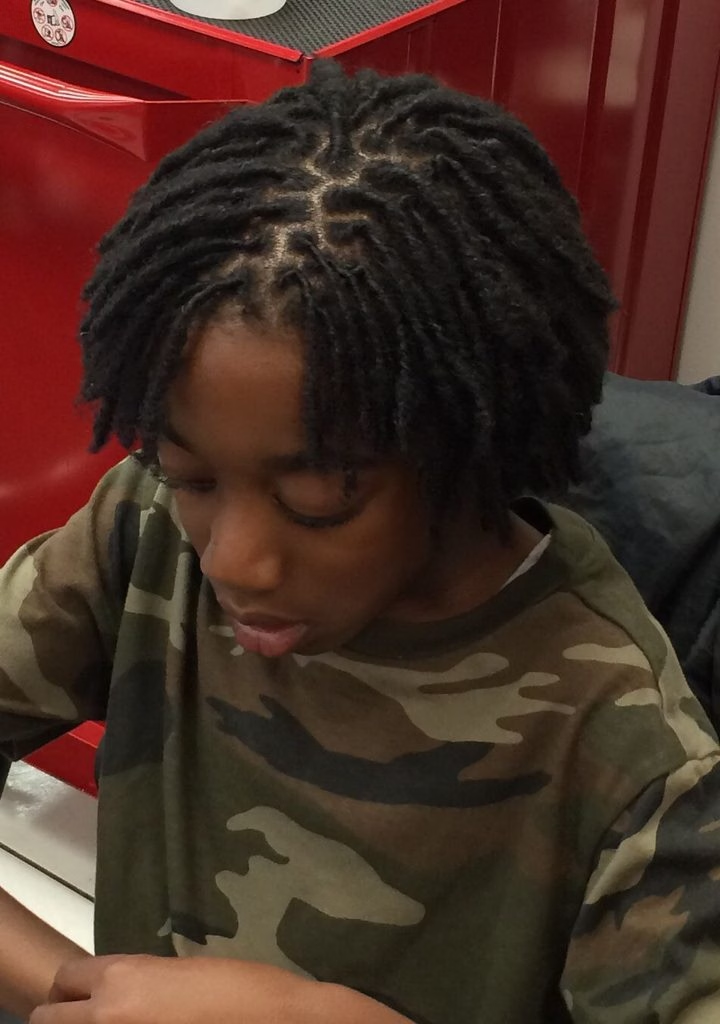
Parents often ask which style is better for a child, and the answer depends on the child. A TWA is a safe and simple choice for kids, since it is soft and flexible.
Kids can change their look often, and they can say yes or no to any style. Locs are also lovely on children, as long as the child wants them and the style is gentle.
The guide on how to maintain kids locs at home offers a simple weekly care plan. Children play hard and sleep restlessly, so locs need extra care and a good satin bonnet.
Use larger parts and a very light touch, because small scalps are tender and easily sore. Also, never twist or pin tightly, and stop right away if your child feels any pain.
Teens often want to choose for themselves, and that is a healthy way to build confidence. Let them see photos, ask questions, and talk with a loctician before they make a choice.
Remind them that a TWA is a gentle way to try natural hair before any big commitment. Support their choice with love and kindness, because their hair story truly belongs to them.
So give your child time to enjoy the choice, and let their confidence grow with each style.
Moving From a TWA to Locs
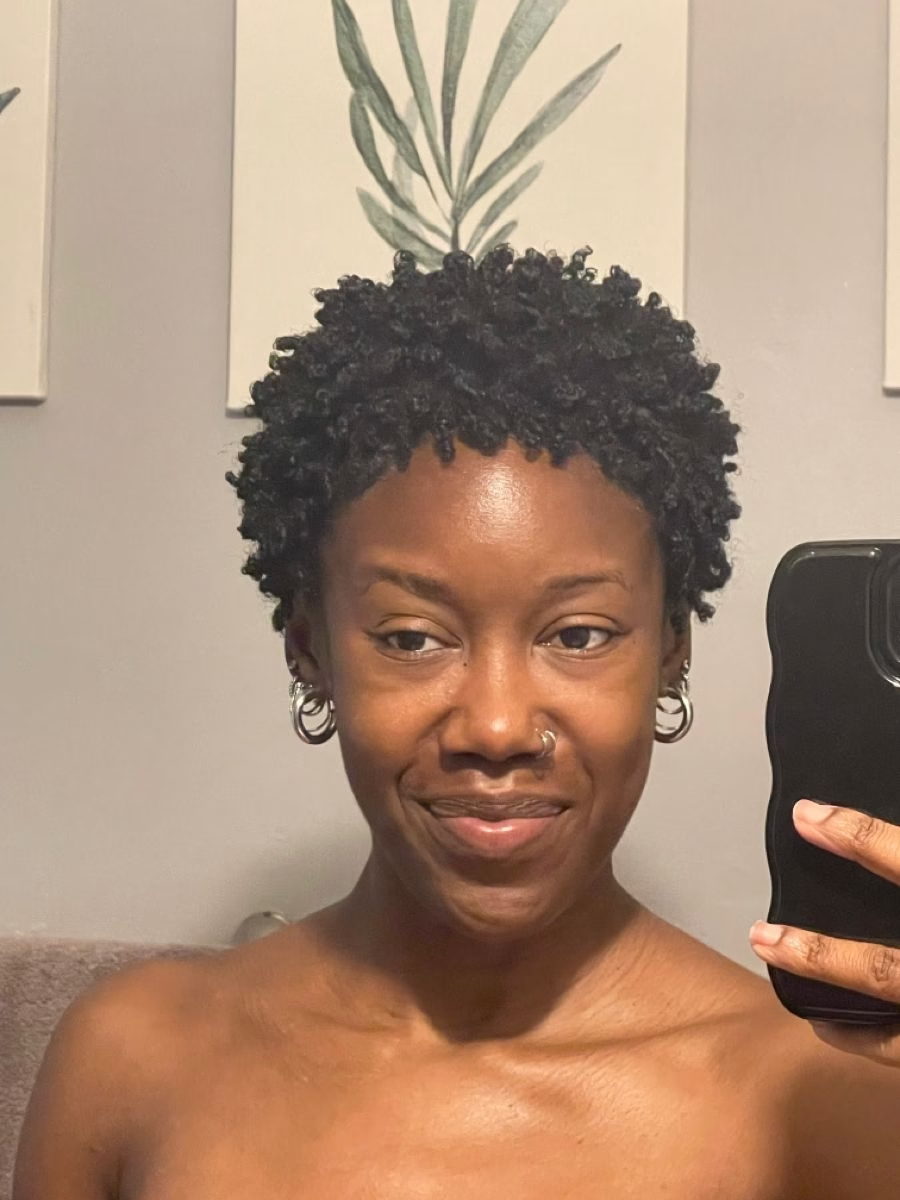
Many people start with a TWA and later decide that they want to try locs. This path is common, and it can give you time to learn your hair first.
As your TWA grows, you can see your texture, your density, and your growth pattern. That knowledge helps you choose the best method and the right size of parts for locs.
Most people can start comb coils or twists once their hair reaches three to four inches. Wait until your hair is healthy and strong, and trim away any damaged ends first.
Talk to a loctician, who can check your hair and suggest a method that suits you. Once your locs mature and grow longer, you can try bolder styles like the 12 locs crown braid updos.
Crown styles look regal, and they show how far your hair has come over the months. You can also go the other way, since some people with locs decide to cut and start fresh.
That choice is valid too, and it is simply another chapter in your hair story. Your hair can grow, change, and begin again, so no choice has to be final forever.
Final Thoughts on Choosing Your Natural Style
A TWA and short locs are both lovely, but they ask for very different things from you. A TWA gives you freedom, soft texture, and quick changes, with a simple home care routine.
Short locs give you a long term journey, with steady habits, patience, and growing styles. Think about your time, your budget, your lifestyle, and how you honestly feel about commitment.
If you want to stay flexible, start with a TWA, and let your hair show you the way. If you feel ready for a long journey, short locs may be a beautiful fit.
Also, talk to a skilled loctician, because a short consultation can answer many of your questions. Remember that neither choice is wrong, and both celebrate the beauty of your natural hair.
So choose with your heart and your head, and trust yourself to know what feels right. And wear your hair with pride, whichever path you take, because it is yours and it is beautiful.