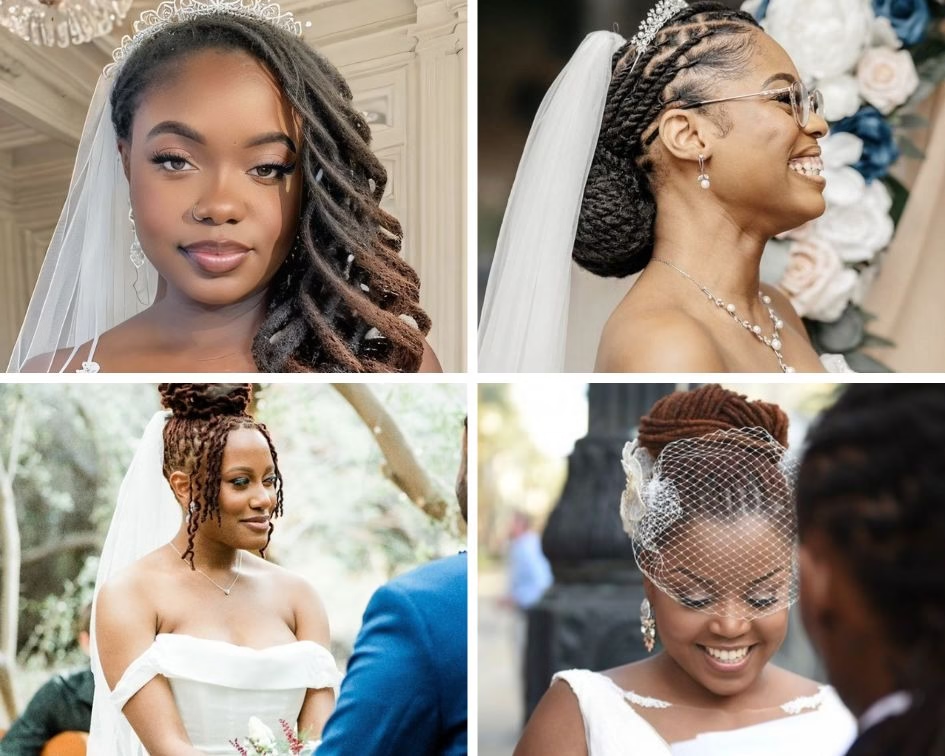
A veil can be anywhere from a few inches to many feet long, so your locs need a plan. And the good news is that locs and veils belong together, and you can have both.
Many brides worry that a veil will hide their texture, or that their locs will not hold it. But neither worry is true, because the right style lets your locs and your veil shine together.
Start by browsing the 25+ bridal locs updo ideas to see how many shapes can carry a veil. Then use this guide to choose, place, and protect your veil and your locs on your big day.
So let us walk through veil types, attachment, styles, care, and the small details that matter most. By the end, you will know exactly how to wear a veil and keep your look.
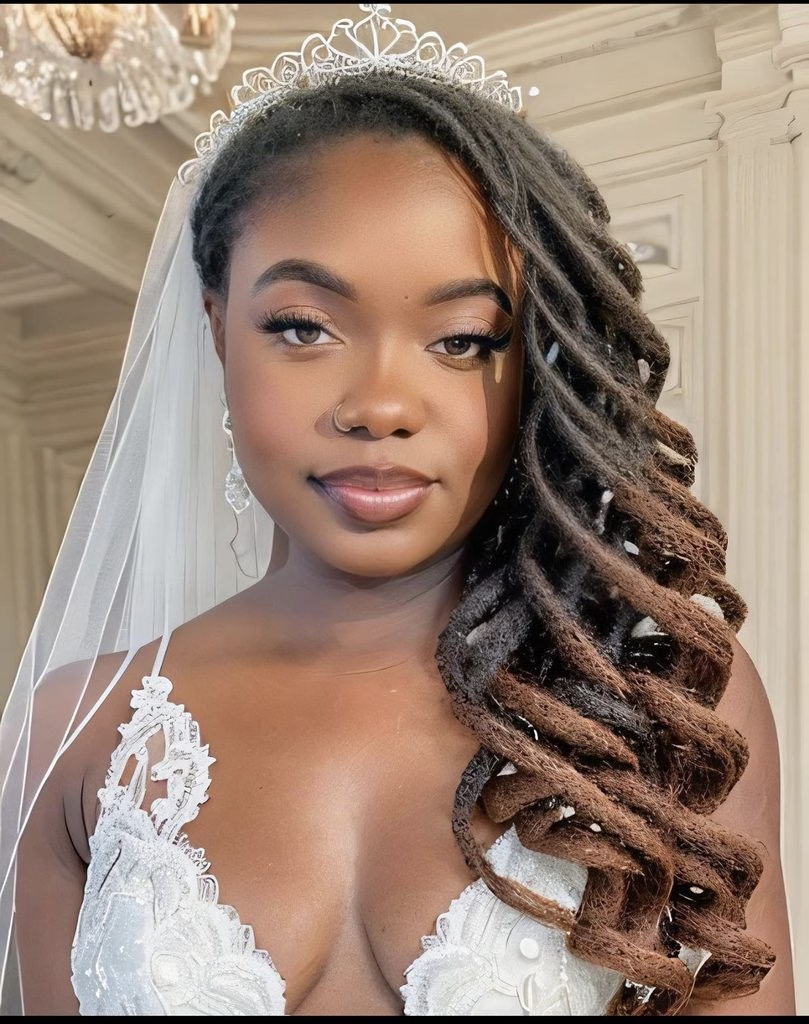
How to Style Locs With a Veil (Without Losing the Look)
Why a Veil and Locs Work So Well Together
A veil adds softness, movement, and romance, while locs add shape, texture, and a sense of strength. Together, they create a bridal look that feels personal, graceful, and beautiful from every single angle.
Locs hold a style well, so they give a veil a firm base to rest on. The wedding loc updo styles for black brides show many secure shapes that carry a veil with ease.
Also, the dense texture of locs grips pins and combs, which helps a veil stay in place. And that grip is a gift, since a veil that slips can ruin your photos and your mood.
Still, locs are heavy, and a veil adds even more weight, so careful planning really matters. So a veil should sit gently on your style, and it should never pull on your roots.
The goal is to be seen, so your texture and your veil should both be easy to notice.
Plus, your veil can match your mood, from a soft cloud of tulle to a bold and dramatic train. Every choice can work, as long as it fits your locs, your comfort, and your day.
Let us start with the veil itself, because the right veil makes everything else so much easier.
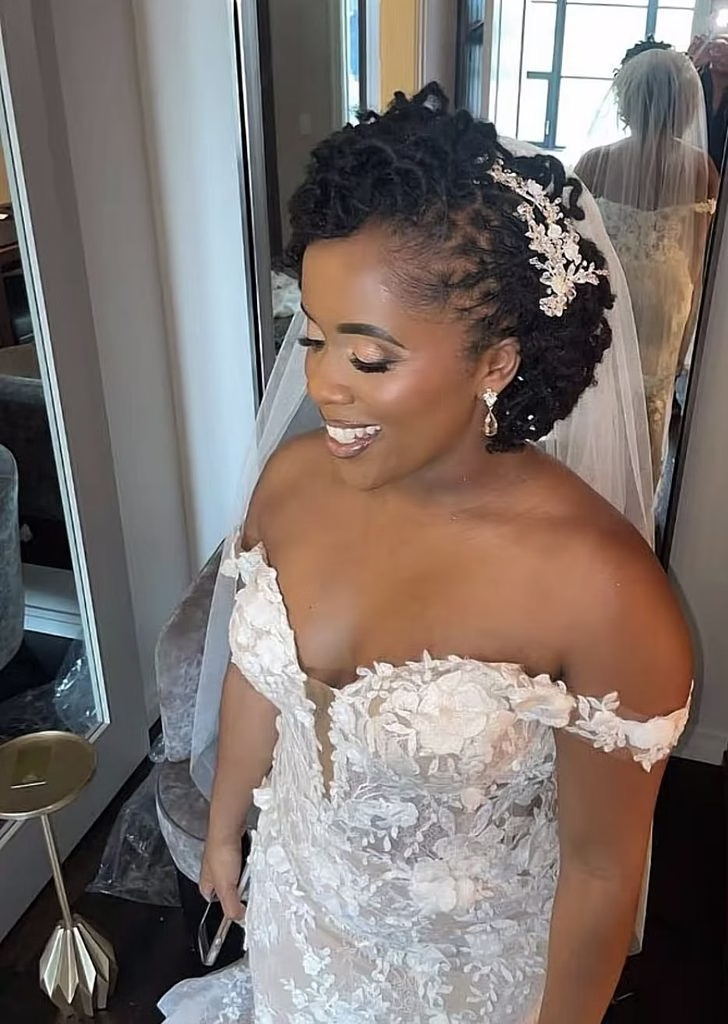
Choose the Right Veil for Your Locs
What kind of veil will look best with your locs, your dress, and your wedding day style? Now there are several lengths and shapes, and each one sits a little differently on your style.
A birdcage veil is short, and it covers only part of the face, so it keeps your locs fully visible. A blusher veil falls over the face for the walk down the aisle, and then it lifts back.
Next, a fingertip veil reaches your fingers, and it adds a touch of drama without much weight. Chapel and cathedral veils sweep the floor, and they look truly grand in large venues and churches.
A mantilla veil is made of lace with a pretty edge, and it frames the head beautifully. A simple tulle veil is the lightest, and it is the easiest to wear with locs.
So soft tulle is often the safest choice, since it floats and does not tug on the roots.
Also, choose a color that matches your dress, such as ivory, white, soft cream, or champagne. Hold the veil next to your face and your locs in good light before you buy.
Then think about the length of your locs, because short locs can look crowded under a long, full veil. But long locs can look beautiful under almost any veil, as long as the weight is shared.
Bring your veil to your hair trial, so your stylist can plan the style around it.
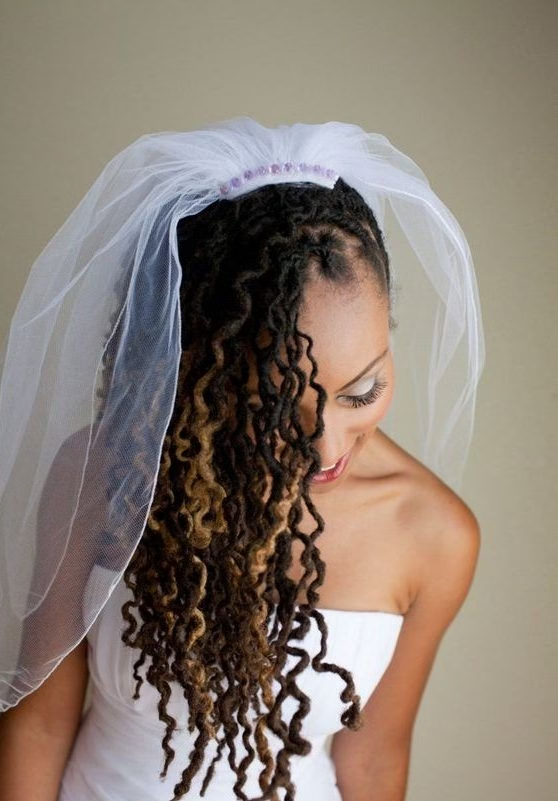
Know How Veils Attach to Locs
Most veils come with a small comb, and that comb holds the veil to your style. But locs are thick and knotted, so a comb alone may not stay put without extra help.
The best method is to anchor the comb into a firm base, such as a bun or a twist. Then add a few hidden pins on each side of the comb for extra grip and safety.
My client Imani from Savannah tried a veil comb on loose locs, and it slid out during photos. We moved the comb into a small twisted base, and it never moved again for the whole day.
Never push a comb straight into a single loc, because it can split the loc or pull the roots. Then slide it into a group of locs, and secure it with pins that cross each other.
Clips hidden under a crown or a braid also give a very secure hold here.
Also, always test the hold by gently shaking your head, and by walking and turning around. If the veil moves, add more support, and test again before you leave the chair.
If you are new to locs, read everything you need to know before you start locs for the basics. Young or thin locs need extra gentle handling, and heavy veils may not suit them.
A secure veil lets you relax, so take the time to get this part right.
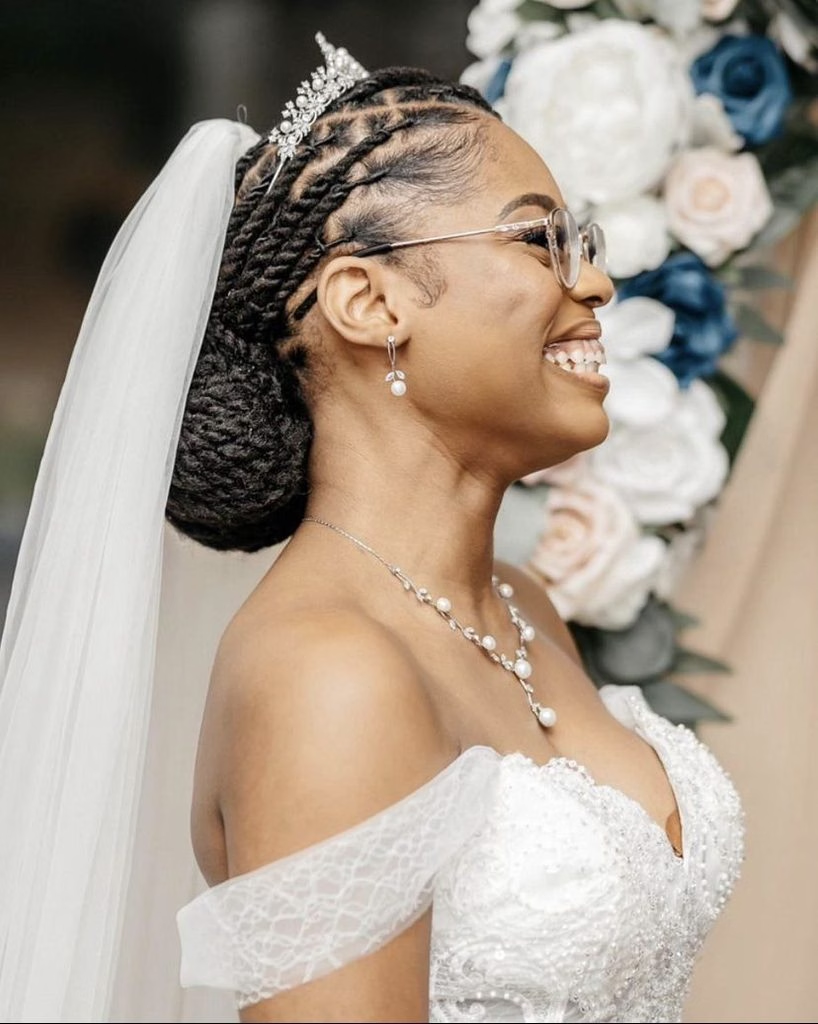
Veils With Short Locs
Short locs and veils look wonderful together, and many brides love the clean, bold result. Short locs give your face, your earrings, and your veil plenty of room to shine.
The 22 short locs styles for women in their 30s show polished shapes that can carry a light veil. A birdcage veil, a short fingertip veil, or a small tulle piece works very well.
So place the veil at the back or the top, where your locs are strongest and most secure. A small twisted base made from your front locs can hold the comb firmly in place.
Also, a headband or a crown of pins can anchor the veil without any pulling. But avoid very long, heavy veils, since short locs have less hair to support the weight.
Keep your edges tidy and soft, because short styles put your hairline in the spotlight. A light mist and a soft brush will smooth the front without any harsh pulling.
Then check the back of your head in a mirror, because photographers capture every angle.
Short locs can look elegant, simple, and unforgettable, so wear them with pride under your veil.
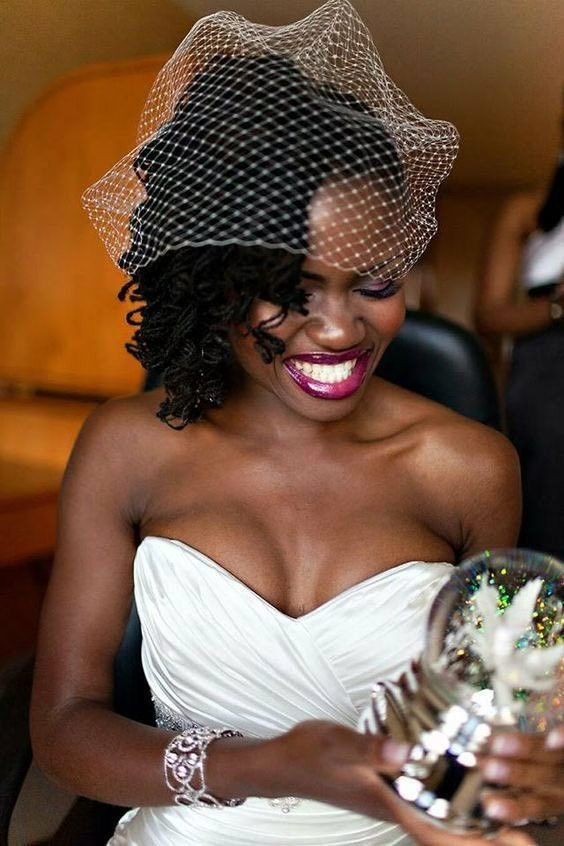
Veils With Medium and Long Locs
Medium and long locs give you far more choices, but they also need more careful support. The locs updo styles by hair length guide shows exactly what works at each length.
Medium locs can be pinned into a low bun, a rolled style, or a half up shape. Long locs can be braided, wrapped, piled high, or left flowing under a long veil.
The main challenge is weight, since long locs and a long veil together can feel heavy. So spread the weight across your whole head, and avoid putting it all on one single pull point.
Then use strong pins, hidden bands, and a wide base, so no single spot carries everything. Ask your stylist to place the veil comb where the style feels firmest and most stable.
Also, think about how the veil and your locs will move together when you walk. And long locs can swing, and they can tangle in a long veil if they hang loose.
If you wear your locs down, keep them smooth, clean, and moisturized, since they will be on display. A light oil and a gentle brush of your hands will add shine and softness.
Comfort matters just as much as beauty, so ask for a lighter version if you need one.
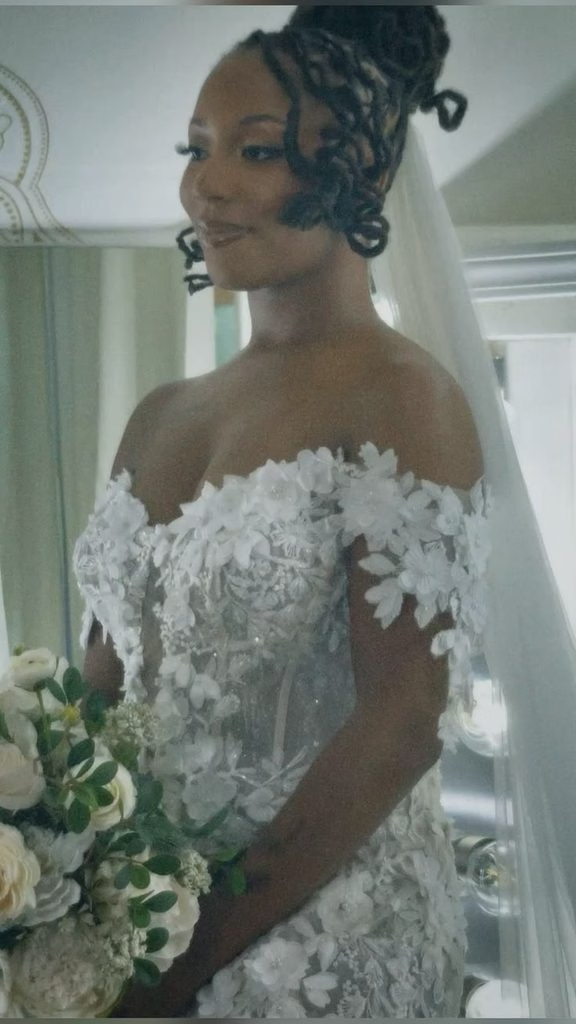
The Low Bun and Chignon With a Veil
A low bun is one of the most popular styles for a veil, and it is easy to see why. The bun gives you a firm, smooth, and secure base at the back of your head.
Your stylist gathers the locs at the nape, twists them into a coil, and pins them flat. Then the veil comb slides into the top of the bun or just above it.
This placement lets the veil fall gracefully down your back, and it keeps your face and shoulders clear. It also leaves your front locs free to frame your face if you would like that.
A chignon sits a little higher, and it looks sculpted, polished, and very classic and timeless. And the veil can sit above the chignon, so both pieces stay clearly visible in your photos.
Still, a bun can feel plain, so add a pearl pin, a small flower, or a gold cuff. Keep the extras light, and let the veil be the main feature of the style.
Check that the bun is tight enough to hold, but never so tight that it hurts.
Also, look at the bun from the back, because many wedding photos show this view. A neat bun and a flowing veil make a truly lovely picture from behind you.
Crown Braids and Halos With a Veil
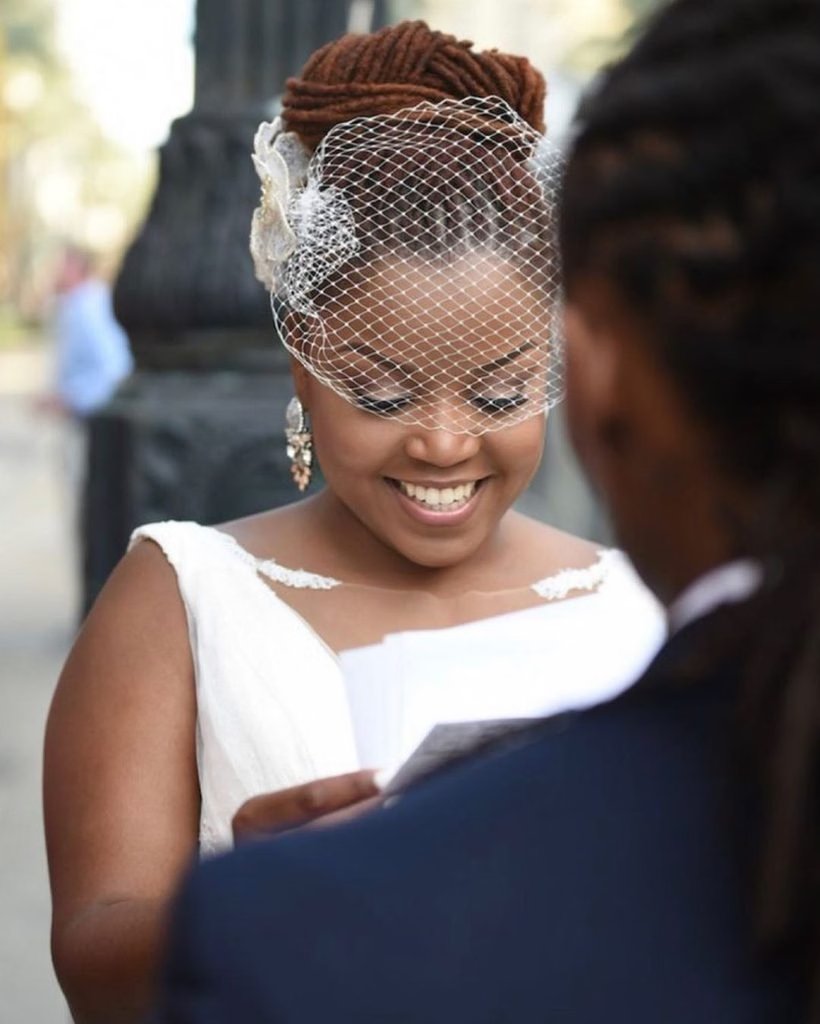
A crown of locs wrapped around your head looks regal, and it pairs beautifully with a veil. The 12 locs crown braid updos show many different and beautiful ways to build this shape.
The crown gives you a firm ring of locs, and the veil can attach right at the back. Many brides place the veil just beneath the crown, so the crown stays fully visible.
Also, try a few placements during your hair trial and compare the photos, since each looks lovely.
A crown needs medium to long locs, since it must wrap all the way around your head. If your locs are shorter, a small braided base can give you a very similar look.
Then add flowers, pearls, or a thin gold band to the crown, but keep the pieces light. But heavy pieces on a crown can pull on the whole style and loosen the veil.
Also, make sure the crown is secure before you attach the veil, since the veil adds more weight. Use strong pins, and tuck the ends neatly under the crown so nothing sticks out.
A crown and veil together say that you are a queen, so wear them with your head high.
Half Up Half Down With a Veil
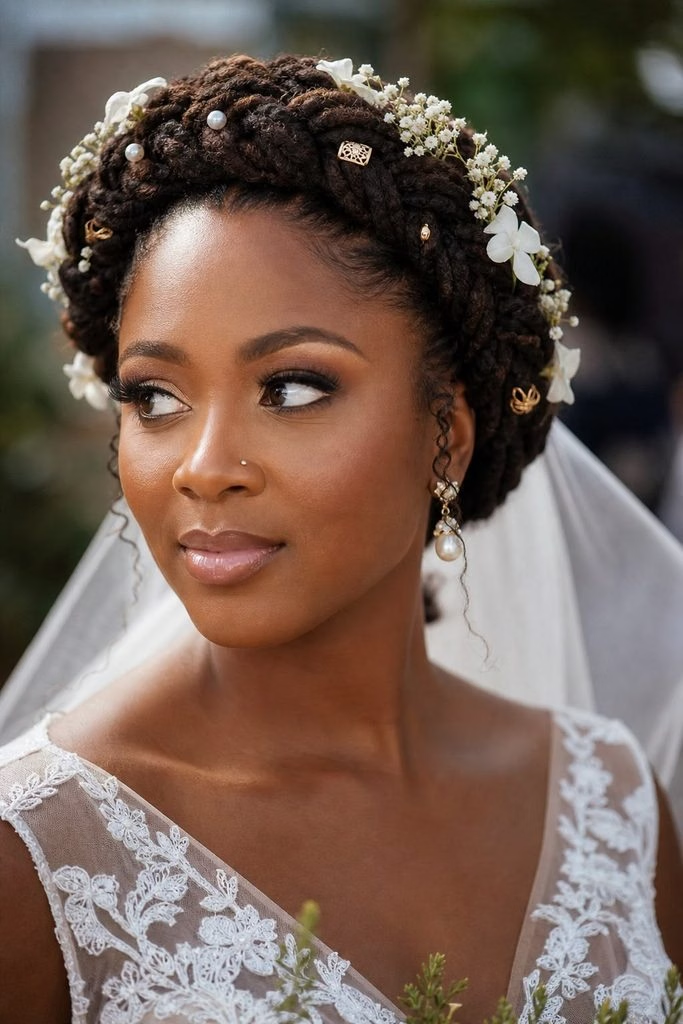
Half up half down gives you a soft, romantic look, and it works well with a veil. Part of your locs are lifted, while the rest flow freely and softly down your back.
The 45 half up half down locs styles offer many ideas for the lifted section. A small bun, a twist, or a puff at the top can hold the veil comb.
This style shows your length and your texture, and it feels light, soft, and relaxed.
Still, loose locs can tangle with the veil, so keep them smooth, soft, and neat. So a light mist of water and a drop of oil will keep them soft and tidy.
Think about the wind, since loose locs and a veil can both blow around together outside. So an outdoor wedding may call for extra pins, or for a more secure and tidy style.
Also, make sure the lifted section is firm and steady, because it carries the whole veil. Use strong pins, a hidden band, and a gentle hold, so nothing slips or pulls on your roots.
Practice sitting, dancing, hugging, and turning your head in this style during your hair trial. And a style that survives all of that will keep you safe and comfortable all day long.
Accessories That Pair With a Veil
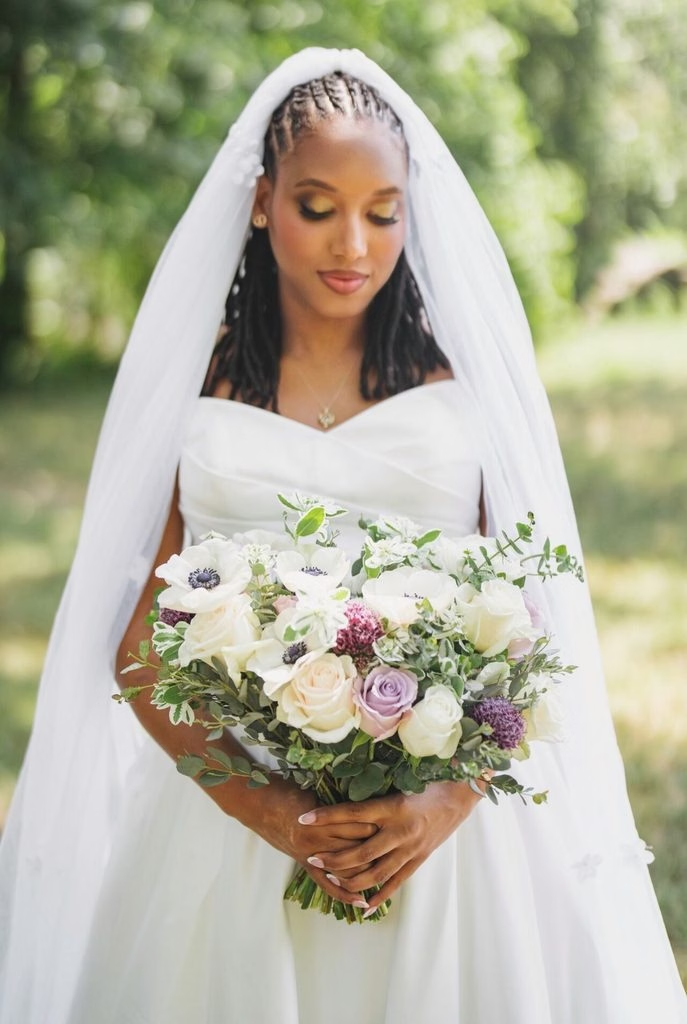
Accessories can make a veil look even more special, but they do need careful choices. The locs accessories guide shows cuffs, beads, and wraps that suit many different bridal styles.
Next, pearl pins, crystal clips, and thin gold cuffs look lovely beside a veil of soft tulle. They add sparkle and shine to your look without adding much weight to your style or your roots.
My friend Latoya from Jackson wore tiny gold cuffs on three locs under her veil. Her photos looked stunning, and she told me that she forgot she was even wearing them.
Then choose accessories that match your veil and your jewelry, such as gold, silver, or pearl. But keep to two or three pieces, because too many can look busy, heavy, and a little crowded.
And place accessories where they will not tangle with the veil, such as at the front or the sides. Avoid beads or cuffs right where the veil attaches, since they can catch on tulle.
Also, check that every piece has smooth edges, so nothing snags the veil or your locs. A small snag can tear delicate tulle or lace in a second, and that would be a real shame.
So simple and light always looks best, and it keeps your locs safe, healthy, and comfortable.
Color and Veils
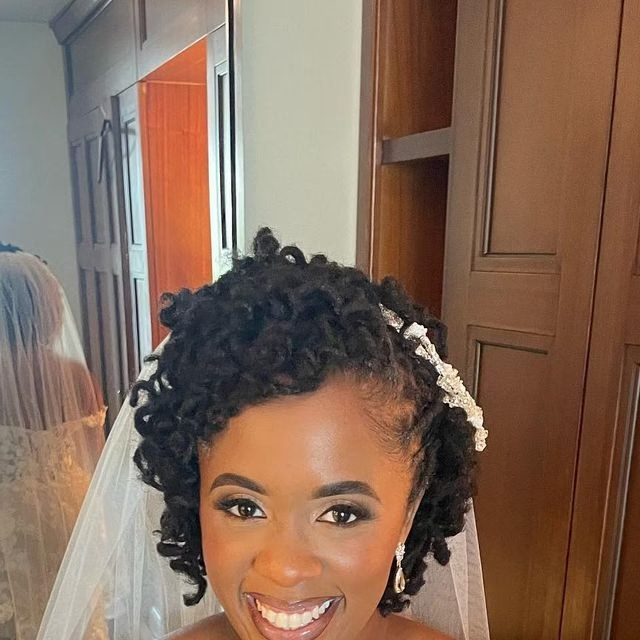
Color can look gorgeous with a veil, but the two need to work well together. Ideas like 39 colored locs ideas for black girls show how bold and beautiful color can be.
Warm shades, such as honey, copper, and burgundy, look rich beneath an ivory or champagne veil. Cool shades can also look striking, as long as they suit your dress and skin tone.
Hold the veil next to your hair in natural light before you decide on any shade.
But color should be done months before the wedding, so your hair has time to rest and recover. Bleach and strong dye can dry out locs, so use gentle methods and a skilled professional.
Loc wraps, thread, and temporary color can add shade to your locs without any harsh chemicals. They look lovely under a veil, and you can remove them easily after the wedding.
Also, colored locs can show frizz and dryness more, so keep them moisturized and neat. A smooth, polished finish makes color look rich, deep, and intentional, and it will photograph beautifully for you.
Your natural color is also beautiful with a veil, so do not feel any pressure to change it.
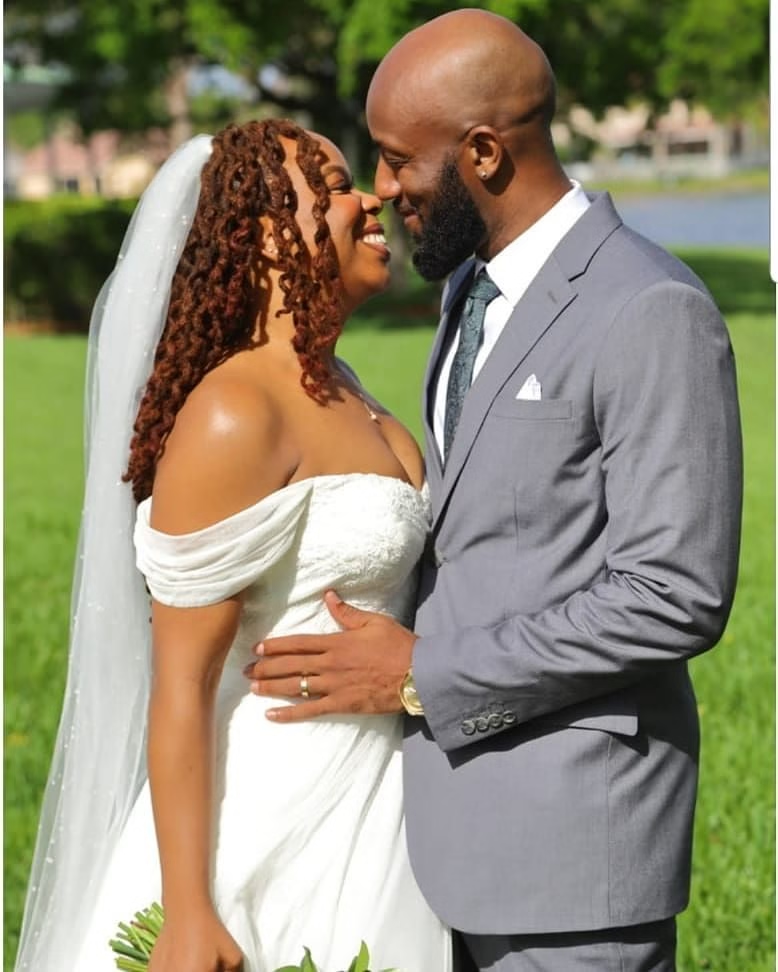
Mature Brides and Veils
Brides of every age can wear a veil with locs, and the look is often stunning. The 15 mature locs styles for women over 40 show confident, elegant, and polished ideas.
But others have finer or drier hair, and they may need extra gentle care and lighter veils.
If your hair is thinner, choose a lighter veil, and use soft bands and fewer pins. Ask your stylist to spread the weight across your head, so no spot is stressed.
Also, keep your scalp healthy with gentle rinses, light moisture, and steady, patient care every week. A calm scalp supports strong locs, and strong locs hold a veil much better than weak ones.
Talk to your doctor if you notice sudden thinning or soreness, since some causes need medical care. Good health supports good hair, so look after the whole of you, from your scalp to your sleep.
A veil does not need to match anyone else’s idea of bridal style, or hide your age. Wear whatever feels beautiful, joyful, and true to you, because that is the look that shines.
Confidence is the best accessory, and mature brides often wear it better than anyone else.
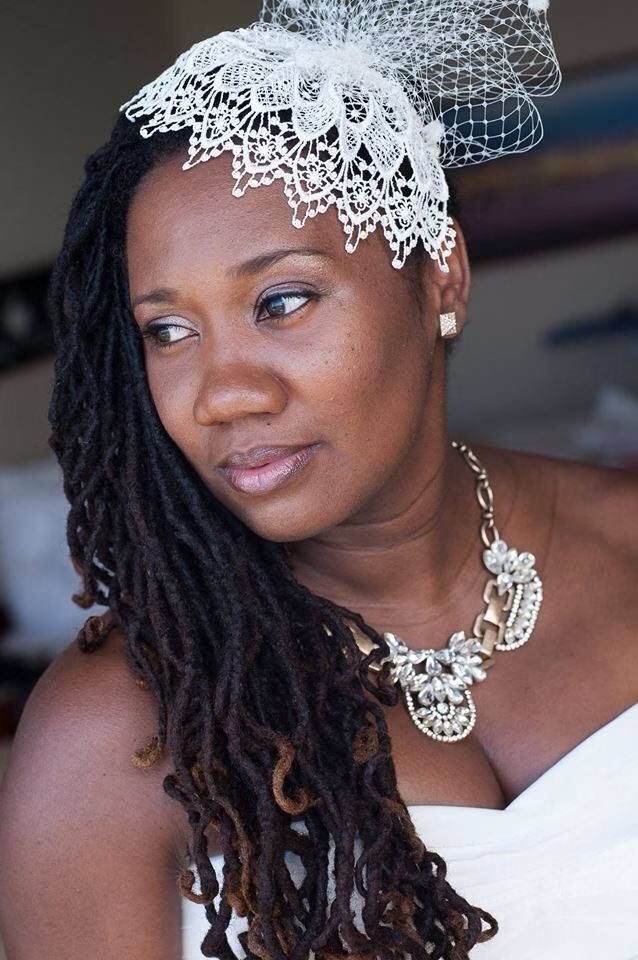
Weather and Outdoor Veils
My neighbor Simone from Milwaukee had an outdoor wedding, and a strong wind lifted her veil right off. Her locs stayed put, though, because they were pinned with extra care and strong pins.
Wind, rain, heat, and cold all affect how a veil and locs behave on your day. So plan for the weather as carefully as you plan for the dress and the flowers.
In cold months, a veil looks magical, and the 12 long locs styles for fall and winter offer cozy ideas. Keep your locs dry, and add a satin lined wrap or shawl for warmth between photos.
In hot weather, pin your locs up and off your neck, and keep the veil light. Sweat can loosen pins and bands, so ask your helper to check your style during every break.
A veil with a long train may need a helper to hold it during photos.
Also, think about humidity, because damp air can make your locs frizz under a veil. A light oil on the surface will help, and a satin scarf will protect between photos.
Always carry a small kit with pins, a comb, and a mirror, because the weather can surprise you.
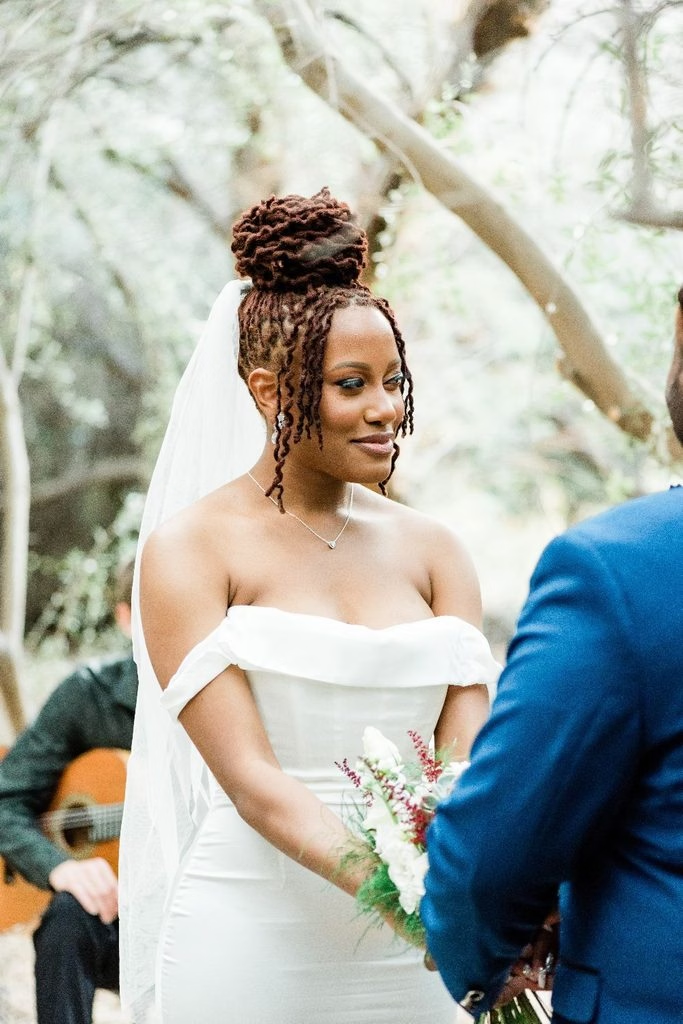
Prepare Your Locs Before the Big Day
Good preparation keeps your locs strong, neat, and ready for a veil on the big day. Start several months early, with gentle care, a light touch, and a steady weekly routine.
Choose how you will keep your locs neat, and the guide on retwisted locs and freeform locs can help. Retwisted locs give a firm, tidy base, while freeform locs give a softer, natural look.
Wash your locs a few days before the wedding, so they are clean but not too slippery. Freshly washed locs can slide out of pins, so a little wear helps hold a style.
Book a retwist about one week before the event, so your roots look fresh and neat. Do not retwist the day before, since a sore scalp can ruin your comfort and your mood.
Keep to the simple routine that your locs already love, and avoid trying anything brand new.
Do a full trial run with your veil, your accessories, and your outfit if you can. Take photos from every angle, and ask your stylist to note down what works best.
A calm, prepared bride is a happy bride, and her hair will always show it.
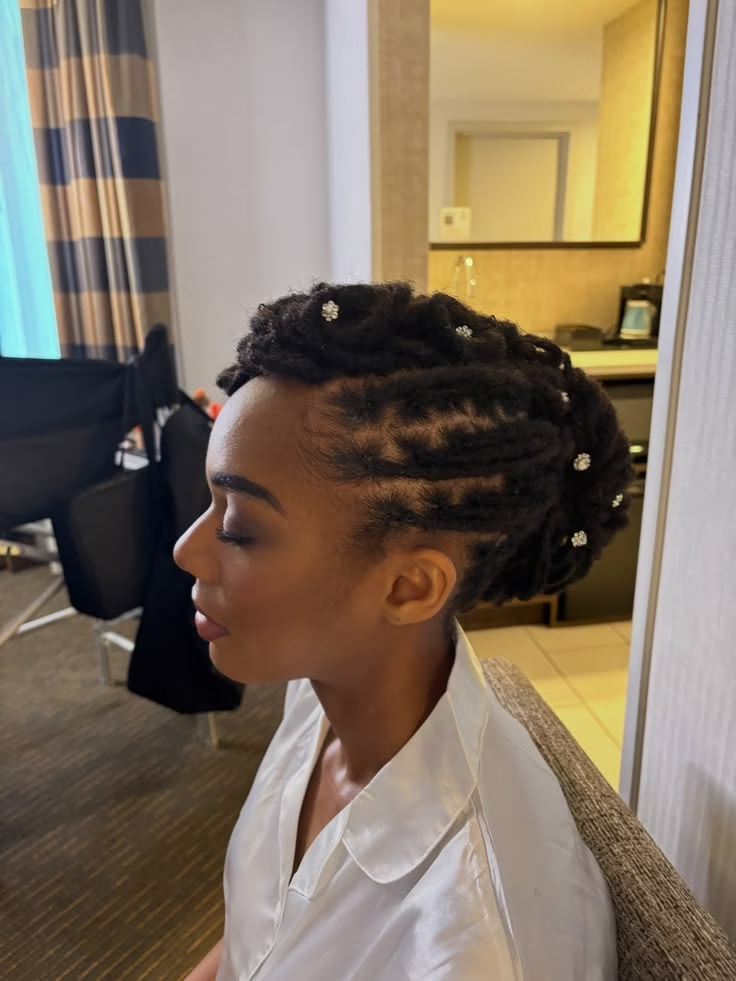
The Busy Morning of the Wedding
The wedding morning moves fast, and your hair is one of the most important jobs. The 20 easy loc styles for busy moms remind us that simple plans save time.
Start your hair early, and leave extra time for the veil, the pins, and any accessories. Eat breakfast first, drink water, and wear a button front top, so you never touch your style.
Tell your team the plan, such as who will place the veil and exactly when. A single trusted helper can attach the veil last, after your makeup and dress are done.
Keep your emergency kit close, with pins, a small comb, a mirror, and a satin scarf.
Also, ask someone to learn exactly how to remove the veil gently after the ceremony. A gentle removal protects your locs, and it keeps your style safe for the party.
Take a moment alone before you walk out, and look at yourself in the mirror. Breathe, smile, and trust that you and your team did everything right to prepare for today.
A calm morning leads to a joyful day, and your veil will float beautifully behind you.
Flower Girls and Family Members
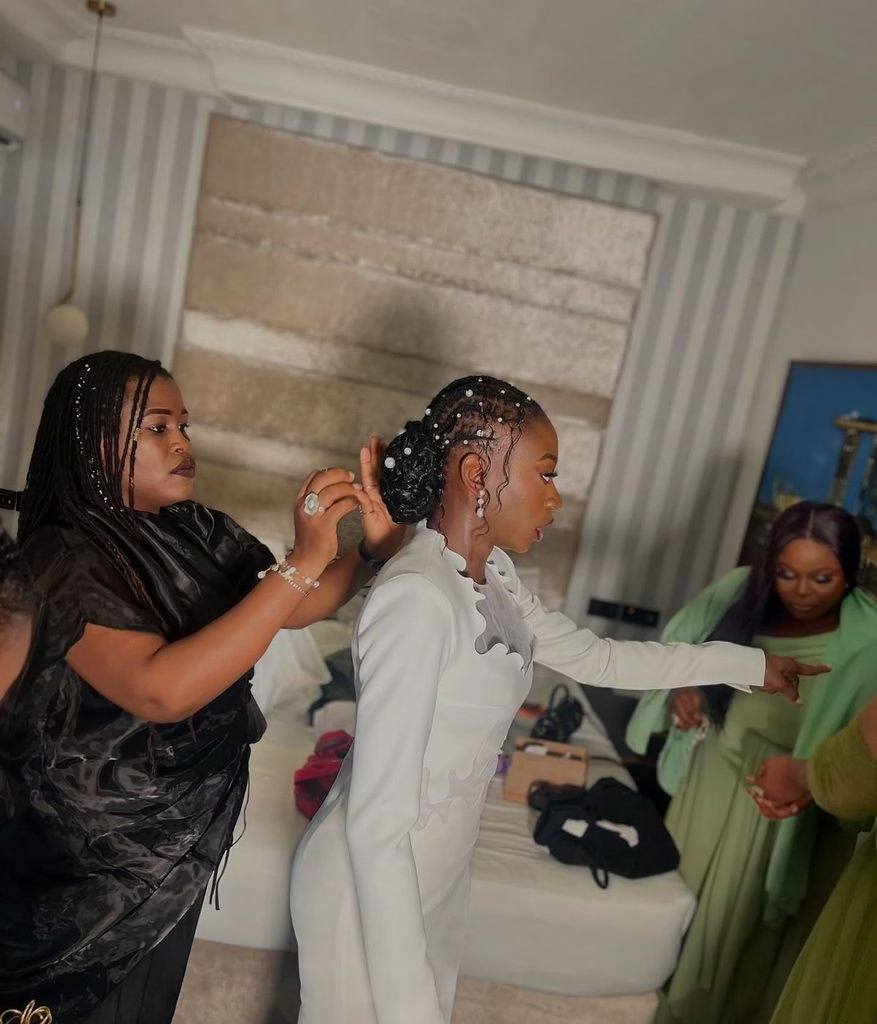
Your veil is not the only hair detail on the big day, so plan for the people around you. Flower girls, bridesmaids, and family members may all want their hair to feel special too.
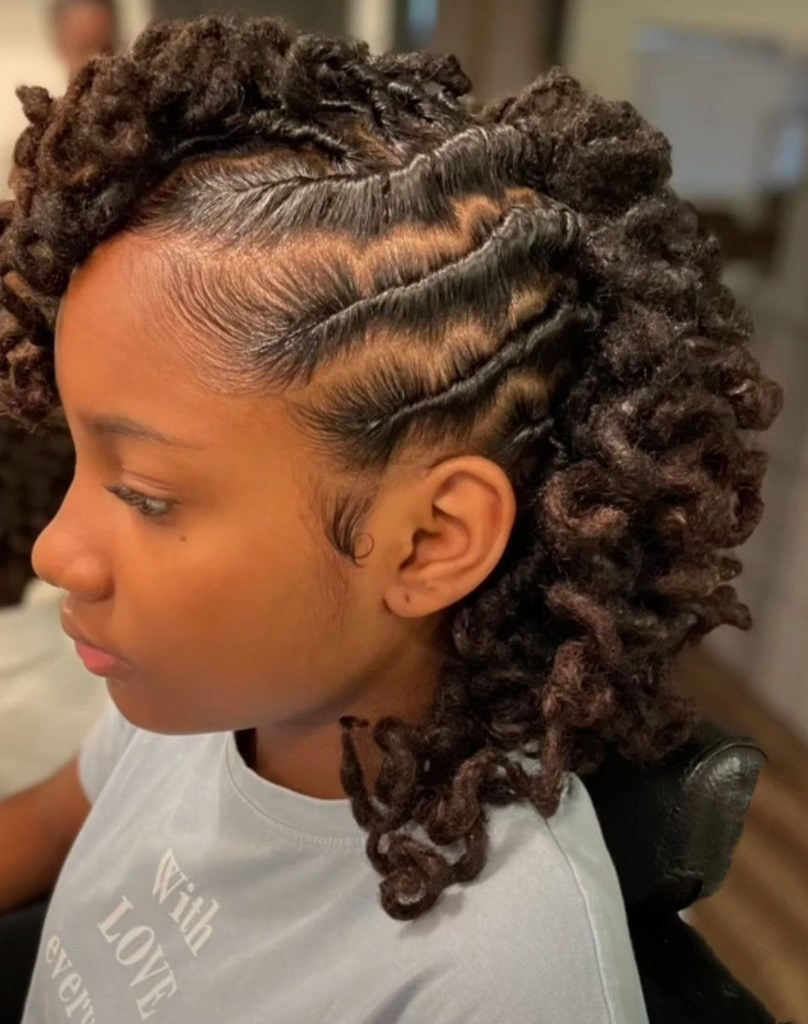
If a little girl in your wedding party wears locs, keep her style soft and simple. The guide on how to maintain kids locs at home can help her family prepare.
Avoid heavy pins or tight styles, because small scalps are tender and can get sore easily.
Bridesmaids can wear their own natural styles, or you can choose one shared accessory for everyone. A matching ribbon or small pin can tie the group together without hiding anyone’s texture.
Also, talk with your mother and your aunts about their hair plans, so everyone feels included. Give each person a clear time slot, and start with your own style first of all.
If someone else wants to wear a small veil or headpiece, plan their style with the same care. The same rules apply to them, so choose light pieces, soft bands, and very gentle tension.
When everyone feels included, the whole day feels warmer, calmer, and so much more beautiful.
Final Thoughts on Wearing a Veil With Locs
A veil and locs are a beautiful pair, and you do not have to lose your look to wear one. Choose a veil that suits your locs, your dress, and your comfort, and then plan the rest around it.
Plan how the veil will attach, and anchor it to a firm and secure base. Pick a style that fits your length, such as a low bun, a crown, or a half up shape.
Keep accessories light, protect your locs from the weather, and prepare your hair well in advance. Do a full trial, ask for help when you need it, and pack a small emergency kit.
Remember that comfort matters as much as beauty, and your style should never pull or hurt. If something feels wrong, speak up right away, and ask for a lighter or looser version.
Most of all, wear your locs with pride, because they are a part of your story. Walk down that aisle with your head high, your texture glowing, and your veil flowing.