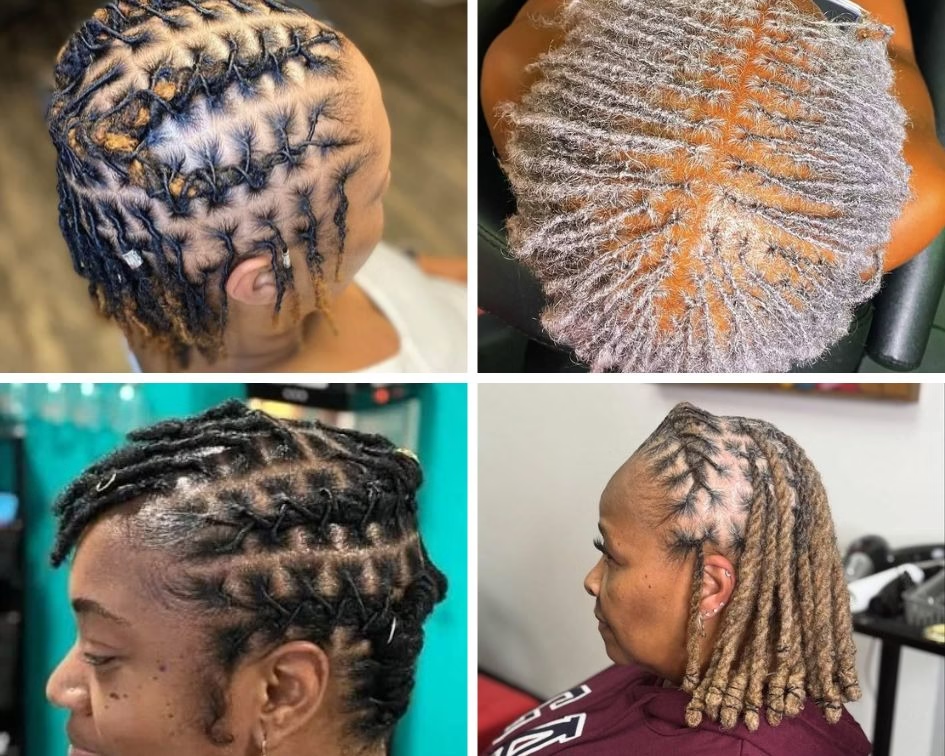
Is it too late to start locs at sixty, seventy, or even beyond that age? The honest answer is no, but it does take some thought, some care, and some patience.
Every year, I meet women past sixty who want locs, and many carry the same worries. They wonder if their hair is too thin, too dry, or too fragile to begin.
Locs look wonderful at every age, and the 15 mature locs styles for women over 40 prove it. This guide goes a step further, with honest advice for women who are sixty and older.
So let us talk about the real benefits, the real challenges, and the real steps to take. By the end, you will know if locs are worth it for you, and how to begin.
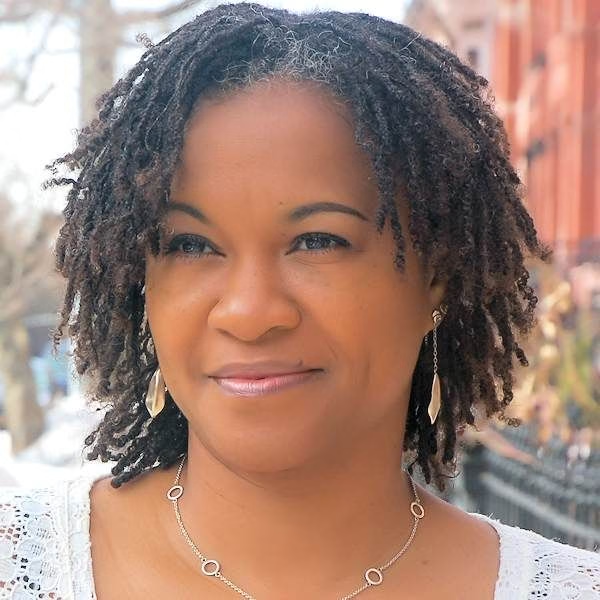
Starting Locs Over 60: Is It Worth It? An Honest Guide for Senior Black Women
Is Starting Locs After 60 a Good Idea?
For many women, the answer is yes, because locs can be gentle, beautiful, and freeing. Plus, locs do not need daily combing, heat, or harsh products, and that can be a relief.
But locs also ask for patience, steady care, and a healthy scalp, and that is the honest truth. And age alone is never the problem, because the real questions are about your hair and your health.
Now some women over sixty have thick, strong hair that locs beautifully and holds a style well. But others have finer, thinner, or drier hair, and they need a slower, gentler, and more careful approach.
If you are brand new to locs, read everything you need to know before you start locs first. It covers the basics, and this guide adds the extra details that matter after sixty.
Also, you do not need anyone’s permission to start, because your hair belongs to you. Still, you do deserve good information, so let us look at your hair and scalp first.
Then we will move through the pros, the challenges, and the practical steps that lie ahead. An honest start leads to a much happier journey, so let us begin right there.
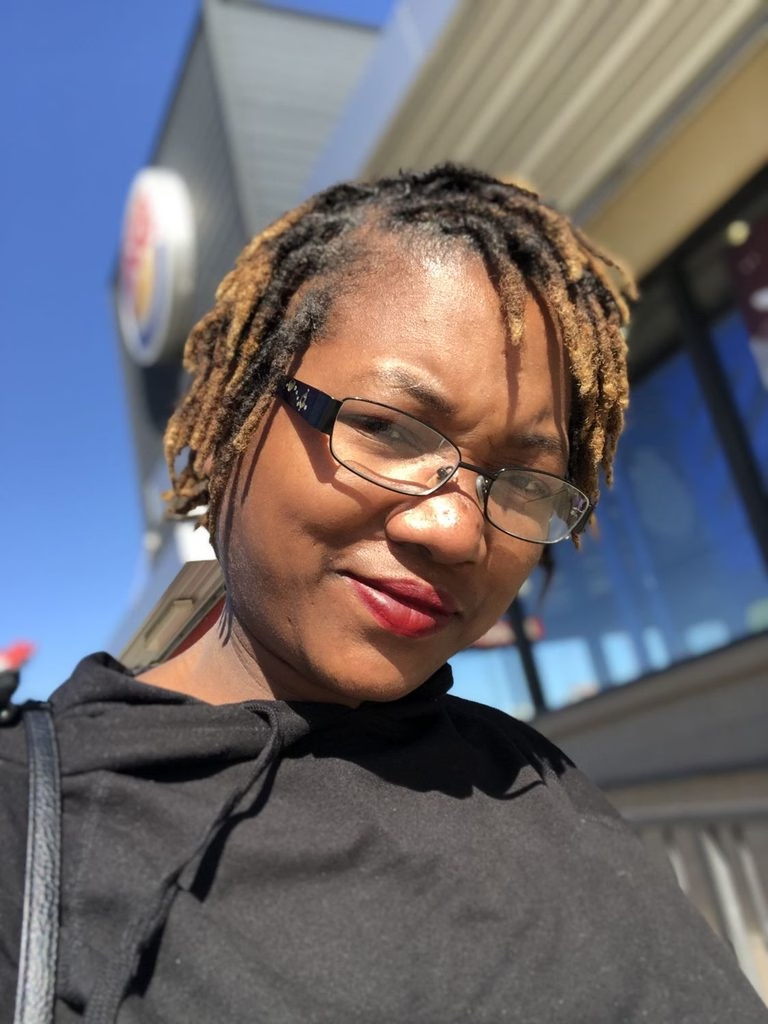
What Changes in Your Hair After 60
How does your hair change as you pass sixty, and why does it matter for locs? Many women notice that their hair becomes drier, finer, or more fragile over the years.
And the scalp can also produce less natural oil, so dryness and itching become more common. Also, hair color often turns gray or silver, and the texture of gray hair can feel different.
Gray hair is often coarser, wirier, and a little harder to control than younger hair. Hormone changes, stress, and some medicines can also thin hair or slow down its growth.
These changes are normal, but they do affect how locs form and how fast they grow. Coarser gray hair can actually lock quickly, which many women find to be a happy surprise.
But thinner hair may take longer, and it needs fewer, larger, and lighter locs to look full. So the first step is to look closely at your own hair and your own scalp.
Next, notice how dense it is, how dry it feels, and how it responds to moisture. A skilled loctician can look at your hair and tell you honestly what is possible.
Knowing your starting point helps you choose a plan that truly fits your hair and your life.
The Honest Pros of Starting Locs Later in Life
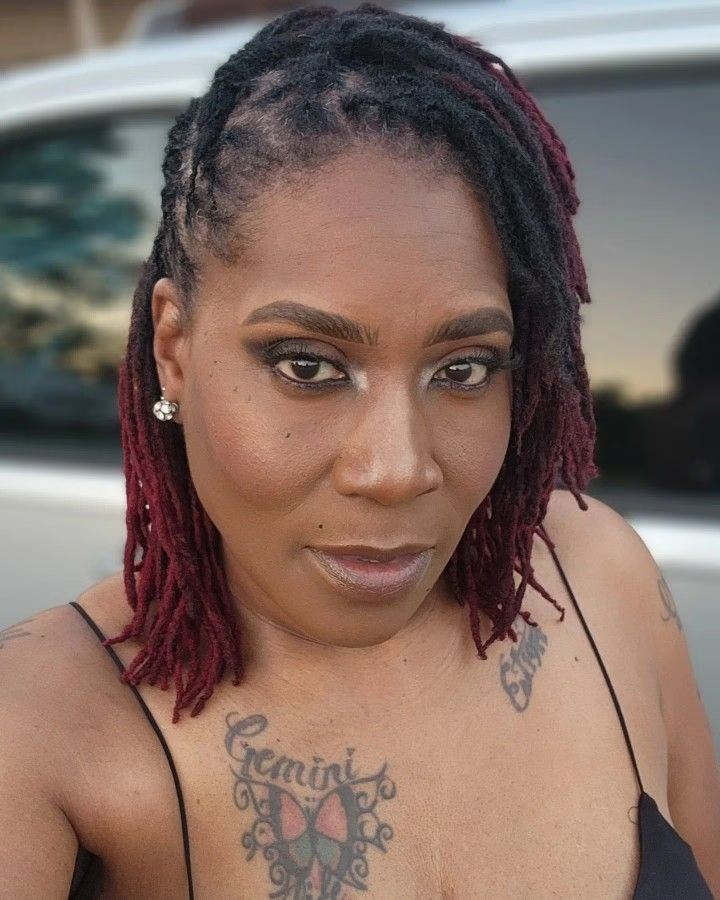
My client Dorothy from Detroit started her locs at sixty eight, and she glows when she talks about them. And she told me that she finally felt free from the old routine of heat and chemicals.
That freedom is one of the biggest pros, since locs reduce daily styling and fussing. Locs also work well for busy lives, and the 20 easy loc styles for busy moms show simple ideas.
Many women over sixty are still busy with family, church, work, volunteering, or community life. Also, locs can save time, because you do not need to detangle, straighten, or restyle each day.
Another pro is the freedom from harsh treatments, which can be hard on aging hair. Locs also celebrate your natural texture, including every one of your beautiful silver and gray strands.
For many women, locs also bring a deep sense of identity, pride, and personal story. And some choose locs to mark a new chapter, such as retirement or a milestone birthday.
Others choose locs because they want to wear their hair in a way that feels true. So those are powerful reasons, and they are just as good as any style trend or fashion.
Plus, locs can look dignified, graceful, and striking, and they suit women of every size and style.
The Honest Challenges to Expect
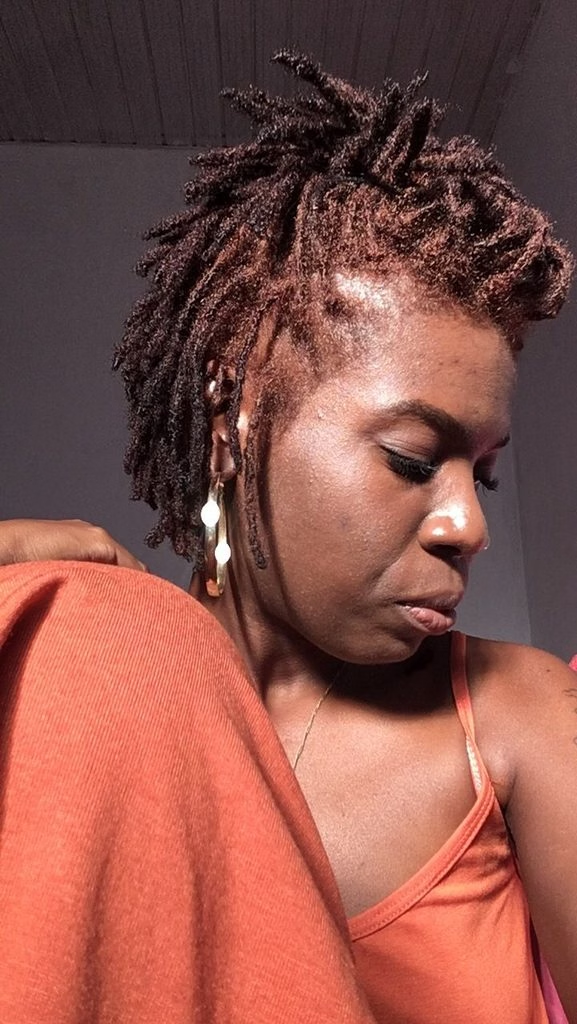
Locs are not a quick fix, and honest challenges deserve some space in this conversation. Now the first challenge is patience, since locs take a year or more to fully mature.
And during that time, your locs will look puffy, frizzy, or uneven, and that can feel discouraging. The second challenge is the way thin, fragile hair reacts to tension and rough handling.
Also, tight parts and heavy styles can cause thinning, and thin spots are slow to grow back. Another challenge is physical, since long sessions can be tiring for your back, neck, and hands.
If you have arthritis or pain, do not try to retwist your own locs for hours. Then ask a loctician or a trusted helper to do the hard work for you instead.
Cost is another honest point, since installs and retwists can add up over the months. So ask for a clear price list first, and plan your budget carefully before you begin.
And reversing locs is also hard, so be sure that this is truly what you want. Still, none of these challenges is a reason to say no, because each one has a solution.
Knowing them in advance helps you prepare, and good preparation makes the whole journey much smoother.
Talk to Your Doctor First
Picture a quiet visit with your doctor, where you ask a simple question about your hair. That visit may feel small, but it can protect both your health and your hair.
Also, some health conditions and medicines can affect hair thickness, growth, and scalp comfort in different ways. Thyroid problems, low iron, and vitamin shortages can all lead to noticeable thinning or shedding.
Skin conditions on the scalp, such as eczema or psoriasis, also need proper medical care. Locs can hide the scalp, so you should treat any problem before you begin your locs.
Next, tell your doctor that you plan to start locs, and ask if anything should change. Ask about your scalp, your iron, your thyroid, and any medicine that may affect hair.
Also, ask if mobility or joint problems could make long hair care sessions harder for you. Your doctor knows your health best, so let their advice guide your plan from the start.
If your hair or scalp has changed suddenly, get that checked before you start anything new. Then share what you learn with your loctician, so you both work as a team.
Good care starts with good information, and this one small step pays off for years.
Choose the Gentlest Starting Method
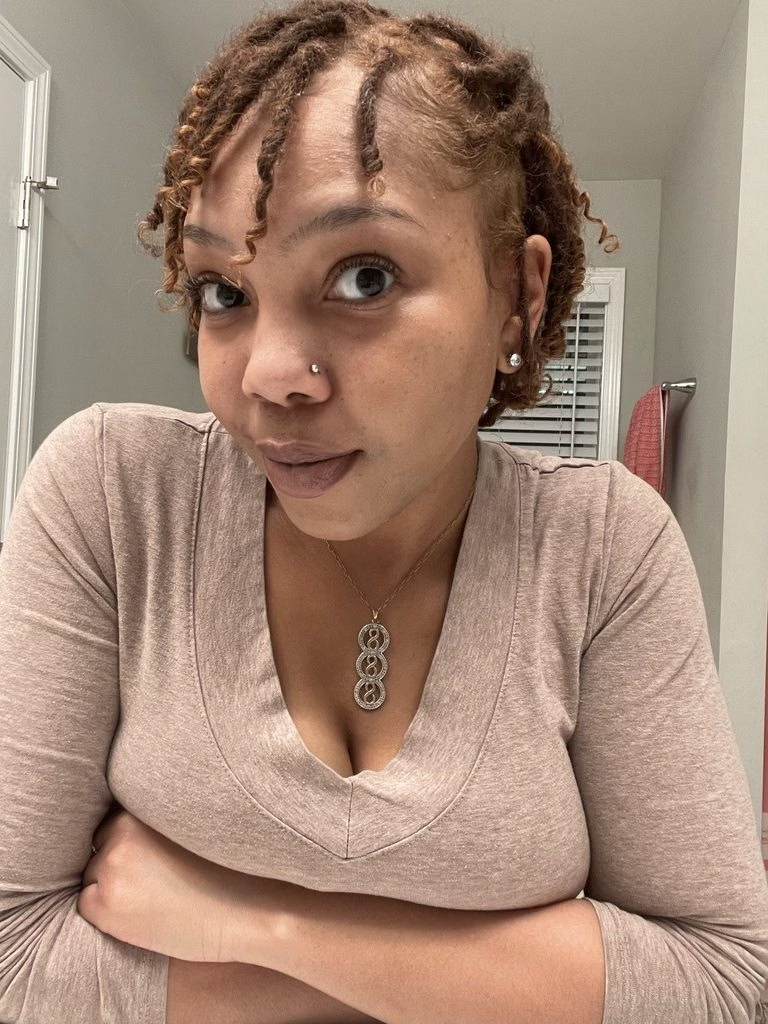
Not every starting method suits every head of hair, and your age may shape your choice. Comb coils work well on short, tightly coiled hair, and they begin very small and neat.
Also, two strand twists suit hair that is a few inches long, and they feel soft and light. Next, interlocking holds firmly, and it can be a good choice for fine or slippery gray hair.
Whatever you choose, the method should never pull hard on your roots or your scalp. Ask your loctician to explain how each method feels, and how long it will take.
Your upkeep plan also matters, and the guide on retwisted locs and freeform locs explains two paths. Retwisted locs need regular visits, so they may suit you if you enjoy a neat, tidy look.
Freeform locs need less shaping, so they may suit you if your hands or back get tired. Freeform locs can still be gentle, tidy, and beautiful, as long as you keep them clean.
Also, tell your loctician about any soreness, because your comfort should guide every decision you make. And a good professional will adjust the plan, and they will never rush or pressure you.
The gentlest method is the one that suits your hair, your health, and your comfort.
Pick Larger Parts and Lighter Locs
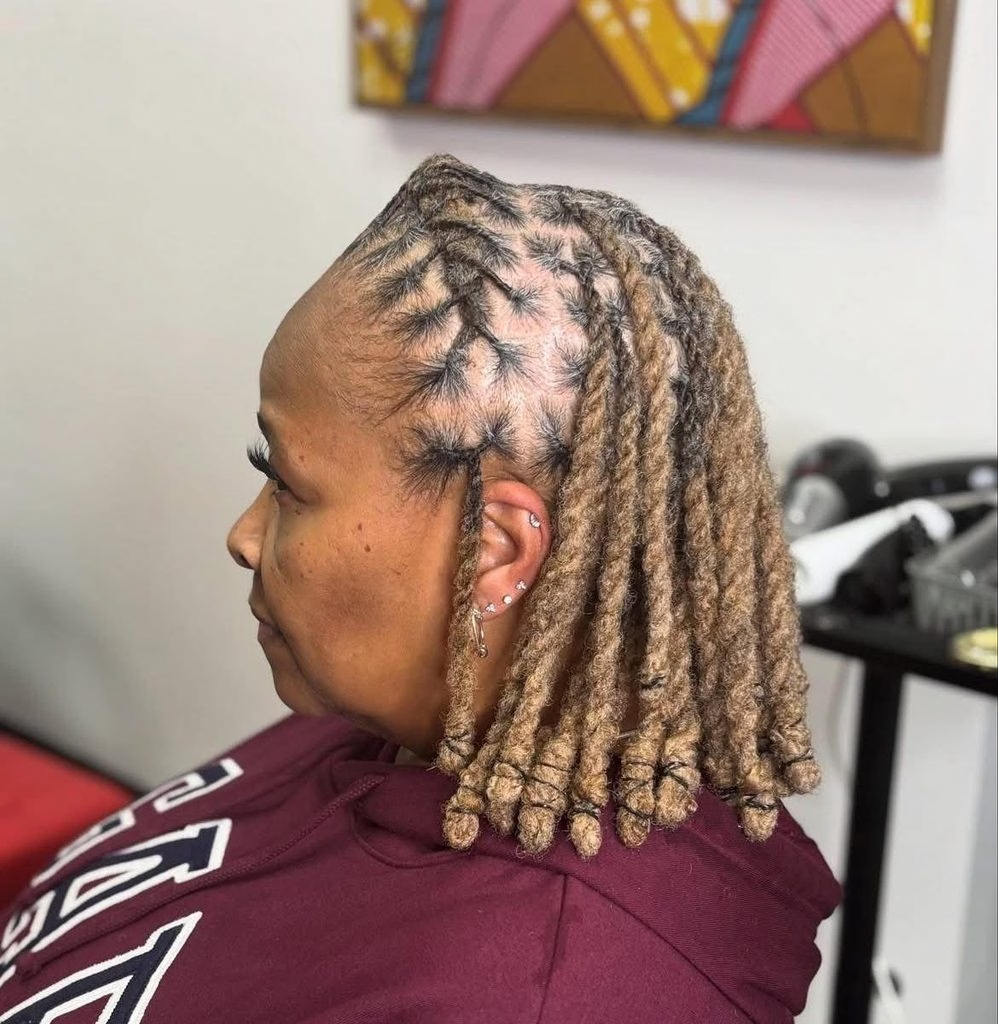
Parting size is one of the most important choices for women who start locs after sixty. First, smaller parts mean more locs, more tension, and a longer, more tiring session for you.
Larger parts give you fewer locs, and each loc is thicker, sturdier, and gentler on the scalp. Thicker locs also hold up better, because they are less likely to snap or thin out.
If your hair is fine or thin, larger parts can make your locs look fuller. Lighter locs are also easier on your neck and shoulders, which matters as you age.
Length matters too, and the locs updo styles by hair length guide shows what works at each stage. You do not need long locs to look beautiful, since many women love a shorter, neater length.
Shorter locs are lighter, and they dry faster, and they are easier to wash and manage. Long locs can be stunning, but they become heavy, and they need careful and gentle support.
You can always decide on length later, after your locs have fully matured and settled in. Ask your loctician to show you a few sample parts on your head before you commit.
Taking time with this choice protects your scalp and gives you locs you will love.
Short Locs Are a Great Place to Begin
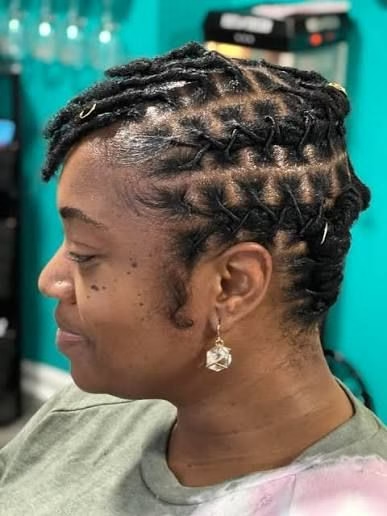
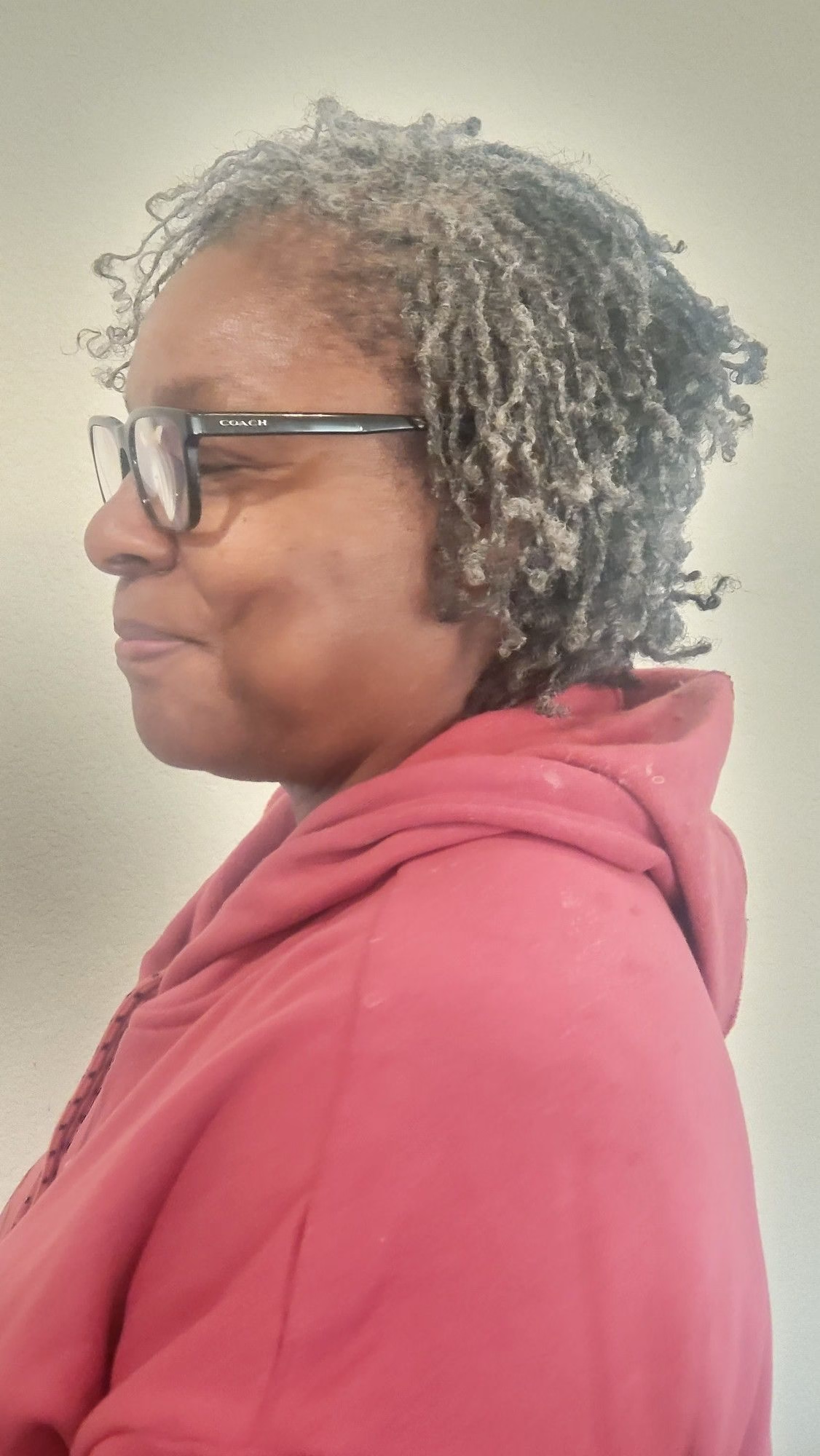
Many women find that short locs are a perfect, comfortable way to begin after sixty. And short locs are light, easy to wash, and very kind to your neck and scalp.
The 22 short locs styles for women in their 30s show how polished short locs can look at any age. Plus, a neat, short style looks fresh, confident, and elegant, and it needs very little daily effort.
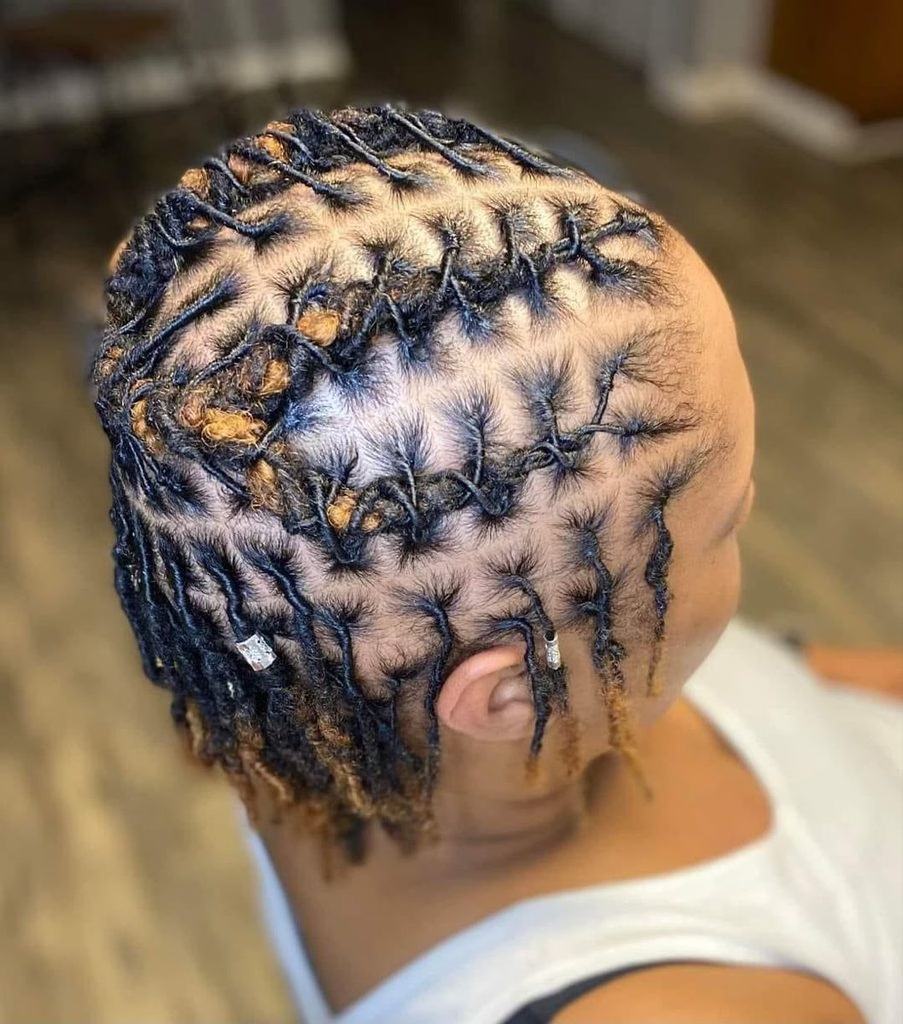
If you already wear your hair short, you may be able to begin right away. Many women who wear a short natural cut start with comb coils or small twists.
Your loctician can tell you if your hair is long enough to hold a method. Short locs also let you watch the stages unfold, from tiny coils to firm, round locs.
You will see your texture, your density, and your growth pattern very clearly as you go. That knowledge helps you decide later on if you want to grow your locs longer.
Also, short locs are easy to protect at night with a satin bonnet or scarf. Short locs reduce the risk of heavy weight pulling on your fragile roots and edges.
Starting small is not a step back, because it is often the wisest first step.
Silver and Gray Locs
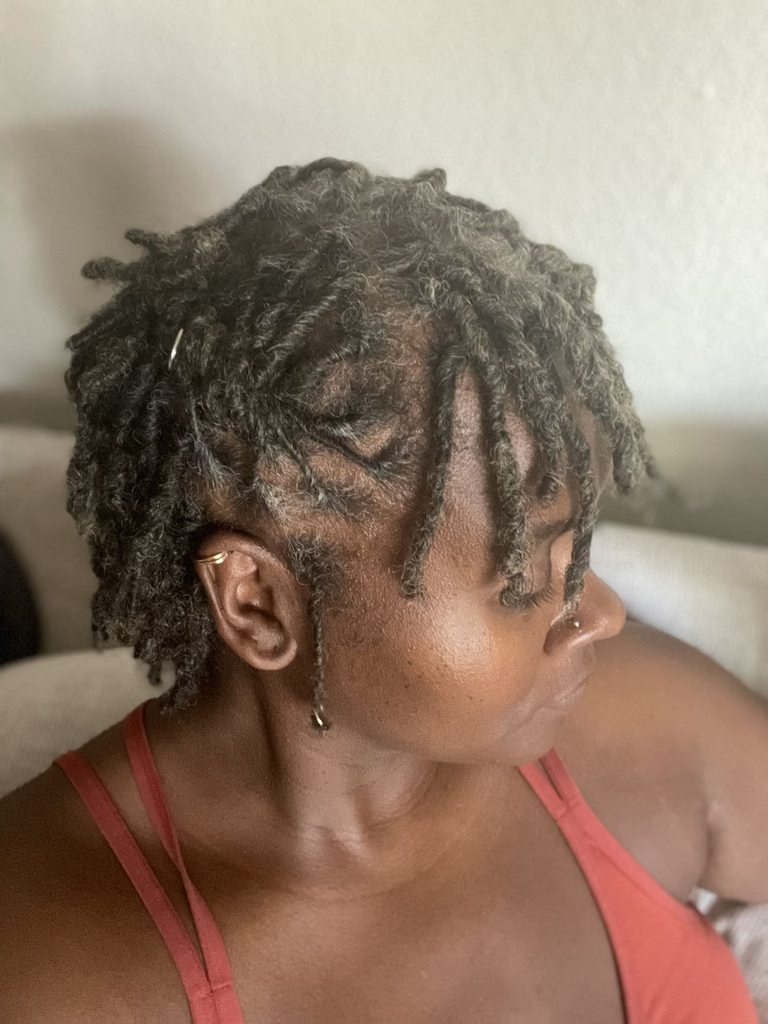
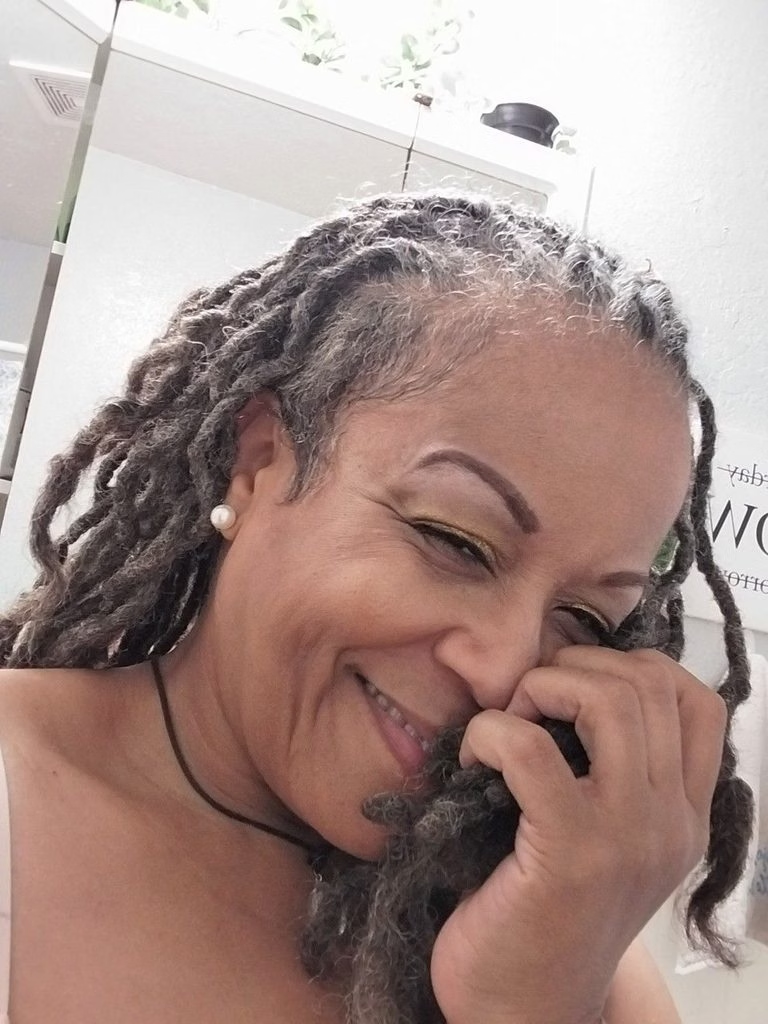
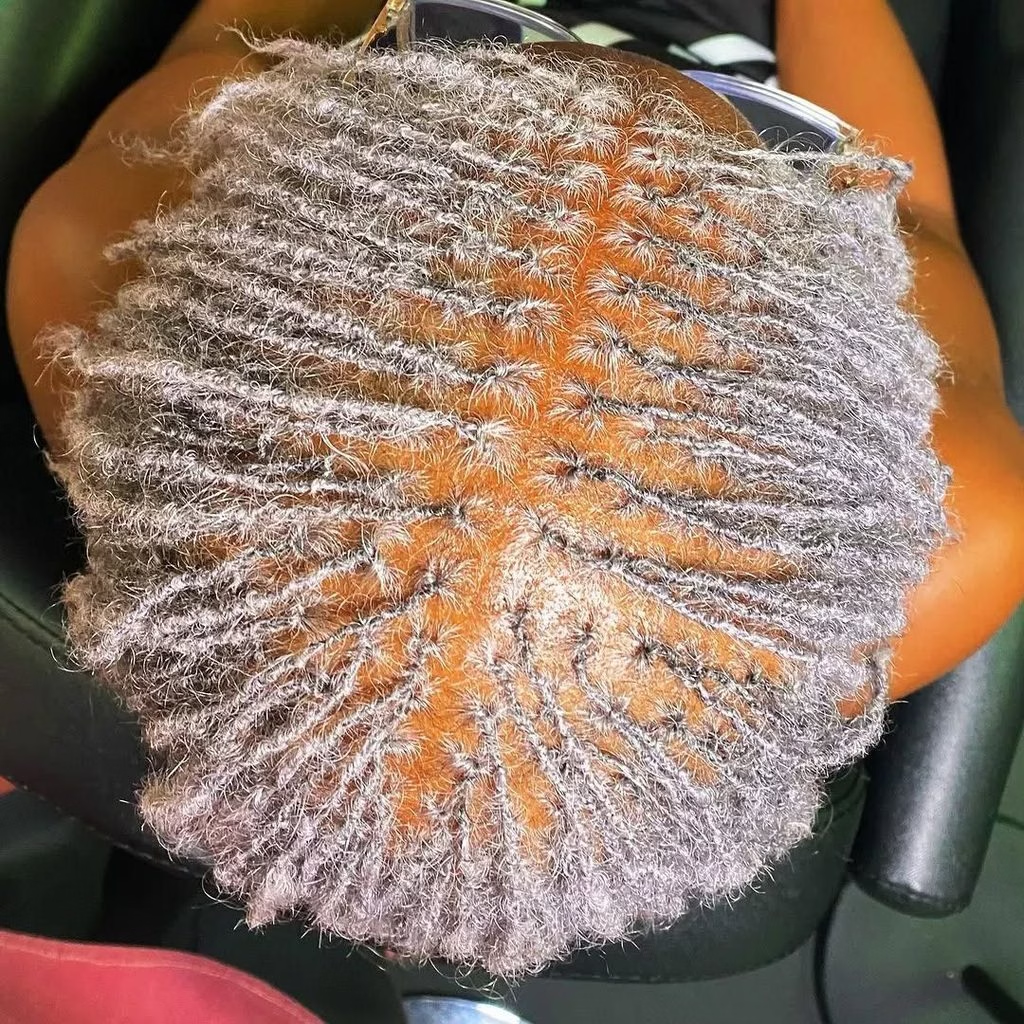
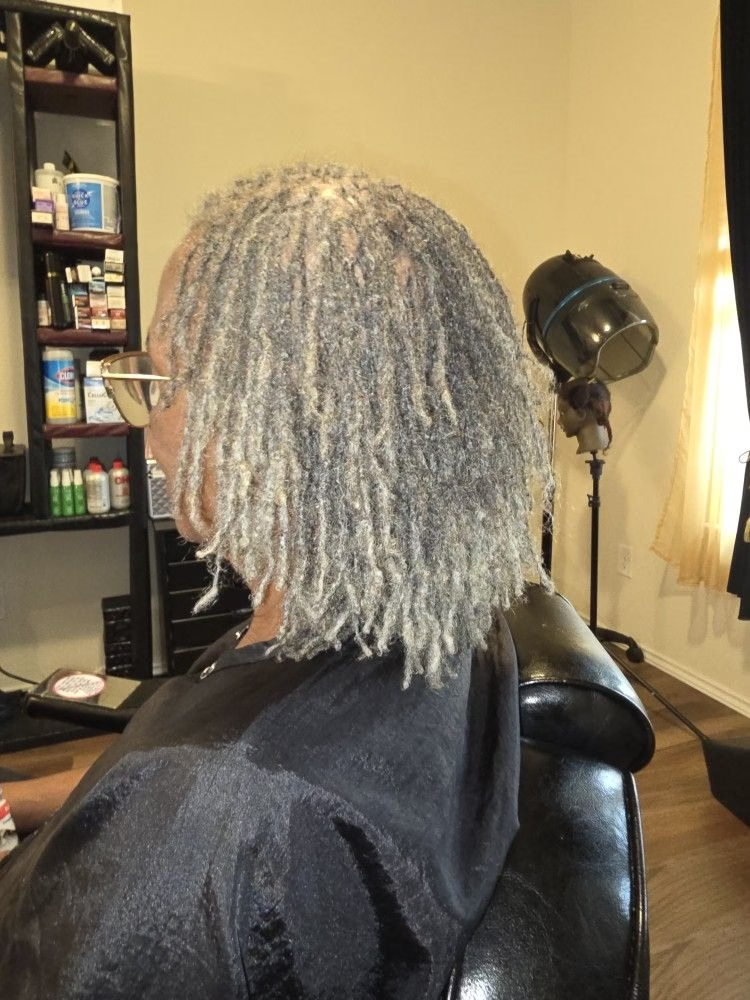
Silver and gray locs can look absolutely stunning, and they are a joy to see in person. My client Loretta from Cincinnati almost dyed her gray hair black before starting her locs.
Then we talked it through, and she decided to keep her natural silver and see how it looked. Today she gets compliments everywhere, and she says her silver locs feel like a crown.
Gray hair often locs well, because it can be coarse and grabby and holds shape easily. Still, gray hair can also be dry and wiry, so it needs steady moisture and gentle care.
If you love color, ideas like 39 colored locs ideas for black girls can inspire you. But be careful, because bleach and strong dye can dry out fragile, aging hair and snap locs.
Wait until your locs are well formed and strong before you try any bold color. But gentler options include loc wraps, thread, and temporary color that you can easily remove later.
Also, always do a strand test, and book color with someone who knows locs and mature hair. Silver locs can look yellow over time, so rinse well and avoid heavy products that dull them.
Wear your silver with pride, or add color in a gentle way, because both choices are beautiful.
Daily Care That Keeps Your Scalp Comfortable
A calm, comfortable scalp is the foundation of healthy locs, and it matters even more after sixty. Keep your routine gentle, steady, and simple, because mature skin is often more delicate than before.
Mist your locs with water and a little aloe, and seal with a few drops of light oil. Dry hair and scalp can itch, so moisture is not a luxury, because it is a need.
Wash every two to three weeks with a gentle, residue free shampoo and plenty of rinsing. Use your fingertips, and never your nails, to clean and massage your scalp very softly.
Dry your locs fully afterward, since damp locs can develop a sour smell and cause itching. A seat in the shower, a handheld sprayer, and a helper can make wash day easier.
Skip heavy waxes and thick butters, since they trap lint and weigh down delicate locs. Sleep in a satin bonnet or on a satin pillowcase every single night to protect your hair.
Eat well, drink water, and get enough rest, because your hair grows from the inside. If your scalp becomes red, sore, or very itchy, call your doctor or your loctician soon.
Small daily kindnesses add up to a healthy, comfortable scalp over the coming months and years.
Staying Comfortable in Every Season
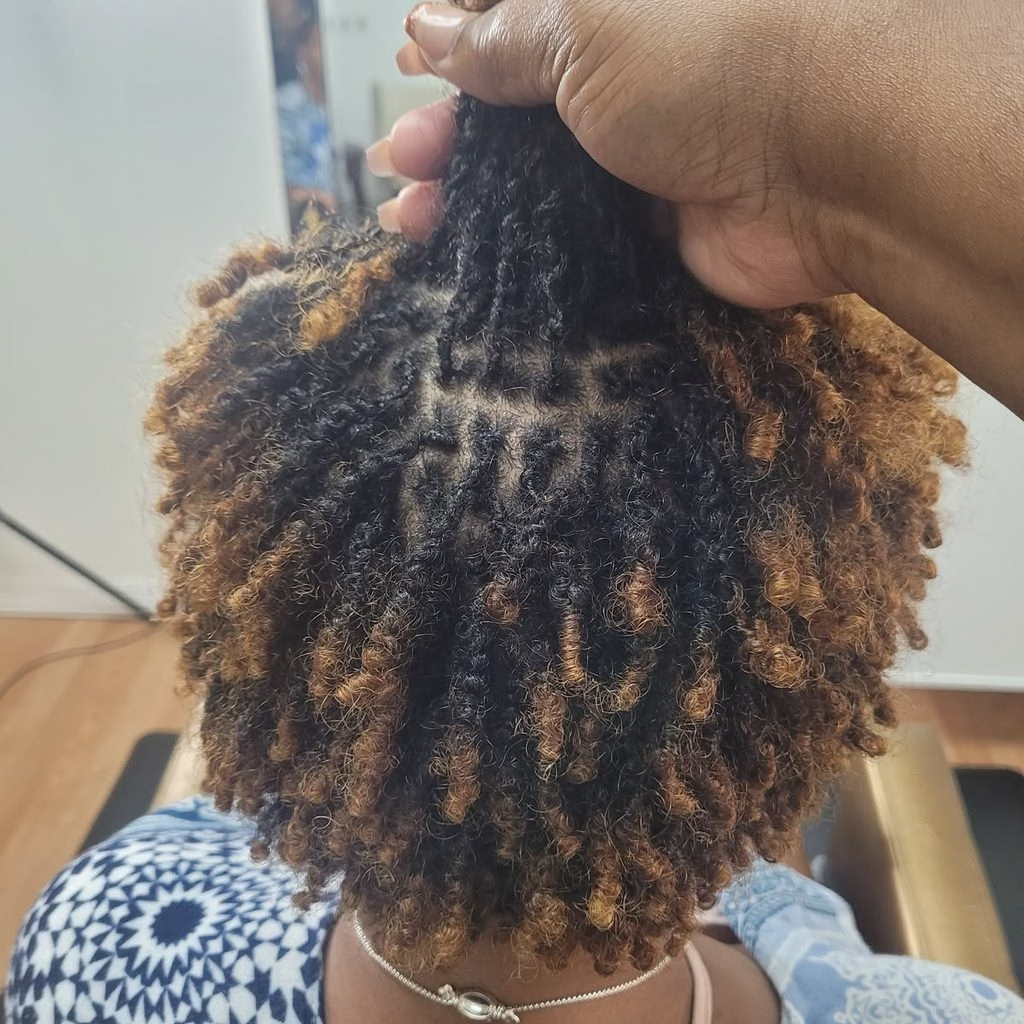
Weather affects aging skin and hair more than many people realize, so plan for each season. In cold months, dry air can make your scalp feel tight, itchy, and quite uncomfortable.
The 12 long locs styles for fall and winter offer cozy ideas that you can adapt to your length. So moisturize a little more often in winter, and cover your locs with a satin lined hat.
Never go outside with wet locs in cold weather, because chills and stiff hair are no fun. But wool hats can be itchy and drying, so line them with soft satin or silk.
In hot weather, sweat can build up on the scalp, so rinse gently when you feel sticky. Wear a light hat or scarf in the sun, since your scalp can burn easily.
Humidity can make locs frizz, so smooth the surface with a little water and oil. Also, indoor heating and air conditioning can dry you out, so drink water throughout the day.
Dress comfortably for every season, and choose soft, lined headwear that never pulls on your locs. Comfort matters at every age, and your locs should add joy, not stress, to your days.
Adjusting your routine with the seasons keeps your hair and your skin happy all year.
Everyday Styles and Special Touches
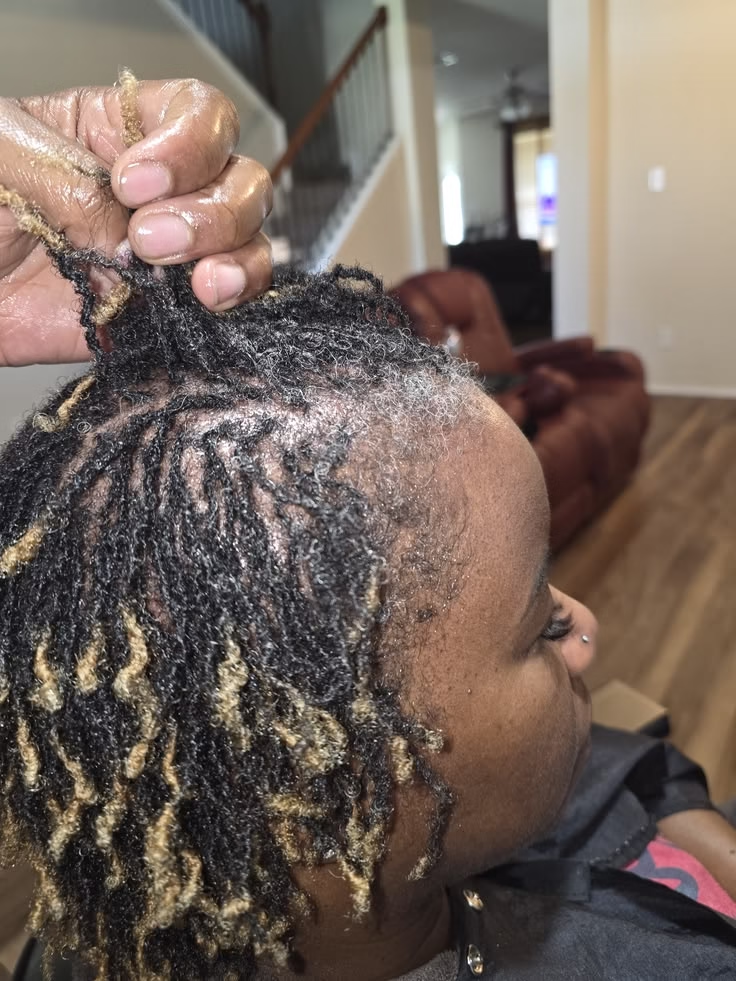
Locs look wonderful loose, pinned, twisted, or wrapped, and you can wear them any way you like. For a soft look, try the 45 half up half down locs styles once your locs have grown.
Half up styles are light, and they keep your locs off your neck and face. Accessories add a personal touch, and the locs accessories guide shows lovely options for every style.
Next, choose light cuffs, soft wraps, and silk scarves, and avoid heavy beads on delicate locs. Head wraps and church hats look beautiful with locs, as long as they are lined with satin.
Avoid tight bands, heavy pins, and high buns, since they pull hard on your scalp and edges. So a loose twist, a soft side part, or a gentle wrap is usually the safest choice.
Give your locs rest days with no pins, so your scalp and hairline can relax. Also, keep your edges soft and moisturized, since fine hairs break more easily with age.
Use a soft brush and a tiny bit of gentle product, and never pull or scrape. Dress your locs for the day with joy, because style is part of the fun.
Small, gentle choices keep your locs healthy while you enjoy every single look that you love.
Family Weddings, Reunions, and Celebrations
Life after sixty is full of celebrations, such as weddings, reunions, birthdays, and church events. Locs can look elegant at every one of them, with a little planning and care.
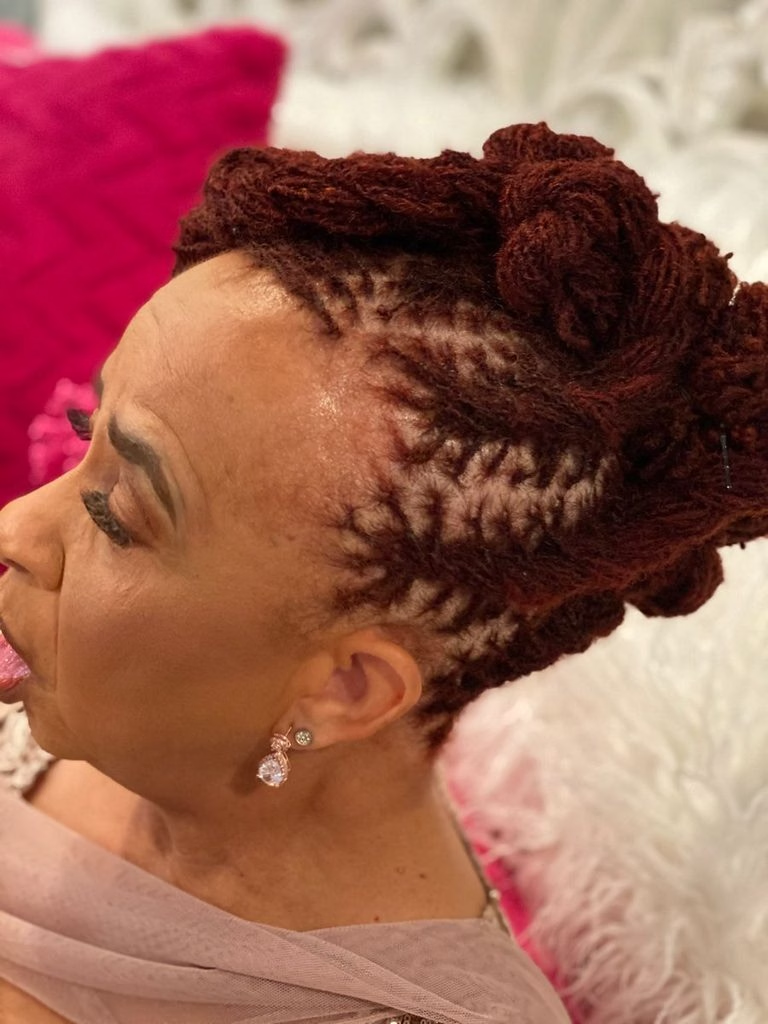
For a family wedding, the wedding loc updo styles for black brides offer lovely and secure ideas. You can borrow these shapes for the mother of the bride, a guest, or a bride yourself.
For more inspiration, browse the 25+ bridal locs updo ideas, and choose the gentlest look. So keep pinned styles light, and ask your stylist to use soft bands and hidden pins.
Next, plan your style a few weeks ahead, so you can test it and feel comfortable. Book a fresh retwist about a week before the event, so your roots look neat.
Avoid trying new products right before a big event, since a surprise reaction would be stressful. If your locs are still young, a simple style is better than a heavy, tight one.
Wear your style proudly, and enjoy the dancing, the food, and the family around you.
Your locs will look beautiful, because they carry your quiet confidence into every room you enter.
Sharing the Journey With Family
My neighbor Bernice from Memphis started her locs at seventy, and her granddaughters joined her soon after. They now sit together on Sunday afternoons, talking, laughing, and caring for their hair side by side.
If children or grandchildren in your life wear locs, share what you learn with them. The guide on how to maintain kids locs at home offers a simple weekly care plan.
Also, young locs need extra gentleness, so use larger parts, soft bands, and a very light touch. Care sessions can become precious bonding time, full of stories, songs, and shared family wisdom.
Family can also help you, since a trusted helper makes wash day and retwists easier. Ask a daughter, a granddaughter, or a friend to learn simple care steps with you.
Some women also hire a mobile loctician who comes to the home, and that can be wonderful. That option saves travel time, and it makes long visits much more comfortable and relaxed.
Not everyone will understand your choice, and some friends or relatives may share strong opinions. Stay kind, stay confident, and remember that this hair journey is yours alone to enjoy.
Surround yourself with people who cheer you on, because loving support makes everything so much easier.
Looking Ahead to Mature Locs
After a year or two, your locs will tighten, mature, and show their true character. Mature locs are strong, round, and full of life, and they reward all of your patience.
If your locs grow longer, you can try regal looks like the 12 locs crown braid updos. A crown of locs looks queenly, and it suits every age, every face, and every story.
So keep your care steady as your locs mature, with gentle washing, light moisture, and rest. Visit a skilled loctician every month or two, even if you do some care at home.
Check your locs for thin spots, weak points, and tight roots, and fix small problems early. Remember that your locs will change over the years, and your care can change with them.
You may decide to wear them shorter, longer, or in a new style, and all of that is fine. Take photos along the way, and enjoy looking back at how far you have come.
Many women say that their locs made them feel younger, braver, and more like themselves. That feeling is priceless, and it is one of the best rewards of the loc path.
Your locs can grow with you, so let them tell your story for many years.
Final Thoughts on Starting Locs After 60
So, is it worth it to start locs after sixty, and what is the honest answer? For many women, yes, because locs bring freedom, beauty, comfort, and a deep sense of self.
But locs only work well when you plan for your hair, your health, and your patience. Talk to your doctor, choose a gentle method, pick larger parts, and keep your care simple.
And protect your scalp, avoid tension, and find a loctician who always treats you with respect. If you feel ready, start small, and let your locs show you what they can become.
If you feel unsure, take more time, ask more questions, and trust your own pace. Either way, you are never too old to choose a style that makes you feel alive.
Your hair has carried you through many seasons of life, and it deserves to be celebrated. Whatever you decide, wear your hair with love, and walk tall in every room you enter.