
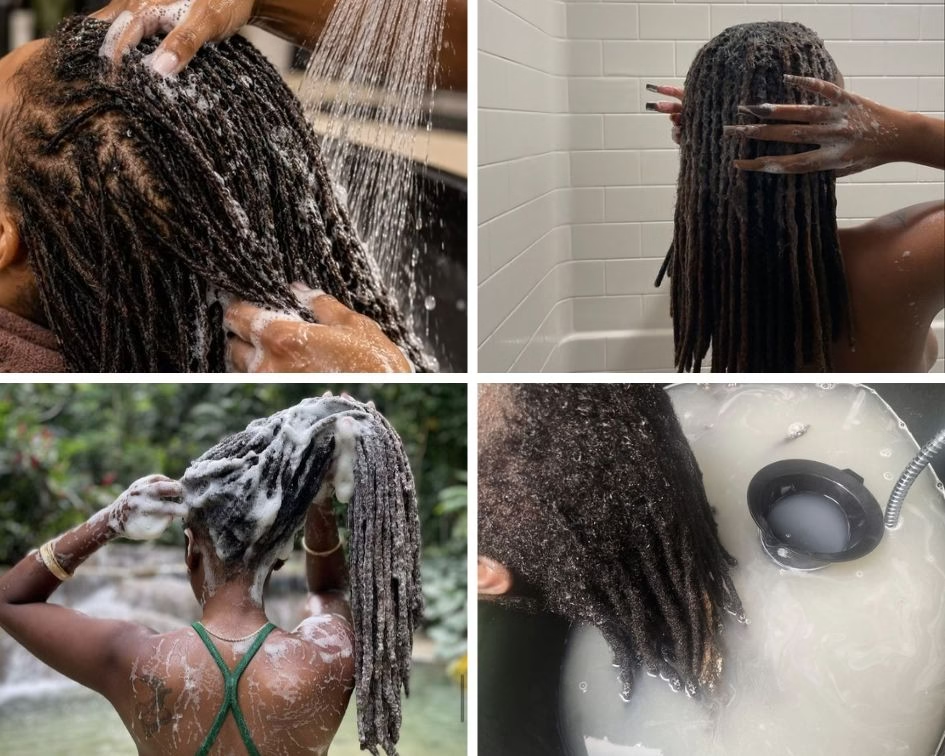
A full head of long locs can soak up a lot of water, and that makes wash day feel heavy. Many people put off washing because it feels long, tiring, and a little bit scary.
But clean locs are healthy locs, and a good wash routine protects your scalp, your length, and your comfort. The right steps turn wash day from a chore into a calm and simple habit that you can trust.
If your schedule is full, the 20 easy loc styles for busy moms pair well with a quick, steady routine. Those styles save time after your wash, and they keep your locs neat for the whole week.
So let us walk through every step, from the first rinse to the final dry. By the end, you will know exactly how to wash long locs from the root to the tip.
How to Wash Long Locs and Keep Them Clean from Root to Tip
Why Washing Long Locs Feels Different
Long locs are heavy, thick, and dense, so they hold water and product much longer than short hair. And that is why wash day takes more time, more water, and a lot more patience.
Plus, your length also changes what you can do, as the locs updo styles by hair length guide shows.
Also, the roots and the tips have different needs, so treat them differently on wash day. The roots hold sweat, oil, and buildup, while the tips are older, drier, and easier to damage.
Still, you do not need to fear washing, because water does not harm healthy locs. So the real problems come from rough scrubbing, trapped moisture, and shampoo that is left behind.
But locs that stay dirty can itch, smell sour, and feel stiff, heavy, and uncomfortable all day. And locs that are washed badly can snap, tangle, or hold residue deep inside the strands.
So the goal is a gentle, thorough wash that cleans your scalp and rinses every single loc. Let us start with the first big question, which is how often you should wash.
How Often Should You Wash Long Locs?
How often should you wash locs that are long, thick, heavy, and slow to dry? Most people do well with a full wash about every one to three weeks, or a little sooner.
My client Felicia from Dayton washed her long locs only once every two months, and her scalp suffered. She had flaking, itching, and a heavy feeling that would not go away, no matter what she tried.
Then we moved her to a wash every two weeks, and her scalp calmed down within a month. Her locs also felt lighter, softer, and much more comfortable to wear, and she was thrilled.
Your best schedule depends on your sweat, your scalp, your products, your climate, and your lifestyle. If you exercise a lot, you may need quick water rinses between your full washes.
If you are new to locs, read everything you need to know before you start locs for the basics. Young locs need extra gentle care, so ask your loctician when to begin washing them.
But washing too often can dry your scalp, while washing too little can cause buildup and odor. Aim for balance, and let your scalp tell you what it truly needs from week to week.
Gather Your Tools and Products
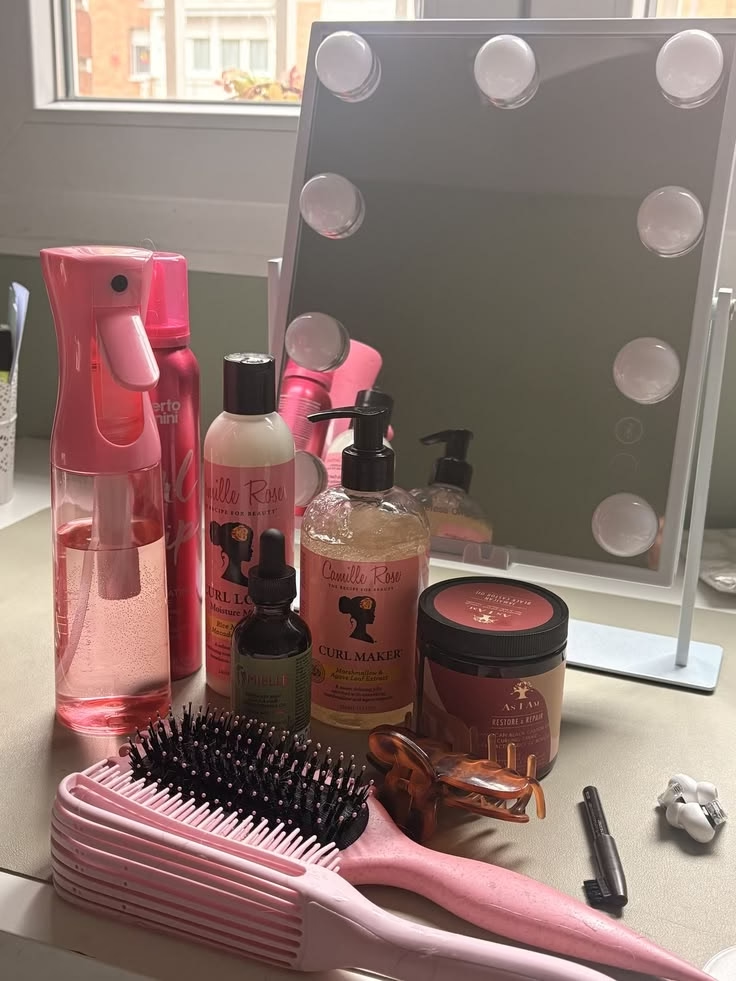
Good tools make wash day smoother, faster, and much more comfortable for your body and your locs. You do not need many items, but the right ones really do matter a great deal.
Start with a residue free shampoo, which rinses clean and does not leave a film in your locs. And a bottle with a narrow nozzle helps you apply the shampoo right where you need it.
Also, get a mesh bag or a loose cap if your locs are young or fragile. Long locs can also be gathered with soft clips, as the locs accessories guide explains.
A clarifying shampoo and apple cider vinegar are helpful for monthly deep cleans and buildup control. Keep a spray bottle, a wide basin, or a handheld shower head within easy reach.
Next, choose two clean towels, and make sure that at least one of them is soft microfiber. But thick cotton towels can snag your locs, so avoid loops that catch on the hair.
Also, have a satin bonnet, a few clips, and a comfortable stool or chair ready. And wear old clothes, because wash day can be wet, messy, and a little bit long.
Prepare Your Locs Before You Step in the Shower
Good preparation makes washing easier, and it helps your locs stay strong from the root to the tip. Take a few quiet minutes to look closely at your locs and your scalp first.
Gently check each loc for lint, loose hair, or small tangles near the base of the loc. If you find lint, pick it out softly with your fingers, and never pull hard on the loc.
Then separate your locs a little with your hands, so water can reach the scalp and every part. If your locs are very long, gather them into two or four loose sections to stay organized.
Next, shake out loose dust, and remove any pins, clips, or accessories before you start washing. Metal and beads can snag, scratch, or trap shampoo, so take them off before you wash.
Also, check your scalp for sores, bumps, or irritation before you add any shampoo at all. If something looks wrong, skip the harsh products, and talk to a doctor about it.
Take a deep breath, and remind yourself that wash day is a form of self care.
Then you are ready to step into the shower and start the real work of washing.
Step by Step: Shampooing From Root to Tip
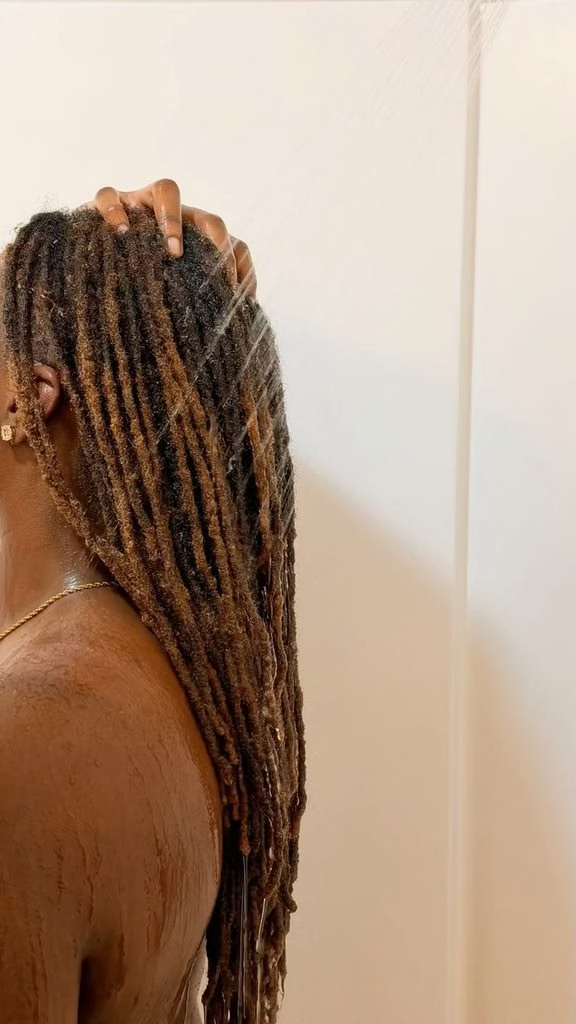
Picture yourself under a warm shower, with your locs relaxed and your shoulders loose and calm. Now let us wash step by step, from the scalp all the way down to the tips.
First, wet your locs completely with lukewarm water, which is gentle on the scalp and the skin. And hot water can dry the skin, so keep the temperature warm and comfortable, but never hot.
Let the water run through your locs for a couple of minutes before you add any shampoo.
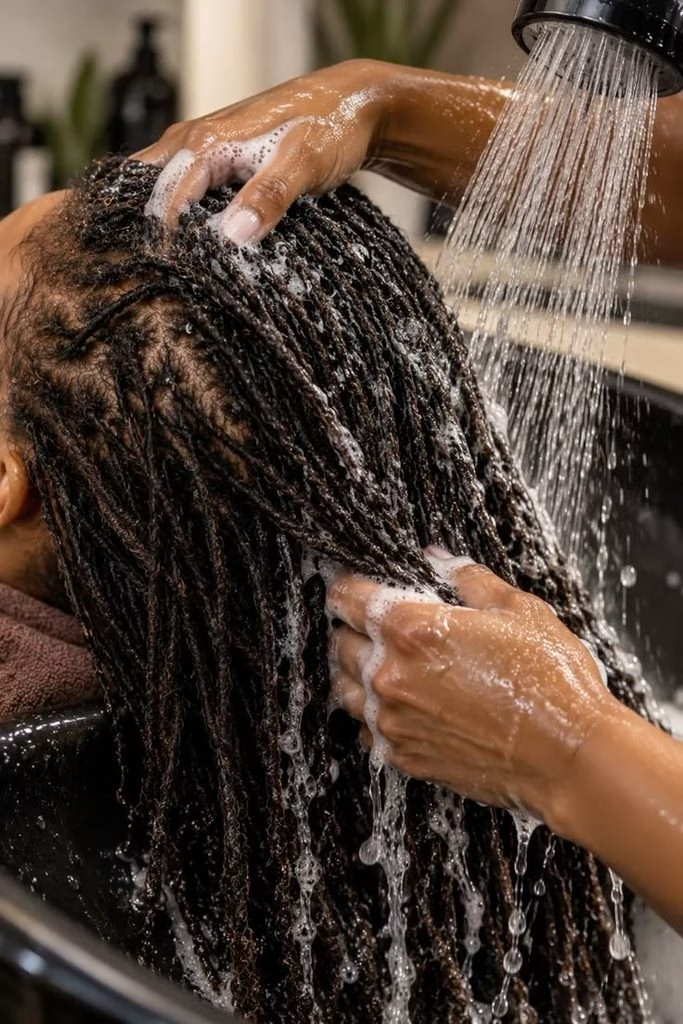
Next, dilute your shampoo with water in a nozzle bottle, so it spreads easily and rinses out well. Apply the shampoo right onto your scalp, section by section, working from the front to the back.
Now use your fingertips to massage gently in small circles, and never scratch with your nails. Spend extra time at the roots, the nape, and behind the ears, since these spots hold the most sweat.
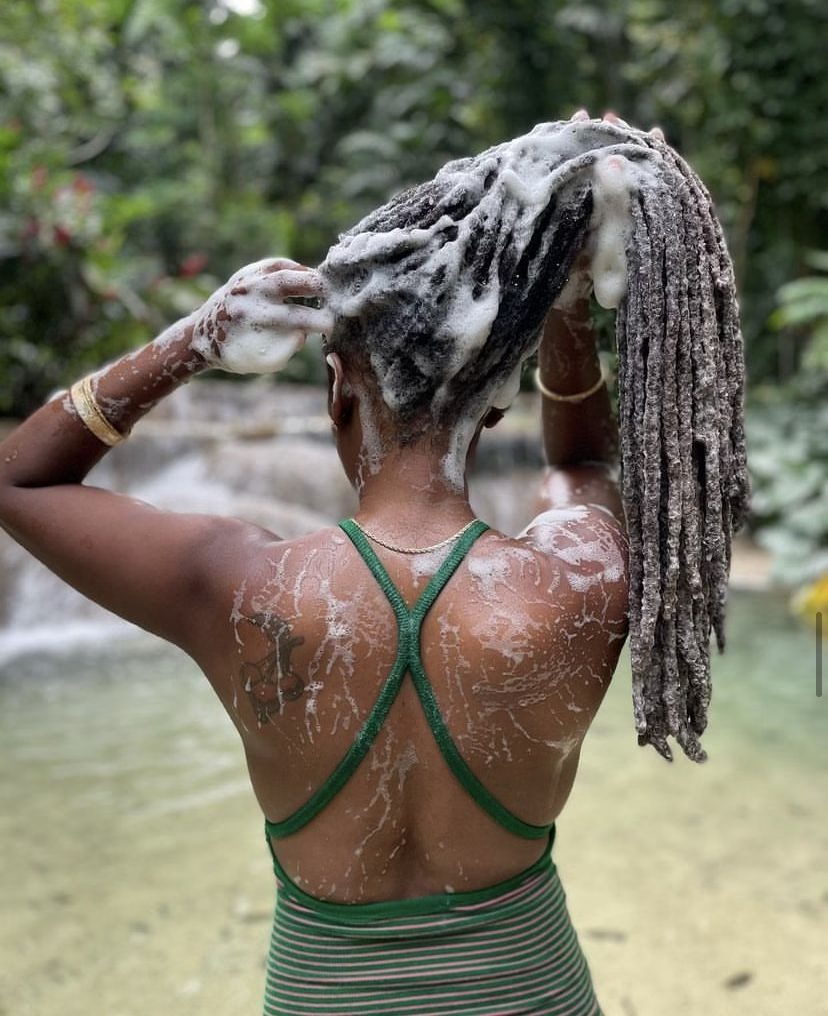
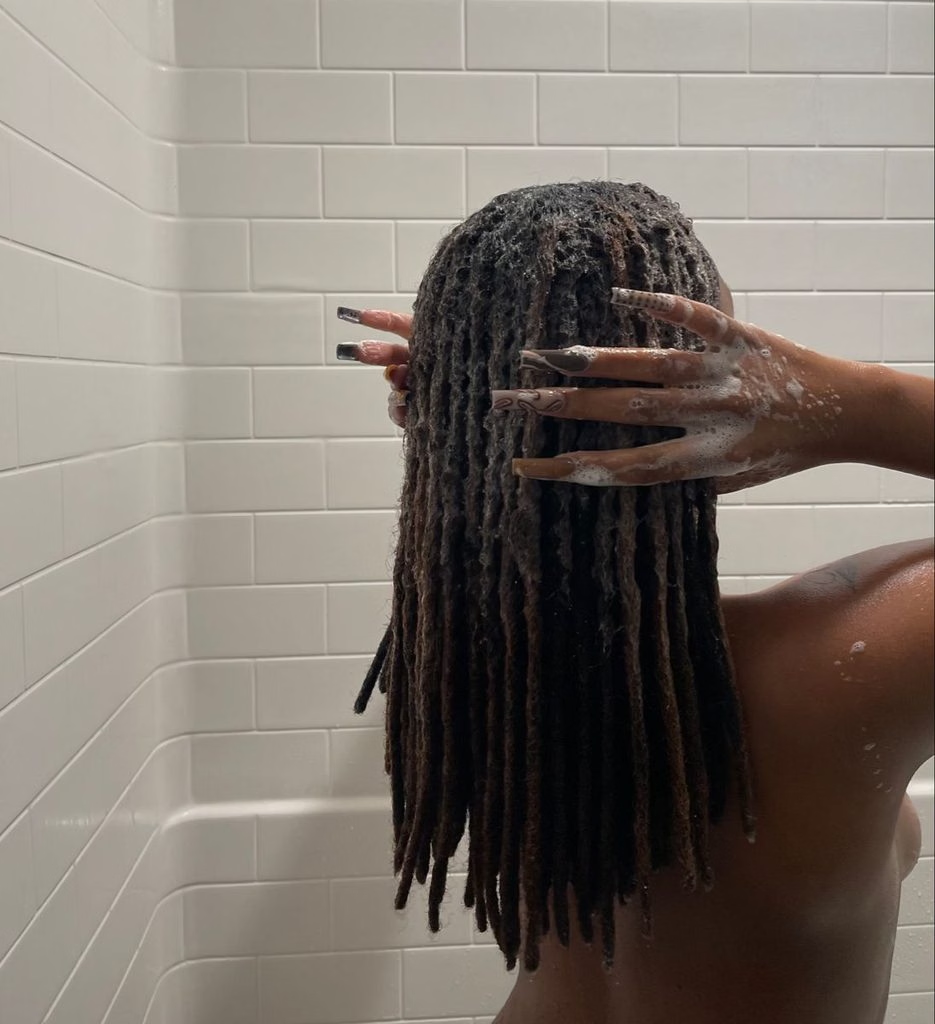
Then squeeze the suds down through your locs, from the root to the tip, one section at a time. Gently squeeze and release each section, like you are wringing out a soft, wet sponge.
Do not scrub or rub your locs together, since that can cause frizz, tangles, and weak spots. If your locs are very dirty, wash a second time, and use less shampoo on that round.
Rinse Until Every Bit of Shampoo Is Gone
Rinsing is the most important step of the whole wash, so never rush through it. Leftover shampoo can cause itching, dullness, flaking, and a sticky feel that lasts for days.
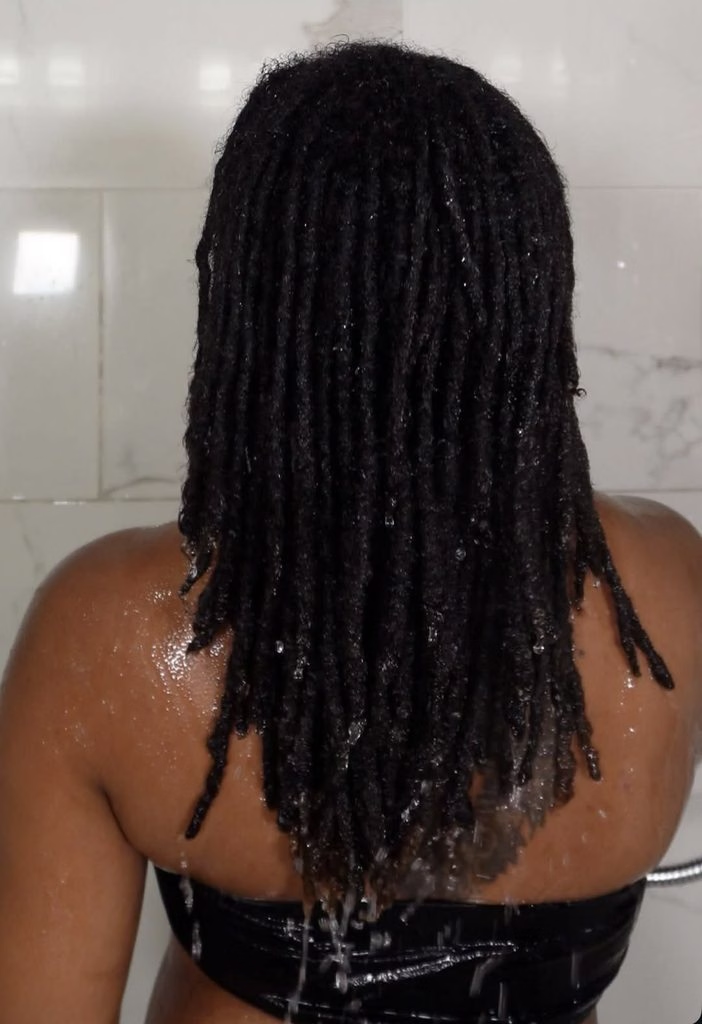
Rinse for much longer than you think you need to, often five to ten minutes. Long locs hold a lot of soap, so be patient, thorough, and gentle with every section.
First, tilt your head forward, and let the water run through the roots and down every loc. Then turn to the back and the sides, so every area gets fully and evenly rinsed.
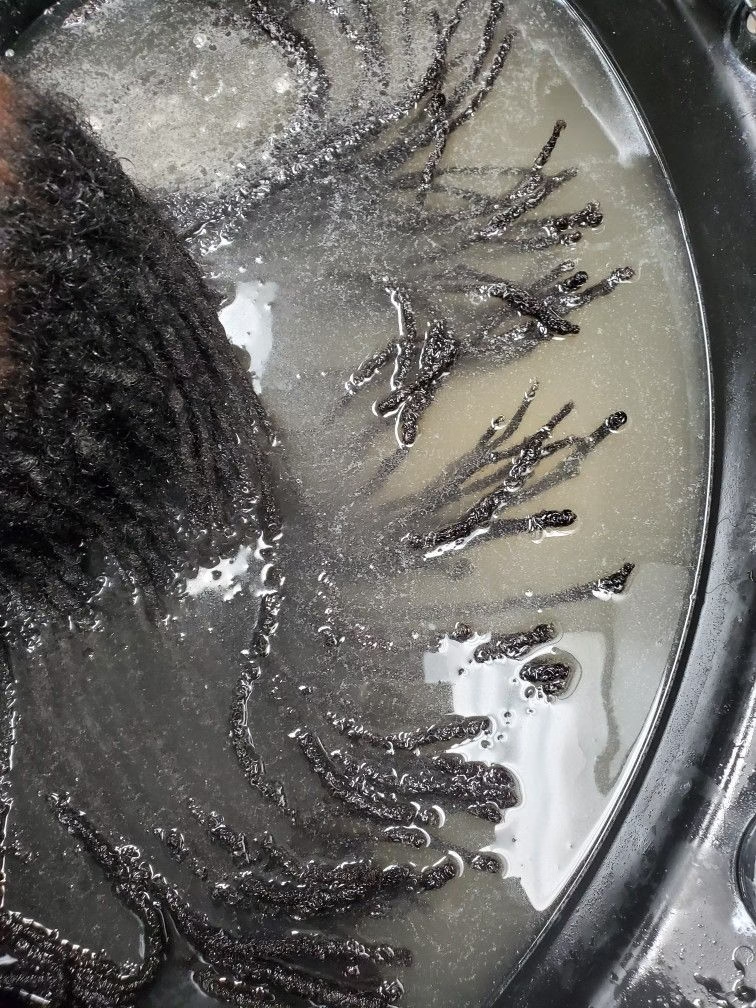
Next, squeeze each section from the root to the tip, and watch the water as it runs out. The water should run clear, with no foam, no cloudy color, and no soapy smell.
Run your fingers along a few locs, and feel for any slippery or sticky spots. If you feel any residue, rinse again until your locs feel clean, light, and squeaky.
A handheld shower head makes this step much easier, because you can aim water right at the roots.
Take your time, because a good rinse is the secret to clean, fresh, and comfortable locs.
Conditioning, Clarifying, and Vinegar Rinses
Most people with locs skip heavy conditioners, because creams can build up and stay inside the locs. Locs are already dense, and thick creams are very hard to rinse out completely from the center.
If your tips feel very dry, use a tiny amount of a light, rinse out conditioner on the ends only. Rinse it out very well, and never apply it to your scalp or your roots.
Also, a clarifying shampoo once a month can remove buildup, hard water minerals, and stubborn residue. Then use it in place of your normal shampoo, and follow it with a long, thorough rinse.
An apple cider vinegar rinse can also help, since it breaks down mineral buildup and refreshes the scalp. Mix one part vinegar with several parts water, and keep the mixture away from your eyes.
Do not use vinegar with every wash, because too much can dry out your hair and scalp.
Also, avoid heavy oils and butters right before a wash, since they make shampoo harder to work through. Keep your products light, so your shampoo can actually reach the scalp and clean it well.
Simple care works best, and your locs will feel lighter and softer because of it.
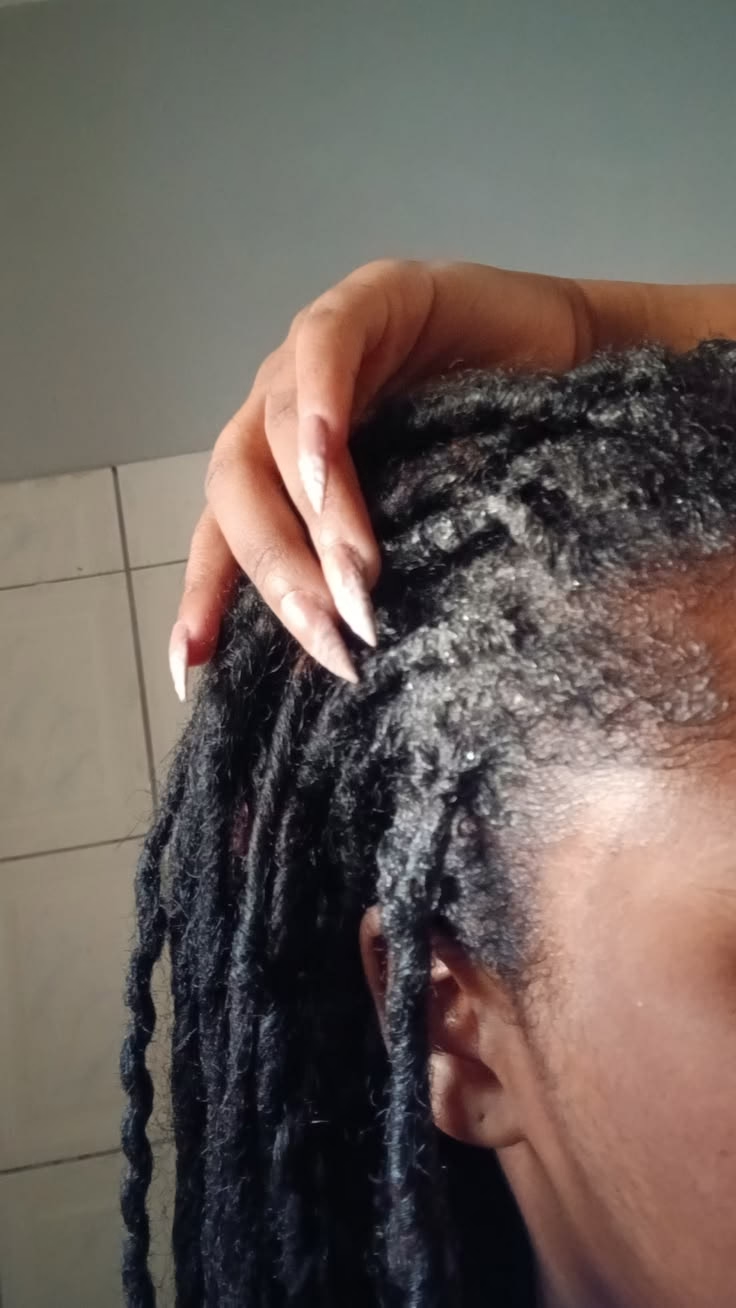
Drying Long Locs Fully
Drying is just as important as washing, because trapped moisture can cause a sour or musty smell. Long locs can take many hours to dry, so plan your time well and stay patient.
Start by squeezing out as much water as you can with your hands, one section at a time. Then press your locs gently with a microfiber towel, and never rub them hard back and forth.
Rubbing can roughen the surface, loosen the hair, and cause frizz, and that wastes your hard work. Next, let your locs air dry in a warm, airy place, or sit under a hooded dryer on low heat.
A fan can also help move air through the thickest part of your locs and speed things up. Cold weather needs extra care, and the 12 long locs styles for fall and winter offer cozy ideas.
Never go outside with wet locs in freezing weather, because they can stiffen, chill you, and snap. Check the roots when you think you are done, because they dry last and cause most odor problems.
Never sleep on wet locs, since damp hair against a pillow can smell sour by morning.
If you must go to bed with damp locs, use a dryer or a fan first. Patience during drying protects your scalp, and it keeps your locs fresh, light, and comfortable.
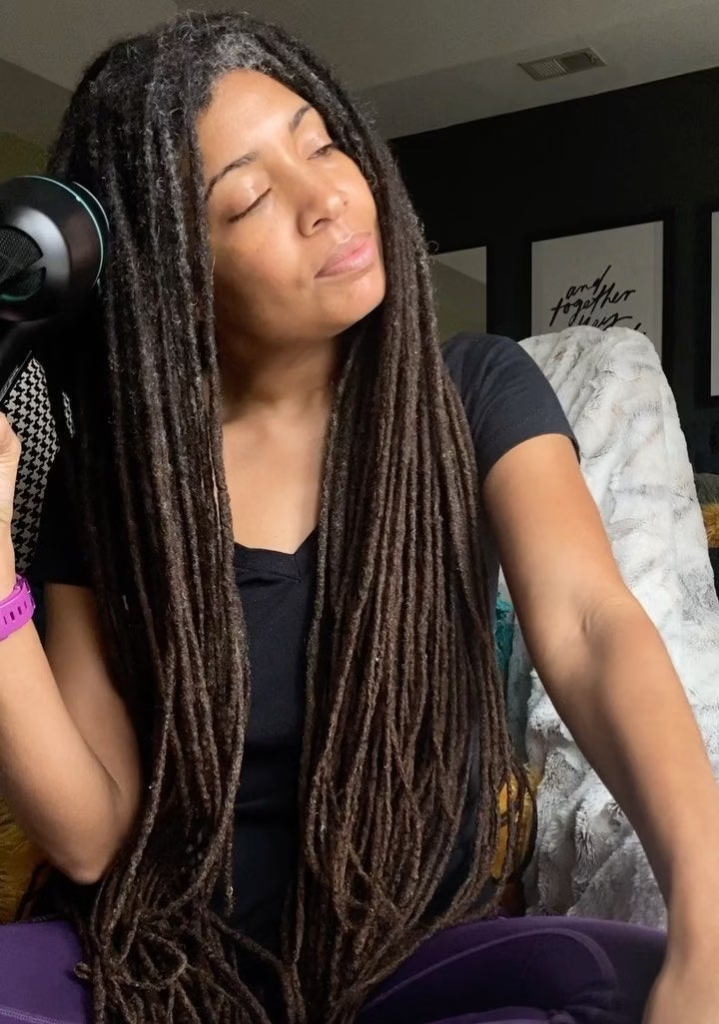
Washing Colored Locs
Colored locs need a little extra care on wash day, because color can leave hair drier and more delicate. Ideas like 39 colored locs ideas for black girls show how bold and lovely color can be.
A gentle wash routine helps keep that color rich, bright, and full of life for much longer. So use lukewarm water, since hot water can make color fade faster and dry out the hair.
Next, choose a gentle, residue free shampoo, and avoid strong clarifying products more than once a month. Do not wash colored locs more often than you need to, but never skip your scalp care.
Quick rinses between washes can help you stay fresh without fading the color too quickly. Always rinse very well, because leftover shampoo can dull color and leave a sticky film behind.
Protect colored locs from the sun and chlorine, since both can dry out hair and fade color.
Wear a scarf or hat outdoors, and rinse with clean water right after you swim. If your locs have bleach or strong dye, handle them even more gently on wash day.
Dry, fragile locs can snap easily, so use light hands and a great deal of patience.
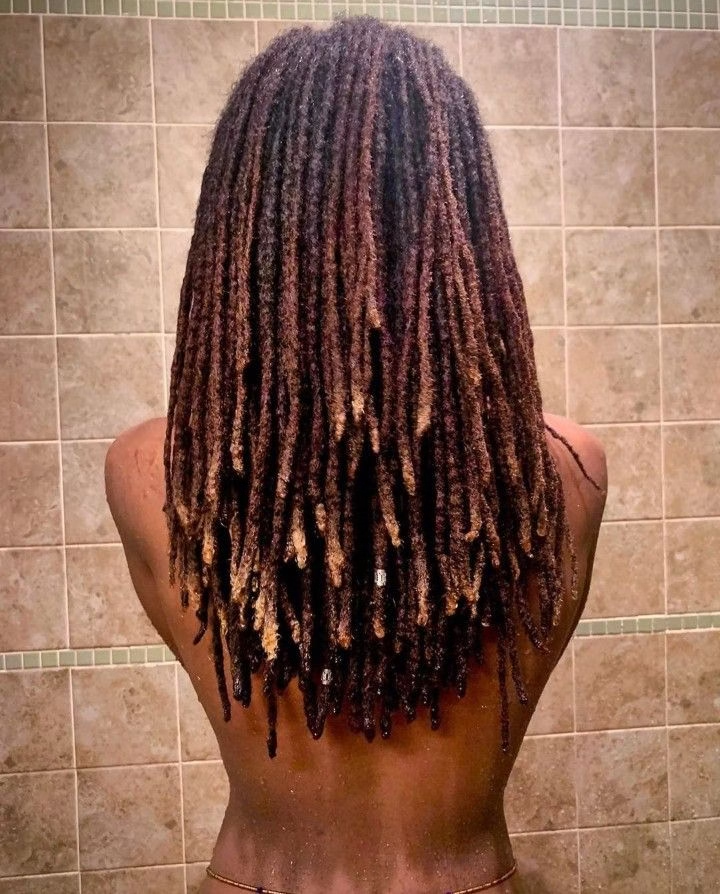
Fixing Odor, Buildup, and Itchiness
My friend Yvette from Omaha called me in a panic because her locs smelled sour after every wash. And we found that she was drying them for only an hour before she went to bed.
Once she dried them fully, the smell disappeared within two weeks, and she felt so relieved. Sour smells almost always come from trapped moisture, leftover product, or buildup deep inside the locs.
If your locs smell, wash with a clarifying shampoo, and rinse for much longer than usual. Then dry them completely, and keep your products light and simple from that day on.
Also, itching can come from dryness, buildup, leftover shampoo, or a sensitive scalp, so look for the cause. Rinse very well, and use a light mist and a few drops of oil to calm dryness.
Your scalp also changes with age, as the 15 mature locs styles for women over 40 remind us. Many women find that the scalp becomes drier over time, so gentle care matters even more.
If itching, redness, sores, or flaking do not improve, see a doctor for proper help. Some scalp problems need real medical care, and no shampoo or wash routine can fix them.
Buildup can make locs heavy, stiff, and dull, so clarify about once a month to stay fresh.
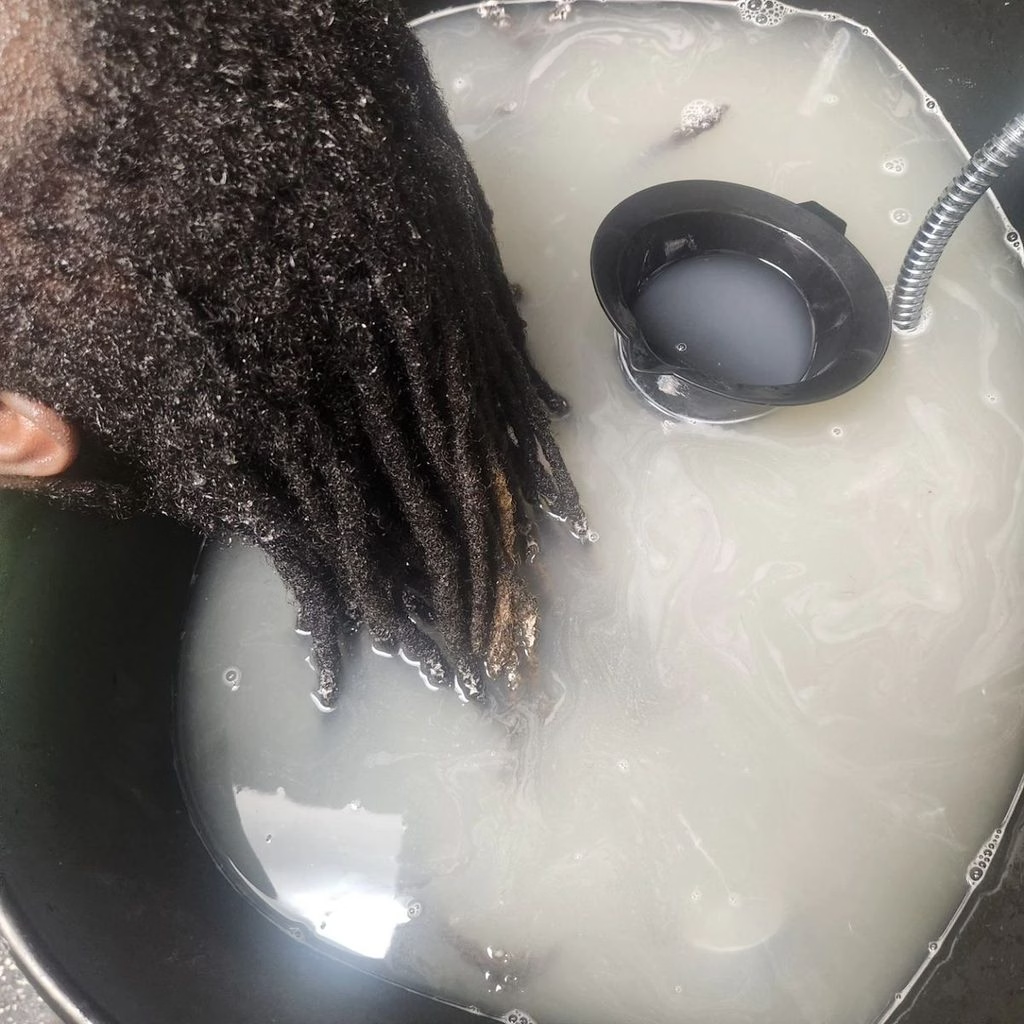
Retwisting After Wash Day
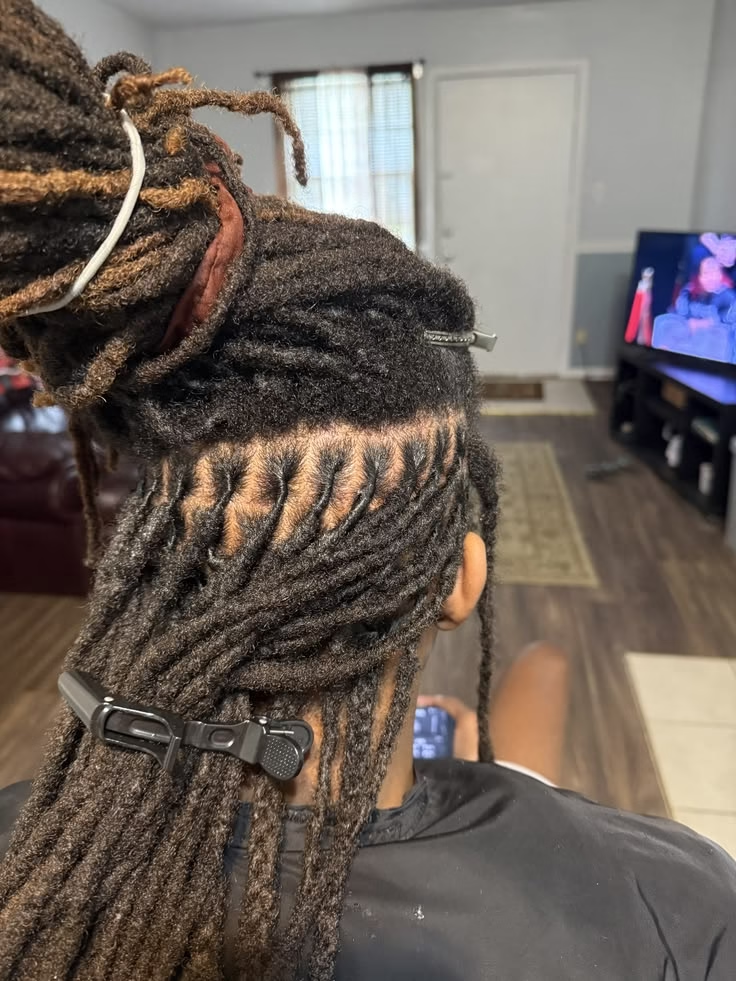
Many people retwist their locs right after washing, since the roots are clean, soft, and easy to shape. Plus, a fresh retwist keeps your style neat, and it supports healthy growth when it is done gently.
Your maintenance style matters, and the guide on retwisted locs and freeform locs explains both paths. Retwisted locs need regular visits, while freeform locs need much less shaping and handling from you.
Wait until your locs are mostly dry before a retwist, but they should not be bone dry. Slightly damp roots are easier to shape, and they hold better with much less product.
Use only a small amount of light gel or butter, and avoid heavy waxes and thick pomades.
Be gentle, and keep the tension light, so your scalp feels comfortable afterward and for days. A tight retwist can cause pain and thinning, especially on long and heavy locs like yours.
But not everyone needs a retwist after every wash, so follow your own schedule and your own comfort. Many people retwist every four to eight weeks, and they wash more often than that.
If you wash between retwists, use a stocking cap or mesh band to protect your roots. Then dry them well, and let your locs rest in a soft satin bonnet at night.
Easy Styles After Wash Day
Clean locs feel light, soft, and ready to style, so enjoy that fresh and happy feeling.
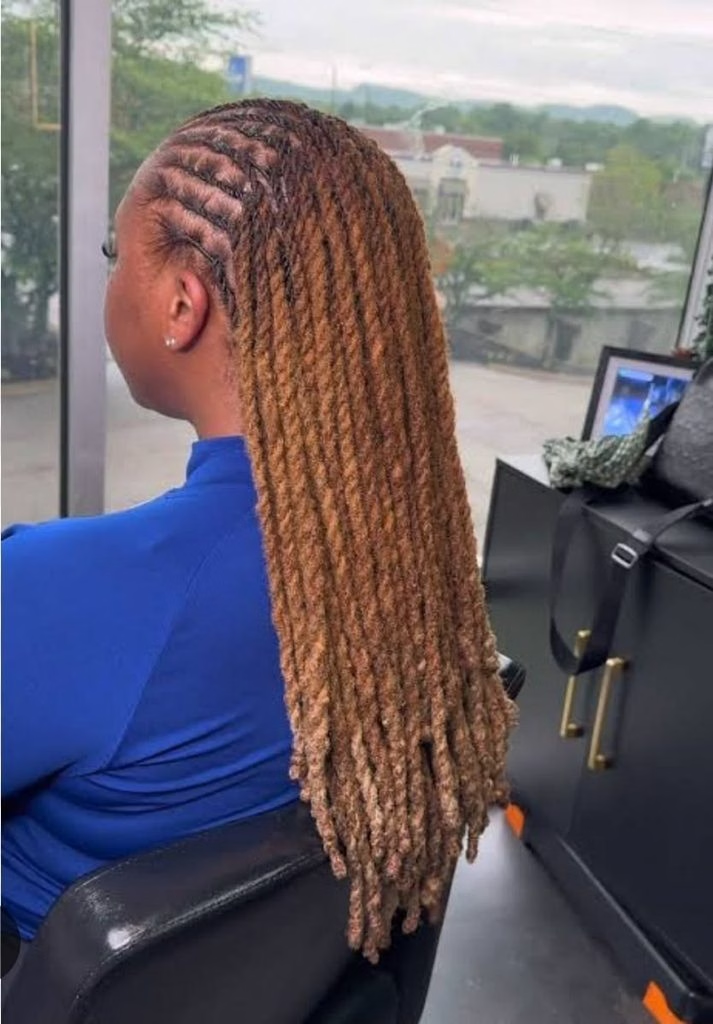
A loose half up style is easy and gentle, and the 45 half up half down locs styles show options. Half up styles keep the weight light on your roots, since only part of your locs are lifted.
Long locs can also look regal in a crown, as the 12 locs crown braid updos show. Crown styles spread the weight evenly across your head, and they keep your locs off your neck.
Wait until your locs are fully dry before you pin, braid, or wrap them into any style. Damp locs are heavy, and tight styles on damp locs can pull hard on your scalp.
Use soft bands, wide clips, and light pins, so no single spot carries too much weight. Avoid tight ponytails and high buns, especially right after a wash, when your locs feel heaviest.
A loose pineapple under a satin bonnet is a great overnight style for clean locs. It keeps your locs smooth, dry, and safe from friction while you sleep through the night.
Give your locs a few days of rest from heavy styling after a deep wash. Gentle care now means much stronger, longer, and healthier locs for many years to come.
Washing Before Weddings and Events
My neighbor Cheryl from Houston washed her long locs the morning of her daughter’s wedding, and they stayed damp. Her style felt heavy, and her pins would not hold, which made her very stressed.
The fix is simple, because you should wash your locs a few days before the event. Freshly washed locs can slide out of pins, so a little wear actually helps hold a style.
The wedding loc updo styles for black brides show elegant looks that start with a clean, dry base. For more ideas, browse the 25+ bridal locs updo ideas well before your date arrives.
Next, plan your wash for two to three days before the event, and let your locs dry fully. Book a retwist about one week before, so your roots look fresh, neat, and secure.
Avoid new shampoos or treatments in the final weeks, since a surprise reaction would be stressful.
On the day itself, use only a light mist and a drop of oil for shine. Then let your stylist work on clean, dry, and calm locs that are ready to be styled.
After the event, take your style down gently, and give your scalp a soft rinse. Your locs worked hard that day, so treat them with plenty of kindness and rest afterward.
Washing Locs for Kids and Family
Wash day can be a family event, and kids with locs need gentle, patient, and loving care. The guide on how to maintain kids locs at home offers a simple weekly care plan.
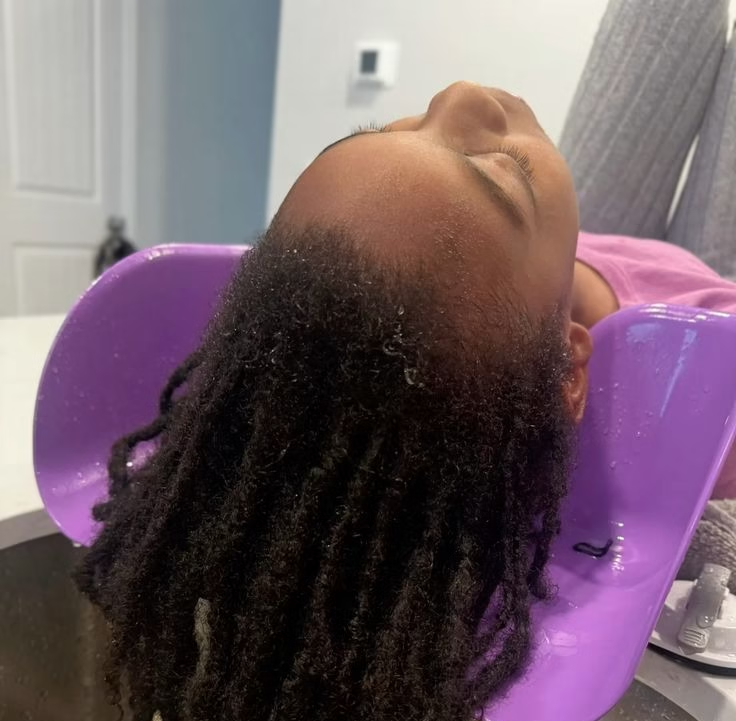
Children have tender scalps, so use lukewarm water and a very light touch every single time. Keep the shampoo away from their eyes, and rinse with a cup or a handheld sprayer.
Make wash day fun with music, stories, or a favorite show, so everyone stays calm and relaxed. Short sessions work best, and kids need many breaks, so never rush them through the process.
Teach children to love their hair, because they copy the way adults talk about it.
Dry their locs fully before bedtime, and use a satin bonnet or pillowcase at night. Damp locs against a pillow can cause odor and discomfort, even for very young children.
Wash the towels, bonnets, and pillowcases often, since they hold oil, dust, and old product. Clean tools protect everyone in the house, and they keep every scalp fresher for longer.
Family wash days can become sweet traditions that are full of laughter, comfort, and loving care.
Make Wash Day Easier on Your Body
Long locs are heavy, so wash day can strain your back, neck, shoulders, and arms. A little planning makes the work easier, and it makes the whole process much more comfortable.
Sit on a stool in the shower, or lean over a sink with a towel under your arms. Use a handheld sprayer, so you can rinse your locs without bending over too much.
Break the wash into sections, and rest between them, so your arms do not tire out. Take your time, and drink water during the process, because wash day can be tiring.
Also, ask a friend or a family member to help with rinsing or drying if you can. A second pair of hands makes long locs much easier to manage and much more fun.
Short locs are quicker to wash, as the 22 short locs styles for women in their 30s remind us. Long locs take more effort, but the length is worth every single minute that you spend.
If you have pain, arthritis, or limited mobility, tell your loctician and your doctor about it. A mobile loctician or a salon wash may be a very good option for you.
Treat wash day as a gentle reset for your scalp, your hair, and your mind. Put on your favorite music, relax, and enjoy the process, because you are caring for yourself.

Final Thoughts on Washing Long Locs
Washing long locs does not need to be hard, because a few simple habits do most of the work. Use a residue free shampoo, rinse longer than you think you need to, and always dry fully.
Wash on a steady schedule, handle your locs gently, and keep your products light and simple. Your scalp and your locs will reward you with comfort, strength, and a fresh, clean feeling.
Clarify about once a month, and watch for odor, itching, or buildup that needs your attention. If a problem does not improve, ask a loctician or a doctor for the help that you need.
Make wash day easy on your body with a seat, a handheld sprayer, and a helpful friend. Plan your washes around events, retwists, and the seasons, so your locs always look their best.
Your locs grow from a clean, healthy scalp, so care for it with love and patience. Enjoy the fresh, light feeling of clean locs from the root all the way to the tip.